Blog

  • PRESS RELEASE : Regionally-led solutions are the most effective way to create lasting peace and stability in the Sahel – UK statement at the Security Council [May 2023]

    PRESS RELEASE : Regionally-led solutions are the most effective way to create lasting peace and stability in the Sahel – UK statement at the Security Council [May 2023]

    The press release issued by the Foreign Office on 16 May 2023.

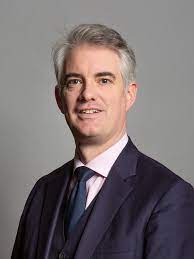
    Statement by Ambassador James Kariuki at the UN Security Council meeting on the Sahel.

    Thank you, President, and I thank ASG Pobee, Executive Secretary Tiare and Ms Diouf for their briefings.

    President, the Sahel is in crisis: escalating violence at the hands of extremist groups; democratic governance and human rights under threat; and vast humanitarian needs and food insecurity, all exacerbated by climate change and Russia’s war in Ukraine.

    These challenges need to be tackled by the countries of the Sahel, supported by international partners, through a determined show of political will, commitment to human rights and regional cooperation. The United Kingdom remains committed to supporting the Sahel and its people. We contributed around $284 million to the region last year.

    President, I want to set out three priorities for the coming period.

    First, with three regional states in the midst of political transitions, the continued leadership of ECOWAS and the African Union is vital. We urge the Burkinabe, Chadian and Malian authorities to adhere to agreed election timetables.

    Second, counter-terrorism operations must respect human rights and international humanitarian law. To do otherwise risks aggravating grievances, undermining trust with local communities, and driving recruitment to terrorist groups.

    We welcome the G5 Sahel’s reaffirmed commitment to the Compliance Framework under its new structures, and ongoing work with OHCHR. We continue to urge further progress towards implementation of human rights due diligence mitigation measures, as recommended by MINUSMA.

    At the same time, we are deeply concerned by the disturbing findings in last week’s OHCHR report on the massacre of hundreds of people in Moura, Mali by Malian security forces and the Russian-backed Wagner Group. As High Commissioner for Human Rights Volker Turk has said, such cases of summary executions, rape and torture amount to war crimes. We fully support MINUSMA’s role in investigating and reporting on human rights violations and abuses, and we urge the Malian authorities to strengthen their cooperation with the UN and to respect MINUSMA’s freedom of movement.

    New reports of around 150 civilian fatalities, including 45 children, following an attack by armed forces in the village of Karma, Burkina Faso on 20 April are also deeply disturbing. We urge all states in the region to fully respect their obligations under international law.

    Third, we agree with the Secretary-General’s message in his report that regionally-led solutions are the most effective way to create lasting peace and stability. The Accra Initiative is a promising example, and we look forward to supporting its members’ efforts. We hope the forthcoming report of the High-Level Panel on Security and Development will bring greater coherence between different initiatives in the Sahel.

    Thank you.

  • PRESS RELEASE : Scottish Secretary comments on latest Labour Market Statistics [May 2023]

    PRESS RELEASE : Scottish Secretary comments on latest Labour Market Statistics [May 2023]

    The press release issued by the Scottish Office on 16 May 2023.

    New ONS figures on Scotland’s labour market published.

    Responding to the latest LMS publication the Secretary of State for Scotland, Alister Jack, said:

    “The unemployment rate in Scotland remains near record lows and the labour market continues to be resilient in the face of significant economic challenges.

    “The UK Government is focused on halving inflation, reducing debt and growing the economy. That includes investing more than £2.2 billion across Scotland through our ambitious levelling up agenda to create jobs and opportunities, and boost trade and investment.”

  • Gordon Brown – 2023 Article on Arresting Vladimir Putin

    Gordon Brown – 2023 Article on Arresting Vladimir Putin

    Sections of the article written by Gordon Brown, the former Prime Minister, which was published in the Guardian on 23 May 2023.

    This week the president of the European Commission, Ursula von der Leyen, used the meeting of the Council of Europe to intensify her call for a “dedicated tribunal to bring Russia’s crime of aggression to trial”, citing two options: a tribunal based on a multilateral treaty under which a group of countries like the council of Europe agree to act in unison; or a special hybrid court founded on both Ukraine’s own domestic crime of aggression and international law.

    Such a tribunal, which would be vetoed by Russia at the United Nations security council, could be mandated by a majority vote of the 193 members of the UN general assembly which could charge Putin with planning to invade Ukraine starting in 2014 when his troops descended on Crimea.

    Whatever happens, August will represent a fork in the road. Either Putin attends the Brics summit, risking arrest, or by staying away he exposes his fear of being arrested. Whichever outcome, a line will be crossed.

  • PRESS RELEASE : Additional funding for research on diseases spread by mosquitoes and ticks [May 2023]

    PRESS RELEASE : Additional funding for research on diseases spread by mosquitoes and ticks [May 2023]

    The press release issued by the Department for Environment, Food and Rural Affairs on 16 May 2023.

    An extra £2.35 million has been announced to improve the UK’s research capacity and capability around vector-borne disease.

    • Animal Plant Health Agency secures £2.35 million to improve the UK’s research capacity and capability around vector-borne disease.
    • Four research projects will launch to monitor and control tick-borne diseases, investigate the transmission pathways of mosquito-borne viruses, and assess the risks of tick-borne disease through rewilding and reforestation.
    • Projects align with APHA’s continued One Health approach to researching and protecting animal and plant health.

    New research will get underway into the diseases spread by mosquitoes and ticks with an extra £2.35 million for projects led by the Animal Plant Health Agency.

    These diseases, known as vector-borne diseases (VBD), are a major threat to global animal and human health. Causing in excess of 700,000 deaths each year, they account for more than 17% of all infectious diseases. Although the impacts of VBD are felt mainly in tropical and subtropical areas of the world, there are risks in the UK due to a number of different factors – from changes in land use to a changing climate.

    The funding will support two APHA-led projects, including TickTools – a three-year project backed by £1.2 million to develop the tools to monitor and control tick-borne diseases. APHA will bring together researchers from the University of Nottingham and the Centre for Virus Research at the University of Glasgow and investigate the basic biology of tick-borne pathogen – from tick host interactions, improved vaccines to prevent disease and diagnostic methods to detect infection.

    The other APHA-led project Vector-Borne RADAR (Real-time Arbovirus Detection And Response) is a three-year £1.15 million project, which brings together the UK Health Security Agency, Institute of Zoology and the British Trust for Ornithology to combine field and laboratory-based research to investigate mosquito-borne viruses. The project will improve understanding of how these viruses emerge in new environments, enhance surveillance of diseases in wild birds in the UK and develop an early warning system for disease outbreaks.

    APHA will also be supporting two further projects, including helping to improve interventions and producing recommendations for minimising risks of tick-borne diseases through rewilding and reforestation.

    Ian Brown, APHA Director of Scientific Services said:

    APHA’s world-leading scientists and staff play an important role in protecting the UK from growing biosecurity threats such as vector-borne diseases – this funding will develop our research further.

    Working in collaboration with research organisations and institutions, we will be able to reduce the threat to human, animal, plant and environmental health posed by these diseases.

    Defra co-funded the vector borne disease research call alongside UKRI, providing £7 million investment into this research.

    Defra Chief Scientific Advisor Professor Gideon Henderson said:

    The funding for this important research, which brings together a wealth of expertise from some of the best scientific institutions in the UK, will continue to build and prepare the UK for the emergence of endemic and exotic vector-borne diseases.

    This coordinated scientific effort forms part of the UK’s commitment to work at the interface between environmental, human and animal health to improve outcomes for all.

    The funding is being provided by Defra and the Biotechnology and Biological Sciences Research Council. They also recently provided a £4 million investment into 10 innovative projects focused on international animal health research, funding projects that support cross-cutting research and innovation to better understand zoonoses, focusing on the animal, human and environmental interface.

    This funding supports the One Health approach to address threats to public and animal health and the ecosystems that interlink them. This is directly aligned to APHA’s mission to protect animal and plant health to benefit people, the economy, and the environment.

    The results of this research will provide evidence to Defra and the Scottish and Welsh governments to develop policies to further protect the country.

  • James Cartlidge – 2023 Speech at the Sea Power Conference

    James Cartlidge – 2023 Speech at the Sea Power Conference

    The speech made by James Cartlidge, the Minister for Defence Procurement, at the Sea Power Conference held at Lancaster House in London on 16 May 2023.

    It’s a great pleasure to be here and even to those like me with no naval background, Sir Henry Leach needs no introduction.

    It is a great honour to have been asked to deliver this lecture in his name, especially with his daughter Henrietta here in the audience.

    With many distinguished guests, colleagues and of course senior chiefs and indeed from our many allies around the world – it’s a great pleasure to meet and see all of you.

    During the Falklands conflict, as Prime Minister Margaret Thatcher’s so-called “knight in shining gold braid”, Sir Henry played a pivotal role in ensuring the Iron Lady stuck to her guns and secured freedom for the islanders.

    Yet as we prepare to mark the 80th anniversary of the end of the Battle of the Atlantic next weekend, we shouldn’t forget that Sir Henry’s early years were spent as a midshipman and later First Lieutenant in the stormy seas of the Second World War.

    Indeed, he had been assigned to serve on HMS Prince of Wales until his father Captain John Leach was given command of the ship.

    Tragically, Captain John went down with his ship just two days after the pair had enjoyed a gin sling and swim together.

    Despite such tragedy, Sir Henry distinguished himself in the war and as a junior lieutenant, was in charge of one of the 14-inch gun turrets in the battleship Duke of York which helped sink the German battlecruiser Scharnhorst off the North Cape in December 1943.

    There can be little doubt that such formative experiences helped shape the character and resilience of the man who went onto become First Sea Lord.

    A man who, when asked for his view on whether or not to send a taskforce to the Falklands, replied firmly: “It is not my business to say whether we should or not, but if we do not, if we pussyfoot in our actions and do not achieve complete success, in another few months we shall be living in a different country whose word counts for little.”

    On the surface 2023 appears to have very little in common with 1943.

    Yet, as Royal Navy and Allied warships sail to the Mersey ahead of three days of Battle of the Atlantic commemorations, it is striking how many of those challenges from Leach’s early wartime experiences remain relevant for us.

    We might not be at war but we find ourselves once more having to confront the resurgence of state-based dangers.

    President Putin is blockading trade in the Black Sea, threatening the undersea cables which support everyday life and increasing activity in the South Atlantic.

    And just as in the Second World War, the threats are truly global.

    We see, for example, in the South Pacific, that China is continuing to expand its Navy while using its military and economic might to intimidate its neighbours.

    Again, much like the Battle of the Atlantic, we know these maritime challenges – coupled with the diverse dangers of terrorism and global criminal networks – will unfortunately endure.

    Because the world is more dependent than ever on the oceans.

    Global financial markets dependent upon tens of thousands of miles of underwater cabling.

    90% of UK trade is carried by sea.

    And climate change is expected to raise the stakes – resulting in new sea lanes and accessible natural resources in the High North as temperatures rise and ice caps melt.

    So, Sir Henry would not be surprised to find his beloved Royal Navy more in demand than ever.

    Over the last year, our ships have been all over the world.

    Supporting NATO in Eastern Europe, leading exercises and training Ukrainian sailors in mine clearance.

    Operating in the High North alongside partners in the Joint Expeditionary Force (JEF).

    And conducting numerous weapons and drugs busts in the Gulf region.

    All the while, demonstrating the very best of naval soft power around the globe with HMS Tamar and Spey visiting some 15 countries, delivering medical support to Pitcairn and emergency support to Tonga after the devastating volcano.

    And who could forget the poignant role they have played at home? With 140 naval ratings pulling the Queen’s coffin through Westminster on the day of her funeral.

    As well as those who marched through the streets of London in the King’s coronation processions earlier this month.

    So to those of you here today – and indeed all those who couldn’t make it – thank you for doing your duty for our country.

    However, the Sea Power Conference is not an arena for self-congratulation.

    As you all know our challenge now is to move our thinking on from the past and present to the future.

    None of us has a crystal ball. But here’s what we do know.

    We know the threats are growing.

    We know that rising demand is colliding with tighter budgets.

    And we know, in Sir Henry’s words, that, “effective deterrence involves maintaining a high state of readiness, being well equipped and trained, and deploying wherever and whenever the situation demands.”

    How, then, can we reconcile these competing objectives?

    To my mind we must borrow three lessons from the Battle of the Atlantic.

    Lesson one is about strengthening that key stakeholder our industrial base.

    In the Second World War, our force depended on the enormous power of our sovereign industries.

    With great yards on the Clyde, Mersey and Tyne churning out mighty warships at a rate of knots.

    Now, we’re determined to reinvigorate the famous British maritime sector.

    Not just so we can produce the hard power required to succeed in this more dangerous era.

    But so the sector itself becomes a kind of soft power deterrent – showing our adversaries that our small island has the capability to keep making battle-winning ships for as long as it takes.

    And we’re going to achieve that by providing industry with a clear demand signal – with a fresh pipeline of cutting-edge vessels coming in over the next 30 years including Dreadnoughts, Astutes, SSN-AUKUS, Fleet Solid Support ships and next-generation frigates.

    By working much more closely with suppliers, giving them the confidence to invest and upskill in the right areas.

    And by helping them win commercial and export orders in major new global markets.

    The totality overall demand or demand signal is something I’ve thought about and will do much more in future as Procurement Minister.

    We’re also supporting the next generation of shipwrights by investing in training programmes and skills academies.

    With the likes of Babcock, BAE and others as they put apprentices and graduates through their paces around the country.

    Ensuring we have a powerful on-shore advanced manufacturing skills base for decades to come, so that the Royal Navy always has the firepower it needs to carry out its plans.

    Lesson two is about encouraging innovation across the sector.

    The advent of radar and sonar helped swing the Battle of the Atlantic our way in days gone by.

    But today, technologies are advancing at a frightening pace.

    AI, for example, is already revolutionising the way data and satellite imagery is informing decision-making in battle, while also enabling forces to carry out dangerous missions with uncrewed aircraft, vehicles and ships.

    If we don’t stay ahead of the curve there is a risk that vessels designed in 2023 could be obsolete in ten years’ time frankly a lot less.

    Part of that is about integrating new technologies onto existing platforms.

    And this is where NavyX comes in, the team with the mission to get new technologies from the drawing board to the frontline as quickly as possible.

    And to help them do that, they’ve got the new and unique Experimental Vessel Patrick Blackett.

    Named after the former sailor and Nobel Prize winning scientist, Patrick Blackett provides the safe environment we need to test all the game-changing ideas coming over the horizon.

    Now we just need to make the most of it.

    By working with the regulator to unlock the maximum potential of Patrick Blackett and future technology.

    While adapting our existing platforms in the here and now, to ensure we stay one step ahead of our adversaries.

    Which brings me onto my third and final lesson. The importance of partnerships.

    Sir Henry wouldn’t have got far in the Battle of the Atlantic without the support of allies like France and later the US and Canada.

    As we are seeing today in Ukraine, great partnerships are still a great capability in their own right.

    And this year we’re also celebrating the 60th anniversary of the Polaris Sales Agreement.

    A major part of one of the most enduring bilateral relationships in history, it saw the US supplying us with our very first nuclear missiles, heralding the start of the ultimate deterrent which has kept us safe from the most extreme threats ever since.

    The truth is that while our adversaries lack allies they can trust, we are part of a large family united by values we’ve fought and died to protect – Freedom, justice and a commitment to democracy.

    And as the dangers around us grow, we’re seeing a renewed commitment to NATO across the board.

    That’s why, here in the UK, the Navy is making a substantial commitment to NATO’s New Force Model – including our Carrier Strike Group – in addition to regular contributions to NATO operations.

    But we’re also operating on a smaller multi-lateral level, ramping up our collaboration with our partners in the Joint Expeditionary Force (JEF) which is the 10-nation coalition aiming to preserve peace in Northern Europe.

    Over the last year, the JEF has been at the forefront of providing military, economic and humanitarian aid to Ukraine.

    Joint patrols, led by the British Type 23 frigate HMS Richmond, have been joined by Lithuanian, Latvian, Estonian, and Danish ships, supported by Swedish and Danish fighter aircraft.

    And last year we held Exercise Cold Response near Norway, one of the biggest exercises in Europe since the end of the Cold War.

    We’re also strengthening our partnerships beyond Europe.

    In the Indo-Pacific, which we all know is one of the main strategic chokepoints in the world, we are persistently operating two ships to reassure allies and partners, while helping to uphold freedom of navigation in the region.

    By 2030, our five new Type-31 frigates will further enhance our global reach.

    And at an industrial level, the T-26 continues to garner interest in the export market, having already been selected for the Hunter class frigate programme in Australia and the Surface Combatant programme in Canada.

    But you and I know there is much more we can do.

    And one of my priorities will be to make sure we get even more out of our international ties both at an operational and industrial level.

    The three lessons I’ve outlined today – strengthening industry, encouraging innovation and bolstering partnerships – are embodied in what is our most powerful partnership of the last few decades – AUKUS.

    AUKUS is not just creating thousands of skilled jobs here in the UK, strengthening our industrial base.

    And it’s not just enabling the sharing of skills and expertise as we break new ground together on cutting-edge designs.

    But, crucially, it’s uniting three great allies as we work together to protect our common interests.

    That is the benchmark for the kind of deals we’re looking to make in the coming months and years.

    So, as I’ve said, we’re living at a dangerous time.

    A period of rising dangers.

    But some things have not changed.

    Our maritime power is as important as it has ever been.

    So we must do everything we can to enhance Sir Henry’s great legacy through industry, through innovation and through international partnerships.

    We must continue to channel his great willpower and his great belief in the values that underpin our daily lives.

    Because, if we do not, the warning he gave to Mrs Thatcher still holds true; “We shall be living in a different country whose word counts for little”.

  • PRESS RELEASE : £173 million investment in hundreds of new homes for UK Armed Forces families [May 2023]

    PRESS RELEASE : £173 million investment in hundreds of new homes for UK Armed Forces families [May 2023]

    The press release issued by the Ministry of Defence on 16 May 2023.

    423 modern homes have been purchased for Service families across the UK in a £173 million deal, as part of the Defence Infrastructure Organisation’s (DIO) Capital Purchase Programme.

    • 423 modern, energy efficient homes for Service families.
    • £173 million invested for Service families across the UK.
    • Armed Forces families to benefit from hundreds of new homes as part of a major housing procurement shake-up.

    423 modern homes have been purchased for Service families across the UK in a £173 million deal, as part of the Defence Infrastructure Organisation’s (DIO) Capital Purchase Programme.

    The Capital Purchase Programme (CPP) works in partnership with major developers to identify where there is a need for family accommodation and determine the best way of delivering high-quality, energy efficient homes for our Service families.

    Replacing some of the MOD’s oldest housing stock and reducing the use of substitute accommodation, 310 brand new homes have been purchased in the last 12 months, in areas including Aldershot, Brize Norton, Lossiemouth and Portsmouth. All are due to be occupied by the end of 2023 and will have a minimum energy performance certificate (EPC) rating of B.

    Minister for Defence Procurement, James Cartlidge said:

    This announcement shows our commitment to delivering good quality homes for the men and women of our Armed Forces and their families.

    They perform an incredible role around the clock and rightly expect good quality accommodation. Offering modern, energy efficient homes which are good for the environment and great for their bills is the least we can do while we continue to improve our Service Accommodation across the UK.

    DIO has also bought 113 homes that it previously held on long-term leases, to secure their tenure for future use and has agreed to purchase a further 176 new homes, all designed to be net-zero carbon in occupation, over the next three years to support Imjin Barracks in Gloucestershire, at a cost of £78 million.

    DIO Head of Accommodation, Air Commodore James Savage said:

    I’m delighted with the progress the Capital Purchase Programme has made. It enables us to replace some of our poorest housing stock with modern, high-quality and energy-efficient homes fit for our Service families.

    We’re equally committed to improving our existing housing stock and the investment in our current homes has made a real difference too, with around 20% of homes receiving a significant upgrade.

    Alongside the investment in new homes, DIO also invested £185 million last financial year in improving existing Service Family Accommodation, with around 20% of homes receiving an upgrade in the last 12 months. This includes a £73 million programme of works to improve the thermal efficiency of homes, which provided 600 homes with new boilers, 1,200 with new roofs, 1,740 with new doors and windows, and 900 with full external wall insulation.

    Director Basing & Infrastructure, Major General Richard Clements CBE said:

    This significant investment in new homes is very good news for soldiers and their families. Real progress is being made to provide the modern, high-quality accommodation that they deserve, while also addressing the need for more sustainable housing stock. I am delighted to see ongoing and increasing improvements underway across the defence estate, to benefit our people and support Army capability.

  • PRESS RELEASE : England moves to fourth in international rankings for reading [May 2023]

    PRESS RELEASE : England moves to fourth in international rankings for reading [May 2023]

    The press release issued by the Department for Education on 16 May 2023.

    England came fourth out of the 43 countries that tested children of the same age in the Progress International Reading Literacy Study (PIRLS).

    England came fourth internationally for primary reading proficiency in the highly anticipated Progress in International Reading Literacy Study (PIRLS) results. This continued success in PIRLS follows the focus on phonics and is driven by improvements for the least able pupils.

    Despite disruption from the pandemic, England’s score remained stable following significant improvements in 2011 and 2016, coming fourth out of the 43 countries who tested the standard 9-10-year-old cohort. Direct comparison of countries’ performance between 2016 and 2021 is complicated by Covid-19 disruption.

    England’s score of 558 was well above the international average of 520 and the European average of 524.

    The PIRLS rankings are widely regarded as the international benchmark for primary reading capability and are typically carried out every five years.

    This success follows on from a series of reforms to improve standards in reading including the introduction of the Phonics Screening Check and the introduction of the English Hubs programme. To celebrate England’s performance, Schools Minister Nick Gibb visited a leading English Hub, the Jerry Clay Academy in Wakefield, to take part in a literacy class and see first-hand the improvement in reading standards.

    The Prime Minister, Rishi Sunak, said:

    Driving up literacy rates is central to our plan to grow the economy, one of my 5 key priorities, so it’s great to see England move up to fourth in the international rankings for reading.

    These results also show a welcome narrowing in the attainment gap between boys and girls and the highest and lowest performing pupils.

    This shows that our approach is working. Thanks to our brilliant teachers, our tireless pursuit of standards, the pioneering English Hubs programme and the introduction of the Phonics Screening Check – more children are reading confidently and reaching their potential.

    While there is always more progress to be made, pupils and teachers across the country should be incredibly proud of this achievement today.

    Schools Minister Nick Gibb said:

    Driving up standards in literacy has been the Government’s long-term priority, and our focus over the past decade has been on improving the teaching of reading through the tried and tested approach of phonics.

    With the introduction of the Phonics Screening Check and the English Hubs Programme, we have given students across the country a solid foundation in reading, and as today’s results show, one which is internationally recognised.

    I am grateful to all the teachers and teaching assistants who have made this possible. Not only are they giving their pupils skills vital for success in their later education, but also a lifelong love and respect for one of life’s greatest pleasures.

    The Department for Education introduced the Phonics Screening Check in 2012, to ensure every 6-year-old is on track with their reading. In 2012, only 58% reached the expected standard, by 2019 just before the pandemic this had reached 82%.

    The £60 million English Hubs programme was rolled out in 2018 and is designed to develop expertise in teaching reading in schools. The lead schools work with partner schools by modelling best practice and providing expert teachers to help them raise reading standards through phonics. Analysis published today shows that partner schools supported by the English Hubs Programme outperformed other schools by around 7 percentage points in their Phonics Screening Checks.

    PIRLS also showed both the gender gap, between boys and girls scores, and the attainment gap, between the highest and lowest performing pupils, are continuing to narrow. Equally, the attainment gap between pupils who like reading “very much” and those who “do not like” reading has also decreased to its lowest ever level, meaning even pupils who do not enjoy reading are still proficiently skilled in it.

    Our robust approach to teaching early reading proved essential to protecting reading proficiency from Covid-19 disruption. Only 11 of the 43 countries which tested pupils of the same age in PIRLS 2021 were able to avoid significant declines in their scores, including England.

    The pandemic caused disruption to the study itself, with some countries testing pupils of the standard age range in 2021, others delaying testing by 6 months and testing older children, and others delaying testing by a whole year. To minimise disruption in schools during the pandemic, England tested a year later in 2022 meaning that England was testing the standard age group, allowing direct comparisons to be drawn.

    The IEA, the organisers of the study, have decided that direct comparisons to countries who delayed the assessment and tested older children should not be drawn. This means countries like Ireland and Northern Ireland are not presented in the main rankings, although their scores are still available to view.


  • PRESS RELEASE : UKHSA 10-year science strategy launches to secure health and prosperity [May 2023]

    PRESS RELEASE : UKHSA 10-year science strategy launches to secure health and prosperity [May 2023]

    The press release issued by the UK Health Security Agency on 16 May 2023.

    UKHSA has launched a 10-year science strategy, setting out how UKHSA’s science can save more lives and contribute to the UK’s ambition to be a global science superpower.

    The strategy sets out how the UK Health Security Agency’s (UKHSA) scientific capabilities – including genomics, vaccine evaluation, surveillance, data science, diagnostics and toxicology – will be deployed to prepare for future health security hazards, respond to current threats to save lives, reduce harm, protect livelihoods and essentially build the UK’s health security capacity.

    Through investment in scientific workforce and deeper partnerships with industry and academia, the strategy sets out UKHSA’s ambitions to:

    • predict and anticipate health threats, through unique and expert skills in genomics, data science and surveillance, including disease vector (such as mosquitoes and ticks) surveillance
    • create a more secure environment, by enhancing our understanding of the threats in the environment and building scientific defences against these hazards
    • reduce and eliminate health threats, by strengthening the scientific evidence underpinning health protection programmes – at home and abroad
    • act on the scientific evidence, translating data, knowledge and insights into practical actions
    • unlock the potential of scientific assets, and secure the legacy from the pandemic to increase the impact of our science on health and economic prosperity, strengthening vaccine and diagnostic development and evaluation and data science

    Professor Isabel Oliver, Chief Scientific Advisor at UKHSA, said:

    We saw the art of the possible during the coronavirus (COVID-19) pandemic with genomic data allowing the rapid identification and characterisation of variants enabling the rapid development and evaluation of diagnostics, vaccines and therapeutics.

    Science was the backbone of the world’s response, helping us to understand the virus, how to best protect ourselves and ultimately live safely with the virus. UKHSA will deploy its unique scientific capabilities working with partners to protect lives and livelihoods from the health threats we are facing now and those we will detect, prevent and control in future.

    Professor Dame Jenny Harries, Chief Executive of UKHSA, said:

    UKHSA protects our communities from infectious diseases and the impact of chemical, radiological and other environmental health hazards. Our diverse scientific capabilities and partnerships are the foundation of our work, underpinning everything we do.

    We are already working to continuously protect the public from existing and emerging health threats, but our new strategy will ensure the UK is ready to tackle all current and future health threats quickly and effectively, securing the best health outcomes and greater prosperity for the country.

    Health Minister Maria Caulfield said:

    Cutting-edge science showed its power throughout our response to the COVID-19 pandemic and will continue to protect people from potential future health threats.

    UKHSA’s new science strategy will ensure the UK remains one of the world’s science superpowers, while protecting people from illness and reducing pressure on NHS services – helping to deliver on the government’s priority of cutting waiting lists.

    Minister of State at the new Department for Science, Innovation and Technology George Freeman MP said:

    The COVID-19 pandemic was a wake-up call for the importance of health economic resilience and security with big lessons for enhanced pathogen detection, biosecurity, pandemic preparedness and better understanding of the real drivers of health economic resilience. As well as learning why some populations, from cities to entire countries, were remarkably more resilient than others, as revealed by the work of the G20 Reform for Resilience Commission.

    UK leadership in pathogen sensing, rapid genomic sequencing, vaccine manufacturing and clinical informatics proved to be vital in saving millions of lives.

    The UK’s major investment in life sciences in the last 10 years has paid dividends and helped attract billions of new investment in mRNA drug and vaccine technologies, and clinical trials.

    This is why it’s so important for UKHSA to have a clear scientific capabilities plan, which builds on the investments we are already making to support this vital £94 billion life sciences sector, including most recently the £350 million joint government and industry backing for life sciences manufacturing in the last 2 years alone, our commitment to double funding for dementia research to £160 million a year by 2024 to 2025, and £50 million funding for medical research charities.

    Health security is economic security: for the UK and the globe.

    Through this work, the agency will identify and address threats rapidly, protecting people’s health and livelihoods, reducing the burden on NHS services and ultimately limiting the costs associated with major outbreaks and incidents.

    Our developments include a new Centre for Climate and Health Security, including delivering a 5-year assessment report on the Health Effects of Climate Change. In addition, UKHSA is working in partnership to accelerate and expand its role in new diagnostics and developing the organisation’s genomic capabilities to detect threats to health rapidly and effectively, as well as supporting the development of the vaccines and therapeutics that we need to protect health.

  • PRESS RELEASE : Melanie Dales appointed Ministry of Defence Police (MDP) Chief Constable [May 2023]

    PRESS RELEASE : Melanie Dales appointed Ministry of Defence Police (MDP) Chief Constable [May 2023]

    The press release issued by the Ministry of Defence on 16 May 2023.

    The MOD Chief Operating Officer, Nina Cope, has announced the appointment of Melanie Dales as MDP Chief Constable following an open selection process. Mel will lead the MOD’s unique, specialist police force responsible for protecting critical national infrastructure including military establishments.

    Mel joined the MDP in February 2022 as Assistant Chief Constable for Nuclear and Marine, more recently serving as Deputy Chief Constable and Temporary Chief Constable following the retirement of Andy Adams in February. She brings a distinguished 30-year career in policing, including in Home Office Forces, and will be well-placed to drive the MDP forward during what is a significant period for Defence.

    Mel will be the first woman to be appointed Chief Constable since the MDP was established in 1971.

    Commenting on the appointment, Baroness Goldie (Minister of State in the House of Lords) said:

    The Ministry of Defence Police carries out critical work in protecting Defence people and assets, so I am delighted Mel Dales has been appointed MDP Chief Constable, she brings with her a wealth of experience in UK policing.

    Nina Cope (Chief Operating Officer) said:

    Mel Dales is a highly experienced police officer, and I am thrilled to announce her appointment as Ministry of Defence Police Chief Constable. This is a significant and exciting moment for women in Defence and policing more widely as Mel becomes the first woman to be appointed Chief Constable in the history of the MDP. I look forward to continuing to work with her to lead and develop this crucial organisation of brilliant officers and civil servants.

    Mel Dales said:

    I am proud to have been given this opportunity to lead the MDP because of the unique role we play in protecting the assets and infrastructure of Defence, on land and at sea. These are challenging times for policing, and I am particularly proud to be leading the MDP through a significant period of reform which will create a working environment and culture that is genuinely respectful, and inclusive of everyone. This includes our officers and staff, as well as those we protect, I want the MDP to be a Force that is trusted by the public and Defence community.

  • PRESS RELEASE : Functional fitness should be at the heart of a veteran’s recovery [May 2023]

    PRESS RELEASE : Functional fitness should be at the heart of a veteran’s recovery [May 2023]

    The press release issued by the Cabinet Office on 16 May 2023.

    An op-ed from Veterans Minister Johnny Mercer, originally published in the Times Red Box.

    Monday marked the start of Mental Health Awareness Week. For me, the week is always a reminder of how the mental aspects of warfare can often be as powerful as the physical.

    Early on in my third tour of Afghanistan in summer 2010, I made a close friend. He was a good bloke — intelligent, thoughtful and a good soldier. He was brave, didn’t flinch under fire.

    On a patrol, he was shot in the side. Though the round pinged off his new body armour plate, something in his head snapped. He had to be extracted as a casualty, despite having no physical injury; he just could not compute what had happened to him.

    It was perhaps the worst case of battle shock I had seen in a British soldier up to that point. It was devastating to see a man so strong, yet so completely broken by battle. It had a profound effect on me. It demonstrated to me the vicious and unpredictable effects of trauma on the mind.

    A few years later, I bumped into a soldier I’d trained with back in 2007. He had completely transformed himself from a problem character into an exemplar soldier. He made a point of telling me how important those early days in training had been: how they had taught him humility, courage, discipline and resilience.

    Seeing him reminded me how rewarding it had been to help him and many others like him make something of themselves. I started to think about where I might be able to make a difference in the future.

    Heading home from Afghanistan, I felt that tokenism dominated almost every approach to veterans’ care and mental health. When it came to post-combat care specifically, I strongly believed that the government had singularly failed our service men and women.

    I wanted to end the unacceptable stigma and lack of genuine commitment to mental health. My mind was made up. I was going to leave the Army and become an MP. As the minister for veterans’ affairs, I’ve made it my mission to improve the plight of veterans and their families. And with that comes improving access to health services.

    One real service innovation has been to take a multidisciplinary approach: addressing not just physical health needs, but the wider health and social needs of the veteran so they can heal, recover and thrive.

    Op Courage was the pioneer: a single clear defined pathway for veterans in England to access world-class mental health care. The Veterans Trauma Network, another dedicated NHS service for veterans, is also helping to standardise physical health support. It is the services charity sector that is complementing these services with excellent wraparound support.

    Being active can make a world of difference. The Veteran Games, taking place later this month in Tel Aviv, will host over 60 wounded British veterans together with their spouses and children. They will compete with their Israeli counterparts across swimming, shooting and functional fitness. Now in its third year, the Games was set up by the charity Beit Halochem UK, which supports state-of-the-art centres for injured veterans in Israel, and is entirely run from philanthropic donations.

    Competing veterans have been selected by charities based on how much they will benefit from the opportunity, rather than for their sporting prowess. It is the taking part that counts, and everything that comes with it. This includes building shared, long-term bonds with their fellow UK and Israeli competitors.

    I am inspired by the veterans who are challenging themselves, and encouraging others to do the same. I will be cheering for them later this month — not only to grab those medals, but to continue on their personal journeys to recovery.