Blog

  • PRESS RELEASE : UN HRC53 – Universal Periodic Review Adoption – Switzerland [July 2023]

    PRESS RELEASE : UN HRC53 – Universal Periodic Review Adoption – Switzerland [July 2023]

    The press release issued by the Foreign Office on 10 July 2023.

    The UK’s statement for 53rd Session of the Human Rights Council for the Universal Periodic Review adoption of Switzerland.

    Thank you, Mr President.

    The United Kingdom welcomes the engagement of Switzerland with the Universal Periodic Review process and its commitment to promoting and protecting human rights, both at home and around the world.

    We are pleased by Switzerland’s acceptance of our recommendation to establish a national human rights institution, and indeed we welcome their NHRI’s formal inauguration on 24 May 2023 – we also note that in many contexts, including our own, that there is a need for balance between national human rights institutions, ombudspersons and regulatory bodies.

    We also welcome Switzerland’s progress made in combating trafficking in persons and sexual exploitation included the adoption, in late December 2022, of the third National Action Plan against Trafficking in Persons and the implementation, within the framework of the asylum procedure, of processes for identifying and providing assistance to potential victims of trafficking.

    We would encourage Switzerland to submit an optional mid-term report on progress in implementing all the recommendations which have been accepted.

    We reiterate our thanks for Switzerland’s open and constructive approach to the human rights challenges raised at its periodic review, and its clear commitment to implementing the recommendations it has accepted. We join others in recommending that the report of the UPR Working Group on the Review of Switzerland be adopted without objection.

    Thank you.

  • PRESS RELEASE : UK and US to rally efforts to help developing nations tackle climate change [July 2023]

    PRESS RELEASE : UK and US to rally efforts to help developing nations tackle climate change [July 2023]

    The press release issued by the Department for Energy Security and Net Zero on 10 July 2023.

    Energy Security Secretary Grant Shapps and US Special Presidential Envoy on Climate John Kerry convene Climate Finance Mobilisation Forum in Windsor.

    • Leading figures in finance and philanthropy demonstrate action in crucial drive to tackle climate change in developing economies
    • Convened by the Energy Security Secretary Grant Shapps and US Special Presidential Envoy for Climate John Kerry, the Forum aims to catalyse efforts to unlock private capital
    • His Majesty The King and President Biden will engage with the participants at Windsor Castle today following talks

    Top financiers and philanthropists will come together in Windsor today (Monday 10 July) for a Climate Finance Mobilisation Forum to recognise and encourage efforts that increase support for emerging and developing economies to accelerate a net zero, resilient transition.

    Organisations are encouraged to bring examples of recent and new activities that represent significant investments to drive climate action and harness the environmental, economic, security, and social benefits it brings – building momentum on implementation efforts that contribute to achieving the goals of the Paris Agreement.

    Energy Security and Net Zero Secretary Grant Shapps and US Special Presidential Envoy for Climate John Kerry will host major financial players and philanthropists for the special event, convened as part of President Biden’s visit to the UK, before participants travel to Windsor Castle to speak to His Majesty The King and the President about the conclusions of the discussion.

    It is estimated that by 2030 annual clean energy investment in these countries needs to expand by more than seven times, to above $1 trillion, in order to put the world on track to reach net-zero emissions by 2050. And that is for clean energy alone; additional investments are needed to reduce non-CO2 emissions, halt deforestation and reverse forest loss, and adapt and build resilience to climate change.

    Energy Security Secretary Grant Shapps said:

    Finance is the lifeblood of growing economies. Billions has been spent so far to accelerate the green transition already underway, and the UK is delivering its £11.6 billion of International Climate Finance to support countries around the world – but if we want to deliver real change, we must go further and do it together. The scale of this transition requires trillions in private investment in addition to the public funds we are spending.

    Today is about uniting with our US allies and key enablers, using this world-leading expertise for the benefit of not just our own economies but those that will be most affected by climate change impacts – updating The King and President on what we’re doing to set us all on a path to net zero and greater climate resilience by unlocking private investment.

    Building on the US-UK Atlantic Declaration, today isn’t just about cutting emissions, it’s also supporting countries to achieve a secure, cheaper and home-grown energy system – to grow their economy and create jobs.

    US Special Presidential Envoy for Climate John Kerry said:

    The climate crisis is here. It’s caused by the unabated burning of fossil fuels, and it’s going to get worse without action.  No government can solve this crisis by itself.  We need to work together with the private sector and philanthropy to speed up the net zero, resilient transition.

    One important outcome of today’s event will be the ideas and potential collaborations that are seeded and the tangible action and ways private finance and philanthropies can collaborate to accelerate action on the road to COP28.

    Since day one, President Biden has taken decisive action to mobilize an unprecedented effort to tackle the climate crisis, and that work continues today in partnership with the UK to raise ambition through concerted action between the public, private, and philanthropic sectors.

    Currently emerging markets and developing economies account for two-thirds of global greenhouse gas emissions, and many are highly vulnerable to climate hazards. These economies are crucial for tackling climate change and halting nature’s decline, as well as being key partners for the UK and US in generating shared prosperity from the global transition.

    The UK and US can capture a huge economic opportunity by supporting the global transition, whilst building closer relationships with high growth emerging markets and developing economies as they seek to meet their own financing needs.

    Following Putin’s barbaric attack on Ukraine, governments are redoubling efforts not only to keep 1.5C alive, but boost cleaner, more secure and cheaper energy that moves away from costly fossil fuels.

  • PRESS RELEASE : Overhaul of criminal justice system delivers significant improvement for rape victims [July 2023]

    PRESS RELEASE : Overhaul of criminal justice system delivers significant improvement for rape victims [July 2023]

    The press release issued by the Ministry of Justice on 10 July 2023.

    Government delivers on pledge to return number of cases reaching court to 2016 levels.

    • All 43 police forces in England and Wales to implement new approach to investigating rape
    • Remote sentencing hearings to be offered to improve victims’ experience in court

    Rape victims are being better supported across the criminal justice system 2 years on from the landmark End to End Rape Review, thanks to progress in delivering the government’s action plan to transform the response to rape and put more perpetrators behind bars.

    The progress report published today (Monday 10 July) shows the government has already met 2 of the 3 key ambitions in the Rape Review ahead of schedule – restoring the number of police referrals and cases reaching court to 2016 levels – and is on track to exceed all 3 ambitions before the end of this parliament.

    It comes as all 43 police forces across England and Wales, and all rape prosecutors across the country, begin implementing a new approach to dealing with rape and other serious sexual offences, ensuring forces conduct thorough investigations which put the focus on the suspect and centre the rights and needs of victims. Known as Operation Soteria and piloted in 19 police forces and 9 Crown Prosecution Areas already, the programme brings together police forces with academics, using evidence and new insight to enable forces and prosecutors to transform their response to rape and serious sexual offences.

    There are early signs of improvements in the police forces and CPS Areas already participating in the Operation Soteria programme. All five pathfinder forces have seen an increase in the number of cases being referred to the CPS – more than doubling in West Midlands Police and Durham. The number of cases being prosecuted by the CPS from Avon and Somerset have more than tripled, and all pathfinder forces have seen a reduction in the average days taken for a charge outcome to be assigned – with South Wales seeing a reduction of almost 300 days in the latest quarter.

    And to further improve the response to rape, 2,000 extra police investigators will be specially trained in rape and sexual offences by April 2024. It will also be compulsory for new recruits to undertake rape and sexual offences training, which will also be rolled out to all existing first responders.

    Lord Chancellor and Secretary of State for Justice, Alex Chalk KC, said:

    Rape and sexual violence are horrific crimes that can impact victims for the rest of their lives. That’s why we launched an action plan in the 2021 Rape Review to drive up prosecutions.

    We’ve made significant progress, hitting two of our Rape Review ambitions ahead of schedule, and there are more rape cases before the courts today than in 2010.

    Now we are going further, extending our action plan with more support for victims, encouraging survivors to come forward and see justice done.

    Home Secretary, Suella Braverman MP, said:

    As a society, too often we have failed the victims of sexual violence.

    I have been clear that we must transform the way these investigations are handled, to make sure that all victims have the best support possible throughout the entire process. This is a vital step in delivering on that promise.

    It will help ensure investigations focus on the suspect, and never on seeking to undermine the account of the victim, as well as placing the utmost importance on their rights and needs.

    The Rape Review progress report shows improvements have been made in response to rape across every stage of the criminal justice system and, crucially, data suggests more and more victims are reporting these abhorrent crimes to the police – demonstrating an increase in victim confidence.

    The government recognises that there is more work to be done to support rape victims in coming forward and bringing perpetrators to justice.

    To further support victims, pioneering CPS areas, police forces and leading academics have developed a new National Operating Model for the investigation of rape and serious sexual offences, and all police forces and prosecutors in England and Wales have committed to implementing it from today.

    This will see police and prosecutors work more closely together to build stronger cases which focus on the behaviour of the suspect, and place victims at the heart of the response.

    The Home Office, National Police Chiefs’ Council (NPCC) and College of Policing Unit will oversee the implementation of the new national model, supported by the College of Policing and the government will be consulting with police leaders on the effectiveness of dedicated rape investigation units in all police forces.

    Having completed more than 150 published Rape Review actions over the last 2 years, with less than 10 outstanding due to be completed in the coming months, today’s publication extends the government’s action plan until the end of parliament, continuing to deliver activity across the criminal justice system that will drive further improvements

    These actions include:

    • Giving more victims the option to hear their attacker being sentenced away from a courtroom – avoiding seeing their attacker face-to-face. This brings sentencing in line with measures already brought in which allow victims to provide evidence remotely
    • Recommissioning the Rape and Sexual Abuse Support Fund (RASASF) providing £21 million over 2023/24 to specialist support services for rape and sexual abuse victims across England and Wales, helping them cope and move forward with their lives
    • The Home Secretary has commissioned His Majesty’s Inspectorate of Constabulary and Fire and Rescue Services (HMICFRS) to carry out a thematic inspection of forces’ implementation of the Soteria Model, and will produce a report with findings in due course
    • Publishing a step-by-step guide for frontline investigators on conducting suspect-focused investigations and toolkits to ensure victims’ needs and rights are central to all investigations

    Director of Public Prosecutions, Max Hill KC, of said:

    “Today marks the latest milestone for the Crown Prosecution Service in our journey to transform the way rape cases are investigated and prosecuted, learning from Operation Soteria.

    “Over the past year, we have seen the volume of adult rape-flagged cases charged increase by 40% and are on track to significantly increase the number of cases going to court year on year.

    “We know we still have a long way to go to drive lasting change, and will continue to listen carefully to partners and victims as we go, but the work we have been doing through genuine partnership with police colleagues is bearing fruit.”

    Victims Minister, Ed Argar MP, said:

    Since 2019 we’ve almost doubled the number of suspects charged and the volume of convictions is up a third – meaning more rapists being put behind bars.

    We’ve introduced a round-the-clock rape support line and are quadrupling funding for victim support by 2025, but it’s vital we maintain this momentum and keep building on all the action we’ve taken so far.

    Emily Hunt, survivor and independent advisor to the government on the Rape Review, said:

    Two years on from the Rape Review, it is amazing to see what the beginning of success looks like.

    Fundamentally, now more rapists are going to prison and victims are being better supported. But it is not the time to stop – it is time to double down and really consider what we should be doing to build on these successes.

    Since the Rape Review was published the government have taken a number of steps to provide better support for rape victims including:

    • Launching a 24/7 Rape and Sexual Abuse Support Line so victims can speak to trained specialists whenever they need
    • Quadrupling funding for victim support services by 2025 compared to 2010 levels
    • Stopping unnecessary and intrusive requests for victims’ phones through the Police, Crime, Sentencing and Courts Act and introducing new legislation through the Victims and Prisoners Bill so that therapy notes or other personal records are only accessed when necessary and proportionate to an investigation
    • Providing Police and Crime Commissioners with dedicated ring-fenced funding for at least 900 Independent Sexual Violence and Domestic Abuse Advisors and will fund an additional 100 – bringing the total to over 1000 by 2025.
    • Driving down Crown Court backlogs so cases can be heard faster, lifting the cap on the number of days courts can sit, and recruiting 1,000 more judges

    These steps build on progress made on convictions which are up 33% on 2019 levels, while adult rape prosecutions are up 4% on 2010.

    The Victims and Prisoner Bill will also provide additional support for all victims, including rape victims, by giving ministers powers to direct the inspection of justice agencies, such as the police and courts, that are failing victims.

    Attorney General, Victoria Prentis KC, said:

    The aftermath of rape and serious sexual offences can last a lifetime, so I hope today’s announcement means victims feel they can report these sickening crimes with confidence.

    More cases are being referred and charged and thanks to better joined up working between police and prosecutors, more robust files are being built which can pass through the system more swiftly.

    Support measures to keep victims engaged are so much improved, but the momentum must continue right across the country.

    National Police Chiefs’ Lead for Rape and Adult Sexual Offences, Chief Constable Sarah Crew, said:

    Rape is one of the most complex and challenging crimes the criminal justice system deals with. The roll out of the National Operating Model is a huge step forward in how we investigate crime and the experience victims receive.

    While we know there is more to do, the national operating model will see all forces adopt new processes, guidance and training to enable more victims to get the justice they so deserve. In order to improve trust and confidence, we have to show victims we are making significant changes and getting results. Operation Soteria offers this.

    We have opened up our doors to academics and to scrutiny. This has not always been a comfortable process. However, it’s an essential step towards achieving our goal of comprehensive and transformational change.

    Professors Katrin Hohl and Betsy Stanko OBE,  joint academic leads of Operation Soteria, said:

    The National Operating Model is an evidence-based solution to the seemly intractable problem of low charging rates and poor victim experiences in rape cases. Never before have academics, policing, and the Crown Prosecution Service come together in this way.

    Together, and in close consultation with victims and the victim support sector, we have developed principles, guidance, toolkits and other practical materials to support officers to better investigate sexual offending behaviour and to better engage with victims in line with their rights and needs. We are hopeful that this could mark the beginning of a new era of criminal justice.

    College of Policing Chief Constable, Andy Marsh, said:

    I’m delighted to see Op Soteria, first trialled when I was chief constable at Avon and Somerset Police, being rolled out across the country.

    The College of Policing will be the gateway to all of the guidance, knowledge and best practice so it is easily accessible at any time day or night.

    By transforming our response to rape we can better stop those who commit these horrific crimes and help victims get the justice they deserve.

    London’s Victims’ Commissioner, Claire Waxman OBE, said:

    This is an important step forward that demonstrates radical change is possible in the criminal justice system to improve the response to victims, and I welcome the national rollout of Operation Soteria to transform how officers in all forces investigate rape and sexual offences.

    I was grateful to play a role in this project following my London Rape Reviews, which highlighted deteriorating rape conviction rates and victim withdrawal, and the need for radical overhaul of the justice system’s response to rape. The Mayor’s Office for Policing and Crime (MOPAC) and I have been leading the way in reforming victims’ justice journeys.

    The findings from the Met and four other forces visited by the Soteria team last year lay bare the extent of the issues that needed urgently tackling if we want to improve rape prosecutions. I welcome the establishment of a new unit to oversee the deep-rooted and systemic changes needed in implementing this new model, that is key to driving progress so that all victims have confidence that they will be supported and able to access the justice they deserve.

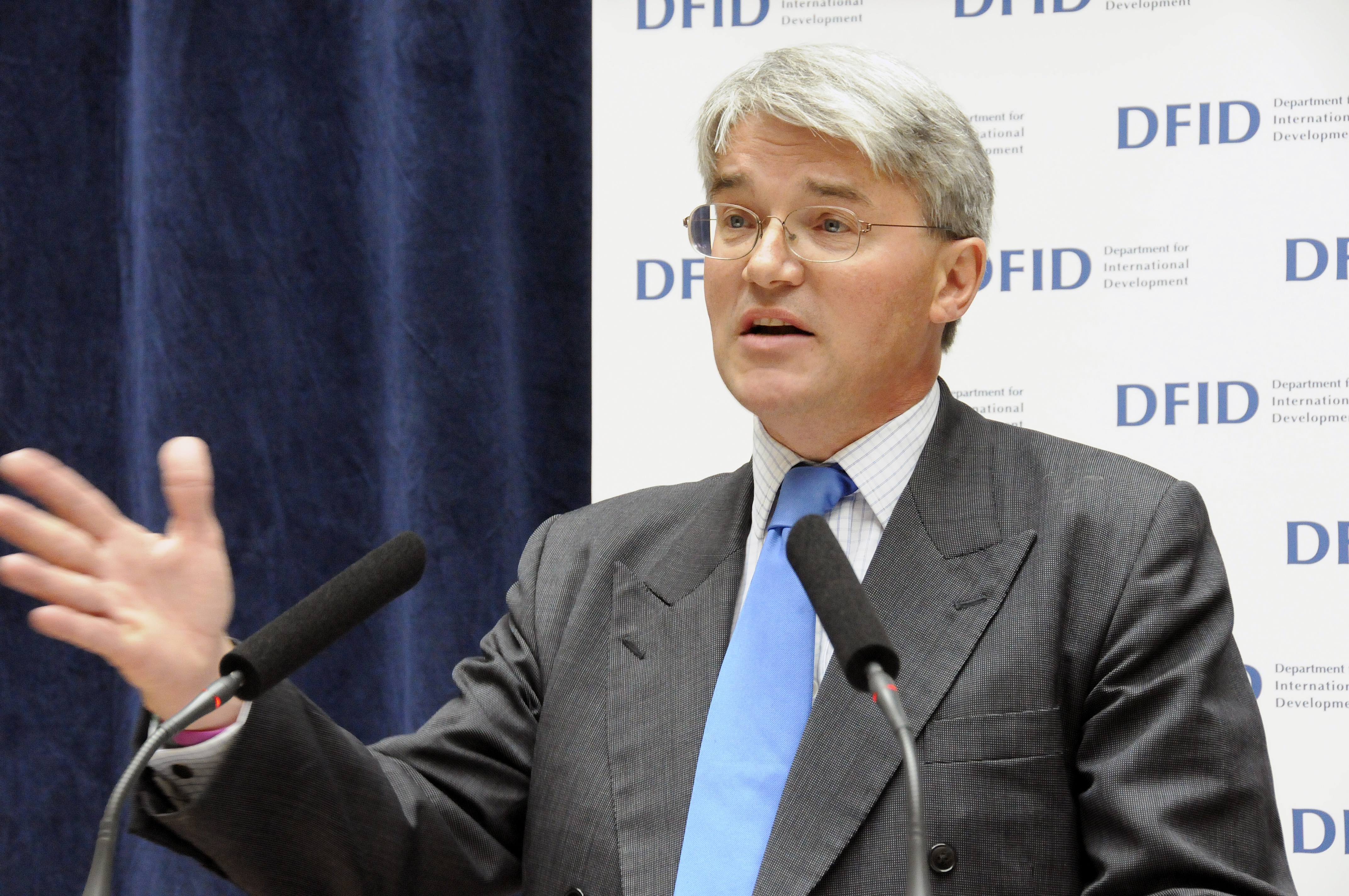
  • Andrew Mitchell – 2023 Speech at Caucus of African Governors

    Andrew Mitchell – 2023 Speech at Caucus of African Governors

    The speech made by Andrew Mitchell, the UK Minister for Development, in Cape Verde on 8 July 2023.

    Thank you Vice Prime Minister Correia, esteemed Governors of the IMF and World Bank Group, distinguished colleagues, friends, your excellencies.

    What a pleasure it is to be in Cabo Verde and on the beautiful island of Sal. I can well understand why 300,000 of my fellow citizens of the United Kingdom come here every year on holiday. I want to thank the Prime Minister, who I met this morning, for his hospitality and for his personal efforts to strengthen our growing partnership. I also welcome Cabo Verde’s leading voice amongst the SIDS and on innovative climate finance, including their recent debt for nature swap, which will free up funds for the country’s energy transition.

    It has been a privilege, your excellencies, to participate in your Caucus today.

    The Sal Declaration, which you have set out here today is excellent, responds to the urgent need for action. And there is a great deal that the UK strongly supports, including the call for permanent membership of the African Union at the G20.

    The UK’s partnerships in Africa are defined by mutual respect and mutually beneficial economic development. And the World Bank Group has played a central role. We are proud to have been one of the largest donors to IDA [International Development Association].  And we have always sought to ensure that IDA delivers on each nation’s priorities, calling for more resources for climate adaptation, and a sharper focus on job creation.

    We have also used our shareholding in IBRD, the International Bank for Reconstruction and Development, to argue for more resources to countries graduating out of IDA.  And we have been a vocal champion for the IFC [International Finance Corporation] to scale up its investments across the continent, including through the creation of a Private Sector Window.

    We meet today at an important moment to tackle extreme poverty and climate change.

    The challenges are very significant. We are off-track on the SDGs [Sustainable Development Goals] at this halfway point, set to miss 88% of them by 2030. Progress on reducing extreme poverty has stalled, and in many places has reversed in the face of the pandemic and Russia’s appalling invasion of Ukraine. Global food prices are at historic highs and 45% of African countries are in debt distress or high risk of entering it. And while we welcome enormously the recent agreement to restructure Zambia’s debt, this has taken far too long to deliver. This is also a significant moment in our journey to evolve the World Bank Group.

    I met and listened to many of you in Paris at last month’s Summit for a New Global Financial Pact, at the recent African Development Bank Annuals and World Bank Spring meeting, and during my visits to 12 of your countries since I took this role again at the end of last year.

    I have consistently heard a growing anger and a clear demand to reform the international financial system, as Barbados Prime Minister Mia Mottley has so eloquently articulated. I have also heard that we urgently need a bigger, better and fairer World Bank Group at the heart of this.

    The evolution discussion has rightly shone a light on the Bank’s role in tackling global challenges like climate change. That role is absolutely crucial. We only need to look to tropical cyclone Freddy, which did such awful damage in Madagascar, Mozambique and Malawi earlier this year, and recent droughts in Somalia and Kenya, to see the scale of the challenge we face.

    But these efforts must not detract from a laser focus on ending extreme poverty. Indeed, these are 2 sides of the same coin; as my friend Ajay Banga says, we need a world free of poverty on a liveable planet.

    To deliver the new President’s vision, we need a bigger World Bank, which recognises the growing needs of borrowers.

    The G20 Independent Review of MDB [Multilateral Development Banks] Capital Adequacy Frameworks presents a huge opportunity here.  The World Bank Group Springs package was a strong start, but I believe we can still go further.

    This would allow it to scale up IBRD to better serve clients such as Morocco, Botswana, and South Africa, as well as future graduates from IDA.  Beyond these capital adequacy measures, we should explore how much additional capital is needed to scale up the Bank even further.

    If we are to prevent deep economic scarring across the continent, we should also sustain our elevated IDA financing levels.

    IDA20 responded rapidly to recent crises, but the result of frontloading financing commitments is that volumes are set to drop by around $5 billion for each of the next 2 years.

    I hope that many will contribute to the fundraising efforts for the Crisis Response Window.  But alongside this, we must explore all the other balance sheet optimisation measures to stretch IDA’s financing further.

    We should then start to build a common agenda for a very strong IDA21 replenishment – an IDA which reflects your priorities and is big enough to meet the challenges we all face, that you have made so clear today.

    But the Bank cannot do this alone. That is why we also need it to mobilise much more private capital for your countries.

    I want to see the Multilateral Development Banks develop more bankable projects that the private sector can engage in, transfer more risk to the private sector to free up capital, and strengthen their support for country-specific platforms, like the Just Energy Transition Partnerships.

    I am also excited to see that Ajay Banga has established a new Private Sector Investment Lab and look forward to hearing the recommendations made by Mark Carney and Shriti Vadera to mobilise more investment for African economies.

    We also expect the Bank Group to play a central role at next year’s UK-African Investment Summit, which will bring together African leaders, private sector partners, and international organisations to deliver on your investment priorities.

    Crucially, amongst all of this, we need to work on stronger collaboration within the World Bank Group so that it becomes more than the sum of its parts. So if we provide extra capital to IBRD, that should mean even larger annual transfers to IDA.  And we should look again at the question of IFC’s transfers to IDA as well.

    That brings me to how the Bank must become better. As President Ruto of Kenya so clearly articulated in Paris, the World Bank Group needs to be much faster in getting liquidity to where it is most needed. On average it takes 2 years from project concept to disbursement. And this is simply far too long. But the lessons of the pandemic show that we can act faster when we must, and now we must.

    We need the Bank to better support countries to plan for crises, to build strong social protection systems, and put in place pre-arranged finance like CAT DDOs [Catastrophe Deferred Drawdown Option] so the money flows quickly and to the right places.  The Global Shield against Climate Risk also provides the Bank with an opportunity to help countries respond to climate risks.

    The UK has also been leading the call for creditors to adopt climate resilient debt clauses, which allow repayments to be paused automatically when a shock hits. I was delighted that in Paris the World Bank, US and Spain followed the UK to promise to introduce these clauses.

    We also need a Bank that supports a fairer international financial system.

    This means supporting better and faster implementation of international tax rules to stop revenues leaking away and undermining your efforts to build sustainable public finances. It also means supporting countries such as Ghana and Malawi to restructure their public debts, and strengthening the debt management capacity of others, to avoid unsustainable debts in the first place.

    Friends, I leave with a final thought.  We will never deliver a bigger, better and fairer international financial system, unless we have institutions that properly reflect and respect all their members.

    This is why the UK has chosen to be the leading partner of the African Development Bank, where African countries own 60% of the votes.

    We have guaranteed to expand its financing capacity by $3 billion, and we are the largest donor to the African Development Fund.

    In the World Bank, the UK championed the creation of a third African seat on the Board in 2010.  But the entire African continent still holds just 4.5% of the World Bank’s shareholding.

    So if and when capital increases are needed, it will be important to amplify your voice. A greater say for those with the most at stake.

    The road to the SDG Summit in New York, the Annuals in Marrakech and COP28 in UAE. That road is getting shorter every day.

    I welcome this urgent to call action, and the UK will be right alongside you as we tackle these challenges together.

    I want to thank you all for the very great honour you have given me to address you today. You’ve invited me to join your meeting, and I’ve enjoyed it and learnt so much from it. I look forward to continuing our work together closely, and with the greatest possible effect that we can achieve.

    Thank you very much indeed.

  • PRESS RELEASE : Rishi Sunak Meeting with Turkish President [July 2023]

    PRESS RELEASE : Rishi Sunak Meeting with Turkish President [July 2023]

    The press release issued by 10 Downing Street on 8 July 2023.

    The Prime Minister Rishi Sunak spoke to the President of Türkiye, Recep Tayyip Erdoğan, this afternoon.

    Prime Minister Rishi Sunak spoke to the President of Türkiye, Recep Tayyip Erdoğan, this afternoon. He reiterated the importance of the UK-Türkiye relationship, with close and growing ties in trade, investment and defence.

    President Erdoğan updated on President Zelenskyy’s planned visit to Istanbul today and the Prime Minister welcomed Türkiye’s role in challenging Russian aggression and continuing to uphold the vital Black Sea Grain Initiative.

    Looking ahead to next week’s NATO Summit, the Prime Minister looked forward to working with President Erdoğan to address shared challenges and ensure NATO remains strong and agile in defending our collective security.

    He underlined the significant benefits of Sweden joining NATO and the progress they have made in addressing Türkiye’s legitimate security concerns and hoped the alliance could proceed with ratifying their accession as soon as possible.

    The Prime Minister also highlighted opportunities for greater collaboration on tackling illegal migration, an issue which affects both our countries. The UK would welcome efforts to further strengthen our cooperation on tackling criminal people smuggling gangs and returns.

  • PRESS RELEASE : UK calls for reforms to address climate change at African Caucus [July 2023]

    PRESS RELEASE : UK calls for reforms to address climate change at African Caucus [July 2023]

    The press release issued by the Foreign Office on 8 July 2023.

    UK Minister for Development and Africa calls for financial reforms to tackle impact of climate change across Africa, as he visits Cape Verde.

    • UK Minister for Development and Africa is visiting Cape Verde to attend the 2023 Caucus of African Governors of the World Bank and IMF
    • Andrew Mitchell will call for urgent reforms to deliver a bigger, better and fairer international financial system in a speech to the Caucus
    • he is also due to meet with the Prime Minister of Cape Verde to discuss the growing bilateral partnership between our countries

    Today (Saturday 8 July), the UK Minister for Development and Africa, Andrew Mitchell, is visiting Cape Verde to attend the 2023 African Caucus Meeting as the guest of honour. The Caucus convenes the African Governors of the World Bank and the International Monetary Fund alongside senior management from those institutions. It is the Minister’s first visit to Cape Verde in his current role, with the UK the only non-African country represented at the ministerial level.

    In his closing speech to the Caucus, the Minister will call for the World Bank Group to stretch its existing resources further and mobilise significantly more private capital in order to tackle extreme poverty and help vulnerable communities adapt to climate change. In addition, he will call for a stronger offer for the poorest countries, and for a more shock-responsive World Bank Group that supports countries faster and more effectively in crises.

    The Minister will also welcome the World Bank’s recent commitments to roll out climate resilient debt clauses, which allow countries to pause debt repayments if they are hit by a climate shock, and which the UK has been a leader on.

    Minister for Development and Africa Andrew Mitchell said:

    The climate crisis is hitting millions of people first and hardest across Africa. As a result, we need urgently to deliver ambitious reforms to ensure that the international financial system helps the most vulnerable countries meet the enormous challenges they face.

    I’m grateful for the kind invitation from African governors of the World Bank to speak at their annual gathering and emphasise how Britain will support them in our common endeavours.

    The Minister is also due to meet Prime Minister Ulisses Correia e Silva to discuss the UK’s growing partnership with Cape Verde, which now attracts 300,000 British tourists every year. It is the second most popular tourist destination in Africa for people from the UK. The conversation is also expected to cover maritime security cooperation, the new UK Developing Countries Trading Scheme, and growing collaboration on Small Island Developing States (SIDS) issues.

    They will also discuss how the UK can support advocacy coordination among SIDS in Africa. The UK is a major supporter of efforts to drive international financial reform to support climate action for these states. Earlier this year, the UK committed £1 million to galvanise action ahead of next year’s once in a decade SIDS Conference, including helping them better prepare for climate crises.

  • PRESS RELEASE : Bigger fines possible for littering and fly-tipping [July 2023]

    PRESS RELEASE : Bigger fines possible for littering and fly-tipping [July 2023]

    The press release issued by the Department for Environment, Food and Rural Affairs on 7 July 2023.

    Maximum on-the-spot fines for litter, graffiti and fly-tipping to increase under PM’s Anti-Social Behaviour Action Plan.

    On-the spot fines for litter, graffiti and fly-tipping are set to rise as part of a crackdown on anti-social behaviour, Environment Minister Rebecca Pow announced today (Friday 7 July), delivering on the Prime Minister’s Action Plan to clamp down on these crimes and build stronger communities.

    Environmental crimes like littering and fly-tipping are cynical and opportunistic, damaging wildlife and nature, creating eyesores and ruining our enjoyment of the great outdoors. The new upper limit to fines will deter people from harming our public spaces in the first place, and ensure that those who continue to offend face tougher consequences.

    To help equip councils with everything they need and strengthen their arm, government is laying a statutory instrument increasing the upper limits for various fixed penalty notices (FPNs) on Monday 10 July. This means:

    • The maximum amount those caught fly-tipping could be fined will increase from £400 to £1,000
    • The maximum amount those who litter or graffiti could be fined will increase from £150 to £500
    • The maximum amount those who breach their household waste duty of care could be fined will increase from £400 to £600

    Environment Secretary, Thérèse Coffey said:

    Everyone loathes litter louts and people who dump rubbish. We are increasing the penalties local councils can apply for this behaviour that spoils our streets and harms nature.

    Environment Minister Rebecca Pow said:

    We’re taking action right across government to crack down on anti-social behaviour and ensure waste criminals face justice – but it’s vital that communities have the tools they need to address the problem as well.

    That’s why we are supporting local authorities by increasing the upper limit for on-the-spot fines and ringfencing the proceeds for clean-up and enforcement operations.

    In addition to increasing the upper limit on fines, last week, the government launched a consultation on ringfencing the receipts from FPNs for litter and fly-tipping to fund local authorities’ enforcement and clean-up activities, such as spending the money raised from fining criminals on further enforcement officers. This would see the money paid by criminals go directly back into repairing the damage from their crimes, or into enforcement efforts to prevent similar incidents from happening again.

    The consultation seeks to understand more about how FPN receipts are currently spent and what the impacts of restricting the spending of these receipts to a set list of enforcement and clean-up functions would be.

    The government wants councils to take a much tougher approach to this type of anti-social behaviour. Taking proportionate and effective enforcement action against people who intentionally or carelessly damage their environment is a practical step local authorities can take to change behaviour and deter others from offending.

    Our enforcement guidance, as part of the Code of Practice on Litter and Refuse, advises on best practice for litter enforcement from local authorities. The guidance makes clear that in no circumstances should enforcement activity be considered a means to raise revenue. New powers under the Environment Act 2021 will allow us to ensure that enforcement powers are used with a high degree of professionalism, whether by council staff or private contractors, and to place this enforcement guidance on a firm statutory footing.

    In 2021/22, councils dealt with almost 1.1 million incidents of fly-tipping and issued 91,000 fines, along with other enforcement actions.

    Local authorities will have the freedom to set the rates that offenders should pay, within the limits above.

    Today’s announcement marks the latest step in the delivery of the Prime Minister’s Anti-Social Behaviour Action Plan and comes during national ASB Awareness Week, run by Resolve and now in its third year, which runs from 3-9 July.

    Earlier this week the Department for Culture, Media and Sport launched applications for the Million Hours Fund, which will enable the equivalent of more than 200 youth clubs to open their doors for an extra night each week in anti-social behaviour hotspots, to make sure young people are supported away from bad life choices and given the opportunities they need to thrive.

    We have also announced that more than 50 councils across the UK are to benefit from funding of £1.2 million from the Chewing Gum Task Force to remove discarded chewing gum from our streets and prevent it from being littered in the first place.

    And the Home Office has launched pilots of ‘hotspot’ policing – increasing police presence in areas with high levels of anti-social behaviour – and the ‘Immediate Justice’ scheme, which sees those found engaging in anti-social behaviour made to repair the damage they inflicted on victims and communities, with an ambition for them to start work as soon as 48 hours after their offence so victims know anti-social behaviour is treated seriously and with urgency.

    The Anti-Social Behaviour Taskforce met yesterday (6 July), and was chaired by the Home Secretary Suella Braverman and attended by the Secretary of State for Levelling Up, Housing and Communities Michael Gove. The taskforce met to discuss anti-social behaviour and restoring pride in place in communities. The meeting brought together Ministers and national and local partners, including Police and Crime Commissioners to discuss the positive progress to date.

    The higher fines to crack down on littering and fly tipping comes alongside Defra’s wider work to tackle waste crime and take the fight to offenders.

    In April, grants totalling £775,000 will help councils roll out a range of projects to crack down on fly-tipping were announced. Twenty-one local authorities will benefit from the grants, with schemes including roadside CCTV and social media campaigns in Plymouth and targeted surveillance at hotspot areas in Pendle.

    Defra has also announced that fees for disposing of household DIY waste at recycling centres will be abolished – helping people to deal with their waste responsibly and removing a financial burden that gets in the way of people dealing with their waste responsibly.

  • PRESS RELEASE : IAEA Report on the Fukushima Daiichi ALPS Treated Water Discharge [July 2023]

    PRESS RELEASE : IAEA Report on the Fukushima Daiichi ALPS Treated Water Discharge [July 2023]

    The press release issued by the Foreign Office on 7 July 2023.

    A Foreign, Commonwealth and Development Office spokesperson statement on the 4 July International Atomic Energy Agency Task Force Report.

    The UK welcomes the International Atomic Energy Agency’s (IAEA) report which demonstrates that Japan’s plans to release treated water from the Fukushima Daiichi nuclear site are safe and consistent with internationally accepted nuclear safety standards.

    This report was produced by a specialist Task Force which included experts from the IAEA Secretariat alongside internationally recognised independent experts from Argentina, Australia, Canada, China, France, the Marshall Islands, the Republic of Korea, the Russian Federation, the United Kingdom, the United States and Vietnam.

    We welcome the continuing close cooperation between the Japanese Government and the International Atomic Energy Agency in this matter.

  • PRESS RELEASE : RAF to provide specialist firefighting vehicles and training to Ukraine’s firefighters ahead of 500 days of war [July 2023]

    PRESS RELEASE : RAF to provide specialist firefighting vehicles and training to Ukraine’s firefighters ahead of 500 days of war [July 2023]

    The press release issued by the Ministry of Defence on 7 July 2023.

    The UK is providing 15 Rapid Intervention Vehicles and two Major Foam Vehicles to bolster Ukraine’s firefighting capability.

    The UK will provide 17 specialist firefighting vehicles to Ukraine’s fire and rescue services, primarily sourced from the Royal Air Force and Defence Fire and Rescue, with one provided by the Welsh Government.

    Due to arrive in the coming weeks, the urgently needed equipment will help bolster Ukraine’s ability to respond to damage caused by Russia’s continued use of cruise missiles and one-way attack drones against Ukrainian infrastructure.

    The specialist vehicles – Rapid Intervention and Major Foam Vehicles – were delivered from locations around the UK to RAF Wittering in Cambridgeshire to allow RAF personnel to conduct the required preparations before their onward movement to Ukraine.

    Defence Secretary Ben Wallace said:

    These specialist firefighting vehicles will boost Ukraine’s ability to protect its infrastructure from Russia’s campaign of missile and drone attacks and continue our support for Ukraine, for as long as it takes.

    In the last week, personnel from 5001 Squadron have inspected and prepared the vehicles to make sure they are ready to conduct their role. Once those preparations were complete, 2 Mechanical Transport Squadron loaded the vehicles ahead of their journey to a designated delivery point.

    In preparation of the vehicles’ arrival in Ukraine, members of the Ukrainian Military Fire Service conducted a week’s training at RAF Wittering. This was designed and delivered by the RAF and Defence Fire and Rescue to familiarise the Ukrainians on the vehicles before they operate them for real.

    Defence Chief Fire Officer, Sim Nex, said:

    The Defence Fire and Rescue family are extremely proud of the specialist support which we have been able to facilitate.

    We are confident that the equipment provided to date, and associated training, will directly enhance firefighting capability, as we consider further opportunities to support the Ukrainian Military Fire Service moving forward.

    This equipment is the latest in the UK’s programme of support for Ukraine, nearly 500 days after Russia launched its illegal, full-scale invasion. The UK committed £2.3 billion funding for military aid to Ukraine in 2022 and the Prime Minister has confirmed that this figure will be matched in 2023.

    Air Commodore Jamie Thompson, Commander Global Enablement said:

    Support to Ukraine, through training and the provision of equipment, remains a priority of RAF Global Enablement. We are proud to work alongside our allies in this effort, supplying specialist equipment and training to assure the safety of the Ukrainian people.

    It follows previous donations to Ukraine of around eight tonnes of personal protective equipment for firefighting, along with other non-lethal aid including medical equipment and more than 100 industrial-strength generators.

  • PRESS RELEASE : UK finalises first law enforcement data adequacy decision [July 2023]

    PRESS RELEASE : UK finalises first law enforcement data adequacy decision [July 2023]

    The press release issued by the Home Office on 7 July 2023.

    UK law enforcement authorities will be able to freely transfer personal data to their counterparts in Guernsey under legislation laid in Parliament today.

    The UK government has today made the first law enforcement data adequacy decision, using new powers gained since leaving the European Union, to enable personal data to be more freely transferred from UK law enforcement to authorities in the Bailiwick of Guernsey for law enforcement purposes.

    This data adequacy decision will help Guernsey to prevent crime and bring perpetrators to justice. It will also provide UK authorities greater certainty and confidence in the regulatory landscape of Guernsey.

    A law enforcement data adequacy decision is when the government determines a country, organisation or sector has the necessary data protection and privacy standards needed to safeguard UK personal data, enabling the transfer of personal data without the need for further safeguards or specific authorisation. This decision involves completing a full assessment of the country’s law enforcement data protection legislation, working alongside the Information Commissioner’s Office.

    By finding the Bailiwick of Guernsey data adequate, the UK government has concluded that Guernsey has strong privacy laws in place which will protect data transfers to Guernsey while upholding the rights and protections of UK citizens.

    This is the first law enforcement data adequacy decision made by the UK government since leaving the EU. The UK government is also progressing law enforcement data adequacy assessments of the Bailiwick of Jersey and the Isle of Man, with the aim of concluding these assessments in the near future. The UK already recognises both jurisdictions’ EU adequacy decision for UK GDPR purposes.