Blog

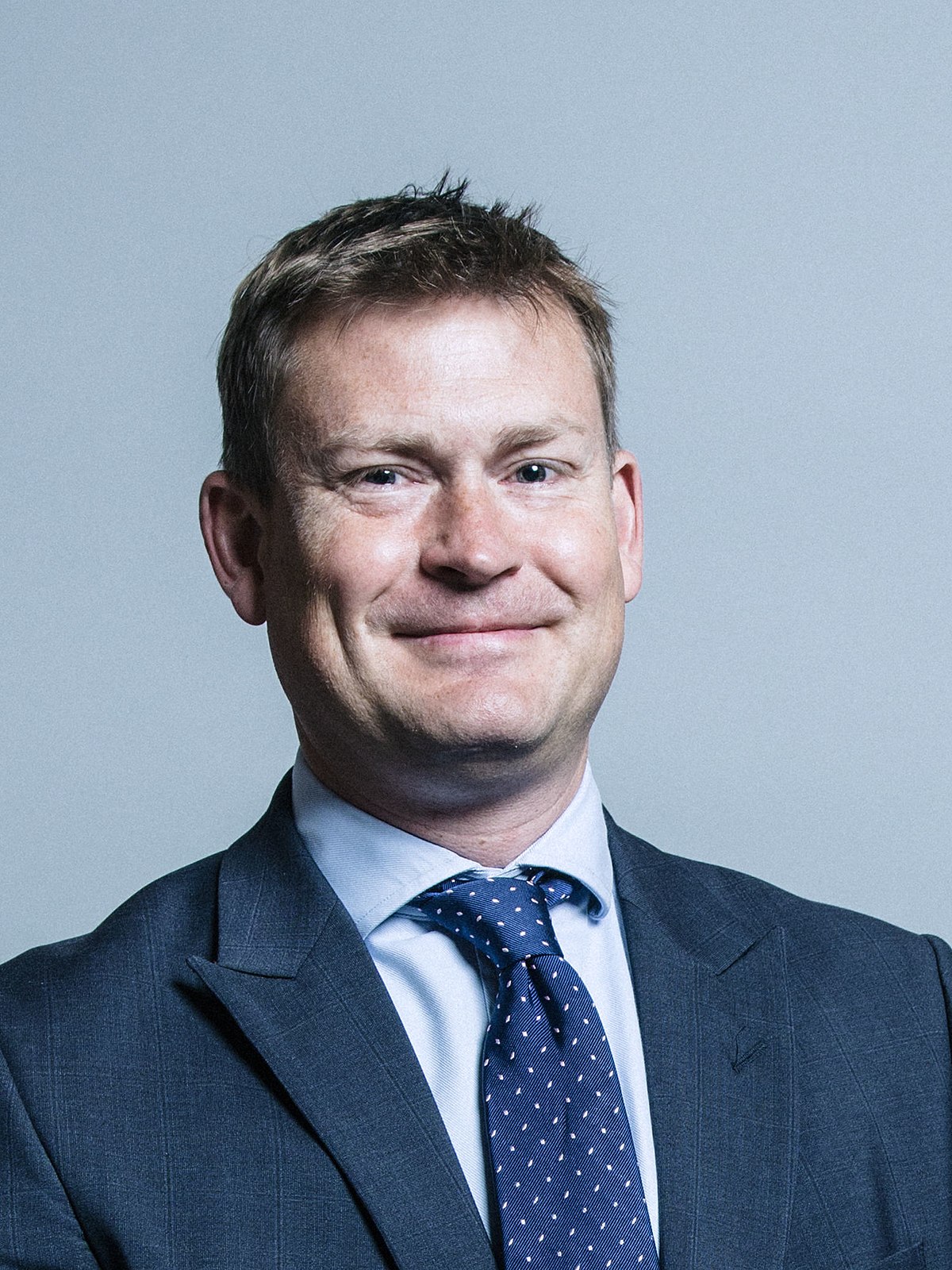
  • Andrew Stephenson – 2021 Statement on HS2 Update

    Andrew Stephenson – 2021 Statement on HS2 Update

    The statement made by Andrew Stephenson, the Minister of State at the Department for Transport, on 23 March 2021.

    I wish to make the following statement:

    Overview

    This is the second bi-annual update to Parliament on the progress of High Speed Two (HS2). It marks one year since the Government gave phase 1 of the scheme, between the west midlands and London, the green light to begin civils construction. The report uses data provided by HS2 Ltd to the HS2 ministerial taskforce for phases 1 and 2a and covers the period between September 2020 and January 2021 inclusive. Copies of this report have been placed in the Libraries of both Houses.

    Covid-19 has made this an incredibly challenging year, and the pandemic has had a devastating effect on individuals, our economy and our communities. However, as we look to the future, with the roll-out of the vaccine firmly under way and a road map out of lockdown now in place, this Government are more committed than ever to “build back better”. HS2 remains at the forefront of our long-term investment plan to better connect people and places, boost productivity and create jobs to help rebalance opportunity across the UK.

    Just as importantly, HS2 will play a pivotal role in creating a greener alternative to regional air and road travel. This is essential if we are to meet our commitment to bring greenhouse gas emissions to net zero by 2050.

    The key achievements of the HS2 programme in this reporting period include:

    Progressing the remaining enabling works and mobilising main civils construction for phase 1 while employing covid-safe working practices.

    Achieving Royal Assent of the Phase 2a High Speed Rail (West Midlands – Crewe) Bill, cementing in law the Government’s commitment to bring the new high-speed railway to the north of England.

    Evolving our approach to community engagement, including an enhanced complaints procedure to address concerns about how HS2’s impact on communities along the line of route is managed.

    Speedy implementation of over a quarter of the proposed reforms recommended by the land and property review of November 2020, improving the experience of property owners most immediately and directly affected by HS2.

    Supporting over 15,000 skilled jobs and creating more than 500 apprenticeships. Over 2,100 companies now have contracts with HS2 Ltd, with 97% of these being UK-based businesses. At its peak the programme will support over 30,000 jobs and create at least 2,000 apprenticeships.

    Establishing HS2 Ltd’s Environmental Sustainability Committee to strengthen oversight and reporting of efforts to limit and mitigate the environmental impacts from the construction of the railway.

    Planting over 430,000 trees so far, with the number expected to rise to over 730,000 trees by spring 2021.

    Programme update on schedule, affordability and delivery

    Schedule

    Some schedule pressures on phase 1 have emerged from delays in completing enabling works including issues with completing utilities diversions, postponed land acquisition and access during the first covid-19 lockdown, and slower than planned development of detailed designs by the main works contractors.

    HS2 Ltd is currently re-planning its schedule for phase 1 in conjunction with its construction suppliers with a view to mitigating these delays. The schedule pressures reported above will not impact the projected delivery into service date range of 2029 to 2033 set last year, but further cost pressures could still emerge if mitigation activity is required. The re-planning exercise is due to conclude in the spring and I will update Parliament on its outcome in my next report. We should continue to remain cautious of the accuracy of long-range estimates this early in a 10-year programme.

    Affordability

    The overall budget for phase 1, including Euston, is £44.6 billion (2019 prices). This is composed of the target cost of £40.3 billion and additional Government-retained contingency of £4.3 billion. The target cost includes contingency delegated to HS2 Ltd of £5.6 billion for managing the risk and uncertainties that are an inherent part of delivering major projects.

    The target cost for phase 1 remains at £40.3 billion. Around £11.0 billion (actual prices) has been spent to date, including land and property provisions. Approximately £12.6 billion (2019 prices) has additionally been contracted, with the remaining amount yet to be contracted.

    To date HS2 Ltd has drawn £0.4 billion of its £5.6 billion delegated contingency to specific additional costs, which represents 4% of the overall contingency for phase 1, and reflects an increase of £0.2 billion since my last report. HS2 Ltd is currently reporting potential cost pressures of around £0.8 billion over and above this. If these, or other costs, come to pass, then they would be managed from within the existing total budget using the remaining HS2 Ltd delegated contingency. In the case of verified cost increases resulting from covid-19, these will be managed from within the Government-retained contingency.

    The cost pressures currently being reported by HS2 Ltd which may require a call on contingent if not mitigated are:

    An estimate of £0.4 billion, predominantly due to slower than expected mobilisation of main works civils contractors, associated with delays to approvals of designs, planning consents, protester action and some covid-19 impacts.

    As already reported in the autumn report to Parliament, an estimate of £0.4 billion that relates to Euston station remains. Work to consider opportunities, efficiencies and scope reductions to address potential pressures is now under way. This may be an underestimate of the unmitigated pressure, so the Department has asked HS2 Ltd to provide a revised estimate once it has concluded its initial design work on the revised design as set out below.

    My last report to Parliament included £0.4 billion from expected increases in the scope and duration of enabling works. These costs are now expected to be incurred and so are not shown as pressures but have instead been taken into the core cost estimate. They will be funded through surplus provision within HS2 Ltd’s core budget rather than from its delegated contingency. Estimates of the impact of covid-19 are set out below.

    Other pressures will arise as the programme progresses, some of which may crystallise into additional costs that will need to be covered from the contingency within the existing budget, and some of which will be mitigated or avoided.

    Over the last six months HS2 Ltd has made progress on a programme of opportunities for efficiencies designed to identify and realise tangible savings in delivering the agreed scope of phase 1. From a deeper pool of potential opportunities, HS2 Ltd has so far identified up to £0.2 billion to pursue to the next stages of development. Going forward I will report on progress towards realisation of these opportunities as well as the identification of others through this efficiency programme.

    Delivery

    On phase 1 the focus has primarily been on progressing the remaining enabling works and preparatory works, and the start of main works. This includes dedicated power at launch sites for the tunnel boring machines (TBMs) by the M25 and Long Itchington in Warwickshire, and moving two huge modular bridges into place at the Birmingham Interchange station site. The first pair of TBMs, Florence and Cecilia, will launch this summer.

    Elsewhere, progress continues to be made on the four new HS2 stations. At Euston, work is under way to develop an optimised design and delivery strategy, alongside work by the Euston Partnership to integrate the HS2 and Network Rail stations and wider placemaking across the Euston campus. The Department has instructed HS2 Ltd to investigate whether building the station in a single construction stage can speed up delivery and address cost pressures. Notwithstanding this, bringing the station fully back within its existing budget presents a significant challenge. The initial stage of this work is expected to conclude in the coming months, at which point the Government will confirm any design changes and set out their intended way forward at Euston.

    The start of main construction of Old Oak Common station has now been approved and excavation work for the HS2 underground platforms can begin. I also note the High Court’s dismissal of Bechtel Ltd’s legal challenge to the Old Oak Common station construction partner award, which found that HS2 Ltd’s procurement process was in accordance with the rules of the tender and procurement law.

    Tender evaluation is under way ahead of the planned award by the summer of a construction partner for Birmingham Curzon Street station and tendering for a construction partner at Birmingham Interchange station is expected to begin this summer. Budget 2021 announced £50 million of funding to develop transport proposals around Birmingham Interchange. This will be matched by £45 million of funding from Arden Cross Ltd and Solihull Metropolitan Borough Council. This will support the goal of the West Midlands Combined Authority, by reconfiguring planned car parking at the regional hub station, releasing 28 hectares of land space for new businesses, homes and jobs in the area.

    Qualification of bidders is under way for the majority of the rail systems packages for phases 1 and 2a ahead of inviting tenders. HS2 Ltd is finalising the procurement of the new HS2 rolling stock for phases 1 and 2a, with the contract to be awarded later this spring.

    I am a very pleased to report that the HS2 Phase 2a Act, for the section of the route between Lichfield and Crewe, was given Royal Assent in February, after its passage through Parliament. This represents a major milestone for the programme and HS2 Ltd can now begin accessing and acquiring land for the necessary construction works as well as taking forward early environmental and enabling works.

    Phase 2a will bring high-speed services to the north, helping to realise the benefits of the whole programme and to underpin future phases of the scheme, while also supporting regional economic growth through the construction stage.

    Local consultation on the scheme was undertaken during February and I will publish the consultation report in April before detailing the response to its findings in June, following the election period.

    With formal agreement on the scope of the phase 2a scheme now set, the funding and schedule ranges will be finalised alongside the delivery model for the construction works. I will provide more information to Parliament once this work has concluded.

    Before the end of spring, the Department will publish the integrated rail plan for the north and midlands (IRP) which will consider how best to deliver and sequence HS2 phase 2b, Northern Powerhouse Rail, and other major rail schemes including schemes within midlands engine rail such as midlands rail hub, to ensure transformational rail improvements are delivered to passengers and communities more quickly.

    Preparations are under way for a Hybrid Bill for the western leg (Crewe to Manchester) and supporting outline business case (OBC) to be deposited in Parliament in early 2022, or sooner if possible. Further updates on cost and schedule will be provided at the time the OBC is published.

    Impacts from covid-19

    Although covid-19 continues to pose a considerable challenge to the programme, HS2 Ltd and its supply chain continues to adapt positively. In the early stages of the pandemic, HS2 Ltd successfully kept a high proportion of its sites open and operating safely and at the time of writing this report 100% of HS2 sites are open, in part due to the collaboration and innovation between HS2 Ltd and its supply chain through initiatives such as rapid testing and the introduction of new social distancing technology. Health and safety guidance at work sites continues to be rigorously followed and remains under constant review. Nothing is more important than the wellbeing of the communities we are working in and the safety of everyone working on HS2.

    HS2 Ltd’s initial estimates suggest that the financial impact of covid-19 on the cost of delivering phase 1 up to December 2020 is between £0.3 billion and £0.4 billion, largely as a consequence of schedule prolongation from access delays and reduced productivity.

    A proportion of this estimate is already captured within the cost pressures that I have set out above. The full impact of covid-19 on cost and schedule will continue to be assessed, including work to disaggregate covid-19 impacts from other cost and schedule impacts on the programme. The Department will be scrutinising these costs very carefully, and only validated and unavoidable costs arising from covid-19 will be funded from the Government-retained contingency, and therefore covered by the existing HS2 budget. I will continue to update Parliament through my reports as this work progresses.

    Local community impact and engagement

    Since my appointment as Minister for HS2 I have been clear that managing the programme’s impact on communities along the line of the route is one of my key priorities. That is why last autumn I commissioned a detailed review of the acquisition and compensation process for land and property affected by HS2. The conclusions of the review, detailing opportunities for change across a wide variety of policies and activities, were published in November and will ensure that there is a renewed focus on those people who are being directly impacted by the new railway.

    The proposals vary in scale and context, but all seek to improve the experience of property owners most immediately and directly affected by HS2 by improving existing processes and interaction with the public. The Department has worked quickly on implementing the proposals, in close conjunction with HS2 Ltd, the residents’ commissioner (Deborah Fazan) and relevant Government Departments, with 25% now in place. I expect to begin a public consultation later this spring to focus on aspects of the proposals that require further engagement. Alongside the land and property review, I am continuing to engage closely with parliamentary colleagues and the communities they represent.

    Due to the scale and nature of the HS2 project, some impacts of construction on line of route communities are unfortunately unavoidable. This January, at the Transport Select Committee, I heard first-hand how HS2 construction is impacting on communities. The testimonies I heard were powerful and strengthened my resolute commitment to ensure that HS2 Ltd properly informs and consults communities and minimises negative impacts wherever possible. I have therefore tasked HS2 Ltd to look again at the way it engages communities to improve the responsiveness, sensitivity and objectivity of its approach.

    In response, HS2 Ltd is deploying a package of measures to strengthen its community handling approach including:

    A unified single management system for community engagement and complaints handling across HS2 Ltd and the supply chain, so there is a single consistent record for all organisations operating in a single location.

    Additional proactive local communications to provide notice and raise awareness of HS2 activity in impacted communities.

    Shortened HS2 Ltd helpdesk response times so that construction issues can be picked up, assessed and mitigated quickly.

    New area-based delivery unit managers with geographical responsibility for joining up construction contractors and communities to prevent and tackle local issues.

    New briefing materials to alert MPs and councillors of the agreed single points of contact along the phase 1 and 2a routes so issues can be escalated if they are not resolved in the first instance.

    Enhanced engagement and assurance from the construction commissioner (Sir Mark Worthington) and the residents’ commissioner to provide independent advice on potential improvements to HS2 Ltd complaint handling and community engagement operations.

    I have furthermore established a small team of construction inspectors reporting to the Department to support the assurance of the delivery of works along the route. An important part of their role will also be to provide a capability to investigate intractable or persistent construction issues working independently of HS2 Ltd and its suppliers where needed.

    I expect these measures to improve engagement and responsiveness in relation to avoidable impacts of construction on local communities. I will continue to review this and remain committed to taking further action if necessary.

    Environmental Impact

    Another of my key pledges as HS2 Minister is to limit the unavoidable impact of HS2 construction on the natural environment both in terms of direct impacts on biodiversity and its carbon impact.

    The first report of the HS2 Ltd Environmental Sustainability Committee will be published in the autumn. The approach and content of the report will be informed by the global reporting initiative methodology, and will also be shaped by seeking input from Natural England, the Environment Agency, the Forestry Commission, the HS2 Independent Design Panel and members of HS2 Ltd’s Ecology Review Group. The Government have also given a statutory commitment to provide an impact assessment of construction on ancient woodland within the report, building on previously conducted assessments. The environmental impact data in the report will be verified externally.

    Alongside the new Committee, HS2 Ltd launched its “Green Corridor Prospectus” in December, providing information to the public on projects along the route which are being introduced to mitigate and compensate for the environmental impact of HS2’s construction. This includes over 30 projects funded through the community and environment fund, and the business and local economy fund, which add benefit over and above committed mitigation and statutory compensation.

    Further to the commitments made in my last report to support biodiversity improvements on phase 2a, the Department and HS2 Ltd have initiated a study to investigate options to consider whether and how we might move the HS2 phase 2b western leg scheme from seeking no net loss to aiming to deliver net gains in biodiversity.

    HS2 Ltd has become the first UK transport client organisation to achieve PAS 2080 accreditation a gold standard for carbon management across the globe. It will continue its work to reduce carbon emissions during construction and operation ahead of COP26 later this year.

    Forward look

    As well as continued focus on its construction programme for phase 1, the next six months will see HS2 Ltd award contracts for a construction partner at Birmingham Curzon Street and for the supply of the new HS2 rolling stock. Work to identify affordable design and delivery arrangements for Euston station is also expected to progress.

    On phase 2a we will conclude work on a preferred delivery model for the construction stage as well as finalising the funding and schedule ranges for the project’s schedule and cost. Work on the legislation and business case for the phase 2b western leg will also continue and the integrated rail plan will be published this spring.

    I will continue to engage closely with Members of Parliament and will provide my next report to Parliament in October 2021.

    Financial Annex

    Annex A: Six-monthly financial report
    Phase

    Target Cost

    Total Estimated Costs Ranges

    1

    £40.3 billion

    £35.0-£45.0 billion

    Forecast costs by phase

    2a

    Not set yet

    £5.0-£7.0 billion

    2b

    Not set yet

    £32.0-£46.0 billion*

    *Validation of the Phase 2b cost range is ongoing and will be updated to support the bringing forward of separate legislation for the HS2 route into Manchester, in line with the conclusions of the Oakervee review. The range provided excludes scope intended to be funded by other sources such as Northern Powerhouse Rail.

    Phase

    Spend to date**

    2020-21 Budget

    2020-21 Forecast

    1

    £11.0 billion***

    £3.79 billion

    £3.33 billion

    Historic and forecast expenditure

    2a

    £0.4 billion

    £0.18 billion

    £0.13 billion

    2b

    £1.0 billion

    £0.25 billion

    £0.16 billion

    Total

    £12.4 billion

    £4.22 billion

    £3.62 billion

    All figures in 2019 prices, are exclusive of VAT and correct as of 31 January 2021 and made up of a combination of resource and capital spend.

    **Spend to date is represented in outturn prices.

    ***Spend to date includes a £1 billion liability (provision) representing the Department’s obligation to purchase land and property.
  • James Cleverly – 2021 Statement on the Report on Victim Compensation for Gaddafi-sponsored IRA terrorism

    James Cleverly – 2021 Statement on the Report on Victim Compensation for Gaddafi-sponsored IRA terrorism

    The statement made by James Cleverly, the Minister for the Middle East and North Africa, in the House of Commons on 23 March 2021.

    In March 2019, the then Foreign Secretary, my right hon. Friend the Member for South West Surrey (Jeremy Hunt) appointed Mr William Shawcross as his special representative on UK victims of Gaddafi-sponsored IRA terrorism. Mr Shawcross was commissioned to write an internal scoping report on the subject of compensation for UK victims of Gaddafi-sponsored IRA terrorism. Mr Shawcross submitted his report in March 2020.

    The Government thank Mr Shawcross for his report. Since it was commissioned as an internal scoping report, to provide internal advice to Ministers, and draws on private and confidential conversations held by Mr Shawcross, the Government will not be publishing the report.

    These important issues have needed careful and thorough consideration across Government given the complexity and sensitivity of the issues raised.

    The UK Government reiterate their profound sympathy for UK victims of Gaddafi-sponsored IRA terrorism and indeed for all victims of the Troubles. We recognise the pain and suffering of victims of violent crime, including terrorism, and provide publicly funded support and compensation schemes for those affected.

    The UK Government are clear that the primary responsibility for the actions of the IRA lies with the IRA. Nevertheless, the Gaddafi regime’s support for the IRA was extensive. It is widely documented in the public domain. It involved money, weapons, explosives and training from the 1970s onwards. It helped fuel the Troubles in Northern Ireland and enhanced the IRA’s ability to carry out attacks in Northern Ireland and Great Britain.

    The responsibility for providing compensation specifically for the actions of the Gaddafi regime lies with the Libyan state. The Government have therefore repeatedly urged the Libyan authorities, including at the highest levels of the Libyan Government, to engage with UK victims and their representatives, and to address their claims for compensation.

    However, there are clear practical difficulties in obtaining compensation from Libya for Gaddafi-sponsored IRA terrorism. The conflict, political instability and economic instability that have prevailed in Libya for most of the last 10 years since the fall of the Gaddafi regime present particular challenges.

    Mr Shawcross has considered these issues, including the difficulties of defining UK victims of Gaddafi-sponsored IRA terrorism given the extensive nature of Libyan support for the IRA, and the range of proposals for providing compensation to victims. The Government have reflected fully on these issues. The Government’s considered view is that an additional, UK-funded mechanism for providing compensation to victims of the Troubles would not provide accountability for the specific role of the Gaddafi regime in supporting the IRA.

    Mr Shawcross also considered whether compensation for UK victims should be funded from Libyan frozen assets in the UK. Under international law, when assets are frozen, they continue to belong to the designated individual or entity. Frozen assets may not be seized by the UK Government.

    In implementing financial sanctions, the UK is obliged to comply with the relevant United Nations obligations. UN Security Council resolution 2009 (2011) states that the aim of the Libya financial sanctions regime is

    “to ensure that assets frozen pursuant to resolutions 1970 (2011) and 1973 (2011) shall as soon as possible be made available to and for the benefit of the people of Libya”.

    There is also no legal basis for the UK to refuse the release of frozen assets once conditions for delisting or unfreezing those assets set out in UN Security Council resolution 2009 of 2011 are met.

    Therefore, regrettably, the UK has no legal basis to seize frozen Libyan assets or to refuse the release of frozen assets. The Government cannot lawfully use Libyan assets frozen in the UK to provide compensation to victims.

    The UK Government have also considered whether they should provide compensation to victims from public funds, which it may subsequently recoup from Libya. The responsibility for providing compensation specifically for the actions of the Gaddafi regime is the direct responsibility of the Libyan state. It is not therefore for the UK Government to divert UK public funds specifically for this particular purpose.

    Victims of violent crime, including terrorism, occurring in Great Britain can access the criminal injuries compensation scheme, funded by the UK Government, subject to eligibility criteria and time limits. Bereaved family members can access bereavement and funeral payments. In Northern Ireland, victims have access to the Northern Ireland criminal injuries compensation scheme. The Troubles permanent disablement scheme, to be delivered by the Northern Ireland Executive, will provide acknowledgement payments to people living with permanent physical or psychological disablement resulting from being injured in Troubles-related incidents. Details of when the scheme will be open for applications, and how people can apply, will be published by the Northern Ireland Executive.

    The UK will continue to press the Libyan authorities to address the Libyan state’s historic responsibility for the Gaddafi regime’s support for the IRA.

  • Nick Thomas-Symonds – 2021 Speech on the Government’s Plan for Immigration

    Nick Thomas-Symonds – 2021 Speech on the Government’s Plan for Immigration

    The speech made by Nick Thomas-Symonds, the Shadow Home Secretary, in the House of Commons on 24 March 2021.

    I am grateful to the Home Secretary for her statement and for advance sight of it. She said in her statement that the asylum system is broken, and she talked about a persistent failure of the rules. They are stark admissions for a Conservative Home Secretary whose party has been in power for 11 years.

    The truth is, we have seen Conservative failure across the board. The Home Secretary mentioned the Windrush generation, while this Government presides over a compensation scheme that their own figures show has helped only 338 people. Then there is the asylum processing system, which is appallingly slow. The share of applications that received an initial decision within six months fell from 87% in 2014 to just 20% in 2019. There is no point blaming others. This is the fault of Conservative Ministers and a failure of leadership at the Home Office, and there has not been the progress we need on the promised agreement with France on dealing with appalling criminal gangs and rises in the horrific crime of human trafficking.

    Yes, the Government policy is defined by a lack of compassion and a lack of competence, and I am afraid that the plans outlined by the Government today look like they are going to continue in exactly the same vein. No wonder the plans outlined have been described as “inhumane” by the British Red Cross. They risk baking into the UK system the callousness, frankly, of this Government’s approach. No wonder, either, that the United Nations High Commissioner for Refugees has expressed concerns about the Government’s understanding of international law.

    The Home Secretary spoke today about the importance of safe and legal routes, yet the resettlement scheme was suspended, and the Dubs scheme was shamefully closed down after accepting just 480 unaccompanied children rather than the 3,000 expected. [Interruption.] The Immigration Minister, the hon. Member for Torbay (Kevin Foster), continues to shout at me; he cannot hide from the Government’s record of the last 11 years. And the Government looked the other way last summer; rather than help children stuck in the burning refugee camp of Lesbos, they turned the other way.

    At the same time, these changes risk making the situation even worse for victims of human trafficking, as it would be even harder to access help in the UK, helping criminal gangs escape justice. Ministers have abolished the Department for International Development, the very Department that helped address the forces that drive people from their homes in the first place—war, poverty and persecution.

    Not only are Government plans lacking in compassion, but the Government do not even have the competence to explain how their plans would work. A central part of the measures briefed out by the Government relies on new international agreements, yet the Home Secretary could not mention one of those agreements that have been concluded this morning. Sources close to the Home Secretary have briefed out ridiculous, inhumane schemes such as processing people on Ascension Island, over 4,000 miles away, and wave machines in the English channel to drive back boats. When the Government recently briefed out plans for Gibraltar and the Isle of Man, they were dismissed within hours.

    The proposals also show that the Government have not woken up to the urgent need to protect the UK against the pandemic and support our health and social care system to rebuild. We have heard the Prime Minister this week be dangerously complacent about a third wave of covid from Europe, and the threat of new variants continues to grow, yet none of the UK Government plans includes measures desperately required to protect the UK. We need world-leading border protections against covid, including a comprehensive hotel quarantine system, yet throughout this pandemic the Government have done too little, too late. The proposals do nothing to address the recruitment crisis in the health and social care system, where urgent changes are needed to help recruit the medical and social care staff to deal with covid and NHS waiting lists.

    The reality is that the measures outlined today will do next to nothing to stop people making dangerous crossings, and they risk withdrawing support from desperate people. The Conservatives have undoubtedly broken the immigration system over the last 11 years, but the reality today is that they have absolutely no idea how to fix it.

  • Priti Patel – 2021 Statement on the Government’s Plan for Immigration

    Priti Patel – 2021 Statement on the Government’s Plan for Immigration

    The statement made by Priti Patel, the Home Secretary, in the House of Commons on 24 March 2021.

    I wish to make a statement on our new plan for immigration. The Government have taken back control of legal immigration by ending free movement and introducing a points-based immigration system. We are now addressing the challenge of illegal migration head-on.

    I am introducing the most significant overhaul of our asylum system in decades—a new, comprehensive, fair but firm long-term plan—because while people are dying we have a responsibility to act. People are dying at sea, in lorries and in shipping containers, having put their lives into the hands of criminal gangs that facilitate illegal journeys to the UK. To stop the deaths, we must stop the trade in people that causes them.

    Our society is enriched by legal immigration. We celebrate those who have come to the UK lawfully and have helped to build Britain. We always will. Since 2015, we have resettled almost 25,000 men, women and children seeking refuge from persecution across the world—more than any other EU country. We have welcomed more than 29,000 close relatives through refugee family reunion and created a pathway to citizenship to enable over 5 million people in Hong Kong to come to the UK. Nobody can say that the British public are not fair or generous when it comes to helping those in need, but the British public also recognise that for too long parts of the immigration system have been open to abuse.

    At the heart of our new plan for immigration is a simple principle: fairness. Access to the UK’s asylum system should be based on need, not the ability to pay people smugglers. If someone enters the UK illegally from a safe country such as France, where they should and could have claimed asylum, they are not seeking refuge from persecution, as is the intended purpose of the asylum system; instead, they are choosing the UK as their preferred destination and they are doing so at the expense of those with nowhere else to go.

    Our system is collapsing under the pressures of parallel illegal routes to asylum, facilitated by criminal smugglers. The existence of parallel routes is deeply unfair, advantaging those with the means to pay smugglers over those in desperate need. The capacity of our asylum system is not unlimited, so the presence of economic migrants, which these illegal routes introduce, limit our ability to properly support others in genuine need of protection. This is manifestly unfair to those desperately waiting to be resettled in the UK. It is not fair to the British people either, whose taxes pay for vital public services and for an asylum system that has skyrocketed in cost—it is costing over £1 billion this year.

    There were more than 32,000 attempts to enter the UK illegally in 2019, with 8,500 people arriving by small boat in 2020. Of those, 87% were men and 74% were aged between 18 and 39. We should ask ourselves: where are the vulnerable women and children that this system should exist to protect? The system is becoming overwhelmed: 109,000 claims are sitting in the asylum queue. Some 52,000 are awaiting an initial asylum decision, with almost three quarters of those waiting a year or more. Some 42,000 failed asylum seekers have not left the country, despite having had their claim refused.

    The persistent failure to enforce our laws and immigration rules, with a system that is open to gaming by economic migrants and exploitation by criminals, is eroding public trust and disadvantaging vulnerable people who need our help. That is why our new plan for immigration is driven by three fair but firm objectives: first, to increase the fairness of our system, so we can protect and support those in genuine need of asylum; secondly, to deter illegal entry into the UK, breaking the business model of people smugglers and protecting the lives of those they endanger; and, thirdly, to remove more easily from the UK those with no right to be here. Let me take each in turn.

    First, we will continue to provide safe refuge to those in need, strengthening support for those arriving through safe and legal routes. People coming to the UK through resettlement routes will be granted indefinite leave to remain. They will receive more support to learn English, find work and integrate. I will also act to help those who have suffered injustices by amending British nationality law, so that members of the Windrush generation will be able to obtain British citizenship more easily.

    Secondly, this plan marks a step change in our approach as we toughen our stance to deter illegal entry and the criminals who endanger life by enabling it. To get to the UK, many illegal arrivals have travelled through a safe country such as France, where they could and should have claimed asylum. We must act to reduce the pull factors of our system and disincentivise illegal entry. For the first time, whether people enter the UK legally or illegally will have an impact on how their asylum claim progresses and on their status in the UK if that claim is successful. We will deem their claim as inadmissible and make every effort to remove those who enter the UK illegally having travelled through a safe country first in which they could and should have claimed asylum. Only where removal is not possible will those who have successful claims, having entered illegally, receive a new temporary protection status. This is not an automatic right to settle—they will be regularly reassessed for removal—and will include limited access to benefits and limited family reunion rights. Our tough new stance will also include: new maximum life sentences for people smugglers and facilitators; new rules to stop unscrupulous people posing as children; and strengthening enforcement powers for Border Force.

    Thirdly, we will seek to rapidly remove those with no right to be here in the UK, establishing a fast-track appeals process, streamlining the appeals system and making quicker removal decisions for failed asylum seekers and dangerous foreign criminals. We will tackle the practice of meritless claims that clog up the courts with last-minute claims and appeals—a fundamental unfairness that lawyers tell me frustrates them, too—because for too long, our justice system has been gamed. Almost three quarters of migrants in detention raised last-minute, new claims, or challenges or other issues, with over eight in 10 of these eventually being denied as valid reasons to stay in the UK. Enough is enough. Our new plan sets out a one-stop process to require all claims to be made upfront—no more endless, meritless claims to frustrate removal; no more stalling justice. Our new system will be faster and fairer and will help us better support the most vulnerable.

    Our new plan builds on the work already done to take back control of our borders, building a system that upholds our reputation as a country where criminality is not rewarded, but which is a haven for those in need. There are no quick fixes or shortcuts to success, but this long-term plan, pursued doggedly, will fix our broken system.

    We know that Members of the Opposition would prefer a different plan—one that embraces the idea of open borders. Many of them were reluctant to end free movement, with Members opposite on record as having said that all immigration controls are racist or sexist. And to those who say we lack compassion, I simply say that while people are dying, we must act to deter these journeys, and if they do not like our plan, where is theirs?

    This Government promised to take a common-sense approach to controlling immigration, legal and illegal, and we will deliver on that promise. The UK is playing its part to tackle the inhumanity of illegal migration and, today, I will press for global action at the G6. I commend this statement to the House.

  • Nick Thomas-Symonds – 2021 Comments on Asylum Reform

    Nick Thomas-Symonds – 2021 Comments on Asylum Reform

    The comments made by Nick Thomas-Symonds, the Shadow Home Secretary, on 23 March 2021.

    The Conservative Party have run our immigration system for 11 years. Conservative failures have led to a processing system that’s appallingly slow, the Windrush scandal, the closing of safe and legal routes, no promised deal with France on boat crossings and a rise in the horrific crime of human trafficking. The Conservative approach has lacked both competence and compassion.

    Measures are clearly needed to speed up processes and stop criminal gangs profiting from dangerous crossings. However, we fear these plans will do next to nothing to stop people making dangerous crossings, and risk withdrawing support from desperate people, such as victims of human trafficking. Some of the ideas briefed from the Government have been downright ridiculous – like wave machines in the English Channel and processing people in the Ascension Islands, over 4000 miles away.

    These plans also have nothing to say about protecting our borders from dangerous Covid variants or ensuring our NHS has the staff it needs as it recovers.

    Labour will study the detail of whatever the Government puts forward and argue for a fair immigration system.

  • Justin Madders – 2021 Comments on Potential NHS Staff Exodus

    Justin Madders – 2021 Comments on Potential NHS Staff Exodus

    The comments made by Justin Madders, the Shadow Health Minister, on 24 March 2021.

    These figures should be ringing alarm bells loud and clear that Ministers need to change course and start listening to and valuing the NHS workforce.

    Years of pay freezes, record vacancies and relentless pressure are having their effect with hard pressed staff voting with their feet.

    The last year has seen NHS workers perform heroically but for many the offer of a real terms pay cut will be the last straw so Government need to urgently reconsider their approach otherwise the exodus we have seen in recent years will become a flood.

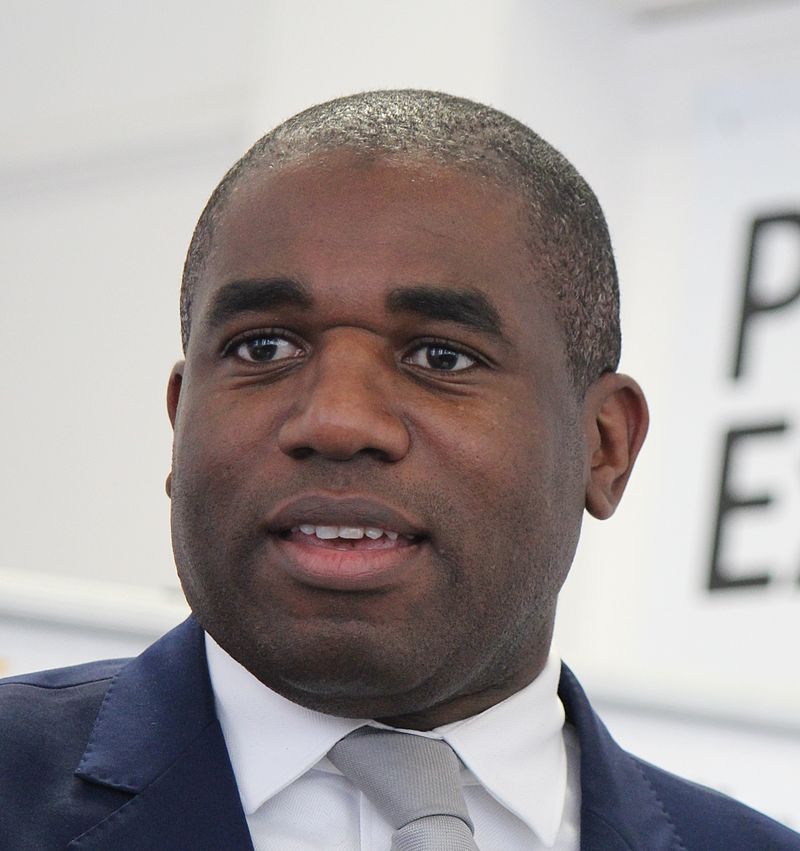
  • David Lammy – 2021 Comments on the Public Accounts Committee Report

    David Lammy – 2021 Comments on the Public Accounts Committee Report

    The comments made by David Lammy, the Shadow Secretary of State for Justice, on 24 March 2021.

    A decade of Conservative cuts to our justice system has left victims waiting years to get justice if they get it at all, while serious criminals are being let off the hook.

    Delays have reached an all-time high as prosecutions for serious crimes like rape have hit an all-time low.

    As this report highlights, ministers need to take urgent action to restore victims’ faith in the justice system, which has been left teetering on the brink of collapse.

  • Lucy Powell – 2021 Comments on Steel

    Lucy Powell – 2021 Comments on Steel

    The comments made by Lucy Powell, the Shadow Business and Consumers Minister, on 24 March 2021.

    Not for the first time the Prime Minister is playing fast and loose with reality. His own government can’t back up his claims on whether the steel used in UK infrastructure projects including Hinkley Point, and new wind farms is made in Britain.

    UK steelmakers and workers need guarantees not guff. That’s why Labour is calling for the government to introduce stronger Buy British guarantees in procurement notices, to maximise the benefits of infrastructure spending, save and create jobs, and boost prosperity in steel communities across the country.

  • Grant Shapps – 2021 Statement on TFL Funding Deal

    Grant Shapps – 2021 Statement on TFL Funding Deal

    The statement made by Grant Shapps, the Secretary of State for Transport, on 22 March 2021.

    The government and Mayor of London have agreed to extend the current Transport for London (TfL) funding deal.

    The deal was due to run out on 31 March 2021; however, things have changed since we set the end of March for the next review of support to TfL. The extended deal will continue to support the capital and the transport network until 18 May 2021, when a new funding deal will be put in place.

    The roadmap set out by the Prime Minister to cautiously and safely reopen society and our economy means we can better understand the potential recovery in passenger demand, ensuring we deliver a sensible and appropriate deal in the future. As a result, and given the Mayoral election timetable, we have therefore agreed to roll over the existing funding deal until 18 May on the same terms as now, providing certainty over the pre-election period.

    Together, the government and the newly elected Mayor will agree a new funding deal after the elections in May 2021. By this point, non-essential retail and other parts of the economy should be open and transport demand on the network will be considered when formulating a future settlement.

    The extension comprises 2 additional funding payments totalling £260 million with a top-up grant available based on actual passenger revenues. This will take total government support for TfL to more than £3 billion since March 2020.

    Support to TfL has always been under the condition that the network must make efficiency savings so it can reach financial sustainability as soon as possible. Those conditions will also form a part of the additional funding payments announced today.

    The government is committed to supporting London and the transport network on which it depends, and will commence discussions for a further funding deal as soon as the Mayoral elections are concluded. Support for London needs to be balanced with the national recovery and supporting the national transport network as a whole.

    Since March 2020, the government has spent £11 billion supporting the running of the national transport network apart from that directly provided to TfL, while continuing to spend money on vital infrastructure projects to level up the national transport network outside of London.

  • John Howell – 2021 Comments on Violent Protest in Bristol

    John Howell – 2021 Comments on Violent Protest in Bristol

    The comments made by John Howell, the Conservative MP for Henley, on 22 March 2021.

    The thuggery and disorder, committed in Bristol by a small minority of the protesters, was completely unacceptable. Our police officers deserve our respect and admiration – not the violence they suffered last night.