Blog

  • Anneliese Dodds – 2020 Comments on her Calls for Government to Rethink Furlough Arrangements

    Anneliese Dodds – 2020 Comments on her Calls for Government to Rethink Furlough Arrangements

    The comments made by Anneliese Dodds, the Shadow Chancellor of the Exchequer, on 24 September 2020.

    I have been warning for months and months that the Chancellor’s one-size-fits-all withdrawal of furlough support was a recipe for a jobs disaster this autumn. I gave the Chancellor 40 chances to u-turn on this, and 20 times his Government ruled out any change.

    I gave the Chancellor solutions too. In May I said we should be considering a flexible, short hours scheme. In August I told the Chancellor to look to countries like Germany which already have such schemes up and running. And just this week I put forward Labour’s plan for a Job Recovery Scheme that would allow businesses to bring back staff on reduced hours.

    Time and time again the Chancellor failed to listen, and now tens of thousands of people have lost their jobs. Too slow on lockdown, too slow on testing, too slow on schools – and too slow to protect jobs.

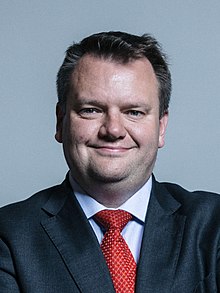
  • Nick Thomas-Symonds – 2020 Comments on Use of National Security Legislation

    Nick Thomas-Symonds – 2020 Comments on Use of National Security Legislation

    The comments made by Nick Thomas-Symonds, the Shadow Home Secretary, on 24 September 2020.

    National security is the top priority for Labour and that means ensuring our security services are able to keep us safe, whilst operating within robust safeguards.

    We will look closely at these proposals in that spirit.

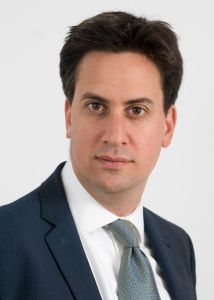
  • Ed Miliband – 2020 Comments on British Chambers of Commerce’s 26 Unanswered Questions

    Ed Miliband – 2020 Comments on British Chambers of Commerce’s 26 Unanswered Questions

    The comments made by Ed Miliband, the Shadow Business, Energy and Industrial Strategy Secretary, on 24 September 2020.

    The fact that so many fundamental questions for businesses remain unanswered when we’re getting down to the wire just underlines that this Government is not on the side of business.

    Business organisations have been asking these questions for months, and the absence of information and leadership from the Government means they are understandably finding it difficult to plan for the future. Paired with a looming furlough cliff-edge, they are operating under extreme uncertainty.

    The Government promised an oven-ready deal, but their incompetence is plain to see. They must stop prevaricating, focus on getting the deal they promised and giving businesses the answers they need, and ensure all preparations are in place for the end of the transition period.

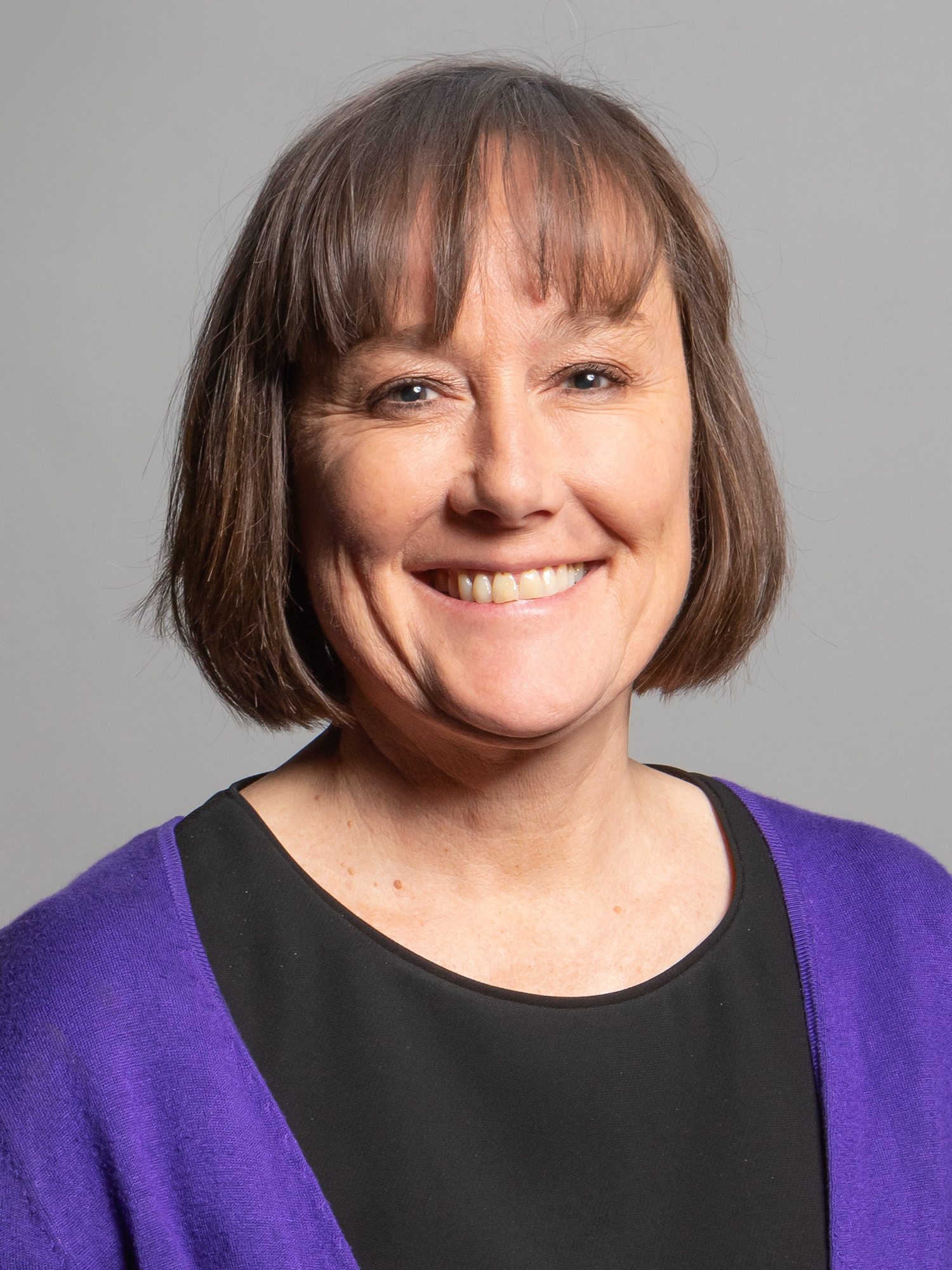
  • Jo Stevens – 2020 Comments on DCMS Committee Call for Help for Sector

    Jo Stevens – 2020 Comments on DCMS Committee Call for Help for Sector

    The comments made by Jo Stevens, the Shadow Culture Secretary, on 24 September 2020.

    Labour shares the Committee’s concerns about the perilous state of the cultural sector – a sector that has made every effort to adapt and find new ways of working.

    The snail’s pace of processing applications for funding is not good enough and as we’ve consistently said the Chancellor needs to provide targeted support for struggling sectors.

    Culture is a key part of our national identity as well as an economic success story. Although it is temporarily unable to make any money during the pandemic, it could boom again with the right support at the right time.

  • Keir Starmer – 2020 Keynote Speech to Labour Connected

    Keir Starmer – 2020 Keynote Speech to Labour Connected

    The speech made by Keir Starmer, the Leader of the Opposition, on 22 September 2020.

    Thank you Ruth for that incredibly powerful introduction and for paying me the huge honour of introducing me today. I know how hard the last few years have been for you. You exemplify the values I want the Labour Party to stand for. Thank you for everything you’ve done – and will continue to do – for this Party.

    I’m delighted that we’re here in Doncaster. My wife’s mum was born and grew up here – just next to the racecourse. We’re regulars here. Visiting family friends but also to go to the Ledger. Though of course sadly not this year.

    I’m also told that this is the first Labour Leaders’ Speech in Yorkshire since Harold Wilson in 1967. The circumstances were a bit different then.

    For one thing, Wilson was able to update conference about Labour’s achievements after three years in government. So I look forward to coming back one day in the same circumstances that brought Wilson here!

    I want to say a heartfelt thanks to the Labour Party staff and volunteers who have moved a virtual heaven and earth this week. To all the speakers, the panellists and the thousands of members who’ve taken part.

    I also want to say thank you to the Labour Party members, supporters and affiliates for putting your faith in me to be your new Leader.

    When you grow up in a small town in Surrey, you rarely thank your parents for naming you “Keir”. And when, as a teenager, I became the fourth member of the East Surrey Young Socialists, it didn’t seem likely that one day I would stand before you as the second Keir to be Labour leader. But I am, and it’s the honour of my lifetime to lead this great movement.

    These are extraordinary circumstances.

    The warnings yesterday from the Government’s advisors were stark. They can’t be ignored.

    Labour will act in the national interest. We will be a constructive opposition. We will support whatever reasonable steps are necessary to save lives and protect our NHS.

    But I also want to say this: There should be nothing inevitable about a second lockdown.

    It would be a sign of Government failure, not an act of God. It would take an immense toll on people’s physical and mental health and on the economy. We need a national effort to prevent a national lockdown.

    But instead of getting a grip, the Government has lost control. Our testing system collapsed just when we needed it most.

    The British people want the Government to succeed in fighting this virus. We all need the Government to succeed.

    This is the time for leadership.

    Today I want to set out how my leadership of this party and, in time I hope, my leadership of this country, will be defined by the values I’ve held dear all my life.

    By the instincts and beliefs that inspired me to become a lawyer fighting for justice, to become the Director of Public Prosecutions and into Labour politics.

    The thread that runs through my life and the belief that will inspire my leadership of this Party is the desire to change lives for the better. The desire to make a difference to my country.

    This is a country that has given me so much.

    I am thankful to the National Health Service that cared for my mum for much of her life. For the chance to be the first in my family to go to university. To go on, to practice the law and to have the privilege of leading the Crown Prosecution Service.

    And to be able to give my parents what they said was one of the proudest moments of their lives: to be there, with me, at Buckingham Palace as I was awarded a knighthood for services to criminal justice.

    Family values mean the world to me. I was lucky enough to grow up in a loving family and I have the great joy now of a family of my own.

    The mission of the Labour party I lead is to extend that same opportunity to everyone.

    And my vision for Britain is simple: I want this to be the best country to grow up in and the best country to grow old in.

    A country in which we put family first. A country that embodies the values I hold dear. Decency, fairness, opportunity, compassion and security. Security for our nation, our families and for all of our communities.

    Sadly, we don’t have a government that has such high standards.

    I’m hugely ambitious for this country. I think Britain has so much yet to achieve. And it angers me that this government is holding us back.

    I’ve tried to be constructive. I appreciate that these are unprecedented times and that governing is difficult. I’ve tried to be fair, to give the government the benefit of the doubt.

    But now, with one of the highest death rates in the world, and on the threshold of one of the deepest recessions anywhere, I’m afraid there is no doubt.

    This government’s incompetence is holding Britain back. They couldn’t get kids back into school in June. They couldn’t work out a fair system to get exams marked. They couldn’t get protective equipment to care workers and they wasted millions of your money in the process.

    Their failure to protect care homes is a national scandal. They still can’t organise a testing regime that’s even serviceable, let alone world-beating.

    The reason this incompetence angers me is that I think of the sacrifices people have made.

    I think of the dedication of all those who have worked so hard to keep us safe. The families that had to stay apart. The grandparents unable to hold grandchildren for the first time. Partners denied the chance to be present at scans and births.

    And in the most tragic circumstances people robbed of the opportunity to say goodbye to those taken before their time.

    Covid has made us appreciate what we value: that family really does come first. Always.

    And that the greatest contribution we can make is to care for one another. To be good neighbours. Good citizens. To protect those in need and build strong communities.

    So, to all the care workers, the van drivers, the cleaners, the shop workers and the life-savers in the NHS, I just want to say: thank you.

    You changed lives for the better. You made a difference.

    And it makes me angry that, just when the country needs leadership, we get serial incompetence. Six months in, a Cabinet chosen on loyalty alone shows no sign of having learnt any lessons from the crisis.

    Here are two things I’ve learnt.

    First, if you neglect your public services, you won’t be ready when a crisis hits. Nobody blames the government for the existence of the virus.

    But the under-funding of the NHS, the abandonment of social care and the lack of investment in prevention, that’s all on their watch. That’s all down to them.

    And it always ends this way with Tory governments:

    Public services are neglected, cut-back, and left to decline. For a party called the Conservative Party, they don’t seem to conserve very much.

    The second thing I’ve learnt is that a crisis reveals character like nothing else.

    And I think we’ve learnt a lot about this Prime Minister. Tory backbenchers know it. His Cabinet knows it. We all know it.

    He’s just not serious. He’s just not up to the job.

    Whenever he encounters a problem, Johnson responds either by wishing it away or by lashing out.

    He kept wishing away the problems with testing, pretending they didn’t exist. He wished away the problems with the Irish border. Then, when he finally realised what he’d signed up to, he lashed out and decided to break international law.

    We’re all doing our bit to combat the virus by obeying the rule of six. Meanwhile the government won’t even obey the rule of law.

    And this is the big difference between the Prime Minister and me:

    While Boris Johnson was writing flippant columns about bendy bananas, I was defending victims and prosecuting terrorists.

    While he was being sacked by a newspaper for making up quotes, I was fighting for justice and the rule of law.

    The grown-up way to deal with Brexit is to negotiate properly and get a deal.

    And on Brexit, let me be absolutely clear. The debate between Leave and Remain is over.

    We’re not going to be a party that keeps banging on about Europe. The Prime Minister has repeatedly promised that he will get a deal.

    So go on and get one.

    British business needs a deal. Working people need a deal. Our country needs a deal.

    And if the Prime Minister fails to get one, he will be failing Britain. If that happens, he’ll have nobody to blame but himself. And he will have to own that failure. It will be on him.

    We want to get this deal done, and like everybody else, we’re growing tired of the Prime Minister’s bluster.

    The arrogance of this Government makes me so angry. A government Minister telling parents to “stop carping” when they can’t get a test for their sick child angers us all.

    But as well as anger, I feel frustration. Frustration that every Labour Party spokesperson is a shadow.

    Shadow Education. Shadow Health. Shadow Chancellor. Shadow Foreign.

    Until we come out of the shadows, this party can’t change anything.

    The promise that brought us all into politics – to change the country for the better – is pointless if all we can do is object to endless Tory governments.

    So let’s be blunt. Let’s be brutally honest with ourselves.

    When you lose an election in a democracy, you deserve to.

    You don’t look at the electorate and ask them: “what were you thinking?” You look at yourself and ask: “what were we doing?”

    The Labour Party has lost four general elections in a row. We’ve granted the Tories a decade of power.

    The Tories have had as many election winners in five years as we’ve had in seventy-five.

    It’s a betrayal of what we believe in to let this go on. It’s time to get serious about winning.

    That means we have to change, and that’s what we’re doing.

    This is a party under new leadership.

    As I promised on my first day as leader we will root out the antisemitism that has infected our party. We’re making progress – and we will root it out, once and for all.

    We’re becoming a competent, credible Opposition

    But that’s not enough. I didn’t come into politics to be in opposition, and neither did you. I came into politics to change lives.

    But you don’t get the permission to act unless the public trusts you. And we still have a lot to do.

    I don’t underestimate the work that will be needed. But I can make this promise:

    Never again will Labour go into an election not being trusted on national security, with your job, with your community and with your money.

    That’s what being under new leadership means.

    And the best incentive for being deadly serious about victory is to remember why we want to win.

    I don’t want to win power just to be Prime Minister. I want to win because of the country I love and because of the values I hold dear.

    When you win, you come out of the shadows. You change lives. You make a difference to your country.

    To do that, we must once again be the party of the whole United Kingdom. The party of England, Wales, Scotland and Northern Ireland.

    We must make the case much more persuasively that we achieve more together than we do alone.

    To stop the Nationalists ripping our country apart by design and to stop the Tories dismantling it by neglect.

    I’m not the sort of Leader who wants to turn the clock back. Times change – and so do political priorities.

    But let’s remind ourselves of what this party can achieve at its best.

    This is the party that created the National Health Service and founded NATO.

    This is the party of the Equal Pay Act and this is the Party of the Open University.

    This is the Party of the National Minimum Wage and this is Party of the Good Friday Agreement.

    These achievements show that we inherit a task and a purpose.

    All three of the post-war Labour winners – Attlee, Wilson and Blair – saw it as their task to modernise Britain.

    In 1945, Attlee had to build a society fit to reward the sacrifices of the war.

    In 1964, Wilson had to make the “white heat of technology” work for working people.

    In 1997, Blair wanted to extend the new era of opportunity to everyone.

    In the 75 years since the historic victory of 1945 there have only been three Labour winners. I want to be the fourth.

    And when you look back to 1945, 1964 and 1997 you learn an important lesson. The lesson is don’t look back, look to the future.

    We need to be thinking about the questions of 2024 and the 2030s, not the questions of the past.

    If anything, Covid has quickened the pace.

    The challenges we now face mean that even the questions of 2019 already seem like ancient history.

    What we say at the next general election isn’t written yet. But it will be rooted in Labour values.

    It won’t sound like anything you’ve heard before. It will sound like the future arriving.

    The trust of the British people will only be won by a party: that can provide security and opportunity at work, that ends the structural flaws in our economy that mean that working people have barely had a pay rise in a decade, that fixes the housing crisis so that young people finally have the prospect of owning their own home, that understands the need for an economy that’s healing the climate crisis, not contributing to it, that guarantees the security and integrity of this nation, that gives our young people the start in life they deserve, that gives our older people the dignity that they’ve earned and that cherishes our diversity and takes pride in a society where everyone belongs.

    We know that Covid affects our black, Asian and minority ethnic communities disproportionately. But the Government still hasn’t done anything about it.

    That’s why I’ve asked Doreen Lawrence to lead an inquiry. I worked with Doreen to prosecute her son’s killers.

    Racial inequality is one of the causes that brought me into politics. And the eradication of structural racism will be a defining cause for the next Labour government.

    Covid-19 thrives on inequalities: structural inequalities that we must defeat.

    I think you can measure a country by how good it is to grow up in. And it’s a test of our compassion, how good it is to grow old in.

    The young and the old have been badly let down by this government. Our children and young people have been an afterthought.

    And the gap between the best and worst-off families threatens to get even wider.

    This inequality scars life chances: and I fear it will leave a lasting legacy for a generation of children.

    The government promised catch-up support, but it’s failed to materialise. And now the failure to get tests for children and teachers who need them means kids are missing out this term as well.

    Opportunity for the young should go way beyond party politics. It has to be a national mission to end the deep injustice that a child’s future is determined by their postcode, not by their potential.

    What we need is a national strategy with clear targets to close the education gap at every stage in a child’s development

    A strategy enforced through an independent body, such as the Children’s Commissioner, and embedded in everything that we do.

    If the Prime Minister won’t act, we’ll set up our own taskforce and get on with it. Because if levelling up is to mean anything, it must mean closing the education gap and making sure no child is held back.

    But, above all else, we need a government that cares enough to act.

    Coronavirus has also revealed the perilous state of social care in this country.

    Families have come under great stress caring for their loved ones. It’s hard enough to see your family in pain without financial ruin too.

    If we didn’t realise it already we’ve learnt that care workers do some of the most vital work in society. Yet they’re under-paid, under-recognised, and under-appreciated.

    Our care workers are heroes. But the social care system in Britain is a disgrace to a rich nation.

    The Tories have had a decade to sort it out, but they’ve done nothing. David Cameron promised he would fix it. Theresa May promised she would fix it. A year ago Boris Johnson promised he would fix it.

    Let’s hold them to that promise.

    This is a matter of basic fairness and human compassion. The Government needs to act and to act now.

    It must ensure that the mistakes made in the first spike cannot happen again this winter. And it must bring forward comprehensive social care reforms that guarantee all care workers at least the real living wage.

    After a decade of drift, this Government must finally fix our social care system. So that it treats those who have given so much with the respect, love and dignity that they deserve.

    I can see in my mind’s eye the country I want us to be. Properly funded universal public services. World-class education which unleashes everyone’s potential.

    A huge investment in skills and a plan, working hand-in-hand with businesses and trade unions, to create high quality jobs.

    An economy that doesn’t force people to move hundreds of miles just to find a decent job. One that truly works for all regions and nations of this United Kingdom. With opportunity and security in every part of the country and at every stage of our lives.

    A country committed to a greener, cleaner and fairer society. Where every policy is judged not just by how much it costs today but also by what it does for the planet tomorrow.

    A country which would be an active force for good in the world, once again admired and respected. Leading the world – and leading by example – in tackling the climate emergency.

    It would be a country which is the best place to grow up in and the best place to grow old in.

    I can see it. I can describe it. But it’s all just a dream unless we win back the trust of the people. And we’ve got a long road ahead of us.

    We’re not going to win back those we’ve lost with a single speech or a clever policy offer. Trust takes time.

    It starts with being a credible Opposition. With taking the job seriously. That’s what we will do.

    So to those people in Doncaster and Deeside, in Glasgow and Grimsby, in Stoke and in Stevenage, to those who have turned away from Labour, I say this: we hear you.

    Never again will Labour take you or the things you care about for granted. And I ask you: Take another look at Labour.

    We’re under new leadership.

    We love this country as you do. This is the country I grew up in and this is the country I will grow old in. And I want it to be the country I know it can be.

    That, in the end, is why I do this. To change lives for the better. To make a difference to my country.

    I know the good a Labour government can do. And I’m already looking forward to it.

    Thank you.
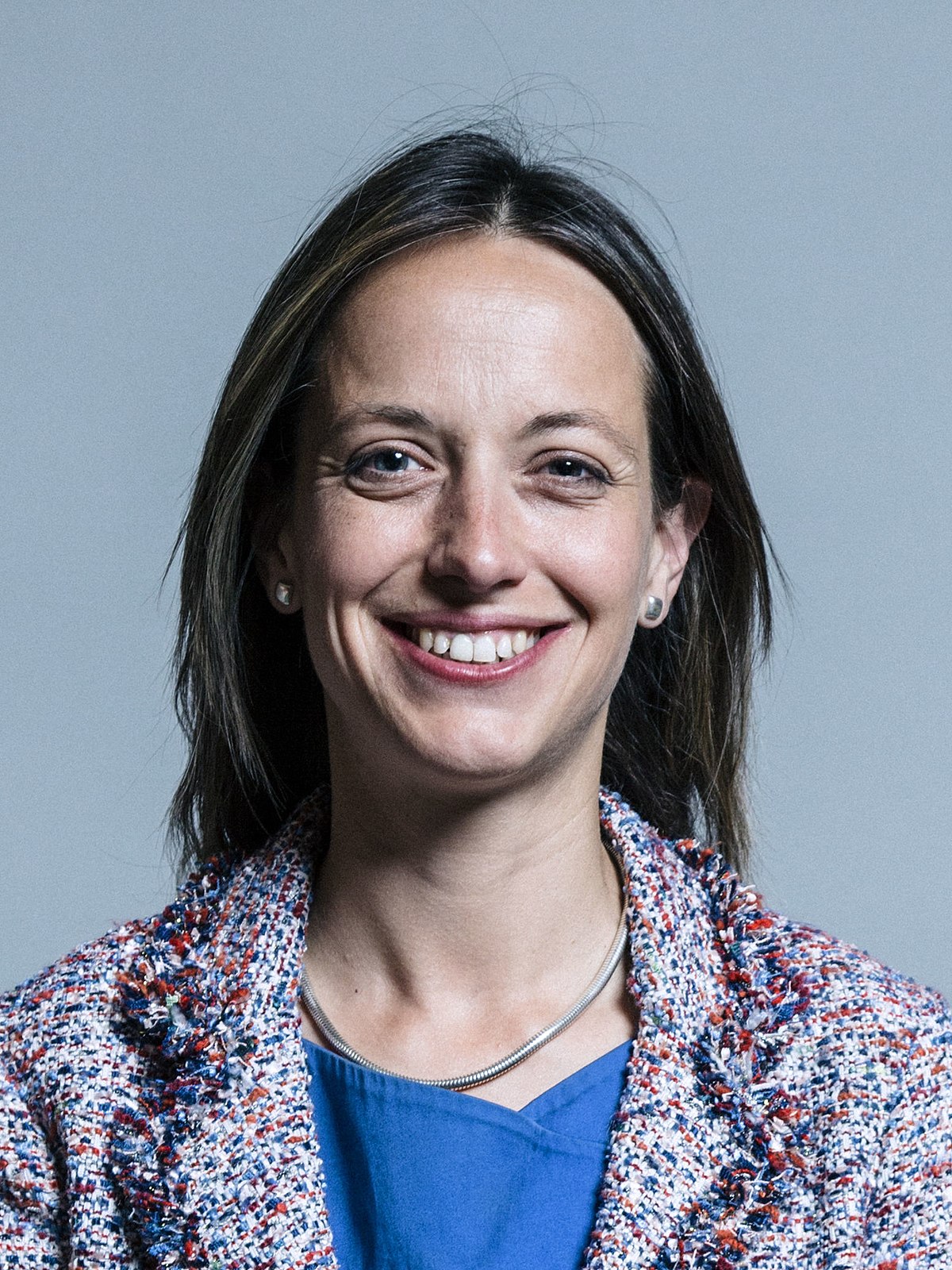
  • Helen Whately – 2020 Speech on Axial Spondyloarthritis

    Helen Whately – 2020 Speech on Axial Spondyloarthritis

    The speech made by Helen Whately, the Minister for Care, in the House of Commons on 17 September, in reply to Tom Randall.

    I congratulate my hon. Friend the Member for Gedling (Tom Randall) on securing this debate and on bringing the House’s attention to the need for earlier diagnosis of axial ​spondyloarthritis. May I say how important it is that he has brought his personal experience to the debate? The House should appreciate the courage he has shown to speak up about his own condition—something that cannot be easy, but that is an example. I feel strongly that all of us bring our own experiences to our work. That is one of the reasons it is important to have a diverse House of Commons. He has brought his own extremely painful experience to bear. I am confident that simply by doing so, he will make a difference for many others who suffer from this painful condition or who may do so in the future.

    My hon. Friend rightly highlighted how critical it is for those with axial spondyloarthritis to get the right diagnosis and get it quickly, and to have their symptoms taken seriously by all healthcare professionals. It is clearly incredibly important to ensure that people can access the right sort of care at the right time, as it can prevent the potentially devastating impact of the condition on quality of life. I very much appreciate from his account and from others I have read how the condition affects people and their loved ones. We must do all we can to reduce the impact on people’s physical and mental health, and I want to do so.

    As my hon. Friend said, axial spondyloarthritis, which may also be referred to as axial SpA or AS, is a form of inflammatory arthritis that most commonly affects the spine. It is a painful long-term condition that currently has no cure. As well as affecting the joints in the spine, it can affect the chest, the pelvis and other joints, ligaments and tendons. Unfortunately, AS is often misdiagnosed as mechanical lower back pain or diagnosed late, leading to delays in access to effective treatments. It is estimated that approximately 220,000 people, or one in 200 of the adult population in the UK, have the condition.

    As my hon. Friend said, the average age of onset is relatively young at 24, with patients having to wait on average eight and a half years before diagnosis at an average age of 32. That is clearly far too long to be waiting for a diagnosis, because left untreated the condition can lead to irreversible spinal fusion, causing severe disability. That makes a rapid referral to specialist care for those with any signs or symptoms crucial to treatment and to preventing those kinds of outcomes.

    I recognise that AS can have a devastating effect on the quality of life of people who sadly go undiagnosed or misdiagnosed for far too long. This must get better. It is clear to me that early diagnosis and treatment are the key to preventing the development of other serious conditions further down the line and to improving the quality of life of those who suffer from this condition.

    We recognise that one major reason for the delays in diagnosing axial SpA is a lack of awareness of the condition among healthcare professionals and the general public. That can take many forms: a lack of awareness of different types of arthritis; a lack of knowledge about the differences between inflammatory and mechanical back pain; or misunderstanding that AS affects similar numbers of men and women. Educational interventions to improve the level of awareness should lead to improvements in earlier diagnosis, and a range of materials are being produced to this effect. For example, an online training module on AS for GPs has been produced by the Royal College of General Practitioners.​

    In June this year, the National Institute for Health and Clinical Excellence published its managing spondyloarthritis in adults pathway, which has been well received by patient groups and charities. This set out recommendations for healthcare professionals in diagnosing and managing axial SpA in adults. It describes how to improve the quality of care being provided or commissioned in this area, both through guidance and via an associated quality standard. I completely agree that we would expect providers and commissioners to be following the guidance and recommendations in this area so that we can improve the overall rate of earlier diagnosis. It is not only important that we have this guidance but that it will be within the pathway that the APPG and my hon. Friend have argued should be put into place in practice.

    Munira Wilson

    While I welcome the guidance and the pathway, what does the Minister suggest can be done to tackle the clinical conservatism that we quite often find among specialists even once the diagnosis is made? In my husband’s case, the rheumatologists said to him, “You are far too young for us to move you on to the more advanced treatments”, so he was living with huge amounts of pain on just very mild painkillers and steroids. It was only because we happen to live in London that we got him re-referred to a world-leading specialist in the field who then put him on anti-TNFs. He is now able to be the primary carer of our two very young, active children, which he could not do otherwise. Not everybody has that luxury, especially if they live in a rural area.

    Helen Whately

    The hon. Member makes a really important point, again drawing from her own personal and family experience, about the importance of awareness of what is the best treatment for this condition. If she would like me to do so, I am happy to take away her specific point and look into how we can address the need for improvement in the treatment, as well as her general point about needing a better pathway. I am also happy to meet my hon. Friend the Member for Gedling, as he requested, to talk further about how we can make more progress on the right treatment for this condition, and awareness of it.

    Coming back to the overall points about what we can do to improve the treatment, the NHS long-term plan set out our plans to improve healthcare for people with long-term conditions, including axial SpA. That includes making sure that everybody should have direct access to a musculoskeletal first-contact practitioner, expanding the number of physiotherapists working in primary care networks, and improving diagnosis by enabling people to access these services without first needing a GP referral—in fact, going directly to speak to somebody with particular expertise in the area of musculoskeletal conditions. The hon. Member for York Central (Rachael Maskell) intervened to make a point about the demands on physiotherapists. I have asked to be kept updated on progress on delivering the expansion of the number of physiotherapists in primary care networks and, more broadly, on the implementation of the NHS long-term plan. We do indeed need to make sure that we have sufficient physiotherapists to be able to deliver on that. I anticipate that that should have a positive impact on the problem of delayed diagnosis for a range of conditions, and particularly for this specific condition.​

    While better education and awareness of AS should improve the situation, there is clearly more that we can and must do to understand the condition. The National Institute for Health Research is funding a wide range of studies on musculoskeletal conditions, including AS specifically. That research covers both earlier diagnosis and treatment options for the condition, so that we continue to build our understanding of good practice and improve both the treatment and the outcomes for those who have the condition.

    In conclusion, I want to pick up on my hon. Friend’s point about the importance of awareness and the call for an awareness campaign by the APPG, and I should of course commend the National Axial Spondyloarthritis Society for its work in this area. My hon. Friend mentioned that there is clearly a huge amount of public health messaging going out at the moment, but I hope the time will come when we can gain more airtime for this particular condition. However, the fact that we are having this conversation in the Chamber is in itself a step towards raising awareness of the condition, and so, ​too, is all the work that is going on; that is important as well, because along with having the policy and the pathway, we must make sure it is put into practice.

    I congratulate my hon. Friend again on bringing this subject to the attention of the House and on the work he is doing and the effect that this will have. I truly want to support him and to do our best for all who suffer from this condition and may suffer from it in future, to ensure that we achieve much earlier diagnosis and treatment and better outcomes for those with the condition.

    Madam Deputy Speaker (Dame Eleanor Laing)

    I commend the hon. Member for Gedling (Tom Randall) on his courage in bringing such a personal and difficult matter before the House. Many people will not appreciate that that is a difficult thing to do, and I am sure that he will have made a difference to many by what he has done today. [Hon. Members: “Hear, hear.”] I am pleased that those in the Chamber are in agreement.

  • Tom Randall – 2020 Speech on Axial Spondyloarthritis

    Tom Randall – 2020 Speech on Axial Spondyloarthritis

    The text of the speech made by Tom Randall, the Conservative MP for Gedling, on 17 September 2020.

    I am grateful for the opportunity to hold this Adjournment debate. I have been a Member of this House for nine months. One of the great privileges of being a Member of Parliament is the opportunity to sit in this Chamber. The more astute observers might have noticed that I occasionally sit slightly awkwardly on these Benches. I admit that, sometimes, I slouch. One of my waggish Twitter correspondents recently juxtaposed a photograph of me and a photograph of my right hon. Friend the Leader of the House reclining on the Treasury Bench, with the caption,

    “great to see Gedling MP getting comfy in parliament and following in the footsteps of his fellow parliamentarian”.

    I admire the Leader of the House very much—there is much to admire about him—but on this, alas, I do not seek to emulate him. Rather, my awkward posture arises from the condition I have: ankylosing spondylitis.

    Ankylosing spondylitis is one of three sub-types of a type of inflammatory arthritis called axial spondyloarthritis. Axial spondyloarthritis is a chronic inflammation of the spine and joints. It is a painful and progressive long-term condition for which there is no cure. It is unlike conditions such as osteoarthritis, which is often associated with older people and the wear and tear that comes with ageing.

    Axial spondyloarthritis, often abbreviated to axial SpA or AS, tends to present in the late teens or early 20s, with the average onset being just 24. In my own case, I first presented with symptoms at 16. As well as the stiffness and pain that one might expect from an arthritic condition, axial SpA is also associated with a range of complications and comorbidities, including uveitis and psoriasis. But it is perhaps the less visible complications of AS that can be the most debilitating. Many suffer from severe fatigue, as well as flare-ups and stiffness.

    The condition presents itself in a period when most people are at a crucial stage of their lives, looking to build careers, start families and forge social relationships. I well remember my early 20s, when I was starting out in my first job after university, before I was prescribed the treatments that I am on now. When I got home after doing an eight-hour day in the office—something that most people would take in their stride—I crashed out on the bed, completely exhausted from a normal day at work.

    Munira Wilson (Twickenham) (LD)

    I congratulate the hon. Member on securing this important debate. My husband also suffers from ankylosing spondylitis. Like the hon. Member, he started getting symptoms when he was about 20, and it took him about 10 years to get diagnosed. He was exhausted and struggling to work, and there were days when I had to help him put his socks on because he could not bend over. Does the hon. Member agree that the shocking delays in getting a diagnosis have a massive impact on quality of life, as do the difficulties that people have in accessing the right treatment? We need to improve awareness, particularly of the National Institute for Health and Care Excellence guidelines on the treatments available.

    Tom Randall

    The hon. Lady is absolutely right. What I and her husband have experienced is sadly not a rare phenomenon.

    The name axial spondyloarthritis will be unknown to many, if not most, people, but it is not uncommon. It affects about one in 200 of the adult population in the UK, or just under a quarter of a million people.

    Jim Shannon (Strangford) (DUP)

    I congratulate the hon. Gentleman on bringing forward this debate. I spoke to him this morning to seek his permission to intervene. He is aware of the massive eight-and-a-half-year delay in diagnosing this awful illness. I read an article in my newspaper back home in May about a young mum in Northern Ireland and her battle. We must all be determined to secure extra funding so that early diagnosis can happen, for adequate research into this life-changing debilitating disease, and for more support groups. In Northern Ireland, we have only two—one in Belfast and one in Londonderry—for a population of 1.8 million spread across the whole Province.

    Tom Randall

    In last night’s Adjournment debate, the hon. Member for Pontypridd (Alex Davies-Jones) said that she felt like a proper MP after the hon. Gentleman intervened on her in an Adjournment debate, and I echo those sentiments. He is completely right about the delay, which I will come on to in a moment, and about the role that support groups can play in showing that people are not alone in having the condition and in providing moral and practical support. I hope that now awareness has been raised, there will be more than two groups in Northern Ireland in due course.

    As I was saying, there are a quarter of a million people with AS, which makes it more prevalent than multiple sclerosis and Parkinson’s combined. Hon. Members may say, “Well, so what?” AS is incurable and it can be managed through medication, physiotherapy or exercise, but what makes it worthy of particular concern and debate is, as outlined earlier, the delay to diagnosis.

    The symptoms of AS can be difficult to diagnose. I was passed between neurologists, geneticists and other specialists as various conditions were ruled out, before a rheumatologist finally diagnosed AS when I was about 20. I was very lucky that I had to wait only a couple of years before getting my diagnosis, but on average, there is a delay of eight and a half years between the onset of AS symptoms and diagnosis in the UK.

    Gareth Bacon (Orpington) (Con)

    I commend my hon. Friend’s bravery in refusing to allow the condition to prevent him from gaining a place in this House and in attempting to draw more attention to the condition. How does the UK compare internationally in terms of the delay that various hon. Members have discussed between the onset of symptoms and diagnosis?

    Tom Randall

    I think in comparable countries such as Germany, France and Italy it is four, five or six years. Certainly, I think the delay to diagnosis in the UK is one of the longest in Europe, and that is something that needs to be remedied. Obviously, during that delay of eight and a half years, the condition can deteriorate considerably. One does not need to be an expert to understand the clinical, economic and human burden of delayed diagnosis.

    Andy Slaughter (Hammersmith) (Lab)

    I congratulate the hon. Gentleman on this timely debate. I have the honour to have the National Axial Spondyloarthritis Society based in my constituency, which is why I have some knowledge of the matter and am involved in the all-party parliamentary group on axial spondyloarthritis. I am sure that he will join me in praising its work and the extraordinary expertise that it brings. The danger is that if people do not have that association or contact, as many medical practitioners do not, it is difficult to diagnose, and therefore, heartbreakingly, young people suffer in pain and do not get a diagnosis when they should. Will he praise the NASS’s work and agree that the NHS needs to communicate about it much more widely?

    Tom Randall

    I pay tribute to the hon. Gentleman’s work. He was an active member of the APPG long before I was in this place. On the issues that he identifies, on which I will go into more detail in a moment, he is absolutely right.

    Rachael Maskell (York Central) (Lab/Co-op)

    I am grateful to the hon. Gentleman for bringing forward this debate. Before coming to this House, I was a physiotherapist. I ran an AS group for swimming and exercise and really know the benefits of that. The Chartered Society of Physiotherapy was in touch with me just this week to say that, because of covid, it is experiencing a real shortage of physios for the future and that 2,339 more physios are needed. Does he agree that we need to look back at the NHS work plan to ensure we have the right practitioners in place to support people like him?

    Tom Randall

    Physiotherapy can play a key role in managing the symptoms of AS, and we should all support the work that physiotherapists do with patients.

    Anthony Browne (South Cambridgeshire) (Con)

    I congratulate my hon. Friend on securing the debate on this important issue, and I pay tribute to his bravery in overcoming his condition and ensuring it did not prevent him coming to this House.

    I have a family member, a friend and a constituent who suffer from AS, and I know well the problems with delayed diagnosis. My constituent Frances Reid started having symptoms 10 years ago. She went from doctor to doctor to doctor but did not get diagnosed. She was diagnosed only one year ago, and she now has pains across her entire body and needs joint replacements. She is in so much pain that she wakes up eight to 10 times a night. In contrast, a friend from Canada was diagnosed really early. With treatment and exercise, he leads a full life. What lessons can we learn from countries that have quicker diagnosis and what would my hon. Friend like to see here?

    Tom Randall

    My hon. Friend neatly explains the consequences of delayed diagnosis. A recent systematic review of the available literature found that, overall, patients with a delayed diagnosis of AS had worse clinical outcomes, including higher disease activity, worse physical function and more structural damage compared with patients who had an earlier diagnosis. Those with a delayed diagnosis also had higher healthcare costs and a greater likelihood of work disability, as well as a worse quality of life, including a greater likelihood of depression. Those are the consequences of not giving a prompt diagnosis.​

    We spoke earlier about the National Axial Spondyloarthritis Society, or NASS, which has identified four factors that contribute to delay: a lack of awareness among the public that AS might be the cause of their chronic pain; GPs failing to recognise the features of AS; referral to non-rheumatologists who might not promptly recognise AS; and failure by rheumatology and radiology teams to optimally request or interpret investigations. AS cannot be cured, but reducing the eight-and-a-half-year average delay in diagnosis will lead to better outcomes for those living with the condition.

    The all-party group for axial spondyloarthritis, of which I am a vice-chair, suggests three steps that would help to reduce the delay in diagnosis. The first is the adoption of a local inflammatory back pain pathway to support swift referral from primary care directly to rheumatology. Low levels of referral to rheumatology from primary care represent one of the key barriers to achieving an early diagnosis of AS, and a national audit by the APPG found that 79% of clinical commissioning groups do not have a specified inflammatory back pain pathway in place, despite NICE guidelines recommending that.

    Jerome Mayhew (Broadland) (Con)

    My hon. Friend makes reference to the NICE guidelines and the quality standard on spondyloarthritis not being implemented by 79% of clinical commissioning groups. Does he agree that that simply relates to primary carers referring directly to rheumatology departments, which is not a cost issue but one of professional education?

    Tom Randall

    My hon. Friend is absolutely right, and that neatly leads me on to the APPG’s second proposal. I appreciate that the NHS is rather busy at the moment with public health messaging of one kind or another, but awareness of AS remains low and support for an awareness campaign would help to significantly raise the visibility of the condition not only among the public, but among GPs.

    Thirdly, the APPG suggests encouraging the routine adoption of minimum service specifications across the NHS to help to reassure patients, particularly in the context of covid-19 and the difficulties many patients face in accessing key services during the recent lockdown. I would welcome any opportunity to meet Ministers separately to discuss those proposals in detail, if that were possible.

    I will leave the last word to Zoë Clark, who addressed the APPG’s last physical meeting in January. She told attendees how, after getting AS symptoms aged 20, incorrect diagnoses and the impact of her condition left her socially isolated and unable to live independently, at a time when she was trying to complete a demanding four-year master’s degree in osteopathy. She said that living with undiagnosed AS was a frightening time and she ended up having to largely sacrifice her social life, due to the difficulties of balancing her degree with the pain and fatigue she regularly experienced.

    No one should have to wait eight and a half years to find out what is wrong with them. I hope that we can begin to put that right.

  • Matt Hancock – 2020 Comments on Emergency Support from European Union Mobility Package

    Matt Hancock – 2020 Comments on Emergency Support from European Union Mobility Package

    The comments made by a spokesperson for Matt Hancock, the Secretary of State of Health and Social Care, on 18 September 2020.

    This will fund some of the costs associated with the transporting of equipment and items of personal protective equipment (PPE) to the UK from overseas.

    The successful bid for this grant ensures the UK continues to benefit from its own contributions to the EU under the Withdrawal Agreement.

    The EU mobility package is part of the Emergency Support Instrument (ESI). The ESI has an overall budget of €2.7 billion and was activated in April 2020.

    We continue to explore every opportunity for international cooperation to tackle the virus and save lives.

    The UK’s successful bid was £31,024,734 (€34,047,679).

  • Grant Shapps – 2020 Comments on Rail Franchising

    Grant Shapps – 2020 Comments on Rail Franchising

    The comments made by Grant Shapps, the Secretary of State for Transport, on 21 September 2020.

    The model of privatisation adopted 25 years ago has seen significant rises in passenger numbers, but this pandemic has proven that it is no longer working.

    Our new deal for rail demands more for passengers. It will simplify people’s journeys, ending the uncertainty and confusion about whether you are using the right ticket or the right train company.

    It will keep the best elements of the private sector, including competition and investment, that have helped to drive growth, but deliver strategic direction, leadership and accountability.

    Passengers will have reliable, safe services on a network totally built around them. It is time to get Britain back on track.

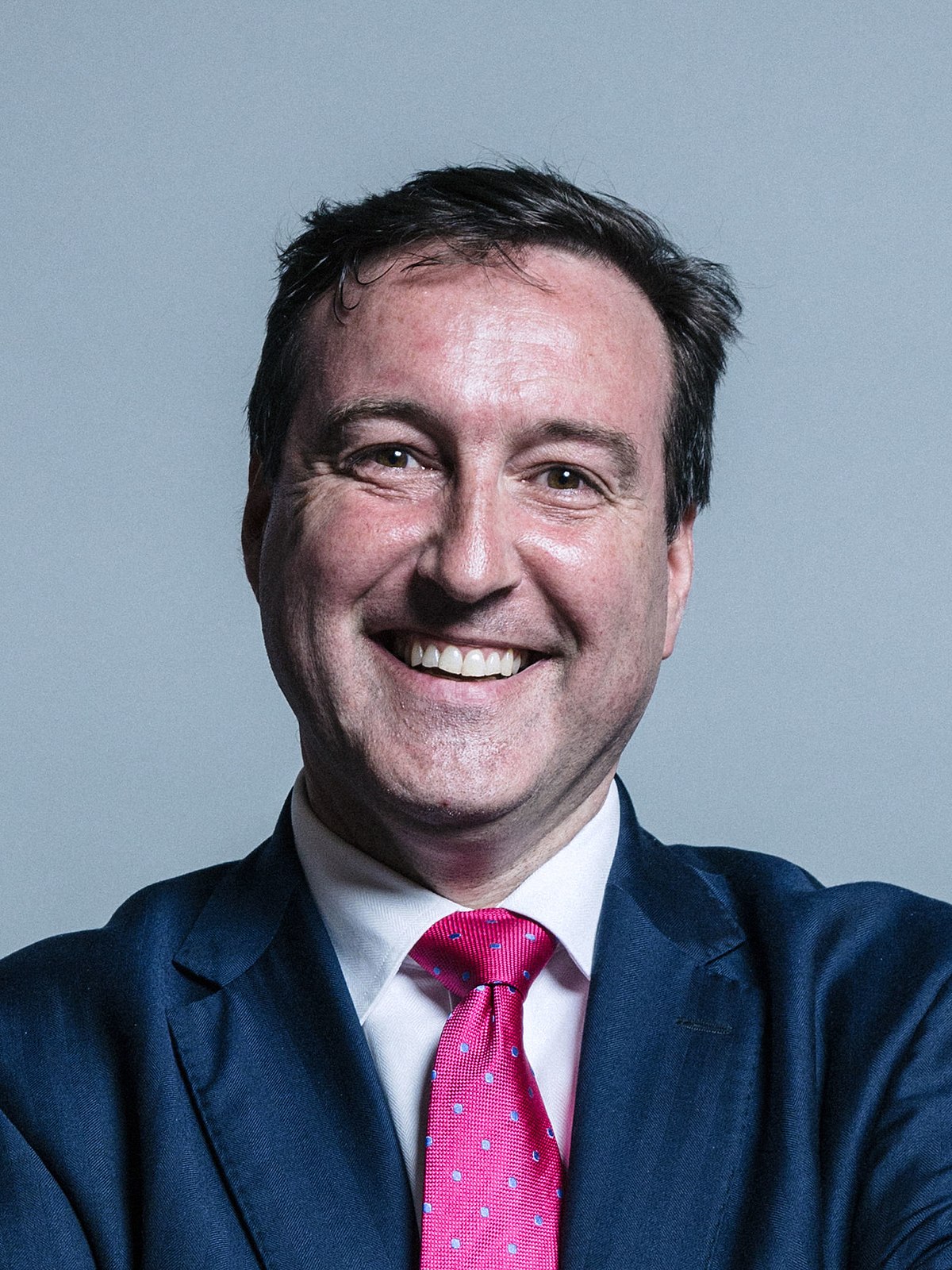
  • Chris Matheson – 2020 Comments on Amal Clooney Resignation

    Chris Matheson – 2020 Comments on Amal Clooney Resignation

    The comments made by Chris Matheson, the Shadow Media Minister, on 18 September 2020.

    It is humiliating that the UK’s special envoy on media freedom has felt unable to continue in her role.

    This shows that by threatening to break international law instead of getting Brexit done as we were promised, the Government is trashing the UK’s reputation around the world.