Blog

  • Iain Stewart – 2020 Comments on UK Government Testing Centre in Cumbernauld

    Iain Stewart – 2020 Comments on UK Government Testing Centre in Cumbernauld

    The comments made by Iain Stewart, the UK Government Minister for Scotland, on 28 November 2020.

    The UK Government is helping all parts of the UK fight the coronavirus pandemic. Testing is vital, helping to manage local outbreaks and protecting people’s livelihoods. The UK Government is providing the bulk of Covid testing in Scotland, and this new walk-through centre is just the latest in our extensive testing network.

    We are pleased to be working with local and commercial partners. These sites are not possible without the hard work of many people. I would like to thank everyone involved for their incredible efforts for the good of the country at this difficult time.

  • Anneliese Dodds – 2020 Comments on Tier 3 Communities in North and Midlands

    Anneliese Dodds – 2020 Comments on Tier 3 Communities in North and Midlands

    The comments made by Anneliese Dodds, the Shadow Chancellor of the Exchequer, on 28 November 2020.

    It is completely irresponsible for the government to leave Tier 3 areas in the lurch like this again. The run-up to Christmas is a critical period, and local authorities are going to be stretched to breaking point trying to help.

    The government’s approach is fundamentally unfair and risks a gulf in support opening up across the country. The Chancellor must make the responsible choice and come forward with a clear system of business support for the hardest-hit areas.

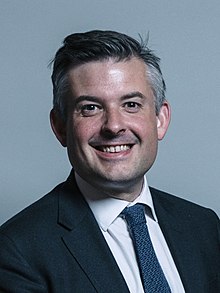
  • Jonathan Ashworth – 2020 Comments on the Appointment of a Vaccines Minister

    Jonathan Ashworth – 2020 Comments on the Appointment of a Vaccines Minister

    The comments made by Jonathan Ashworth, the Shadow Secretary of State for Health and Social Care, on 28 November 2020.

    Only days ago Labour called for a Vaccines Minister to oversee the huge logistical challenge of widespread vaccination.

    We now need a mass public health campaign urging uptake of the vaccine, alongside ensuring the resources are in place for GPs and other health professionals to rapidly roll this out as soon as possible.

  • Alexander Stafford – 2020 Speech on Hydrogen Transport

    Alexander Stafford – 2020 Speech on Hydrogen Transport

    The speech made by Alexander Stafford, the Conservative MP for the Rother Valley, in the House of Commons on 26 November 2020.

    I refer the House to my entry in the Register of Members’ Financial Interests. It is a tremendous privilege to have secured today’s debate on the use of hydrogen transport. It is such thrilling news because, unbelievably, this is the first dedicated debate on hydrogen to take place in the UK Parliament. We can all agree that it is long overdue.

    It is now clear that hydrogen will be a critical component of our energy and transport policy as we strive to achieve net zero by 2050. We can no longer afford to sit on our hands. At present, 34% of all UK carbon emissions come from transport. This is a colossal statistic. If we do not prioritise decarbonising our transport sector, we simply will not meet our net zero target.

    I welcome the work that the Minister and the Government have done and will continue to do to ensure that hydrogen is so high up the Government’s agenda. Indeed, the Government have signalled their intent regarding hydrogen in their 10-point plan for a green industrial revolution announced just last week. The Minister has confirmed that the Government will produce an economy-wide hydrogen strategy for the UK, which we understand is planned to be published in February. I look forward to the promised creation of a hydrogen transport hub, the all-hydrogen bus town scheme and implementation of the aforementioned 10-point plan, which includes policies for hydrogen use and production.

    Members will be well versed in my advocacy for hydrogen in this House. I serve as a vice-chair of the all-party group on hydrogen and I champion hydrogen technology consistently in my speeches and articles on levelling up and our green recovery. My commitment to this exciting technology stems from my life prior to entering Parliament. Before I was elected to represent the people of Rother Valley, I worked on environmental issues at the World Wildlife Fund before focusing on the UK’s global transition to a green future at Shell. It was then that I realised we need a multi-pronged approach to low-carbon transport.

    Despite what some may tell us, there is no silver bullet or panacea to help us to achieve our aims. This is why, alongside other solutions such as electric vehicles, biofuels and carbon capture and storage, we must ensure that we are at the forefront of the hydrogen industry, both in its use and in its production. We must steal a march on international competitors, cornering the market for UK plc and cementing our place as the world leader in hydrogen transport. I like to describe this as a win-win situation, because a strong UK hydrogen industry will create thousands of jobs across the country, cut carbon emissions dramatically and boost our post-covid and post-Brexit economy.

    What exactly is hydrogen and how does it work? In layman’s terms, hydrogen is a gas that can combust in a way that produces no greenhouse gas emissions. Hydrogen can be produced by a number of methods. The most exciting of these creations is green hydrogen, which is made by electrolysis, using renewable electricity from solar and wind power. While we develop our infrastructure for green hydrogen, we can create blue hydrogen, too, which is made by reforming methane, where the carbon dioxide generated can be captured and stored.

    I must address the excitement around electric vehicles, and it certainly is a wonderful technology. However, it is not the sole solution to decarbonising transport, and it has significant shortcomings that need to be addressed. It is estimated that it will cost £16.7 billion to get the UK’s public charging network ready for mass EV market. This would require 507 new charge points to be installed every single day from now until 2035. Furthermore, there is no recognised figure for how much it will cost to upgrade the grid, but industry figures suggest that it will require hundreds of billions of pounds.

    Moreover, we must mention the need to import battery technology from the People’s Republic of China, a country that owns 73% of the world’s battery supply, often made with electricity from coal-powered stations. Ultimately of more concern is EVs’ unsuitability for heavier vehicles, such as HGVs, and longer-distance journeys, and I will cover that shortly. Hydrogen fuel cell electric vehicles, on the other hand, offer flexibility and freedom. Hydrogen vehicles do not produce any greenhouse gases from their tailpipe. The only emission is water vapour. If the hydrogen used by the vehicle is made with renewable sources of electricity or with the help of carbon capture and storage, the process of driving a hydrogen vehicle is nearly free of CO2 emissions, as well as other particulate matter.

    In hydrogen vehicles, energy is stored as compressed hydrogen fuel. This means that hydrogen fuel cell electric vehicles can drive up to 700 km without refuelling and, just like a conventional car, they take only a few minutes to refuel. This is likely to see the deployment of hydrogen in cars and vans that travel large distances or for heavy utilisation, which battery EVs are unsuitable for.

    I am excited about the prospects for hydrogen transport beyond cars. This is where hydrogen technology really comes into its own. A hydrogen fuel cell offers cleaner options for parts of the transport sector, particularly in larger vehicles that are less suited to electrification and where consumers demand rapid refuelling. The high energy density of hydrogen means that it is expected to be the dominant choice for HGVs, buses, shipping and rail, as well as its potential use in aviation.

    Hydrogen buses show particular promise, and we are fortunate in Britain to boast the expertise of Wrightbus. It is currently building 3,000 hydrogen buses in the UK for use across the country by 2024, which is the equivalent of taking 107,000 cars off the road.

    Stephen Flynn (Aberdeen South) (SNP)

    I apologise for missing the start of the hon. Member’s speech on an incredibly important matter. He has touched on hydrogen buses, and in Aberdeen, the city I represent, hydrogen buses have been rolled out in great numbers over recent years. Does he agree with me that what we need to see is a greater expansion of hydrogen buses not just in Aberdeen, but across Scotland and the entire UK?

    Alexander Stafford

    I thank the hon. Member for that point, and I could not agree more. I was talking to the Under-Secretary of State for Scotland, my hon. Friend the Member for Banff and Buchan (David Duguid), about it recently, and it was exactly that point he highlighted.

    That is exactly why, in February, when the Government announced 4,000 zero emission buses, I believe they should have been announced as hydrogen buses, because the economies of scale involved will revolutionise the transport sector. It is of paramount importance that we achieve cost parity between a hydrogen bus and a diesel bus, and at the moment such parity is predicted to happen this decade, but we would rather have that sooner than later, and if those 4,000 buses were hydrogen buses, I am told that the scales involved would mean parity with diesel buses.

    In addition, it is essential that we reform the bus service operators grant to focus only on green fuels such as hydrogen, as we currently spend £600 million per year incentivising the running of diesel buses. Taking this decision would not cost the taxpayer a penny. We must also reform the renewable transport fuel obligation. A simple amendment to this would allow any existing renewable energy resource to be used, and again it would not cost the taxpayer any money. This would significantly increase private investment and stimulate the creation of new jobs in the production of green hydrogen for transport.

    The HGV sector is the highest emitting of all commercial road transport with regards to absolute CO2 emissions. The majority of commercial vehicles in this category are still powered by diesel, and electrification, as I have mentioned, is not suitable for such heavy long-distance vehicles. Hydrogen-fuelled HGVs had been found to be a more cost-effective option in terms of the infrastructure costs, with a cumulative capital expenditure cost of £3.4 billion in 2016, compared with £21.3 billion for battery electric vehicles—so a lot cheaper. Hydrogen HGVs have already been trialled in the US and parts of Europe, and they are likely to be widely available in the 2020s.

    On our railways, a hydrogen-powered train from the University of Birmingham recently travelled on Britain’s rail network for the first time. We are looking to lead the world in rolling out more hydrogen trains. In the aerospace sector, British company ZeroAvia has conducted the world’s first hydrogen-powered flight, over Bedfordshire, and in 2021 Aeristech will provide a fuel compressor that will make it possible to deliver the power output needed for even the heaviest industries and vehicles, such as aeroplanes. In shipping, UK shipbuilders are already working on cutting-edge zero-emission ferries, and we must increase our international co-operation on hydrogen to achieve the decarbonisation of routes globally.

    Beyond transport, hydrogen can also be used to decarbonise home heating, given that home heating currently amounts to about 20% of national emissions. The UK is leading the way once again, with HyDeploy conducting the world’s first trial of a 20% hydrogen blend in the gas grid, H21 and H100 leading groundbreaking tests of 100% hydrogen in the gas grid, and Worcester Bosch and Baxi producing the world’s first hydrogen-ready boilers, so we are already developing this technology in this country.

    UK innovation in hydrogen is further advanced by Johnson Matthey’s role as one of the global leaders in fuel cell development and components in transport. In fact, its technology ends up in roughly a third of fuel cells globally. I stress to the Government that this is an opportunity for us to corner the hydrogen market in the way that China has dominated the battery market. We can take a world lead on this, and we should—we have the right situation.

    Another great British company is ITM Power, based in South Yorkshire, next to my constituency. It is involved in most hydrogen transport products in the UK, and it has indicated that it wishes to open a large hydrogen refuelling station and a network across the country. We must ensure that we have a strong domestic programme to support this, particularly in the bus and HGV sectors. If we act with pace and ambition, with collaboration between industry and Government, we can utilise our natural resources, technological know-how and innovative entrepreneurial spirit to spend taxpayers’ money more efficiently than our competitors and stimulate much greater private investment, economic growth and carbon reductions than any other country on the planet.

    I have four policy asks of the Minister. The first is to set ambitious targets for the mass commercialisation of hydrogen technology. Hydrogen technologies across all categories have been used extensively in real-world situations across the world for many years. The opportunity now exists to set targets for mass deployment and commercialisation of these technologies across the UK over the coming decade, as other countries have already started doing. For example, Japan is aiming for 200,000 hydrogen fuel cell vehicles on the road by 2025 and 800,000 by 2030. It is also aiming for 1,200 hydrogen buses by 2030. South Korea is aiming for 100,000 hydrogen fuel cell vehicles on the roads by 2025 and 60,000 hydrogen buses by 2040. The world is waking up to hydrogen, and so should we.

    The second request is to stimulate supply and demand in parallel. We can steal a march over other countries by setting inspirational, investment-stimulating goals for the production of hydrogen and do so in a manner that maximises the UK’s natural resources, academic skills, world-leading manufacturing and experienced workforce. The Prime Minister has set a target for a minimum of 5 GW of hydrogen production by 2030. Let us set ambitious demand-side targets for buses, trains and cars to ensure that we make full use of that.

    The third ask is to focus initially on regional clusters—for example, in Rother Valley. The UK’s hydrogen economy must be built up step by step, and we cannot make this transition instantly. The Government should focus initially on regional clusters that are most suited to hydrogen production and usage and on technologies that can be implemented quickly, scaled up effectively and suit the local skills, geography and decarbonisation priorities. The announcement of a hydrogen transport hub in Teesside is welcome, and I hope that we will see more hydrogen hubs pop up soon—across the north but also in Scotland, Northern Ireland and Wales.

    The fourth ask is to ensure that relevant Government Departments work collaboratively. Hydrogen policy covers many different Departments. It requires strong local leadership from metro Mayors, council leaders and local enterprise partnerships to be delivered. All the devolved Administrations are developing their own hydrogen strategies.

    Stephen Flynn

    I appreciate the hon. Member giving way again; he is being very generous. I am listening closely to his four points. I may have missed it, but I am not sure whether he mentioned his preference for green or blue hydrogen, and I would be grateful if he expanded on whether he feels that green hydrogen is ultimately the goal that we all seek to achieve.

    Alexander Stafford

    I believe the hon. Member missed the earlier part of the debate, when I touched on green and blue hydrogen. We all want green hydrogen eventually, but it is blue to start off with, with carbon capture and storage.

    I urge the Government to bring forward another world first: a hydrogen political working group consisting of representatives from the UK Government, devolved Administration Ministers, Mayors and council leaders. This group can ensure that hydrogen policy across the UK is co-ordinated and implemented at pace.

    We must act quickly and decisively to avoid being left behind by international competitors. In the past few months, Germany has committed €9 billion to hydrogen, and France and Portugal have committed €7 billion. The European Union is planning hundreds of billions of euros in investment in hydrogen technology. Australia, China, South Korea, Japan, Canada, Norway, Chile and many other countries around the world see hydrogen as critical to their immediate economic growth and long-term net zero goals. The UK must make its move now if we are to pip those countries at the post. They have announced this money. Let us get the money on the ground first and develop it.

    Overall, about 20 countries that collectively represent about 70% of global GDP have announced a hydrogen strategy or a road map as a key pillar of their decarbonisation ambitions. We have only to look to the race for dominance in the battery industry to see why we cannot allow ourselves to fall behind today. For instance, today there are 136 battery mega-factory plants in operation or being planned. Some 101 of those are in China, and eight are in the USA. China is opening almost one new mega-factory every single week. The UK has well and truly lost out in the battery industry, but we are still in the race for hydrogen, and we can still win.

    It is apparent why so many countries are clamouring to pursue a hydrogen transport agenda. The global hydrogen economy is set to be worth $2.5 trillion and create 30 million jobs by 2050. The economic benefits for the UK are huge, especially for industrial areas, such as my constituency of Rother Valley. Here in the UK, the Hydrogen Task Force believes that hydrogen can add £18 billion in gross value added by 2035 and support 75,000 additional jobs. More immediately, businesses have told the Treasury that it has £3 billion-worth of shovel-ready private investment awaiting the right policy frameworks and commitment from the Government.

    That is fantastic news for constituencies in the northern powerhouse and the devolved nations. The Zero Carbon Humber project is a fantastic example of the potential of so-called hydrogen hubs, which I envisage in areas such as the Rother Valley and across the red wall. The Humber is the largest carbon-emitting industry cluster in the UK, and like South Yorkshire, much of the Humber’s economy is built on manufacturing, engineering and the energy sector. A partnership of 12 major organisations and a bid to the Department for Business, Energy and Industrial Strategy has resulted in the creation of an ambitious project to make the Humber the world’s first net zero carbon industrial cluster, supporting new industry and encouraging factories.

    Addressing jobs first and foremost, the potential for a hydrogen revolution in South Yorkshire to rival the coal industry is immensely exciting. We have already made great strides in establishing ourselves as a national hub for the production of green hydrogen. Rother Valley’s manufacturing expertise remains second to none, and our ambition and drive are matchless. It is those skills that we hope to redeploy in the green revolution, and as such there is no better place to serve as the hub of the hydrogen industry.

    For instance, I have been supporting the upcoming opening of the world’s largest electrolyser factory, operated by ITM and located in Meadowhall, Sheffield, which is on the border of my constituency. Hydrogen storage cylinders are also manufactured nearby. Rotherham, part of which is in my constituency, is home to England’s most northerly hydrogen refuelling station. The region has an onshore wind sector with the potential to expand. It is key to the production of green hydrogen, and our local city of Sheffield has two major district heat networks. Recently, I met the University of Sheffield’s Advanced Manufacturing Research Centre, which is a world-leading hub of research and innovation in technologies such as hydrogen.

    However, that is only the beginning. As we attract more investment and the local hydrogen industry grows, more companies will want to take advantage of our infrastructure, creating manufacturing jobs, graduate jobs and supply chain jobs alike. In turn, South Yorkshire stands to reap high economic returns that will rejuvenate the local economy. Indeed, I intend to turn Rother Valley into Britain’s hydrogen valley.

    I conclude my speech by emphasising the importance of using hydrogen as one part of our carbon-free transport future. No one technology alone is the answer, because each option is at a different stage of development and the economics of each are different depending on the mode of transport. The case for hydrogen is irrefutable, particularly for heavy duty, long-distance vehicles such as heavy goods vehicles and buses. Decarbonising those modes of transport is vital to meeting our net zero targets.

    A world-leading hydrogen industry will boost the local and national economy, providing an uplift in these challenging times, and bolster UK plc as we export our expertise and technology around the world. The UK has all the tools required for leading the hydrogen revolution. We must ensure that we seize the moment and take our rightful place as the capital of hydrogen transport. I look forward to working with the Minister and the Government as we march towards a cleaner, greener hydrogen future for all parts of the United Kingdom.


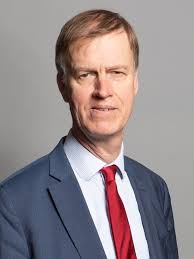
  • Stephen Timms – 2020 Speech on the DWP and the Coronavirus Outbreak

    Stephen Timms – 2020 Speech on the DWP and the Coronavirus Outbreak

    The speech made by Stephen Timms, the Labour MP for East Ham, in the House of Commons on 26 November 2020.

    I beg to move,

    That this House notes the First Report of the Work and Pensions Committee, “DWP’s response to the coronavirus outbreak”, HC 178; and calls on the Government to increase relevant legacy benefits in line with increases to universal credit, to take steps to return people who have been inadvertently left worse off under universal credit compared with their previous benefits, and to suspend the no recourse to public funds visa condition for the duration of the coronavirus outbreak.

    I thank the Backbench Business Committee for this opportunity. The new Work and Pensions Committee had an ambitious programme. Our first meeting in March was with the Health and Safety Executive, but in no time we were in lockdown and our programme was set aside. The Department for Work and Pensions has been key in this crisis as so many have lost the means to earn a living, and universal credit has delivered. I have been a frequent critic. I repeatedly pointed out that transition to universal credit could not be completed by October 2017, but the system that we now have has passed the test of this year. It is a national asset, which we should make the most of.

    DWP staff have been on the frontline, with many redeployed to handle the tidal wave of claims. They have withstood enormous pressure. In our report, the Committee expresses thanks to them for their dedication and hard work, and that does need to be reflected in their pay; yesterday’s announcement was a heavy blow.

    Ministers made good decisions at the start. After a decade of cuts, the £20 increase in universal credit and working tax credit, and the reconnecting of local housing allowance with actual rents, were key for many to surviving the crisis. I had understood that local housing allowance would be kept in line with local rents, so I was dismayed yesterday to hear that it will be frozen—decoupling it once again. My Committee agreed unanimously that the £20 increase should stay and many others have taken that view, including the Joseph Rowntree Foundation’s “Keep the lifeline” campaign. The campaign wrote an open letter to the Chancellor on 30 September with Citizens Advice, the Child Poverty Action Group, Feeding Britain, Oxfam, the Trussell Trust, disability charities and bishops. The Resolution Foundation says that otherwise:

    “The basic level of support for an out-of-work single adult would fall to the level it was at when Margaret Thatcher left office”.

    The Institute for Fiscal Studies warned of a significant decline in the incomes of 4 million families. The Chair of the Welsh Affairs Committee, the right hon. Member for Preseli Pembrokeshire (Stephen Crabb), a former Work and Pensions Secretary, called the £20 a lifeline and urged its retention. I very much regret that the Chancellor rejected those calls yesterday.

    The spending projections show universal credit being cut by £20 in April, and people claiming universal credit are left fearing the worst. Our motion calls for the £20 uplift to be extended to legacy benefits. Yesterday, an increase of 37p per week was announced; Ministers must reconsider.

    Not increasing jobseeker’s allowance and employment and support allowance for those out of work for ill health was done on the grounds, we were told, that computer systems were slow to change, but they certainly could have been changed by now, and it is absurd that people in otherwise identical circumstances, claiming different benefits because of universal credit roll-out sequencing, are receiving such different support. It is legally questionable. People should not face extended hardship because their benefits are run on out-of-date systems. Ministers were absolutely right to introduce the increase; it should be extended to legacy benefits, too

    Our report last month, “Universal credit: the wait for a first payment”, calls for other much-needed changes. The five-week delay between applying and the first regular payment causes great hardship; we called for non-repayable starter payments to tide people over. We also called for “advances” to be renamed “loans”, to make it clear they have to be repaid, because calling them “advances” obscures that.

    The motion also highlights the people made worse off by claiming universal credit. Government online advice says: “Apply online for universal credit to get financial support if you’ve lost your job.” For most people, that was sound advice, but not for everyone: if someone on tax credits claims universal credit, their tax credits stop.

    We surveyed experiences of the benefits system in the pandemic; 6,000 people responded, and I thank all of them. Some had not realised that claiming universal credit meant losing tax credits. For some, their universal credit entitlement then turned out to be zero—for example, one of my constituents with £16,000 saved. That person was left, as many were, with no support at all. That is benefit mis-selling; Government should put it right.

    In May, answering the right hon. Member for North Shropshire (Mr Paterson) here in the Chamber, the Secretary of State said that she would look “very carefully” at whether people should be able to return to previous benefits. That held out some hope, but now she says that allowing it would threaten to unravel the roll-out of universal credit; that is a very poor excuse.

    Today’s motion highlights our call, also made by the Home Affairs Committee, for the no recourse to public funds immigration condition to be suspended for the pandemic. Some 3 million extra people have had to claim universal credit this year, but families working legally, with no recourse to public funds on their immigration status, do not have that safety net. They may get discretionary council help, but provision varies immensely. Indeed, Andy Jolly at the University of Wolverhampton has found that many families refused council help, so our report made this call:

    “The Government should publish or at least clarify existing guidance for local authorities on what support they can provide for people with NRPF, including…whether measures such as the hardship fund are classed as public funds or not.”

    At the Liaison Committee in May the Prime Minister said that people in this situation should get “help” of one kind or another. I agree, but unfortunately they do not. Families facing destitution can apply for exemption, but it is extremely hard. The all-party group on immigration law and policy heard this week from the Unity Project that it takes about 100 pages of evidence; many people cannot provide that. The Home Office takes a month, on average, to determine an application. No destitute family should have to wait a month for Government to decide whether they can claim benefit.

    Our report in May also called for an impact analysis of the benefit cap in the pandemic. UC and the local housing allowance were rightly raised, but the benefit cap was not, so many families crashed into the cap for the first time. The Department told our inquiry that the number of people affected by that would be “very small”. We asked for a full analysis of the numbers and the characteristics of households newly subject to the cap, and of the impact on hardship. We now know that far from a very small impact, the number affected by the benefit cap has almost doubled in the pandemic.

    In London, with high rents pushing up LHA, many have crashed into the benefit cap for the first time. People claiming benefit after losing their job have a nine-month grace period when the benefit cap does not apply. The employment Minister says that 160,000 households have a grace period due to end next month—the benefit cap will apply for the first time. I wrote to the Secretary of State yesterday, with the Committee’s agreement, about this issue. The Government were right to increase support for struggling families at the start of the pandemic and there should be a cap easement for those about to be hit.

    Our report in May pointed out that the future jobs fund did a great job of supporting young people in the last financial crisis. I welcome the kickstart scheme, with its identical structure, that was announced the month after our report. It was disappointing to see yesterday that spending on kickstart will be much lower than planned. That seems to be because employers have to offer at least 30 places, thus shutting out small firms. That should surely be fixed. The Committee will take evidence on the Restart scheme, which was announced yesterday. An evaluation of the Work programme was published on Tuesday. Major commitment to employment support is absolutely right, but we need it—this is unlike what happened with the Work programme—to do a good job with, for example, disabled people.

    The importance of dependable social security has never been clearer. The UC system and Department for Work and Pensions staff have passed an extraordinary test, and they have our congratulations and our thanks. The changes outlined in our report are needed now to minimise damage from the crisis, and to look forward and build back better in the months ahead.

  • Matt Hancock – 2020 Statement on Covid-19 Winter Plan and Tiers

    Matt Hancock – 2020 Statement on Covid-19 Winter Plan and Tiers

    The statement made by Matt Hancock, the Secretary of State for Health and Social Care, in the House of Commons on 26 November 2020.

    On 23 November, the Prime Minister set out our covid-19 winter plan in Parliament. Our covid-19 winter plan puts forward the UK Government programme for suppressing the virus, protecting the NHS and the vulnerable, keeping education and the economy going, and providing a route back to normality.

    Thanks to the shared sacrifice of everyone in recent weeks, in following the national restrictions, we have been able to start to bring the virus back under control and slow its growth, easing some of the pressure on the NHS.

    We will do this by returning to a regional tiered approach, saving the toughest measures for the parts of the country where prevalence remains too high.

    The tiering approach provides a framework that, if used firmly, should prevent the need to introduce stricter national measures.

    On 2 December, we will lift the national restrictions across all of England and the following restrictions will be eased:

    The stay-at-home requirement will end.

    Non-essential retail, gyms, personal care will reopen. The wider leisure and entertainment sectors will also reopen, although to varying degrees.

    Communal worship, weddings and outdoor sports can resume.

    People will no longer be limited to seeing one other person in outdoor public spaces, where the rule of six will now apply.

    The new regulations set out the restrictions applicable in each tier. We have taken into account advice from SAGE on the impact of the previous tiers to strengthen the measures in the tiers, and help enable areas to move more swiftly into lower tiers.

    The changes to the tiers are as follows:

    In tier 1, the Government will reinforce the importance that, where people can work from home, they should do so.

    In tier 2, hospitality settings that serve alcohol must close, unless operating as restaurants. Hospitality venues can only serve alcohol with substantial meals.

    In tier 3, hospitality will close except for delivery, drive-through and takeaway, hotels and other accommodation providers must close (except for specific exemptions, such as people staying for work purposes, where people are attending a funeral, or where they cannot return home) and indoor entertainment venues such as cinemas, theatres and bowling allies must also close. Elite sport will be played without spectators. Organised outdoor sport can resume, but the Government will advise against higher risk contact sports.

    These are not easy decisions, but they have been made according to the best clinical advice, and the criteria that we set out in the covid-19 winter plan.

    These are:

    Case detection rates in all age groups

    Case detection rates in the over-60s

    The rate at which cases are rising or falling

    Positivity rate (the number of positive cases detected as a percentage of tests taken)

    Pressure on the NHS.

    The indicators have been designed to give the Government a picture of what is happening with the virus in any area so that suitable action can be taken. These key indicators need to be viewed in the context of how they interact with each other as well as the wider context but provide an important framework for decision making, assessing the underlying prevalence in addition to how the spread of the disease is changing in areas. Given these sensitivities, it is not possible to set rigid thresholds for these indicators.

    The regulations will require the Government to review the allocations every 14 days, with the first review complete by the end of 16 December.

    We have been able to announce UK-wide arrangements for Christmas, allowing friends and loved ones to reunite, and form a Christmas bubble of three households for five days over the Christmas period.

    We have increased funding through our contain outbreak management fund, which will provide monthly payments to local authorities facing higher restrictions.

    We are also launching a major community testing programme, homing in on the areas with the greatest rate of infection.

    This programme is open to local authorities in tier 3 areas and offers help to get out of the toughest restrictions as fast as possible.

    The listed areas will be in each tier from the 2 December. This list will also be published on gov.uk and a postcode tracker will be available for the public to check what rules apply in their local area.

    A list of allocations can be found at: https://questions-statements.parliament.uk/written-statements/detail/2020-11-26/HCWS608

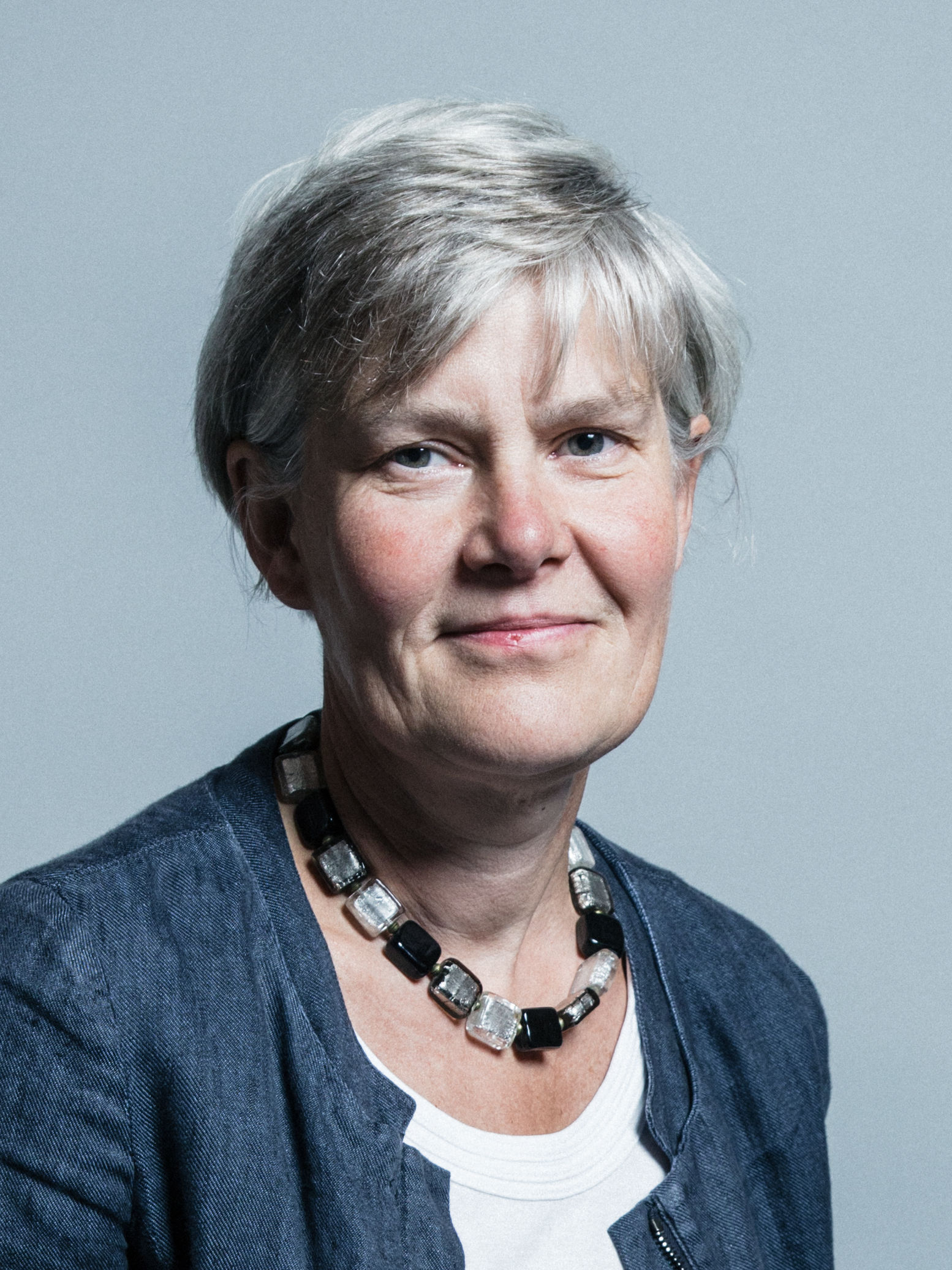
  • Kate Green – 2020 Comments on Teacher Salaries

    Kate Green – 2020 Comments on Teacher Salaries

    The comments made by Kate Green, the Shadow Secretary of State for Education, on 26 November 2020.

    This is a kick in the teeth for dedicated teachers who have been working incredibly hard throughout the pandemic to ensure children continue to receive their education.

    The Government claims to be working to deliver ‘world class’ education, but it’s breaking its manifesto commitment to teachers. Real terms cuts to school funding and under valuing of staff risks driving experienced teachers from our classrooms.

  • Keir Starmer – 2020 Comments on the Appointment of Jane Ramsey

    Keir Starmer – 2020 Comments on the Appointment of Jane Ramsey

    The comments made by Keir Starmer, the Leader of the Opposition, on 27 November 2020 following the appointment of Jane Ramsey as the party’s senior advisor on implementing the EHRC recommendations.

    I am delighted that Jane is leading our party’s implementation of the EHRC’s recommendations. Jane brings a wealth of experience to this role. I have every confidence she will ensure the party’s new, independent complaints process is put in place as a matter of urgency.

    Since I was elected Labour leader, I have made it my mission to root out antisemitism from our party. I remain utterly determined to restore trust with the Jewish community and make the Labour Party a safe place for Jewish people.

  • Peter Bottomley – 2020 Comments on the Comprehensive Spending Review

    Peter Bottomley – 2020 Comments on the Comprehensive Spending Review

    The comments made by Peter Bottomley, the Conservative MP for Worthing West, in the House of Commons on 25 November 2020.

    The House will be glad that the Chancellor has met the needs of the poorest, that he is going to maintain the increase to the state pension and that he is ensuring that people get opportunities to get back into work if they have been out of it. He talks about the £250 minimum for the lowest-paid people in the public sector. May I ask him whether that includes people working in local government or just national Government? That would be useful to know.

    There will be a welcome for the increase in spending for schools. There are also many other things that people will think are sensible and that could—or should—have been done as the Labour Government went through the crisis in 2008, when they also implemented a public sector pay freeze. May I put it to him that it would be incredible if the Independent Parliamentary Standards Authority were to force a pay increase on Members of Parliament when others do not get it? One way or another, will the Government—and perhaps you, Mr Speaker—talk to IPSA and ensure that that does not happen? I have the view that MPs’ pay should only be adjusted after a general election; that may be a minority view, but I think it would be wrong for us to have pay forced on us when others cannot get a pay increase.

    Let me turn to overseas aid. When the Departments were merged, the Foreign Secretary said that the 0.7% figure would be maintained. My right hon. Friend the Chancellor was elected in 2015, as I was, under a commitment to meet 0.7%. We were re-elected in 2017, and the only difference in 2019 was that the word “proudly” was put in front of that commitment. I am proud of that commitment. I will work with anyone across the House to make sure that a change of percentage does not happen. Obviously, with our GNP coming down by 10%, the amount that goes on aid will come down automatically. I fight to maintain the pledge that the Prime Minister, the Chancellor, the Foreign Secretary and I made at the last general election.

  • Rishi Sunak – 2020 Statement on the Comprehensive Spending Review

    Rishi Sunak – 2020 Statement on the Comprehensive Spending Review

    The statement made by Rishi Sunak, the Chancellor of the Exchequer, in the House of Commons on 25 November 2020.

    Mr Speaker, today’s spending review delivers on the priorities of the British people. Our health emergency is not yet over and our economic emergency has only just begun, so our immediate priority is to protect people’s lives and livelihoods. But today’s spending review also delivers stronger public services, paying for new hospitals, better schools and safer streets, and it delivers a once-in-a-generation investment in infrastructure, creating jobs, growing the economy and increasing pride in the places we call home.

    Our immediate priority is to protect people’s lives and livelihoods, so let me begin by updating the House on our response to coronavirus. We are prioritising jobs, businesses and public services through the furlough scheme, support for the self-employed, loans, grants, tax cuts and deferrals, as well as extra funding for schools, councils, the NHS, charities, culture and sport. Today’s figures confirm that, taken together, we are providing £280 billion to get our country through coronavirus. Next year, to fund our programmes on testing, personal protective equipment and vaccines, we are allocating an initial £18 billion. To protect the public services most affected by coronavirus, we are also providing: £3 billion to support NHS recovery, allowing it to carry out up to a million checks, scans and operations; over £2 billion to keep our transport arteries open, subsidising our rail network; more than £3 billion to local councils; and an extra £250 million to help end rough sleeping. Although much of our coronavirus response is UK-wide, the Government are also providing £2.6 billion to support the devolved Administrations in Scotland, Wales and Northern Ireland. Taken together, next year, public services funding to tackle coronavirus will total £55 billion.

    Let me turn to the Office for Budget Responsibility’s economic forecasts. I thank the new chair, Richard Hughes, and his whole team for their work. The OBR forecasts that the economy will contract this year by 11.3%, the largest fall in output for more than 300 years. As the restrictions are eased, it expects the economy to start recovering and growing by 5.5% next year, 6.6% in 2022 and then 2.3%, 1.7% and 1.8% in the following years. Even with growth returning, our economic output is not expected to return to pre-crisis levels until the fourth quarter of 2022. The economic damage is likely to be lasting. Long-term scarring means in 2025, the economy will be around 3% smaller than expected in the March Budget.

    The economic impact of coronavirus and the action we have taken in response means that there has been a significant but necessary increase in our borrowing and debt.

    The UK is forecast to borrow a total of £394 billion this year, equivalent to 19% of GDP—the highest recorded level of borrowing in our peacetime history. Borrowing falls to £164 billion next year and to £105 billion in ’22-’23, then remains at around £100 billion, or 4% of GDP, for the remainder of the forecast. Underlying debt, after removing the temporary effect of the Bank of England’s asset purchases, is forecast to be 91.9% of GDP this year. Due to elevated borrowing levels and a forecast persistent current deficit, underlying debt is forecast to continue rising in every year, reaching 97.5% of GDP in ’25-’26.

    High as these costs are, the costs of inaction would have been far higher. But this situation is clearly unsustainable over the medium term. We could only act in the way we have because we came into this crisis with strong public finances. We have a responsibility, once the economy recovers, to return to a sustainable fiscal position.

    This is an economic emergency. That is why we have taken, and continue to take, extraordinary measures to protect people’s jobs and incomes. It is clear that those measures are making a difference. The OBR now states, as the Bank of England and the International Monetary Fund already have, that our economic response has protected jobs, supported incomes and helped businesses to stay afloat. It has said today that business insolvencies have fallen compared with last year, and the latest data shows the UK’s unemployment rate is lower than that of Italy, France, Spain, Canada and the United States.

    We are doing more to build on our plan for jobs. I am announcing today nearly £3 billion for my right hon. Friend the Secretary of State for Work and Pensions to deliver a new three-year restart programme to help over a million people who have been unemployed for over a year to find new work. But I have always said: we cannot protect every job. Despite the extraordinary support we have provided, the OBR expects unemployment to rise to a peak, in the second quarter of next year, of 7.5%—2.6 million people. Unemployment is then forecast to fall in every year, reaching 4.4% by the end of 2024.

    Today’s statistics remind us of something else. Coronavirus has deepened the disparity between public and private sector wages. In the six months to September, private sector wages fell by nearly 1% compared with last year. Over the same period, public sector wages rose by nearly 4%. Unlike workers in the private sector, who have lost jobs, been furloughed, and seen wages cut and hours reduced, the public sector has not. In such a difficult context for the private sector, especially for those people working in sectors such as retail, hospitality and leisure, I cannot justify a significant across-the-board pay increase for all public sector workers.

    Instead, we are targeting our resources at those who need it most. To protect public sector jobs at this time of crisis, and to ensure fairness between the public and private sectors, I am taking three steps today. First, taking account of the pay review bodies’ advice, we will provide a pay rise to over a million nurses, doctors and others working in the NHS. Secondly, to protect jobs, pay rises in the rest of the public sector will be paused next year. But, thirdly, we will protect those on lower incomes; the 2.1 million public sector workers who earn below the median wage of £24,000 will be guaranteed a pay rise of at least £250. What this means is that while the Government are making the difficult decision to control public sector pay, the majority of public sector workers will see their pay increase next year.

    And we want to do more for the lowest paid. We are accepting in full the recommendations of the Low Pay Commission to increase the national living wage by 2.2% to £8.91 an hour; to extend this rate to those aged 23 and over; and to increase the national minimum wage rates as well. Taken together, these minimum wage increases will likely benefit around 2 million people. A full-time worker on the national living wage will see their annual earnings increase by £345 next year—compared with the position in 2016, when the policy was first introduced, that is a pay rise of over £4,000.

    These are difficult and uncertain economic times, so it is right that our immediate priority is to protect people’s health and their jobs, but we need to look beyond. Today’s spending review delivers stronger public services—our second priority. Before I turn to the details, let me thank the whole Treasury team, and especially my right hon. the Chief Secretary, for their dedication and hard work in preparing today’s spending review. Next year, total departmental spending will be £540 billion. Over this year and next, day-to-day departmental spending will rise, in real terms, by 3.8%—that is the fastest growth rate in 15 years. In cash terms, day-to-day departmental budgets will increase next year by £14.8 billion.

    And this is a spending review for the whole United Kingdom. Through the Barnett formula, today’s decisions increase Scottish Government funding by £2.4 billion, Welsh Government funding by £1.3 billion and Northern Ireland Executive funding by £0.9 billion. The whole of the United Kingdom will benefit from the UK shared prosperity fund, and over time we will ramp up funding so that total domestic UK-wide funding will at least match EU receipts, on average, reaching around £1.5 billion a year. To help local areas prepare for the introduction of the UKSPF, next year we will provide funding for communities to pilot programmes and new approaches. And we will accelerate four city and growth deals in Scotland, helping Tay Cities, Borderlands, Moray and the Scottish islands create jobs and prosperity in their areas.

    Our public spending plans deliver on the priorities of the British people. Today’s spending review honours our historic, multi-year commitment to the NHS. Next year, the core health budget will grow by £6.6 billion, allowing us to deliver 50,000 more nurses and 50 million more general practice appointments. We are increasing capital investment by £2.3 billion: to invest in new technologies; to improve the patient and staff experience; to replace ageing diagnostic machines such as MRI and CT scanners; and to fund the biggest hospital building programme in a generation, building 40 new hospitals and upgrading 70 more. We are investing in social care, too. Today’s settlement allows local authorities to increase their core spending power by 4.5%. Local authorities will have extra flexibility on council tax and the adult social care precept, which, together with £300 million of new grant funding, gives them access to an extra £1 billion to fund social care—and this is on top of the extra £1 billion social care grant we provided this year, which I can confirm will be maintained.

    To provide a better education for our children, we are also getting on with our three-year investment plan for schools. We will increase the schools budget next year by £2.2 billion, so we are well on the way to delivering our commitment of an extra £7.1 billion by 2022-23.

    Every pupil in the country will see a year-on-year funding increase of at least 2%, and we are funding the Prime Minister’s commitment to rebuild 500 schools over the next decade. We are also committed to boosting skills, with £291 million to pay for more young people to go into further education, £1.5 billion to rebuild colleges, £375 million to deliver the Prime Minister’s lifetime skills guarantee and extend traineeships, sector-based work academies and the National Careers Service, as well as improving the way the apprenticeships system works for businesses.

    We are also making our streets safer. Next year, funding for the criminal justice system will increase by over £1 billion. We are providing more than £400 million to recruit 6,000 new police officers—well on track to recruit 20,000—and £4 billion over four years to provide 18,000 new prison places. New hospitals, better schools, safer streets—the British people’s priorities are this Government’s priorities.

    Today’s spending review strengthens the United Kingdom’s place in the world. This country has always been and will always be open and outward-looking, leading in solving the world’s toughest problems. But during a domestic fiscal emergency, when we need to prioritise our limited resources on jobs and public services, sticking rigidly to spending 0.7% of our national income on overseas aid is difficult to justify to the British people, especially when we are seeing the highest peacetime levels of borrowing on record. I have listened with great respect to those who have argued passionately to retain this target, but at a time of unprecedented crisis, Government must make tough choices. I want to reassure the House that we will continue to protect the world’s poorest, spending the equivalent of 0.5% of our national income on overseas aid in 2021, allocating £10 billion at this spending review. Our intention is to return to 0.7% when the fiscal situation allows. Based on the latest OECD data, the UK would remain the second highest aid donor in the G7—higher than France, Italy, Japan, Canada and the United States. And 0.5% is also considerably more than the 29 countries on the OECD’s Development Assistance Committee, which average just 0.38%.

    Overseas aid is, of course, only one of the ways we play our role in the world. The Prime Minister has announced over £24 billion of investment in defence over the next four years—the biggest sustained increase in 30 years—allowing us to provide security not just for our country, but around the world. We are investing more in our extensive diplomatic network, already one of the largest in the world, and providing more funding for new trade deals. We should, however, judge our standing in the world not just by the money we spend, but by the causes we advance and the values we defend.

    If this spending review’s first priority was getting the country through coronavirus and its second was stronger public services, then our final priority is to deliver our record investment plans in infrastructure. Capital spending next year will total £100 billion— £27 billion more in real terms than last year. Our plans deliver the highest sustained level of public investment in more than 40 years—once-in-a-generation plans to deliver once-in-a-generation returns for our country.

    To build housing, we are introducing a £7.1 billion national home building fund, on top of our £12.2 billion affordable homes programme. We will deliver faster broadband for over 5 million premises across the UK, better mobile connectivity with 4G coverage across 95% of the country by 2025, the biggest ever investment in new roads, upgraded railways, new cycle lanes and over 800 zero-emission buses. Our capital plans will invest in the greener future we promised, delivering the Prime Minister’s 10-point plan for climate change. We are making this country a scientific superpower, with almost £15 billion of funding for research and development, and we are publishing today a comprehensive new national infrastructure strategy. To help finance our plans, I can also announce that we will establish a new UK infrastructure bank. Headquartered in the north of England, the bank will work with the private sector to finance major new investment projects across the United Kingdom, starting this spring.

    I have one further announcement to make. For many people, the most powerful barometer of economic success is the change they see and the pride they feel in the places we call home. People want to be able to look around their towns and villages, and say, “Yes, our community—this place—is better off than it was five years ago.” For too long our funding approach has been complex and ineffective, and I want to change that. Today I am announcing a new levelling-up fund worth £4 billion. Any local area will be able to bid directly to fund local projects.

    The fund will be managed jointly between the Treasury, the Department for Transport and the Ministry for Housing, Communities and Local Government, taking a new, holistic, place-based approach to the needs of local areas. Projects must have real impact, they must be delivered within this Parliament and they must command local support, including from their Member of Parliament. This is about funding the infrastructure of everyday life: a new bypass; upgraded railway stations; less traffic; more libraries, museums and galleries; better high streets and town centres. This Government are funding the things that people want and places need.

    Today I have announced huge investment in jobs, public services and infrastructure, yet I cannot deny that numbers alone can ring hollow. They stand testament to our commitment to create a better nation, but on their own they are not enough to create one. When asked what our vision for the future of this country is, we cannot point to a shopping list of announcements and feel that the job is done. So as we invest billions in research and development, we are also introducing a new immigration system, ensuring that the best and brightest from around the world come here to learn, innovate and create. As we invest billions in the building of new homes, we are also simplifying our planning system to ensure that beautiful homes are built where they are needed most. As we invest billions in the security of this country, we are also defending free speech and democratic rule, proving that our values are more than just words. And as we invest billions in public services, we are also protecting the wages of those on the lowest incomes and supporting jobs, because good work remains the most rewarding and sustainable path to prosperity.

    The spending review announced today sets us on a path to deal with the material matters of Government and it is a clear statement of our priorities, but encouraging the individual and community brilliance on which a thriving society depends remains, as ever, a work unfinished. We in government can set the direction. Better schools, more homes, stronger defence, safer streets, green energy, technological development, improved rail and enhanced roads: all investments that will create jobs and give every person in this country the chance to meet their potential. But it is the individual, the family and the community that must become stronger, healthier and happier as a result. This is the true measure of our success. The spending announced today is secondary to the courage, wisdom, kindness and creativity it unleashes. These are the incalculable but essential parts of our future, and they cannot be mandated or distributed by Government. These things must come from each of us, and be shared freely, because the future—this better country—is a common endeavour.

    Today, Government have funded the priorities of the British people, and now the job of delivering them begins. Mr Speaker, I commend this statement to the House.