Blog

  • Rishi Sunak – 2021 Economic Update Statement

    Rishi Sunak – 2021 Economic Update Statement

    The statement made by Rishi Sunak, the Chancellor of the Exchequer, in the House of Commons on 11 January 2021.

    Before I begin, I am sure the whole House will join me in sending our very best wishes to my right hon. Friend the Member for Old Bexley and Sidcup (James Brokenshire). I have been fortunate in having worked closely with him, and he is one of the nicest and most decent people in politics—a fantastic Minister and a tireless advocate for his constituents. We all look forward to his speedy recovery and to seeing him back in this place as soon as possible.

    Last week, the Prime Minister set out the actions that we must take to control the spread of coronavirus. With your permission, Mr Speaker, today I will update the House on the economic situation we currently face, the action we are taking to support the British people and businesses through the crisis, and the factors influencing our outlook.

    As the House knows well, coronavirus has already caused significant harm to our economy. The scale of the impact bears repeating. GDP fell by 18.8% in the second quarter of 2020. While the economy grew as the country opened up over the summer, it remained 6.7% smaller than it was before the crisis. The Office for Budget Responsibility’s November forecast showed GDP falling again in the final quarter of last year and it forecast the largest fall in annual output for over 300 years. Even with the significant economic support we have provided, more than 800,000 people have lost their jobs since February. While the new national restrictions are necessary to control the spread of the virus, they will have a further significant economic impact. We should expect the economy to get worse before it gets better.

    In response, the Government have put in place a comprehensive economic plan. We have provided a fiscal stimulus of over £280 billion to fund our plan for jobs, to support public services like the NHS, and to provide financial support for millions of people and businesses. Some 1.2 million employers have furloughed almost 10 million employees. Almost 3 million people have benefited from our self-employment grants, taking the total support for the self-employed to nearly £20 billion. Over 1.4 million small and medium-sized companies have received Government-backed loans worth over £68 billion. Tens of billions of pounds of tax cuts, tax deferrals and cash grants have been delivered to businesses, and the United Kingdom Government have guaranteed at least £16.8 billion of additional funding for the devolved Administrations in Scotland, Wales and Northern Ireland.

    In response to the new national lockdown, we are extending and increasing our financial support. We are providing a bridge for people and businesses until the economy reopens, to give them the chance to rebuild productive capacity. To do that, we have extended the furlough scheme to April, we are supporting self-employed people with a fourth income grant, and we have announced, alongside the introduction of new restrictions, an extra £4.6 billion to protect UK jobs and businesses. All business premises in England that are legally required to close, including in retail, hospitality and leisure, can now claim one-off grants of up to £9,000 for each of their business premises, benefiting more than 600,000 businesses and coming on top of the existing grants worth up to £3,000 paid each month. We have also made discretionary funds of £500 million available for local authorities in England to support local businesses in those areas, on top of the £1.1 billion of discretionary funds that we have already provided to local councils.

    Sadly, we have not been and will not be able to save every job and every business, but I am confident that our economic plan is supporting the finances of millions of people and businesses. Across almost all areas of economic policy, we are providing comparable or greater support than all our international peers. As the Office for Budget Responsibility, the Bank of England and the International Monetary Fund have all recognised, our economic response is making a difference by saving jobs, keeping businesses afloat and supporting people’s incomes.

    Looking forward, there are signs of hope. First, with the vaccine, we can start to see a path out of coronavirus. Vaccine roll-out is our most important economic lever and we have made available over £6 billion. We have now administered over 2.4 million vaccine doses across the United Kingdom, and by 15 February we aim to have offered a first vaccine dose to everyone in the top four priority groups identified by the Joint Committee on Vaccination and Immunisation.

    Also, the data shows that there are potential sources of underlying resilience in our economy. In aggregate, we have seen the household savings ratio reach record levels and, taken as a whole, corporate sector cash buffers have improved. And of course, we have now agreed a new trading partnership with the European Union. We have removed that uncertainty from businesses and can now start to do things differently and better—not least in financial services, where in November I outlined for the House our plan to reinforce the UK’s position as a globally pre-eminent financial centre.

    While the vaccine provides hope, the economy is going to get worse before it gets better. Many people are losing their jobs, businesses are struggling, and our public finances have been badly damaged and will need repair. The road ahead will be tough. Now it is time for responsible management of our economy, taking the difficult but right long-term decisions for our country, but I am confident that, with this comprehensive support that the Government are providing and, above all, the determination, enterprise and resilience of the British people, we will get through this. I commend this statement to the House.

  • Lindsay Hoyle – 2021 Statement about Trump Supporters Attacking the Capitol Building

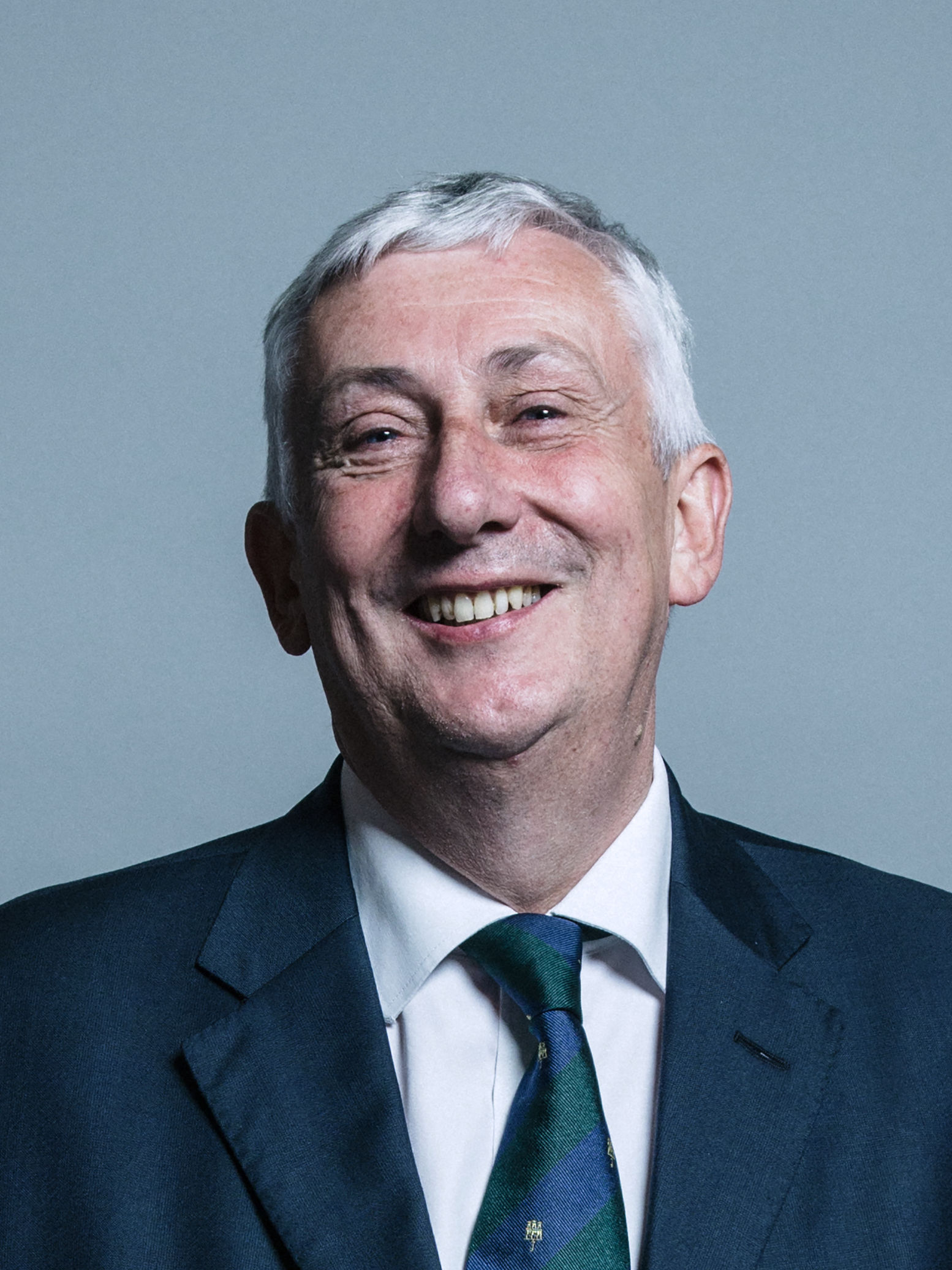
    Lindsay Hoyle – 2021 Statement about Trump Supporters Attacking the Capitol Building

    The statement made by Lindsay Hoyle, the Speaker of the House of Commons, on 11 January 2021.

    Before I call the Chancellor of the Exchequer, I have a short statement to make about the events at the Capitol in Washington DC last Wednesday and Thursday. Like many hon. Members, I was shocked and dismayed by the events that took place. I wrote a personal letter to Nancy Pelosi, the Speaker of the House of Representatives, to offer my solidarity—not least at the trashing and occupation of her office. Since I wrote the letter, we have learned of the very sad death of Officer Brian D. Sicknick. Elected representatives in the House and the Senate, and the staff who support them, showed great courage in ensuring that the democratic process was delayed but not stalled. I am sure I speak for all hon. Members in passing on our best wishes to them all and our condolences to the family and colleagues of Officer Sicknick.

  • Angela Rayner – 2021 Letter on Time Off for Vaccines

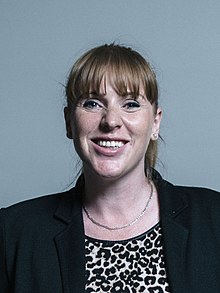
    Angela Rayner – 2021 Letter on Time Off for Vaccines

    The letter sent by Angela Rayner, the Deputy Leader of the Labour Party, on 11 January 2021.

    Angela Rayner has written to the ‘Big 5’ business groups:

    Tony Danker, Director General of the CBI
    Adam Marshall, Director General of the British Chambers of Commerce
    Mike Cherry, Chair of the Federation of Small Businesses
    Stephen Phipson, Chief Executive of Make UK
    Jonathan Geldart, Director General of the Institute of Directors

    Full text of letter:

    Dear Tony/Adam/Mike/Stephen/Jonathan

    2020 was an incredibly tough year for all of us. The coronavirus pandemic has hit our country harder than almost any other, we have had the worst recession of any major economy and the impact on British businesses has been devastating. Too many good businesses have struggled, too many people have lost their jobs and the longer this crisis lasts the deeper the economic damage will be.

    We should all be proud of the role British businesses have played in the national effort – adapting their workplaces to continue to operate in the most challenging circumstances, and even going above and beyond by changing production to make hand sanitiser, PPE, and providing free school meals when the government failed to feed our children.”

    The government has – once again – lost control of the virus. Regrettably, restrictions are again needed to save lives and protect our NHS. But for every week that this remains the case, more damage is done to our country, our economy and British businesses, more working people lose their jobs and more businesses face bankruptcy.

    This crisis is costing the UK economy more than £5 billion each week, and 23,000 people are estimated to be losing their jobs per week, which makes it absolutely critical that the vaccine is rolled out swiftly and safely. Delays will cost our economy billions of pounds, and see tens of thousands more workers lose their jobs.

    That is why the Labour Party and trade union movement has launched the #LetsVaccinateBritain campaign, to do everything we can to support the national effort to get people vaccinated, protect our NHS and secure the economy. We encourage you to ask your members to support this campaign.

    I know that you share this commitment to ensuring that the vaccine is rolled out as quickly as possible, and you will know first-hand how damaging delays will be to our economy and to businesses.

    We all have a role to play, and Britain’s businesses can support this national effort by ensuring that all workers are given paid time off to attend their vaccination appointments and escort vulnerable relatives to appointments, workers are supported in signing up as NHS volunteers to support the vaccine roll-out and businesses use their platforms to promote the importance of the vaccine and combat dangerous anti-vax misinformation.

    The sooner the vaccine is rolled out, the sooner our economy and our businesses can begin to recover and every effort can make a difference.

    The Labour Party looks forward to working with British businesses to vaccinate Britain and rebuild our country and our communities in the months and years ahead.

    Yours sincerely

    Angela Rayner

  • Rishi Sunak – 2018 Comments on Empty Homes

    Rishi Sunak – 2018 Comments on Empty Homes

    The comments made by Rishi Sunak, the then Local Government Minister, on 23 April 2018.

    While we should celebrate the number of long-term empty homes dropping by a third since 2010, there are still 200,000 vacant properties across the country.

    This bill hands councils further tools to bring much-needed homes back into use and provide thousands of families with a place to call home.

  • Rishi Sunak – 2018 Comments on Broadband

    Rishi Sunak – 2018 Comments on Broadband

    The comments made by Rishi Sunak, the then Local Government Minister, on 5 April 2018.

    From the country’s most rural locations, to our big cities, we want everyone to benefit from fast, affordable and reliable broadband.

    With this new legislation now in place, people can expect the rapid installation of new fibre, paving the way for better connectivity across the country.

    From making it easier to work from home to allowing digital businesses to flourish, our measures are creating the right conditions for more high-skilled, high-paid jobs of the future.

  • Rishi Sunak – 2018 Comments on Empty Housing

    Rishi Sunak – 2018 Comments on Empty Housing

    The comments made by Rishi Sunak, the then Local Government Minister, on 28 March 2018.

    It is simply wrong that, while there are 200,000 long-term empty properties across the country, thousands of families are desperate for a secure place to call home.

    This new power will equip councils with the tools they need to encourage owners of long-term empty properties to bring them back into use – and at the same time tackle the harmful effect they have on communities through squatting, vandalism and anti-social behaviour.

  • Rishi Sunak – 2018 Comments on the Troubled Families Programme

    Rishi Sunak – 2018 Comments on the Troubled Families Programme

    The comments made by Rishi Sunak, the then Local Government Minister, on 27 March 2018.

    This report details the hard work that’s been happening across the country over the past year to help families with a variety of challenging problems improve their lives, reduce their dependency on local services, and in doing so deliver better value for taxpayers.

    Adults who were once far from the job market are now moving into work. Children are getting the right support they need and local leaders are encouraging and challenging all services working with children and their families to act early and offer whole family support, to stop their problems becoming worse.

  • Rishi Sunak – 2018 Comments on the Litter Innovation Fund

    Rishi Sunak – 2018 Comments on the Litter Innovation Fund

    The comments made by Rishi Sunak, the then Communities Minister, on 9 March 2018.

    The Litter Innovation Fund is part of our wider strategy to deliver a substantial reduction in litter and littering while leaving a cleaner, greener and tidier environment for the next generation.

    I am looking forward to seeing these projects supporting that strategy while helping communities make a real difference in their area.

  • Keir Starmer – 2021 Speech on Supporting Families

    Keir Starmer – 2021 Speech on Supporting Families

    The speech made by Keir Starmer, the Leader of the Opposition, on 11 January 2021.

    Good morning.

    This is a critical moment in our battle against Coronavirus.

    Yesterday, there were 55,000 new infections.

    32,000 people were in hospital with Covid.

    And tragically, over the weekend 1,600 people lost their lives to this dreadful virus.

    In the months to come I want to set out the better, fairer Britain I know we can build together.

    But between us and that better future, stands a huge national effort.

    And today I want to focus on that.

    The government’s task is clear.

    To deliver the vaccine as quickly and as safely as possible.

    And to secure the economy, by protecting family incomes and supporting businesses.

    As the vaccine is rolled out, we all have a part to play.

    We have to stay at home.

    We have to follow the guidance.

    And we have to protect our amazing NHS.

    I appreciate how hard another lockdown will be.

    For the millions who are juggling childcare and working at home.

    For young people when the school gates are closed.

    And for businesses that aren’t allowed to open.

    We all want to see our loved ones.

    We all want to reclaim our lives.

    But we have a job to do first, as a people and as a country.

    In the race between the virus and the vaccine, our task is to do everything we can to suppress the virus.

    I know the British people will rise to the challenge.

    Because this has been a time of national solidarity and heroism.

    From our care workers, our delivery drivers, our posties, our shop workers and our life savers in the NHS.

    We’ve seen extraordinary achievements from British science, British business, research and manufacturing.

    And there have been extraordinary acts of kindness and compassion.

    We’ve seen the best of the British people in the most difficult times.

    If only the British people had a government that was worthy of them.

    But I’m afraid the Prime Minister and the Government have been found wanting at every turn.

    Even in the best of times, you can’t be indecisive in government.

    In the worst of times, indecision can be fatal.

    Every time there’s a big decision to make, Boris Johnson gets there too late.

    He was too slow to lock down in March of last year.

    Too slow to protect our care homes.

    Too slow to save jobs and businesses.

    And too slow to get protective equipment to the frontline.

    In the summer, he ignored the warnings to prepare for a second wave.

    In September, he ignored the science and delayed a circuit break, only to introduce a longer lockdown a month later.

    In December there was the debacle about household mixing over Christmas.

    And then, when he was told by his scientists on 22 December that a national lockdown was needed, he delayed again for nearly two weeks.

    The indecision and delays of the Prime Minister cost lives and they cost people’s jobs.

    The British people will forgive many things.

    They know the pandemic is difficult.

    But they also know serial incompetence when they see it – and they know when a Prime Minister simply isn’t up to the job.

    The government says it’s trying to balance the health crisis with the economic crisis.

    Yet we ended 2020 with one of the worst death tolls in Europe and the deepest recession of any major economy.

    That’s not bad luck.

    That wasn’t inevitable.

    It’s the consequence of the PM’s repeated delay and incompetence.

    As we start the new year, we need a new approach.

    And a new national contract – the British people stay at home and help to get the virus under control.

    In return, the government delivers on their priorities.

    By delivering the vaccine and securing the economy to protect family incomes and support business.

    The first priority is to get Britain vaccinated.

    This is now the only way out of the darkness.

    Thanks to our brilliant scientists, we were the first country in the world to get the vaccine.

    Let’s be the first in the world to get our country vaccinated.

    This must be the focus of all our efforts.

    The biggest peacetime project in our history.

    We need a round-the-clock vaccine programme, 24-hours a day, 7 days-a-week.

    In every village and town, every high street and every GP surgery.

    We all need to play our part.

    Government, businesses, our armed forces, public services and tens of thousands of volunteers coming together like never before.

    The Government says it can deliver 2 million doses a week by the end of the month.

    I hope they do. Let’s hold them to that. And let’s help them with that.

    But then we must deliver even more and double that target in February.

    This isn’t just about Government.

    It’s about all of us.

    So, lets sign up to volunteer, let’s roll up our sleeves – quite literally – and do everything we can in a truly national effort.

    Because every day we’re stuck in this nightmare of lockdowns and closures is another day that we can’t see our families, our friends and our loved ones.

    It’s another day that we can’t enjoy everything the world has to offer.

    And it’s another day that our economy, and our country is held back.

    This pandemic has taken at least 80,000 lives.

    It’s cost the NHS £1 billion a week, the UK economy £5.3 billion a week and its seen jobs losses running at 23,000 week.

    So the quicker we can get the vaccine rolled out, the quicker we can recover and rebuild.

    Until then, the Government must secure the economy to protect family incomes and support businesses.

    Family has always been incredibly important to me.

    It meant everything to my parents that I was able to get on, to go into law and to lead a public service – the Crown Prosecution Service.

    It meant everything to me that the NHS was there to care for my mum when she desperately needed it

    And it means everything to me now that I have a loving family of my own.

    So when I think of the economy, I think about how it affects families, people worried about paying the bills, covering childcare, or coping with insecure work.

    When I think of public services, I think of families relying on our NHS or our schools and when I think of Britain, I think of the hopes and ambitions of millions of families across the country.

    So it makes no sense to me at all that when we’re asking so much of the British people, the Government is doing so little to support families.

    Working parents have been left once again to juggle childcare and work.

    It’s hard on the kids.

    It’s hard on the school staff.

    And it’s tough on every parent.

    For those who can work at home, it’s difficult.

    But for those parents who can’t work from home or don’t have a partner to share the load, it can mean the difference between keeping their job or looking after their family.

    So the Government should go further to support working parents.

    By creating a legal, enforceable and immediate right for parents to request paid flexible furlough and by promoting that to all working parents to help them get through this lockdown.

    The Government also need to do far more to protect family incomes.

    We’re in the worst recession for 300 years.

    Yet the Prime Minister and the Chancellor want to hike council tax – a £1.9bn bombshell that lands a bill of around £90 on every family.

    They plan to cut Universal Credit – taking £1,000 a year from millions of families and pulling another 200,000 children into poverty.

    And on top of that, they want to freeze pay for millions of key workers who have got us through this crisis – including our armed forces, our care workers, our teachers, our firefighters and police officers.

    This shows that the Government isn’t just incompetent but also that it has the wrong priorities.

    This is the Government that gave Dominic Cummings a £40,000 pay rise, but won’t pay our carers a decent wage.

    This is the Government that wasted £22bn of taxpayers’ money on a testing system that doesn’t work, but now can’t find the money to support families.

    And this is the Government that sprayed money on private contracts that didn’t deliver, but won’t give councils the support they need.

    That’s why I’m calling on the Government today to put families first during this lockdown.

    By backing local councils to prevent council tax rises; stopping any cut to Universal Credit; extending the ban on evictions and repossessions and giving our key workers the pay rise they deserve.

    I know this isn’t everything that’s needed.

    And that after so much suffering, we can’t go back to business as usual.

    To an economy where over half of our care workers earn less than the living wage.

    Where childcare is amongst the most expensive in Europe.

    Where our social care system is a national disgrace and where over 4 million children grow up in poverty.

    But taking these steps now would make a real difference to millions of people across the country.

    And it would put families at the heart of our recovery.

    The next major priority over the coming months is supporting businesses.

    Businesses are the engine of our economy.

    They’re not just a source of good jobs and prosperity but also of pride and dignity.

    My dad was a toolmaker, he spent his whole life on the factory floor.

    And so I know that when businesses are forced to close, to pull out of high streets or to leave communities they’ve been a part of for years.

    It doesn’t just affect profit. It affects people. It affects our communities and it affects our country.

    We should all be immensely proud of the role British businesses has played during this pandemic.

    From keeping our shelves stacked and producing protective equipment, to helping to develop and distribute the vaccine.

    And when we come out of this crisis I want Britain to be the best country to do business in – High-tech, high-skilled, high-paid and looking to the future.

    Building in Britain – and trading with the world.

    But if we’re to do that, the Government needs to protect British businesses – and to protect people’s jobs now.

    That’s why Labour’s calling for the creation of 400,000 good jobs in low carbon sectors – because this recovery has to be a green recovery.

    A High Streets Fightback Fund to protect our local shops and retail, because Britain can’t re-open if our towns and our high streets are closed.

    And for the government finally to close the huge gaps in support for the self-employed, because if we’re to rebuild our economy, we need the dynamism and creativity of everyone.

    To have excluded 3 million self-employed people last March was unfair.

    To do it again in the autumn added insult to injury. To continue now into the new lockdown, is totally unforgivable.

    The package I’ve set out today shows Labour’s priorities for the new year.

    Because in 2021 we need to write a new chapter in our national story.

    Britain shouldn’t have one of the highest death tolls in Europe, and the deepest recession

    We shouldn’t be facing the slowest recovery and we shouldn’t be suffering the tragedy of so many deaths every day from this virus.

    That we are is a mark of the serial failures of this Government, and how badly the British people have been let down.

    There will be hard months ahead.

    But the seasons will turn.

    A dark winter will give way to a brighter spring and when it does, I know that together we can build a better future: a country worthy of the sacrifices of the British people.

    Just as we did in 1945 when Attlee’s government built the welfare state from the rubble of war.

    We can restore pride and prosperity in every village, every town, every city and every part of our United Kingdom.

    We can secure our economy. Protect our NHS. And rebuild Britain.

    So that it’s the best country to grow up in and the best country to grow old in.

    In the months ahead I’ll be setting out Labour’s vision for that better future. And how we can build it together.

    For now, let us come together to walk through the darkness.

    Safe in the knowledge that our scientists, our NHS and the power of our solidarity will win out.

    Thank you.
  • Ed Miliband – 2021 Comments on Supporting Small Business

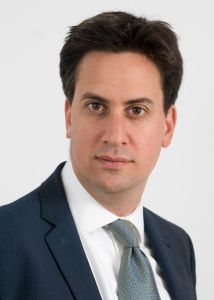
    Ed Miliband – 2021 Comments on Supporting Small Business

    The comments made by Ed Miliband, the Shadow Business Secretary, on 11 January 2021.

    The loss of a quarter of a million small businesses would be catastrophic, devastating for those people running the businesses and the workers and communities that rely on them.

    The message from businesses is clear: support is not remotely equal to the scale of the emergency. Many are excluded, grants do not properly cover the costs facing firms, businesses are staring at fast approaching cliff-edges in support and there is a massive issue of the debt burden they have accumulated.

    The Government’s approach throughout this crisis means the UK is already facing the worst crisis of any major economy. Rishi Sunak must start listening to the businesses fighting for survival and come up with a proper plan for the months ahead which matches the gravity of the crisis.