Blog

  • Emma Hardy – 2021 Speech on Zoos and Aquariums

    Emma Hardy – 2021 Speech on Zoos and Aquariums

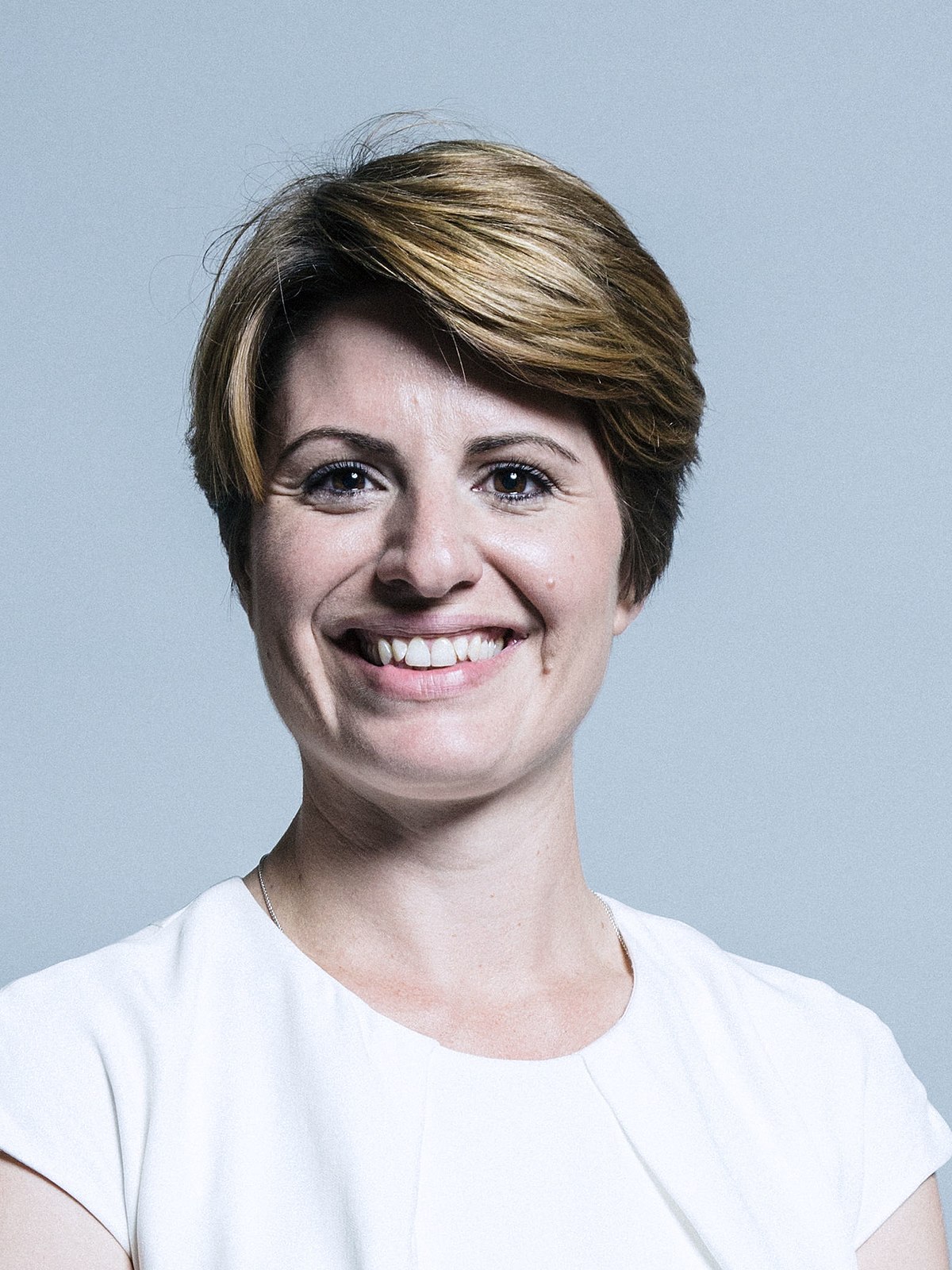
    The speech made by Emma Hardy, the Labour MP for Kingston upon Hull West and Hessle, in the House of Commons on 8 February 2021.

    It is with great pride that I rise virtually today to speak up for the zoo and aquarium sector—a sector that every year makes a substantial contribution to our society and to the world at large. The members of the British and Irish Association of Zoos and Aquariums contribute more than £31 million to conservation projects. Those projects protect, conserve and add to our understanding of precious species, from seahorses to elephants, many of which are now on the precipice of extinction as a result of human actions on this planet. Aquariums and zoos inspire more than 1.2 million schoolchildren every year through learning outside their usual classroom experiences. They employ more than 11,000 people and bring an economic benefit to this country of more than £650 million.

    I would like to thank the members of the all-party parliamentary group for zoos and aquariums for all the work that they do on behalf of these fantastic organisations. Because I am unable to take interventions, I would like to mention the hon. Member for Romford (Andrew Rosindell), who secured an Adjournment debate last summer to raise the issues that zoos and aquariums were then facing, after which the Government announced the zoo animals fund. I thank the Under-Secretary of State for Environment, Food and Rural Affairs, the hon. Member for Banbury (Victoria Prentis), for that, and I thank the hon. Member for Romford for all the work he has done. However, the APPG has since expressed grave concerns about the lack of funding that has been released and the fact that the sector has not received the specific support it requires in this pandemic and is now in urgent need of help.

    I am deeply motivated in this matter by the plight of one of Hull’s iconic landmarks and great success stories: The Deep aquarium. My first visit to The Deep was as a newly graduated teacher, shortly after it opened in 2002. The building, designed by Sir Terry Farrell, remains as striking today as it was then. The experience inside lived up to the promise outside. I was impressed that, while it clearly inspired and captivated its visitors with its astonishing deep-sea tanks and fantastic collection of creatures, it tackled difficult issues too, such as ocean acidification, species loss and the urgency of protecting our marine habitats, in the same innovative, engaging manner.

    Since its opening, this educational and environmental charity has continued to engage and enchant visitors from all corners of the globe, and to inspire future generations. A lottery-funded millennium project, The Deep was conceived as a catalyst for regeneration in Hull—a continuation of the city’s historic relationship with the sea and a focus for reimagining the waterfront for the 21st century. It is, by some considerable margin, the most successful of the lottery-funded millennium projects, and this success is not an accident. From the very start, those involved knew how vital it was for the city that the project was sustainable. Intense effort went into every aspect of the planning, especially the finances. Visitor estimates were deliberately conservative and budgets were meticulously scrutinised. The Deep would wash its face from day one, and it did.

    As it turned out, 850,000 people visited The Deep in its first year—well beyond the numbers planned. The Deep now contributes £14.8 million of economic benefit every year to the city of Hull. It employs 130 local people and is home to 345 species of animals, including rescue loggerhead turtles and its most recent addition, a breeding colony of penguins. 2019 saw over 33,000 children from the surrounding area visit as a part of their formal education. The Deep also operates a successful partnership with Hull University, supporting dissertation and master’s students each year, and housing its total environment simulator, a state-of-art research facility that is in constant use. The simulator supports 10 high-skilled jobs and has attracted £10 million of research funding into the university over the last three years.

    The Deep is now an integral part of our identity as a city, and of both the monetary and learning economy of Hull. I share the pride of everyone in the city in being home to such a well-respected charity—one that contributes so much to the conservation and welfare of precious species. I am therefore grateful for the opportunity to speak on behalf of The Deep, and the rest of the industry, in bringing the urgent issues facing zoos and aquariums to the attention of the Minister.

    The pandemic has meant that, since March last year, The Deep, which relies on visitor income to operate and support its work, has so far been closed to the public for 32 weeks, with no firm reopening date in sight. It is highly likely that indoor attractions will be among the last to reopen, and with daily animal care costs of £5,500, this normally self-sufficient charity is facing an uncertain future. It has survived this far on its own reserves, on what was generated during the short restricted opening in the summer, from much welcome local public support, and with a loan. However, this money is fast running out.

    The whole sector is of course grateful for the coronavirus job retention scheme, and I know that The Deep has furloughed 90% of its crew. But just as in other establishments, those caring for the animals cannot be furloughed—those scuba diving in the huge tanks to care for the needs of all the animals, feeding the penguins and providing ongoing rehabilitation for two loggerhead turtles are needed every day. As with many of the animals, there is no option of a return to the wild for these two turtles. Sensa and Mabouche have suffered lower jaw amputations from being caught on long lines and propeller blade damage to their shells, resulting in nerve damage. There is no prospect of them surviving in the outside world. They now have their forever home at The Deep, as one of the only aquariums in the UK with the facilities to care for them.

    As I have said, I cannot take interventions, but I have been asked by the hon. Member for Winchester (Steve Brine) to mention Marwell Zoo, on the edge of his constituency, and I am happy to do so. On its behalf, he would like to call on the Minister to consider a commitment to the earliest possible safe reopening. Marwell was able to open under tier 3 restrictions, as it was considered able to offer secure venues and open green spaces. It would like to impress on the Minister the current extreme financial pressures it is experiencing, which are jeopardising the future of the important conservation and educational work it does.

    I wish also to mention the marine research work done on commercialising carbon-sequestering seagrass by the National Marine Aquarium in Plymouth, which is being championed by my hon. Friend the Member for Plymouth, Sutton and Devonport (Luke Pollard).

    The loss of an aquarium or zoo such as Marwell, the National Marine Aquarium or my beloved The Deep would not only wipe out the conservation work these facilities undertake but devastate the local economy. It would result in the loss of much-needed jobs and reduce educational opportunities for 1.2 million children—particularly in science, technology, engineering and maths—as well as graduate and postgraduate learning and vital research projects.

    I acknowledge and thank the Minister for recognising, although to a limited extent, the unique position of the industry through the creation of the zoo animals fund. Although the sector’s income was reduced to nil for the majority of the last year, it cannot compromise on its substantial animal care costs. They are fixed and non-negotiable. It is true that the zoo animals fund has had the deadline for applications extended until 28 February. However, I must bring to the Minister’s attention the fact that all parts of the sector have told me that that has no practical benefit. The fund remains incomparable with recovery funds put in place successfully for other sectors.

    The zoo animals fund supports only animal costs, not the costs associated with supporting the organisations through this pandemic, and, crucially, these funds become accessible too late in the day for large zoos and aquariums. They simply cannot run with resources as low as eligibility for the fund requires. It is in effect a winding-up fund, available to support the costs of rehoming the animals or downsizing a collection should a facility fail; I do not want The Deep to fail. That is why, from the £100 million available, £94 million of the zoo animals fund remains and only 8% of the sector has managed to access the fund—that is, 33 facilities out of 400.

    For the vast majority of zoos and aquariums, those funds are inaccessible at the point at which they would do any good. The fact that 94% of the fund lies untapped when zoos and aquariums are likely to continue to remain closed for some time to come should make it clear that the fund is not functioning to provide the support intended in a timely manner. There is therefore a clear need for the Government to commit to amend the scheme so that it becomes a true recovery fund, as we have seen implemented so proactively elsewhere in the cultural and heritage sector. Such a fund is needed to support the teams who have worked painstakingly throughout the pandemic to conserve the species in their care and to safeguard the many benefits to society, the economy and the environment that they provide. It seems only right and proper that we fight for the survival of a sector that takes such considerable time and effort to fight for conservation and the survival of the natural world.

    If the Government genuinely believe, as they stated in their 2019 manifesto, that:

    “Conservation is, and always has been, at the heart of Conservatism”,

    they should have no hesitation in protecting the sector that is at the forefront of much of this work with money they have already ring-fenced but not actioned. I would like to remind the Minister that this is an industry that contributes over £650 million a year to the UK economy.

    So, my ask. The British and Irish Association for Zoos and Aquariums is calling for the remaining funding allocated for the zoos and aquariums fund to be ring-fenced and made available to support zoo licence holders in the 2021-22 financial year in the form of a zoo recovery fund. This should not be an extension of the existing emergency zoo animals fund, which as I have explained is not meeting the needs of the sector, but a recovery fund similar to those made available to other visitor attraction sectors, such as the cultural recovery fund.

    The recovery fund should focus on supporting zoos and aquariums as they transition back to a viable and sustainable operating model during the 2021-22 financial year, by covering the shortfall between operating costs and income until restrictions are lifted; support zoo and aquarium operations more fully, including in their key statutory mission work in conservation, education and research, to sustain these vital projects during the recovery period; and require organisations to demonstrate the financial impact of covid on their income, rather than needing to be close to running out of reserves to access support, which will enable the fund to support a wider proportion of the sector to recovery in a more timely manner.

    I ask the Minister to consider these steps as a necessary response to the shifting context of the pandemic. Further, this action is consistent with the Government’s stated desires to support the sector through covid-19, and in particular to avoid animal welfare concerns and ensure that otherwise successful zoos and aquariums are match-fit and ready to thrive post covid. By contrast, allowing support to cease at the end of this financial year would not align with the Government’s arguments put forward throughout 2020, nor would it be consistent with the support provided to other sectors in the visitor economy.

    I have spoken already of the fantastic work that The Deep charity does and the wonderful animals that call it home. I will finish by mentioning my favourite creature from The Deep, the great diving beetle. That fantastic insect carries its own air supply with it from the surface, in the form of a bubble attached to its rear. It forages at the bottom of ponds, lakes and streams, returning to the surface to replenish its supply of air when needed. The sector’s air supply is running out, and the very necessary covid-19 restrictions are preventing its return to the surface. A realignment of the zoo animals fund into a zoo recovery fund to support those important organisations over the coming months would provide the air they need and help to ensure their survival.
  • Stephanie Peacock – 2021 Speech on UK Shellfish Exports

    Stephanie Peacock – 2021 Speech on UK Shellfish Exports

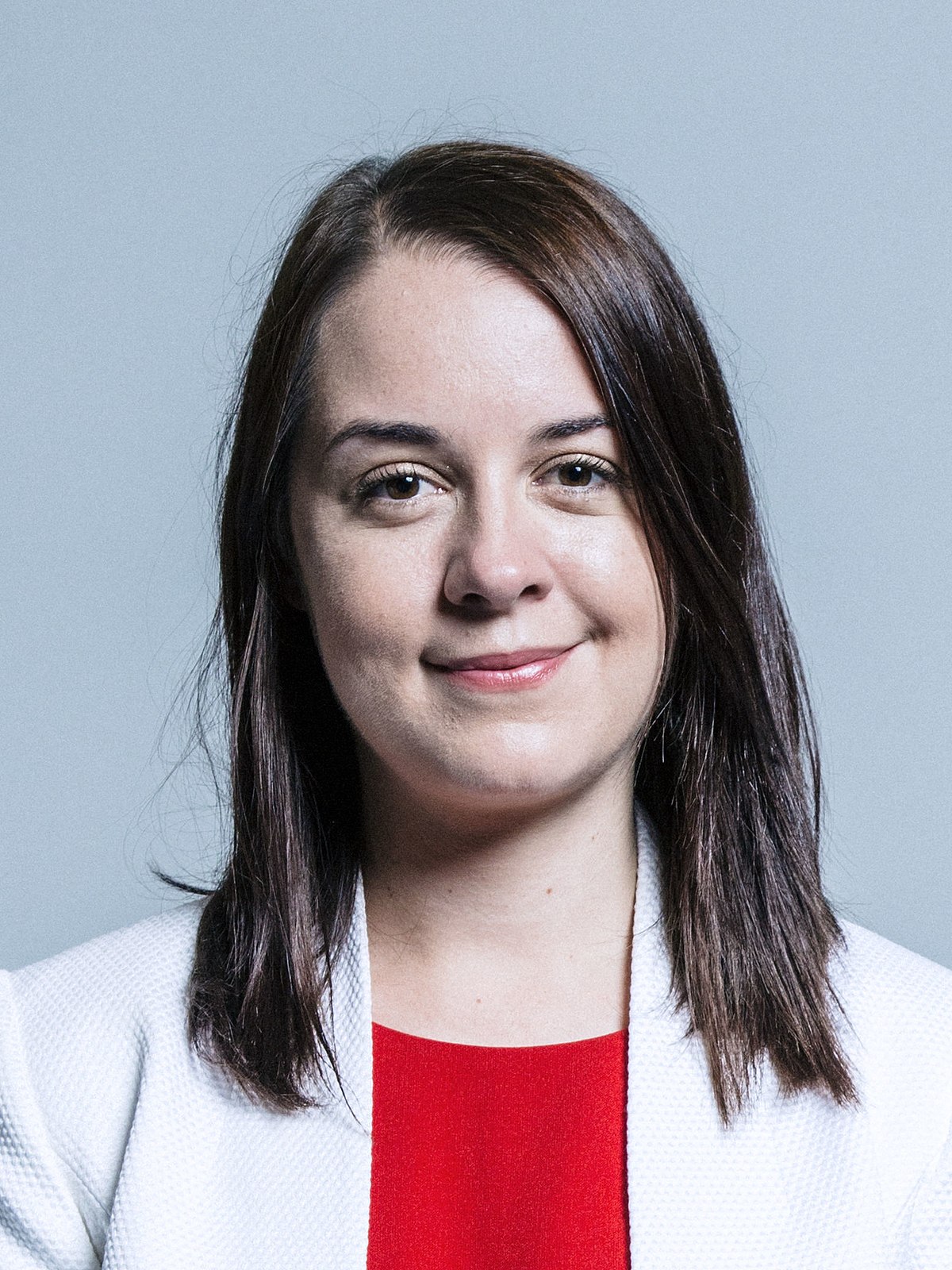
    The speech made by Stephanie Peacock, the Shadow Minister for Environment, Food and Rural Affairs, in the House of Commons on 8 February 2021.

    Whoever is to blame, the fact is that shellfish farmers and fishermen are not able to export their most valuable product to their most important market. The rule banning imports from third-party countries of untreated shellfish from class B waters has been in place for decades. The Secretary of State claimed in front of the House of Lords EU Environment Sub-Committee last week that the EU had changed its position on how the rules would affect the UK. He had originally told the industry that the ban would be lifted in April, but we now hear it will not. On that basis, will he publish and put in the Library all the correspondence between his Department and the EU that demonstrates why he believed a change would occur? Can he explain to the House today what mechanism he expected the EU to use to make that change?

    The letter that the Secretary of State has published today is welcome, but it does not answer those questions. It refers to contact in September 2019, when the UK’s future trading agreement still was not clear. Many fleets are unable to sell their catches and exporters unable to ship and trade. What assessment has his Department made of how many businesses and employees are affected by the situation? What provision has his Department made to use some of the £23 million compensation fund that the Government recently announced to support the businesses who are unable to trade and how long will that support last? A multimillion pound industry has ground to a halt overnight. Jobs and communities are at risk. Unless this situation is resolved, the UK shellfish industry will not survive.

  • George Eustice – 2021 Statement on UK Shellfish Exports

    George Eustice – 2021 Statement on UK Shellfish Exports

    The statement made by George Eustice, the Secretary of State for Environment, Food and Rural Affairs, on 8 February 2021.

    We have a long-standing trade in live bivalve molluscs to the EU from UK waters. This has benefited both our own shellfish industry and EU restaurants and retailers, which rely on these premium products from the UK.

    Recently, concerns have emerged for our trade in live bivalve molluscs to the EU coming from UK class B production waters that have not been through purification or have not cleared testing. The European Commission has changed its position in recent weeks. It advised us in writing in September 2019 that the trade could continue. We shared the Commission’s view and worked with the industry on that basis, and that included explaining that for one small part of the industry—wild harvested molluscs from class B waters—there would need to be a pause while we awaited new export health certificates to become available in April, but that, in line with the guidance from the EU, trade in the molluscs from farms could continue uninterrupted.

    We continue to believe that our interpretation of the law and the EU’s original interpretation is correct, that the trade should be able to continue for all relevant molluscs from April, and that there is no reason for a gap at all for molluscs from aquaculture. However, last week the Commission gave us sight of instructions that it sent to all member states on 3 February, stating that any imports into the EU from the UK of live bivalve molluscs for purification from class B waters, such as the sea around Wales and the south-west of England, are not permitted. Exports from class A waters, such as we find around parts of Scotland, may continue.

    Bringing an end to this traditional and valuable trade is unacceptable, and I recognise that it is a devastating blow to the businesses that are reliant on the trade. While we do not agree at all with the Commission’s interpretation of the law, we have had to advise traders that their consignments may very well not be accepted at EU ports for now. I am seeking urgent resolution to this problem and have written to Commissioner Kyriakides today. I have emphasised our high shellfish health status and our systems of control. I have also said that if it would assist the trade, we could provide reasonable additional assurances to demonstrate shellfish health, but that this must also recognise the existing high standards and history of trade between us. It is in the EU’s interests to restore this trade. Many businesses in the EU had invested in depuration equipment and are configured around managing the export of molluscs from class B waters.

    We have met the industry several times, and it is of course extremely concerned. We are working well with the Shellfish Association of Great Britain, which is taking up the issue in meetings with European counterparts. The molluscs affected include mussels, oysters, clams and cockles. In general, the scallop trade is less affected. Scallop exports may instead undergo pre-export testing, as was the case before exit. However, we know some businesses have not traditionally been working in that way, and we are discussing with them how we may help. The issue does not affect molluscs landed in Northern Ireland. It does, however, affect movements from GB to Northern Ireland.

    I know that this issue will be of great concern to many exporters around the country. The Department for Environment, Food and Rural Affairs will continue the technical discussions with the European Commission, and I will update the House with any developments in due course.

  • Lisa Nandy – 2021 Speech on Yemen

    Lisa Nandy – 2021 Speech on Yemen

    The speech made by Lisa Nandy, the Shadow Foreign Secretary, in the House of Commons on 8 February 2021.

    We are not a bystander to this conflict—UK arms, training and technical support sustains the war in Yemen and the worst humanitarian disaster in the world. More than 80% of Saudi’s arms imports come from the US and the UK. The US’s decision to end all support for offensive operations, including relevant arms sales, is welcome, but it leaves the UK dangerously out of step with our allies and increasingly isolated. What is worse is that the UK is the penholder for Yemen at the UN. We cannot be both peacemaker and arms dealer in this conflict.

    It was the Foreign Secretary who said:

    “human rights will be at the forefront of our leadership this year”—[Official Report, 12 January 2021; Vol. 687, c. 178.]

    This is the first test since that statement just four weeks ago, and he has failed it. It is surprising, given the obvious panic in Downing Street about relations with the Biden Administration, that the Government were so reluctant to challenge President Trump’s decision to change the designation of the Houthis and are now determined to continue to be an outlier in arming Saudi Arabia. It puts us out of step with our US and EU allies, despite the compelling moral and diplomatic case to change course.

    When the Foreign Secretary re-emerges, perhaps he could confirm that he will now take long overdue action to end arms sales and support to Saudi Arabia and explain what possible reason there could be for not doing so earlier. Can he tell us whether he spoke with Secretary Blinken about this announcement before it was made and whether the US Government have asked for UK support in this matter? Will he tell us what he will do to live up to our responsibilities to reinvigorate the peace process and help bring this appalling conflict to an end?

  • James Cleverly – 2021 Statement on Yemen

    James Cleverly – 2021 Statement on Yemen

    The statement made by James Cleverly, the Minister for the Middle East and North Africa, in the House of Commons on 8 February 2021.

    I thank my right hon. Friend the Member for Bournemouth East (Mr Ellwood) for asking a question on this important matter. The ongoing conflict and humanitarian situation in Yemen remain a challenge for the international community. The new Houthi offensive in Marib has only made our efforts to bring peace and stability even more difficult. Nevertheless, we continue to work with the international community to find a peaceful resolution, with an emphasis on the political process.

    The UK is playing a leading role in responding to the crisis in Yemen through both our humanitarian response and our diplomatic influence. We actively support the UN special envoy, Martin Griffiths, in his work to reach a political solution, and we pay tribute to his tireless efforts to bring about peace. The UK has pledged over £1 billion in aid to the humanitarian response since the conflict began.

    My right hon. Friend the Foreign Secretary and I have regular calls with partners on Yemen. Recently, the Foreign Secretary spoke to Secretary Blinken in the new United States Administration and to the Saudi Foreign Minister. Last month, I spoke with the Yemeni Foreign Minister to offer my condolences after the attacks at Aden airport. The UK has also used its role as the penholder at the UN Security Council to help move the Yemen peace process forward, working with our partners and allies at the United Nations to ensure that Yemen continues to be a top priority for the international community.

    We welcome the recent statement by President Biden to instigate a review of US foreign policy towards Yemen. Our ambassador in Washington has already spoken with the new US envoy to Yemen. I also welcome reports that the US may reverse the previous Administration’s designation of the Houthis as foreign terrorist fighters. The UK has engaged closely with the US Administration on that very matter.

    However, we cannot—we must not—ignore the Houthi actions. Those include the use of children and sexual violence as tools of war, the persecution of religious minorities and attacks on civilians. On 30 December, the Houthis attacked Aden airport, killing 27 civilians and injuring more than 100 others. We must address the Houthi sense of impunity, to make the peace process meaningful, and that must extend to other actors in the region, notably Iran. I note the US decision to pause its arms exports while it reviews its policy towards Yemen. I reassure the House that the Government take their own export responsibilities extremely seriously and assess all export licences in accordance with strict licensing criteria.

    The political settlement is the only way to bring about long-term peace and stability in Yemen and to address the worsening humanitarian situation. The Government remain committed to bringing an end to the conflict.

    Mr Ellwood

    Last week, President Biden gave his first foreign policy speech, reversing many of the isolationist policies of his predecessor and seeking to re-engage with like-minded allies in order to revisit major global hotspots neglected by the west. The complex civil war in Yemen, now entering its seventh year, was named specifically. Today, it is the largest humanitarian catastrophe in the world. The US President has appointed a new envoy, as we have just heard, and will end support for the offensive operations and connected arms sales, seeking to establish the conditions for a ceasefire and fresh peace talks.

    The war in Yemen is complicated. The country never properly stabilised following unification in 1990, and President Hadi has struggled to handle corruption, unemployment, tribal disputes and, most critically, separatist and extremist agendas pursued by the Houthis and al-Qaeda respectively. The Houthi advance into the capital in 2014 led to UN Security Council resolutions that legitimised a Saudi-led military coalition to support President Hadi. Despite many rounds of talks—some of which I was involved with, as a Minister—six years on, we are no closer to peace. Indeed, the conflict has spilled out into a wider proxy war.

    The US reset is to be welcomed, and this poses our first big test of what global Britain means in practice. In that spirit, I encourage the UK to fully align ourselves with our closest security ally by ending arms exports connected to the war and to reverse the cuts to our overseas aid budget. I recommend that, as the UN Security Council penholder on Yemen, the UK offers to host a UN summit that looks at political options for peace and that the UK is willing to commit British forces to any UN stabilisation effort that may be required once a political settlement is reached. This is a real opportunity for Yemen to end the war. I hope the Minister can confirm today Britain’s resolve to play a leading role.

    James Cleverly

    I thank my right hon. Friend for his thoughtful contribution and the work he did as Minister on this portfolio. I can absolutely confirm that the United Kingdom’s desire to bring about a peaceful settlement in Yemen is unwavering. We will continue to work with our international partners—both the United States and regional partners—to bring that about.

    My right hon. Friend made a number of specific points. The UK has—indeed, I have on a regular basis—spoken with the UN envoy to Yemen, Martin Griffiths, and we fully support his work. We will look at ways to bring together the various parties around the negotiating table. I note my right hon. Friend’s idea about a UK-hosted summit. He will understand that I cannot commit to something like that at the moment, but I welcome his thoughtful contribution. Similarly, he will completely understand that it would be inappropriate for me to speculate about what a military intervention might look like. The Saudi-led coalition was mandated at the UN Security Council; as he said, this is something he worked on during his tenure. We also note that the Kingdom of Saudi Arabia has a legitimate right to defend itself against attacks, and we completely condemn the attacks both within Yemen, at Aden airport, and cross-border, into the Kingdom of Saudi Arabia.

  • Matt Hancock – 2021 Comments on NHS Covid-19 App

    Matt Hancock – 2021 Comments on NHS Covid-19 App

    The comments made by Matt Hancock, the Secretary of State for Health and Social Care, on 9 February 2021.

    The NHS COVID-19 app is an important tool in our pandemic response. We know it has instructed hundreds of thousands of at-risk people to self-isolate since it launched in September – including me – and this analysis shows it has been hugely effective at breaking chains of transmission, preventing an estimated 600,000 cases.

    Isolating and knowing when you have been at risk of catching coronavirus is essential to stopping the spread of this virus, and the app is the quickest way to notify you if you are at risk.

    I want to thank all those who have played their part by downloading and using the app, and urge those who haven’t to take the simple step to protect your communities and loved ones and download it.

  • Nick Thomas-Symonds – 2021 Comments on Police Data Loss

    Nick Thomas-Symonds – 2021 Comments on Police Data Loss

    The comments made by Nick Thomas-Symonds, the Shadow Home Secretary, on 8 February 2021.

    This statement confirms many of the worst fears about the impact of this catastrophic data loss.

    It comes with no guarantees that the deleted data can be restored, whilst, even in the best case scenario, there will be 3 months during which criminals could walk free due to a dangerous lack of police records. A recent Ministerial letter also confirmed this could impact on international investigations.

    We do not trust a Government with this appalling lack of leadership and grip will be able to rectify these huge errors. An independent review is welcome, but Ministers need to take personal responsibility for this huge security breach.

  • Toby Perkins – 2021 Comments on Government’s Plan for Jobs

    Toby Perkins – 2021 Comments on Government’s Plan for Jobs

    The comments made by Toby Perkins, the Shadow Further Education and Skills Minister, on 8 February 2021.

    Young people are being let down by the Government’s irresponsible handling of this crisis which has led to soaring unemployment rates and the worst recession of any major economy.

    The Government should adopt Labour’s proposal for a structured wage subsidy instead of their failing cash incentives and create the apprenticeship opportunities young people need to gain productive skills and long-term employment.

  • Kate Green – 2021 Comments on Government’s Plan for Jobs

    Kate Green – 2021 Comments on Government’s Plan for Jobs

    The comments made by Kate Green, the Shadow Education Secretary, on 8 February 2021.

    The Government is trying to get away with quick fixes, which are selling young people short and failing to create the training and employment opportunities they need.

    The Chancellor’s failure to secure our economy means the pandemic is wreaking havoc with the jobs market and now more than ever people need access to training and the chance to learn new skills.

    Labour has repeatedly called for a plan to rebuild businesses, investing in local communities to create the jobs people need after this pandemic.

  • Lucy Powell – 2021 Comments on End of Financial Support to Business

    Lucy Powell – 2021 Comments on End of Financial Support to Business

    The comments made by Lucy Powell, the Shadow Business and Consumers Minister, on 9 February 2021.

    The Government’s failure to ensure economic support is adequate and goes hand in hand with public health measures has meant we’ve seen the worst recession of any major economy and the worst growth.

    The £50 billion business bombshell firms face must be defused before it blows a hole in our economy. We need a smarter furlough scheme, and better support for businesses, to secure jobs and get Britain on the road to recovery.