Blog

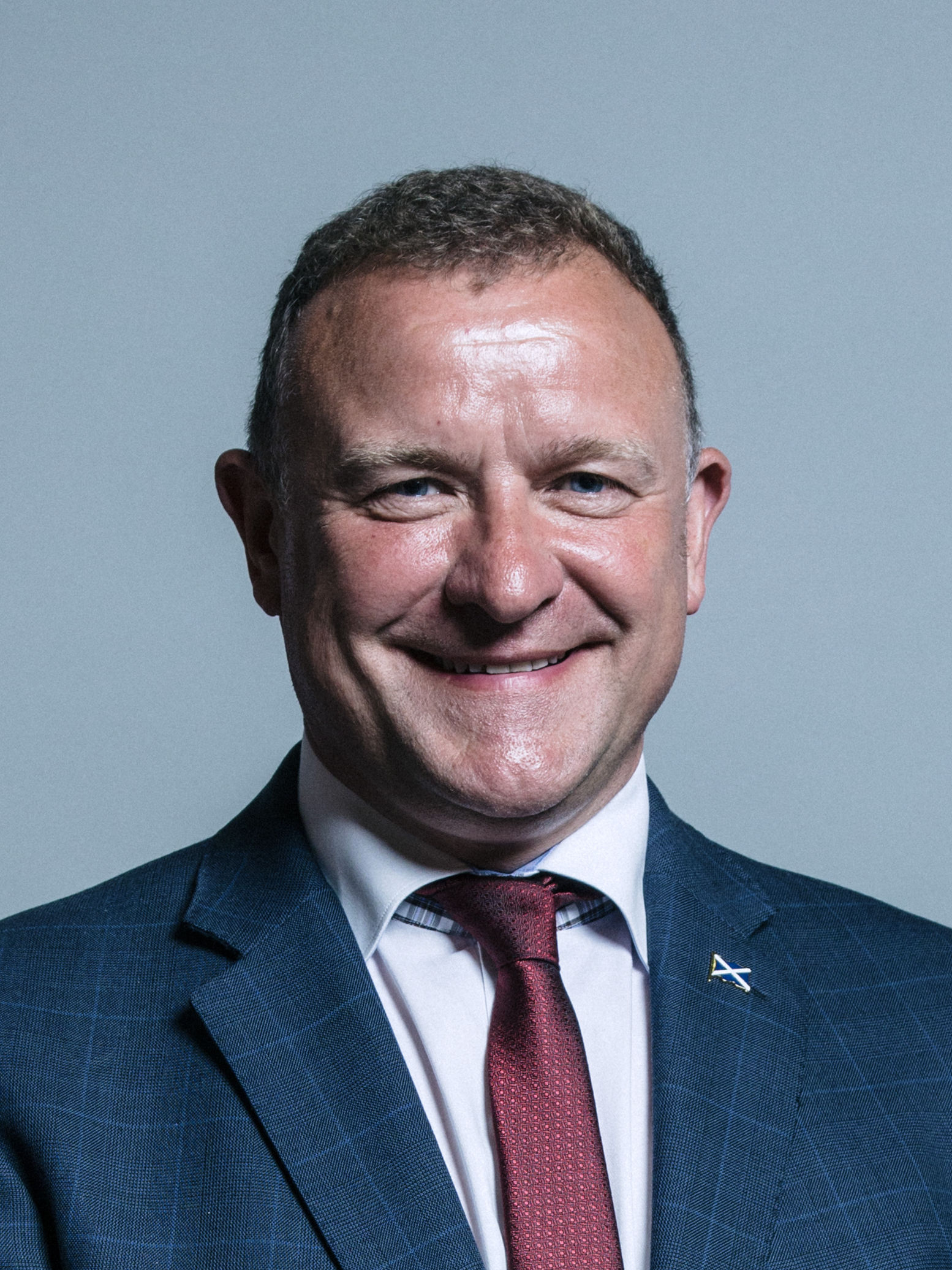
  • Drew Hendry – 2021 Speech on the Trade Deal Between the UK and Australia

    Drew Hendry – 2021 Speech on the Trade Deal Between the UK and Australia

    The speech made by Drew Hendry, the SNP MP for Inverness, Nairn, Badenoch and Strathspey, in the House of Commons on 17 June 2021.

    I thank the Secretary of State for advance sight of her statement.

    For all the bluster, the Secretary of State knows that any deal with Australia cannot even make a dent in the shortfall created by the trading disaster of leaving the EU. The simple fact is that we are doing much less trade now than we were before 1 January. This deal will take 15 years to deliver one 200th of the benefits lost from EU membership—and that loss has already cost Scotland’s economy around £4 billion and is projected to cost every person £1,600 in red tape and barriers to trade.

    The Secretary of State talks of whisky exports to Australia, while ignoring the fact that the Brexit costs of goods for distilleries have shot up by around 20%, and that is in addition to lost trade. This deal cannot come close to mitigating those costs or loss of sales. Fourteen of Scotland’s food and drink organisations have written to the Secretary of State to say that they have been ignored by this Government. They are Scotland’s farmers, crofters, producers and manufacturers. They know that they are being dragged underwater by yet another Westminster Government who simply do not care. And for what—swimwear?

    In the 1970s, the Tories officially called Scottish fishing expendable, and they repeated that attitude on the way out of the EU. Even the Tories in Scottish constituencies now show the same contempt for Scottish agriculture. They have failed to back any amendments to legislation that would protect UK standards in trade negotiations or even public services.

    Can the Secretary of State guarantee that the deal does not include investor-state dispute settlement mechanisms that could give corporations the right to sue Governments over actions that affect their profits, thereby potentially leading to the privatisation of public services such as the NHS or changes to workers’ rights? How will she guarantee that no cut of hormone-injected beef from Australia or food products treated with pesticides and antibiotics will appear on our supermarket shelves? She cannot, can she? Will she simply duck these questions and prove, once again, that the only way to protect Scotland’s business and consumers is through independence?

  • Liz Truss – 2021 Speech on the Trade Deal Between the UK and Australia

    Liz Truss – 2021 Speech on the Trade Deal Between the UK and Australia

    The speech made by Liz Truss, the Secretary of State for International Trade, in the House of Commons on 17 June 2021.

    I wish to make a statement on the new UK-Australia free trade agreement secured by our Prime Ministers this Tuesday. We have agreed a truly historic deal, which is the first negotiated from scratch by the United Kingdom since leaving the European Union. This gold-standard agreement shows what the UK is capable of as a sovereign trading nation: securing huge benefits such as zero-tariff access to Australia for all British goods and world-leading provisions for digital and services, while making it easier for Brits to live and work in Australia.

    The agreement also paves the way for the UK’s accession to the vast market covered by the comprehensive and progressive agreement for trans-Pacific partnership, coupling us with some of the world’s largest and fastest growing economies worth £9 trillion in global gross domestic product. Our Australia deal shows that global Britain is a force for free and fair trade around the world. We believe in 21st-century trade. We do not see it as a zero-sum game like our critics, who doubt we can compete and win in the global marketplace. We want to be nimble, positive and open to new ideas, talent and products, without sacrificing our sovereignty.

    We have laid out the core benefits of this deal in the agreement in principle document. It means that £4.3 billion-worth of goods exports will no longer have to pay tariffs to enter the Australian market, from Scotch whisky and Stoke-on-Trent ceramics to the 10,000 cars we currently export from the north of England. Meanwhile, we will enjoy greater choice and top value in Aussie favourites such as wine, swimwear and biscuits. Young Brits under the age of 35 will be able to live and work in Australia for up to three years with no strings attached. Our work and mobility agreement goes beyond what Australia agreed with Japan or the US, making it much easier for Brits to live and work in Australia.

    We have agreed strong services and digital chapters that secure the free flow of data and the right for British lawyers and other professionals to work in Australia without needing to requalify. We have secured access to billions of pounds in Government procurement, which would benefit businesses such as Leeds-based Turner and Townsend, which is contracted to expand the Sydney Metro.

    This deal promotes high standards, with the first animal welfare chapter in an Australian trade deal, as well as strong provisions on climate change, gender equality and development. On agriculture, it is important that we have a proper transition period. That is why we have agreed 15 years of capped tariff-free imports from Australia, which means that Australian farmers will only have the same access to the UK market as EU farmers in 2036. We should use this time to expand our beef and lamb exports to the CPTPP markets, which are expected to account for a quarter of global meat demand by 2030. I do not buy this defeatist narrative that British agriculture cannot compete. We have a high-quality, high-value product that people want to buy, particularly in the growing middle classes of Asia.

    This Australia deal is another key step to joining the trans-Pacific partnership, a market of 500 million people that has high-standards trade, 95% tariff-free access and very strong provisions in digital and services, which are of huge benefit to Britain, the second largest services exporter in the world. It covers the fastest growing parts of the world, where Britain needs to be positioned in the coming decades. While some look to the past and cling to static analysis based on what the world is like today, we are focused on the future and what the world will be like in 2030, 2040 and 2050.

    Of course, Parliament will have its full opportunity to scrutinise this agreement. Our processes are in line with those of other parliamentary democracies, such as Canada and New Zealand; the Trade and Agriculture Commission will play a full role, providing expert and independent advice; and the House can rest assured that this deal upholds our world-class standards, from food safety and animal welfare to the environment.

    Following the agreement in principle, we will finalise the text of the full FTA agreement, which will then undergo a legal scrub before being presented to Parliament, alongside an economic impact assessment. I look forward to further scrutiny from the Select Committee on International Trade and the Chair of the Select Committee on Environment, Food and Rural Affairs.

    This deal means we have now struck agreements with 68 countries plus the EU, securing trade relations worth £744 billion as of last year. The deal with our great friend and ally Australia is just the start of our new post-Brexit trade agreements. It is fundamentally about what kind of country we want Britain to be. Do we want to be a country that embraces opportunity, looks to the future, and believes its industries can compete and that its produce is just what the world wants? Or do we accept the narrative some peddle that we need to stay hiding behind the same protectionist walls that we had in the EU, because we cannot possibly compete and succeed? To my mind, the answer lies in free trade. Our country has always been at its best when it has been a free-trading nation. This deal is a glimpse into Britain’s future—a future where we are a global hub for digital and services, where our high-quality food and drink and manufactured goods are enjoyed across the world, and where we are open to the best that our friends and allies have to offer. That is what this deal represents, and I commend this statement to the House.

  • Tom Arthur – 2021 Comments on Balanced Budget in Scotland

    Tom Arthur – 2021 Comments on Balanced Budget in Scotland

    The comments made by Tom Arthur, the Scottish Public Finance Minister, on 17 June 2021.

    The last year has brought unprecedented challenges to public spending in Scotland. We have made significant investment to protect communities, support health and social care services, including running the largest vaccination programme the country has ever seen, and over £3 billion in support for businesses.

    Despite these challenges, strong financial management has enabled us to deliver a balanced budget whilst investing in the services and support required to help the country get through the pandemic.

    While managing demand-led support schemes and ongoing health demands, we are carrying forward less than 1% of the 2020-21 Scottish Budget, with every penny allocated to support recovery.

    The Scottish Government has repeatedly called on the UK Government to work with us to overhaul the fiscal framework which if reformed, would help us manage budget pressures and further prioritise investment in vital public services.

  • John Swinney – 2021 Comments on the Scottish Coronavirus Act

    John Swinney – 2021 Comments on the Scottish Coronavirus Act

    The comments made by John Swinney, the Deputy First Minister and COVID Recovery Secretary, on 18 June 2021.

    The Scottish Coronavirus Acts contain provisions which make temporary adjustments to respond to the pandemic, and protect the health of people living in Scotland.

    We have already suspended or expired many provisions that are now redundant as restrictions have eased. However, to ensure those still required to protect the public and maintain essential public services can continue beyond 30 September, we have brought legislation forward to enable parliamentary scrutiny before the summer recess.

    This timeframe is necessary to give public services like the courts certainty ahead of the Acts’ original expiry date, taking into account the time needed for this legislation to come into effect.

    We will continue to report to Parliament every two months on the use of these emergency powers, and remain committed to expiring or suspending any provisions that are no longer necessary.

  • Shirley-Anne Somerville – 2021 Comments on the Attainment Scotland Fund

    Shirley-Anne Somerville – 2021 Comments on the Attainment Scotland Fund

    The comments made by Shirley-Anne Somerville, the Scottish Education Secretary, on 19 June 2021.

    Closing the poverty-related attainment gap and ensuring every young person has the chance to fulfil their potential remains central to this Government’s work. Our ambition is a long-term one and we know that the challenges presented by the pandemic mean our efforts to deliver equity in education are more vital than ever.

    This first instalment of the expanded Attainment Scotland Fund, with record funding of more than £215 million, will allow headteachers, schools, councils and other partners to provide targeted help for some of our most disadvantaged pupils.

    We are providing investment across a number of diverse programmes which will benefit looked after children, support pupils in our most deprived areas and empower headteachers to invest their funding on initiatives that are right for the children in their schools.

  • Sadiq Khan – 2021 Comments on Fan Zone in London

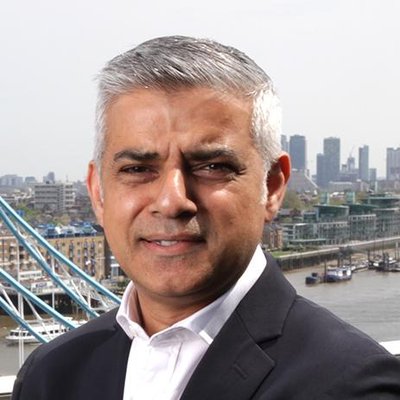
    Sadiq Khan – 2021 Comments on Fan Zone in London

    The comments made by Sadiq Khan, the Mayor of London, on 17 June 2021.

    I am delighted that we are able to continue thanking our key workers and community groups by welcoming them to the Fan Zone at Trafalgar Square for England’s remaining group games. The opening weekend of the tournament was a huge success and I felt truly privileged to watch the match alongside Londoners who have given so much for our city over the last 16 months.

    My mission over the next three years is to put the dark days of the pandemic behind us and to deliver a better and brighter future for all Londoners. Despite the need to maintain social distancing for longer than planned, I’m confident that the remaining weeks of Euro 2020 will still provide a vibrant celebration and economic boost to the capital.

    I urge anyone not fortunate enough to get a place in the public ballot to continue to watch the matches at home or in a Covid-safe environment.

  • Sadiq Khan – 2021 Comments on Air Quality Monitoring in London

    Sadiq Khan – 2021 Comments on Air Quality Monitoring in London

    The comments made by Sadiq Khan, the Mayor of London, on 17 June 2021.

    The focus of this Clean Air Day is on protecting children’s health – and we know toxic air pollution in London stunts the growth of children’s lungs and worsens chronic illnesses such as asthma.

    That’s why tackling air pollution in our city has been a priority for me since I was first elected in 2016 and I’m more determined than ever to do everything I can to consign air pollution to the history books.

    I’m really proud that a further 131 air quality sensors are set to be added to London’s network, and later this year we are taking the pivotal step of expanding the world-first Ultra Low Emission Zone up to the North and South Circulars later this year, which will improve the health of all Londoners and deliver a cleaner, greener and fairer city.

  • Liz Truss – 2021 Comments on Trade Deal with New Zealand

    Liz Truss – 2021 Comments on Trade Deal with New Zealand

    The comments made by Liz Truss, the Secretary of State for International Trade, on 18 June 2021.

    We have intensified negotiations and moved closer to an agreement that works for both nations. I want to thank Damien [New Zealand Trade and Export Growth Minister Damien O’Connor] for the progress we have made over the past few days.

    Both sides are committed to striking a modern, liberalising agreement that forges closer ties between two island democracies that believe in free and fair trade. I am pushing UK interests hard in areas like services, mobility and investment, and want a deal that cuts tariffs on our exports, makes it easier for our service providers to sell into New Zealand, and delivers for consumers here at home.

    A deal would be an important step towards joining the Trans-Pacific Partnership, a £9 trillion free trade area of half a billion consumers, which would open new opportunities for our farmers, manufacturers and services firms to sell to some the largest and fastest-growing markets in the world.

  • Rishi Sunak – 2021 Statement on the UK Infrastructure Bank

    Rishi Sunak – 2021 Statement on the UK Infrastructure Bank

    The statement made by Rishi Sunak, the Chancellor of the Exchequer, in the House of Commons on 17 June 2021.

    The UK Infrastructure Bank has begun operating in an interim form and is open for business.

    The bank, owned and backed by the taxpayer, will support and enable private and public investment in infrastructure, with core objectives to help tackle climate change, particularly meeting our net zero emissions target by 2050, and to support regional and local economic growth. The Government and the bank have also set out the institution’s investment principles today which will guide how it delivers its objectives.

    HM Treasury and the UK Infrastructure Bank have entered into a keep well agreement to ensure that the bank has sufficient funds to be able to meet its payment obligations in full as they fall due.

    The UKIB will be headquartered in Leeds, and will operate across the whole of the UK, supporting projects in England, Scotland, Wales and Northern Ireland. Over the coming months, the bank will continue to build its capability and capacity as it establishes itself as an independent institution.

    The Government are also publishing the bank’s initial framework document, which sets out the institution’s relationship to the Government.

    A copy of the framework document, alongside an unexecuted copy of the “Keep Well Agreement”, which has information redacted on the basis that it contains either commercially sensitive or personal data, will be placed in the Library of the House.


  • Chloe Smith – 2021 Statement on Electoral Policy

    Chloe Smith – 2021 Statement on Electoral Policy

    The statement made by Chloe Smith, the Minister for the Constitution, in the House of Commons on 17 June 2021.

    The public rightly expect effective and independent regulation of the electoral system. The Electoral Commission has a vital role to play in upholding the integrity of free and fair elections and public confidence in that integrity. As the independent regulatory body charged with such pivotal responsibilities, the Commission should be fully accountable to Parliament for the way it discharges its functions.

    In recent years, some across the House have lost confidence in the work of the Commission and have questioned the adequacy of the existing accountability structures. We must reflect on the current structures charged with this important responsibility, enhance good practice and, where there is a need for change, be prepared to make it.

    Parliamentary accountability on electoral policy

    The Government are therefore announcing today that we will bring forward measures in the forthcoming Elections Bill to improve the Electoral Commission’s accountability arrangements through the introduction of a strategy and policy statement that sets out guidance and principles to which the Commission must give regard in exercising its functions. It is commonplace for the Government and Parliament to set a policy framework by which independent regulators should work.

    The statement will be subject to parliamentary approval and will provide an opportunity for Parliament to articulate its expectations of the Commission and enable greater visibility and scrutiny of its work. The statement will be developed through a statutory consultation with key stakeholders, including the Electoral Commission. It is likely to include the following:

    A statement of priorities for the Electoral Commission, rooted in priorities already set out in law, such as: providing clear and high-quality guidance for campaigners, setting and monitoring robust performance standards for returning officers and electoral registration officers, and effectively enforcing the rules on political finance and election spending.

    Executive and legislative priorities during this Parliament in relation to elections, such as the content of the Elections Bill once passed.

    Principles for the Electoral Commission, such as: impartiality, accountability, value for money, proportionality and consistency.

    An illustrative example of a statement and policy statement for the Electoral Commission will be published during the passage of the Elections Bill to aid parliamentarians. We will also be engaging with the Parliamentary Parties Panel and other interested parties on how a draft statement might be framed.

    Enhancing the remit of the Speaker’s Committee

    The Speaker’s Committee, to which the Commission reports, is not currently able to hold the Electoral Commission to account for its performance and delivery of general objectives.

    Therefore in addition to the strategy and policy statement, measures in the Elections Bill will expand the function and powers of the Speaker’s Committee on the Electoral Commission. These will include assessing the Commission’s performance against objectives set in the strategy and policy statement, and allowing Parliament to better scrutinise the work of the Commission.

    Clarity on criminal prosecutions

    The Government are clear that the proper place for criminal investigations and prosecutions relating to electoral law is with the police and the Crown Prosecution Service (and the Public Prosecution Service in Northern Ireland) who are experts in this domain.

    In recent years, the Electoral Commission has sought to develop the capability to bring criminal offences before the courts. This has never been agreed by the Government or Parliament. Having the Electoral Commission step into this space would risk wasting public money as well as present potential conflicts of interest for a body responsible for providing advice and guidance on electoral law to initiate proceedings which might depend on the very advice that was given.

    We will therefore maintain the status quo by providing clarity in law that the Electoral Commission should not bring criminal prosecutions in England, Wales and Northern Ireland. This measure will not apply in Scotland where there is already a single prosecutorial body. We are committed instead to supporting the existing independent and impartial police forces, prosecution services and courts as necessary to enforce electoral regulation fairly and effectively.

    Such reforms do not seek to interfere or inappropriately influence the investigative, operational or enforcement decisions of the Electoral Commission. These planned reforms predate any current inquiries, and stem from work initiated following (the then) Sir Eric Pickles’ independent review: “Securing the ballot: Report of Sir Eric Pickles’ review into electoral fraud”. The reforms would not in any way affect the ability of the Commission to undertake enforcement activity as it sees fit, but they will ensure greater accountability to Parliament on how the Electoral Commission discharges its wider functions.

    This Government are taking forward a greater emphasis on the need to tackle and prevent electoral fraud, especially in light of the corruption that took place in Tower Hamlets in 2014, in light of the points made in the Pickles review. These measures also address the concerns and recommendations raised in the Pickles review on the role of the Electoral Commission and the current system of its oversight.

    More broadly, the Committee on Standards in Public Life is undertaking a review into electoral regulation and the Public Administration and Constitutional Affairs Committee is doing an inquiry into the work of the commission. We will carefully consider any proposals from these Committees in due course.

    We are committed to protecting our democracy and maintaining public confidence in our electoral system. The measures in the Elections Bill will ensure that our democracy remains secure, modern, transparent and fair.