Blog

  • Judith Cummins – 2022 Speech on the Future of the UK

    Judith Cummins – 2022 Speech on the Future of the UK

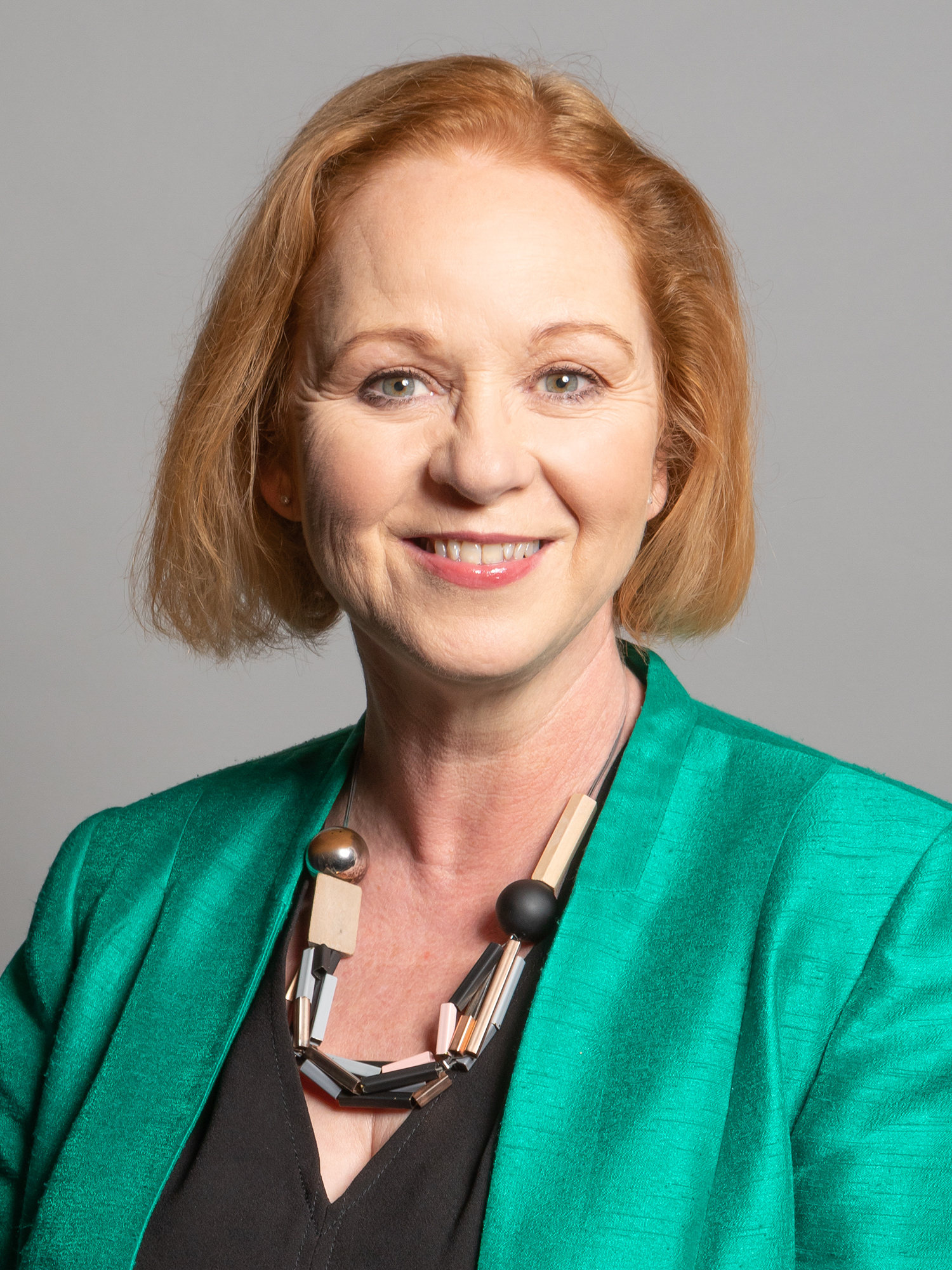
    The speech made by Judith Cummins, the Labour MP for Bradford South, in the House of Commons on 16 May 2022.

    My constituents are facing a growing number of crises that continue to pile up day after day. I accept some of these difficulties are new, but most are not. Most of these difficulties have been brewing and festering for years. The Government’s failure to solve these problems or come up with solutions has pushed many services to breaking point and now families are being left to bear the brunt. Despite the fact that day after day cash-strapped families are trying to make ends meet by working extra hours, often in multiple jobs, what do those on the Government Benches tell them? Learn to cook, learn to budget, work more hours, get a better paid job—you’re responsible, you’re to blame, it’s you who are doing it wrong.

    However, what people need from the Government is help to navigate through the things that are out of their control. They need them to solve the long-term issues which continue to push down on people’s quality of living and eventually leave them out of options. It is one of those issues that I want to address today. It is an issue that is not in the Queen’s Speech, but really should be, because NHS dentistry and oral health inequality has been repeatedly unaddressed by this Government. Access to basic dentistry care in this country is often forgotten, but it is a vital part of the nation’s health.

    In 2016, an NHS Digital report found that just under half of dentists were thinking of leaving dentistry, so I warned the Government not to kick the can down the road and risk a crisis in dental care. I told the Government then that the most important measure they could implement, as highlighted by the British Dental Association, would be changes to the dental contract that incentivised prevention, but nothing was done.

    In 2017, the BDA told us that 58% of the UK’s NHS dentists were planning on turning away from NHS dentistry in the next five years. So again I warned the Government that we faced a national crisis. In 2019, The Times reported that 60% of dentists planned to leave the profession, or cut back NHS care in the next five years, with more than 1 million new patients turned away and some patients resorting to pulling out their own teeth. Yet again, nothing was done.

    In 2020, I told the Government that a majority of NHS dental practices across England believed they could only survive for 12 months or less. The Government said they would look at the workforce issue “more broadly” and “in the round”, but no action was forthcoming and 1,000 NHS dentists left the service. Earlier this year, hearing that almost 1,000 children under 10 in Bradford had to be admitted to hospital to have decayed teeth removed, I pleaded with the Government to finally deal with the issue that had been staring them in the face for years. Then, of course, to nobody’s surprise except this Government’s, last week, it was revealed that 2,000 dentists have quit the service in the last year.

    We urgently need to reform the dental contract. It is not good enough to be told time and again, year after year, that reform is imminent, because I have been asking for seven years now and still the Government have yet to deliver. If the Government need help with budgeting, I can point the Chancellor in the direction of one of his own MPs who might have a course he can take up, but I desperately do not want to be back here in 2023 still trying to open the Government’s eyes to the massive freight train coming towards them. I have sounded the alarm, other Members have sounded the alarm, and dentists and patients have sounded the alarm;. We are all waiting for the Government to act and reform the dental contract. Patients and our constituents cannot wait any longer.
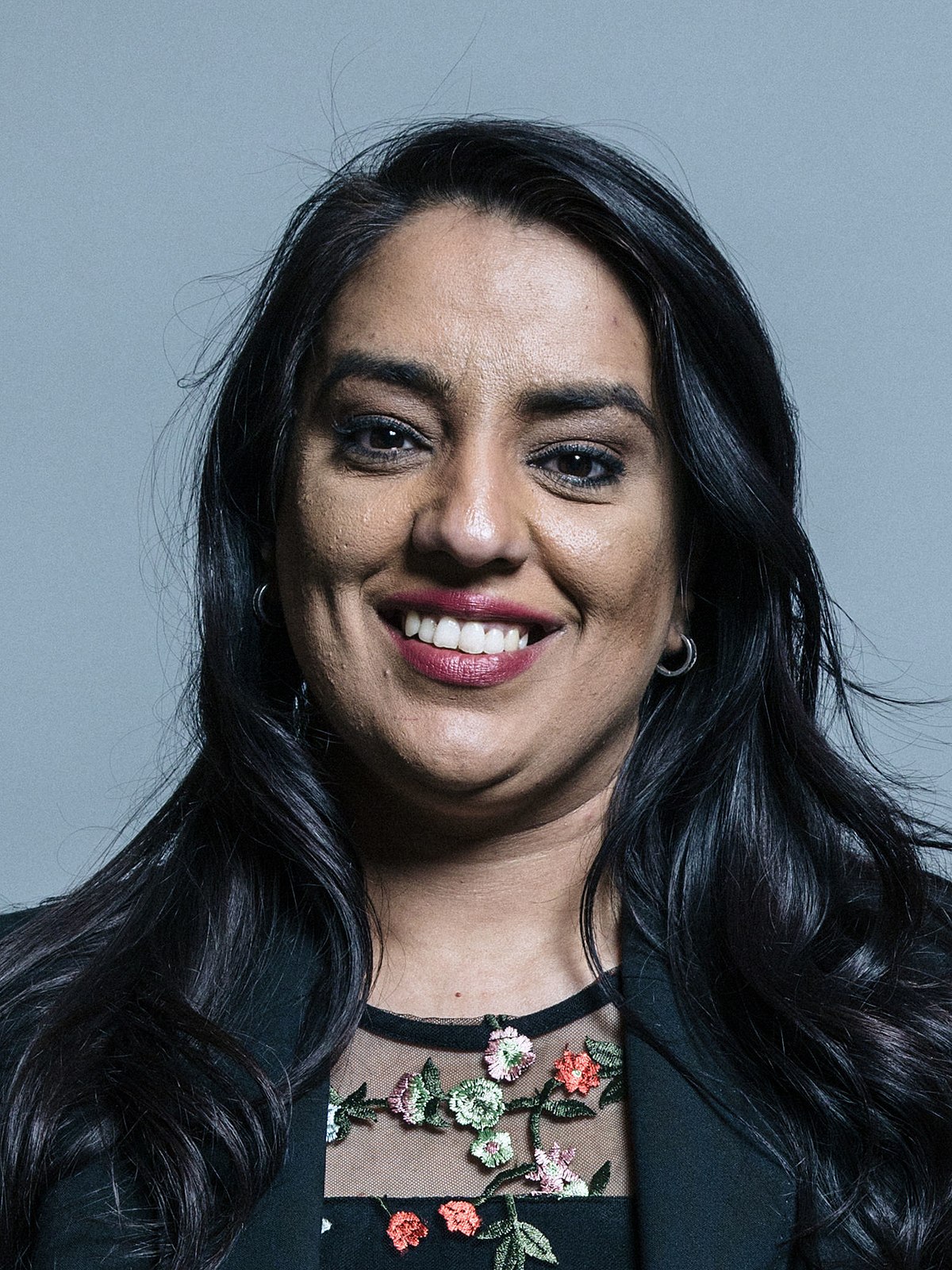
  • Caroline Johnson – 2022 Speech on the Future of the UK

    Caroline Johnson – 2022 Speech on the Future of the UK

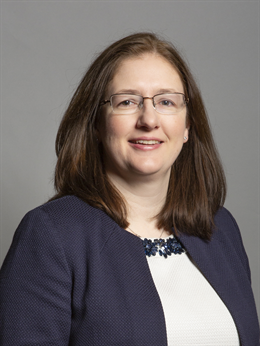
    The speech made by Caroline Johnson, the Conservative MP for Sleaford and North Hykeham, in the House of Commons on 16 May 2022.

    It is an honour to follow the hon. Member for Bradford West (Naz Shah), although I must disagree with her because I believe that this country is the best place to grow up and grow old—although that does not mean there is not work to do to make it even better, and I look forward to supporting the Queen’s Speech in that regard.

    To grow up and grow old well, you need a healthy pregnancy and a healthy birth, and I look forward to the women’s health strategy in that regard. Childhood needs to be filled with opportunity, and the schools Bill and the higher education Bill will provide us with that opportunity. We need to have better sport provision and better mental health services, again covered in the Queen’s Speech. We need to look at the impact of loneliness on social life, which now has a huge impact on elderly people. I was pleased to organise with my team a senior citizens’ fair last week in North Hykeham, where many people came along to hear about the clubs, activities and other support available for older people in the region.

    I want to touch on two things. The first is the impact of covid on the national health service. I refer to my entry in the Register of Members’ Financial Interests as a doctor. The impact of covid means that a lot of people are waiting for treatment. I was somewhat perturbed to read that we want to eliminate waits of a year by 2025, because a wait of a year is a long time and 2025 is not particularly soon for someone who is waiting and in pain. However, I am pleased that we have community diagnostic services opening around the country to help to improve this. I am particularly pleased that one is opening in Grantham and will serve many of my constituents, and that two new operating theatres are being built at Grantham and District Hospital, which will also improve elective activity in the area. There are going to be 17 million more tests in the next three years. We are going to have an increased capacity of 9 million extra treatments and procedures and an increase in elective activity of 30%.

    All that is very good. It is especially good to see the Government focusing on output and actions that benefit patients—treatments, tests and procedures; things that make them better—and not just inputs, as the Opposition do, of £X billion or £Y billion. I have noted in my career in hospital medicine that the amount of senior staff has increased, but demand, expectations and the number of administrative and managerial staff have increased, too. If we are to deliver for patients and not simply spend more money, we need to ensure that the extra money is spent only in those areas of clinical care that improve patient outcomes. In that regard, I support calls for more medical students and more nursing students. I would also support a relative increase in remuneration for nurses providing direct clinical care so that those roles are not disincentivised. I appreciate that the NHS is operationally independent, but I look for ministerial reassurance that we are linking all the extra money that we are taking from our constituents to improve clinical care and clinical delivery.

    The second thing I want to touch on is education and opportunity, which are inextricably linked. Conservative Members share the view that talent is uniformly distributed but opportunity, sadly, is not, and I welcome the Government’s commitment to levelling up in that regard. I am lucky that we have excellent schools in my constituency and that some have seen huge investment this week, including Carre’s Grammar School in Sleaford, which is receiving over £1 million to improve the structure of its buildings. That is fantastic news for all the successful schools involved in that bid.

    The schools Bill offers us an opportunity to look not only at how we educate children in maths, English and science, but at how we contribute to a positive childhood. The MacAlister report, due out very shortly, will help to guide us on safeguarding improvements. In doing so, I hope the Education Secretary will protect children’s lives and wellbeing by focusing on evidence. We often talk in the Select Committee about his focus on the evidence, so I hope that he will be looking at the evidence on how we can improve things for children, not just adding to the bureaucracy that teachers face.

    I would like to see curriculum measures to improve sport, particularly girls’ sport. Many teenage girls do less sport as they get older and throughout their secondary school experience. Children’s sport is crucial to physical development. It is crucial to bone health and preventing osteoporosis in the elderly even. It is important to fitness, to mental wellbeing and to improving academic outcomes as well. I look forward to the Government bringing forward their schools Bill, where I hope to see an increase in minimum participation and the encouraging of more sport as a priority. I look forward to voting for the Queen’s Speech when that opportunity arises.

  • Naz Shah – 2022 Speech on the Future of the UK

    Naz Shah – 2022 Speech on the Future of the UK

    The speech made by Naz Shah, the Labour MP for Bradford West, in the House of Commons on 16 May 2022.

    I would really like every one of my constituents in Bradford West to be able to say that Britain is the best place to grow up and grow old, but unfortunately, given the failures of the Government, I cannot say that for every single one of my constituents. Actions speak louder than words, and this Prime Minister committed to levelling up “every part of the UK”. That remains an idea and a slogan, as my hon. Friend the Member for Birmingham, Selly Oak (Steve McCabe) said.

    Last week, it was seven years since the people of Bradford West put their trust and faith in me to be their voice in this Chamber. I said then that the north was being neglected, and I say it again today. At the time, I shared the fact that it was my privilege to be representing a great northern city which is the youngest city in Europe, the birthplace of the Brontë sisters, has a world-renowned literature festival and so much more. Seven years later, after enduring austerity, an unforgiving pandemic and now a cost of living crisis, this great city is applying to be the city of culture and continues to move forward, but that is in spite of the Government’s failure to level up Bradford and their other broken promises.

    I am very grateful for the £20 million that my constituency has secured for a health and wellbeing centre which is long overdue, but unfortunately that is a drop in the ocean when compared to the £30-billion-worth of potential growth and 27,000 jobs that have been robbed from Bradford by the Government’s failure to deliver on Northern Powerhouse Rail.

    The Government have made Bradford a priority area for education, but in reality, this is also too little, too late. During the pandemic, I repeatedly warned the Government that disadvantaged pupils in Bradford were 18 months behind their wealthier peers and that the gap was widening. It is shocking that the Government have made Bradford a priority area for education while they plan to defund BTEC qualifications, despite the Department for Education’s equalities impact assessment concluding that the move will embed inequality into our education system.

    Over the last 12 years, the city of Bradford and my constituents have been robbed of investment and opportunities to grow. The Government have only supplemented that loss by providing Bradford with handout investments that are not enough to truly level up.

    Children across the UK and in my constituency deserve the best start in life and deserve access to education, training and job opportunities throughout their lives. Only today, however, the Government’s safeguarding Minister has suggested that people who are struggling with the cost of living crisis should take on more hours of work or move to better paid jobs. That is shocking and another reminder that “levelling up” is just a slogan. If the Government were truly committed to levelling up, they would give each and every person in my constituency the right support and investment to thrive and not just to survive. At the moment, some are not even surviving as they have to choose between who gets fed and whether the heating can go on.

    Another example of opportunity and investment bypassing Bradford is the King’s Cross-style regeneration projects, in which the Government promised to transform 20 cities and towns across the country as part of their levelling-up agenda. It comes as no surprise to me that Bradford has not so far been named as one of the 20 cities. I ask the Minister whether Bradford will be overlooked again.

    The Prime Minister alone has mentioned “levelling up” 97 times since 2019 in this Chamber, and other Ministers mention it too. Unsurprisingly, he has not yet delivered on levelling up even once. I have said this before, and I will say it again: the litmus test for levelling up is Bradford. If the Government fail Bradford, they have failed to deliver on their levelling-up strategy—all of it. Without equality, equity and fairness, Britain will not be the best place to grow up and grow old. It is not going to work for people in Bradford West if there is not equality and fairness and if this Government do not put their money where their mouth is. Actions speak louder than words and my constituents will be judging everything this Government do.

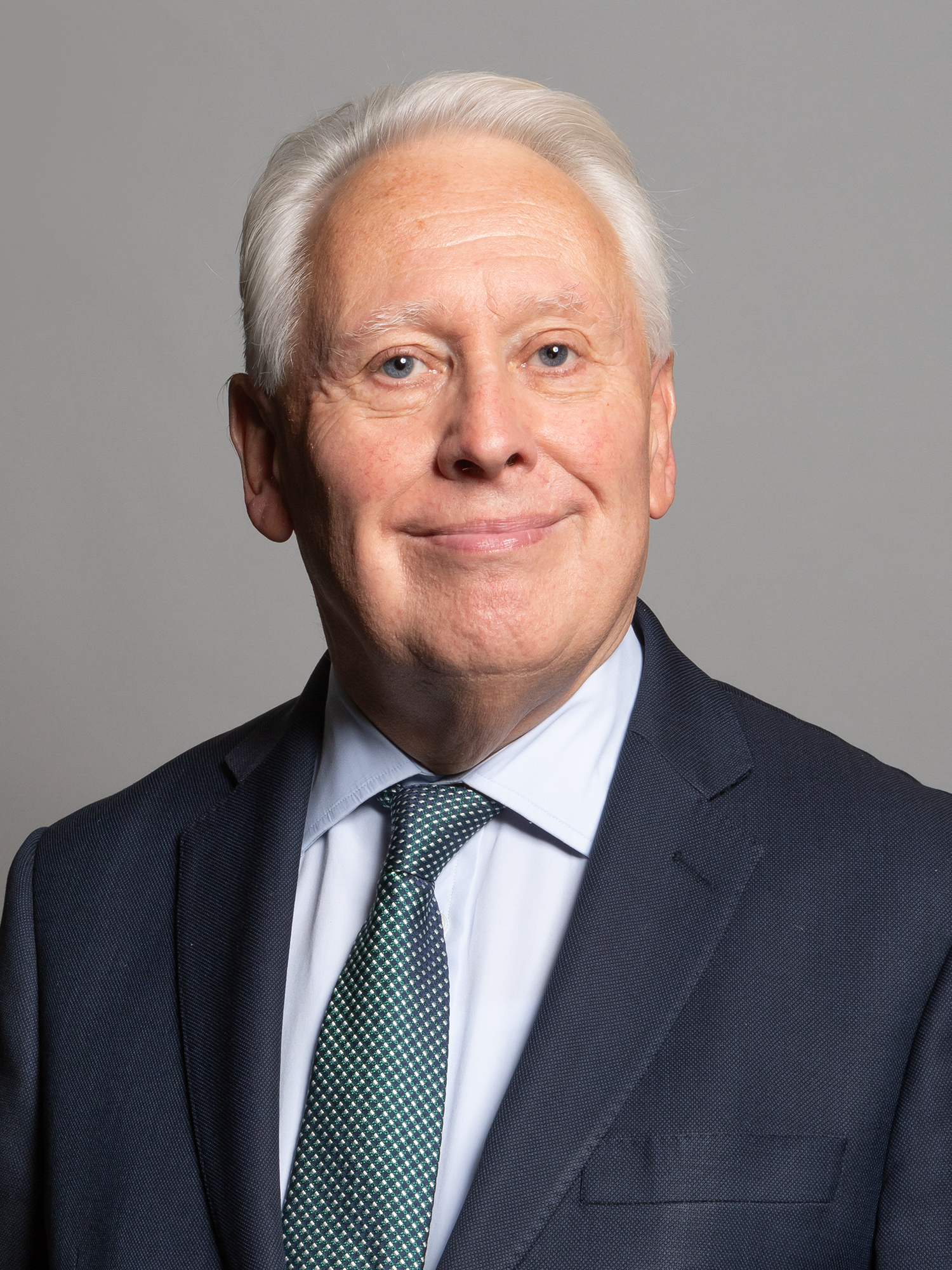
  • Robert Neill – 2022 Speech on the Future of the UK

    Robert Neill – 2022 Speech on the Future of the UK

    The speech made by Robert Neill, the Conservative MP for Bromley and Chislehurst, in the House of Commons on 16 May 2022.

    I welcome the concentration in the Queen’s Speech on the importance of levelling up and expanding opportunity across the whole country, which is fundamental to our mission. It could not be more important than in the health service. I am glad to see the Minister for Health, my hon. Friend the Member for Charnwood (Edward Argar), on the Treasury Bench, because he will know how passionately I feel, from personal experience, about the importance of levelling up all health service provision, but particularly for often underappreciated conditions, such as those that affect stroke survivors—the House will know of my interest as chair of the all-party parliamentary group on stroke.

    Unfortunately, the provision of aftercare and therapy for stroke survivors remains patchy across the country, despite it being the largest single cause of adult disability. If we are serious about levelling up, I hope that we will invest more in those services and, in particular, take up the APPG’s suggestion of transforming our already good national stroke plan into a fully-fledged national stroke strategy, joined up and fully resourced with a specialist workforce behind it.

    Levelling up is also about getting education and health services right in relation to the criminal justice system, because failures there, as my hon. Friend the Member for Thurrock (Jackie Doyle-Price) pointed out, often have impacts on the justice system downstream. Poor educational outcomes, poor mental health and allied issues, failures in relation to social services and childcare, and poor housing all contribute to people falling into offending behaviour, getting into the justice system and then getting into the never-ending circle of reoffending. That ruins lives and harms the economy. Investment in those topics upstream is actually an investment in the whole public good, both societally and economically. I hope that the Government will redouble their efforts there, both in cash terms and through much more joined-up policy working across the various agencies.

    I will turn to some specific legal issues, starting with the proposed Bill of Rights. I stood on and supported our 2019 manifesto commitment to update the Human Rights Act 1998 and its administrative law, and I stand by that. In pursuance of that, the Government commissioned an expert panel of independents, under the chairmanship of the right hon. Sir Peter Gross QC, a highly distinguished former Lord Justice of Appeal. Sir Peter and his team produced a thoroughly detailed, comprehensive and meticulously argued report on how best to take this forward. He followed it up with most compelling evidence to the Justice Committee. I am persuaded by and support Sir Peter’s proposals.

    The Government, as they are entitled to do, appear to propose to go further than Sir Peter’s proposals. Well, up to a point there is no harm in that; I am all in favour of updates, and I see no harm in putting into statute rights that are already well established, such as the right to trial by jury in England and Wales, or the right to freedom of speech, even though they are perfectly well protected under our existing common law.

    Where I urge caution, however, is in going any further beyond Sir Peter’s well researched and well argued proposals. It would perhaps be dangerous to go down the route of limiting the ability of individuals in the United Kingdom to assert their European convention rights in the domestic courts, which ultimately would simply mean more petitions being brought to the Strasbourg Court. On the face of it, that is potentially counter-productive to the Government’s avowed intention of reducing litigation in this area.

    I am delighted that we remain committed to our membership of the European convention on human rights. It is a fundamental. It was essentially written by a future Conservative Lord Chancellor, the future Lord Kilmuir, and it was Churchill’s Government who took us into the convention, so it is in the Conservatives’ DNA. But we must make sure that we approach this important issue with care and caution and that we do not run beyond the evidence.

    I also welcome the draft victims Bill, and I look forward to the Government delivering on their commitment to pre-legislative scrutiny of it by the Justice Committee, which will be critical to the Bill having a real impact for people who suffer from crime. I also welcome the economic crime and corporate transparency Bill. That will be important, because our Committee recently took evidence on the prevalence of, and harm done by, fraud to the economy and individuals’ lives. I hope that we will also use that Bill as an opportunity to introduce a long awaited and long argued for updating of the law on criminal corporate responsibility, an area in which we lag behind other common-law jurisdictions, especially on the other side of the Atlantic.

    There are great opportunities in the Queen’s Speech, but I have given a word of caution on one fundamental constitutional issue, as well as some constructive suggestions on how we can take important parts of the Government’s agenda forward.

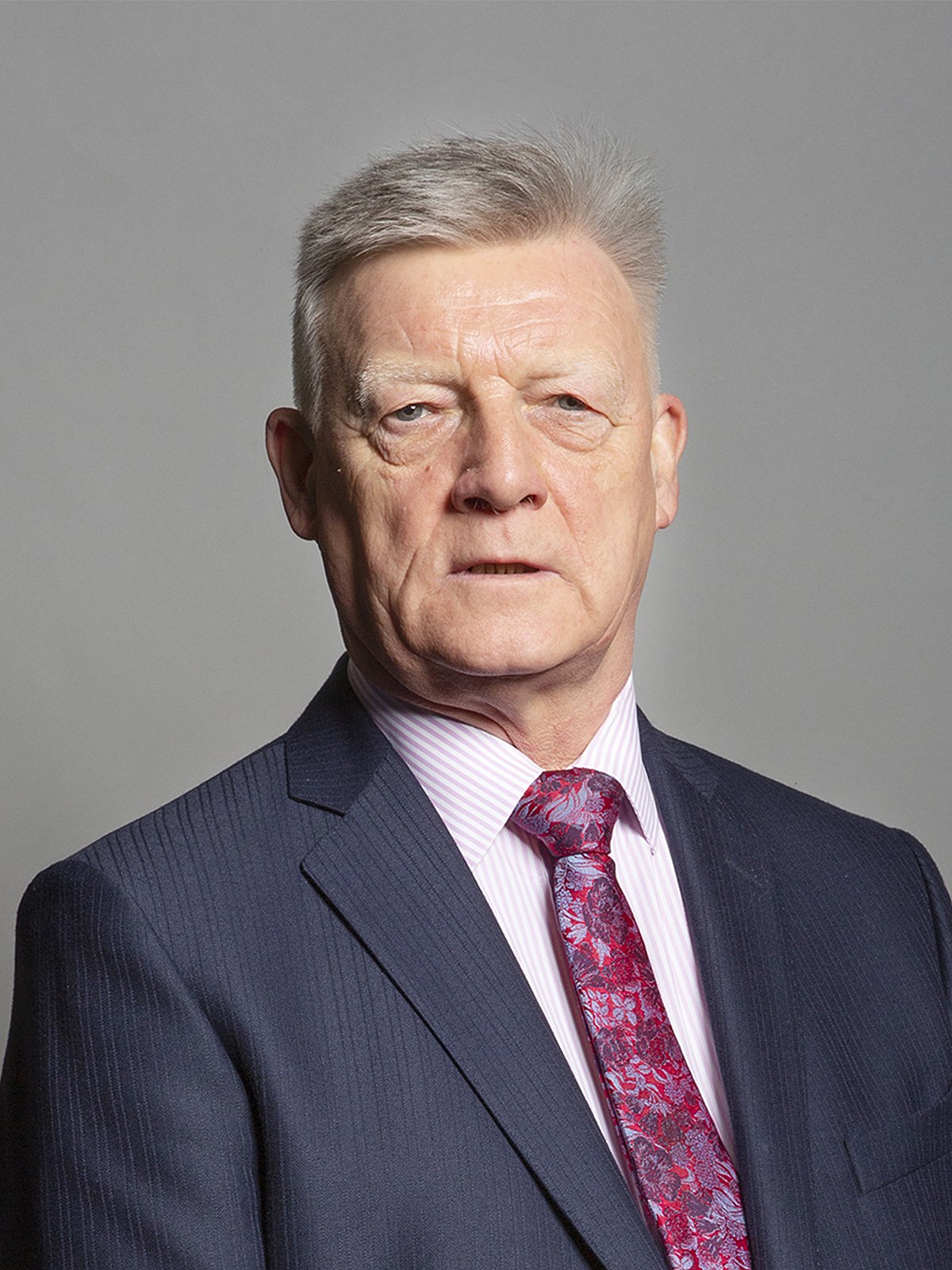
  • Steve McCabe – 2022 Speech on the Future of the UK

    Steve McCabe – 2022 Speech on the Future of the UK

    The speech made by Steve McCabe, the Labour MP for Birmingham Selly Oak, in the House of Commons on 16 May 2022.

    The Government are great on slogans—“get it done”, “oven-ready”, “levelling up”—but the reality is that they have consistently failed to get the right things done, their ideas are mostly half-baked, and the key statistics show that they are levelling down, not up.

    After 12 years, this country is going backwards. There is no plan to fix social care, improve the health figures, address education shortfalls or tackle neighbourhood crime. The Queen’s Speech was a chance to put that right, address issues affecting the lives of ordinary people, move on from the pandemic and be in touch with the needs of business, families and the elderly. Instead, we have a programme of 38 Bills that will occupy parliamentary time over the next 12 months or so, but hardly any of them address the things that people really care about.

    On education, the emphasis is on academisation—playing with structures when what is needed is catch-up, improvement, tending to crumbling buildings and giving children the best start in life. I support the work of the right hon. Member for South Northamptonshire (Dame Andrea Leadsom), but I have to say that how a Government who have closed 2,500 Sure Start centres and plan to replace them with 75 family hubs think they can lay claim to an ambitious early years strategy is beyond me.

    According to the Government, every family should receive a minimum of five health visiting reviews. Even including remote and phone consultations, their own figures show that that is not happening. Nearly 30% of toddlers have missed out on the crucial 24 to 30 months check. In speech and language, an area in which waiting lists have been exacerbated by the pandemic, nearly 70,000 children are waiting for support. Children under seven often wait for more than two years. Where is the catch-up or improvement plan to help them? The Government can find time for a Bill to sell Channel 4, which was not in their manifesto, but not to legislate for a measly one week’s unpaid leave for carers—a manifesto commitment on which every one of their Members stood.

    There is no plan to reduce NHS waiting lists or ambulance delays. The reality of healthcare in Birmingham is that every day the west midlands ambulance service stacks hundreds of calls that require an ambulance response that it cannot provide. Midlands hospitals have the highest waiting lists in the country. University Hospitals Birmingham, a first-class institution for those it is able to treat, now has 185,000 people waiting for treatment. No wonder the country’s health outcomes are deteriorating.

    For care homes, there is still no plan to fix social care, one of the earliest promises made and abandoned by the Prime Minister, and no assistance to deal with staff retention or rising energy and insurance costs. Care homes, while still beset by many difficulties, have lost their covid-19 support grants—rather earlier than the support for newspaper grandees negotiated personally by the Prime Minister, if Mr Cummings is to be believed.

    I have no time for the behaviour of some of the Extinction Rebellion activists, but do we really need a new law to deal with the antics of that minority group when we already have the Public Order Act 1986? The latest Bloomberg analysis of the Government’s levelling-up strategy shows a 33% increase in crime in south Birmingham. Would not a law to establish viable neighbourhood policing units be of much greater value to my constituents?

    On early years, speech and language, carers, care homes, waiting lists, ambulance services and the security of neighbourhoods, this Queen’s Speech is a missed opportunity from a Government who stopped paying attention to the interests of the people they purport to represent. The slogans are now morphing into, “Can’t you budget and cook on 30p a day?” and, “Why don’t you just get another job?” They are out of touch and out of ideas.

  • Bob Blackman – 2022 Speech on the Future of the UK

    Bob Blackman – 2022 Speech on the Future of the UK

    The speech made by Bob Blackman, the Conservative MP for Harrow East, in the House of Commons on 16 May 2022.

    It is a pleasure to follow the hon. Member for Washington and Sunderland West (Mrs Hodgson). I add my congratulations to the hon. Member for Birmingham, Erdington (Mrs Hamilton) on her maiden speech—I assure her that the case load continues year after year. I also offer my appreciation for another formidable lady: Her Majesty the Queen. I was delighted to see her join in the celebrations of her jubilee unaided yesterday.

    On the Gracious Speech, I wish to talk about several of the Bills that are coming up. First, the Levelling-up and Regeneration Bill gives us the opportunity to level up each part of the United Kingdom. I was absolutely over the moon at the local election results in Harrow last week, when we took eight seats from Labour and took control of the council for the first time since 2006. I look forward to the hard-working councillors levelling up Harrow and putting right what has been going wrong for far too long.

    On the transport Bill, my constituents depend on good public transport, which we need throughout the UK, and we need to get people out of their cars and on to public transport, so I was delighted this morning that the developer Catalyst withdrew its planning application to build high-density multistorey flats on the Stanmore station car park. I trust that Transport for London will now abandon that plan completely.

    On the social housing regulation Bill, I hope we are going to go further in not just regulating social housing but expanding the amount of it throughout the UK and providing more affordable housing for the people who need it. We must stop selling public land and start building homes on it, instead of allowing developers to end up with unsustainable capability.

    The renters reform Bill is central—I refer the House to my declaration in the Register of Members’ Financial Interests—but I have a concern. By abolishing section 21 no-fault evictions, on which the Government consulted in 2019, we will improve the security of tenure for tenants and strengthen the position in respect of which landlords can give cause for regaining possession of their properties, but that must not lead to more section 8 evictions and tenants being landed with county court judgments across the piece. I hope we will have a new lifetime tenancy deposit model that eases the burden on tenants when they move from one tenancy to the next. That would improve the private rented sector overall.

    I remind the Government that a section 21 notice is a trigger for my landmark Homelessness Reduction Act 2017, which then leads to the local authority having a responsibility to help and advise people who are threatened with homelessness. I want to make sure that if we abolish section 21, local authorities are not let off the hook for their responsibility to help and assist single homeless people. It is also important that the Government stand by their pledge to develop a new ombudsman for private landlords so that disputes are resolved without the need to go to court, which is an expensive process for both sides.

    On the financial services and markets Bill, I am delighted to hear that the Government are going to preserve access to cash. Far too many bank branches and ATMs have closed, and access to cash is a priority for many people in our society, so I am pleased that that will happen. In particular, this country’s elderly population still relies heavily on and is dependent on cash, and we must protect that part of society.

    I also welcome the boycotts, divestment and sanctions Bill. It is quite clear that we do not want local authorities or other public bodies in this country having their own foreign policy; that is something to be determined by the UK Government. The ongoing commitment to supporting the UK’s Jewish community, and to support for Israel, is fundamental and I am delighted to see it.

    The Schools Bill is clearly vital as we return to normality under the pandemic; I welcome it and the Higher Education (Freedom of Speech) Bill. I am one of those who believe that people should be free to say what they wish, as long as they can be challenged on it, but not that we should get to the point where people are shouted down and prevented from putting forward their views.

    Finally, this is Dementia Action Week. For people who are getting older and frailer, we must have more action from the national health service. I welcome and support the Queen’s Speech.

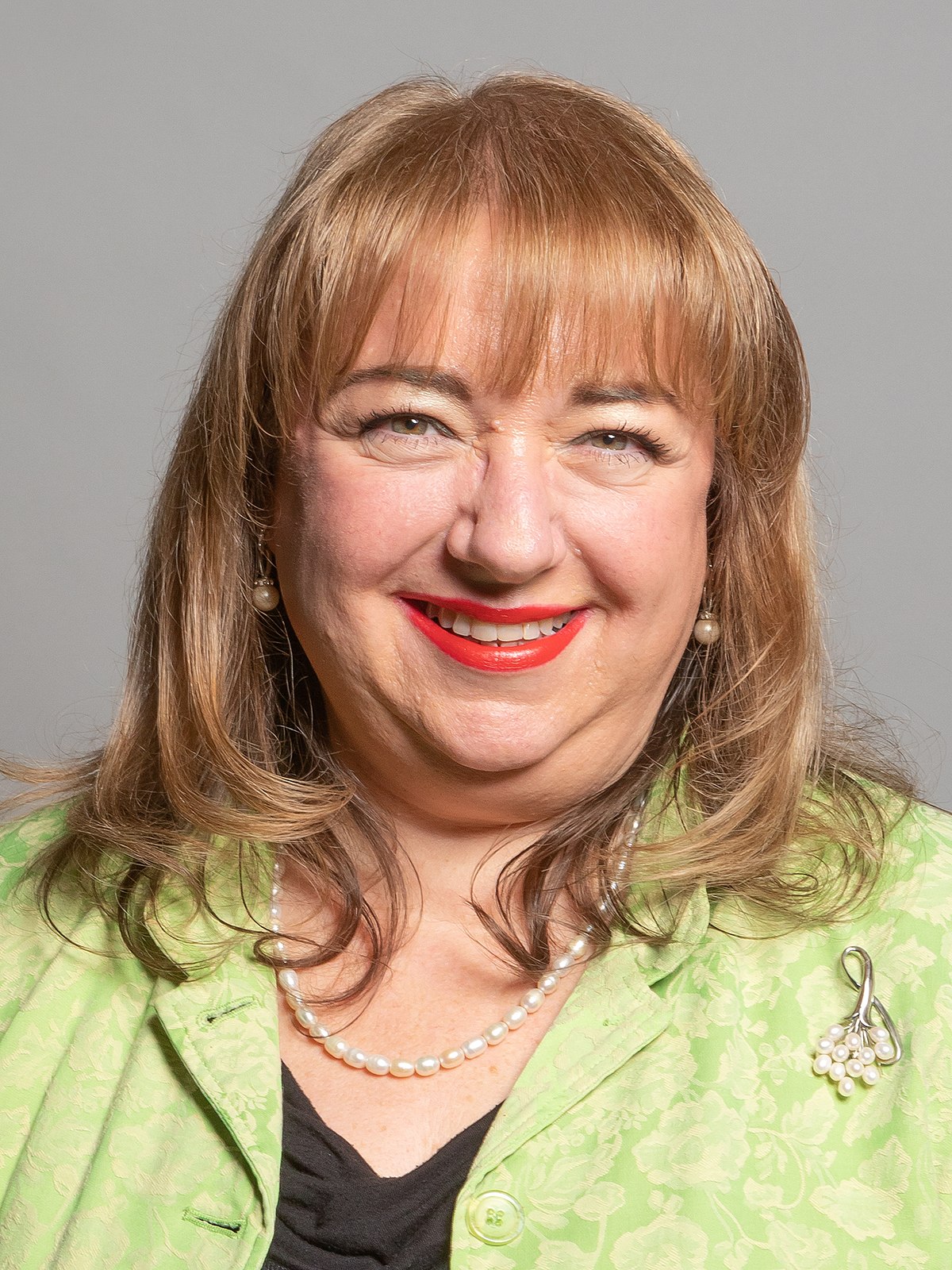
  • Sharon Hodgson – 2022 Speech on the Future of the UK

    Sharon Hodgson – 2022 Speech on the Future of the UK

    The speech made by Sharon Hodgson, the Labour MP for Washington and Sunderland West, in the House of Commons on 16 May 2022.

    I will speak very quickly, Madam Deputy Speaker. When I became chair of the all-party parliamentary group on dyslexia and other specific learning difficulties in 2016, the implementation of the Children and Families Act 2014 was under way. I had taken that piece of legislation through Parliament as a shadow Minister so I was hopeful that it might lead to an advance in SEND provision in schools, but things have obviously not gone to plan. The new SEND Green Paper implies by its very existence that something has gone wrong.

    Let us look at some numbers. Pupils with SEN are less likely to meet the expected standards on reading, writing and maths by the end of key stage 2, with only 22% of children with SEN achieving that compared with 74% of those with no recorded SEN. This continues at GCSE with only 27% of SEN children achieving a grade 4 or above in English and maths compared with 71% of those with no recorded SEN. In 12 years of a Conservative Government, those with SEND have endured a broken system, leaving a lasting impact on their futures.

    As we know, special educational needs and disabilities are sometimes invisible, making them hard to identify and support. Many working class children are categorised as poor readers, not because they might have dyslexia but because they come from disadvantaged backgrounds. Others who might have dyslexia but do not have the money to access private assessment and diagnosis might never get the support that they need. Far from levelling up, this Government imprison those children in lower expectations.

    As we make the necessary strides in special educational needs assessment, so the system supporting those needs faces greater strain on capacity. This is all about cost. I hope that that is not the reason for the conspicuous absence from the Government’s recent Green Paper of the three Ds: dyslexia, dyspraxia and dyscalculia. The Government finally recognise the need for new high-level alternative provision, but I implore them to expand their priorities to specific learning difficulties. They can have a profound effect on a child’s educational development, and without wider assessments we can only guess at the incidence rates of the conditions. In the meantime, children will struggle through their school years and lose the chance to fulfil their potential. That is not to say that those with specific learning difficulties are less able than their peers. On the contrary, neurodiverse individuals exhibit problem solving, lateral thinking and innovation skills often in excess of those exhibited by neurotypical individuals.

    This year I was proud to be involved in the launch of Neurodiversity in Business, an initiative that at last count has seen more than 100 companies across the country, including the likes of Deloitte and the Bank of England, championing neurodiverse workers. They recognise the unique skills and benefits that neurodivergent employees bring to an organisation, and that is to be greatly welcomed and encouraged as it is so true. I welcome the Government’s consultation on SEND provision, and I will certainly engage with the consultation in due course. I encourage all colleagues and organisations in the sector to do the same.

    On another topic, I would like to take a moment to draw the House’s attention to food insecurity. We know that families are struggling with the cost of living crisis—a crisis that is only going to get worse. More adults are reporting skipping meals—57% more in April than in January—and more children are unable to access nutritious food. At the same time public sector caterers, who make up an important part of the protection against food insecurity, are facing supply chain disruptions and what have been described to me as stock price explosions. It is getting more expensive to run the industrial kitchens in our schools, hospitals and prisons. It is therefore getting so much harder to ensure that services offer the same nutritious food.

    The Government are allowing food insecurity to become worse, allowing standards to decline and doing nothing to prevent a public health crisis along the way. This is happening on their watch and there was nothing in the Queen’s Speech to address it. That means it will only get worse until we have a change of Government to one with the will and the plan to grow the economy and be on the side of working people.

  • Paul Beresford – 2022 Speech on the Future of the UK

    Paul Beresford – 2022 Speech on the Future of the UK

    The speech made by Paul Beresford, the Conservative MP for Mole Valley, in the House of Commons on 16 May 2022.

    I must congratulate the hon. Member for Birmingham, Erdington (Mrs Hamilton) on her speech, which she delivered with such feeling. I was sitting here waiting for clapping from the Gallery above—she must warn people not to do that, but she would have deserved it. Her speech was absolutely brilliant.

    Given the time strictures, I will touch on just one little Bill. It would not be hard for people to work out that it is a trade Bill—the Trade (Australia and New Zealand) Bill, which will help to make Britain the best place in which to live. There is great kith and kin support between the United Kingdom and the antipodes. Most of my parents’ generation used to talk about this country as home, even if they had never been here. Many a New Zealand coffee table of that generation displayed a copy of one of those amazing books of beautiful photographs of the United Kingdom. The amazing thing was that they were all taken on a sunny day!

    The deal with New Zealand and Australia is the UK’s first new free trade agreement since leaving the European Union. It is long overdue. New Zealand and Australia were sore when we went into the Common Market. I am a member of the UK National Farmers Union and, locally, there has been some concern about the deal as both Australia and New Zealand are agricultural juggernauts. The biggest dairy farmer in my Mole Valley constituency has about 350 cows. I think my largest sheep farmer probably has about 1,000 sheep. A couple of dairy farmers in the north of the South Island are milking 1,500 and 2,500 cows. The farm I left to come here, after lambing, had 30,000 sheep. Fortunately, the balance of timing means that we can work together. Moreover, the New Zealand NFU equivalent is looking to work with our farmers to assist in fulfilling some of the bids going into Europe.

    The economic opportunities under the agreement will be considerable across a range of sectors and businesses. Any visitor to New Zealand or Australia will be struck by the fact that cars, trucks, and agricultural machinery—I do not just mean tractors—are dominated by south-east Asia, particularly by Japan. There is a desire to buy British trucks, cars and so on, but they are too expensive. The tariff change should give us an opportunity, but we need to get in there. I have been urging the appropriate Minister to get onto the manufacturers and to promote our goods in Australia and New Zealand. I have already suggested a campaign and have offered to translate. I hope that with the Government stimulating our industries we will get in there, open the doors and work towards going into the trans-Pacific partnership.

    Given the time limit, I will stop at that point, but I reiterate that I am willing to help and need to help. This is an opportunity for huge sales to make Britain the best place in which to live.

  • Kit Malthouse – 2022 Speech at the United Nations Commission on Crime Prevention and Criminal Justice

    Kit Malthouse – 2022 Speech at the United Nations Commission on Crime Prevention and Criminal Justice

    The speech made by Kit Malthouse, the Minister for Crime and Policing, on 17 May 2022.

    The United Kingdom welcomes the Thirty-First Regular Session of the Commission on Crime Prevention and Criminal Justice.

    Transnational crime cannot be tackled without cross-border cooperation. We are united in our pursuit and promotion of fair criminal justice systems. It is essential that we maintain an open dialogue and continue working in close partnership on this issue. The Commission plays a vital role in helping foster that co-operation and collaboration, and the UK Government is, and will remain, a committed and active participant in these discussions.

    Before I outline some of the UK’s key priorities in this space, I would like to comment briefly on the situation in Ukraine. First and foremost, we continue to stand shoulder to shoulder with the Ukrainian people. And more broadly, we must remain alert to the potential impact of the crisis on transnational organised crime threats.

    Turning to the main agenda, the UK welcomes the Commission’s thematic focus on strengthening the use of digital evidence in criminal justice and countering cyber crime.

    One of the most pressing challenges facing us all is the fight to prevent the spread of online child sexual abuse.

    The UK is at the forefront of addressing this issue, but no country can mount a truly effective response in isolation.

    A single instance of abuse can span multiple jurisdictions, and the threat continues to grow and evolve as offenders exploit rising global internet access and new technologies to harm children.

    This is why the UK has tabled a resolution for this session on tackling online child sexual exploitation and abuse, and the importance of fostering partnerships with private technology companies. The resolution challenges members to set consistent expectations and standards for technology companies to keep children safe on their platforms and services. The protection of children is among the most fundamental responsibilities for any government. We hope Members will engage constructively in this debate, because the goal we share is a common one: to keep citizens safe and bring the perpetrators of these heinous crimes to justice. The UK will also be hosting a side event on this topic which I would encourage delegations to join.

    The UK continues to engage with the UN Cyber Crime Treaty process. We want to develop international cooperation and capacity building as part of our ongoing efforts to prevent online crimes, such as child sexual exploitation and abuse.

    As a major UNODC (UN Office of Drugs and Crime) donor, the UK has several key priorities including drug trafficking, criminal flows from Afghanistan, modern slavery and human trafficking, and anti-corruption. Of course, effective partnerships across borders must be further supported by robust national frameworks. In October last year, the UK and UNODC launched a transnational organised crime strategy toolkit.

    This will enable policy-makers to create or enhance their own national strategies to combat transnational organised crime.

    Four regional workshops have already taken place and we will continue to work with the UNODC to assist in developing holistic national serious organised crime strategies.

    In closing, I’d like to thank the UNODC again for facilitating this event. Given the scale and diversity of the threats we face, it is more important than ever before that we confront them together. Thank you.

  • Dominic Raab – 2022 Speech to the Prison Officers’ Association Conference

    Dominic Raab – 2022 Speech to the Prison Officers’ Association Conference

    The speech made by Dominic Raab, the Deputy Prime Minister, on 17 May 2022.

    I’m really sorry I can’t be with you all today, but I wanted to record this message for your first in-person conference since the start of the pandemic.

    And in particular, I really wanted to take the opportunity to thank all of you, every single one of you, for your incredible hard work, your outstanding dedication during such a tough set of times.

    Prison officers, I know, may not always be in the public eye in the same way that police officers, doctors and nurses are. But I’ve got no doubt, and I’ve seen first-hand, that you’re at the front line of our defences when it comes to protecting the public and you do an outstanding, amazing job.

    I’d like to see all of you at the front line get more recognition for that incredible work you’ve done, both during the pandemic and more generally.

    Throughout COVID-19, you’ve done more than ever to demonstrate why – in my view at least – you are the unsung heroes across our justice system.

    I’ve been hugely impressed by what I’ve seen in the nine prisons I’ve visited so far since I became Justice Secretary.

    At Category A prisons like HMP Franklin and Woodhill, I saw the extraordinary security challenges that the governors, Darren Finley and Nicola Marfleet, face in dealing with some of the most serious offenders, including radicalised terrorists and dangerous gangsters.

    You guys and your teams, work incredibly hard in what is a very precarious environment, to see the early signs of terrorist risks, to nip them in the bud, to stop the spread of poisonous ideologies, and ultimately help us protect the public.

    Of course, in many of those other prisons where the focus is more on rehabilitation, I’ve seen the vital role that governors and staff play in getting prisoners off drugs, getting them skilled up, and getting them into work.

    From the marketing call centre that I saw at HMP High Down, to HMP Ford, where prisoners get the chance to work as HGV drivers when they’re on ROTL. And from HMP Hatfield’s farm shop and the recycling centre, to the working farm and timber processing at HMP Prescoed. From the barbers and bike repair shop at HMP Five Wells, to the mechanics and the cleaning workshop at Wandsworth.

    I’ve seen the great potential that we’ve got, and that you’re grasping in prison, to use inmates’ time in a more constructive way, to get them the skills, get them back into work, which is ultimately the way we’ll get them back onto the straight and narrow and reduce reoffending and protect communities around the country.

    And, you know, I’m really struck by the conversations that I’ve had with offenders that I’ve met, who are able and willing to take that opportunity to start to turn their lives around.

    And I know it’s a long haul, and there’ll be ups and downs for many offenders, but getting prisoners off drugs for good through sustainable recovery, getting them the skills, the training, the work experience they need to go straight, those are two of my very top priorities.

    And of course, they’re critical elements in helping those offenders to turn their lives around, and that keeps our streets safer with fewer victims. So the public really do owe you all a debt of gratitude. And I want to say thank you for all that amazing work that you do.

    And of course, when I look forward at the agenda that we’ve got ahead of us over the next year, that’s why we’re going to be assessing offenders for any addiction they’ve got from the moment they arrive, so that the treatment plans we put in place, including expanded use of drug recovery wings, a greater focus on abstinence, all of those things can be put in place straight away and strengthen the rehabilitation work you’re doing.

    And of course, we’re going to have a zero-tolerance approach to drugs in prisons, clamping down on the illicit items being smuggled in.

    We’re enhancing our prison security with a lot of technology that’s been funded by £100 million of new investment, including the state-of-the-art X-ray scanners across the whole closed male adult estate. I’ve seen them work first-hand and I’m convinced that they will help reduce the violence and help keep prison officers, as well as offenders, safer.

    And, of course, we’ll continue to build on our partnership with you at a national level, and between prison governors and local branches of the POA, to create prisons that are better, safer, and which, as I said, through all the work we’re doing, will help drive down reoffending relentlessly.

    I now want to pass over to our brilliant Prisons Minister, Victoria Atkins, to take you through some of the detail of our strategy. But again, from the bottom of my heart, through COVID and all the other work that we’re doing, thank you so much for the outstanding job you’re doing, and I look forward to seeing many more of you in the weeks and months ahead.