Blog

  • Priti Patel – 2022 Comments on New Plan for Immigration

    Priti Patel – 2022 Comments on New Plan for Immigration

    The comments made by Priti Patel, the Home Secretary, on 26 January 2022.

    This Government’s priority is keeping the people of this country safe, and we will stop at nothing to remove those with no right legal right to be in the UK, including foreign criminals.

    Signing this agreement will strengthen our returns arrangements with Serbia and will crack down on those who seek to abuse our hospitality.

    This landmark deal delivers on our New Plan for Immigration and our commitment to streamline the appeals and judicial process which can be used to frustrate removals.

  • Chris Bryant – 2022 Comments on Pen Farthing and Boris Johnson

    Chris Bryant – 2022 Comments on Pen Farthing and Boris Johnson

    The comments made by Chris Bryant, the Labour MP for Rhondda, in the House of Commons on 26 January 2022.

    On a point of order, Mr Speaker. As you will know, during the evacuation from Afghanistan many hon. Members were concerned about constituents who had loved ones stuck in Afghanistan. One issue that arose was how it came to be that Pen Farthing and Nowzad were allowed to evacuate animals while there were still people stuck in Afghanistan.

    The Prime Minister said on 26 August that he had “no influence” on that particular case and nor would it be right. On 7 December, he was asked “Did you intervene to get Pen Farthing’s animals out?” He said, “No, that is complete nonsense.” And the Downing Street spokesperson said, “Neither the Prime Minister nor Mrs Johnson was involved.“ Yet today, as I think you are aware, Mr Speaker, the Foreign Affairs Committee has published a letter from Lord Goldsmith’s office saying,

    “the PM has just authorised their staff and animals to be evacuated”.

    How can I get to the bottom of who is telling the truth?

  • Johnny Mercer – 2022 Comments on Colum Eastwood

    Johnny Mercer – 2022 Comments on Colum Eastwood

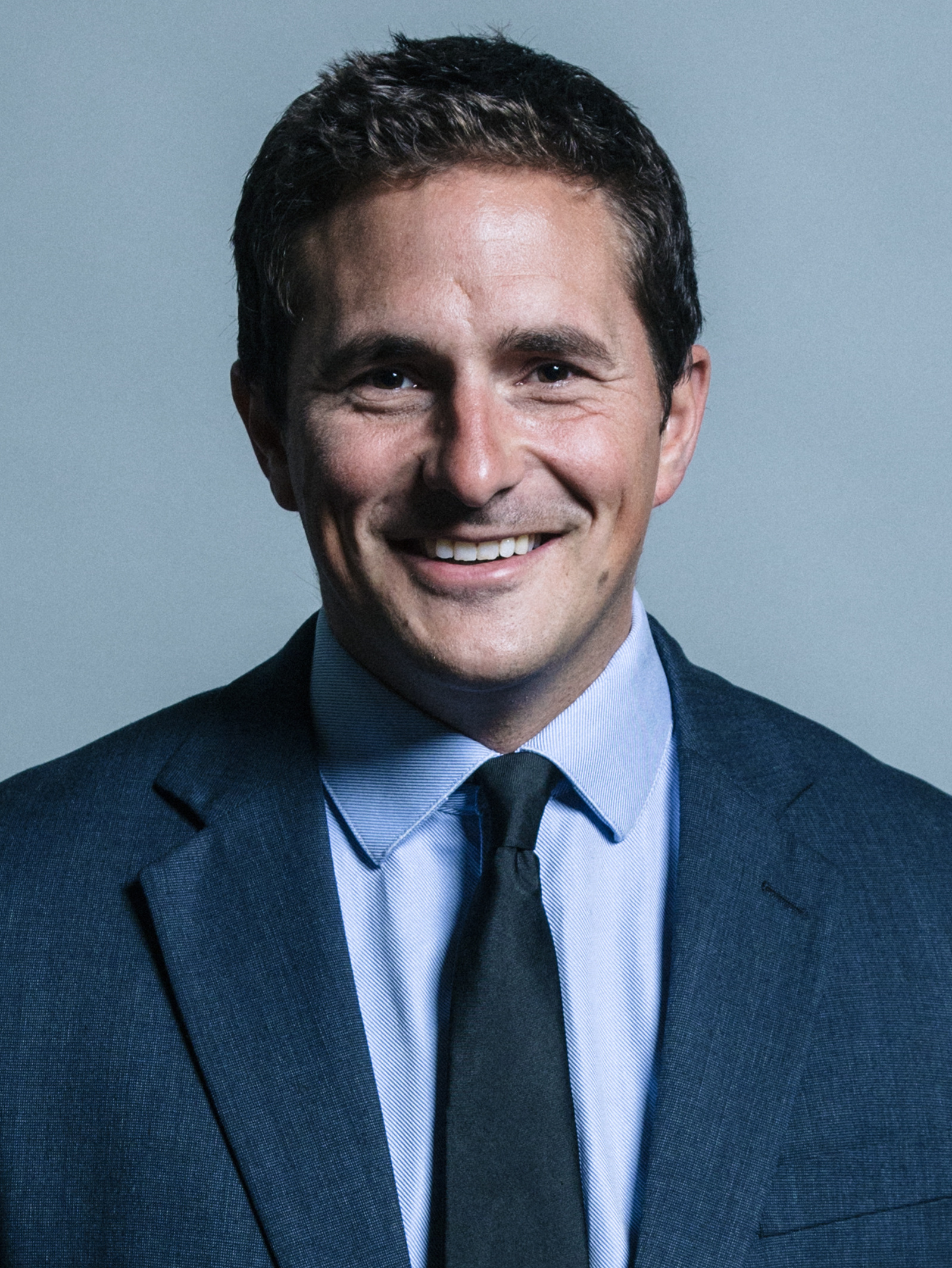
    The comments made by Johnny Mercer, the Conservative MP for Plymouth Moor View, in the House of Commons on 26 January 2022.

    On a point of order, Mr Speaker. During Northern Ireland Office questions, the hon. Member for Foyle (Colum Eastwood) made the extremely incendiary allegation that British troops went to his constituency in the ’70s with the express purpose of murdering the people who lived in Derry. We all have a responsibility in this place for the language we use. Legacy is extremely difficult to deal with. What guidance can you give me, Mr Speaker, so that when a Member repeatedly makes such claims—to generate whatever online presence he may have—that are clearly incendiary to people across the House and across the country, we can put a stop to that behaviour and behave in this place with the dignity that our offices demand?

  • Richard Graham – 2022 Speech on Spiking Drinks

    Richard Graham – 2022 Speech on Spiking Drinks

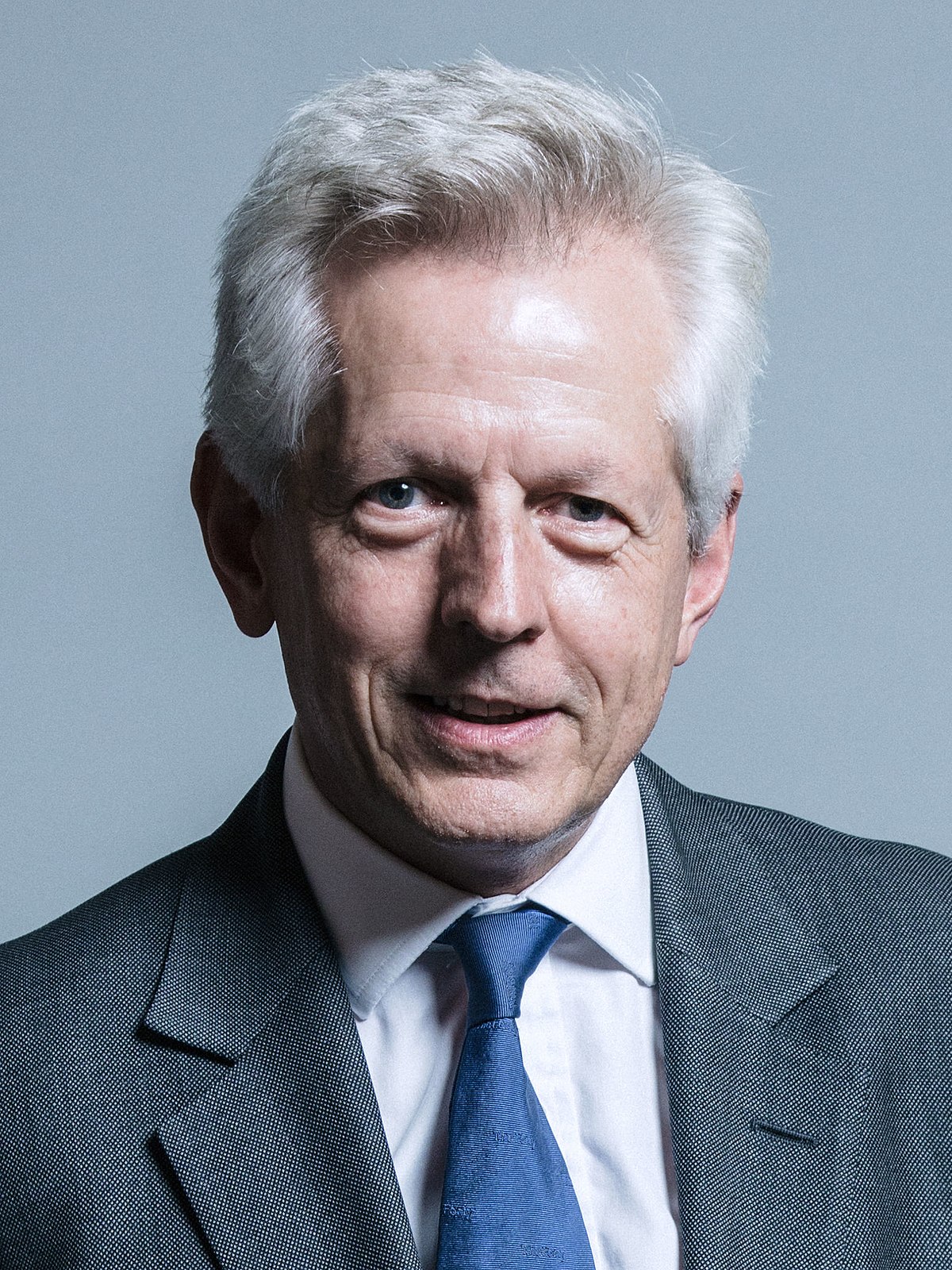
    The speech made by Richard Graham, the Conservative MP for Gloucester, in the House of Commons on 26 January 2022.

    I beg to move,

    That leave be given to bring in a Bill to create an offence of administering or attempting to administer drugs or alcohol to a person without their consent; and for connected purposes.

    The subject of my Bill today, spiking, is both an old and a new issue, and one that causes considerable anxiety among the young, particularly teenagers, and their parents. Although drinks have been spiked for a long time, and chemicals were first used to poison and kill a soviet dissident in this country almost 50 years ago, the term “spiking” is relatively new, and spiking drinks happens much more frequently than it did. The phenomenon of spiking by injection at social events is both new and still mysterious.

    Let me start with the context, go on to what is known, highlight what is less well known, and then lay out what the Government, Parliament, local police forces and local authorities are already doing and might do. Lastly, I will suggest what more could be done by Government. Our aim in this House is, as always, to protect our young and reassure the public. We can also send a clear message to those who think that spiking is fun. It is not. Spiking has a deeply unpleasant impact on many lives, and it is a crime that should be punishable in its own right.

    For the context, I am grateful to many people: my constituent Rosie Farmer and her daughter Maisy; my own young office; colleagues, especially the former Lord Chancellor, my right hon. and learned Friend the Member for South Swindon (Sir Robert Buckland), and others here today with their own experiences and constituent cases; organisations in Gloucestershire; the Chair of the Home Affairs Committee, the right hon. Member for Kingston upon Hull North (Dame Diana Johnson), who is in her place, and her Committee and team; and Dawn Dines of “Stamp Out Spiking”, who has been on this case for a decade.

    Spiking is not a far-away country of which we know little. It is happening all around us, and even to us. My hon. Friend the Member for Mid Sussex (Mims Davies) was spiked not long ago, as have been several other Members over time. Of course, many of us have children who have also been spiked. One colleague’s daughter was spiked twice in a nightclub. On both occasions, she collapsed and was carried outside by a bouncer and dumped unceremoniously on the pavement. We can all agree that that is not good enough, as would licensed victuallers associations around the country. There is much good practice to recommend, as I will go on to mention, but such incidents highlight both the grisly experience for a young woman and the frustrated feelings of her mother.

    We can all relate to that, too, because where neither colleagues nor anyone in our or their immediate families have been spiked, our mailboxes tell us that our constituents have been. One colleague said:

    “I know from my inbox that people of all ages and areas will be very pleased that this is being highlighted as it’s awful, can be embarrassing and is often very grim”.

    She speaks for us all, as does another colleague, who wrote that

    “speaking to police they find that most cases are young women with an unexpected response to drinks…I really worry about the fear that our young live under, and wonder whether this is another type of control of women.”

    This not just about young women, although what data we have does suggest that in the vast majority of cases those affected are females. The worst spiking offender of all so far is Reynhard Sinaga—I am sorry to say, an Indonesian national—who was sentenced to a minimum of 30 years for using spiked drinks to sexually assault at least 48 males, many of whom did not know they had been assaulted until Mr Sinaga’s videos were discovered by the police. That confirms that there are male victims, and that there may be many more serious incidents, both on men and women, that we do not know about.

    Colleagues from five parties are supporting my Bill today, and I hope the whole House will share my view that this is not a party political but an all-party and all-country issue on which reaching broad consensus inside and outside Parliament is the key to future success. We know already that there have been about 2,600 reported cases over the last five years and we suspect that that is the visible part of the iceberg, which means there is work to be done.

    The last case in Manchester shows that there are laws that can be used to prosecute, and they have been used successfully in some cases. The two most relevant laws are the Offences against the Person Act 1861, which covers the use of noxious substances, and the Sexual Offences Act 2003, which covers spiking for sexual gratification. They are, as it were, the two bookends of the issue, but much in between is not covered, especially where it is not clear or cannot be proved what the purpose of spiking was or where the drug used cannot be identified, including because its effects have already worn off.

    Most importantly, because spiking itself is not a specific crime, no one can be arrested simply for the act of spiking itself, nor is there enough data on spiking for adequate analysis and response, and at the moment it is not mandatory for hospitals automatically to report suspected spiking incidents to the police, as the National Police Chiefs’ Council lead on drugs confirmed to the Home Affairs Committee this morning. He and I, and I suspect all of us, would like that to change.

    That is the context, those are the experiences and that is the gap in the law, which I think will surprise many of our constituents, and that is the main reason for making spiking a crime and therefore for proposing the Bill. As the Chair of the Home Affairs Committee recently said:

    “There is not a specific criminal offence. If a drink is spiked or if an injection takes place, it is rolled into a different criminal offence.”

    We need something more.

    There is a conundrum about spiking to highlight. Spiking by injection is a relatively new phenomenon, but anecdotally, it is growing. Gloucestershire constabulary estimates that its usual historical number of reported spiking incidents of 10 to 12 cases a month rose to 48 in October, of which 10 were spiking by injection. That month coincided with the full reopening of universities, and I believe that is not a coincidence.

    My constituent Maisy Farmer—I hope I will not do long-term damage to her reputation by describing her as a very sensible university student of criminology and policing—was behaving manically and completely out of character when recently returning home with friends from a nightclub in Worcester, and the next morning she found a needle mark on her arm that she suspected was evidence of having been spiked. Her mother, Rosie, contacted both her surgery and the Gloucester Royal Hospital A&E, but was told it was too late for tests. Maisy was signposted to sexual health services, which took some tests, and she received preventive inoculation against hepatitis B and HIV. The police, in turn, were very supportive, but without evidence of any substance in Maisy’s body or any known secondary offence, they could not do more. The point is that all these services reacted as they could and should, but if, as seems likely, spiking by needle had taken place, that is wrong and something must be done. The emotional stress alone is considerable. The question is what should be done.

    If there is no evidence of a needle or substance and nothing on CCTV to follow up, it is difficult to know exactly what is happening. I understand why my hon. Friend the Member for East Worthing and Shoreham (Tim Loughton) said this morning that he is still confused by the prevalence of needle spiking without evidence; so, I believe, is the Policing Minister, who is in his place. However, that does not mean that nothing can be done—in fact, the opposite. Some of this is best done at a local level. The Gloucestershire police and crime commissioner’s recent successful safer streets fund award has partly been used to provide testing kits in nightclubs, which can be used by victims and others.

    Then there is the question of immediate medical help. Gloucester City Council’s innovation of funding street medics means that immediate paramedic help is available. The local police’s Operation Nightingale, including an increased police presence, may be responsible for a sharp drop in incidents in December. Pooling the best local practice of such examples will be part of what the new national gold command incorporates in its recommendations to Ministers. I should mention that a drug often used in drink spiking, GHB, has been reclassified by the Government as a class B drug, meaning possession can result in a maximum five-year sentence. Last, but by no means least, is the work I referred to from the Home Affairs Committee. I hope that, should our constituents have more evidence to share, the Committee will welcome it, because we need all the possible light that we can shine, especially on spiking by needles.

    Spiking is already a considerable issue and is getting worse. Spiking by injection needs more research and investigation. We could send a clear message today in support of the work of all local authorities and answer student groups from St Andrews to Truro, MPs from across the country, “Love Island” contestants and parents everywhere that we want to enlist in a more open partnership with communities by saying that we care and that we will do more. I hope the Bill will have the support of the nation.

    Question put and agreed to.

    Ordered,

    That Richard Graham, Sir Robert Buckland, Siobhan Baillie, Wendy Chamberlain, Wera Hobhouse, Dr Rupa Huq, Cherilyn Mackrory, Mrs Maria Miller, Robbie Moore, Liz Saville Roberts, Jim Shannon and Valerie Vaz present the Bill.

    Richard Graham accordingly presented the Bill.

    Bill read the first time; to be read a second time on Friday 18 March, and to be printed (Bill 238).

  • Grant Shapps – 2022 Statement on International Travel

    Grant Shapps – 2022 Statement on International Travel

    The statement made by Grant Shapps, the Secretary of State for Transport, in the House of Commons on 24 January 2022.

    With permission, Mr Speaker, I wish to make a statement on international travel.

    It is less than two months since the first cases of omicron—the most infectious variant to emerge since the start of the pandemic—were confirmed in the UK. Thanks once again to the nationwide army of medical staff and volunteers and the huge public response to our booster programme, today, with more than 137 million jabs administered, including nearly 37 million boosters, Britain is one of the most vaccinated countries in the world, and omicron is in retreat. Thanks also to the decisions taken by the Prime Minister, we have managed to turn the tide on the virus in remarkable time, while keeping our domestic society one of the most open in the world. Today, I can confirm to the House that our international travel regime will also now be liberalised, as part of our efforts to ensure that 2022 is the year in which restrictions on travel, lockdowns and limits on people’s lives are firmly placed firmly in the past.

    From 4am on 11 February, and in time for the half-term break, eligible, fully vaccinated passengers arriving in the UK will no longer have to take a post-arrival lateral flow test. That means that, after months of pre-departure testing, post-arrival testing, self-isolation and additional expense, all that fully vaccinated people will now have to do when they travel to the UK is to verify their status via a passenger locator form.

    We promised that we would not keep these measures in place a day longer than was necessary. It is obvious to me now that border testing for vaccinated travellers has outlived its usefulness, and we are therefore scrapping all travel tests for vaccinated people, not only making travel much easier, but saving around £100 per family on visits abroad, providing certainty to passengers, carriers and our vital tourism sectors for the spring and summer seasons.

    Let me explain to the House how this will work in practice. For now, we will maintain our current definition of “fully vaccinated” for the purpose of inbound travel to the UK. That means two doses of an approved vaccine, or one dose of a Janssen vaccine. We will go further. The measures for those arriving in the UK who do not qualify as fully vaccinated have not changed since last March, so the time has come to review that position, too. Today, I can announce that passengers who do not qualify as fully vaccinated will no longer be required to do a day 8 test after arrival or to self-isolate. They will still need to fill out a passenger locator form to demonstrate proof of a negative covid test taken two days before they travel, and they must still take a post-arrival PCR test. This is a proportionate system that moves us a step closer to normality while maintaining vital public health protections.

    For kids travelling to the UK, under-18s will continue to be treated as eligible fully vaccinated passengers, which means that they will not face any tests at the UK border. Today I am pleased to confirm that from 3 February, 12 to 15-year-olds in England will be able to prove their vaccination status via the digital NHS pass for international outbound travel. Again, this should help families to plan holidays for February half-term.

    Reconnecting with key markets not only boosts the UK economy but will help the hard-hit aviation sector to take back to the skies, so I can also confirm that from 4 am on 11 February we will recognise, at the UK border, vaccine certificates from 16 further nations, including countries such as China and Mexico, bringing the vaccine recognition total to more than 180 countries and territories worldwide.

    One consequence of covid and of rapidly changing infection patterns across the world has been a border regime that, while necessary, has at times been complex, confusing and very difficult to navigate. That has been a challenge for many people who have been travelling over the past two years, so we will also simplify the passenger locator form, making it quicker and easier to complete, and from the end of February we will also make it more convenient by giving people an extra day to fill it out before they travel. Although the option for a red list of countries will remain in place to provide a first line of defence against future covid variants of concern arriving from other countries, we are looking to replace the managed quarantine system with other contingency measures, including home isolation, provided that we can develop new ways to ensure high levels of compliance. In the meantime, our contingency measures remain available. As the House knows, there are currently no countries on the red list. However, I must make it clear that those contingency measures will be applied only if we are particularly concerned about a variant of concern that poses a substantial risk—one that is even greater than omicron.

    The UK Health Security Agency will continue to monitor threats and will maintain a highly effective surveillance capacity, monitoring covid infections overseas. But I can announce that, over time, we intend to move away from blanket border measures to a more sophisticated and targeted global surveillance system. I also commit us to developing a full toolbox of contingency options to provide more certainty on how we will respond against future variants. The Government will set out our strategy, including how we will deal with any future new strains of the virus, next month. We will continue to work with international partners, including the World Health Organisation, to help all countries to achieve a level of genomic sequencing to monitor variants that is much closer to our own world-leading capacity.

    We are moving into a new phase of the fight against covid. Instead of protecting the UK from a pandemic, our future depends on our living with endemic covid, just as we live with flu, for example. We will set out our strategy for that transition in the spring. But as we navigate our recovery, and as we return to more normal travel next month, our advice to all eligible adults who have not been vaccinated stays the same: please get jabbed as soon as possible, and if you have had two jabs, please get boosted. I have recently been speaking to many of my opposite numbers around the world, and they have made it clear to me that regardless of what we do, they are very likely, by this summer, to require that people have had the booster jab. So my advice to anyone who wishes to travel this year, including during the summer, is: do not leave it too late to get your booster as you are very likely to be required to have had it by the third country that you are flying to.

    We already have one of the most open economies and societies in Europe, with the result that our GDP has outpaced that of other G7 countries. With the changes announced today, we have one of the most open travel sectors in the world. Of course we know that covid can spring surprises, but everybody should now feel confident about booking holidays, business trips, and visits to families and friends abroad. Be in no doubt: it is only because the Government got the big calls right—on vaccination, on boosters and on dealing with omicron—that we can now open up travel and declare that Britain is open for business. Today we are setting Britain free. I commend this statement to the House.

  • Chloe Smith – 2022 Statement on Supporting Terminally Ill Claimants

    Chloe Smith – 2022 Statement on Supporting Terminally Ill Claimants

    The statement made by Chloe Smith, the Minister of State for Work and Pensions, in the House of Commons on 24 January 2022.

    Today the Department for Work and Pensions is introducing an amendment to the Universal Credit Regulations 2013 and the Employment and Support Allowance Regulations 2013 to exempt people who are terminally ill from the requirement to accept a claimant commitment to be eligible for benefits.

    A claimant commitment sets out what an individual agrees to do in return for benefit, including any work search requirements and a duty to report any changes in their circumstances. Anyone claiming benefits under the special rules for terminal illness would already be exempt from work search requirements. However, there is currently no blanket exemption for terminally ill claimants from the requirement to accept a claimant commitment more generally. This means that the requirement to accept a claimant commitment can only be waived on a case by case basis.

    To streamline the process and provide certainty to those approaching the end of their lives, the statutory instrument laid on the 24 January will therefore create a specific exemption from claimant commitments for terminally ill people.

    The regulations will apply in Great Britain and will come into force on 15 February 2022. The Northern Ireland Assembly intends to mirror the regulations and is in the process of putting this into place.

    We are committed to ensuring the benefit system supports people nearing the end of their lives. Further to the changes we are making today, we will be bringing forward regulations shortly to replace the current six-month rule for determining eligibility for the special rules for terminal illness with a 12-month, end of life approach in universal credit and employment and support allowance with changes to personal independence payment, disability living allowance and attendance allowance being made when parliamentary time allows.

  • Trudy Harrison – 2022 Statement on Active Travel England

    Trudy Harrison – 2022 Statement on Active Travel England

    The statement made by Trudy Harrison, the Parliamentary Under-Secretary of State for Transport, in the House of Commons on 24 January 2022.

    I am pleased to inform the House that the Department for Transport is to create a new Executive Agency, Active Travel England, with its headquarters in York. This builds on the Government’s commitment to level up the country and locate more civil service roles outside of London and the south-east, as well as their commitment to boosting cycling and walking.

    This Government are investing a record amount in active travel to help deliver our priorities for a healthy, safe and carbon-neutral transport system. Active Travel England will work to ensure that this, and wider transport investment, is well spent, and will help raise the standard of cycling and walking infrastructure.

    Active Travel England will manage the national active travel budget, awarding funding for projects which meet the new national standards set out in 2020. It will inspect finished schemes and ask for funds to be returned for any which have not been completed as promised, or which have not started or finished by the stipulated times.

    ATE will also begin to inspect, and publish reports on, highway authorities for their performance on active travel and identify particularly dangerous failings in their highways for cyclists and pedestrians.

    In these regards, the commissioner and inspectorate will perform a similar role to Ofsted from the 1990s onwards in raising standards and challenging failure.

    As well as approving and inspecting schemes, ATE will help local authorities, training staff and spreading good practice in design, implementation and public engagement. It will be a statutory consultee on major planning applications to ensure that the largest new developments properly cater for pedestrians and cyclists.

    ATE’s establishment follows the Government’s unprecedented commitment of £2 billion for cycling and walking over this Parliament and comes in the wake of our ambitious “Gear Change” strategy to transform active travel.

    The agency will become fully operational later in 2022.

    I am also pleased to confirm the appointment of Chris Boardman MBE as the first Active Travel Commissioner for England. He will take the helm on an interim basis to spearhead the establishment of Active Travel England.

    This underlines this Government’s ongoing commitment to boosting cycling and walking and to building back greener from the pandemic.

  • Andrew Stephenson – 2022 Statement on High Speed Rail from Crewe to Manchester

    Andrew Stephenson – 2022 Statement on High Speed Rail from Crewe to Manchester

    The statement made by Andrew Stephenson, the Minister of State at the Department of Transport, in the House of Commons on 24 January 2022.

    Today the Government will introduce the High Speed Rail (Crewe – Manchester) Bill—a key part of building back better after the covid-19 pandemic. Alongside the High Speed Rail (Crewe – Manchester) Bill and accompanying Environmental statement, the Government are also publishing:

    the Government’s response to the second Design Refinement Consultation; and an update on the Strategic Outline Business Case.

    The Integrated Rail Plan for the North and Midlands (IRP) set out the Government’s commitment to invest in rail infrastructure across the North and Midlands. Delivering the Western Leg of HS2 is a vital part of this commitment. This includes plans for the Crewe Hub and Crewe Northern Connection, allowing HS2 trains to call at Crewe and Manchester and enhancing connectivity to north-west England, Wales, and Scotland.

    This next stage of HS2 from Crewe to Manchester will increase passenger capacity, improve connectivity, and reduce journey times. It is integral to delivering on the Government’s commitment to level-up the country. HS2 will join up the North, Midlands, and London by effectively halving the journey times between the centres of the UK’s three largest cities. The scheme will contribute towards sustainable growth in towns, cities, and regions across the country, spreading prosperity and opportunity more widely. It will act as a catalyst for job creation, the development of new homes and ultimately, the regeneration of major cities and towns along the HS2 route.

    HS2 will help provide a cleaner and greener form of transport, offering significantly lower carbon emissions per passenger kilometre than long distance car journeys or domestic air travel. HS2 has the potential to deliver world-class low-carbon transport to bring our biggest cities closer together, spread opportunity and support the UK’s transition to a ‘net zero’ economy.

    The Bill includes the powers necessary to construct and operate the HS2 route between Crewe and Manchester. It is accompanied by an Environmental statement which describes the railway, alternatives considered, the environmental effects that are likely to arise from its construction and operation, and the measures proposed to avoid or reduce the negative effects. It has been informed by the consultation on the working draft Environmental statement held in autumn 2018 as well as through engagement with stakeholders. An equalities impact assessment is also being published.

    The Government’s response to the Western Leg Design Refinement Consultation is an important part of introducing this Bill. The October 2020 consultation set out four technical refinements to the Western Leg of Phase 2b: a new Crewe Northern Connection to support the vision for a Crewe Hub; changes to the rolling stock depot at Crewe; expansions to both Manchester Piccadilly and Manchester Airport High Speed stations; and a new train depot at Annandale in Dumfries and Galloway. Having considered the feedback from all the respondents, the Government have decided to confirm these four changes.

    The update on the Strategic Outline Business Case (SOBC) sets out the clear, strategic case for the HS2 Crewe-Manchester scheme, together with up-to-date cost range for the programme of between £15 billion and £22 billion—2019 prices. This SOBC contains the first cost estimate that has been produced specifically for the scheme between Crewe and Manchester. As the project progresses in design maturity, the cost estimate will be further refined and will inform the full business case, which will be presented to Parliament in due course.

    Copies of the Government’s response to the second Design Refinement Consultation will be placed in the Libraries of both Houses and are also publicly accessible online through the www.gov.uk website.

  • Kevin Foster – 2022 Statement on Immigration Rules

    Kevin Foster – 2022 Statement on Immigration Rules

    The statement made by Kevin Foster, the Parliamentary Under-Secretary of State for the Home Department, in the House of Commons on 24 January 2022.

    My right hon. Friend the Home Secretary (Priti Patel) is today laying before the House a statement of changes in immigration rules.

    The Migration Advisory Committee are undertaking a review into the impact of the ending of free movement on the social care sector. While the MAC are not publishing their full report until the end of April 2022, they felt they had sufficient evidence with which to make a recommendation in their annual report to add care workers to the Health and Care visa and the shortage occupation list. Their recommendation was made in the context of increased demand for adult social services, increasing vacancies and issues with staff retention. They have re-asserted their position of the underlying cause of recruitment and retention problems being mainly due to pay, terms and conditions, and lack of progression in the sector. This is now coupled with pay in other competing sectors—such as catering, retail and cleaning—catching up to the adult social care sector, due to the rise in the national living wage.

    In light of the clear evidence which the MAC have presented and the important role the sector is playing in face of the exceptional situation during the pandemic, the Government announced on 24 December that we were agreeing to their recommendation. As recommended by the MAC, the salary threshold will be in line with the rest of the shortage occupation list—with a reduced minimum salary threshold of £20,480 in place—compared with a general threshold of £25,600 for non-shortage occupations—and applicants will need to meet all of the other requirements, such as having a job offer from an approved Home Office sponsor and meeting English language requirements.

    Taken together with the wider package of support measures for the adult social care workforce announced since September—including the £462.5 million to help local authorities and care providers retain and recruit staff over winter, on top of the £500 million for workforce training, qualifications and wellbeing announced as part of the health and social care levy, they will help us ensure sustainability and success for our long-term vision for this sector.

    As the MAC do not believe immigration can solve all, or even most, of the problems associated with social care recruitment, but can help to alleviate difficulties in the short term, we are therefore creating an initial 12-month application window whereby workers can apply for visas in this occupation. During this time, successful applicants will have all the same rights, benefits and obligations as other health and care visa holders—including the right to bring dependents and to settle permanently in the UK. This decision will be reviewed by Government later this year to determine the success of this change in relation to wider changes in the sector to attract and retain staff, the position with regard to the impact of the pandemic and whether it remains appropriate for this occupation to remain on the shortage occupation list.

    This does not signal a departure from the RQF 3 threshold and the points-based system more broadly, which the MAC agree strike the right balance between access to international talent and resident labour. Employers must continue to invest in training, opportunities and wages for the resident workforce to ensure the UK’s hard-working care workers get the type of rewarding packages they deserve and which are common in other sectors.

  • Sajid Javid – 2022 Statement on Covid-19

    Sajid Javid – 2022 Statement on Covid-19

    The statement made by Sajid Javid, the Secretary of State for Health and Social Care, in the House of Commons on 24 January 2022.

    As part of our commitment to reducing the cases of hospitalisation and serious illness due to covid-19, the Government accepted the JCVI’s recommendation on the 29 November that all young people aged 12 to 15 years old should be offered a second dose of covid-19 vaccination a minimum of 12 weeks after their first.

    To ensure that 12 to 15 year olds were able to demonstrate their covid status for international travel prior to the Christmas holidays, on 13 December, the Government launched the NHS covid pass letter service for children who are double vaccinated.

    From 3 February, the Government will ensure that all children aged 12 and over will also be able to get a digital NHS covid pass for international travel to support our efforts to open up travel. The digital NHS covid pass will provide a record of covid-19 vaccinations received and will show evidence of having recovered from covid-19 up to 180 days following a positive NHS PCR test. The steps that the Government have taken ensure that families are not prohibited from travelling where countries require children over the age of 12 to be able to digitally demonstrate their vaccination status or proof of prior infection.

    The covid pass will be available via the NHS.UK website for those aged 12 and over and via the NHS app for those aged 13 and over. To request an NHS covid pass, the child will first need to register for an NHS login, which will require them to verify their identity using their passport.

    The Government have also sought to ensure that this solution can be used by children in both Wales and the Isle of Man. In Wales, 12 to 15 year olds will be able to generate a digital pass via NHS.UK. In the Isle of Man, they will be able to use both NHS.UK and the NHS app. Further information will be available shortly from the Department of Health for citizens in Northern Ireland. Paper youth passes are already available for citizens in Scotland and further information on the digital solution will follow in due course.