Blog

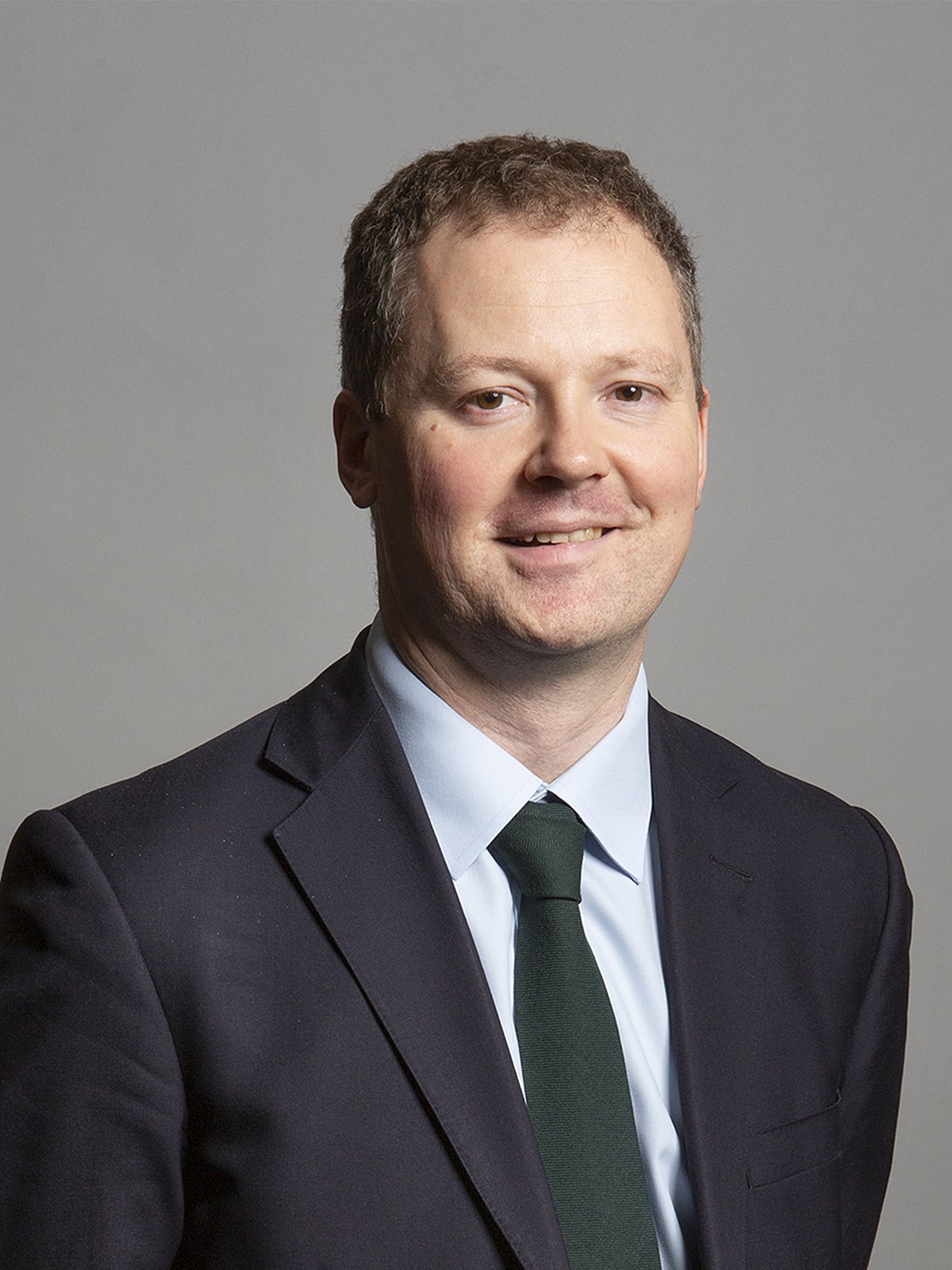
  • Neil O’Brien – 2022 Statement on the Private Parking Code of Practice

    Neil O’Brien – 2022 Statement on the Private Parking Code of Practice

    The statement made by Neil O’Brien, the Parliamentary Under-Secretary of State for Levelling Up, Housing and Local Communities, in the House of Commons on 7 February 2022.

    I am informing the House that the Government are today publishing the Private Parking Code of Practice. This is a key milestone which takes forward the implementation of the Parking (Code of Practice) Act 2019, which was introduced by my right hon. Friend the Member for East Yorkshire (Sir Greg Knight) and supported by the Government.

    The code sets out the requirements that parking operators must follow when enforcing parking restrictions in England, Scotland and Wales. These include a compulsory 10-minute grace period to prevent operators issuing charges for being just a few minutes late, higher standards for signage and surface markings, and a crackdown on the use of aggressive and pseudo-legal language.

    These changes will bring much-needed consistency to the private parking sector, benefiting millions of motorists. It will boost our high streets and town centres by making it easier for people to park near their shops without being unfairly fined.

    Operators will need to make some changes to adhere to the new code. The code will come into force following an implementation period to give the industry time to adapt.

    Parking operators will be expected to fully adhere to the code before 2024, by which time we will have introduced a new single appeals service for motorists to challenge unfair private parking charges. The industry should update their processes and procedures as quickly as possible from today so that motorists can benefit from the new code immediately.

    The code has been produced through extensive consultation with key stakeholders, including consumer and industry representatives, which took place through a steering group appointed by the British Standards Institution. We have published a fuller account of this process in our Private Parking Code of Practice explanatory document, which accompanies the code. This document also explains the provisions of the new code in an accessible manner and assesses the impact of the changes on motorists and the parking industry.

    There were a number of issues relating to the code which the Government consulted on separately, in parallel with the BSI process. This included proposals to bring private parking charges into closer alignment with local authority penalty charge notices.

    Alongside the code, the Government have now also published their response to this further technical consultation on private parking charges, discount rates, debt collection fees and an appeals charter, which ran from July to August 2021.

    After a careful consideration of respondents’ views, the Government have decided to bring private parking charges into closer alignment with the system in local councils. This means that parking charges will be more proportionate to the level of harm caused.

    We are also prohibiting parking operators and debt recovery agencies from levying additional enforcement fees over and above the cost of parking charges.

    We will review these arrangements as part of a more general review of the code within two years of it coming into force.

    The code is part of a wider enforcement framework, which includes a new certification scheme for parking operators, the establishment of a scrutiny and oversight board to monitor the new system and the creation of a single independent appeals service.

    As per our commitment in the Government’s response to our previous Code Enforcement Framework consultation in March 2021, I can now update the House that we have begun a product discovery to inform the design and delivery of the single appeals service. We will finalise the certification scheme for operators and establish the scrutiny and oversight board this spring. In autumn of this year, the conformity assessment bodies will have received their accreditation and will begin to certify parking operators against the code’s new requirements.

    Spring 2022: certification scheme finalised, and scrutiny and oversight board appointed.

    Autumn 2022: conformity assessment bodies (CABs) accredited by United Kingdom Accreditation Service.

    From autumn 2022: all new car parks will conform to the new code.

    End of 2023: Single appeals service appointed and transition period ends. Parking operators must now follow the requirements of the new code of practice.

    We now welcome parliamentary scrutiny of the code of practice. I will return to update the House in future on the further implementation of the code, its wider framework and the single appeals service.
  • Michael Gove – 2022 Statement on Local Government Financing

    Michael Gove – 2022 Statement on Local Government Financing

    The statement made by Michael Gove, the Secretary of State for Levelling Up, in the House of Commons on 7 February 2022.

    Today, I am laying before the House “The Local Government Finance Report (England) 2022 to 2023” and “The Referendums Relating to Council Tax Increases (Principles) (England) Report 2022/23”, which together form the local government finance settlement for local authorities across England for 2022-23.

    Having considered representations made by stakeholders across the country on the provisional settlement announced on 16 December, I am pleased to put before the House a settlement that focuses on stability and certainty. Indeed, no council will see a reduction in core spending power in cash terms for 2022-23 compared to 2021-22. The consultation received 148 representations from organisations, individuals and businesses, which have been diligently considered before finalising the settlement.

    The settlement I have announced today:

    Makes available an additional £3.7 billion for councils, an increase in funding for councils of over 4.5% in real terms for 2022-23. It will ensure councils have the resources they need to continue delivering key services for their communities. Overall, this means up to £54.1 billion of funding will be available for core services;

    Provides a new, one-off grant to support all services delivered by councils worth £822 million;

    Makes available over £1 billion of additional funding specifically for social care; and

    Protects hard-working taxpayers from unfair hikes in rates, with a 2% core threshold and additional flexibilities for certain authorities, including 1% for councils responsible for adult social care services.

    2022/23 Services grant

    Over the spending review period, local government will have access to around £1.6 billion in additional grant per year for the next three years. This includes funding for supporting families and cyber resilience, which will be distributed outside of this settlement.

    I intend to proceed with the creation of a one-off 2022-23 services grant worth £822 million, distributed using the existing settlement funding assessment. This funding will be excluded from any proposed baseline for transitional support in future years.

    Adults and children’s social care

    I recognise that social care, for most councils, continues to be a key priority and therefore an area that incurs increased and sustained cost pressures. This Government remain committed to supporting local government in providing a good quality of care to the most vulnerable.

    This is why I intend to make available an additional £1 billion for social care in 2022-23. This includes putting £636 million more into the social care grant, which includes funding for equalisation against the 1% adult social care precept. The Government are committed to allocating funding in line with our assessment of where relative need is, and that is exactly what equalisation does. We are also providing a £63 million inflationary uplift to the improved Better Care Fund, which supports integrated working with the NHS.

    This, alongside deferred adult social care precept flexibilities of up to 3% from last year’s settlement, forms a package of additional resource, specifically for social care, potentially worth over £1 billion.

    On top of this funding, £162 million in adult social care reform funding will be allocated in 2022-23 to support local authorities as they prepare their markets for adult social care reform and to help move towards paying a fairer cost of care.

    Council tax

    This Government recognise the importance of high-quality local services and believe in empowering local decision makers to shape thriving communities. This includes ensuring they have the flexibility to generate their own income through council tax, while protecting residents from excessive increases.

    This settlement means: a core council tax referendum principle of up to 2%; an adult social care precept of 1% for all authorities responsible for ASC; a principle of up to 2% or £5 for shire district councils, whichever is higher; a referendum principle of £10 for police and crime commissioners; and a £5 referendum principle for the eight lowest-charging fire and rescue authorities. This settlement proposes no other council tax referendum principles for mayoral combined authorities or town and parish councils.

    The Mayor of London has requested flexibility to levy an additional £20 on band D to the Greater London Authority precept to provide extra funding for Transport for London. The Government have expressed ongoing concern about the management of TfL by this Mayor, and it is disappointing that London taxpayers are having to foot the bill for the GLA’s poor governance and decision making. While the Government will not oppose this request, any decision to increase the precept is solely one for the Mayor, who should take into account the pressures that Londoners are currently facing on living costs and his decision to raise council tax by 9.5% last year.

    The Government’s manifesto commits to continuing to protect local taxpayers from excessive council tax increases, and it is for the House of Commons to set an annual threshold at which a council tax referendum is triggered. This is an additional local democratic check and balance to avoid a repeat of what was seen under the last Labour Government when council tax more than doubled.

    This package of referendum principles strikes a fair balance. The council tax referendum provisions are not a cap, and nor do they force councils to set taxes at the threshold level.

    Councillors, mayors, police and crime commissioners, and local councils will rightly want to consider the financial needs of local residents at this challenging point in time, alongside the public’s support for action on keeping our streets safe and providing key services.

    Last week, the Government also confirmed a £150 non-repayable council tax rebate to households in England in bands A to D to help with rising costs. The rebate to bills will be made directly by local authorities to households from April. Local authorities will also have a share of the £144 million discretionary funding that can be used to target additional support at those most in need. Local authorities are best placed to do this, which is why the Government have given this flexibility.

    Stability of funding

    This is a settlement that is designed to provide stability to the sector by rolling over much of last year’s settlement. This includes:

    Increasing the revenue support grant in line with inflation, which means an increase of £70 million;

    Rolling over the current approach to the new homes bonus, worth £556 million;

    Rolling over the current approach to the rural services grant, worth £85 million;

    Maintaining the lower tier services grant, at £111 million, with an updated funding floor; and

    Continuing with the 100% retention authorities in the five devolution deal areas and 67% for Greater London overall.

    Looking ahead, the Government are committed to ensuring that funding allocations for councils are based on an up-to-date assessment of their needs and resources. My officials and I will work closely with local partners and take stock of the challenges and opportunities they face before consulting on any potential funding reform.

    Finally, in recognition of the unique circumstances facing the Isle of Wight Council and its physical separation from the mainland, we are providing an additional £1 million for 2022-23.

    Conclusion

    This settlement is one that makes available an additional £3.7 billion to councils. In total, core spending power is expected to rise from £50.4 billion in 2021-22 to up to £54.1 billion in 2022-23, which will enable local government to continue providing key services to their local residents.

    Councils are the frontline of public services within local communities and are the first port of call for so many people, from delivering critical social care services at every stage of people’s lives, to making sure we have efficient and effective waste services in place. This Government recognise the vital role they play in our society. This is a settlement that recognises that role.

  • Michael Gove – 2022 Comments on Funding Support for Councils

    Michael Gove – 2022 Comments on Funding Support for Councils

    The comments made by Michael Gove, the Secretary of State for Levelling Up, on 8 February 2022.

    Levelling up can only succeed if our local partners have the powers and resources they need to help transform their communities.

    Today’s £54.1 billion settlement represents a real terms increase of more than 4.5% from last year and will make sure councils can improve local services, protect vulnerable people and build back better from the pandemic.

  • Kim Leadbeater – 2022 Comments on the Attack on Keir Starmer

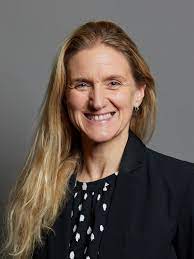
    Kim Leadbeater – 2022 Comments on the Attack on Keir Starmer

    The comments made by Kim Leadbeater, the Labour MP for Batley and Spen, on 8 February 2022.

    I’m incredibly angry and upset by the scenes we saw yesterday. I keep thinking about Keir and David’s families and friends. But these things don’t just happen. Words have consequences, leaders have a duty to behave responsibly & politics is not a game. Our country deserves far better.

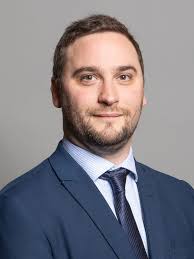
  • Christian Wakeford – 2022 Comments on the Attack on Keir Starmer

    Christian Wakeford – 2022 Comments on the Attack on Keir Starmer

    The comments made by Christian Wakeford, the Labour MP for Bury South, on Twitter on 7 February 2022.

    Language is incredibly important in any debate, fake news like espoused recently leads to abuse we saw today. This absolutely needs to end now.

  • Brendan Cox – 2022 Comments on the Attack on Keir Starmer

    Brendan Cox – 2022 Comments on the Attack on Keir Starmer

    The comments made by Brendan Cox on 7 February 2022.

    Absolutely vile intimidation of Keir Starmer this evening. No politician should have to put up with it. And all politicians have a responsibility not to encourage such thuggery with lazy lies.

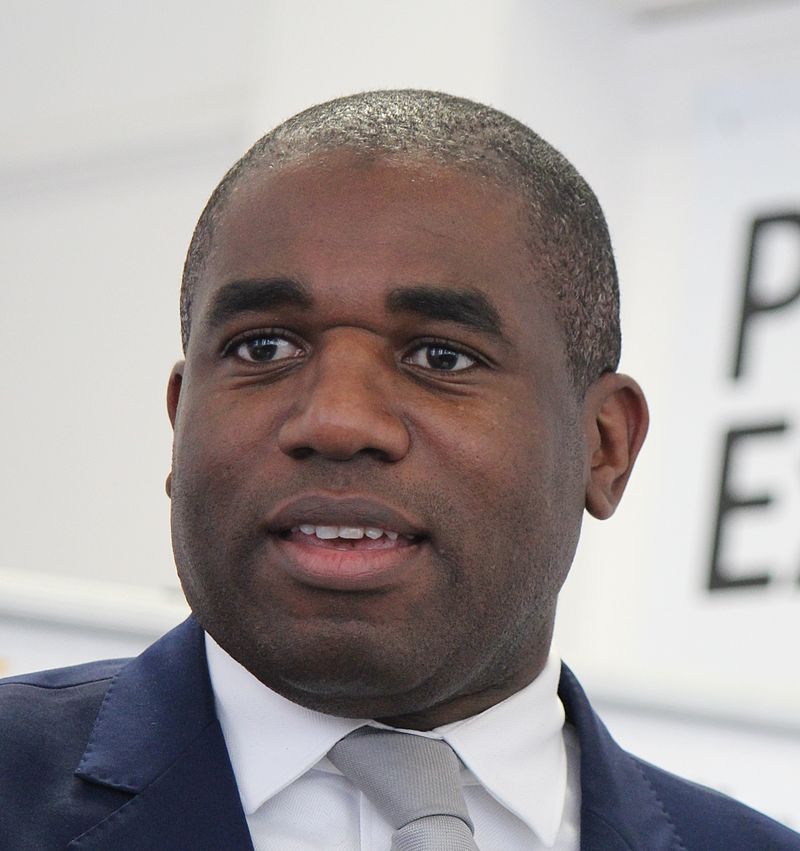
  • David Lammy – 2022 Comments on the Attack on Him and Keir Starmer

    David Lammy – 2022 Comments on the Attack on Him and Keir Starmer

    The comments made by David Lammy, the Shadow Foreign Secretary, on 7 February 2022.

    No surprise the conspiracy theorist thugs who harassed Keir Starmer and I repeated slurs we heard from Boris Johnson last week at the despatch box.

    Intimidation, harassment and lies have no place in our democracy. And they won’t ever stop me doing my job.

  • Guto Harri – 2022 Joke Made by Prime Minister on Taking the Knee

    Guto Harri – 2022 Joke Made by Prime Minister on Taking the Knee

    The comments made by Guto Harri, the Director of Communications to Boris Johnson, on 7 February 2022.

    I walked in, I gave him a salute and said ‘Prime Minister, Guto Harri reporting for duty’ and he stood up from behind his desk and started to salute but then said ‘What am I doing, I should take the knee for you’.

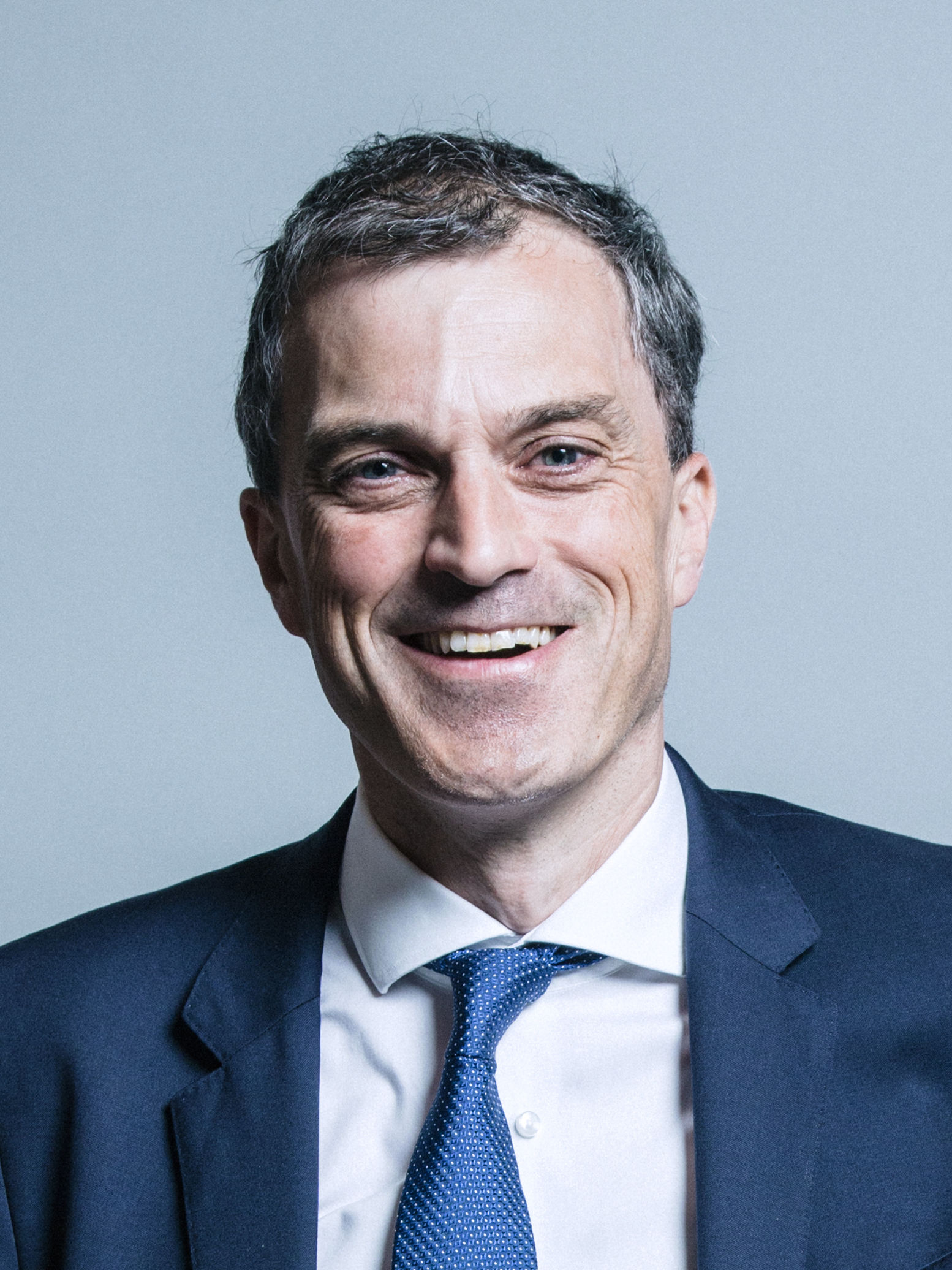
  • Julian Smith – 2022 Comments on the Attack on Keir Starmer

    Julian Smith – 2022 Comments on the Attack on Keir Starmer

    The comments made by Julian Smith, the Conservative MP for Skipton and Ripon, on 7 February 2022.

    What happened to Keir Starmer tonight outside Parliament is appalling. It is really important for our democracy and for his security that the false Savile slurs made against him are withdrawn in full.

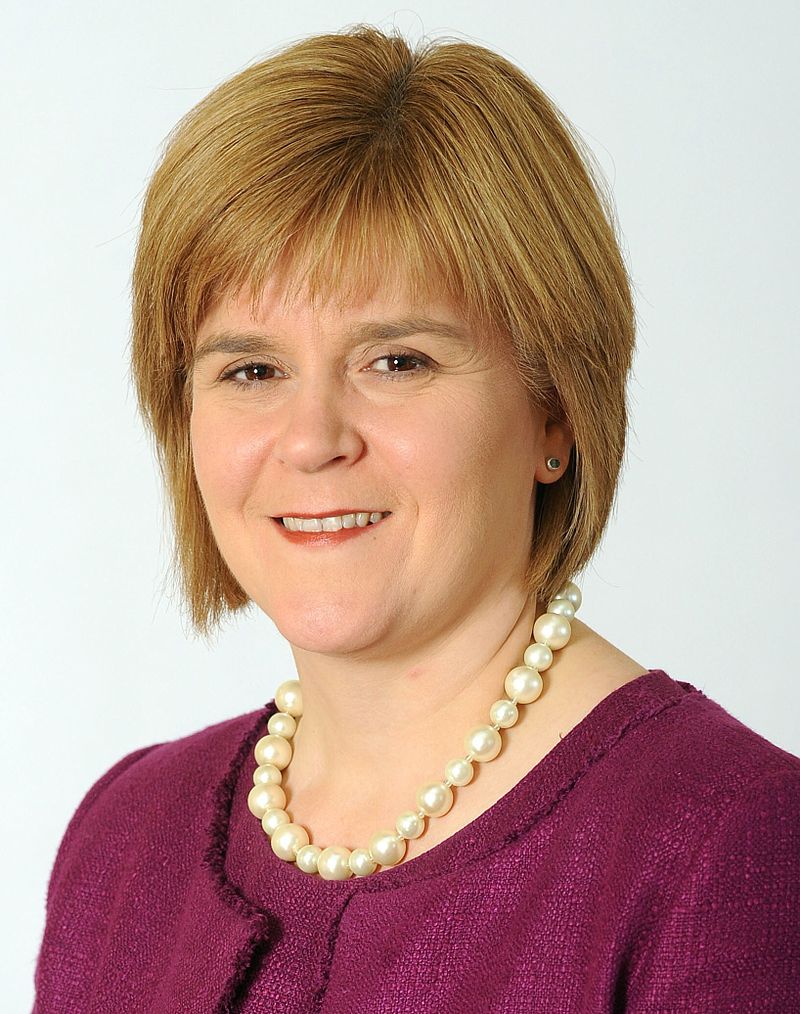
  • Nicola Sturgeon – 2022 Article on Ukraine and Boris Johnson

    Nicola Sturgeon – 2022 Article on Ukraine and Boris Johnson

    The article written by Nicola Sturgeon, the Scottish First Minister, on 2 February 2022.

    The prospect of war in our continent is more than enough to avert our gaze from the latest Whitehall troubles.

    However, a prime minister who has found it so hard to speak the truth throughout his career surprised us all with a hard dose of it when he stood before parliament last week to address the situation in Ukraine, saying: “Ukraine asks for nothing except to be allowed to live in peace and to seek her own alliances, as every sovereign country has a right to do.”

    It was a sentiment echoed by the leader of the opposition, by my own party’s Westminster group leader, Ian Blackford MP, and by every other SNP MP who responded to the statement.

    As someone who has spent my life campaigning for the sovereign right of the people of Scotland to determine our own futures, sovereignty is a principle fundamental to my own worldview. To see such pressures being exerted on a state that has resolutely set itself on a path to integration with the liberal democratic order is unspeakable.

    A Europe split into 19th-century “spheres of influence” is not one in which small independent countries would prosper. The wealthier and more equal the nations of Europe become, the more equitable the relations between them should be. Indeed, the great steps that the likes of Estonia, Latvia and Lithuania have taken in the past 30 years are testament to the invigorating effects of independence in Europe.

    However, my agreement with the prime minister on these principles did not last long: question after question from the floor of the House of Commons brought him back to the issue of Russian funding in the Conservative party, and the continuing existence of “Londongrad”-style influence operations in the UK.

    Meanwhile, as long as the fortunes of Russia’s elites are based abroad, threats of economic sanctions are limp and ineffective.

    The UK’s allies are beginning to take note of the intractability of the problem.

    A report from the Center for American Progress – a thinktank close to the Biden administration – stated last week that “uprooting Kremlin-linked oligarchs will be a challenge given the close ties between Russian money and the United Kingdom’s ruling Conservative party, the press, and its real estate and financial industry”.

    After all, clear mechanisms to crack down on these practices exist.

    My government has long called for Westminster to legislate on the improper use of Scottish limited partnerships – just one favourite instrument of financial exploitation – to ensure that they are no longer used to facilitate the sort of financial corruption that has benefited authoritarians and their wealthy cronies for far too long.

    Corruption and lack of transparency are a drag on liberal democracy, and authoritarians have become adept at using these scandals as a way of saying to people ground down by them that all forms of government are the same, and all politicians are as bad as each other.

    And so I can only call on the prime minister to finally take action. He must recognise that his government and his party have enabled this situation, and he must acknowledge that the most resolute action he can take is at home, to rebuild his government’s tattered reputation.

    To quote the author and journalist Oliver Bullough from his book, Moneyland, which documented so much about the London “laundromat”: “Without trust, liberal democracy cannot function.” And as Bullough wrote more recently about the situation in Ukraine: “No one is more to blame than us for the fact that Russia’s richest can treat war like a spectator sport.”

    And while during such periods the temptation is to focus on individuals in power, this can lead us to forget the role of the competing factions within the Russian security state and the pressures they are exerting on the situation, and it may lead some to forget the pressure this is putting on 40 million Ukrainians – our fellow European citizens – as they go about their daily lives.

    In some ways, this is a reality many have been dealing with since 2014, especially those in Russian-occupied eastern Ukraine.

    So while Ukrainians must and will defend themselves from aggression if attempts at diplomacy fail, we cannot be blind to the circumstances that have led to the current crisis, and that includes the situation where wealth with direct links to the Putin regime has been allowed to proliferate here in the UK with often the scantest regard paid to its provenance or to the influence it seeks to exert on our democracy.