Blog

  • Ed Balls – 2010 Comments on the Government’s Immigration Policy

    Ed Balls – 2010 Comments on the Government’s Immigration Policy

    The comments made by Ed Balls, the then Shadow Home Secretary, on 17 December 2010.

    The government’s immigration policy is in a state of chaos. Their so called cap may have sounded good before the election but it wasn’t properly thought through and didn’t get the scrutiny it deserved. Not only will it do little to control immigration it also risks damaging British businesses. Cutting the number of border officers and staff by nearly a quarter raises serious questions about the security of our borders and whether the government’s policies can be enforced. And David Cameron’s flagship election promise to bring net migration down to the tens of thousands has now been watered down from a firm pledge to just an aim.

  • PRESS RELEASE : John Shakeshaft appointed Museum of the Home Interim Chair

    PRESS RELEASE : John Shakeshaft appointed Museum of the Home Interim Chair

    The press release issued by the Department for Digital, Culture, Media and Sport on 10 August 2022.

    The Secretary of State has appointed John Shakeshaft as Interim Chair of the Museum of the Home, commencing on 15 June 2022 until 30 September 2022.

    John is a merchant banker, former diplomat and international company director. He has significant commercial experience in leading financial strategies, promoting responsible governance as well as acting as a trustee and chair in the Arts and Higher Education.

    He is a trustee of the Institute of Cancer Research, Cardiff University, the Museum of the Home and the LSO Endowment Fund. He holds advisory positions at the Colakoglu Group, the British Academy, Trinity College, Cambridge, Corestone, AG and the Centre for Geopolitics, Cambridge. He was deputy chair of the Council of Cambridge University, a board member of Kinnevik, AB and chair of The Economy Bank, NV. He also served as a director of TT electronics, plc, Tele2 AB, Questair, Inc, Carnegie, AB and three listed investment funds. He was a managing director of Lazard and Baring Brothers.

    This interim appointment has been made in accordance with the Cabinet Office’s Governance Code on Public Appointments. The process is regulated by the Commissioner for Public Appointments. Museum of the Home Trustees are not remunerated.

    The Government’s Governance Code requires that any significant political activity undertaken by an appointee in the last five years is declared. This is defined as holding office, public speaking, making a recordable donation or candidature for election. John Shakeshaft has not declared any activity.

  • PRESS RELEASE : All children aged 1 to 9 in London to be offered a dose of polio vaccine

    PRESS RELEASE : All children aged 1 to 9 in London to be offered a dose of polio vaccine

    The press release issued by the UK Health Security Agency on 10 August 2022.

    Following the discovery of type 2 vaccine-derived poliovirus in sewage in north and east London, the Joint Committee on Vaccination and Immunisation (JCVI) has advised that a targeted inactivated polio vaccine (IPV) booster dose should be offered to all children between the ages of 1 and 9 in all London boroughs.

    This will ensure a high level of protection from paralysis and help reduce further spread of the virus.

    Nationally the overall risk of paralytic polio is considered low because most people are protected from this by vaccination.

    Many countries globally provide an additional dose of polio-containing vaccine as part of their childhood vaccination schedule. The NHS in London will contact parents when it’s their child’s turn to come forward for a booster or catch-up polio dose – parents should take up the offer as soon as possible.

    The programme will start with the areas affected, where the poliovirus has been detected and vaccination rates are low. This will be followed by rapid rollout across all boroughs.

    This booster dose will be in addition to the NHS childhood vaccination catch-up campaign across London, where childhood vaccination uptake is lower than the rest of the country. It’s important all children aged 1 to 9 – even if up to date with their vaccinations – accept this vaccine when offered to further strengthen their protection against the poliovirus.

    Following the findings earlier this year of type 2 poliovirus (PV2) collected from the Beckton sewage treatment works, further upstream sampling undertaken by the UK Health Security Agency (UKHSA) and the Medicines and Healthcare products Regulatory Agency (MHRA) has now identified at least one positive sample of the poliovirus, currently present in parts of the following boroughs:

    Barnet
    Brent
    Camden
    Enfield
    Hackney
    Haringey
    Islington
    Waltham Forest
    The sampling has also detected the virus in lower concentrations and frequency in areas adjacent to the Beckton catchment area to the South (immediately below the Thames) and to the east of Beckton. However, it is not clear whether the virus has established itself in these areas or if the detections are due to people from the affected area visiting these neighbouring areas.

    The level of poliovirus found and the high genetic diversity among the PV2 isolates suggests that there is some level of virus transmission in these boroughs which may extend to the adjacent areas. This suggests that transmission has gone beyond a close network of a few individuals.

    A total of 116 PV2 isolates have been identified in 19 sewage samples collected in London between 8 February and 5 July this year, but most are vaccine-like virus and only a few have sufficient mutations to be classified as vaccine derived poliovirus (VDPV2).

    VDPV2 is of greater concern as it behaves more like naturally occurring ‘wild’ polio and may, on rare occasions, lead to cases of paralysis in unvaccinated individuals.

    UKHSA is working closely with health agencies in New York and Israel alongside the World Health Organisation to investigate the links between the poliovirus detected in London and recent polio incidents in these 2 other countries.

    Dr Vanessa Saliba, Consultant Epidemiologist at UKHSA, said:

    “No cases of polio have been reported and for the majority of the population, who are fully vaccinated, the risk is low. But we know the areas in London where the poliovirus is being transmitted have some of the lowest vaccination rates. This is why the virus is spreading in these communities and puts those residents not fully vaccinated at greater risk.

    Polio is a serious infection that can cause paralysis but nationally the overall risk is considered low because most people are protected by vaccination. The last case of polio in the UK was in 1984, but decades ago before we introduced the polio vaccination programme around 8,000 people would develop paralysis every year.

    It is vital parents ensure their children are fully vaccinated for their age. Following JCVI advice all children aged 1 to 9 years in London need to have a dose of polio vaccine now – whether it’s an extra booster dose or just to catch up with their routine vaccinations. It will ensure a high level of protection from paralysis. This may also help stop the virus spreading further.”

    Jane Clegg, Chief Nurse for the NHS in London said:

    “While the majority of Londoners are protected from polio, the NHS will shortly be contacting parents of eligible children aged 1 to 9 years old to offer them a top-up dose to ensure they have maximum protection from the virus.

    We are already reaching out to parents and carers of children who aren’t up to date with their routine vaccinations, who can book a catch-up appointment with their GP surgery now and for anyone not sure of their child’s vaccination status, they can check their Red Book.”

    UKHSA, working with MHRA, has already increased sewage surveillance to assess the extent of spread of the virus and are currently sampling 8 sites across London.

    A further 15 sites in London will start sewage sampling in mid-August, and 10 to 15 sites will be stood up nationally to determine if poliovirus is spreading outside of London.

  • PRESS RELEASE : Vice Admiral Sir Chris Gardner KBE appointed as new SDA Chief Executive Officer

    PRESS RELEASE : Vice Admiral Sir Chris Gardner KBE appointed as new SDA Chief Executive Officer

    The press release issued by the Ministry of Defence on 10 August 2022.

    The Prime Minister has approved the appointment of Vice Admiral Sir Chris Gardner KBE as the new CEO of the Submarine Delivery Agency (SDA).

    Vice Admiral Sir Chris Gardner KBE will replace Ian Booth, whose five-year appointment as CEO of the SDA comes to an end on 3 September 2022.

    The SDA is an executive agency of the Ministry of Defence (MOD), and was established in April 2018 to manage the procurement, in-service support, and disposal of UK nuclear submarines.

    Vice Admiral Sir Chris will take on this vital role within defence and ensure the SDA continues to provide support to the Defence Nuclear Enterprise and Continuous At Sea Deterrent by safely delivering available, capable and reliable in-service submarines and systems.

    On behalf of Director General Nuclear and the First Sea Lord, the SDA CEO will lead the day-to-day support and maintenance operations of Trafalgar, Astute and Vanguard Class submarines; and lead the design and construction of all new UK submarines including the Astute Class, the Dreadnought Class and the development of the next generation attack submarine concept.

    Incoming CEO of the SDA Vice Admiral Sir Chris Gardner KBE said:

    “I am delighted and honoured to have been appointed as the new CEO of the SDA. I am looking forward to working with my new team on this area of vital Defence interest and continuing to deliver for the Royal Navy. Best of all, I am really looking forward to returning to my submarine roots.”

    Vice Admiral Sir Chris started his career as a Royal Navy Logistics Officer, before taking on various roles, including the Military Assistant to Director General Fleet Support and the Commander Logistics on HMS ARK ROYAL.

    After reaching the rank of Commodore, he became the Head of Capability Improvement in the MOD and was promoted to Vice Admiral in 2019 where he was appointed as Defence Equipment and Support’s Royal Navy lead for the acquisition and in-service support of the surface fleet.

    Director General Defence Nuclear Vanessa Nicholls said:

    “I am delighted to welcome Vice Admiral Sir Chris Gardner KBE to the Defence Nuclear Enterprise as the new CEO of the SDA. He brings a wealth of operational experience to the role at a pivotal time for the UK Submarine Programme. I look forward to working with him.”

    Competition for Vice Admiral Sir Chris’ position was held earlier in the year. As with all senior Civil Service appointments, fair and open competition was ensured, with recruitment of the role being overseen by the Civil Service Commissioner.


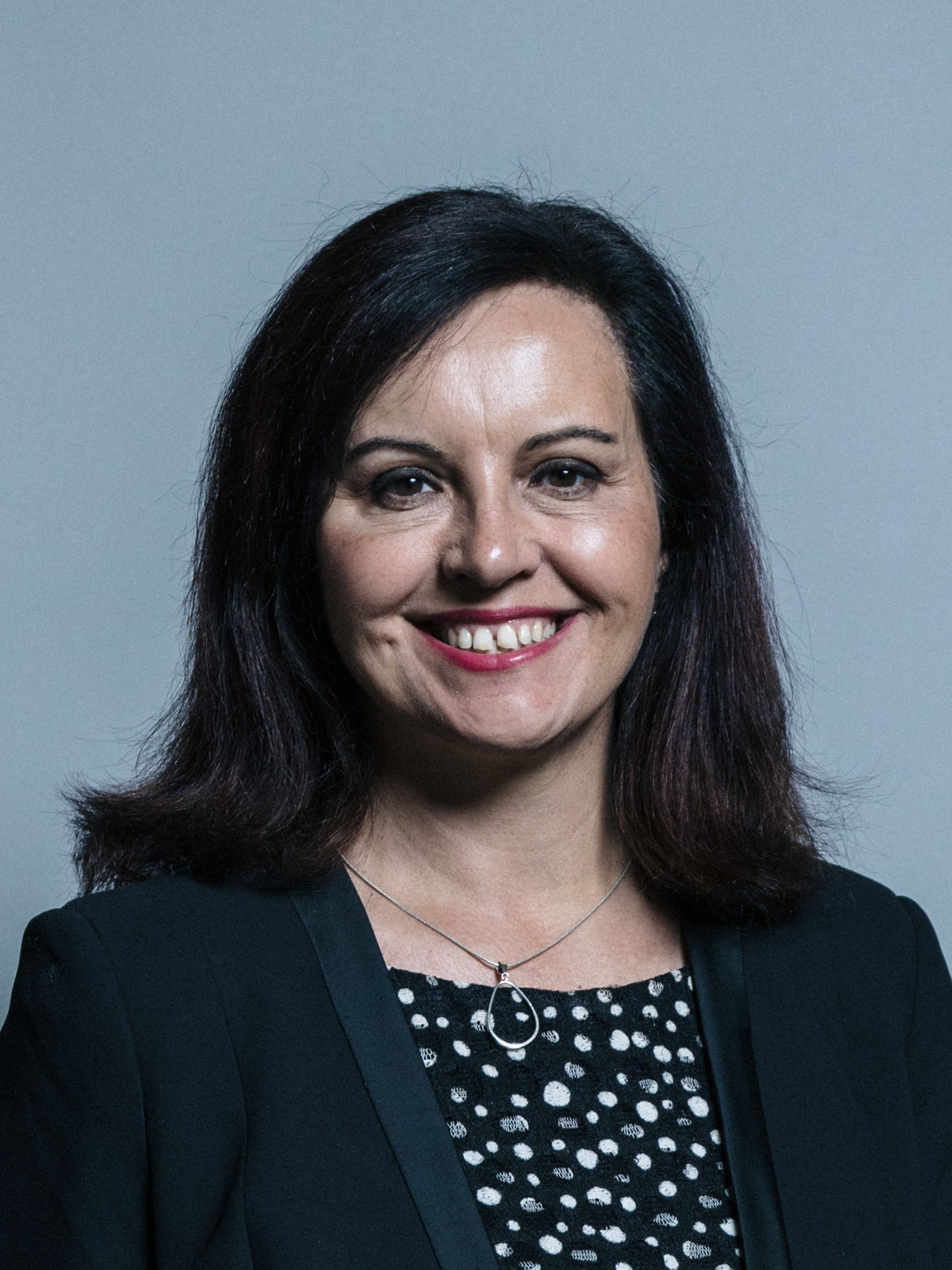
  • Caroline Flint – 2010 Comments on Unequal Financial Support for Councils

    Caroline Flint – 2010 Comments on Unequal Financial Support for Councils

    The comments made by Caroline Flint, the then Shadow Communities and Local Government Secretary, on 20 December 2010. The text in bold is from the Labour Party’s press release.

    [Sheffield hit four times as hard as Cameron’s Witney

    Caroline Flint MP, Labour’s Shadow Communities and Local Government Secretary, has responded to House of Commons figures revealing that the most deprived councils in England will see a fall in revenue spending power in 2011/12 on average nearly four times as big as the least deprived councils.

    Meanwhile, Labour Party analysis shows Tory Cabinet Ministers’ constituencies getting off lighter than many other areas, including those of their Lib Dem colleagues.

    Nick Clegg’s Sheffield council will suffer a cut of 8.4% whereas David Cameron’s Witney constituents living in Oxfordshire County Council will get off with only a 1.9% reduction. Oliver Letwin’s Dorset County Council will even see its central government support rise.]

    These figures confirm what many feared – we’re not all in this together. While Sheffield council taxpayers will see their council lose eight percent of its central government support, Tory Cabinet ministers’ areas are getting off much lighter.

    The Tory-Lib Dem Government has chosen to hit the poorest councils hardest, with average cuts for the most deprived communities four times bigger than those in the better off areas. In some cases, the cuts are nearly nine times as big.

    That’s unfair and it shows just how out of touch this Government is with ordinary people.

    Eric Pickles must now explain why the hardest pressed towns and cities up and down the country are faced with spending cuts substantially greater than the best off areas.

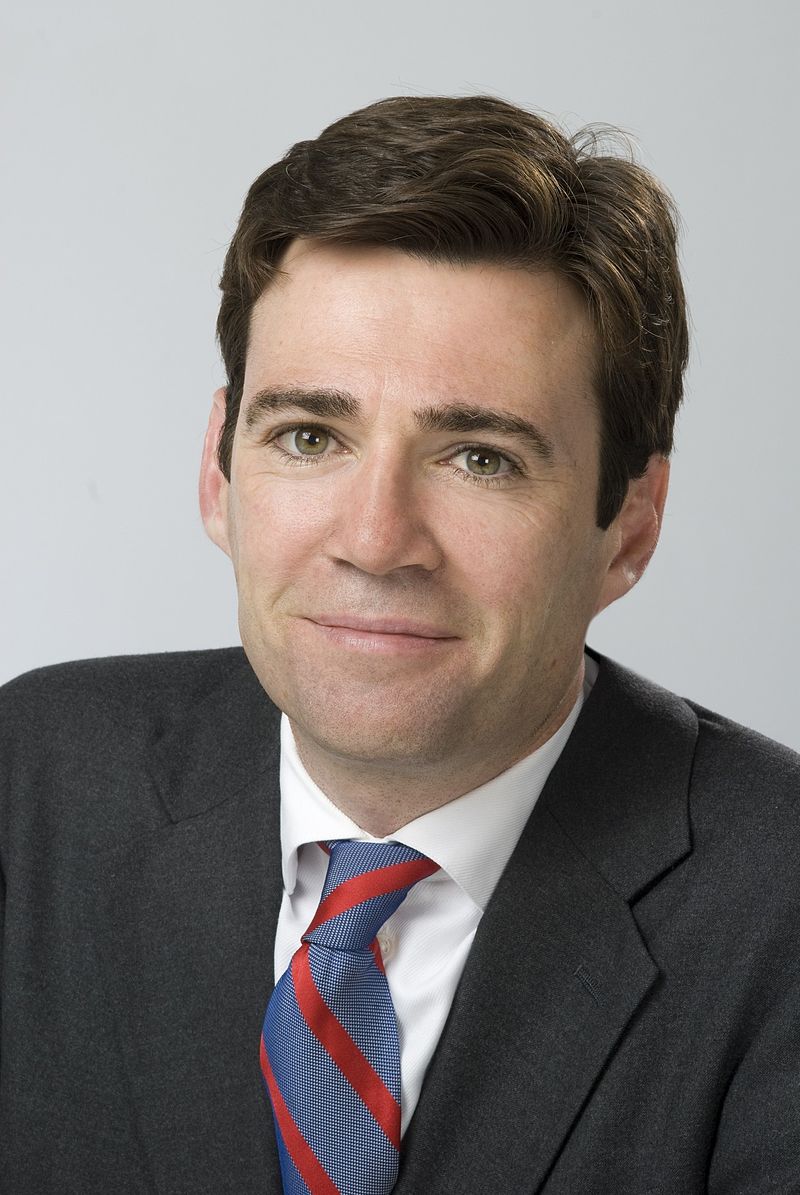
  • Andy Burnham – 2010 Comments on David Cameron’s Policy on School Sports

    Andy Burnham – 2010 Comments on David Cameron’s Policy on School Sports

    The comments made by Andy Burnham, the then Shadow Education Secretary, on 20 December 2010.

    David Cameron and Michael Gove have spent weeks seeking to justify a bad decision with dodgy statistics. Gove’s overruling by the Prime Minister is a victory for thousands of young people, teachers and athletes, and is a warning to this Tory-led Government that it cannot simply do what it likes. But this package from the Conservative-led Government, after weeks of scrabbling round for funding to save something it branded a “complete failure”, only raises one cheer at best.

    So today, in conceding the success of Labour’s School Sports Partnerships, the Government has nevertheless failed to put in place a proper funding package that will allow us to capitalise on the excitement of the 2012 Games. We are still looking at the prospect of fewer children playing sport in the run up to the Olympics, and no answer on what will happen to school sport following the Games.

  • Paul Stephenson – 2011 Resignation Statement from the Met Police

    Paul Stephenson – 2011 Resignation Statement from the Met Police

    The statement made by Sir Paul Stephenson, the then Commissioner of the Metropolitan Police Service, on 17 July 2011.

    I have this afternoon informed the Palace, Home Secretary and the Mayor of my intention to resign as Commissioner of the Metropolitan Police Service.

    I have taken this decision as a consequence of the ongoing speculation and accusations relating to the Met’s links with News International at a senior level and in particular in relation to Mr Neil Wallis who as you know was arrested in connection with Operation Weeting last week.

    Firstly, I want to say what an enormous privilege it has been for me to lead this great organisation that is the Met. The recent example of the heroism and bravery of Met officers in chasing armed suspects, involving the shooting of one of my officers, is typical; but is in danger of being eclipsed by the ongoing debate about relationships between senior officers and the media. This can never be right.

    Crime levels in the Met are at a ten year low. You have seen the Met at its glorious and unobtrusive best on the occasion of the royal wedding; the professional and restrained approach to unexpected levels of violence in recent student demonstrations; the vital ongoing work to secure the safety of the capital from terrorism; the reductions in homicide; and continuing increased levels of confidence as the jewel in our crown of Safer Neighbourhoods Teams serve the needs of Londoners.

    I am deeply proud of the achievements of the Met since I became Commissioner.

    Let me turn to phone hacking and my relationship with Neil Wallis. I want to put the record straight.

    I met Mr Wallis in 2006. The purpose of that meeting was, as with other journalists, to represent the context of policing and to better inform the public debate carried out through the media on policing issues.

    I had no knowledge of, or involvement in, the original investigation into phone hacking in 2006 that successfully led to the conviction and imprisonment of two men. I had no reason to believe this was anything other than a successful investigation. I was unaware that there were any other documents in our possession of the nature that have now emerged.

    I have acknowledged the statement by John Yates that if he had known then what he knows now he would have made different decisions.

    My relationship with Mr Wallis continued over the following years and the frequency of our meetings is a matter of public record. The record clearly accords with my description of the relationship as one maintained for professional purposes and an acquaintance.

    In 2009 the Met entered into a contractual arrangement with Neil Wallis, terminating in 2010. I played no role in the letting or management of that contract.

    I have heard suggestions that we must have suspected the alleged involvement of Mr Wallis in phone hacking. Let me say unequivocally that I did not and had no reason to have done so. I do not occupy a position in the world of journalism; I had no knowledge of the extent of this disgraceful practice and the repugnant nature of the selection of victims that is now emerging; nor of its apparent reach into senior levels. I saw senior figures from News International providing evidence that the misbehaviour was confined to a rogue few and not known about at the top.

    One can only wonder about the motives of those within the newspaper industry or beyond, who now claim that they did know but kept quiet. Though mine and the Met’s current severe discomfort is a consequence of those few that did speak out, I am grateful to them for doing so, giving us the opportunity to right the wrong done to victims – and here I think most of those especially vulnerable people who deserved so much better from us all.

    Now let me turn to the suspicion that the contractual relationship with Mr Wallis was somehow kept secret. The contracting of Mr Wallis only became of relevance when his name became linked with the new investigation into phone hacking. I recognise that the interests of transparency might have made earlier disclosure of this information desirable. However my priority, despite the embarrassment it might cause, has been to maintain the integrity of Operation Weeting. To make it public would have immediately tainted him and potentially compromised any future Operation Weeting action.

    Now let me turn to the reported displeasure of the Prime Minister and the Home Secretary of the relationship with Mr Wallis.

    The reasons for not having told them are two fold. Firstly, I repeat my earlier comments of having at the time no reason for considering the contractual relationship to be a matter of concern. Unlike Mr Coulson, Mr Wallis had not resigned from News of the World or, to the best of my knowledge been in any way associated with the original phone hacking investigation.

    Secondly, once Mr Wallis’s name did become associated with Operation Weeting, I did not want to compromise the Prime Minister in any way by revealing or discussing a potential suspect who clearly had a close relationship with Mr Coulson. I am aware of the many political exchanges in relation to Mr Coulson’s previous employment – I believe it would have been extraordinarily clumsy of me to have exposed the Prime Minister, or by association the Home Secretary, to any accusation, however unfair, as a consequence of them being in possession of operational information in this regard. Similarly, the Mayor. Because of the individuals involved, their positions and relationships, these were I believe unique circumstances.

    Consequently, we informed the Chair of the MPA, Mr Malthouse, of the Met’s contractual arrangements with Mr Wallis on the morning of the latter’s arrest. It is our practice not to release the names of suspects under arrest, making it difficult to make public details of the arrangements prior to Mr Wallis’s release the same day. The timing of the MPA Committee that I appeared before at 2pm that day was most unfortunate.

    Now let me briefly deal with the recent story in relation to my use of Champney’s facilities. There has been no impropriety and I am extremely happy with what I did and the reasons for it – to do everything possible to return to running the Met full time, significantly ahead of medical, family and friends’ advice. The attempt to represent this in a negative way is both cynical and disappointing.

    I thought it necessary to provide this lengthy and detailed account of my position on aspects of the current media questions and speculation concerning my conduct. I do this to provide the backcloth to the main purpose of this statement.

    There are a great number of things I value as part of my professional life – very high in this list are my reputation for judgement and integrity.

    On judgement: running a large and overwhelmingly successful organisation like the Met must be dependent to a great extent on others providing the right information and assurances. I could reiterate that I had no reason to doubt the original investigation into phone hacking or be aware of the documents and information in our possession and only recently provided by News International. I could point to the many other successes of the Met. I could point to the long history of how and why the relationship between the Met and media has developed a way of doing business that has brought real benefits but perhaps runs the risk of misinterpretation or worse. In this particular regard it is clear to me that the current furore marks a point in time, a need to learn and change.

    However, as Commissioner I carry ultimate responsibility for the position we find ourselves in. With hindsight, I wish we had judged some matters involved in this affair differently. I didn’t and that’s it.

    I do not believe this on its own would be a matter for me to consider my position as Commissioner.

    However, the issue of my integrity is different. Let me state clearly, I and the people who know me know that my integrity is completely intact. I may wish we had done some things differently, but I will not lose sleep over my personal integrity.

    Nevertheless, I must accept that the intense media coverage, questions, commentary and indeed allegations, as demonstrated by this weekend’s attempt to misrepresent my arrangements for my recovery from illness, not only provide excessive distraction both for myself and colleagues, but are likely to continue for some time. In particular the Public Inquiry must take time, with even the first part scheduled not to report within a year. A year in which the Met must face not only the enormous challenges that are the staple diet of this incredible organisation, but also the Olympics.

    This is not a 12 months that can afford any doubts about the Commissioner of the Met, I have seen at first hand the distractions for this organisation when the story becomes about the leaders as opposed to what we do as a service. I was always clear that I would never allow that. We the Met cannot afford this – not this year.

    If I stayed I know that the Inquiry outcomes would reaffirm my personal integrity. But time is short before we face the enormous challenge of policing the Olympics – this is not the time for ongoing speculation about the security of the position of the Commissioner. Even a small chance that that there could be a change of leadership must be avoided.

    Therefore, although I have received continued personal support from both the Home Secretary and the Mayor, I have with great sadness informed both of my intention to resign. This will allow time for the appointment of my successor and for that person to take a firm hold of the helm of this great organisation and steer it through the great challenges and necessary change ahead, unencumbered by the current controversy. I will miss many things, but most of all it will be the overwhelming majority of honest, hard working professionals who it has been such a great pleasure to lead.


  • Ed Balls – 2010 Comments on Proposed Cuts to the Met Police

    Ed Balls – 2010 Comments on Proposed Cuts to the Met Police

    The comments made by Ed Balls, the then Shadow Home Secretary, on 22 December 2010.

    Sir Paul [Stephenson, Metropolitan Police Commissioner] is absolutely right to air his concerns about the funding cuts and unprecedented challenges the Metropolitan Police faces. Like police chiefs across the country Sir Paul has been put in an impossible position by a Conservative Home Secretary who failed to fight the corner of the police in the spending review.

    House of Commons Library figures show that the Met faces a real terms cut in government funding of over £330m in just two years. That’s a cut of over 15 per cent – most of which is in the year of the Olympics – and with more cuts to come in the two years after that.

    Ramming through cuts to policing of this speed and scale at a time of rising public protest on our streets, an ongoing terror threat and the security challenge of the 2012 Olympics is a reckless and dangerous gamble by this Conservative led government. It will undermine the fight against crime across the capital and take unnecessary risks with national security and the safety of our communities.

    It’s time the Conservative Home Secretary Theresa May and the Conservative Mayor of London Boris Johnson started standing up for our police.

  • Douglas Alexander – 2010 Comments on Liberal Democrats and Welfare Policies

    Douglas Alexander – 2010 Comments on Liberal Democrats and Welfare Policies

    The comments made by Douglas Alexander, the then Shadow Work and Pensions Secretary, on 23 December 2010.

    I have written today to Lib Dem ministers offering immediate talks in the New Year on Privy Council terms to work together to make the government’s welfare policies fairer.

    David Cameron’s own ministers are now on record as saying his plans for child benefit are unfair and ill thought through. And his Business Secretary thinks policies are being rushed and not properly implemented.

    Working together we can change complaints expressed in private into public policy changes.

    We have little time to waste as next month the government is bringing forward a welfare bill so I’m offering immediate talks in New Year.

  • Ivan Lewis – 2010 Comments on Chris Patten Chairing the BBC Trust

    Ivan Lewis – 2010 Comments on Chris Patten Chairing the BBC Trust

    The comments made by Ivan Lewis, the then Shadow Culture, Media and Sport Secretary, on 23 December 2010.

    We note the rumours which are circulating about favoured candidates for the chairmanship of the BBC Trust.

    At a time when the independence of the BBC is threatened by the ill concealed hostility of David Cameron and Jeremy Hunt, it is essential that the new chairman is above accusations of political bias.

    If the Conservative led government is serious about new politics, no appointment should be confirmed until the favoured candidate is scrutinised by the DCMS Select Committee.