Blog

  • Alex Davies-Jones – 2022 Speech on an Early General Election

    Alex Davies-Jones – 2022 Speech on an Early General Election

    The speech made by Alex Davies-Jones, the Labour MP for Pontypridd, in the House of Commons on 17 October 2022.

    It is an honour to speak with you in the Chair, Mr Mundell. I believe that I was the first Member to call for a general election this side of the summer, in the Chamber during Prime Minister’s questions on 7 September. It is therefore a great privilege to build on that premonition by contributing to today’s debate and fully outlining the reasons why a general election is now the only possible way forward.

    Almost 1,000 of my constituents have signed this petition calling for change. Although it was originally set up before the new Prime Minister was even in post, the astonishing scenes this afternoon, with the Chancellor’s stunning reversal of virtually all the Prime Minister’s economic policies, make the wording of the petition more relevant than ever. It rightly notes:

    “The chaos engulfing the UK government is unprecedented.”

    I don’t know about you, Mr Mundell, but I am sick of living in unprecedented times.

    The petition was written before the disastrous events of the Prime Minister’s mini-Budget had even taken place. Make no mistake: the Government are now in even deeper chaos. We are not yet six weeks into the new leadership and a new Cabinet, and collective responsibility has all but disintegrated. Cabinet members are openly briefing against their own leader’s policies in newspaper op-eds, and today, in perhaps the final nail in the coffin, her new Chancellor has completely demolished the ideology of her economic project. Her flagship cut to the basic rate of income tax—gone. Cuts to the dividend tax—abandoned. VAT-free shopping—scrapped. Shamefully, the Government have also chosen to water down their hugely important scheme to cap skyrocketing energy costs for families, which may have actually done some good for constituents, including mine in Pontypridd.

    The Government are divided and fractured, and talk of changing to a third Tory Prime Minister in a single year would make a laughing stock of our democracy. The damage is already done. All of us in this place know the truth. The British people know the truth. It is only the Government who are turning a blind eye while the economy continues to spiral out of control. Overnight, people’s pension funds vanished, mortgages skyrocketed and our country was pushed even further into an economic and political crisis of the Government’s own making. This is unprecedented Government incompetence.

    Countless residents in Pontypridd and Taff Ely have contacted me to say that they are genuinely worried about surviving the winter because they simply cannot afford to turn on the heating. That is the reality of this crisis: lives are at risk this winter. Is that not a disgraceful indictment of the Government’s failings? It is because of the astonishing fiscal incompetence that I called for a general election during PMQs in September. We need a general election because changing the figurehead at the top of the party is just not enough. As I said in September, I know that residents in my area will never forget that the Prime Minister played a key role in a Government that failed millions.

    The governing party in this country is at absolute war with itself and has lost the respect of the British public. For the new Tory Chancellor—the fourth in as many months—to feel compelled to urgently address this House to fully overhaul the Prime Minister’s disastrous mini-Budget shows just how panicked the Tory party is. The Tories have completely destroyed their own credibility, and they know it.

    However, it is about not just the incompetence we have seen during the energy crisis, but 12 years of failed Tory rule. The historic failure of this Government to invest sufficiently in renewables and nuclear has exacerbated the energy crisis; the historic failure of this Government to wean our financial systems off of Russian oligarch money has left us internationally exposed to Putin’s posturing as he tries to weaken the west’s resolve; the historic failure of this Government to stimulate any kind of real economic growth in the past 12 years has left our economy weaker and more vulnerable than ever before. Make no mistake: the Tory party is currently the biggest threat to the financial security of thousands of families in my constituency and across the whole United Kingdom.

    As the approval ratings of this doomed Prime Minister reach new depths every single day—or hour—I do not think that we have ever had a Government who have failed so spectacularly to command the confidence of their own party, let alone the country. Even worse, the UK Government seem to have forgotten that the decisions made in Westminster have a real impact on local communities across the country. I have genuine concerns that local authorities across the UK, which provide vital services to residents, are feeling the impact of every single U-turn by this Government.

    In my constituency, Rhondda Cynon Taf County Borough Council is doing as much as it can with extremely limited resources, but more devastating tax cuts and shamefully low levels of investment are putting councils like mine under more pressure than ever before. Shamefully, it is our communities’ most vulnerable residents who depend on those services and will suffer the most when the Tories refuse to act. It is not just about their fiscal incompetence; across the board, sectors that have been crying out for Government action for years have been completely disregarded by a Government who have clearly lost interest in governing. Where is the desperately needed gambling review, which we were promised all the way back in December 2020? Where is the long-awaited and long-overdue Online Safety Bill, which this House needs to change lives for the better? Finally, do not get me started on the Government’s complete disregard for the safety of all people in the UK.

    It is clear to me—and increasingly to the Government’s own MPs—that the only way out of this mess is through a general election. Bring it on. Let us have this general election and turn the page on Tory incompetence for good; let the people decide.

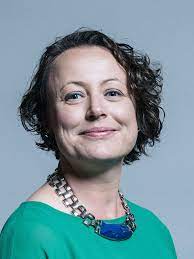
  • Catherine McKinnell – 2022 Speech on an Early General Election

    Catherine McKinnell – 2022 Speech on an Early General Election

    The speech made by Catherine McKinnell, the Labour MP for Newcastle upon Tyne North, in Westminster Hall, the House of Commons on 17 October 2022.

    I beg to move,

    That this House has considered e-petition 619781, relating to an early general election.

    The petition calls for an immediate general election to end the chaos of the current Government. It is an honour to serve under your chairmanship, Mr Mundell.

    As we gather in Westminster Hall this afternoon, the drama of the current Government is once again playing out in the Chamber and on the news channels. Many Members are keen to question the Prime Minister, who has failed to come to Parliament to account for events, and a Chancellor who was appointed by the Prime Minister just last week to try to sort out the utter chaos. I am sure many more Members would be here to speak if there were not such an important clash with business in the House.

    I am particularly disappointed that there are no Government Members here to speak for the petitioners, who would like to hear not only Opposition views on the petition but Government Members’ views. It is no wonder that the petition, which is still open, has been signed by more than 632,000 petitioners—the number is going up as we speak, by about 1,000 signatures an hour. The numbers make this one of the most popular petitions considered by the Petitions Committee to date. As its Chair, I am pleased to have the opportunity to speak on behalf of the petitioners and pretty much anyone I have spoken to in the last few days, weeks and months about the state of the country.

    The petition is clear in its demand. It states:

    “Call an immediate general election to end the chaos of the current government…so that the people can decide who should lead us through the unprecedented crises threatening the UK.”

    It goes on to explain:

    “The chaos engulfing the UK government is unprecedented. Over 40 ministers resigned leaving departments without leadership during cost of living, energy and climate crises. War rages in Ukraine; the Northern Ireland Protocol has further damaged our relationship with Europe; recession looms; the UK itself may cease to exist as Scotland seeks independence. This is the greatest set of challenges we have seen in our lifetimes. Let the people decide who leads us through this turmoil.”

    I pay tribute to Darrin Charlesworth, who set up the petition. Little did he know, I suspect, that the chaos that led him to start the petition would develop further into the mini-Budget U-turns, the market turmoil, the sacking of the now ex-Chancellor and the extraordinary scenes we saw this morning of the new Chancellor reversing the entire platform that the Prime Minister stood on. Perhaps he had the foresight to see how much worse it could get. There were plenty of warnings and, sadly, it is not over.

    The scenario facing us when the petition was started was the horror of Russia’s illegal invasion of Ukraine, inflation reaching a 40-year high, unaffordable fuel bills, record backlogs in our NHS and a looming winter of struggle ahead. Unfortunately, weeks on, with a new Prime Minister and now a second Chancellor, things have only got worse.

    Those who signed the petition were expressing their frustration at a governing party spending a summer focused inwards, choosing themselves a new leader, rather than dealing with these multiple crises. Rather than speaking to and engaging with the country and setting out a vision of what they should expect from a new Prime Minister, those of us outside the Conservative party—99.7% of us—were left looking on, with no input into the process and precious little scrutiny, as planned televised interviews on the BBC and Channel 4 were cancelled. It was far removed from the scrutiny of an agenda for government that would happen in a general election campaign. After recent events, particularly this morning, we can see why such scrutiny matters.

    We live in a parliamentary democracy. It is not the first time that a Prime Minister has changed during an election cycle, but we are now on to the fourth Conservative Prime Minister in little over six years. The last three were replaced not by the electorate, but by Conservative MPs and members. That is frustrating for the public, who have no say in who their Prime Minister is or in their programme for government.

    The real boost to the number of signatories to the petition came once the new Prime Minister had been chosen. Concern was heightened by the fact that she received the backing of only 31% of her own MPs in the final ballot. By comparison, in 2019, the right hon. Member for Uxbridge and South Ruislip (Boris Johnson) received 51% of votes in the final ballot, and in 2016, the right hon. Member for Maidenhead (Mrs May) received 60%. It did not end well for them, so is a Prime Minister with less support among her parliamentary party destined to fare any better? In the light of recent events, clearly not.

    Most of the policy proposals that were set out in the Prime Minister’s leadership campaign and hastily enacted in the disastrous mini-Budget had no mandate whatsoever. The 632,000-plus people who signed the petition represent nearly eight times the number who voted for our current Prime Minister. Some may ask, “Why does that matter? The Prime Minister won under rules set by the Conservative party, which is currently the largest party in Parliament.”

    This is not without precedent: in 1976, when Harold Wilson announced his resignation at Prime Minister’s questions, the then Leader of the Opposition asked if there would be an election. She said:

    “In spite of the political battles, we wish the Prime Minister well, personally, in his retirement. His decision has come at a time of great financial difficulty and of unprecedented parliamentary events. Is he aware that the best way to resolve the uncertainty and to give the new Prime Minister the authority re-required would be to put the matter to the people for their vote?”—[Official Report, 16 March 1976; Vol. 907, c. 1123.]

    I do not often find myself agreeing with the late Margaret Thatcher, but on that point I—and the petitioners—do. Lady Thatcher was not wrong about lack of authority; we are seeing its consequences unfolding before our eyes. Weeks into office, any semblance of authority that our Prime Minister may have had has been shattered, along with confidence in her and in this Government’s ability to govern. Over the weekend, one of the Government’s own MPs described her as being like “the chairman” while her new Chancellor would act as “the chief executive”—they were not even trying to hide the fact that she is in office but not in power.

    Then, there is the mini-Budget. The then Chancellor, the right hon. Member for Spelthorne (Kwasi Kwarteng), proclaimed that he wanted to “bet big” on the British economy. We have seen just how reckless that was. The question remains: who gave the then Chancellor and the Prime Minister permission to gamble in such a way with our public finances, bypassing the checks and balances that go with such a fiscal event, including the growth forecasts and spending commitments calculated by the independent Office for Budget Responsibility? How on earth was that allowed to happen? Not even the 81,326 Conservative party members who voted for the Prime Minister gave their permission for it.

    The Institute for Fiscal Studies warned that the mini-Budget contained:

    “the biggest package of tax cuts in 50 years without even a semblance of an effort to make the public finance numbers add up.”

    The National Institute of Economic and Social Research said that the uncertainty caused by the fiscal event was directly pushing up longer-term borrowing costs. The Government lacked the mandate to make those disastrous changes, and they still lack the mandate to try to clean them up. Although the package has now been scrapped, the damage to the UK will be long lasting: higher borrowing costs, higher mortgage rates and damage to our reputation for years to come. This will never be forgotten.

    Many are rightly asking, “What is the point of this Government now that their showpiece policies—all rainbows and unicorns—which they spent the summer waxing lyrical about, landed calamitously and were swiftly withdrawn the moment they met reality?”. When Downing Street cannot govern, it is incapable of stepping up to the significant and pressing challenges our country faces. We desperately need a Government who can.

    What is left of the Government’s programme? Although the Budget has been reversed, we still have fracking. Despite the Conservatives’ own 2019 manifesto pledge that they

    “will not support fracking unless the science shows categorically that it can be done safely”

    and the fact it is a policy that few can support, the Government are seemingly still intent on lifting the ban on fracking licences without any consultation, assurances on safety or local planning considerations.

    Then there is the current debate around benefits uprating. The right hon. Member for Richmond (Yorks) (Rishi Sunak)—three Chancellors ago, remarkably—promised that benefits would be uprated in line with inflation, but the current Prime Minister has not confirmed whether that will be the case. Concerns have been heightened by commitments made on pensions but not on the uprating of benefits. Working parents, disabled people and the poorest pensioners are already being hit by the skyrocketing cost of living. The Government have no mandate for inflicting unconscionable misery on the poorest in our society. I know that many Government Members feel the same.

    Without a mandate, Government MPs will find it even harder to justify the lifting of the cap on bankers’ bonuses at the same time as the poorest are set to be punished. Indeed, the lifting of that cap is one of the only other measures in the mini-Budget that is left.

    Today marks the United Nations International Day for the Eradication of Poverty and the start of Challenge Poverty Week. Some 41% of babies, children and young people are growing up in households in receipt of universal credit or legacy benefits; that figure is 52% in my region of the north-east. The failure to uprate benefits with inflation will have a devastating impact on those households, compounding the already shocking levels of child poverty in the UK.

    Where is the mandate from the public for this Government to preside over the poorest in our country being made poorer and increasing numbers of children growing up in poverty? Where is the democratic accountability for a Government that have no mandate for the policies they seek to pursue? Why should anyone trust this Government to clean up the mess they have made in the past few weeks? Would we ask a person who started a fire in our house to be responsible for putting it out? Of course not.

    Far from a fresh Administration buzzing with new ideas, we have a tired, worn-out and weak Administration, going round in circles and damaging our reputation at home and abroad. The spectacle of our great country being led by Government MPs desperately clinging to power and trying to distance themselves from the past 12 years is embarrassing to watch.

    The petitioners have very clear asks: for there to be an end to the chaos engulfing the Government and our country, and for the people to have the chance to decide who should lead us going forward. Will the Minister say how the public can have confidence in the competence of a Government that just days into office took such a reckless, irresponsible gamble with the public finances? After being forced to abandon her entire policy platform just weeks into office and sack her Chancellor, what authority does the Prime Minister now have? When will people on the lowest incomes have confirmation that benefits will be uprated with inflation, as promised by the Government only weeks ago? How can the country have faith in anything the Government say when, over the past few weeks, they have backtracked on most of their promises and appear set to do so again, after warning of “difficult choices” to be made? Most importantly, when will the public have their say on how they want this country to be governed?

    It is in the Government’s gift to call an election. Failing that, Government Members can join with Opposition Members to put things right. Whatever Government are elected, they will at least have the support of the British people.

    It is not just the 632,000 petitioners who believe that the public deserve a say. In January, the current Business Secretary, the right hon. Member for North East Somerset (Mr Rees-Mogg), stated that

    “the mandate is personal rather than entirely party and…any prime minister would be very well advised to seek a fresh mandate.”

    Earlier this month, the former Culture Secretary, the right hon. Member for Mid Bedfordshire (Ms Dorries), tweeted that

    “No one asked for this”,

    and that if the Prime Minister

    “wants a whole new mandate, she must take to the country.”

    The hon. Member for Wyre Forest (Mark Garnier) has stated that there should be an election soon because

    “we can’t expect people to put up with the psychodrama of the Conservative party indefinitely.”

    I could not agree more, but those Members need to put their money where their mouths are on this matter.

    Darrin Charlesworth, the petition’s creator, said that the Prime Minister has “torn up” the manifesto that saw the Government elected, and the

    “major change in direction and policy requires a general election, regardless of which party happens to be in power.”

    He feels that the current situation is a

    “dangerous distraction from the business of running the country”

    and believes

    “it needs to come to a decisive end with a general election immediately.”

    Aside from the over 632,000 petitioners who agree with Darrin, a poll out today from “Good Morning Britain” found that an astonishing 93% of respondents want a general election. Similarly, Channel 4 found that only 8% believe that the Prime Minister should remain. The situation is completely unacceptable and unsustainable.

    Since 2010, our country has faced monumental changes: a coalition Government, a referendum in Scotland, Brexit, parliamentary gridlock, the illegal proroguing of Parliament and a pandemic. The previous Prime Minister oversaw the complete erosion of standards in public life, before being forced from office as scandal caught up with him. Those seismic changes and the ensuing chaos have tested our constitution—and our patience with the Government—to the limit. After their 12 years in office, the country deserves a chance to have its say on this Government and their programme. Today, as with most days, we all woke up to another chaotic day in politics. It is damaging and exhausting, but it does not have to be this way.

    This is not about party politics. Many who signed the petition will have voted Conservative at the last election and may do so again. What nobody voted for was this chaos, which is caused by the lack of the clear mandate that any Government would need to have the authority to face up to the challenges ahead. MPs have a duty to the public to govern in the national interest. The petition calls on the Government to do the right thing and put an end to the uncertainty and lack of authority by giving the people their say. If the Government have any hope of rebuilding trust with the electorate, they should do exactly that—today.

  • Brandon Lewis – 2022 Comments on Government’s Emergency Statement

    Brandon Lewis – 2022 Comments on Government’s Emergency Statement

    The comments made by Brandon Lewis, the Secretary of State for Justice and Lord Chancellor, on Twitter on 18 October 2022.

    Leadership means taking tough decisions, even when it’s uncomfortable. It means confronting challenges, taking stock and changing course when necessary. The PM and the Chancellor have acted to bolster economic stability and I welcome the statements today.

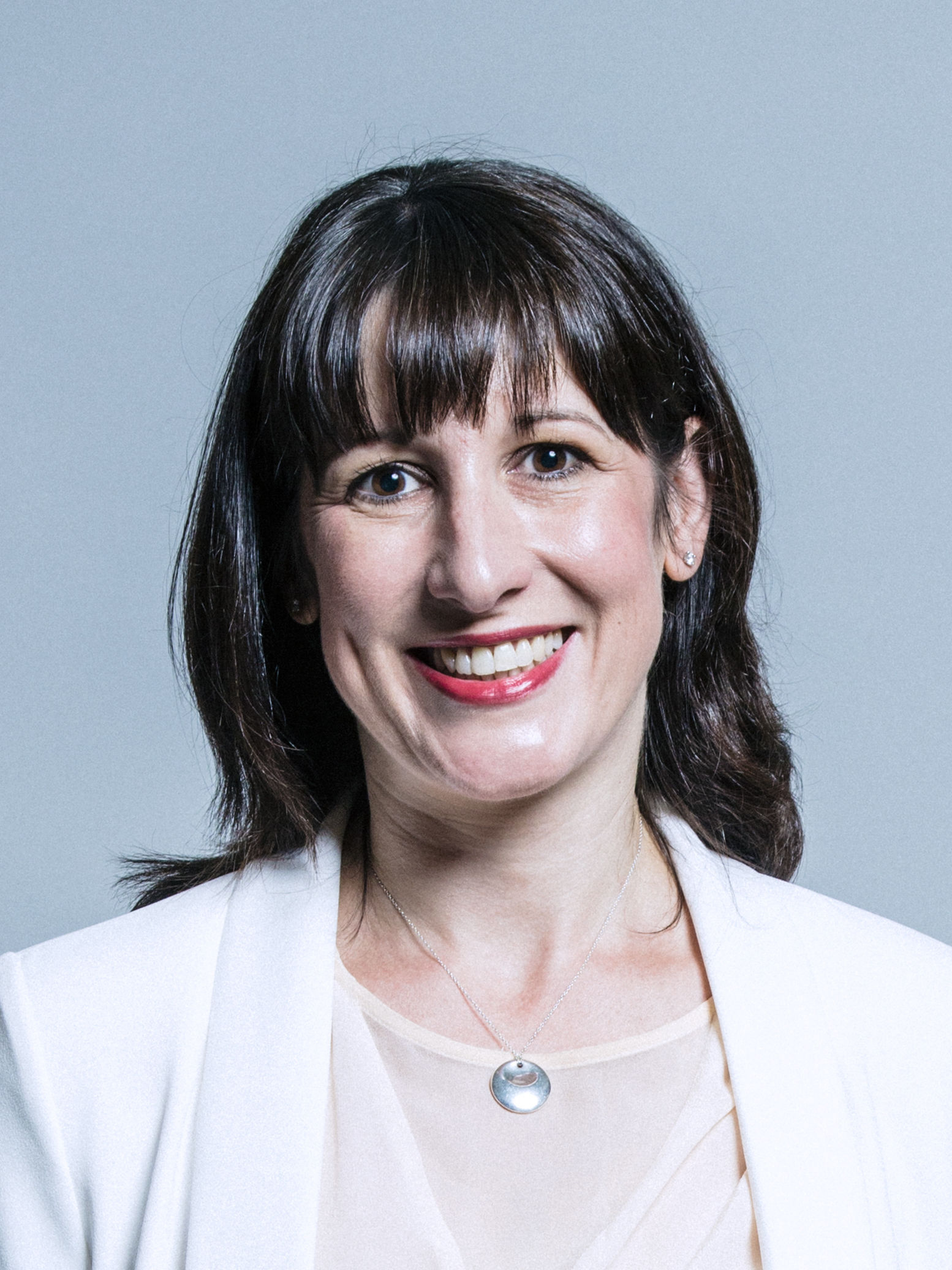
  • Rachel Reeves – 2022 Speech in Response to Jeremy Hunt’s Emergency Financial Statement

    Rachel Reeves – 2022 Speech in Response to Jeremy Hunt’s Emergency Financial Statement

    The speech made by Rachel Reeves, the Shadow Chancellor of the Exchequer, in the House of Commons on 17 October 2022.

    As I regularly say now, I welcome the new Chancellor to his place. He is the fourth in four months of chaos and fiasco as this Conservative Government spiral down the political plughole. But the damage has been done: this is a Tory crisis made in Downing Street, but ordinary working people are paying the price. All that is left, after these humiliating U-turns, are higher mortgages for working people and higher bonuses for bankers. The Government’s climbdown on energy support begs the question yet again why they will not extend the windfall tax on energy producers to help to foot the bill.

    It is good to finally see the Prime Minister in her place and not, as the Leader of the House had to assure us earlier, under a desk. But what is she left with? She has no authority, no credibility and no plan for growth. It is clear to see that the people who caused the chaos cannot be the people to fix the chaos. They are out of ideas, out of touch and out of time.

    The Prime Minister should have spoken to the House today, but we know that she could not do that with a shred of credibility, given that the survival of this Government now depends on smashing to smithereens everything that she stands for. Now she is attempting to reverse everything that she campaigned on—it is not just impossible; it is absurd. The Prime Minister is barely in office and she is certainly not in power. Only five days ago, the Prime Minister said at Prime Minister’s questions that there would be “absolutely” no public spending reductions, but after what we heard from the Chancellor today, every single public service is again at risk from the Conservatives—from our NHS nurses to our schools and our servicemen and women—with the country paying the price for the Conservatives’ incompetence.

    The Prime Minister said that she had an energy package for two years. Now that is being withdrawn on the very day it is supposed to be legislated for. She insisted that her Conservative mini-Budget would lead the country to the promised land. Instead it has led to the highest mortgages in 15 years and emergency interventions by the Bank of England to protect pensions. Then on Friday, there was the unedifying spectacle of the then Chancellor being dragged back from the IMF before he could do any more damage to our economy. So she has turned to a new Chancellor, who finished eighth out of eight in the Tory leadership contest, winning just 18 votes from MPs. The Tories have run out of credibility and now they are running out of Chancellors.

    The latest office holder has been in the Cabinet for nine of the past 12 years, at the centre of a Government responsible for low growth and weakened public services, with him responsible for helping run the NHS into the ground. He was a big part of austerity season 1, and now he says the cure is austerity season 2. What was the Chancellor’s flagship policy in his own short-lived leadership contest? It was to reduce corporation tax in a totally unfunded manner, and not from 25% to 19%. The right hon. Gentleman called for it to be lowered to 15%, with not a single explanation of how it was to be paid for. The truth is that had he won the contest and implemented these policies, we would be in an even worse place than we are now. There is no mandate and no authority for any of this.

    The Conservatives have put a lasting premium on people’s mortgages. Uncosted borrowing has sent interest rates spiralling. Millions of people’s mortgage deals will be coming to an end in the next few months, leaving many families forking out £500 more a month. People will be paying a Tory mortgage premium for years to come, so how does the Chancellor think ordinary people can possibly afford any more of this Conservative Government? We have heard no answers today. The Chancellor has said that growth requires “confidence and stability”. I agree, but where does he think the lack of confidence and stability has come from? It did not come from the sky; it came from the mini-Budget three weeks ago.

    What does it say about our country that we are watching borrowing costs hour by hour? That is not the sign of a strong G7 economy; it is the exact opposite. Businesses are now saying that things are so unstable they are pausing investment here in Britain. The former deputy governor of the Bank of England Charles Bean has outlined the extraordinary damage that the Conservatives have done to our standing. In his words,

    “we’ve moved from looking not too dissimilar from the US or Germany…to looking more like Italy and Greece.”

    What a mess.

    Where is the Office for Budget Responsibility forecast? Have this Government learnt nothing? Does the Chancellor really expect the country to take everything from him at face value? Last week, the Business Secretary was busy undermining the Office for Budget Responsibility. Today, we have received another massive fiscal statement with no forecast. What have this Government got to hide? They should publish the numbers so that we know the true state of the public finances after 40 days of this Prime Minister and after 12 years of Conservative Governments.

    Today, the Chancellor has scaled back help with energy bills for families and pensioners. It prompts the question yet again: why will the Government not bring in a proper windfall tax on energy producers to help foot the bill for consumers, and when will the current Chancellor publish in full the Government’s estimates of the windfall profits of the energy giants over the next two years?

    No one was talking about spending cuts until the Tories crashed the economy with their mini-Budget, so I ask the Chancellor: why should the British people pay the economic price for the Tories’ mistakes, and what spending cuts do the Government plan to make? We believe that the Government must honour their commitments to uprate benefits and pensions in line with inflation. Will the Chancellor make it clear today that is what he intends to do? What a contrast that cuts to benefits are still on the table, but the one thing the Chancellor could not bring himself to reverse today was lifting the cap on bankers’ bonuses. Why is this the last policy standing in this disastrous mini-Budget?

    Let me come to credibility. Does the Chancellor accept that once credibility and trust have been destroyed, they cannot simply be regained by a series of zig-zagging, chaotic U-turns? Will he and the Prime Minister apologise for the costs and anxieties laid on families? Can he admit once and for all that the market turmoil we are in was directly caused by the disastrous decisions of his predecessor and of the Prime Minister? Can he guarantee that the Bank of England will not have to intervene again to save the Government, and what guarantee can he give people about their pensions, their mortgages and their household bills?

    The Chancellor said today that everything is now on the table, but is that really the case? We know that abolishing the non-dom tax status will raise £3 billion a year, yet there was no mention of that. How can it be right that some of the richest individuals in society are allowed to buy their way out of paying the tax that should be paid here Britain? This would not be an eye-wateringly difficult decision, so why do not the Government just do it?

    There is lasting damage which these policy U-turns will not change. They have set fire to everything; now they insist it is all fine. The truth is that an arsonist is still an arsonist even if he runs back into a burning building with a bucket of water. Because they cannot be trusted; the Tories are clinging on for themselves, regardless of the cost to the country.

    Trickle-down economics will always fail; what drives forward our economy are the talents and efforts of millions of working people and thousands of ordinary businesses. The Government’s economic credibility has been destroyed. They have harmed our economic institutions, people are paying higher mortgages; the same set of people doing U-turns is not going to fix it. The only way to change this is a real change of Government.

  • Penny Mordaunt – 2022 Comments on Prime Minister Not Hiding Under a Desk

    Penny Mordaunt – 2022 Comments on Prime Minister Not Hiding Under a Desk

    The comments made by Penny Mordaunt, the Leader of the House of Commons, on 17 October 2022.

    The Prime Minister is not under a desk, as the hon. Lady suggests. I can assure the House that, with regret, she is not here for a very good reason. Neither has she taken this decision to win the hon. Lady’s gratitude; she has done it out of a sense of duty, because she knows what is in the national interest.

  • Keir Starmer – 2022 Speech on the Replacement of the Chancellor of the Exchequer

    Keir Starmer – 2022 Speech on the Replacement of the Chancellor of the Exchequer

    The speech made by Keir Starmer, the Leader of the Opposition, in the House of Commons on 17 October 2022.

    I thank the right hon. Lady for answering the question put to the Prime Minister; I guess that under this Tory Government everybody gets to be Prime Minister for 15 minutes.

    The country is in an economic crisis made in Downing Street. Because they have lost all credibility, Government borrowing costs have soared, mortgage rates have ballooned, markets need reassuring, and there is long-term damage that cannot be undone. Once you have crashed the car at 100 mph, you have damaged it for good and will be paying much more on your insurance for years to come. It is working people who will pay, left wondering if they can afford to stay in their homes—if their hopes of owning a home have not already been crushed.

    Now, it is time for leaders to lead, but where is the Prime Minister? She is hiding away, dodging questions, scared of her own shadow; the lady’s not for turning—ha! Now, it is time to be honest about the mistakes they have made, but what does the Prime Minister say? She says, “My vision is right, my mission remains, I sacked my Chancellor but I can’t tell you why.” Now is a time for consistent messaging. But what do we get? A Prime Minister saying, “Absolutely no spending reductions,” a Chancellor saying that there will be cuts, a Prime Minister saying that she is in charge, and a Chancellor who thinks that he is the chief executive officer and the Prime Minister is just the chair. How can Britain get the stability it needs when all the Government offers is grotesque chaos? How can Britain get the stability it needs when instead of leadership we have this utter vacuum? How can Britain get the stability it needs when the Prime Minister has no mandate from her party and no mandate from the country?

    Penny Mordaunt

    Let me start by saying that I am quietly confident that the Leader of the Opposition will not have his 15 minutes of fame. With regard to questions raised on economic policy, I will defer to the Chancellor. Hon. Members will want time to question him fully and hear the detail, and I do not wish to eat into that time. Our constituents will want to hear about the issues facing them—their bills, mortgages and benefits, and their businesses—so I had wondered what else the Leader of the Opposition wished to discuss in an urgent question that would delay such an important statement.

    In his urgent question, the Leader of the Opposition paints a contrast, so let me paint one, too. The decision taken by our Prime Minister would have been a very tough one politically and personally, yet she took it, and she did so because it was manifestly in the national interest that she did. She did not hesitate to do so because her focus is on the wellbeing of every one of our citizens. It was the right thing to do, and whether you agree with it or not, it took courage to do it.

    In contrast, what the right hon. and learned Gentleman has done today, at this most serious moment, took no courage or judgment or regard to the national interest. Three years ago, when this Parliament was paralysed by Brexit, a general election would have been in the national interest, and he blocked one. Today, when the country needs some stability and urgent legislation to put through cost-of-living measures, and while we are in the middle of an economic war levelled at every school and hospital in the country, he calls for one and for weeks of disruption and delay.

    We will take no lectures from the right hon. and learned Gentleman on working in the national interest. I could point to his frustration of our leaving the EU and his campaigning for a second referendum. I could point to his support for the right hon. Member for Islington North (Jeremy Corbyn) and his positions on NATO, his arguments against our leaving lockdown, or his support for our involvement with the EU vaccines agency, all of which were against the national interest. Nor will we take any lectures on consistency of policy or messaging. He has abandoned every single one of his pledges made during the Labour leadership contest—[Interruption.]

    Mr Speaker

    Order. I think the country wants to hear what is being said and, if I cannot hear, they cannot hear. Can we please listen to the Leader of the House? I am sure that she is coming to the end now.

    Penny Mordaunt

    I am, Mr Speaker.

    Mr Toby Perkins (Chesterfield) (Lab)

    Are you coming to the subject now?

    Mr Speaker

    Order. Mr Perkins, if you want to go and get a cup of tea, I am more than happy to pay for it.

    Penny Mordaunt

    That is why, even on our toughest and most disappointing days, I will always be proud to sit on the Government side of the House. We will put the national interest first. Now, let us get on and hear from the Chancellor.

  • Penny Mordaunt – 2022 Statement on the Replacement of the Chancellor of the Exchequer

    Penny Mordaunt – 2022 Statement on the Replacement of the Chancellor of the Exchequer

    The statement made by Penny Mordaunt, the Leader of the House of Commons, in the House on 17 October 2022 following a urgent Parliamentary question from Keir Starmer, the Leader of the Opposition.

    Keir Starmer (Holborn and St Pancras) (Lab)

    (Urgent Question): To ask the Prime Minister to make a statement on the replacement of the Chancellor of the Exchequer during the current economic situation.

    The Leader of the House of Commons (Penny Mordaunt)

    With apologies to the Leader of the Opposition and the House, the Prime Minister is detained on urgent business—[Interruption.]—and they will have to make do—[Interruption.]

    Mr Speaker

    Order. I must hear the answer to why the Prime Minister is not here.

    Penny Mordaunt

    I afraid you will have to make do with me, Mr Speaker.

    The Prime Minister has taken the decision to appoint my right hon. Friend the Member for South West Surrey (Jeremy Hunt), one of the longest serving and most experienced parliamentarians, as her Chancellor. Their overriding priority is to restore financial stability in the face of volatile global conditions. We will take whatever tough decisions are necessary, and have made changes to the growth plan, which the Chancellor is waiting to update the House on as soon as this urgent question finishes.

  • PRESS RELEASE : Government to establish expert Economic Advisory Council [October 2022]

    PRESS RELEASE : Government to establish expert Economic Advisory Council [October 2022]

    The press release issued by HM Treasury on 17 October 2022.

    • Group of leading and respected experts will meet regularly to discuss UK and international economies and financial markets
    • First Council members announced have decades of economic experience across the private and public sector
    • Announcement comes as Chancellor commits to do “whatever is necessary for economic stability”, which is a critical part of the government’s mission to go for growth

    The Chancellor of the Exchequer Jeremy Hunt has today (Monday 17 October) announced that the government will convene an expert panel of respected economists as part of a new Economic Advisory Council, as committed to by Prime Minister Liz Truss.

    The Council will act as a consultative forum for the government to be advised on UK and international economies and financial markets. The Council will consist of leading and respected economists and will be attended by the Chancellor and the Treasury’s Chief Economic Adviser.

    The first Council members are announced today, with further members to be added in due course. All members will be attending in an independent capacity, and have been chosen for their personal knowledge and expertise, as relevant to advising the government on the UK economy

    The Chancellor of the Exchequer Jeremy Hunt said:

    I look forward to working with such an esteemed group of economic experts, whose advice will be invaluable.

    In a period of global economic challenge and volatility, exacerbated by Putin’s illegal invasion of Ukraine, prioritising UK economic stability is vital and will underpin long-term growth.

    Care will be taken to ensure Council members are not privy to any material non- public information, or market sensitive information.

    Read the terms of reference for the government’s new Economic Advisory Council.

    Initial list of Council members

    • Rupert Harrison, BlackRock
    • Gertjan Vlieghe, Element Capital
    • Sushil Wadhwani, PGIM Wadhwani
    • Karen Ward, J. P. Morgan Asset Management
  • PRESS RELEASE : Free legal advice expanded to help thousands more people at risk [October 2022]

    PRESS RELEASE : Free legal advice expanded to help thousands more people at risk [October 2022]

    The press release issued by the Ministry of Justice on 17 October 2022.

    • domestic abuse victims to get expert legal advice through new protection orders and notices
    • additional £10 million for housing legal aid to help people at risk of losing their home
    • new legal support for parents and guardians to resolve family cases away from court

    An extra £10 million a year will also be invested in housing legal aid, so that thousands more people can access legal advice when they fall into difficult times and face the risk of eviction.

    The extra support for domestic abuse victims will kick in to support the use of new Domestic Abuse Protection Notices and Domestic Abuse Protection Orders, which the Government committed to introducing in the Domestic Abuse Act 2021.

    Once in use, police will be able to issue Protection Notices to provide immediate protection for victims following an incident, for example by requiring a perpetrator to leave the victim’s home. Protection Orders will be handed out by the court to impose longer-term protection, including ordering the perpetrator to attend behaviour change programmes or wear an electronic tag.

    Victims protected by these will now have access to free expert legal advice and representation in court.

    Justice Minister Lord Bellamy KC said:

    Legal advice should always be available to those who need it, especially victims of domestic abuse who often rely on lawyers to ensure they are protected from abusers.

    By making it easier for victims to access legal aid, more people will be better supported through court proceedings and can start the process of moving on safely with their lives.

    Reforms to the former Housing Possession Court Duty Scheme also mean that anyone facing eviction or repossession will receive free early legal advice on housing before appearing in court, as well as continuing to get advice and representation on the day of their hearing. By helping people facing the loss of their home at the earliest point, it will potentially avoid the need for court proceedings altogether. Individuals with a repossession notice can also receive early legal advice on debt and welfare benefit matters, to help with the wider issues they may face.

    A further change will help domestic abuse victims by allowing doctors to submit letters of evidence for legal aid applications following video or telephone consultations.

    Other legal aid changes that are being introduced today will:

    • ensure special guardians – family members or friends who take on parental responsibilities for a child – are eligible for legal aid in private court proceedings determining parental control over a child
    • standardise the means and merit testing requirements for birth parents involved in placement and adoption order proceedings where a local authority is authorised to place a child for adoption
    • ensure victims of domestic abuse applying for indefinite leave to remain in the UK, under the immigration rules, are eligible for legal aid

    This is part of over £2.2 billion investment in civil and criminal legal aid over three years.

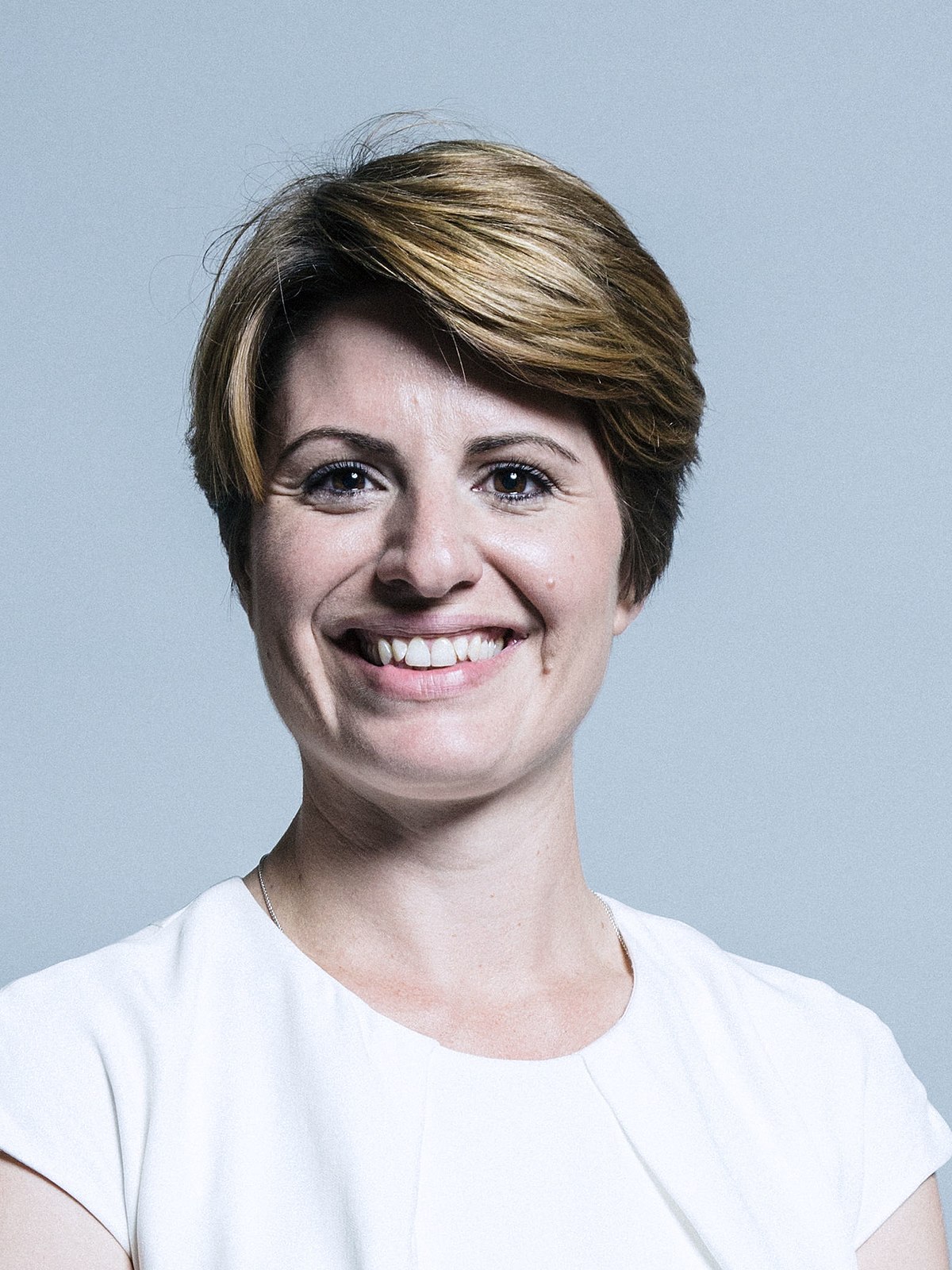
  • Emma Hardy – 2022 Comments on the State Pension

    Emma Hardy – 2022 Comments on the State Pension

    The comments made by Emma Hardy, the Labour MP for Kingston upon Hull West and Hessle, on Twitter on 17 October 2022.

    The Chancellor refused to commit to raising the state pension in line with inflation in April. The PM had promised to do this previously. If the rise doesn’t come it will push many more pensioners into poverty.