Blog

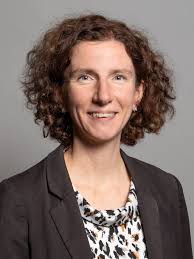
  • Anneliese Dodds – 2022 Comments on LGBT Rights

    Anneliese Dodds – 2022 Comments on LGBT Rights

    The comments made by Anneliese Dodds, the Chair of the Labour Party, on Twitter on 19 October 2022.

    Labour will:

    ▪️ ban all forms of conversion therapy
    ▪️ appoint an envoy to promote LGBT+ rights globally
    ▪️ modernise the Gender Recognition Act and protect the Equality Act

    Labour leading on LGBT+ rights. The Tories paralysed by chaos.

  • PRESS RELEASE : More than one million families claiming tax credits to receive second Cost of Living Payment from 23 November [October 2022]

    PRESS RELEASE : More than one million families claiming tax credits to receive second Cost of Living Payment from 23 November [October 2022]

    The press release issued by HM Treasury on 20 October 2022.

    More than one million claimant families receiving tax credits, and no other means-tested benefits, will get their second Cost of Living Payment from Wednesday 23 November 2022, HM Revenue and Customs (HMRC) has confirmed.

    This £324 government payment will be paid automatically into most eligible tax credit-only customers’ bank accounts between 23 and 30 November 2022 across the United Kingdom.

    Angela MacDonald, HMRC’s Deputy Chief Executive and Second Permanent Secretary, said:

    This second Cost of Living Payment will provide further financial support to eligible tax credit-only claimants across the UK.

    The £324 will be paid automatically into bank accounts, so people don’t need to do anything to receive this extra help.

    The second payment will see more than 8 million households across the UK receive their £324 cost of living cash boost by 30 November and follows the first cost of living payments of £326, which eligible families received from Department for Work and Pensions (DWP) from July and HMRC from September.

    The government recently announced that households receiving DWP benefits will get their second Cost of Living Payment from 8 November continuing through to 23 November. This includes tax credit claimants who also receive other income-related benefits from DWP.

    HMRC is making payments shortly after DWP in order to avoid duplicate payments.

    This latest payment comes on top of wider government support with the cost of living this autumn and winter, including:

    • the £150 Disability Cost of Living Payment, already paid to around 6 million disabled people
    • more than 8 million pensioner households who will receive an extra one-off £300 Winter Fuel Payment this year

    This is in addition to an extension to the Household Support Fund, which is providing an extra £421 million for use between October 2022 and March 2023 to help vulnerable people with the essentials. A £150 Council Tax rebate was sent earlier this year to those in Council Tax bands A to D in England, creating at least £1,200 in direct support for millions of households.

    A £400 reduction on energy bills is also being given to all domestic electricity customers over the coming months, and the Energy Price Guarantee is protecting households from significant rises in their energy bills this winter.

    The government is offering help for households. Customers should check GOV.UK to find out what cost of living support they could be eligible for.

  • PRESS RELEASE : England and Wales fans urged to follow World Cup travel tips – Qatar 2022 [October 2022]

    PRESS RELEASE : England and Wales fans urged to follow World Cup travel tips – Qatar 2022 [October 2022]

    The press release issued by the Foreign Office on 20 October 2022.

    • FCDO issues six top tips to help travelling fans enjoy the tournament in Qatar
    • One month to go to the start of the 2022 FIFA Men’s World Cup
    • England and Wales bosses Gareth Southgate and Rob Page encourage supporters to check out Foreign, Commonwealth & Development Office (FCDO) travel advice

    With only one month to go until the 2022 FIFA Men’s World Cup kicks off in Qatar, the FCDO has issued 6 top tips for travelling England and Wales fans. Following these tips will help fans avoid preventable problems and enjoy the tournament.

    Any Brit planning to attend the World Cup is advised to:

    • Prepare before you go. Our checklist has all the practical steps that fans need to think about before they head off to the tournament, from passport validity to health prescriptions.
    • Read our travel advice and sign up for e-mail alerts. World Cup-specific information can be found at gov.uk/qatar2022. Our Qatar travel advice is kept under constant review so fans should sign up for email alerts to stay up to date on the latest developments throughout the tournament.
    • Follow the entry requirements for Qatar. To enter Qatar, fans must have a Hayya Card (a form of fan ID), as well as proof of a negative COVID-19 result through a valid PCR or rapid antigen test certificate. Accommodation must be arranged before travelling out.
    • Get travel insurance. Without it, fans risk medical bills which may run to thousands of pounds. Fans should check that insurance covers them for all destinations, medical needs, COVID-19 costs and planned activities.
    • Know the do’s and don’ts. Qatari laws and customs are very different to those in the UK. There may be serious penalties for doing something that is not an offence in the UK. The availability of alcohol, and associated laws, will be different to previous tournaments.
    • Steer clear of drugs. Qatar takes a zero tolerance approach and visitors can expect a severe penalty for the possession of even residual amounts. Punishment can include lengthy custodial sentences.

    Foreign Secretary James Cleverly said:

    The countdown to the World Cup is on, with only a month to go until the action kicks off in Qatar.

    We want all travelling Brits to enjoy their World Cup experience, and they are more likely to do so if they prepare before they go.

    Following our six top tips and signing up to Qatar travel advice email alerts will help fans have the best possible time at the tournament.

    The FCDO is working closely with a range of partners, including the Football Associations, fan representatives and UK Police, to provide practical information and advice to travelling supporters.

    England Manager, Gareth Southgate said:

    I know how much our fans look forward to watching England at major tournaments.

    With only one month to go, I would suggest anyone travelling to the World Cup signs up for the UK Government’s travel alerts.

    As well as keeping them across all the information they need, they will get important tips too for getting the most out of following England away. We look forward to seeing them all at the finals.

    Wales Manager, Rob Page said:

    Everyone in Wales is looking forward to seeing Cymru in the World Cup, our first appearance in the competition since 1958.

    For those fans who are travelling to Qatar, we know how excited they are to be watching Cymru play at the tournament but it’s incredibly important that they keep up to date with the very latest information and advice.

    For the best possible experience, we advise our fans to sign-up to the Qatar travel advice email alerts.

    Ashley Brown, England Fan Embassy Team, part of the Football Supporters Association said:

    Travelling to World Cups always requires a level of planning for supporters to make sure we get the most out of a tournament – whether that’s match days, sightseeing or general safety.

    Qatar has very different laws to the UK and we’d encourage all fans to familiarise themselves with the FCDO’s six top tips and to follow the FSA for further supporter-specific updates.

    Paul Corkrey, Fan Embassy Wales said:

    This is our first World cup in a generation and we know the Welsh fans will be determined to enjoy the experience.

    It is a trip to the unknown but information is available and we urge the Red Wall to bookmark the FCDO travel advice website.

    The UK will have a consular presence in Qatar and across the region throughout the tournament. British nationals needing help or advice will be able to contact the FCDO by phone 24/7 on +44 (0)20 7008 5000 or by calling the Embassy locally on +974 4496 2000.  Fans in Qatar can access the Qatari emergency services by dialling 999.

    Fans planning to travel elsewhere in the region should check the travel advice for each location they plan to visit or transit through. Rules and requirements will vary from country to country.

  • PRESS RELEASE : Collaborating with U.S. on Cyber [October 2022]

    PRESS RELEASE : Collaborating with U.S. on Cyber [October 2022]

    The press release issued by the Ministry of Defence on 20 October 2022.

    Personnel from Defence Digital will be joining the collaborative exercise which will identify threats that could impact the internal systems of participants.

    Insights from the operation will be shared with all partners in the interest of bolstering security and unifying our response to malicious cyber activity.

    Rear Admiral Nick Washer, Director Operations at Defence Digital said:

    Cyber does not recognise geographic borders. Our relationships with partners offer huge shared benefits; operations like this with U.S. Cyber Command put our expertise into practice and enhance our collective defence.

    This sentiment was echoed by U.S. Navy Rear Adm. Matthew C. Paradise, deputy director, Operations J-3, U.S. Cyber Command, who added

    Defensive Cyberspace Operations helps CYBERCOM meet its mission responsibilities by enabling and improving mission assurance of the joint force, as well as our allies and partners, by maintaining reliable and defensible networks

    The information age is making the world more interconnected than ever before, driving opportunity, innovation, and progress. However, this increased digitisation also brings unprecedented complexity, instability and risk, making global partnerships key to our security and economic prosperity.

  • PRESS RELEASE : Appointment of Bishop of Newcastle [20 October 2022]

    PRESS RELEASE : Appointment of Bishop of Newcastle [20 October 2022]

    The press release issued by 10 Downing Street on 20 October 2022.

    Her Late Majesty The Queen approved the nomination of The Right Reverend Dr Helen-Ann Hartley, Suffragan Bishop of Ripon, for election as Bishop of Newcastle, in succession to The Right Reverend Christine Hardman following her retirement.

    Background

    Helen-Ann Hartley was educated at the University of St. Andrews and Worcester College, Oxford. She trained for ministry on the St Albans & Oxford Ministry Course and was ordained Priest in 2006. She served her title at St Mary the Virgin, Wheatley, in the Diocese of Oxford, and was appointed Curate at St Mary the Virgin and St Nicholas, Littlemore, in 2007. During this time she was also Director of Biblical Studies and Tutor in New Testament at Ripon College, Cuddesdon.

    In 2012, Helen-Ann moved to New Zealand where she was Dean for the New Zealand Dioceses at the College of St John the Evangelist, Auckland, and in 2014 she was consecrated Bishop of Waikato, Anglican Church in Aotearoa, New Zealand and Polynesia.

    Helen-Ann returned to the UK in 2018 when she was appointed to her current role as Suffragan Bishop of Ripon in the Diocese of Leeds.

  • PRESS RELEASE : £180 million to improve children’s development in the early years [October 2022]

    PRESS RELEASE : £180 million to improve children’s development in the early years [October 2022]

    The press release issued by the Department for Education on 20 October 2022.

    Thousands of early years professionals will benefit from investment to drive quality and training, and to better support the next generation of children.

    Every region in England will benefit from programmes to improve teaching of children’s early speech, language and numeracy, along with professional development to build strong leadership skills and improve the understanding of children’s development. New opportunities will also be provided for graduates looking to embark on a career in early years teaching, as well as staff looking to train as early years special educational needs coordinators (SENCOs).

    Evidence shows that access to early education is crucial in supporting children to thrive in adulthood and contribute to society. The Education Endowment Fund has also shown that improving young children’s pre-school language skills could boost the economy by up to £1.2 billion over the course of their lifetimes.

    Up to £180 million of government funding over the three years will support the sector to focus on children’s development in their earliest of years and help to address existing recruitment and retention challenges. It follows commitments by the Government to improve parents’ access to affordable, flexible childcare through ambitious reforms, for which work continues.

    Minister for Schools and Childhood, Kelly Tolhurst, said:

    The early years of a child’s life are vital, not only in establishing important developmental skills, but also in building a lifelong love of learning that will help them succeed in adult life.

    I’m really proud of the quality and dedication of our early years workforce. This package of support is a huge investment in their skills and professional development, because raising the status of this important sector is key to its growth.

    The Nuffield Early Language Intervention (NELI) programme, which has already helped to boost the speech and language skills of an estimated 90,000 children, will also continue this academic year.

    The Department for Education, in partnership with the Department of Health and Social Care, has also launched a new ‘Better Health – Start for Life’ campaign, providing parents of children aged 0 to 4 with practical advice and tips to help them develop their child’s language and literacy skills before starting school. Funding from today’s announcement will also support parents to gain additional advice through new Family Hubs, expected to open in the first half of 2023.

    Today’s package of support, which will benefit pre-school children all over England, includes:

    Early maths, language, and social development training for 10,0000 professionals through the third phase of the Professional Development Programme (PDP3) – more than 1,300 professionals in 51 local authorities were provided with bespoke training designed to support the learning and development of children affected by the pandemic during the second phase of this programme, meaning around 20,000 children will have benefited from better trained, more confident staff;

    The national rollout of the Expert and Mentors programme to provide bespoke leadership support to 7,500 early years settings and childminders to address the impact of the pandemic on children in their care. This support is free and available across the country to eligible settings. Around 200 settings across the North of England, Lancashire and Yorkshire received support through a pilot of this programme this Spring;

    Graduate-level specialist training leading to early years teacher status – evidence is very clear that higher qualifications are consistently identified as a predictor of higher quality and associated with better child outcomes;

    Support for nearly 6,000 early years professionals to achieve the National Professional Qualification in Early Years Leadership (NPQEYL) which is designed to support early years leaders to develop expertise in leading high-quality education and care, effective staff and organisational management, and support the recovery of children’s development that has been impacted through the pandemic;

    Training for up to 5,000 Special Educational Needs Coordinators (SENCOs) to help identify children’s needs earlier so they have the right support. A commitment reaffirmed in the SEND Green Paper;

    A new network of 18 Stronger Practice Hubs to support early years practitioners to adopt evidence-based practice improvements, build local networks for sharing effective practice and cultivate system leadership;

    A new universal online child development training offer to help staff improve their knowledge and understanding of how pre-school children develop, as well as training for early years professionals to help parents and guardians encourage their children’s development at home;

    The continuation of the Nuffield Early Language Intervention (NELI) programme during the academic year 2022-23 – building on the two-thirds of primary schools which have already benefitted from this investment, improving the speech and language skills of an estimated 90,000 children in reception classes.

    This investment builds on continued work to put children’s education and skills back on track after the pandemic. The government has set a target of 90% of primary children reaching the expected standard in literacy and numeracy, with wider investment confirmed to help every young person leaves school with a strong grasp of these skills.

    The government continues to consider responses to its consultation on regulatory changes in childcare and will respond in due course.


  • PRESS RELEASE : New bill to keep Britain moving during transport strikes [October 2022]

    PRESS RELEASE : New bill to keep Britain moving during transport strikes [October 2022]

    The press release issued by the Department for Transport on 20 October 2022.

    • law will ensure that transport services keep running during strike action
    • the bill will keep Britain moving, allow businesses continuity of some services and allow passengers to still go to work, school and medical appointments
    • delivers on Prime Minister’s commitment to introduce the legislation within first 30 days of Parliament sitting

    The government has today (20 October 2022) taken the first steps to ensure transport strikes no longer grind the country to a halt.

    The Transport Strikes (Minimum Service Levels) Bill means, even during the most disruptive of strikes, a certain level of services will still run. This will allow passengers to go to work, attend school and make vital medical appointments and allow businesses to continue to grow the economy.

    As well as the huge impact on people’s day-to-day lives, economists have assessed that the first wave of rail strikes alone, in June 2022, cost the UK economy nearly £100 million, putting extra pressures on business and stopping people across the country from accessing their workplace during a cost-of-living crisis.

    This law will mean businesses and passengers are no longer disproportionately and unfairly hit in the pocket through events outside of their control and the decisions of striking workers and the unions.

    The Prime Minister is delivering on her commitment to introduce the legislation within her first 30 parliamentary sitting days and meets a Conservative Party manifesto commitment to limit the impact strikes have on hardworking people and businesses across the country.

    Prime Minister Liz Truss said:

    Hardworking people and businesses should not be held to ransom by strike action which has repeatedly crippled our transport network this year.

    This legislation delivers on our 2019 manifesto and will not only limit the unions’ ability to paralyse our economy, but will ensure passengers across the country can rightly continue to get to work, school or hospital.

    Transport Secretary Anne-Marie Trevelyan said:

    Strikes have affected nearly all of us over this last year – whether that means losing out on a day’s pay at work, having to close your business, missing vital medical appointments or stopping our children from getting to school.

    It is vital that public transport users have some continuity of service to keep Britain moving and growing – this legislation will give everyone the certainty they need to carry on with their daily lives.

    The legislation will mean:

    • a minimum service level must be in place during transport strikes – if this is not delivered, the unions will lose legal protections from damages
    • employers will specify the workforce required to meet an adequate service level during strikes and unions must take reasonable steps to ensure an appropriate number of specified workers still work on strike days
    • specified workers who still take strike action will lose their protection from automatic unfair dismissal

    The bill will set out the legal framework to allow minimum service levels to not only be set across the entire transport sector, but also implemented and enforced. The specific details of how minimum service levels will apply to transport services will be set out in secondary legislation in due course after a public consultation.

    The intention of the legislation is that relevant employers and unions agree a minimum service level to continue running during all strikes over a 3-month period. If such a level cannot be agreed, an independent arbitrator – the Central Arbitration Committee – will determine the minimum number of services.

    The bill will undertake its first reading today. The legislation is expected to come into force on transport services across the country in 2023 and follows similar rules already in place in countries across Europe, including France and Spain.

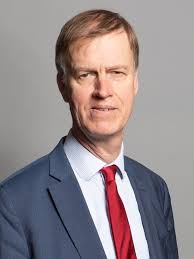
  • Stephen Timms – 2022 Speech on the Government’s “Plan for Growth”

    Stephen Timms – 2022 Speech on the Government’s “Plan for Growth”

    The speech made by Sir Stephen Timms, the Labour MP for East Ham, in the House of Commons on 19 October 2022.

    I am very pleased to follow the hon. Member for Hazel Grove (Mr Wragg), and I pay tribute to him for the frankness of the personal remarks with which he opened his speech. I must say that the whole speech contained a great deal of good sense, which I hope his hon. Friends on his Front Bench will have heard and paid attention to.

    Christians on the Left organises a church service each year on the Sunday morning when the Labour party conference begins, and the preacher this year was the Archbishop of York. In the very fine address that he gave on that occasion, he said:

    “Increasingly, the safety net in our nation is a foodbank, where more and more people have to go to get what our economy itself fails to provide.”

    He is absolutely right: something fundamental has gone wrong in our economy. For many people, including those in employment, the economy does not work. More and more are turning to food banks to survive. Some 61,000 food parcels were distributed by the Trussell Trust’s food banks in 2010-11, whereas the number was 2.5 million in 2020-21—a fortyfold increase in a decade.

    In the leadership election campaign in the summer, the Prime Minister acknowledged her party’s failure on economic growth, and she was absolutely right to do so. The new Chancellor told us on Monday that the record on growth had been very good. That is one of many things that he and the Prime Minister seem to disagree about, but on this one, I am definitely with the Prime Minister. As my hon. Friend the Member for Leeds West (Rachel Reeves) often points out, we are a high-tax economy because we have been a low-growth economy.

    Last April social security benefits were raised by 3.1%, even though inflation was nearly 10%.

    That was justified on the basis that the regular formula for uprating benefits uses the figure for inflation from the previous September. That formula has, on several occasions, been disapplied since 2010, but never in the interests of the poorest families in the country—only ever to their disadvantage. This year, the formula was applied, piling on yet another real-terms cut in benefits, reducing them to the lowest real-terms level for more than 30 years. The then Chancellor and the then Prime Minister implicitly recognised that unfairness and promised to use the same formula next April, delivering, we have learned today, a 10.1% rise.

    The current Chancellor must now decide whether to keep that promise to the poorest families in the country during a cost of living crisis. The Minister, in his opening remarks, referred to protecting the vulnerable. I really hope that he meant that, because those families have so often had a kicking from this Government over the past 12 years. If that happens again, dependence on food banks will get yet another large boost as thousands more people have to turn to them to survive—on top of the 700,000 households who did so in 2019-20. The food banks themselves are struggling now because donors cannot afford to give as much. Mass food bank dependence is a potent symptom of the economic failure of the past 12 years.

    Yesterday, representatives from Muscular Dystrophy UK came to Parliament to spell out the hardship from rising prices facing the people they support, because, for example, those people depend on machinery—ventilators—that have to be permanently switched on and powered. On Monday, the Chancellor spoke of compassionate conservatism. If that is not just a vacuous slogan, those people’s needs must be recognised in the benefit uprating decision that could be announced on Monday week.

    The benefit cap was introduced 10 years ago and was supposed to reflect median earnings. It was changed once in 2016, when it was cut, and it has never been increased. This time, surely, it must be. If it is not, at a time when inflation is over 10%, thousands more people will crash into the cap next April and be forced to depend on food banks, heaping yet another economic failure on the catastrophic blunders, as the hon. Member for Hazel Grove rightly pointed out, of the past few weeks.

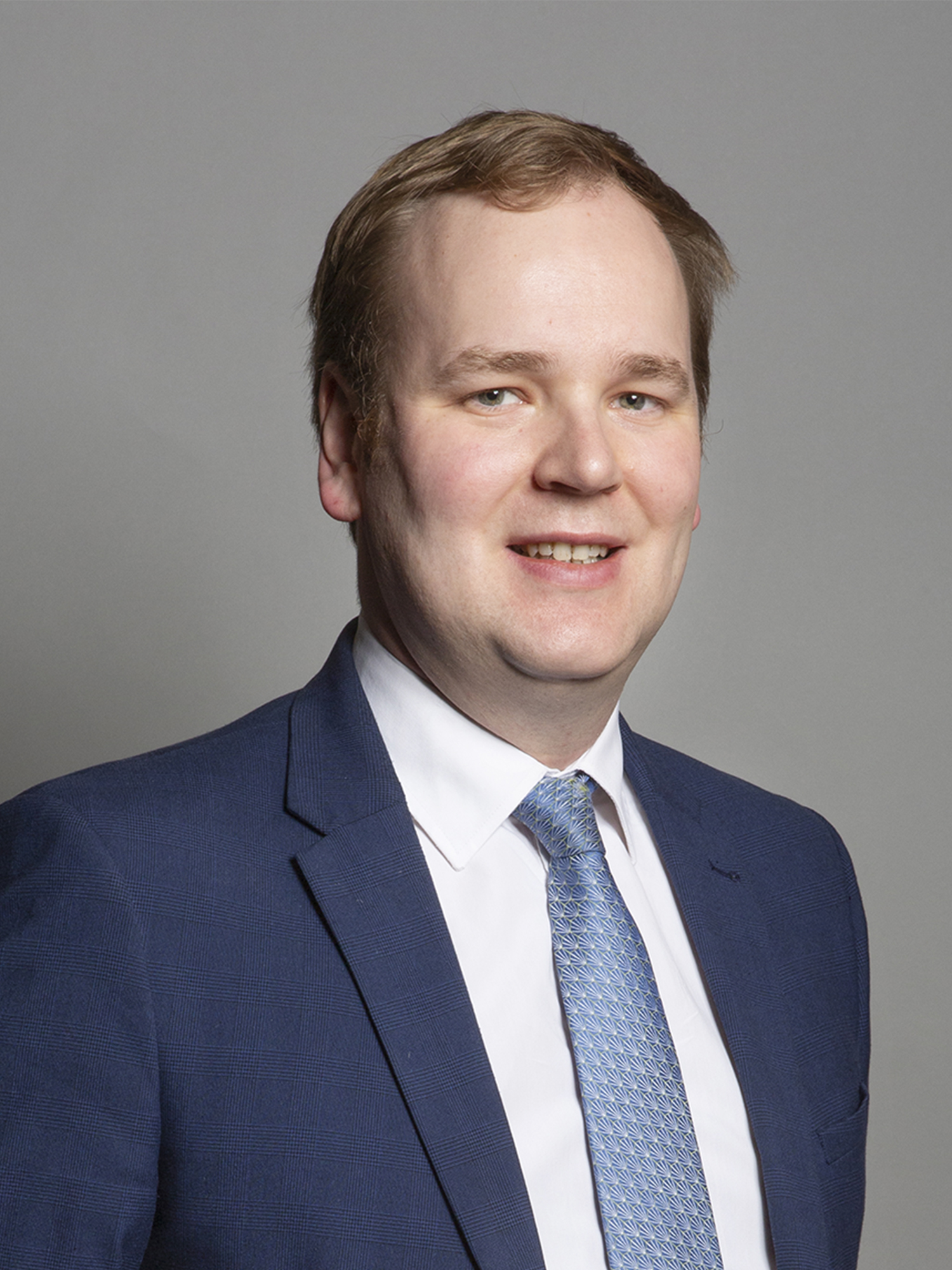
  • William Wragg – 2022 Speech on the Government’s “Plan for Growth”

    William Wragg – 2022 Speech on the Government’s “Plan for Growth”

    The speech made by William Wragg, the Conservative MP for Hazel Grove, in the House of Commons on 19 October 2022.

    Thank you very much for calling me so early in the debate, Madam Deputy Speaker. If I may strike a conciliatory tone at the outset of my remarks, I thank everybody in this House who sent me remarkable support in the course of the summer recess. There is nothing unique about my having had issues with my mental health, but what is perhaps more unique than most in the country is that I have the platform and opportunity to highlight that and to speak empathetically, and I am very grateful indeed. In making this speech, there are a number of things in my life that I am struggling with at the moment, but, bizarrely, it seems that making a speech in the House of Commons is not one of them. I am not entirely sure whether that is attuned to my state of mind, and no doubt my hon. Friends on the Front Bench will tell me afterwards.

    I want to speak on this important matter because I have not said a word to my constituents about the events of the last month or so. I watched on from home when the Chancellor gave his so-called mini-Budget, which should have been delivered as a full Budget, with the proper procedures of the House duly followed. As the time passed, I grew increasingly concerned by its nature. I am quite an old-fashioned person and, in respect of this House, I like to look at the wording of the motion. I also believe in speaking one’s mind, and I can only say that today is the exact centenary of a meeting in 1922, during which Conservative Back Benchers met to decide that they would stand on their own ticket in the 1992 general election, thereby depriving David Lloyd George of the opportunity to continue as Prime Minister. As vice-chair of the 1922 Committee—the foundation of which followed the events of that afternoon and evening—I think it is quite important to speak my mind. I realise there are some in my party who lament that state of affairs, but I hope they will indulge me, as I have indulged them over time.

    Many things that have been said by those on the Front Bench are very true. There is an international situation, an illegal invasion of Ukraine and a spike in the international cost of energy. The Government have many things to be proud of—not least the employment record—but there is no escaping the fact that the measures contained within the financial statement directly caused the situation to be made worse. I am quite sure that was not intentional, but I cannot easily forgive the lack of foresight by senior members of the Government. My forgiveness is not what that the Government should seek at all; it should be that of our constituents, who are in a difficult enough situation as it is. To see this as a question of international turbulence inexplicably increasing the mortgage rates and inexplicably necessitating further cuts to public expenditure—I cannot easily forgive that.

    In the course of the summer, I found the trashing of the reputations of independent organisations in this country, such as the Bank of England and the Office for Budget Responsibility, to be near to malice in its nature. Treasury orthodoxy came under attack. I am a Conservative, and I suppose that orthodoxy goes hand in hand with that. That is Conservative orthodoxy. Conservative orthodoxy is sound financial management and a balanced budget—not sticking pamphlets into a test tube, shaking it up and seeing what happens. That is not the way the Conservative party should ever govern.

    Apparently I can be a little difficult to handle, and my hon. Friend the Member for Workington (Mark Jenkinson) must have wondered what he had done in a previous life to find me in his flock as my Whip. I always commiserate with my Whip when they are appointed; indeed, I have been round the block with a number of them, and I end up getting round to them all over again. But there is a serious point to all this: I am personally ashamed of what occurred with the financial statement, because I cannot go and face my constituents, look them in the eye and say that they should support our great party. The polls would seem to bear that out.

    The next debate is apparently a confidence issue. Well, I am not going to fall into that trap. I oppose fracking and thought that we had come to a considered position on it, but there we go. I will vote with the Government Whip.

    Feryal Clark (Enfield North) (Lab)

    Will the hon. Gentleman be lending the Prime Minister his confidence vote in the next debate?

    Mr Wragg

    The hon. Lady is very charitable in giving me a further minute for my peroration, although it seems a shame to extend it too long. The fracking debate that follows has been made a confidence vote. If I voted as I would wish, I would lose the Whip. I would no longer be a vice-chair of the 1922 Committee. I would no longer maintain my position as a Chair of one of the Select Committees of the House. Indeed, because of that, my letter lodged with my hon. Friend the Member for Altrincham and Sale West (Sir Graham Brady) would fall, and I wish to maintain that letter with him.

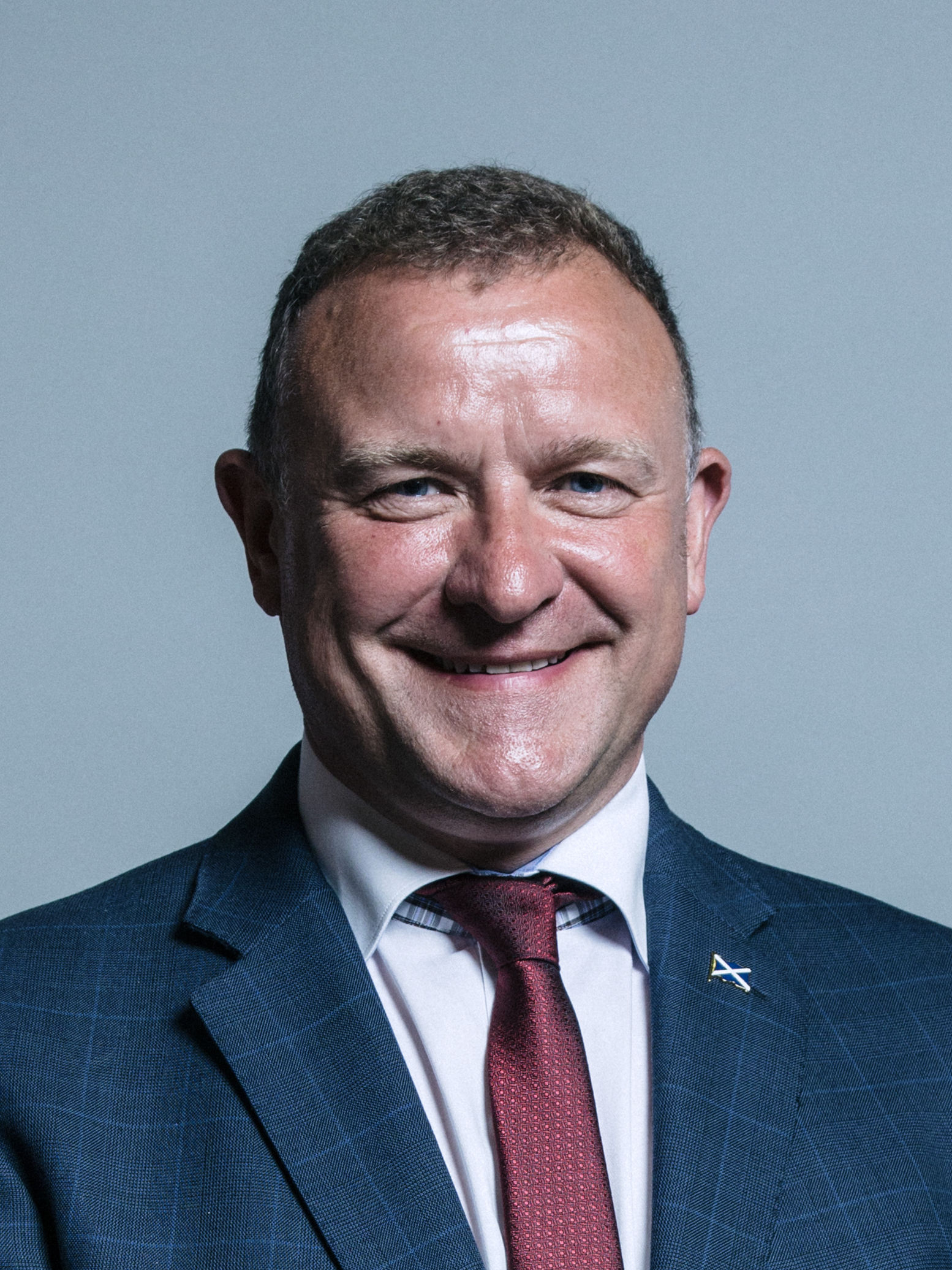
  • Drew Hendry – 2022 Speech on the Government’s “Plan for Growth”

    Drew Hendry – 2022 Speech on the Government’s “Plan for Growth”

    The speech made by Drew Hendry, the SNP for Inverness, Nairn, Badenoch and Strathspey, in the House of Commons on 19 October 2022.

    A report out today shows that 60% of people across the nations of the UK are worried about their household financial prospects. The same report shows that nine in 10 people have delayed putting on the heating due to concern about the cost.

    Members across the House will have received emails and calls from people who have never before been moved to contact their MP and who are now feeling those concerns for themselves. When those who have felt relatively comfortable start feeling the pinch, imagine what it means for those on the rungs of the ladder below. Then imagine what it means for those who were not getting by at all, who were already suffering from poverty and who had £20 a week cut from their universal credit. It is crushing them. It is destroying families. It is clearing out food banks. It is moving third-sector and support service staff to tears with the feeling of futility. And it is destroying the health of children.

    The actions of this Westminster Government have left vulnerable households abandoned, betrayed and cast aside. This Government laid bare their ideology during the chaotic period of the so-called mini-Budget. Make no mistake, while they were doing that damage, they simply pulled back the curtain on their core ideology. Their error was being so obvious, so blunt, that political spin could not cover it. Their focus has always been on making the rich richer. When their key policies result in poverty but mean £40,000 extra each year for those earning £1 million a year it is a bit of a giveaway, is it not? Only those earning more than £155,000 a year were net beneficiaries of the mini-Budget.

    Of course, this month’s Chancellor has had to scrap this unfunded giveaway to the most well-off, not through genuine contrition but because he was forced to do so. Limp and clearly insincere apologies do not fool anyone. The parachute Chancellor has dropped in to try to close the curtain and return to the drip, drip of chronic austerity that is the usual modus operandi. People now see through it.

    With inflation above 10%, the poor are facing the hardest choices. Food inflation is higher than 10%, which means they have really tough choices. The Chancellor has taken away the two-year energy price cap. Although the cap is welcome, it still means a doubling of prices from last year. Ominously, there will be a review in six months. There is no certainty for increasingly desperate people, while rich bankers will still see their wages rocket, as the cap on their bonuses has been removed.

    James Cartlidge

    On the subject of banking, can the hon. Gentleman confirm that current SNP policy is that Scotland, were it to become independent, would have a currency with no lender of last resort?

    Drew Hendry

    Let me deal with two issues. First, no amount of deflection by Conservative Members will take away from the fact that they are punishing the poor and they have trashed the economy in recent weeks. Secondly, on the prospectus for independence, people in Scotland should have a choice: to have those questions put before them and to vote on them. It is the hon. Gentleman’s Government who are denying democracy in that case.

    James Cartlidge

    Will the hon. Gentleman give way?

    Drew Hendry

    No, I am going to make some progress.

    The Chancellor has ominously set that cap up for a review in six months, providing no certainty for increasingly desperate people, while rich bankers will still be able to see their wages rocket, as I said, with the cap on their bonuses removed. The energy crisis is even more galling for my constituents, and many more across Scotland, as they see their energy being produced from their backyards, yet folk in the colder climate of the highlands pay more per unit for electricity than people anywhere else in the UK—renewable energy suppliers are charged more to connect to the grid than those anywhere else in the UK, and the picture is particularly bleak for those who are off the gas grid.

    Brendan O’Hara (Argyll and Bute) (SNP)

    My hon. Friend will be aware that even on the Government’s own estimates heating oil has gone up by 147% since January, and in constituencies such as ours it is costing more than £1,200 to fill a tank, and sometimes this is with a minimum delivery of 500 litres. Does he share my concern that in these colder, rural and more economically fragile areas of the UK not everyone has £500 to replenish their oil tank? This will not be a choice of turning their heating on or not; they simply will not have the choice, because they will not have the oil or the means to replenish the tank when they need it. This is a crisis.

    Drew Hendry

    My hon. Friend is completely right and he represents a constituency with many off gas grid constituents, as I do. He makes a telling point about the cost of that. What support are the UK Government giving to these people who face twice the bills that other people will? They are giving a measly £100.

    Imran Hussain

    Even today, the Minister refuses to give us figures on the expected windfall revenue. Does the hon. Gentleman agree that the simple fact remains that this Government always side with the energy giants as opposed to ordinary British people?

    Drew Hendry

    The hon. Gentleman makes a fair point. As I said in my opening remarks, the Government’s ideology is that the rich will get richer while the poor will suffer. That has been underlined over the past few weeks like at no other time in this place. The scales have fallen away—

    Hywel Williams (Arfon) (PC)

    I tried to intervene on the Minister on this broad point. Both he and his friends refer continually to growth, but I do not think I have heard any indication from him this afternoon, or elsewhere, as to how that growth will be spread beyond London and the south-east. Is that not a gaping gap in the Government’s policy? It will certainly affect the constituents of the hon. Member for Inverness, Nairn, Badenoch and Strathspey (Drew Hendry), as it will my constituents and those in Wales, the north of England and Scotland.

    Drew Hendry

    Again, the hon. Gentleman makes a fantastic point. The growth we are seeing from this Government is the growth in poverty and in inequality. That continues to rise and the Government are very good at driving it forward.

    As I was saying, those off gas grid consumers are being given £100. Scotland is energy rich and a net exporter of energy. Renewable energy is six to nine times cheaper than the gas-fired power our prices are linked to. In Scotland we have the energy, but until we have the power our people will continue to be ignored over their basic needs and their potential.

    After the Chancellor’s statement, the Scottish National party, through my hon. Friend the Member for Kilmarnock and Loudoun (Alan Brown), tried to introduce some certainty for households terrified by the rising energy prices by tabling an amendment to the Energy Prices Bill that would have required Ministers to outline within 28 days how support after April would be provided to households. Labour failed to support that amendment. The Chancellor says that more difficult decisions will have to be made, which means cutting the funding for things that ordinary families and the most vulnerable rely on. We should note that the threat for those struggling by, many of them working people relying on universal credit, has not been lifted; there may be further reductions, on top of the fact that inflation has been three times higher than their last increase. Common decency demands that benefits must be fully uprated. Are the Government capable of that?

    We should also remember that this Government still have not reversed the pernicious £20 a week cut to UC, yet the Chancellor had the cheek to say—this has been repeated today—that the Government’s priority will always be the most vulnerable. Does that include pensioners? This week, he was briefing journalists, including Robert Peston, who said this today, that the Government were abandoning the triple lock. With inflation rampant—today’s figure is 10.1%—this means further hardship for Scotland’s older people. Yet today, the Prime Minister says no. Is this another U-turn? Or is it like when she says that the energy cap will mean no family would pay more than £2,500 per year? Is it just—let me find some parliamentary language—questionable?

    If the Government really mean that they care, they would reinstate the £20 a week to UC, scrap the bedroom tax, get rid of the odious rape clause and uprate benefits in line with inflation. They could choose to follow the progressive lead of the Scottish Government, who have brought in, among a wide package—[Interruption.] The Minister is laughing. The Scottish Government have brought in the Scottish child payment, which has risen now to £25 a week. That is helping to mitigate the callous cut made by his Government. They could choose to follow that progressive lead and to follow what the Scottish Government have done in doubling the December bridging payment from £130 to £260, at a time when families will need it most, in the depth of winter and at Christmas. The Government could pay for much of this by taxing the excess profits of companies that are clearly making them.

    Alan Brown

    My hon. Friend was talking about the Tories not keeping their pledge to protect the most vulnerable, and he has highlighted some awful policies that are making people more vulnerable. In addition, under this Government fuel poverty has increased by more than 50% and now affects 6.7 million households. So to say that the Government are protecting the vulnerable is, unfortunately, a sick joke.

    Drew Hendry

    My hon. Friend has said it all there—it is clear. To hear laughter this afternoon from Government Front Benchers about measures to mitigate poverty is shameful.

    The Government could have taxed some of the excess profits, and companies are daring them to do so. Sometimes, as with the boss of Shell, they are asking the Government to do this. The Government could do this but they will not, because protecting the vulnerable is not what Tories do. It gets worse, because now the Bank of England will react with further interest rate rises, pushing mortgages to unaffordable heights for some homeowners and prospective buyers. As we have heard again today, the Government want to lay all the blame on the illegal war in Ukraine and on global conditions, but everybody knows that much of this is Tory-inflicted. A big part of that is Brexit. It has hamstrung businesses by starving them of vital staff; it has pushed inflation higher through import prices; the UK’s shocking balance of trade has been exposed; and it has ushered in a raft of new tax costs for businesses across the nations of the UK. As the former Bank of England Governor Mark Carney pointed out:

    “In 2016 the British economy was 90% the size of Germany’s. Now it is…70%.”

    That was before the clusterbùrach of the mini-Budget. Labour, with all the backbone of a squid, joined at the tentacles with this Tory ideology, is trying to pretend that somehow it will make Brexit work. Most Labour Members do not believe that, and it flies in the face of all the logic and informed opinion.

    All this chaos is a timely reminder for the people of Scotland about why they should choose a different path. I say to people back home: look at what the Government are doing to you, to your communities, to your businesses, to your families and to your children’s futures. Let us make comparisons with the UK. Other countries similar to Scotland are wealthier and more equal, and have higher productivity, lower poverty, lower child poverty and lower pensioner poverty. Democracy can and will triumph. Scotland has the right to choose a very different path from this one, to build a better future as an independent nation and as an equal partner in the European Union—one that seeks to lift people up, not keep them down, and to live by the values of a welcoming, diverse and compassionate nation.