Blog

  • Carol Monaghan – 2022 Speech on Asylum Seeker Employment and the Cost of Living

    Carol Monaghan – 2022 Speech on Asylum Seeker Employment and the Cost of Living

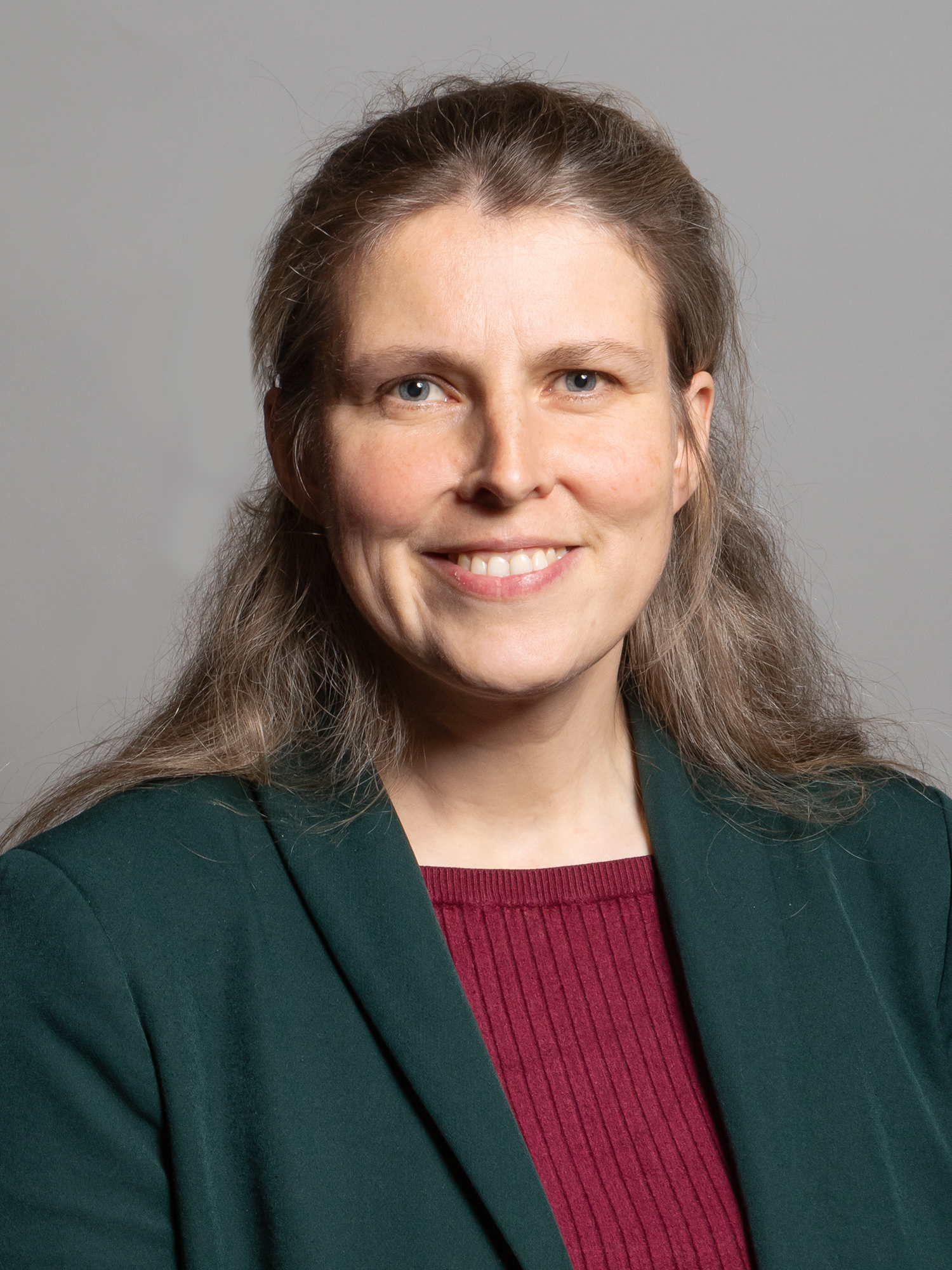
    The speech made by Carol Monaghan, the SNP MP for Glasgow North West, in Westminster Hall, the House of Commons, on 14 December 2022.

    I congratulate the hon. Member for Bury South (Christian Wakeford) on securing the debate. Its timing is particularly good, given that we are about to go into the Christmas recess. Many of us will enjoy time with our families, and at the same time we are asking people not just to exist on £5.84 per day but live in cold and often damp housing. It is not a time of cheer for those people.

    Earlier this year, I presented my Asylum Seekers (Permission to Work) Bill for First Reading. I discussed many of the issues that hon. Members have raised this morning. Ultimately, if we strip all this back and look at what the actual issue is, it is the Home Office; that is the bottom line. It is not making decisions and people are kept in limbo. Yes, we might hear about people kept in limbo for months, but for many of them—including a lot of my constituents—it is year after year of living hell. They cannot move on with their lives and they cannot do anything; they are literally just stuck there.

    Christian Wakeford

    If the hon. Member’s inbox is anything like mine, she will have people who are waiting two or perhaps even three years. They come to my office literally every single day just to see if we have had any news whatsoever. Unfortunately, all that we can say is, “No, but we will chase it again.” It is not being able to actually get on with life; they do not have a life, because they are not able to. They are stuck in limbo, as she said. She is absolutely right; this is fundamentally a failure of the Home Office, and it needs to be corrected now.

    Carol Monaghan

    Absolutely. One of my constituents has been waiting seven years for a decision. Are they an asylum seeker? Well, they are an asylum seeker—but are they a refugee or not? Surely we can come to a decision on that faster than seven years. We have a duty. If these people are not genuinely refugees, let us allow them to move on with their lives, because they cannot do that.

    This is also economically stupid. We hear about the cost of housing these poor individuals. What we should be looking at instead is this: if they are working, what tax revenues can we gain? In fact, if only half of those currently awaiting a decision from the Home Office were able to work, it would generate nearly £200 million a year in tax revenues. We do not hear that; that is never put on the front of the Daily Mail. While there has recently been an increase in the shortage occupations where people can seek employment, there are still glaring gaps. Members have already talked about hospitality; I also have businesses in my constituency that are having to close because they cannot get staff. Meanwhile, literally upstairs from the café that is having to close, we have housed asylum seekers who are desperate to work. It makes no sense; when that café works, it closes. People—native Glaswegians, in my case—are also losing out, and money for the local economy is being lost. Simply by not allowing the neighbours upstairs to work, we are causing businesses to fail. It is economically stupid, but it is what we have come to expect.

    Teachers are allowed to work if they teach maths, physics, computing or Gaelic, which is useful in Scotland, but there are huge shortages of teaching staff across the UK and we should be able to allow those people to come in and help. We have also seen shortages of HGV drivers, yet those people are not allowed to do such work.

    In the rhetoric that we hear it is interesting that these individuals are coming here to steal all our jobs, at the same time as claiming all our benefits. That is the paradox that neither the Daily Mail nor this Tory Government seem to be able to solve. In fact, the reality is that these people do neither of those things. The majority of people are simply looking for somewhere safe to get on with their lives, where they can contribute.

    Contributing is important: if we allow them to work, they contribute to the community and become part of our society. We all benefit as a result. I pay tribute to my constituent, Jean, who worked very hard with the asylum-seeker community about 20 years ago in Glasgow, when the Home Office was trying to deport people. She mobilised the local community to stop that happening. The story was told as “Glasgow Girls”, and one of those Glasgow girls, Roza Salih, is now an SNP councillor in Glasgow. Jean was the power behind the movement to stop the deportations happening. Kingsway Community Connections and people such as Jean are working hard to help people integrate and learn the language, and to show that they are welcome, which they are, but all the time we are battling against the poisonous rhetoric that causes so much difficulty.

    We also hear about safe and legal routes. I would love the Minister to tell me what the safe and legal route is for my constituent’s sister, who is women’s rights worker in Afghanistan. Her brother was shot in front of her a couple of months back, by people who told her they are coming back for her. What safe and legal route is available to her? She is literally under threat of execution at the moment.

    Working while waiting for a decision on an asylum claim allows for better integration, is economically sensible and allows us to learn from other cultures. It provides economic benefits to our communities and allows them to thrive. Finally, I congratulate the hon. Member for Bury South once again on securing the debate and allowing us to put on record some of the issues.

  • Rachael Maskell – 2022 Speech on Asylum Seeker Employment and the Cost of Living

    Rachael Maskell – 2022 Speech on Asylum Seeker Employment and the Cost of Living

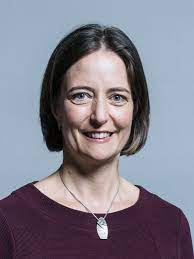
    The speech made by Rachael Maskell, the Labour MP for York Central, in Westminster Hall, the House of Commons, on 14 December 2022.

    I congratulate my hon. Friend the Member for Bury South (Christian Wakeford) on securing this debate, and on making such a powerful speech. It took a lot of honesty and courage, and I believe it truly honours his constituents.

    When we see people through the lens of how they were created, we do not see the labels that people have adhered to them. We find our brothers and sisters, our colleagues and friends. For that reason, it is so important to seek the very best for people who are at their very worst. I have serious concern about people who are not in education, employment or training. We know the impact that has on our constituents, no matter where they come from or their circumstances. We know about the impact on their mental health, their self-esteem and their dignity. We know about the impact on wider society, the local economy and the Treasury. The desire to work is instinctive in all of us. We want to contribute and make a difference to our society, and people who have come far want to make their contribution, too.

    Margaret Ferrier

    Not allowing asylum seekers to work means that the public perceive them as living off the state. Much of the public do not know about the work restrictions and the lack of access to welfare. Does the hon. Lady agree that the Government’s approach to refugees contributes to misconceptions, and may lead to racism?

    Rachael Maskell

    I thank the hon. Lady for that point. There is a risk that that approach can be used to fuel a debate. That is why it is important to ensure that people who come to live in our communities are integrated into them, become part of our streets, families and society, and play a strong role by contributing and receiving, as we all do. That makes stronger societies. She makes a pertinent point.

    People’s desire to work should be honoured, but as we know, across society, some of those people will be picked off by traffickers. Many people are trafficked to our country, and their securing good employment is one way to mitigate that. We know about the rise of modern slavery and exploitation. A black market is operating, and it would be far better for people to have the opportunity to contribute through legal employment than to be taken to darker places. When people are in employment, additional safety and accountability is placed around them. We hearing too many stories of people disappearing. That is not safe for them, or for wider society.

    Let me look at another aspect of the argument. I hear constantly from employers in my constituency and across North Yorkshire that there is a serious labour shortage. I am thinking about the NHS and social care, where services are unsafe because they cannot be properly staffed. We have an NHS crisis; it needs to secure more and more people in work. I am thinking about our wider public services and the contribution that so many people could make to the UK, just as they contributed in the countries from which they fled. I am thinking about the opportunities in agriculture; we need to increase our food security. I am also thinking about logistics, in which, again, there are serious labour shortages.

    So many of the people coming to our country could be part of the future economy. We have a climate crisis and are talking, at this very cold time, about the need to retrofit homes, yet we do not have the skills or the workforce to do that. We could train a new generation of workers to be part of the army that will be needed to address those issues. Construction and engineering are other examples. There are so many such areas.

    In my constituency, many hospitality settings have to close for part of the week because they simply do not have enough labour. That lack of labour is having a significant impact on the economy. The Government have been challenged by productivity, yet people who desperately want to work are being denied that opportunity. They could bring a greater return to the Treasury and help the economy across the board to settle, so that inflation could be controlled and the cost of living crisis, into which we have all been plunged, addressed.

    Asylum seekers have to wait 12 months before they get the opportunity to work. That demonstrates the crisis that has emerged, owing to the Home Office not having enough labour in place to process claims more quickly, and it costs people significantly. People’s talents are being wasted. I would fully support an employment programme that ensured that people had the opportunity to work. Last week, I met the Minister for Immigration to discuss that very issue, and to talk about the opportunities now that York has many asylum seekers coming to stay in our city. I offered our city, which is England’s only human rights city, as a city of sanctuary. There is an opportunity for people to come, and I suggested that in an orientation, they should receive the input and support that they need to address their trauma, and should receive any necessary language support.

    We should also start to triage people, and to look at who would most benefit where—for example, for younger people, we should look at schools and colleges—and at where the skillsets are. For many people, it might be worth looking at the occupational shortage list; they could then move into skilled employment. Others should have the opportunity to undertake training, and work could then be identified for them. Alongside that, we should ensure that people have the accommodation that they need. If people are in employment, they can contribute to the cost of their accommodation and that of their family.

    I also discussed a scheme that I would like the Government to adopt for people coming to the UK for asylum: homes for asylum seekers and refugees. That would give people the opportunity to integrate, and to live with families here. We have seen the success of the scheme for people coming from Ukraine, who have been able to integrate into communities. When 77% of asylum seekers have their applications granted, it obviously makes sense to get people ready for employment and for the opportunity to play a full part in our society as part of our communities. To deny those people that opportunity for 12 months is to deny them a year of their life, which is completely inappropriate. We know that work is therapeutic and healing, and it is one way of providing dignity for people. I have heard many stories of constituents who have come to me and begged for the opportunity to work, to provide and to be humanised through labour.

    It is absolutely right that we now see the Government move; it is economically literate for them to do so, but it will also dignify people across society. It will build a stronger economy for the future, build better integration, take away the barriers that divide people and ultimately build a stronger society for all.

  • Christian Wakeford – 2022 Speech on Asylum Seeker Employment and the Cost of Living

    Christian Wakeford – 2022 Speech on Asylum Seeker Employment and the Cost of Living

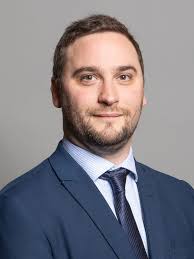
    The speech made by Christian Wakeford, the Labour MP for Bury South, in Westminster Hall, the House of Commons, on 14 December 2022.

    I beg to move,

    That this House has considered asylum seeker employment and the cost of living.

    It is a pleasure to serve under your chairmanship, Mr Davies. My constituent Mary had to flee her home country of Kenya because of fear of persecution and sought asylum in the UK in 2017. I met Mary in August of this year and learned about her story and the barriers that she has faced since coming to the UK, one of which is the barrier to being able to work. Back in August, she told me:

    “I was made to understand that I did not have the right to work as a person seeking asylum. This was…devastating for me as I knew I had some transferrable skills that I could use here to build my life and contribute to society.

    Not being able to work really affected my mental health. It felt…demeaning for me especially being a parent and not being able to fully provide for my child. Most days, I was confined in the house, dealing with devastation and a lot of stress. There were days my daughter had to miss school when it was non-uniform…days”.

    Mahmoud came to the UK in 2020, fearing for his life. He was forced to leave behind his wife and young son. Mahmoud was a civil servant and campaigner in Sierra Leone. He loved his job, but more importantly, he loved the fact that he was advocating for others. His life was sent into a spiral when the authorities began persecuting him. He said:

    “Going hungry brings me some comfort. The money that could pay for my food has paid for the food my family is eating. My little son”—

    Margaret Ferrier (Rutherglen and Hamilton West) (Ind)

    I congratulate the hon. Member on securing the debate. While inflation has pushed the cost of energy and food to a 40-year high, the asylum support allowance has risen by just 13p from last year. Does he share my concern that the Home Office has not adequately considered the harm done when refugees cannot afford the very basics, such as three meals a day?

    Christian Wakeford

    I thank the hon. Lady for the intervention. I was just coming on to that point, but I completely and wholeheartedly agree.

    As Mahmoud said, going hungry brings him some comfort. The money that could pay for his food has meant that his little son will not go to bed hungry. That is the only comfort that it brings him. He used to spend £10 on his weekly grocery shop, but now, increasing costs are making that impossible. These are not one-off instances; this is the life of an asylum seeker in a cost of living crisis.

    Close to 18 months ago, I was in a debate on the Nationality and Borders Bill. In that debate, I said that asylum seekers travel through many safe countries, and that they essentially have a shopping trolley as to what they want as economic migrants. I want to go on record here and say that it is important to admit when you are wrong. My meetings with Mary and others have shown me that I was wrong, and I am sorry for that. Every week, the Government use scapegoats, and as we continued to see even yesterday in the Prime Minister’s statement, asylum seekers have been one for this Government for far too long. I am sorry for playing my part in that narrative as well.

    These people are not arbitrary numbers for newspaper editors to froth at the mouth about, or to stoke the fire of intolerance. They are human beings, and we all need to remember that. They have had their hopes and dreams for themselves and their children dashed, but they still have hope. They want a good education; they want to live life without fear of persecution; and more importantly, they need our help and assistance. The persecution may be for a religious or political belief, due to war or because of the sexuality of the person they love, but when I have met asylum seekers, one thing has always been constant: the need for dignity after all they have been through. I am sure that we can all agree that having a purpose through work brings dignity.

    People seeking asylum in the UK are in effect prohibited from working, and are forced to rely on just £5.84 a day while they wait for a decision to be reached on their asylum claim. During the cost of living crisis, that small sum makes it impossible to cover what is needed. As the hon. Member for Rutherglen and Hamilton West (Margaret Ferrier) said, an increase of just 13p in a year seems miserly in the crisis that we face as a nation.

    You have fled persecution, and you fear for your life. You have taken on a potentially near-death experience, crossing dangerous waters in an overflowing dinghy with both your children. You get to your destination, but all avenues are blocked. That £5.84 does not even buy two cups of coffee. It is not enough to feed or clothe yourself or your children, to travel to appointments, or to buy toiletries and sanitary products; that is not feasible. That just is not fair.

    Immigration rules dictate that people can apply to work only after they have been waiting for a decision on their asylum claim for over a year. There are many reasons why lifting the ban on asylum seekers working in the UK is the right thing to do. Forcing people fleeing persecution to spend months of their lives in poverty is inhumane. It has a detrimental impact on their physical and, more importantly, mental health. Enabling people to work provides them with the human dignity of being able to support themselves and their families while they build a route out of poverty. There are moral and ethical reasons why that would be the right thing to do. Lifting the ban would also provide considerable fiscal benefits to the country.

    Without the opportunity to work, many people seeking asylum are forced into unsafe and exploitative practices, including forced labour. Research by the OECD found that a lack of permission to work can lead some people seeking asylum to work unlawfully, and that type of work can lead to situations of exploitation and modern slavery, as they do not have recourse to health and safety measures, or even regulated employment practices.

    The Lift the Ban coalition estimates that reform of the policy could save the UK economy more than £333 million a year. If 50% of people who have waited more than six months for a decision on their initial asylum application were able to work full time on the national average wage, the Government would receive almost £249 million from the tax and national insurance contributions alone. If they no longer required subsistence support but retained support for accommodation, the Government would save an additional £84 million.

    By the end of 2022, the Treasury will have wasted nearly £1 billion over 10 years as a result of banning people seeking asylum from working. Lifting the ban would also bring us into line with other countries around the world. The restrictive approach that the UK takes on the right to work makes it an international outlier. In comparable countries across Europe and in Australia, people are given an opportunity to support themselves earlier, with fewer restrictions. In France and Spain, there is a six-month wait, and in Germany a three-month wait.

    Employment figures continue to show tightness in the labour market; the CBI has identified that three quarters of businesses are being hit by labour shortages. The British Chambers of Commerce suggests that reform of the shortage occupation list is required to allow sectors facing an urgent demand for skills to get what they need. It makes no sense for business, or for this country, to prohibit thousands of people who have the necessary skills from filling vacancies in industries that are desperately in need of workers.

    Members should not listen only to me; the Lift the Ban coalition brings together almost 270 members, including the TUC, Unison and Oxfam, as well as those famous lefties at the CBI, Bright Blue and the Adam Smith Institute. The Government’s own Migration Advisory Committee released its annual report on Monday. It found that banning asylum seekers from working results in their entering the informal economy on poorer wages and conditions, which leaves them open to exploitation. It states:

    “We also recommended that the Government review their policy more generally on allowing asylum seekers to work.”

    It is not only businesses but the public who support that. YouGov polling carried out in March 2022 found that 81% of the population support granting the right to work after someone has waited six months. According to Refugee Action, 97,717 people seeking asylum have waited more than six months for an initial decision on their application—a sixfold increase from five years ago.

    We have heard many times about the asylum system being broken. The figures alone show that to be the case. Just over three quarters—77%—of asylum seekers will eventually have their asylum claim accepted. The cost of living crisis has illuminated the ongoing dangers and frustrations of the restrictive rules. Soaring food and energy prices have pushed inflation to a 40-year high, yet the rate of asylum support allowance has risen by just 13p since 2021. Without the option of supporting themselves and their families through work, many people seeking asylum experience poverty, destitution and homelessness, and develop serious physical and mental health issues. The Conservative mantra has always been that the best route out of poverty is through work, so why are asylum seekers left in destitution and not offered that route?

    Labour supports granting asylum seekers the right to work after they have waited for six months. The Minister for Immigration admitted recently that although he did not think the policy should change due to pull-factor concerns, there are good arguments on both sides of the debate. The Government’s defence of the policy is that enabling asylum seekers to work would act as a pull factor, and that wider economic policy schemes could be seriously undermined if migrants were able to bypass work visa rules by lodging unfounded asylum claims in the UK, but that falls flat given that a leaked Home Office report showed that permission to work is not a pull factor. The report revealed that many people seeking asylum do not have a prior understanding of welfare policies or access to provisions before they come to a country, and they have little knowledge of economic conditions in destination countries.

    Equally, the argument that economic migrants will make false claims in order to access the labour market is not a strong line of defence. A six-month waiting period would provide a strong safeguard against that. It is implausible that somebody would bring themselves to the attention of the authorities on the basis that there might be a chance that their asylum application will not be decided within six months. In reality, most people seeking asylum do not have a choice about the country to which they flee. Many of those who have come to the UK have done so because of cultural, family or community connections.

    I pay particular thanks to Refugee Action for all the important work it does in supporting asylum seekers. It has been an invaluable source of information and, more importantly, education to me. I also thank World Jewish Relief; it set up its specialist training and employment programme in 2016, which helps refugees to gain language skills and qualifications, and to get training. It also provides one-to-one assistance in CV writing and interview skills.

    We need an asylum system based on compassion. I hope the Minister has listened closely to the body of supportive evidence and takes heed of it. Human beings all need support at some point. Please do not leave these people behind.

  • Michael Gove – 2022 Statement on the Update on the Homes for Ukraine Scheme

    Michael Gove – 2022 Statement on the Update on the Homes for Ukraine Scheme

    The statement made by Michael Gove, the Secretary of State for Levelling Up, Housing and Communities, in the House of Commons on 14 December 2022.

    Today I announce measures to update the Homes for Ukraine scheme. This scheme has been a significant success. Although the initial roll-out of visas was slower than the Government would have liked, over 100,000 Ukrainian guests are now safe in the United Kingdom, and 37,500 more have valid visas and may choose to travel to the United Kingdom if circumstances change. The sheer number of applicants and of British families willing to open their homes to those seeking shelter is truly extraordinary.

    The Government are committed to protecting this route to safety into its second year, but we need to do so in a way that is sustainable considering the wider pressures on public finances and the UK’s overseas development assistance budgets. We are therefore setting out today a series of updates. These measures taken together are designed to recognise the contribution made by sponsors while also ensuring the sustainability of the programme over the longer term and to provide certainty to all those who are supporting our guests here in the UK.

    “Thank you” payments

    Hosting is a very significant commitment. The Government are enormously grateful to all those who have volunteered to share their home with Ukrainian people fleeing war. Without the generosity of all our British sponsors, we simply would not have been able to give shelter to so many of those in need. In recognition of this, I am announcing today that the £350 “thank you” payments, will be extended from 12 months to a maximum duration of two years. The UK Government will also increase the minimum “thank you” payments for hosts from £350 per month to £500 per month, once a guest has been here in the UK for 12 months.

    This additional financial support is aimed at helping existing hosts to continue with their sponsorship, as well as new hosts who come forward to offer a home to a Ukrainian individual or family.

    Some local authorities are already uprating “thank you” payments using their own resource, and this is a measure we fully support. Our new package shows our strong desire to recognise the contribution made by sponsors, to help them with the rising cost of living and incentivise further sponsorships and rematching.

    Funding for local authorities

    Since the Homes for Ukraine scheme launched in March 2022, the UK Government have provided £1.1 billion to councils through a tariff for each arrival in their area. This funding is available for councils to support Ukrainian guests and their sponsors. Given a fraction of Ukrainian arrivals return to Ukraine, after arriving in the UK, and the need to manage public finances at a time of significant economic challenge for the UK and the global economy, the Government will reduce the tariff for each local authority. Councils will continue to receive the existing year 1 tariff to support those Ukrainians who have already arrived, as previously set out.

    From 1 January 2023, councils will receive funding of £5,900 for each new arrival to support guests and their sponsors, in addition to the “thank you” paid to sponsors. Local authorities will continue to receive separate funding in 2022-23 for the Ukraine education tariff under the rates and terms previously set out—a per child tariff of £3,000 for early years, £6,580 for primary and £8,755 for secondary and payments calculated on a pro-rata basis—and the Ukrainians families will also continue to receive Government support on skills training, jobcentre access and welfare payments. The Department fully recognises the many pressures on local authority budgets and at the autumn statement the Government announced a further £6.5 billion to be made available for local government to deliver core services over the next two years.

    The Department will also provide £150 million of new UK-wide funding in the 2023-24 financial year to local authorities and devolved Governments to help support Ukrainian guests move into their own homes and reduce the risk of homelessness. Local authorities are best placed to understand the support needed for local communities, and as is typically the case for various local authority funding, they will also be able to use this funding to support other people at risk of homelessness. This funding will be allocated between the different parts of the UK in relation to their proportion of Ukrainian guests. I will be writing to local authorities and my counterparts in the devolved Administrations with more details on this shortly.

    Local authority housing fund

    Today, I am also launching a £500 million local authority housing fund, which will provide capital funding directly to English councils in areas that are facing the most significant housing pressures as a result of recent Ukrainian arrivals. These local authorities are facing housing challenges on the back of their generosity, which unless alleviated will further impact existing housing pressures. This fund will allow them to address the immediate pressures as well as build a sustainable stock of affordable housing for the future. This fund will also be used to provide homes for up to 500 Afghan families currently living in bridging hotels at a significant cost to taxpayers. Whilst helping to fulfil the UK’s humanitarian duties to assist those fleeing war, the fund will create a lasting legacy for UK nationals by providing a new supply of accommodation for councils with which to address local housing and homelessness pressures.

    The UK Government continues to work with the Ukrainian Government, the devolved Governments, local authorities and charities and voluntary groups to deliver the Homes for Ukraine scheme and support sponsors and their guests.

  • PRESS RELEASE : British military to receive 60 All-Terrain Vehicles under international agreement [December 2022]

    PRESS RELEASE : British military to receive 60 All-Terrain Vehicles under international agreement [December 2022]

    The press release issued by the Ministry of Defence on 16 December 2022.

    UK troops will receive 60 amphibious all-terrain armoured vehicles to support operations in the harshest environments, as part of a trilateral agreement.

    • £140 million contract to bolster ability to operate in harsh environments
    • 60 new amphibious vehicles to be in service for 30 years
    • Purchase alongside key allies bolsters European interoperability

    Under the international Collaborative All-Terrain Vehicle (CATV) programme – including Sweden and Germany – the UK Commando Force will receive 60 Future All-Terrain Vehicles (FATV) starting from February 2025, under a £140 million contract.

    The deal will see a total of 463 of the vehicles delivered by BAE Systems across the three European partners, with the engines for all FATVs produced by Cummins in Darlington.

    The vehicles will be used by the Navy’s Littoral Response Groups – bespoke, highly-mobile amphibious task groups designed to react to crises in regions strategically important to the UK.

    Capable of operating in the harshest weather conditions and most remote environments, the amphibious, multi-role, armoured vehicle will include variants of vehicles for troop transport, logistics, medical evacuation, recovery, and command and control.

    Defence Procurement Minister, Alex Chalk said:

    We continue to equip our Armed Forces with the most mobile and resilient capabilities, to support them in operations around the world and Future All-Terrain Vehicles for the Royal Navy are another example of this.

    This tri-lateral agreement with Sweden and Germany serves to strengthen key alliances and improve interoperability.

    Working alongside our European and Joint Expeditionary Force (JEF) Arctic partners in the High North, FATVs will be in-service until 2058, replacing the BV206 tracked and older BvS 10 ‘Viking’ models. Their articulated mobility systems provide optimal manoeuvrability across varying terrains so they can traverse snow, ice, rock, sand, mud or swamps, as well as steep mountain environments. The vehicles’ amphibious feature also allows them to swim in flooded areas or coastal waters, and a logistics variant can carry 6 tonnes of equipment.

    Brigadier Mark Totten, Navy Deputy Director Acquisition, said:

    The signing of the CATV contract is great news for UK Defence and for Commando Forces. This is a unique capability – fundamental for Commando Forces that are expert in operating in the extreme cold weather and across the littoral. The vehicle boasts a number of characteristics that make it perfect for the Future Commando Force: it is adept over snow, has amphibious swimming capability and protects its occupants from several threats.

    Progressing to contract is a clear statement of the UK’s strong commitment to High North and to working alongside our NATO and JEF partners.

    The FATV has a front cabin to accommodate the driver with three fully equipped marines, and a rear cabin which can carry eight fully equipped marines or be fitted for a variety of different purposes including short range air defence.

  • PRESS RELEASE : Appointment of Suffragan Bishop of Kingston [December 2022]

    PRESS RELEASE : Appointment of Suffragan Bishop of Kingston [December 2022]

    The press release issued by 10 Downing Street on 16 December 2022.

    The King has approved the nomination of The Reverend Canon Dr Jonathan Martin Gainsborough, to the Suffragan See of Kingston, in the Diocese of Southwark.

    The King has approved the nomination of The Reverend Canon Dr Jonathan Martin Gainsborough, Chaplain to the Bishop of Bristol, in the Diocese of Bristol, to the Suffragan See of Kingston, in the Diocese of Southwark, in succession to The Right Reverend Dr Richard Cheetham following his retirement.

    Background

    Martin was educated at the University of Bristol and The School of Oriental and African Studies and trained for ministry on the Southern Theological Education and Training Scheme. He served his title at St Luke’s, Barton Hill, in the Diocese of Bristol and was ordained Priest in 2011.

    In 2013, Martin was appointed Priest-in-Charge at St Luke’s and in 2016 he became Canon Theologian at Bristol Cathedral. During this time, Martin was also Professor of Development Politics at the University of Bristol.

    Martin took up his current role as Chaplain to the Bishop of Bristol in 2019.

  • PRESS RELEASE : New figures provide latest data on veterans suicide [December 2022]

    PRESS RELEASE : New figures provide latest data on veterans suicide [December 2022]

    The press release issued by the Cabinet Office on 16 December 2022.

    • New study by the University of Manchester finds that suicide risk amongst veterans overall is similar to the general population
    • Serving in the military for longer periods of time, and serving on operational tours were associated with reduced suicide risk; while younger veterans and those who left after a short career were more at risk
    • Study is one part of improving data and understanding of the causes and rates of suicide in veterans

    A new study from the University of Manchester has found that veterans are at no greater risk of suicide than the general population, although some cohorts need additional support.

    The study, which linked data between NHS and military records, also found that veterans over the age of 35 were at a lower risk of suicide than the general population, although younger veterans were at increased risk.

    The new data was funded by the Ministry of Defence and NHS England. It looked at data for over 458,000 veterans between 1996 and 2018. During this period 1,086 (0.2%) veterans sadly took their own lives, which is similar to the overall rate in the general population.

    The findings come as Veterans’ Affairs Minister Johnny Mercer calls for greater awareness of the support available, particularly as we head towards the Christmas period, where some may struggle with their mental health.

    Minister for Veterans’ Affairs Johnny Mercer said:

    This is an important study which will help us ensure we have targeted veterans care and support.

    While it’s important to note that suicide rates amongst veterans are similar to the general population, any death is a tragedy and we must help those who need support.

    I would strongly urge anyone who is struggling to reach out and help is available, including through Op COURAGE in England, dedicated NHS services in Scotland and Wales, and the Veterans’ Support Office in Northern Ireland.

    Whilst overall suicide risk is similar to the general population, the study found suicide rates were 2-4 times higher for veterans under the age of 25, when compared with the general population of the same age group. However, suicide rates were lower than the general population for veterans over 35 years old.

    Contrary to popular perceptions, the study also found that those who have served in a conflict had a reduced risk of suicide.

    The study also found that being male, being discharged from the forces before the age of 34 years, being untrained, and having served for less than 10 years were risk factors for suicide. The research also showed that a quarter of veterans who had died by suicide had been in contact with specialist mental health services in the 12 months prior to their death.

    Levels of unemployment, alcohol and drug misuse, and self-harm samples were also found to be similar to patients who had not served in the Armed Forces.

    Cathryn Rodway, Lead Study Author and Programme Manager at the National Confidential Inquiry into Suicide and Safety (NCISH) said:

    In this study we linked national databases of those who had left the Armed Forces and those who had died by suicide and compared the risk of suicide in nearly half a million veterans with the general population.

    While public perception and some previous studies suggest combat-related experiences are associated with suicide, our findings paint a slightly different picture. We found suicide was no more common than it is in the general population although risk did appear to be higher in the youngest age groups and those with short lengths of service.  Deployment to a conflict actually appeared to reduce suicide risk.

    Professor Nav Kapur, Professor of Psychiatry and Population Health at The University of Manchester and senior author of the study said:

    Young veterans with short lengths of service had higher rates of suicide than young people in the wider population and this might be the group with the most pressing needs. These findings are consistent with a much smaller study we carried out over a decade ago.

    While some factors are specific to veterans, other aspects of the prevention challenge are similar to the general population.

    We need to ensure we tackle mental health problems and alcohol misuse, have high quality services for self-harm, and address the other health and social factors which may contribute to suicide in both veterans and non-veterans.

    The study is part of a wider body of research examining suicide in veterans. Veterans and families bereaved by suicide contributed to the study design. A forthcoming study by the same authors will explore the role of pre-service vulnerabilities, or factors that may have influenced later suicide risk by undertaking an in-depth examination of coroner records.

    Other studies are involving veterans and their families in coproduction events to develop an integrated model of safety for the veteran community (“One is Too Many”), and conducting in-depth interviews with veterans’ families bereaved by suicide to develop an Armed Forces Suicide Bereavement pack.

  • PRESS RELEASE : Human rights in Russia – Joint statement to the OSCE [December 2022]

    PRESS RELEASE : Human rights in Russia – Joint statement to the OSCE [December 2022]

    The press release issued by the Foreign Office on 16 December 2022.

    Slovak Ambassador to the OSCE, Peter Mišik, highlights that Russia has systematically clamped down on its own people over the last two decades.

    I am delivering this statement on behalf of the following 39 participating States, inter alia those that invoked the Moscow (Human Dimension) Mechanism on 28 July: Albania, Andorra, Austria, Belgium, Bulgaria, Canada, Croatia, Republic of Cyprus, Czech Republic, Denmark, Estonia, Finland, France, Germany, Greece, Iceland, Ireland, Italy, Latvia, Liechtenstein, Lithuania, Luxembourg, Malta, Monaco, Montenegro, the Netherlands, North Macedonia, Norway, Poland, Portugal, Romania, Slovenia, Spain, Sweden, Switzerland, Ukraine, the United Kingdom, the United States and my own country Slovakia.

    Human Rights Day is an occasion to celebrate the inalienable rights that everyone is entitled to as a human being. But Human Rights Day also reminds us to address the deficits.

    The report under the Moscow Mechanism that our countries initiated concluded that the Russian Federation has systematically clamped down on its own people over the last two decades. In addition, with its internal clampdown on human rights and fundamental freedoms, the Russian Federation has helped prepare the ground for its war of aggression against Ukraine.

    Repressive legislation and administrative practices are being used to restrict the exercise of human rights and fundamental freedoms of people in Russia, most notably through the so-called “foreign agents” and “undesirable organisations” laws. The report found that “Russian legislation in this area is clearly incompatible with the rule of law.” Particularly, the foreign agents law, the report went on, “can be understood as one of the major tools for curbing civil society activities both of associations and individuals and for bringing them under control of the authorities.”

    We need to bring this legislation to the attention of this council again because the Russian Federation has further toughened the foreign agents law through a legislative amendment of 14 July. Despite the clear guidance provided in the report, this legislative amendment entered into force on 1 December. Under this new legislation, it even constitutes criminal behaviour to “receive support and/or otherwise be under foreign influence”. The report explains the “very broad margin for interpretation” that this legislation provides, and the chilling effect it will have on participation in State affairs and public life.

    The law thereby expands the definition of a so-called “foreign agent” to a point where almost any person or entity, regardless of nationality or location, could be designated as such. This makes it even easier for Russian Federation authorities to threaten critics, impose harsh restrictions on legitimate public activities and even ban them. It makes thoughtful public discourse about Russia’s past, present and future harder – yet not impossible, as also evidenced by the recent OSCE Parallel Civil Society Conference 2022 in Łódź.

    The public discourse the Russian authorities are most desperately trying to suppress is the one on Russia’s unprovoked, unjustified and illegal war against Ukraine. In that regard, the Moscow Mechanism report identified the use of legislation on state secrets and treason as a “growing concern”. In October, the opposition activist and long-time champion of OSCE principles Vladimir Kara-Murza was charged with high treason. Investigators claim that Mr Kara-Murza committed high treason when he spoke against the war in Ukraine at public events in Lisbon, Oslo and Washington. Apparently, the crude logic goes, Mr Kara-Murza is deemed to have cooperated with NATO simply for expressing an anti-war stance in NATO countries. We reiterate our call to the Russian authorities to release Mr Kara-Murza and all political prisoners, and to stop their relentless attacks on dissidents and ordinary citizens who dare to express their opinions.

    The rapporteur further notes that recently adopted legislation prohibiting the sharing of so-called fake news about the Russian military, statements “discrediting” the Russian Armed Forces, and calls for sanctions against Russia are politically motivated and instrumentalized by the Russian authorities to silence dissenting voices, leading to a “total information blackout on the war.” On 8 July, municipal deputy Aleksei Gorinov was sentenced to seven years for disseminating so-called “knowingly false information” for speaking out against Russia’s invasion of Ukraine. On December 9, Russian opposition politician Ilya Yashin was sentenced to 8.5 years in prison for allegedly “spreading false information” about the Russian military by speaking the truth about atrocities committed by Russia’s forces in Bucha.

    In the Moscow Mechanism report, the rapporteur noted with great concern the developments in Russia regarding the human rights of LGBTI individuals, particularly a new draft law of 18 July prohibiting the dissemination of information denying family values and propagating so-called non-traditional relationships, inter alia on the internet and in the cinema. Only last week, President Putin enacted the law with his signature after the State Duma had adopted the law on 24 November and the Federation Council had approved it. The law reinforces stigma and prejudice against LGBTI persons despite our OSCE commitments to combat intolerance and discrimination and to promote mutual respect and understanding.

    The Russian Federation has failed to reverse its policy contrary to OSCE commitments in the field of human rights and fundamental freedoms.

    The Moscow Mechanism report reminded us that internal repression and external aggression are “connected to each other as if in a communicating tube”. The two OSCE Moscow Mechanism reports circulated on 13 April and 14 July 2022 documented violations of international humanitarian law and international human rights law. Therefore, the exercise of human rights and fundamental freedoms in Russia needs to remain under close international scrutiny. We are pleased that the UN Human Rights Council decided to implement the recommendation of the Moscow Mechanism report to appoint a special rapporteur on the human rights situation in the Russian Federation.

    Russia cannot dispense with its international obligations by violating them. Our OSCE commitments stand and they will withstand the challenge by Russia’s government. We will continue to remind the Russian Federation of its OSCE commitments.

  • PRESS RELEASE : Statement on final verdict in murder case of “Becky” Dykes [December 2022]

    PRESS RELEASE : Statement on final verdict in murder case of “Becky” Dykes [December 2022]

    The press release issued by the Foreign Office on 16 December 2022.

    Lebanon’s Court of Cassation has rejected the appeal by Tariq Houshieh, and affirmed his guilt for the brutal murder in 2017 of our dear colleague Rebecca “Becky” Dykes. We are grateful to all of those who have contributed to the final resolution of this case after many months of delay.

    The British Embassy in Beirut, the Foreign, Commonwealth and Development Office, and her family and friends, are committed to continuing to honour her legacy, including through efforts to combat the scourge of violence against women and girls, and to promote community cohesion and stability.

    We hope this verdict will bring some closure for Becky’s family, for the many around the world who loved Becky, and for all those whose lives she touched through her humanitarian work in Lebanon and elsewhere.

  • PRESS RELEASE : World’s first net zero transatlantic flight to fly from London in 2023 [December 2022]

    PRESS RELEASE : World’s first net zero transatlantic flight to fly from London in 2023 [December 2022]

    The press release issued by the Department for Transport on 16 December 2022.

    • World first as Virgin Atlantic wins UK government funding to operate historic net zero London to New York flight
    • Rolls-Royce, Boeing, Pratt & Whitney Canada, Imperial College London, University of Sheffield, Rocky Mountain Institute (RMI) and ICF also form part of an iconic British-led consortium
    • Heralds future of low carbon aviation, with the wider sustainable aviation fuel (SAF) industry potentially creating thousands of UK jobs while supporting delivery of net zero aviation emissions by 2050

    The first ever net zero transatlantic flight will take off from the UK next year, with Virgin Atlantic receiving government funding to fly across the pond using solely sustainable aviation fuel (SAF).

    In 2023, one of Virgin Atlantic’s flagship Boeing 787s, powered by Rolls-Royce Trent 1000 engines, will take off from London Heathrow and make the journey to New York’s John F Kennedy Airport – a journey made by thousands of people for business, family and leisure every week. But this will be no ordinary journey.

    When fully replacing kerosene, SAF can slash lifecycle carbon emissions by over 70% compared to conventional fossil jet fuel. This flight is expected to be fuelled by SAF made primarily from waste oils and fats, such as used cooking oil. The use of 100% SAF on the flight, combined with carbon removal through biochar credits – a material which traps and stores carbon taken from the atmosphere – will make the net zero flight.

    Not only will SAF be key in decarbonising aviation, but it could create a UK industry with an annual turnover of £2.4 billion by 2040, and which supports up to 5,200 UK jobs by 2035.

    Transport Secretary Mark Harper said:

    For decades, flying from London to New York has symbolised aviation’s ability to connect people and drive international progress. It’s now going to be at the forefront of cutting carbon emissions from flying.

    Not only will this flight pave the way for future generations, but it will demonstrate just how much we can achieve when we work together on a shared goal – bringing together some of the best businesses and academics in the world and led by a British airline.

    Shai Weiss, Virgin Atlantic CEO said:

    As an airline founded on and committed to innovation, we’re proud to lead a cross-industry consortium of partners to make aviation history by operating the first ever 100% SAF flight across the Atlantic. Virgin Atlantic’s inaugural flight in 1984 was to New York and today it continues to be one of our most popular routes. It will be an honour to pave the way for this important business and leisure route to become even more sustainable.

    This challenge recognises the critical role that SAF has to play in decarbonising aviation and the urgent collective action needed to scale production and use of SAF globally. The research and results will be a huge step in fast-tracking SAF use across the aviation industry and supporting the investment, collaboration and urgency needed to produce SAF at scale. Our collective ambition of net zero by 2050 depends on it.

    Aviation is one of the hardest sectors to decarbonise and without urgent collaborative action it could be one of the highest-emitting sectors for greenhouse gases by 2050. To tackle this, the government published the Jet Zero strategy in July 2022 which sets out our approach for decarbonising the sector and champions SAF as one of the main tools for achieving Jet Zero.

    Challenges remain, however, including the need to scale up SAF production and the existing limit on how much SAF is permitted in jet engines by current fuel specifications. Today, a maximum of 50% SAF blended with kerosene can be used in commercial jet engines. By using 100% SAF, the consortium will demonstrate the potential to decarbonise long-haul routes and bring us a step closer to net zero aviation.

    It comes hot on the heels of the world’s first sustainable fuel military transporter flight using 100% SAF, completed by the RAF last month using the iconic Voyager aircraft.

    Other challenges preventing a higher uptake of SAF include high fuel production costs, technology risk at commercial scale and feedstock availability. To address these, the government is working to set the UK up to be a global leader in the development, production and use of SAF, allowing us to progress towards net zero flying, and creating thousands of green jobs.

    The government will introduce a SAF mandate requiring at least 10% of jet fuel to be made from sustainable sources by 2030 to create secure and growing demand, continue to invest in a domestic SAF industry through the £165 million advanced fuels fund, and work with the industry and investors to understand how to secure long-term investment into the sector. Along with this ground-breaking flight, these measures will support a growing role for SAF within the future of everyday flying.

    Rachael Everard, Head of Sustainability, Rolls-Royce said:

    Congratulations to Virgin for winning the net zero transatlantic flight fund competition. This represents an incredible milestone for the entire aviation industry in its journey towards net zero carbon emissions.

    We are incredibly proud that our Trent 1000 engines will power the first ever flight using 100% SAF across the Atlantic. SAF will play such an important role in decarbonising long-haul flight in particular and is a key element of our sustainability strategy.

    The Trent 1000 can already be flown with a 50% blend of SAF on commercial flights and by the end of 2023 we will have proven that our whole family of Trent engines and business aviation engines are compatible with 100% SAF.

    Sheila Remes, Vice President, Environmental Sustainability, Boeing said:

    Boeing is proud to support the Department for Transport and Virgin Atlantic in this endeavour. Our longstanding sustainability partnership with Virgin dates back to the historic 2008 commercial SAF test flight on a Boeing 747.

    Together, as we add another SAF ‘first’ to our partnership and to the benefit of the industry, we know we are one step closer to a sustainable future of flight that will have zero climate impact.

    As well as delivering cleaner skies, the development of a domestic industry for the production of SAF has the potential to improve fuel security and support thousands of green jobs. In 2020, it was estimated that a UK SAF industry could generate a gross value added (GVA) of up to £742 million annually and support up to 5,200 UK jobs by 2035. A further 13,600 jobs could be generated from the growing market for SAF through global exports – helping to level up the UK and boost the economy.

    Delivering the transatlantic flight will help to gather the data needed to support ongoing and future work to test and certify higher blends of SAF while exploring how operational efficiency improvements, flight optimisation and carbon removals can contribute to achieving net-zero flights – not just in the UK, but for the global aviation industry.

    Dr Marc Stettler, Imperial College London said:

    We’re delighted to be part of this project to advance understanding the non-CO2 effects of flying. As we adopt sustainable aviation fuels to decarbonise aviation, it’s essential that we also evaluate these non-CO2 climate impacts and demonstrate ways to reduce them.

    Professor Mohamed Pourkashanian, Head of the University of Sheffield Energy Institute, said:

    We are delighted to be working on this prestigious and timely project to deliver the first transatlantic net-zero flight. Through this partnership of world-leading aviation experts from industrial and academic backgrounds, we’re going to help make sustainable aviation fuels a reality for long-haul flights.

    The facilities at the University of Sheffield – including the Sustainable Aviation Fuels Innovation Centre (SAF-IC) – are at the cutting edge of SAF development, characterisation and testing, and we’re excited to join this project to deliver the fuel which will drive the decarbonisation of the aviation sector, and secure greener, cleaner flights for the future.

    Alastair Blanshard, ICF Sustainable Aviation Lead said:

    Flying over an ocean at nearly the speed of sound without producing any net climate impact will be an inspiring step towards a net zero aviation industry. ICF is delighted to partner with Virgin Atlantic to make this milestone a reality in 2023.

    We will draw on our decades of experience in sustainable aviation to develop, apply and critically assess methods to estimate and measure the life-cycle climate impact of transatlantic operations, and apply these to achieve a net zero flight.