Blog

  • Claudia Webbe – 2022 Speech on the Cost of Food

    Claudia Webbe – 2022 Speech on the Cost of Food

    The speech made by Claudia Webbe, the Independent MP for Leicester East, in Westminster Hall, the House of Commons, on 14 December 2022.

    Thank you, Mr Gray. Food poverty is a political choice. It is slow violence; we are talking about social murder. The sheer numbers of people who are suffering hardship in this country is staggering. The latest figures from the Office for National Statistics show that over 20 million people in the UK have been forced to cut back their spending on food and essentials because of the spiralling cost of living. Despite the energy crisis, the No. 1 reason that they reported for having to cut their spending was the rocketing price of food itself. One in six households in the UK are food-insecure. In Leicester East, where more than four in 10 children live in poverty and food bank use has soared by more than 300% in recent years, people are facing the worst of this crisis. Food-bank use is again at record levels, and the numbers are rocketing up. These are horrifying figures; a country with so many people in these situations cannot claim to be truly civilised.

    I will end on this, because I want to tell this story. It seems that the most popular—

    James Gray (in the Chair)

    Order. We will not bother with the story— thank you. I call Patricia Gibson.

  • PRESS RELEASE : New legally binding environment targets set out [December 2022]

    PRESS RELEASE : New legally binding environment targets set out [December 2022]

    The press release issued by the Department for Environment, Food and Rural Affairs on 16 December 2022.

    Targets to protect our environment, clean up our air and rivers and boost nature have been published.

    Legally binding targets to protect our environment, clean up our air and rivers and boost nature have been published today (Friday 16 December) following extensive consultation as part of the government’s commitment to leave the environment in a better state for future generations.

    Together they will drive forward action to tackle climate change, restore our natural capital and protect our much-loved landscapes and green spaces.

    The Government will publish its Environmental Improvement Plan in January 2023 setting out in more detail how we will achieve these targets, including interim targets.

    Publication of the targets today follows three years of detailed consideration of the scientific and economic evidence, which was published in March 2022, to inform draft targets. A comprehensive consultation on these was run earlier this year which saw over 180,000 responses from a range of individuals, businesses and other organisations.

    Sitting at the heart of the government’s Environment Act, the targets require us to:

    • Halt the decline in species populations by 2030, and then increase populations by at least 10% to exceed current levels by 2042
    • Restore precious water bodies to their natural state by cracking down on harmful pollution from sewers and abandoned mines and improving water usage in households
    • Deliver our net zero ambitions and boost nature recovery by increasing tree and woodland cover to 16.5% of total land area in England by 2050
    • Halve the waste per person that is sent to residual treatment by 2042
    • Cut exposure to the most harmful air pollutant to human health – PM2.5
    • Restore 70% of designated features in our Marine Protected Areas to a favourable condition by 2042, with the rest in a recovering condition.

    Our world-leading target to halt the decline in species abundance will be followed by a target to reverse that decline, alongside a further target to reduce the risk of species extinction. This will be supported by our target to restore or create more than 500,000 hectares of wildlife-rich habitat, which will also help the UK to meet its international commitment to protect 30% of its land and ocean by 2030.

    Targets to cut harmful pollution reaching our rivers will help achieve our ambition for more water bodies to be in their natural state, with an 80% cut in total phosphorus pollution from wastewater treatments by 2038 helping to safeguard our waterways.

    Environment Secretary Thérèse Coffey, speaking at the UN Convention in Montreal today, said:

    We are committed to leaving our natural world in a better state for future generations, and today we are laying the foundations that will help deliver on this commitment.

    These targets are ambitious and will be challenging to achieve – but they will drive our efforts to restore our natural environment, protect our much-loved landscapes and green spaces and marine environment, as well as help tackle climate change.

    Marian Spain, chief executive of Natural England, said:

    The message is clear: without the ambitious targets to tackle climate change and reverse the long-term decline in Nature, we will be unable to sustain the ecosystems on which we rely for our health and our prosperity.

    We therefore welcome today’s publication of the statutory targets needed to put Nature recovery at the heart of the government’s priorities. With the first targets only eight years away, we are already working with the government and with businesses, land managers and environmental charities through the Nature Recovery Network Partnership to ensure that we are on track to turn around England’s loss of nature and deliver the ambitions set out in the 25 Year Environment Plan.

    The UK is an international leader on the environment and nature. We have created or restored plant and wildlife habitats the size of Dorset, we are investing more than £750 million in the environment through our Nature for Climate Fund, and we have established a network of marine protected areas across 130,000 square miles of English waters. But we want and need to do more, as these targets demonstrate.

    Under the UK’s Climate COP Presidency, 145 countries – representing over 90% of the world’s forests – signed a pledge to halt deforestation and land degradation by 2030.

    The announcement comes as environment ministers participate in the high level segment of  COP15 in Montreal  to agree an ambitious Global Biodiversity Framework. Countries like the UK are seeking to build support for the adoption of a robust framework including the target to protect 30% of the world’s land and ocean by 2030. Yesterday the UK announced its participation in the Donor Joint Statement which commits billions of new finance annually from international donors to close the nature finance gap.

  • Jim Shannon – 2022 Speech on the Cost of Food

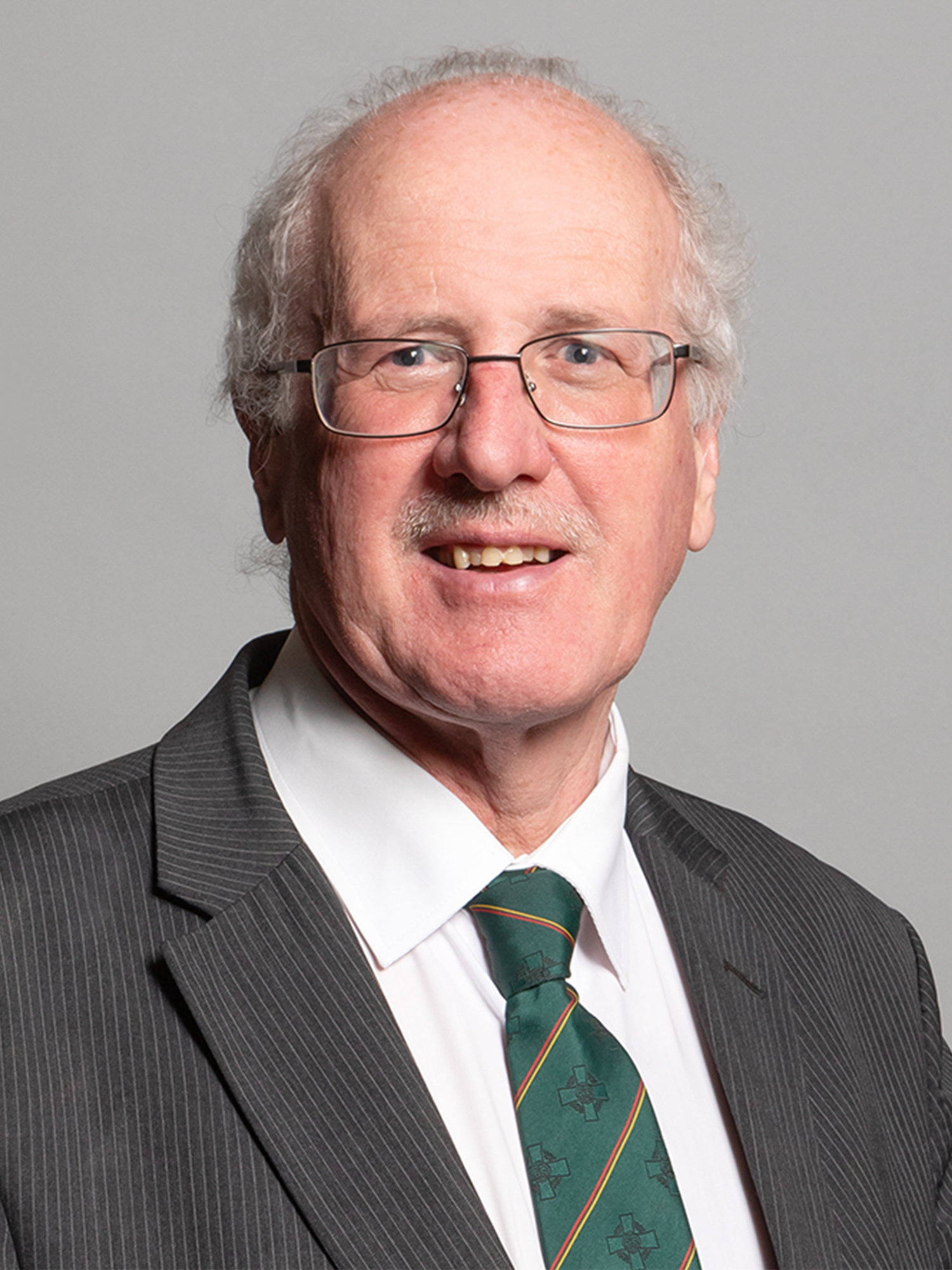
    Jim Shannon – 2022 Speech on the Cost of Food

    The speech made by Jim Shannon, the DUP MP for Strangford, in Westminster Hall, the House of Commons, on 14 December 2022.

    I thank the hon. Member for Liverpool, West Derby (Ian Byrne) for setting the scene. He is always here to speak on issues that every one of us supports, and I commend him for bringing this forward.

    Between the rise in the cost of living, increasing inflation, rates for basic household goods and the impact of the Northern Ireland protocol on goods coming into Northern Ireland, my own constituents are facing higher prices daily. Why is that? It is because—as the Minister will know, and as I will reiterate for the record—Northern Ireland faces increasing haulage fees. There has been an increase of some 30% in haulage fees this year, in the past six to nine months. It is important that people are aware of this, when other parties state that the Northern Ireland protocol is good for our local economy; here is a figure that proves it is not—not when local businesses are faced with having to put up their prices for the consumer because they cannot afford to make ends meet.

    As of 9 December 2022, the inflation rate for food in Northern Ireland was about 10.6%. For a large or small family with kids or elderly pensioners, that is extortionate. My office has seen an incredible rise in the number of people asking for help from food banks. Up until about two months ago, we made between 25 and 30 referrals; we are now making 50, 60 and 65-plus. The people who are coming in are not just the food-poor; they are middle-class people who are now finding it difficult to deal with this as well.

    As Members will know, I was in the picket line on Monday past with NHS workers, and the nurses and care staff over there were telling me that they are visiting food banks. That is a fact; that is where we are. I also worry about the lone pensioner who, when it comes to getting their energy payment, has the added stress and pressure of shopping; they worry about whether it is a sustainable price and whether it will last.

    I appreciate that times are hard, but we often cannot help the circumstances that occur internationally that cause them. I believe we have a responsibility to ensure that our constituents are supported wherever we can do that little bit extra to help, and that goes for our farmers as well.

  • Geraint Davies – 2022 Speech on the Cost of Food

    Geraint Davies – 2022 Speech on the Cost of Food

    The speech made by Geraint Davies, the Labour MP for Swansea West, in Westminster Hall, the House of Commons, on 14 December 2022.

    This Christmas, millions of children will go hungry in the sixth richest nation in the world, completely unnecessarily. It is said that this is about Ukraine, but in 2010, 26,000 people were using food banks, and by last year, that figure was 2.6 million—a hundredfold increase, Now, one in four people are in food poverty, having faced a decade of frozen wages; they are now feeling the cold wind of 17% food inflation.

    The response of the Government and the Chancellor is, “Oh, it’ll be all right. We will increase universal credit by 10% and pensions next April.” Food inflation is at 17% now, and it is freezing cold out there. We have just granted 490,000 warrants for energy companies forcibly to convert people’s electricity to prepayment meters, so they will not be able to cook and will be freezing cold. The starvation that we are going to see this winter is much worse than we saw in the aftermath of world war two, when we had rations. It is shameful. It is disgraceful. It is unnecessary, and it must be changed.

    Not only should we provide benefits and support for those in greatest need, but there are other obvious things that we can do. As I mentioned, in Wales, there are free universal school meals, both at breakfast and now rolling out for lunch. We could do that immediately.

    We need to think about the quality of food. The cheapest calories are the worst calories for diabetes and obesity, and that stores up a time bomb for the future, not just in life chances but in life expectancy. That is unnecessary and stupid, and it is not what we should be doing in a healthy, prosperous, growing economy for all.

    In the NHS, 7 million people are already on the waiting list and the nurses are on strike because they cannot afford to feed their own children. We should ensure that the pressures on the NHS are alleviated by feeding all people—children, obviously, and all families and people—so that they are prosperous for the future. Clearly, we need a situation where we stop profiteering; we are seeing the doubling of margins by retailers. We must stop the speculation, ensure a supply of healthy food and ensure fairness and a right to food for the future of Britain.

  • David Linden – 2022 Speech on the Cost of Food

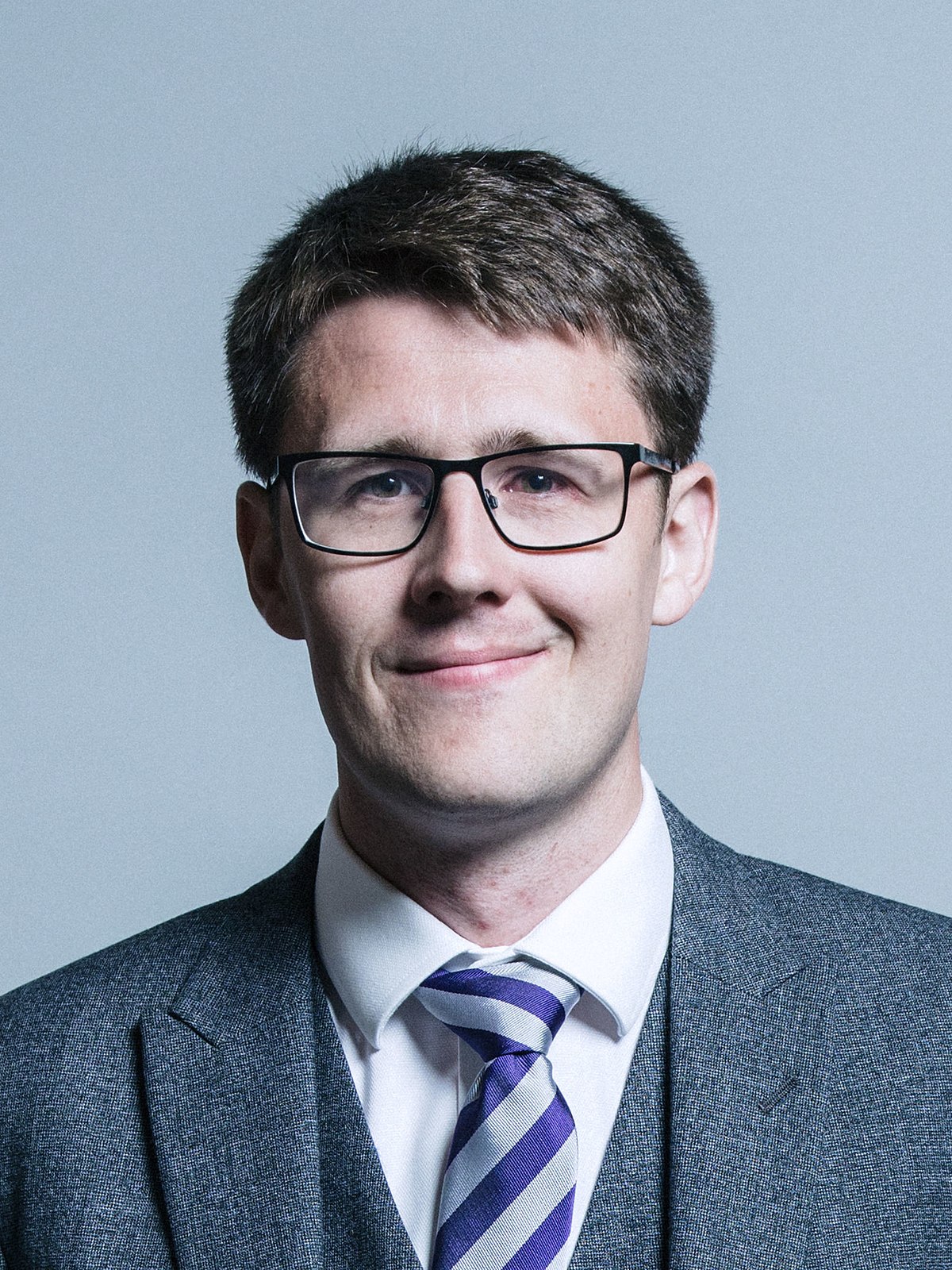
    David Linden – 2022 Speech on the Cost of Food

    The speech made by David Linden, the SNP MP for Glasgow East, in Westminster Hall, the House of Commons, on 14 December 2022.

    I congratulate the hon. Member for Liverpool, West Derby (Ian Byrne) on securing this debate. As other Members have said, we have to look at price controls. The price of vegetable oil has risen by 65%, pasta by 60% and tea by 46%.

    As other Members have done, including the hon. Member for Salford and Eccles (Rebecca Long Bailey), I want to pay tribute to organisations in my constituency, such as the Scottish Pantry Network and the Children’s Holiday Food Programme, funded by Glasgow City Council. This is a cross-party issue, too—the hon. Member for Broxbourne (Sir Charles Walker) is chair of the Country Food Trust, and his organisation donated 400 food pouches to a number of my local charities only last month. There are many other good organisations out there, including Shettleston Community Growing Project and Cranhill Development Trust, of which I am a director, which are doing some really good work in teaching people not just how to grow food, but how to cook it as well.

    In the course of the debate on the cost of food, we have to have a conversation not just about the food available, but about the quality of that food. Quite often, food banks have a plethora of tinned foods, but fruit and veg are not as freely available. The idea that in these islands there are fields where, as a result of a lack of labour, fruit and veg are rotting, should shame a vast number of us, and I attribute much of that to Brexit.

    Feeding people should not be something that charities have to do. The comedian Henning Wehn is quoted as saying, “We don’t do charity in Germany. We pay taxes. Charity is a failure of Governments.” That is the fundamental problem. As a result of Government policies, such as the sanctions policy, the five-week wait for universal credit and many other Government-driven issues, we are in a situation where charities in my constituency are having to step in and feed people. That is not a sustainable situation.

    We talk about food sustainability. The ultimate issue about sustainability is how the Government behave and their lack of support for the poorest in our society. That is a message that the Minister needs to take back to his colleagues at the Department for Work and Pensions.

  • Richard Burgon – 2022 Speech on the Cost of Food

    Richard Burgon – 2022 Speech on the Cost of Food

    The speech made by Richard Burgon, the Labour MP for Leeds East, in Westminster Hall, the House of Commons, on 14 December 2022.

    I congratulate my hon. Friend the Member for Liverpool, West Derby (Ian Byrne) on his work on the right to food. He certainly stands in the traditions of the greatest MPs from the great city of Liverpool, second only to Leeds of course—[Interruption].

    Controversy apart, in this, the fifth richest country on earth, not a single person—adult or child—should need to be fed by a charity. I congratulate all those wonderful people who donate to charities, whether it be money or food, and who work in food banks. In this, one of the richest countries on earth, that simply should not be necessary. It is a political choice, as my hon. Friend and others have said, and the campaign for the right to food is so important. We need immediate action. I think that, in this historic cost of living crisis, we need price caps on food and other essential items. The state should intervene for the benefit of everyone in our society, particularly the most vulnerable. I believe that we need a tax on supermarket super-profits, to create a fund to tackle hunger. And we should certainly back the campaign by the National Education Union and others for free school meals and support for families over the school holidays.

    What should a right to food mean? Every single person in this country should have a right to a decent home, a right to good-quality and healthy food, and a right to free healthcare and education. The right to food should include free school meals for every single child in compulsory education. Let us have a universalist approach and end the stigma of means-testing. There should be a framework of legal duties on national and local government to provide community kitchens. As we have heard, the Secretary of State should be required to consider the cost of food when calculating the minimum wage and benefits.

    This is an emergency—a food emergency, a nutrition emergency and a health emergency. Food insecurity levels have doubled since the start of 2022, affecting an estimated 10 million adults and 4 million children in September 2022. Everyone should have the right to food. I commend my hon. Friend the Member for Liverpool, West Derby, for securing the debate, and every Member of Parliament, across the parties, who has committed to supporting the right to food.

  • Tim Farron – 2022 Speech on the Cost of Food

    Tim Farron – 2022 Speech on the Cost of Food

    The speech made by Tim Farron, the Liberal Democrat MP for Westmorland and Lonsdale, in Westminster Hall, the House of Commons, on 14 December 2022.

    Let me first thank you, Mr Gray, and thank the hon. Member for Liverpool, West Derby (Ian Byrne) for this very important debate.

    I will pick up where my friend the hon. Member for Plymouth, Sutton and Devonport (Luke Pollard) left off and say that no policy of trying to tackle food poverty in this country will get anywhere if it does not look at how we produce our food and the amount that we produce, so let us talk about our farmers and the difference that they can make. We have a 14% rise in food prices—it amounts to much more for the poorest people. I agree with everything that hon. Members have said in the last few minutes about the heartbreaking reality of children not having enough food to be able to study and to maintain their health. It is utterly outrageous that in the fifth richest country in the world, we are in this situation.

    However, the United Kingdom produces only 60% of the food that it eats. It is a decision of the Government to allow that to be the case, or rather it is the absence of decisions that would have solved that problem. The Government are moving towards the new farm payments scheme. Many or all of us probably support the principles underlying that scheme, which is about public money for public goods. But this month, farmers will see a 20% cut in their basic payment, and that is without most of them having access to anything new to replace it. We see new incentives in order to give landlords financial support for turfing out their tenants and so reducing the amount of food that we produce. This Government now have a farming policy that actively encourages the reduction of food production in this country. That does two things: it pushes up the price of food, and it pushes Britain on to the international commodity markets to buy food elsewhere, pushing up the price of food for the poorest people in the world. That this Government have a farming policy that actively encourages us to produce less food in this country and to push up the price of food for the poorest people in the world is morally reprehensible. I can tell the House, representing, as I do, Cumbria, the lakes and the dales, that Britain’s farmers are determined to feed Britain’s people and to tackle the food poverty that exists in every community. On their behalf, I beg the Government to change tack and allow them to do so.

  • Luke Pollard – 2022 Speech on the Cost of Food

    Luke Pollard – 2022 Speech on the Cost of Food

    The speech made by Luke Pollard, the Labour MP for Plymouth Sutton and Devonport, in Westminster Hall, the House of Commons, on 14 December 2022.

    We should call this what it is. This is about hunger, poverty and desperation. It is about kids going to bed hungry, waking up and not getting enough food to be able to study at school. This is Britain, one of the richest countries on the entire planet. In this debate, there is not a single Tory MP present who does not have to be here—[Interruption.] Forgive me, there is one.

    This is a political choice we have here. It is a political choice to keep wages down. It is a political choice not to match inflation. And It is a political choice to attack the people who are ringing the alarm bells. Tomorrow we will have the first nationwide nurses’ strike. In Plymouth we are seeing nurses using food banks. We are seeing teachers using food banks. We are seeing armed forces personnel using food banks and emergency food vouchers. These are people in good jobs—jobs they have had to study and learn skills for, and jobs that should provide a decent wage so that they can put food on their table for them and their kids. Yet they cannot. This is a reboot of Dickensian Britain. It is sickening. It is utterly sickening.

    I launched a campaign with our utterly brilliant food bank in Plymouth a month ago to buy electric blankets. An electric blanket or throw costs 20p a day and people can put their families underneath them to keep them warm, rather than spend £6 a day to heat their home using central heating. We have raised £3,500 to buy electric blankets. The people coming in to collect their food parcels need food that they do not have to heat, because they cannot afford the utilities. It is sickening that this is happening in one of the richest countries.

    Brilliant charities such as Provide Devon, a relatively new charity, have seen their fresh food costs go up by a third. They have seen demand go up by a third. They have served an amazing number of people, especially children, but they are seeing their food and their monetary donations fall at the same time, because people are struggling to make ends meet.

    I think that when we look at the price of food, it is right for us to also look at the speculators and the supermarkets. I want to give a shout out to our farmers, because it is not the primary producers in this country who are profiteering from high food prices. Many of them are locked into contracts whereby they cannot get a decent price for the food that they grow. It is time that this changed.

  • John McDonnell – 2022 Speech on the Cost of Food

    John McDonnell – 2022 Speech on the Cost of Food

    The speech made by John McDonnell, the Labour MP for Hayes and Harlington, in Westminster Hall, in the House of Commons on 14 December 2022.

    It is important in these debates that we try to get to the roots of what the cause of this food crisis is. We will be told that it is largely to do with the crisis in Ukraine. I believe that it is actually to do with supermarkets profiteering and world global speculation on the food markets.

    With regards to supermarkets profiteering, as my hon. Friend the Member for Jarrow (Kate Osborne) said, Tesco has doubled its profits, while those of Associated British Foods have increased by 48% and those of Lidl by 319%. Now is the time for an excess profits tax to ensure that we prevent food speculation at the national level.

    In addition, there is speculation at the global level. As I have said time and again on the Floor of the House, we saw this during the banking crash, when billions were moved from the sub-prime housing market into the food commodity market, creating a famine. As a result, we introduced regulation, MiFID II, which put position limits on how much of an individual food commodity could be held by speculators. However, the Government have now introduced the Financial Services and Markets Bill, and in Edinburgh last week the Chancellor announced further deregulation of the market system, meaning that that regulation will be lifted. Instead of regulation by Government or the Financial Conduct Authority, food commodity limits will be handed over to the traders themselves—the very people who are making profits out of this speculation.

    Let us put in context the argument that somehow Ukraine has caused this crisis. Ukraine produces 3% of the world’s wheat and 2.6% of the world’s corn—the basic food stuffs. This is about speculation and profiteering. It is not just me saying this about deregulation. The Governor of the Bank of England today stated his anxieties about the Government going too far on deregulation overall, and not learning the lessons of the banking crash. People will starve as a result of profiteering and speculation. That is why we need an excess profits tax and regulation of the food commodity market along with our partners globally.

    Finally, I know people do not want to talk about Brexit, but if we look at the London School of Economics analysis, we see that £6 billion has been put on our food bills over the last two years—that is 3% a year. We have got to sort out a new deal on Brexit.

  • Steven Bonnar – 2022 Speech on the Cost of Food

    Steven Bonnar – 2022 Speech on the Cost of Food

    The speech made by Steven Bonnar, the SNP MP for Coatbridge, Chryston and Bellshill, in Westminster Hall, the House of Commons, on 14 December 2022.

    It is a pleasure to see you in the Chair, Mr Gray. I thank the hon. Member for Liverpool, West Derby (Ian Byrne) for bringing forward this debate and I pay tribute to the tremendous work he has been doing to tackle hunger. Alongside fans of his beloved Liverpool, as well as Everton fans, his Right to Food campaign has helped tackle the food insecurity faced by 11 million people across the United Kingdom.

    The Scottish Government allocated almost £3 billion this financial year to help households facing the Tory-induced cost of living crisis, including £1 billion to providing services and financial support not available anywhere else in the United Kingdom. That included increasing the Scottish child payment by 150% in fewer than eight months, to £25 per child per week for those aged between 6 and 15. However, most of the key policies and fiscal levers are held here by this UK Government, given that over 85% of welfare policy is reserved. We continue to press the UK Government, who have all the levers at their disposal, to tackle this emergency on the scale required, including enabling access to borrowing, providing an uprate in benefits and offering extra support to households.

    Unlike the Tories, the Scottish Government rightly see food as a basic human right. Everyone should be able to afford the food they need to sustain a healthy life. The Tories have not only taken a wrecking ball to our economy but are decimating the chances for working people, who are often working multiple jobs, to put food on the table for themselves and their families.

    The charity Action for Children has unearthed heartbreaking stories of the current cost of living crisis, including the fact that 25% of young people are donating their own pocket money to help their parents through the festive period. Other parents are having to rely on their children’s leftovers, and many families are simply going without. How shameful is that? In my own constituency, I hear personal stories of vulnerable people not leaving their beds because of the price of energy and the current Arctic snap. A constituent contacted me yesterday in a cry for help after spending the last four days in temperatures of minus 8° without any money to heat her home or heat up the homemade soup she had received from a neighbour.

    This is a crisis—a food crisis— and one that has been exacerbated under the Tories. Food bank usage has soared over the last 12 years, and yet they turn up gleefully, scissors in hand, to cut the ribbons and open new food banks—or should I say pantries, as the Leader of the House has been referring to them lately? This is terrible stuff. The Trussell Trust revealed that 1.3 million emergency food parcels were provided to people by food banks between April and September this year, and almost half a million of those went to children. Is this truly the society we now consider acceptable?