Category: Speeches

  • Julie Marson – 2020 Speech on the Domestic Abuse Bill

    Julie Marson – 2020 Speech on the Domestic Abuse Bill

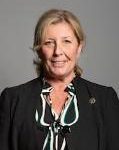
    Below is the text of the speech made by Julie Marson, the Conservative MP for Hertford and Stortford, in the House of Commons on 28 April 2020.

    Nearly 10 years ago, one summer’s day, I remember sitting in a stifling hot room looking at a photograph of a cute, blond four-year-old boy who was beaming up at the camera. Nothing remarkable in that, you might think, and I expect that many of us have similar photographs of our own children smiling and laughing at the camera, just as they should be at that age, making happy memories. The difference on this occasion was that I was in court, sitting as a magistrate. The photograph had been taken by a police officer, and the little boy had an enormous black eye. He had been trying to protect his mother from being attacked by his father and had strayed too close to a flailing fist. He was just four years old, and he had already been subjected to more emotional and physical trauma than most of us can imagine. Domestic abuse is a crime and an abomination against victims and their families. It is a crime against our whole society. I have been lucky; I have never personally experienced it, but other Members of this House have done so, and they have spoken incredibly movingly about their experiences.

    I will be supporting the Bill today, and I am proud that the Government are taking this lead. I pay tribute to all those involved in the development and drafting of the Bill. It is remarkable that until now there has been no cross-government statutory definition of domestic abuse, and no commissioner to give a voice and prominence to this issue and to hold the Government to account. I welcome those measures, along with the trial of protection orders and protection notices and the extra cross-court safeguards in the justice system, which will give more effective protection to victims and their children—explicitly, whatever their immigration status might be. I very much ​welcome the legislative inclusion of Clare’s law. I would also like to take a moment to recognise the pioneering work of my right hon. Friend the Member for Maidenhead (Mrs May), who worked tirelessly for this legislation and to ensure that provisions on coercive control would be included for the first time.

    In Hertford and Stortford, we are fortunate to have Future Living, a charity founded and run by the amazing Sandra Conte, which provides outstanding community support and services for victims and perpetrators of domestic abuse, male and female alike. Everyone who meets Sandra and knows what she and her colleagues do at Future Living becomes an evangelist, and I am no different. Unapologetically, I shall use this opportunity to encourage the Government and our local authorities in Hertfordshire to continue to provide Future Living with the support and resources it needs to do its vital work, especially as Sandra has told me today that she is seeing a significant increase in cases, particularly where a separated, abusive parent is using the covid crisis to keep children away from their victim and flouting contact orders. We expect even more of an increase in demand for the charity’s services as we come out of lockdown.

    I truly understood the dynamics of domestic abuse for the first time only after I experienced the training given to magistrates. It opened my eyes and completely changed my perspective. It is vital that those involved in policing and the justice system have rigorous training so that they can recognise the abuse cycle, from subtle control to murderous violence, and the fact that the most dangerous moment for a victim is often when they leave the relationship and try to regain control of their own lives.

    Domestic abuse is a dangerous and destructive cycle. It was about 10 years ago when I saw that photograph. That little boy will be 14 or 15 by now, and what I wonder most is whether he spent his childhood in that environment or whether things might have changed for him. Perhaps his father received the justice or indeed the help he needed; perhaps his mother managed to escape. Heartbreakingly, that boy might be condemned to repeat the cycle of control and abuse he grew up with, knowing no different and believing that that was normal family life. I support this Bill, because I think it will help children like him. It has been a privilege to contribute to this debate.

  • Lisa Cameron – 2020 Speech on the Domestic Abuse Bill

    Lisa Cameron – 2020 Speech on the Domestic Abuse Bill

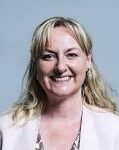
    Below is the text of the speech made by Lisa Cameron, the SNP MP for East Kilbride, Strathaven and Lesmahagow, in the House of Commons on 28 April 2020.

    It is a pleasure to speak in this important debate on behalf of my constituents and to follow such a powerful speaker. I declare an interest in that I was an expert witness in domestic abuse cases in the Scottish courts. I welcome the Bill and thank the campaigners who have been wholeheartedly at the forefront of the legislation.

    Domestic abuse is much more than physical violence. It has coercion, psychological abuse and financial abuse at its core. During the lockdown, cases of domestic abuse are reportedly rising, because proximity is heightened and escape for survivors is limited. Although home is safe for us, it is dangerous for survivors. As a psychologist, I want to take some time to highlight the particular impact of domestic abuse on the needs and experiences of children and young people, and to ask that the Bill is strengthened in that regard. The current proposals are narrow and require to be absolutely transformative for children.

    Domestic abuse is not just witnessed by children; it has an impact on them emotionally, developmentally, socially and behaviourally, and on their health and ​wellbeing. It is one of the significant adverse childhood experiences that leads to long-term comorbidity and decreases life chances.

    Domestic abuse also leads to childhood abuse in many cases. We know that children may become anxious and depressed, have sleep difficulties, nightmares or flashbacks, have a heightened startle response to danger, wet their beds due to trauma, become aggressive, identify with the aggressor themselves, fall behind at school, and experience low self-esteem for years to come. They will often suffer feelings of fear and helplessness, anxieties about their safety and the safety of their family at risk, and fear of parental loss and abandonment.

    It is vital that the needs and experiences of children are reflected in the Bill. We need a child-focused approach. We know that women who are pregnant are often at increased risk of domestic abuse, and we must do all we can to protect them and their unborn child from that abuse. Child protection responses must therefore be strengthened. As chair of the all-party parliamentary group on adult survivors of childhood sexual abuse, I hear from survivors about the impact on them of childhood sexual abuse and its clear link with domestic violence. The needs of survivors of sexual violence are not fully addressed in the Bill. I will work constructively across the House to ensure that the Bill is as strong as possible for all survivors and that children have the support they need to ensure that the terrible legacy of domestic violence that they have experienced does not transcend generations.

  • Mark Fletcher – 2020 Speech on the Domestic Abuse Bill

    Mark Fletcher – 2020 Speech on the Domestic Abuse Bill

    Below is the text of the speech made by Mark Fletcher, the Conservative MP for Bolsover, in the House of Commons on 28 April 2020.

    I start by paying tribute to the maiden speech of my hon. Friend the Member for Hyndburn (Sara Britcliffe). She is a friend, a formidable colleague and today she is a history-maker. I thought she gave a wonderful speech.

    I strongly welcome this Bill and I add my words of tribute to those from Members from all parts of the House for those who have helped get us to this stage. It is, regrettably, a timely Bill. Many Members have touched on the current situation, and I echo the comments made by my hon. Friend the Member for Derbyshire Dales (Miss Dines) about the importance of Members of Parliament speaking to their local police force and ensuring that we are dealing with the issue on the ground, as it happens. Her comments were well placed, and I join our weekly calls with Derbyshire police to make sure that they are taking the issue as seriously as we are.

    The symbolism of the Bill and the importance of that symbolism was beautifully summarised by my hon. Friend the Member for Newbury (Laura Farris) in a fantastic speech. It is incredibly important that we hear male voices adding their support for the Bill, because this is not a women’s issue, but a societal issue, and it is vital that male voices make themselves heard, saying, “This must not go on.” The Bill is a wonderful starting point. There have been many suggestions for what should be added to make it stronger, but the symbolism of it is this House at its finest.​
    My hon. Friend the Member for East Worthing and Shoreham (Tim Loughton) made a wonderful speech earlier and stole almost all the suggestions that I was going to make. As he got there first, all I will say is that I strongly support what he said about the impact on children.

    Very sadly, I grew up in a household where we encountered incidents of domestic violence. Let me say that it casts a lifelong shadow on those children who are affected. Behind closed doors, many things go on. There are many secrets. Those doors do not have to be those of people who are lower class, middle class or upper class; they do not have to be of members of one socioeconomic group or one minority characteristic or another. Those doors do not discriminate. There are secrets behind them.

    I echo the comments of my right hon. Friend the Member for Romsey and Southampton North (Caroline Nokes), who touched on the impact of domestic abuse in the LGBT community. That is an incredibly important consideration.

    Unfortunately, I had a step-dad who reigned with physical terror. I regret that I remember the difficulties we had when he became violent, when he decided, one day, to come home and beat my mum to a point where she needed strong support, and when he came upstairs and blamed me—an 11-year-old kid—and used words that I would not repeat in Parliament ever. Those are things that shape you. Those are things that, unfortunately, you can never forget.

    I do not remember particularly well the period afterwards of economic manipulation in which he took, or tried to take, control of the family’s money, but I do remember the visit of the psychiatric nurse to help my mum. I remember her shame—her shame—for nothing that she had done, her shame at not being able to tell the authorities, when she denied it to the police and when I was lying to my school. I remember that shame. That is something that nobody should have to go through. If there is anything that we should take away from this Bill, and this fantastic session of Parliament today in which we have heard so many brilliant contributions, it is a very simple message: this must end.

  • Laura Farris – 2020 Speech on the Domestic Abuse Bill

    Laura Farris – 2020 Speech on the Domestic Abuse Bill

    Below is the text of the speech made by Laura Farris, the Conservative MP for Newbury, in the House of Commons on 28 April 2020.

    This legislation has been a long time coming, and for those on the Front Bench on this side and across the Floor of the House it ​has been a labour of love. I commend my right hon. Friend the Member for Maidenhead (Mrs May) and the Lord Chancellor and his ministerial team for all their work.

    There is so much that the Bill will achieve. I start by praising the creation of the post of domestic abuse commissioner. The Home Affairs Committee had the benefit of hearing from her a fortnight ago when she gave evidence on the impact of the lockdown on women with abusive partners. The cogency of her evidence, and her understanding of the pressure points and the unique challenges for women seeking escape, left no doubt in my mind about how vital her role will be.

    Then there is the simple act of creating a statutory definition that expresses domestic abuse in all its myriad forms, which is what I think makes the Bill so much more than the sum of its parts. When the Sex Discrimination Act was passed in 1975, it was on the face of it a law that gave women the right to bring cases to employment tribunals, but in fact it was a piece of great social reform that said to women, for the first time really, “We understand the wrong that you experience. We give it definition as a statutory tort and we give you a right of enforcement.” The Bill has many of those features. It shines a spotlight in the darkest corners, and it puts women centre stage.

    It is with the darkest corners in mind that I speak in support of the amendments jointly proposed by the Mother of the House, the right hon. and learned Member for Camberwell and Peckham (Ms Harman), and my hon. Friend the Member for Wyre Forest (Mark Garnier) on the rough sex defence. Through that defence, acts of extreme violence are given a different complexion because they occurred during sex, and it is said that the victim wanted it—something that the Prime Minister himself has said is unacceptable. I know that there are big brains on the Front Bench giving this serious thought. Their task is technical, and it must avoid unintended consequences.

    The Lord Chancellor was correct when he said that rough sex is not a defence. That is true, but it does not prevent a defendant from establishing that there was consent when the victim is not alive to tell the tale. The Natalie Connolly story is a case in point. I cannot imagine how hard it was for her family to hear how John Broadhurst inflicted more than 75 catastrophic injuries on their daughter, sprayed bleach in her face and left her in a pool of blood. And yet he established in court that one of the most extreme and violent of those acts—the intimate insertion of a bottle of carpet cleaner—when he had beaten her black and blue, and she was very close to death, was done with her consent. In fact, at paragraph 31 of the sentencing remarks, the court found that it was done at her instigation. It is easy to see why her father, Alan, told The Sun in an interview last month that at times, it felt like Natalie was on trial. That is why I commend my hon. Friend the Member for Wyre Forest for affording Natalie the dignity in this Chamber that she was deprived of in her death.

    Natalie’s case is by no means an isolated example. Take Laura Huteson, who in 2019 had her throat slit by her partner, or Anna Banks, who was throttled to death by her partner a few years earlier. In all these cases, what is really just extreme violence against women is given a veneer of complicity through the sexual element. The victim has no voice. The lurid details of a private encounter are made public in circumstances where, had she lived and the case proceeded as one of rape or ​sexual assault, she would have been anonymised, and the man receives a derisory sentence on a manslaughter conviction.

    We must recognise that violence of this nature is becoming normalised. ComRes undertook a survey last November of a large group of women aged between 18 and 39. Of them, 70% said that they had experienced strangulation during sex, and of that cohort, more than half said that the man had not sought their consent before doing so. They had not wanted it, and some of them gave moving interviews to the BBC in which they said they thought the man was going to kill them.

    This landmark legislation offers an opportunity for the Government to show cultural leadership. I hope that it will look to the horizon and build in statutory protections that will keep women in relationships safe for the future.

  • Christian Wakeford – 2020 Speech on the Domestic Abuse Bill

    Christian Wakeford – 2020 Speech on the Domestic Abuse Bill

    Below is the text of the speech made by Christian Wakeford, the Conservative MP for Bury South, in the House of Commons in 28 April 2020.

    I start by paying tribute to my hon. Friend the Member for Hyndburn (Sara Britcliffe) on a truly moving maiden speech. It will go down in history as the first maiden speech to be delivered virtually. Having been a councillor with her father for the last seven years, I know that he will be immensely proud of her, if not a tad jealous.

    I welcome the Bill as a step in the right direction, and I hope that it is just that—a step towards fully tackling domestic abuse in our society. Some 2.4 million adults were victims of domestic abuse in 2019. That is unacceptable, and it is important that we shine a light on that heinous crime. Domestic abuse is not just a heinous crime. If not stopped, it can, and often does, lead to further crime, such as sexual abuse or even murder. Far too many women have been lost as they were unable to access the support they needed or their cries for help were not heeded.

    Since the lockdown began, domestic abuse agencies and refuges have reported a huge increase in demand, and are increasingly under pressure, with one charity reporting a 700% increase in calls to its helpline. Children are witnessing more abuse than previously, with no escape available because schools are also closed. It is, however, anticipated that there will be a further increase in demand once lockdown measures are relaxed and victims can more freely access the support they need. With that in mind, and while previously announced funding is appreciated by victims and agencies, can the Minister advise what plans are in place to help victims after the lockdown restrictions are relaxed and to ensure that the perpetrators of domestic abuse will face justice in a speedy manner?

    As many hon. Members on both sides of the House have said, many aspects of the Bill are to be commended, including the introduction of the domestic abuse commissioner, along with civil protection for victims in the form of the domestic abuse protection notice and domestic abuse protection orders, but that needs to be coupled with adequate funding to ensure that no victims slip through the net. While the Bill is a step in the right direction, I trust the Minister will continue to review the issue and take further action where needed to support victims of this awful crime.

  • Neil Coyle – 2020 Speech on the Domestic Abuse Bill

    Neil Coyle – 2020 Speech on the Domestic Abuse Bill

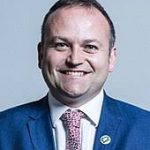
    Below is the text of the speech made by Neil Coyle, the Labour MP for Bermondsey and Old Southwark, in the House of Commons on 28 April 2020.

    Madam Deputy Speaker, may I add my gratitude to you, the Speaker’s team and everyone in this place who is ensuring that we can continue to scrutinise the Government in these unique and challenging times?

    I thank the Government for bringing this legislation back at this difficult time. It is good to see such broad cross-party agreement on this issue. I congratulate the new shadow Home Secretary, my hon. Friend the Member for Torfaen (Nick Thomas-Symonds), and his Front-Bench team for their leadership, their constructive engagement and their early involvement on this issue.

    On a personal note, may I say how wonderful it is to see my hon. Friend the Member for Birmingham, Yardley (Jess Phillips) on the Front Bench? Her formal role on the Bill and her participation from the Labour Front Bench are long overdue. Her all-party parliamentary group on domestic violence and abuse worked with the APPG on ending homelessness, which I co-chair, on the “A Safe Home” campaign, which is backed by Crisis, Women’s Aid, SafeLives and many more organisations and individuals. As the hon. Member for Beaconsfield (Joy Morrissey) indicated, the campaign also has cross-party support.

    Sadly, there is a huge overlap between domestic abuse and homelessness. Last year, almost 24,000 families who were homeless or on the brink of homelessness had experienced or were at risk of domestic abuse. “A Safe Home” seeks to ensure that the Bill enables everyone who is homeless because they are fleeing domestic abuse to have access to a safe permanent home.​

    That was necessary before the virus struck; the most recent Office for National Statistics figures show that the number of women murdered in the UK increased to 214 in the 12 months to March 2019, including a rising number killed at the hands of their partner or former partner. It is even more crucial now we know that the lockdown has brought with it a rise in attacks. Refuge’s national domestic abuse helpline has seen a 49% increase in daily calls and a quadrupling of web traffic.

    Sadly, for some, the threat is fatal. The Counting Dead Women project estimates that 14 women were killed during the first three weeks of the lockdown. “Stay home, stay safe” is not true for everyone. I hope Ministers will ensure that safe long-term accommodation is guaranteed, to give women a better chance of escape without fear of ending up homeless.

    Currently, anyone fleeing domestic abuse must prove that they are significantly more vulnerable than anyone else to be guaranteed help from councils for a permanent home. Some local authorities use that as a gatekeeping tool. Awful examples include women being told to go and get a letter from their abuser to prove they have been abused. Research last year for the APPG on ending homelessness revealed that almost 2,000 people were unable to meet the vulnerability threshold in England alone. Those are women who were not provided with a safe home after initial help in refuges—women left facing homelessness or a return to an abusive relationship. The Bill must end that fatalistic situation.

    Helping those 2,000 people would not be a huge commitment for the Government. My council, the London Borough of Southwark, is already adopting that measure. Although I hope the Government follow where Southwark leads, this issue should not be dependent on leadership in any one postcode, borough, town or city. Ministers have the chance to address this issue nationally through the Bill, and they must rise to the challenge.

    When Ministers announced the statutory duty on local authorities to provide temporary accommodation-based support last year, it was welcomed across the House and the country. An extension to an automatic guarantee of safe long-term housing would be similarly welcomed and is just as essential. I also hope Ministers recognise that the Bill needs to extend the statutory duty on local authorities so that it covers not just accommodation but all the specialist support necessary to rebuild lives.

    Nearly 70% of survivors access other services that are provided in the community, including independent domestic violence and abuse advisers, counselling, and young people’s and children’s workers. Children who have experienced domestic abuse should be able to access counselling and support, but that is not currently covered by the Government duty and is poorly delivered at local level. A full statutory duty and resources are required to commission the full range of specialist domestic abuse services that are needed, and the Bill is the right vehicle to provide that.

    The current crisis has made the issue far more acute, but there was already insufficient funding in the system. Two thirds of the people referred to refuges in 2018-19 were turned away. With more people at risk during this lockdown and after it ends, the Government must act now to provide sufficient sustained funding in the longer term. I hope to join the Bill Committee to raise those and other issues in more detail for all the organisations working on the frontline. Those issues include splitting ​universal credit payments to prevent economic abuse; ending no recourse to public funds restrictions on essential support for women and children currently denied help—shamefully—in this country; introducing a gendered definition, given the higher prevalence of women experiencing abuse; fully ending cross-examination in courts; criminalising the use of threats to share naked or sexual images in order to abuse or control someone; and the proper enforcement and monitoring of non-molestation protection orders, which is far too patchy currently, and which I hope Ministers will act on, given the heightened risk now, more than ever, in lockdown Britain. I hope to see progress on all those issues as the Bill makes progress and look forward to the Minister’s reply.

  • Caroline Nokes – 2020 Speech on the Domestic Abuse Bill

    Caroline Nokes – 2020 Speech on the Domestic Abuse Bill

    Below is the text of the speech made by Caroline Nokes, the Conservative MP for Romsey and Southampton North, in the House of Commons on 28 April 2020.

    It is a pleasure to be able to speak in this debate—arguably for the second time, having contributed back in October. What has been really interesting today is the quality of contributions from both returning and new Members. I pay tribute to my hon. Friend the Member for Hyndburn (Sara Britcliffe), who made a very powerful maiden speech, albeit in interesting circumstances. I reassure other Members that, although she sits on the Women and Equalities Committee that I now Chair, I have at no time found her to be remotely difficult.

    I thank the Lord Chancellor for his opening comments. I would like to pay tribute in particular to the Under-Secretary of State for the Home Department, my hon. Friend the Member for Louth and Horncastle (Victoria Atkins), the Minister with responsibility for safeguarding, who will close the debate this evening. She has proven to be a doughty champion of the Bill on the various occasions it has come back before us. She has also taken time, during the intervening months, to speak to various Members, including me, about the difficulties and challenges in bringing into legislation amendments or parts of the Bill that would tackle the cases that my hon. Friend the Member for Wyre Forest (Mark Garnier) highlighted so eloquently. I remember sitting behind him in October when he spoke of Natalie Connolly. What is tragic and sad about that case, although horrific and dreadful, is that it is not unique. We will see more individuals who are perpetrators of domestic violence trying to run that sort of defence. We have to find a way to stop that. I am certainly committed to working with my hon. Friend and the right hon. and learned Member for Camberwell and Peckham (Ms Harman) in that regard.

    We know that domestic abuse can affect anyone: both genders, people who are able-bodied and disabled, and all ethnicities. It is no respecter of socioeconomic background. What we do know is that it impacts some more than others. LGBTQ people are twice as likely as the rest of the population to suffer from domestic abuse. We heard earlier about the impact of domestic abuse on people with disabilities, perhaps particularly those with sight impairments. Those are all issues that have been raised with Members by various charities over the course of the past few days. We all know that it is no respecter of age. I urge Ministers to look again at how they can include in their statistics victims of domestic abuse who are over 74. We know that the National Crime Survey does not pick up on that. Tragically, over the course of the past few weeks we have seen more pensioners who have been impacted. That is absolutely horrific and we have to find ways to include that in the Bill. There is a great deal to be done in Committee. I urge all Members who have the opportunity to serve on the Bill Committee to ensure that the changes that some of us wish to see can be reflected in it.​
    We debate the Bill at the time of pandemic, when there is even more pressure on individuals, relationships and families. I wonder whether the Minister, in her closing comments, might reflect on the increase we have already seen in referrals to domestic abuse helplines, both online and telephone. When locked down with the perpetrator of domestic abuse, it is much harder for women to report those crimes. I ask her to reflect on what we might see when the pressure cooker valve is released and whether we will see yet more people reporting.

    I want to conclude by speaking about the issue I raised on Second Reading part one, which is that of migrant women. I vividly remember sitting with my hon. Friend the Under-Secretary of State and my hon. Friend the Member for Charnwood (Edward Argar), in his time as a Justice Minister, alongside Southall Black Sisters and other groups representing migrant women. We know that people will use finances and physical strength—they will use any means they can to control people. Sadly, they will also use immigration status and passports. They will seize their victim’s documentation and keep it from them so that they cannot assert their right to be in the UK legally. It is crucial, as all the Ministers in that meeting said, that we see people first as victims and not through the prism of their immigration status.

    My hon. Friend the Under-Secretary has a track record of standing up to those who seek to use power, influence and status to belittle and bully others. I reassure victims that they have a doughty champion in this Minister.

  • Sarah Owen – 2020 Speech on the Domestic Abuse Bill

    Sarah Owen – 2020 Speech on the Domestic Abuse Bill

    Below is the text of the speech made by Sarah Owen, the Labour MP for Luton North, in the House of Commons on 28 April 2020.

    Thank you, Madam Deputy Speaker. I want to start by paying tribute to my hon. Friend the Member for Canterbury (Rosie Duffield). Her bravery on this issue has been nothing short of inspirational, as she has put words to feelings that many are unable to. Hers and others’ experiences demonstrate why the Bill is so desperately needed.

    As we have heard, the recent findings of the Home Affairs Committee make for devastating reading, with domestic abuse killings doubled and national abuse ​helplines seeing a 49% increase in calls. It was a horrific consequence of lockdown, which would come as no surprise to anyone who experiences domestic abuse. It is becoming apparent during this pandemic that people from black, Asian and ethnic minority backgrounds are disproportionately affected.

    Domestic abuse affects all genders, races and sexualities, but BAME communities are likely to face additional barriers in accessing the services and help that they need, even outside a lockdown, so my concern is heightened at this difficult time. Although the statutory duty to support all those in refuges and supported accommodation is welcome, I echo Barnardo’s/Ipsos MORI in saying that victims, especially those who are BAME or have disabilities, are unlikely to be in that type of accommodation. For wonderfully diverse areas such as my constituency of Luton North, it would be helpful to have a comprehensive strategy that addresses domestic violence in BAME communities, especially regarding violence against migrant women.

    The Bill needs to look beyond lockdown, which is why I want to speak about provision for protections in the world of work. This is where I declare an interest as a proud member and former employee of the GMB trade union.

    Domestic abuse does not start and end once someone closes the door to their home. It haunts every part of your life, including work—the incessant phone calls; the texts; the emails; being stalked; the questioning why you are late, leaving work early or having to take days off sick. The anticipation of what awaits you after work fills you with an increasing sense of dread as the clock ticks closer to the end of the working day. Justifying every minute away from an abuser while trying to maintain a presence at work makes it a far cry from the sanctuary it could actually provide.

    The reason for my earlier declaration was that, as a former trade union officer, I worked with union members from across the country who had experienced domestic abuse, including the inspirational Claire Throssell. We produced a workplace charter on domestic abuse to ensure that employers provide proper protection to their staff. Indeed, many Members of the House have signed it. That charter called for measures that are vital to any worker experiencing domestic abuse, such as paid leave, access to information and support, flexible working, and ensuring that managers are properly trained. It is not an understatement to say that those provisions can be life-saving.

    One brave woman told me:

    “After a few months in my role, my partner at the time started constantly calling to see what I was doing, turning up at my workplace at lunchtimes unexpectedly, or demanding that I be home for a certain time…I was walking around on eggshells at home, and now at work. The calls and visits became more frequent…I found myself making excuses for not being able to attend social events with colleagues, wearing clothes to hide bruises or taking sick leave when I couldn’t cover them up.”

    Rather than this woman’s employer understanding the situation, the response was to suspend her.

    We are not asking the world from employers, just that their workers are kept safe. Reasonable adjustments, such as changing a work number, and staggering start and finishing times, as well as having the option of stepping back from public-facing roles to avoid interacting with perpetrators, could make all the difference, especially ​when fleeing an abuser. Although nearly 50,000 workers are now covered by GMB’s workplace charter, it is not nearly enough. It will never be enough until every worker is protected. It should never be an optional extra for employers to keep their staff safe or ensure that they are not financially penalised. Without these measures, I am afraid that the Bill will be a missed opportunity to protect victims of domestic abuse in every part of their life.

  • Christine Jardine – 2020 Speech on the Domestic Abuse Bill

    Christine Jardine – 2020 Speech on the Domestic Abuse Bill

    Below is the text of the speech made by Christine Jardine, the Liberal Democrat MP for Edinburgh West, in the House of Commons on 28 April 2020.

    It is a pleasure to follow the hon. Member for Beaconsfield (Joy Morrissey). It is three years since the Bill was first promised to Parliament by the Government of the former Prime Minister, the right hon. Member for Maidenhead (Mrs May). I welcome her earlier remarks, but it is no exaggeration to say that the progress of this Bill, in which she invested so much, has been dogged by delay. I do not think that any of us who were Members in the previous Parliament will ever forget the highly emotional accounts that we heard in the previous debate, particularly from the hon. Member for Canterbury (Rosie Duffield), whose contribution today will, again, be one that many people will take notice of and that we should all take with us when the debate is over.

    The fact that we are discussing the Bill today is important in many other ways, coming as it does at a time when, all around us, we are being encouraged to stay home and stay safe, although for the many people for whom this Bill is critical, that message brings an additional threat. During this crisis, we have seen an escalation in domestic abuse, which makes getting behind the Bill even more pressing. Reports this week indicate that calls to Refuge’s national domestic abuse helpline increased by almost 50%. Tragically, in the first three weeks of lockdown, 16 women and children died—the highest figure for this period in more than a decade. The need to act could not be more pressing.

    Earlier this month, I was joined by MPs across the political spectrum in writing to the Home Secretary to demand immediate action to improve support for survivors of domestic abuse through this crisis. We called on the Government to pay for empty hotels to be open to those at risk. We sought guarantees that local authorities have access to ring-fenced funding to ensure that existing refuges and support services stay open. We asked the Government to make it clear that the stay-at-home rule should be disapplied to those most at risk of abuse. Those asks have not changed. Some progress has been made. For example, many hotels have opened their doors to survivors, but support measures remain piecemeal and something of a postcode lottery. That is why I and the Liberal Democrats are determined to play our part in bringing this badly needed legislation into law as soon as possible. We will also continue to work to ensure that the final legislation is as robust as possible. In doing that, we want to thank those organisations with which we have worked: the End Violence Against Women Coalition on the need for more rape crisis centres; Action for Children on including children in the definition of domestic abuse; and the Step Up Migrant Women campaign and Amnesty, which is a part of it, on the issues facing migrant women.​

    I am not satisfied that, eight years on from the UK signing the Istanbul convention on preventing and combating domestic abuse, it is still not enshrined in our laws. Yes, the Bill is a step forward, but it will not deliver on that promise and we must keep up the pressure until the Government do. That will also mean targeted measures to guarantee support for all victims, not least the children and young people for whom the trauma of having witnessed domestic abuse can cause lifelong damage. I want the Government to amend this Bill to recognise that.

    By the same token, we will continue to press for the £195 million needed to expand the number of rape crisis centres in the UK. Support must be provided to all those who need it most. For migrant women, that must mean eliminating the fear that reporting violence or seeking sanction will throw a judgmental spotlight on their immigration status and could compromise their personal safety.

    At the moment, we talk a lot about the urgency of the covid-19 crisis, but for those who suffer it, domestic violence is always in need of an urgent response. The Bill gives us the opportunity to make a dramatic difference to the lives of those people, to ensure that they have somewhere they can feel safe, and to protect children from the scars that the trauma of witnessing domestic violence can leave. I believe that every one of us elected to this Parliament has at our core the desire to make a difference—to improve lives. This Bill will give us the opportunity to do that. We must not let the progress that we have made slip through our grasp.

  • Joy Morrissey – 2020 Speech on the Domestic Abuse Bill

    Joy Morrissey – 2020 Speech on the Domestic Abuse Bill

    Below is the text of the speech made by Joy Morrissey, the Conservative MP for Beaconsfield, in the House of Commons on 28 April 2020.

    Let me take this opportunity to praise the excellent maiden speech made by my hon. Friend the Member for Hyndburn (Sara Britcliffe). She was not only eloquent, but also very IT savvy, and we can all learn from her example in this age of a digital Parliament.

    I thank the Government for their hard work in bringing the Bill to the House, and also my right hon. Friend the Member for Maidenhead (Mrs May) for her tireless work on the issue. The Bill is truly a landmark piece of legislation that builds on the work done by the Government to protect victims of domestic abuse, and there is much to welcome in it. By enshrining the definition of domestic abuse on the statute book once and for all, we can eliminate the confusion and hesitation around pursuing domestic abuse-related charges. By strengthening the powers of the police and courts to protect victims and their families from perpetrators, we can help victims to find the courage to speak out and seek help.

    Another aspect of domestic abuse has been thrown into even sharper relief by the current coronavirus pandemic. With the lockdown requiring us all to do our part by staying indoors, many victims will currently be experiencing a living hell, trapped inside with their persecutors, unable to escape or take a break, or even to go outside for some fresh air. Potentially, they will be unable to call for help.

    Finally, a critical problem for many families—men, women and children who are fleeing domestic abuse—is housing. The all-party group on ending homelessness is calling for everyone who is homeless as a result of fleeing domestic abuse to have a legal right to a safe, permanent home by extending the automatic priority need category of housing to domestic abuse survivors who are seeking emergency accommodation. That measure is supported by Crisis, the Domestic Abuse Housing Alliance, St Mungo’s, Shelter, Centrepoint, and the Chartered Institute of Housing. Under the current situation, survivors of domestic abuse have no guarantee of access to settled housing from their local authority. Survivors have to prove their vulnerability and the extent of the abuse they have experienced to be eligible, which can be traumatic and distressing for them.

    Research by the all-party group on ending homelessness found that nearly 2,000 households fleeing domestic abuse in England each year are not being provided with such assistance because they are not considered in priority need for housing. Crisis UK argues that many ​survivors of domestic abuse are, by definition, vulnerable and should therefore be placed in a priority-need category for housing allocation. Given the lockdown measures currently in place, it would be near impossible for a survivor to gather the necessary evidence to qualify for priority-need housing accommodation. I invite the Minister to consider the case for adding to the Bill the requirement for local authorities to put homeless victims of domestic abuse into the category of priority need for settled housing.