Category: Speeches

  • Priti Patel – 2022 Statement on the National Security Bill

    Priti Patel – 2022 Statement on the National Security Bill

    The statement made by Priti Patel, the Home Secretary, in the House of Commons on 12 May 2022.

    I am pleased to say that my Department has introduced a National Security Bill to the House of Commons. This Bill brings together a suite of new measures to further protect our national security, the safety of the public and our vital interests from the hostile activities of foreign states.

    This activity is a growing concern, even though it often takes place away from the public eye. The harm, which includes espionage and sabotage, foreign interference in our political system, and even attempted assassinations, is significant. This foundational legislation will provide tools and powers for our fight against state threats for years to come. It will keep our country safe by delivering the biggest overhaul of UK state threats legislation for a generation. Its measures will make it even harder for those working on behalf of foreign states to undermine our national security, economy and democracy. And while the core of the Bill focuses on countering hostile activity from foreign states, it will also include measures to combat the enduring threat of terrorism through reforms to restrict the access of convicted terrorists to civil legal aid.

    The National Security Bill:

    Further protects our national security, the safety of the British public and safeguards our national interests from hostile activity from foreign states.

    Addresses the new state threats our country faces including from espionage and interference, sabotage and disinformation.

    Ensures our world class security and intelligence agencies and police have the modern tools, powers and protections they need to counter those who seek to do us harm.

    Protects us and makes the UK even harder target for those would attack or interfere with our national security, our vital interests and our democracy.

    The Home Office has developed the Bill in partnership with wider Government and our world-class law enforcement and intelligence agencies, building on the support expressed for work to improve our toolkit in the public consultation we ran last year. In detail, the core state threats measures in the legislation will:

    For the first time, make it an offence to work covertly for a foreign intelligence service in the UK.

    Create a modern set of offences to protect the UK against espionage and other harmful conduct, focusing on the obtaining and disclosure of protected information and trade secrets, and the assisting of foreign intelligence service offences referred to above. It repeals and replaces existing espionage laws which were primarily designed to counter the threat from German spies before and after the first world war.

    Provide our law enforcement and intelligence agencies with new offences, tools and powers to detect, deter and disrupt threats from those acting on behalf of foreign states with a harmful purpose in the UK. For example, this includes seeking, by illegitimate means, to influence public figures or stealing our trade secrets.

    Modernise the regime which governs access to, in and around the UK’s sensitive sites that require higher levels of deterrence against unlawful access.

    Modernise the existing search warrant power to enable the police to obtain evidence of state threats activities.

    Create new offences to tackle state-backed sabotage and foreign interference, as well as a preparatory conduct offence that will allow disruptive action to be taken at an earlier stage (thereby reducing the harm done).

    Require sentences for other offences where there is a state link (e.g. kidnap) to be aggravated (increased) to reflect the additional seriousness of the issue.

    Introduce a new suite of state threat “prevention and investigation measures” to use as a tool of last resort to manage those who pose a threat but whom it has not been possible to prosecute.

    Improve existing powers which grant police officers the ability to stop individuals at ports to ascertain their involvement in hostile activity by foreign states.

    To further strengthen our defence against foreign influence, we will bring forward a foreign influence registration scheme requiring individuals to register certain arrangements with foreign Governments to deter and disrupt state threats activity in the UK. This scheme will be brought forward by Government amendment to the National Security Bill as soon as possible. The Government are considering the scheme’s requirements to ensure it is effective in dealing with the current threat and protects the interests of the UK.

    The core of the Bill focuses on countering hostile activity from foreign states, and these proposals will apply UK-wide, as will measures to further enable the courts to freeze or limit civil damages being paid to convicted terrorists where these funds might support further acts of terrorism.

    The Bill will also make minor reforms to the Serious Crime Act 2007 relating to the protections of those executing the functions of intelligence, law enforcement and defence when engaged in authorised information exchanges.

  • Sajid Javid – 2022 Statement on Myalgic Encephalomyelitis/Chronic Fatigue Syndrome

    Sajid Javid – 2022 Statement on Myalgic Encephalomyelitis/Chronic Fatigue Syndrome

    The statement made by Sajid Javid, the Secretary of State for Health and Social Care, in the House of Commons on 12 May 2022.

    Myalgic Encephalomyelitis/Chronic Fatigue Syndrome (ME/CFS) affects the lives of children and adults across the country. It can be an incredibly disabling condition with fluctuating symptoms, making it difficult to take part in everyday activities, enjoy a family or social life, access services and engage in work or education, especially for the estimated 25% of people who have severe or very severe symptoms. Whilst there are currently no known cures or treatments for the condition, people with ME/CFS can be supported to manage their symptoms and maximise their quality of life.

    Today, on World ME Day, I have two announcements to make to show that the Government are committed to better care and support for people living with ME/CFS and their families.

    Firstly, I am pleased to welcome today the publication of the top 10 (plus) research priorities for ME/CFS, published by Action for ME and agreed by the James Lind Alliance Priority Setting Partnership on ME. This partnership included people with lived experience and clinicians working together to reach a consensus. I want to thank Action for ME and everyone who took part in this important work, recognising that for many this would have taken considerable effort.

    To support these research priorities, I will co-chair a roundtable with my Department’s chief scientific adviser, Professor Lucy Chappell, to bring together experts on ME/CFS, including people with lived experience, to discuss what needs to happen next. The chief scientific adviser has asked the UK clinical research collaboration to convene a subgroup on ME/CFS to work with funders, researchers, charities, and people with ME/CFS to drive high-quality applications for research into ME/CFS and support the research community to build capacity and capability in this field. We are committed to funding research into this important area. Funding for high-quality research into ME is available through existing commitments of HM Government to research and development. The National Institute for Health and Care Research (NIHR) will work with the research community to respond to the priorities as set out in the Priority Setting Partnership, alongside other funding partners.

    Secondly, I am announcing the Government intention to develop a cross-Government delivery plan on ME/CFS for England, aligning with other devolved nations as appropriate. In particular, we are engaging with the Scottish Government to explore areas of potential shared interest and learning, especially in terms of research into ME/CFS.

    This will build on the recommendations of the priority setting partnership, the recently updated guideline for ME/CFS from the National Institute for Health and Care Excellence, and the comprehensive work of the All-Party Parliamentary Group on Myalgic Encephalomyelitis to date.

    At the heart of the delivery plan will be two core principles: firstly, that we do not know enough about ME/CFS, which must change if we are to improve experiences and outcomes; secondly, we must trust and listen to those with lived experience of ME/CFS.

    Following this announcement, officials will work with stakeholders ahead of publishing the delivery plan later this year.

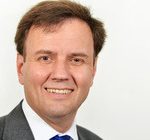
  • Greg Hands – 2022 Statement on the Warm Home Discount

    Greg Hands – 2022 Statement on the Warm Home Discount

    The statement made by Greg Hands, the Minister for Energy, Clean Growth and Climate Change, in the House of Commons on 12 May 2022.

    Upgrading our homes to be more energy efficient is the best long-term solution for reducing our energy costs and keeping ourselves warm in winter. However, this takes time, which is why the warm home discount remains a key policy for tackling fuel poverty now. For 11 years, the warm home discount has provided vital help with energy bills to households on the lowest incomes. Last summer, the Government consulted on the future of the warm home discount scheme in England and Wales, and today, the Government have laid the regulations for extending, expanding, and reforming the scheme to 2026.

    From this winter, the Government are expanding the warm home discount scheme. The annual spending envelopes will increase from around £350 million to £475 million (in 2020 prices), and the value of the household rebates will rise from £140 to £150. As a result, around 2.8 million households in England and Wales will receive a rebate every year, 750,000 more compared to the previous scheme. We are also lowering the energy supplier participation thresholds from 150,000 domestic customer accounts to 50,000 in 2022-23 and 1,000 in 2023-24, meaning that almost all customers will be with a participating supplier and thereby reducing the barriers for people switching energy suppliers.

    Under the scheme, around 1 million low-income pensioners will continue to receive their rebates automatically through the core group 1 element of the scheme. It is right that we protect this low-income vulnerable group susceptible to the effects of living in a cold home.

    From this winter, the Government are replacing the former application-based broader group element, under which low-income and vulnerable households had to apply to their energy supplier every year. Broader group rebates have often been awarded on a first-come, first-served basis or by lottery, as there have been more eligible households than there were rebates available.

    Instead, around 1.9 million households will receive rebates under a new core group 2. These households will be those on the lowest incomes and with high-energy costs, determined by using data on property characteristics. Through data-matching between Government Departments and energy suppliers, the vast majority of these households will be identified automatically and receive their rebate without having to take any action. These reforms will improve the fuel poverty targeting of the scheme, ensuring more of the rebates go to households in, or at risk of, fuel poverty.

    Lastly, the Government recognise the value of industry initiatives, taking the form of additional financial and energy-related support measures, that energy suppliers and industry partners provide to fuel poor households. It will therefore become mandatory for all energy suppliers participating in the scheme to provide or fund industry initiatives.

    The Government are consulting on a warm home discount scheme in Scotland for the period until 2026 and shall lay separate regulations, subject to the outcome of that consultation.

    This expansion of the warm home discount scheme forms part of the wider support to help households with rising energy bills. The Government have announced £9.1 billion of support through the energy bills rebate in 2022-23. This includes: a £200 discount on energy bills this autumn for domestic electricity customers in Great Britain; a £150 non-repayable council tax rebate for households in England in council tax bands A to D; and a £144 million discretionary fund to support households not eligible for the council tax rebate. Meanwhile, the devolved Administrations will receive around £565 million corresponding funding through the Barnett formula.

    More information on the warm home discount scheme will be made available over the summer on www.gov.uk/the-warm-home-discount-scheme.

  • James Cleverly – 2022 Statement on Democracy in Hong Kong

    James Cleverly – 2022 Statement on Democracy in Hong Kong

    The statement made by James Cleverly, the Minister for Europe and North America, in the House of Commons on 12 May 2022.

    I thank my right hon. Friend for raising this incredibly important issue. The Hong Kong authorities’ decision to target leading pro-democracy figures, including Cardinal Zen, Margaret Ng, Hui Po-keung and Denise Ho, under the national security law is unacceptable.

    Freedom of expression and the right to peaceful protest, which are protected in both the joint declaration and the Basic Law, are fundamental to Hong Kong’s way of life. We continue to make clear to mainland China and to Hong Kong authorities our strong opposition to the national security law, which is being used to curtail freedom, punish dissent and shrink the space for opposition, free press and civil society.

    In response to the imposition of the national security law, as well as wider recent developments in Hong Kong, the UK has taken three major policy actions: on 31 January 2021, we launched a bespoke immigration route for British nationals overseas and their dependants; we have suspended the UK-Hong Kong extradition treaty; and we have extended the arms embargo on China to cover Hong Kong.

    China remains in an ongoing state of non-compliance with the joint declaration, which it willingly agreed to uphold. As a co-signatory to the joint declaration, and in the significant 25th year of our handover, we will continue to stand up for the people of Hong Kong. We will continue to call out the violation of their rights and freedoms and hold China to its international obligations. My right hon. Friend the Foreign Secretary is in regular contact with her international counterparts on issues relating to Hong Kong, and we continue to work intensively within international institutions to call on China to live up to its international obligations and responsibilities.

    As my right hon. Friend the Foreign Secretary stated in the latest six-monthly report, published on 31 March, the UK will continue to speak out when China breaches its legally binding agreements, and when it breaks its promises to the people of Hong Kong.

  • Tom Pursglove – 2022 Statement on HM Passport Office Backlogs

    Tom Pursglove – 2022 Statement on HM Passport Office Backlogs

    The statement made by Tom Pursglove, the Parliamentary Under-Secretary of State for the Home Department, in the House of Commons on 12 May 2022.

    Due to covid-19, more than 5 million people delayed their passport applications in 2020 and 2021. With demand for international travel having returned, Her Majesty’s Passport Office is currently receiving a higher number of passport applications than ever before; 9.5 million applications are expected in 2022 compared with approximately 7 million in a normal year.

    Since April 2021, 500 new staff have joined and a further 700 will join by the summer. As a result, the vast majority of passport applications are being processed within the 10-week timeframe and more than 90% within six weeks. Less than 1.4% of the passports printed last week for UK applications had been in the system for longer than 10 weeks.

    With a record number of applications in the system, customer inquiries have increased accordingly. However, the passport advice line, which is run by Teleperformance, is not currently meeting the needs of passport customers. Clearly, that is not acceptable. The Home Office has clear standards for the level of service that suppliers are expected to provide.

    Her Majesty’s Passport Office has engaged with Teleperformance at its most senior levels to emphasise the need to significantly improve performance as soon as possible. Alongside steps to bring the operation of the passport advice line, email and call-back functions within the required standard, Teleperformance is urgently bolstering staff numbers in response to the recent surge in customer contact, with 500 additional staff due to be added by mid-June.

    We recognise that hon. Members will wish to raise cases and queries on behalf of their constituents, as is, of course, right and proper. Her Majesty’s Passport Office staff have therefore been deployed to answer passport-related inquiries to the Home Office’s dedicated MPs hotline and, for the most urgent cases, they will also be available to conduct in-person passport surgeries in Portcullis House.

    Although we acknowledge that there have been issues with customer contact that must and will be resolved, I take the opportunity to recognise the work of Her Majesty’s Passport Office staff who continue to ensure that the vast majority of passport applications are processed in under 10 weeks. Their efforts, alongside the extensive work that went into preparing for record demand, have ensured that passport applications continue to be processed in higher numbers than ever before.

    Across March and April 2022, Her Majesty’s Passport Office completed the processing of nearly 2 million applications. As that output demonstrates, HMPO staff are firmly focused on maintaining a high level of service and are fully committed to ensuring that people receive their passports in good time for their summer holidays.

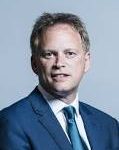
  • Grant Shapps – 2022 Comments on Potholes

    Grant Shapps – 2022 Comments on Potholes

    The comments made by Grant Shapps, the Secretary of State for Transport, on 13 May 2022.

    The plague of potholes is the menace of our roads. That’s why I’m ensuring companies who create them and leave roads in a poor state can be held to account more easily – protecting drivers from unfair repair costs.

    We’ve already invested billions of pounds into roads maintenance, helping local authorities keep their highways well maintained and I’ll continue working to make sure all road-users around the country can enjoy the safe, world-class infrastructure they deserve.

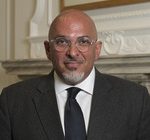
  • Nadhim Zahawi – 2022 Comments on Levelling Up Premium

    Nadhim Zahawi – 2022 Comments on Levelling Up Premium

    The comments made by Nadhim Zahawi, the Secretary of State for Education, on 13 May 2022.

    The quality of pupils’ education in crucial subjects like maths and science should not be dependent on where they live, and teachers shouldn’t feel that they must leave their local area for a better paid job.

    Our Levelling Up Premium will help give children and young people the best specialist teaching in maths, physics, chemistry and computing, while supporting jobs in low-income areas, helping to level up education for all and grow the economy.

  • Sajid Javid – 2022 Comments on Mental Health and the Black Community

    Sajid Javid – 2022 Comments on Mental Health and the Black Community

    The comments made by Sajid Javid, the Secretary of State for Health and Social Care, on 12 May 2022.

    It was great to visit the ACCI today and see the fantastic work they’re doing to support the local community’s mental health.

    I’m continuing to level up health across the country –this includes mental health and ensuring it is on an equal footing to physical health.

    In order to make sure our 10 year mental health plan works for all, it’s important that the Black community share their views and experiences on how we can improve the support and services available. Your voices will shape our plan to promote positive mental wellbeing across the nation.

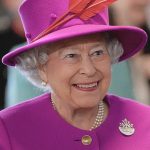
  • Queen Elizabeth II – 2022 Statement on Damehood for Deborah James

    Queen Elizabeth II – 2022 Statement on Damehood for Deborah James

    The statement made by Queen Elizabeth II on 12 May 2022.

    The Queen has been pleased to approve that the honour of Damehood be conferred upon Deborah James.

  • Brandon Lewis – 2022 Statement on the Northern Ireland Assembly Election

    Brandon Lewis – 2022 Statement on the Northern Ireland Assembly Election

    The statement made by Brandon Lewis, the Secretary of State for Northern Ireland, in the House of Commons on 11 May 2022.

    Last Thursday, the people of Northern Ireland went to the polls to choose their elected representatives. The results of that election were confirmed on Sunday 8 May 2022.

    I want to offer my congratulations to all those who were elected and encourage the parties to form an Executive as soon as possible. The people of Northern Ireland deserve a stable and accountable devolved Government that delivers on the issues that matter most to them.

    Earlier this year, the Northern Ireland (Ministers, Elections and Petitions of Concern) Act passed through Parliament. That legislation provides for a period of up to 24 weeks after an election for Northern Ireland’s political representatives to restore the devolved institutions. During this time, Northern Ireland Ministers in post before the election who were re-elected can remain as Ministers to support the delivery of public services.

    I met with the leaders of the five largest parties in Northern Ireland on Monday 9 May and urged them to restore a fully functioning Executive and Assembly at the earliest possible moment, starting with the nomination of an Assembly Speaker. An Executive will only be formed if Sinn Fein nominates a First Minister and if the DUP nominates a deputy First Minister. The two roles are joint and equal, with neither office holder able to exercise functions or make decisions without the other.

    The Northern Ireland protocol remains a barrier to stability in Northern Ireland and the Government will do whatever it takes to protect the Belfast (Good Friday) agreement in all its dimensions. We are clear that the protocol does not have the support of many in the Unionist community and is not working for many people and businesses in Northern Ireland. We have to address the outstanding issues and we want to do that by agreement with the EU, but as we have always made clear we will not shy away from taking unilateral action if necessary.

    Furthermore, while Unionism is set to remain the largest designation in the Northern Ireland Assembly with 37 seats, followed by Nationalism on 35 seats, parties which designate as neither will now constitute 20% of the Assembly. This is a significant development in Northern Irish politics and its implications are the subject of growing discussion and debate.

    Together, we must move forward towards a brighter future. That means a strong, functioning Executive delivering for all the people of Northern Ireland. My priority is to provide the space for an agreement to be reached.