Category: Health

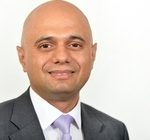
  • Nadhim Zahawi – 2021 Comments on 40 Million Receiving First Vaccine

    Nadhim Zahawi – 2021 Comments on 40 Million Receiving First Vaccine

    The comments made by Nadhim Zahawi, the Vaccines Minister, on 5 June 2021.

    Our vaccination programme, the biggest and most successful in NHS history, has now delivered over 40 million first doses into arms – a fantastic achievement.

    I am incredibly proud of everyone involved who have worked tirelessly to help us reach milestone after milestone. It is time to redouble our efforts on the second dose, to ensure everyone has maximum protection.

    The offer is open to everyone over the age of 30, so when you get the call, get the jab. It could save your life and protect your loved ones.

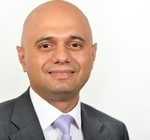
  • Matt Hancock – 2021 Comments on 40 Million Receiving First Vaccine

    Matt Hancock – 2021 Comments on 40 Million Receiving First Vaccine

    The comments made by Matt Hancock, the Secretary of State for Health and Social Care, on 5 June 2021.

    It is an astonishing achievement to deliver over 40 million first doses in just 6 months. In all 4 corners of the UK, people are stepping up when their time comes to protect themselves and the people around them.

    It seems with every day we pass another major milestone on the road back to recovery. Over three-quarters of adults have received a first dose and over half of adults have now been vaccinated with the life-saving second dose.

    I pay tribute to the tireless work of the NHS and armed forces in building this momentum – but our work is not yet done. I encourage everyone who is eligible to join the millions who have the fullest possible protection from this virus by getting their jab when the time comes.

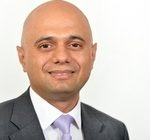
  • Matt Hancock – 2021 Comments on the Health Security Chain

    Matt Hancock – 2021 Comments on the Health Security Chain

    The comments made by Matt Hancock, the Secretary of State for Health and Social Care, on 3 June 2021.

    Globally we are only as strong as the weakest link in the health security chain. No one is safe until everyone is safe.

    We need to make better use of advances in our ability to collect, analyse, and share health data from all aspects of life, enabling faster collaboration to respond to health security threats and stop diseases in their tracks.

    The UK and our partners in the G7 have a strong track record of working together to support each other and protect the most vulnerable. As I gather with my ministerial counterparts, we have an opportunity to learn from this pandemic to collectively build back better and safeguard our global health security.

  • Nick Thomas-Symonds – 2021 Comments on Foreign Health Workers Paying for Visas

    Nick Thomas-Symonds – 2021 Comments on Foreign Health Workers Paying for Visas

    The comments made by Nick Thomas-Symonds, the Shadow Home Secretary, on 2 June 2021.

    What does the Home Secretary have against NHS and care workers? Conservative plans to slap a stealth tax on frontline heroes, who have risked their own health to keep us safe through this pandemic, is shameful.

    The Prime Minister made a personal promise to remove the Immigration Health Surcharge for overseas workers. Now, what he gave with one hand, he seeks to take away with the other.


  • Richard Fuller – 2021 Speech on the Obesity Strategy

    Richard Fuller – 2021 Speech on the Obesity Strategy

    The speech made by Richard Fuller, the Conservative MP for North East Bedfordshire, in the House of Commons on 27 May 2021.

    I congratulate my hon. Friend the Member for South West Bedfordshire (Andrew Selous) on securing this debate, and I welcome my hon. Friend the Minister to her place. It is clear with the breathless endorsements from the Opposition that the Government, if they wish, can fully get their way with these proposals, but I worry.

    I worry that an opportunity for a determined and modern policy based on empowering individuals has instead been replaced with a rather tired, top-down, bureaucratic approach. I worry that the Department of Health and Social Care algorithm has resulted not in an intelligent group of products, but a confusing and ill-targeted group of products, as my hon. Friend the Member for Buckingham (Greg Smith) said.

    I worry that the policy is literally treating adults like children, particularly with its full-scale transfer of the nutrient profile model. Worse, I worry that the policy targets those who are poor, ethnic minorities and the elderly, who are most likely to be obese or overweight, and it connotes with it a rather condescending attitude that the Government know best for those particular groups of people.

    I worry that the evidentiary base is flimsy. The Minister mentioned the sugar tax, and the sugar tax may have been successful, but that is not what is in this policy. In fact, the policy being proposed is very different from the sugar tax. I worry that success is not defined or measured. Essentially, the policy remains a matter of hope, as my right hon. Friend the Member for Forest of Dean (Mr Harper) pointed out.

    I worry about the haste of implementation, adding new efforts and responsibilities on businesses just as they are recovering from the impact of lockdowns. In particular, I worry about the impact on Jordans in my constituency and the farmers who are supporting that business. I worry that the Department has chosen to silence the power of businesses and the power of their brands, rather than enhance them in the efforts they wish to undertake.

    I worry that the policy is blunt where it could be smart. For example, it prefers an outright ban to using technologies in advertising online that would help achieve the Government’s goals. I worry about the unintended consequences for people with eating disorders. I worry about timing. Many people are already anxious about their health post covid, and these measures will do nothing to avert those anxieties.

    I worry about the social credit system of points that Sir Keith Mills may come up with in his review, with all of its potential ramifications. I worry where all this may lead—potentially we will have an NHS app. As we walk down the street and pass a restaurant or a bar, it will beep to tell us, “Please input what you have eaten.” Perhaps we will reach there one day. In fact, we are already there. Those apps are already under trial by the NHS.

  • Robbie Moore – 2021 Speech on the Obesity Strategy

    Robbie Moore – 2021 Speech on the Obesity Strategy

    The speech made by Robbie Moore, the Conservative MP for Keighley, in the House of Commons on 27 May 2021.

    The challenge of obesity has of course been magnified by the last year’s events, and the evidence is clear, as ever, about the importance of having a healthy lifestyle and eating well. I welcome the national food strategy’s putting a better food system at the heart of the covid-19 recovery. It is worrying that one in three children who leave primary school is overweight and one in five is obese. It is crucial to rethink the food that young people are being given, and the right education is the key to the answer.

    I recently met and had a great discussion with Ruth Hall, a constituent in Addingham and a former home economics teacher, about ensuring that people know how to prepare healthy food. She showed me her old lessons plans, which included guidance on making nutritious meals at an affordable price. The people she taught over her 36 years as a teacher were given the right skills to cook, and I am sure their children are better informed about healthier eating.

    I worry that home economics as a subject for all at an early age in our schools is now lost, and I fear that a generation have now missed out on acquiring these skills, which I believe is a key reason for the worrying statistics I have mentioned. It is therefore vital for the Government to act to make sure that young people are equipped with the adequate training on and knowledge of nutrition and how to cook a decent meal—a decent, wholesome meal.

    There is a much wider discussion to be had about where people’s food comes from. I regularly speak to farmers and those working in the food production sector, who are frustrated by the lack of knowledge about that nationally in the wider population. It needs to be at the heart of our good food strategy. The Government’s intentions to change how food is advertised, displayed and promoted in shops will undoubtedly create purchase behavioural change, but I am yet to be totally reassured of the absolute benefits that will have.

    As my hon. Friend the Member for Warrington South (Andy Carter) and the Minister have said, there is no silver bullet. However, of course, in this place we cannot ignore the fact that this issue disproportionately affects those in deprived communities. Currently, children in those communities are twice as likely to be obese than those in less deprived areas. That must be addressed. I am pleased that the Government have pledged to halve childhood obesity and close that gap by 2030, but our approach cannot just be Government-centred; communities must be key, active players, and parents must take more responsibility for what they feed their children and the consequences of that. Of course, that loops back to education.

    I know that the NHS long-term plan has ring-fenced £4.5 billion to help local GPs, pharmacists and others deal with issues such as obesity, but I am sure that home economics, food nutrition, and teaching children and parents how to cook good, wholesome food will be a great start.

  • Andrew Lewer – 2021 Speech on the Obesity Strategy

    Andrew Lewer – 2021 Speech on the Obesity Strategy

    The speech made by Andrew Lewer, the Conservative MP for Northampton South, in the House of Commons on 27 May 2021.

    With more than half the adults in this country classed as overweight, which has well-known associated health impacts on society and the NHS, I understand why the Government want to tackle this issue. Much of the strategy on public health education is not objectionable, unlike the proposals about the advertising of two-for-ones and where shops can display their wares, which I believe fall foul of the core Conservative principles, which are the reason I am in politics, of promoting freedom and the liberty of our citizens.

    There is much evidence that suggests that such proposals will not work anyway and will be heavy-handed. That is why these ideas, thankfully, never came to fruition in two former Prime Ministers’ Administrations. The legislation will essentially nationalise the content of food advertising, which will be chosen by the Department of Health and Social Care in Whitehall. It is redolent of EU regulations about whether Jaffa Cakes are biscuits or cakes and Harold Wilson’s selective employment tax; instead we should trust citizens to make decisions for themselves and concentrate on education so that those choices are informed.

    The proposed advertising ban on high-fat, salt and sugar products before 9 pm on TV and online in its entirety will not only catch those foods that we commonly think of as junk, but target foods such as ready-made sandwiches, butter and jam. Speciality businesses such as wedding cake shops or artisan producers of sausages will not be able to promote their products on the primary advertising mediums of the 21st century. We are a party that claims to stand behind business, but the financial impact across the food, advertising and broadcasting industries, in stifling entrepreneurship and competition, will be enormous. All these proposals, by the Government’s own admission, will reduce children’s calorie intake only by an unnoteworthy amount. Research from Mondelez International states that restricting promotions will lead to an average daily reduction of only 8 calories for adults.

    An obesity strategy as a concept and one that empowers my constituents in Northampton South is fine, but proposals towards a nanny, banny state, which are contrary to years of the Prime Minister’s own writings and to core Conservative principles, are not at all fine. They exemplify the politician’s syllogism from the 1988 edition of “Yes Prime Minister”: “We have a problem. Something must be done. Well, here’s something, so let’s do that.”

  • Olivia Blake – 2021 Speech on the Obesity Strategy

    Olivia Blake – 2021 Speech on the Obesity Strategy

    The speech made by Olivia Blake, the Labour MP for Sheffield Hallam, in the House of Commons on 27 May 2021.

    Like almost everyone speaking in the debate today, I support measures to ensure that people have a healthy relationship with the food that they eat. However, healthy eating habits cannot simply be measured on weighing scales or counted in calories. Today, we are facing a mental health crisis, one element of which is the rising epidemic of eating disorders, including obesity.

    I fear that our strategy falls well short of the social and mental health support needed to help people manage a healthy relationship with food. I am talking about those who have any conditions relating to weight management, whether that is diabetes or heart disease, or an eating disorder. I hope that the new funding for services will see those approaches supported.

    While I am fully supportive of interventions such as restrictions on advertising and work to improve the diet of the nation, I remain very concerned about certain aspects of the strategy. Before the pandemic, hospital admissions were increasing, especially among teenagers. In 2019-20, we saw a sharp 32% increase on the previous year to more than 21,000 cases, nearly 5,000 of which were children. In addition to hospital admissions between February 2020 and January 2021, the eating disorder charity Beat reported a massive 173% surge in demand for its services. During that time, we saw no corresponding rise in the levels of funding going to eating disorder services. I have sat with eating disorder specialists who have told me that the money that is available often fails to get to the frontline. One doctor I spoke to said that his service was originally designed for 60 children, but now serves 280, with inadequate funding for those places.

    I know that NHS trusts are also struggling with non-specialist in-patient services for children. The rising demand means that they just do not have the expertise available to treat in-patients with eating disorders properly, with many waiting for urgent beds for children in crisis in any specialist unit anywhere in the country. We still see a situation in adult services where there are no waiting time targets for support for eating disorders.

    I am highlighting this dire situation because one measure of the Government’s obesity strategy involves calorie labelling on menus. Among those who will be reading those menus will be people with eating disorders. There is a wealth of research that shows that calorie labelling can exacerbate unhealthy relationships with food and can be a predictor of the onset of eating disorders. In trying to fix one problem, there is a real danger that Ministers will make another far worse, the costs of which are not trivial. Eating disorders have the highest mortality rate of any mental health problem, and people who suffer from them are at increased risk of suicide and self-harm. While it is true that half of those with eating disorders recover, 20% remain in a chronic condition.

    We should look at obesity in the round. Balanced nutritious meals, promoting healthy diets such as Mediterranean diets, and healthy levels of exercise are far more important ways of maintaining a healthy weight. I urge the Government to rethink and revisit that aspect of the plan, come up with a solution that balances the needs of all. If we really want to promote healthy eating habits, calories on menus are not necessarily the way to do it for the whole population and risk making a very bad situation even worse for those suffering from or at risk of developing eating disorders. I say this as someone with type 2 diabetes. I have lost weight in order to manage my diabetes. There is a real issue with anxiety around calories and weighing out food. More needs to be done to recognise these anxieties and mental health issues.

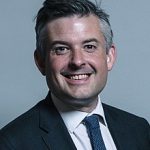
  • Jonathan Lord – 2021 Speech on the Obesity Strategy

    Jonathan Lord – 2021 Speech on the Obesity Strategy

    The speech made by Jonathan Lord, the Conservative MP for Woking, in the House of Commons on 27 May 2021.

    While I welcome many aspects of the Government’s obesity strategy, today I want to argue against the Government’s outlined proposals to restrict TV and online advertising for high- fat, high-sugar and high-salt foods.

    These proposals are blunt tools that will have little or no impact on obesity. The Government assess that both the TV watershed ban and the full online ban will lead to just a 4.5 daily calorie reduction among overweight children. That is completely inconsequential compared with initiatives such as The Daily Mile or Couch to 5K, which have the potential to increase calorific expenditure by about 100 calories a day, or targeted, community-based approaches, such as the Health, Exercise, Nutrition for the Really Young—HENRY—programme in Leeds or the Three Area Project in Wakefield. Those two programmes are based on a holistic approach. They address education, activity levels and food inequality, and have had measurable success.

    Commentators might argue that the proposed bans do not matter, but they have large adverse impacts on broadcasters, online news media, advertising and production companies, food and drink companies, retailers and the hospitality sector. Advertisers have made it clear that this ad spend and investment will not be rerouted back through other channels but could leave the UK market altogether. The bans will reduce the advertising revenue that media reinvest in programming and content. They will prevent food and retail companies and the hospitality trade from communicating with their customers. They will impact jobs and remove most incentives food manufacturers have to invest in healthier alternatives in this market, because the alternatives themselves may still fall within scope.

    The Quebec ban on advertising to children, introduced as long ago as 1980—incidentally, for reasons other than to tackle obesity—had no effect on childhood obesity rates in that province, compared with other provinces. Indeed, the prevalence of being overweight or obese among children in Quebec grew by 140% during the first 15 full years of the advertising ban—a faster increase than elsewhere in Canada, where those restrictions did not exist.

    The UK’s advertising restrictions, currently in place across broadcast and non-broadcast advertising, including online advertising, are already among the strictest in the world. They restrict the exposure of HFSS advertising to children under 16. Although TV restrictions have been in place since 2008 and have reduced child exposure to HFSS on TV by around 70%, this has made no measurable impact on obesity rates. These current plans are disproportionate and not evidence-based; they are not targeted at the problem that the Government say needs to be addressed, which is to protect children. Indeed, they are sweeping and comprehensive, requiring new laws and a new regulatory structure.

    I urge the Government to liaise much better with industry. The Committee on Advertising Practice, the advertising code body, has put to Ministers an alternative proposal to this online ad ban, which is targeted, workable, effective and enforceable. So, let us do that. Let us engage rather than have these damaging and over-the-top regulatory proposals.

  • Dan Carden – 2021 Speech on the Obesity Strategy

    Dan Carden – 2021 Speech on the Obesity Strategy

    The speech made by Dan Carden, the Labour MP for Liverpool Walton, in the House of Commons on 27 May 2021.

    It is a pleasure to speak in this debate, which is covering a wide range of issues. At its heart, it is about trying to support a healthier British public, which I think the whole House genuinely cares about.

    My reason for speaking in the debate relates to alcohol labelling; I am sure that the Minister remembers our recent Adjournment debate. We are in the incredible situation where a product such as non-alcoholic beer or wine may provide its calorie content, nutritional information and a lot more, but an alcoholic product need contain only three pieces of information by law: the allergens, the percentage of alcohol by volume and the amount of liquid in the container. That is quite a bizarre situation for us to be in, so I am pleased to hear that the Minister is pushing ahead with the consultation on alcohol labelling. There has been some confusion in recent weeks and months. Just a few weeks ago, we heard that the Government had ditched plans to force pubs to list calories as part of a drive to tackle obesity. That came from Downing Street. I hope that, given what the Minister said, the consultation will be kicking off some time soon.

    I want to push the Minister once more on the need for a national alcohol strategy. We had the highest rate of deaths from alcohol on record this year. Alcohol-specific deaths are at an all-time high at a moment when drug and alcohol services are underfunded and mental health services are overstretched.

    If this is all about supporting a healthier nation—we have the obesity strategy, Dame Carol Black’s review of drugs, a consultation on alcohol labelling, a review of the Gambling Act 2005, and a promised addiction strategy from 2019—I suggest to the Minister that that work needs to be pulled together. The issues that we have touched on in this debate, including mental health and poverty, which are drivers of addiction, really need to be focused on in the months and years ahead.