Category: Health

  • Maggie Throup – 2023 Speech on Removing VAT from Sunscreen Products

    Maggie Throup – 2023 Speech on Removing VAT from Sunscreen Products

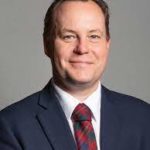
    The speech made by Maggie Throup, the Conservative MP for Erewash, in the House of Commons on 9 February 2023.

    “It won’t happen to me”—that is what we all think. But then it does. It happened to me. Back in 2019, I noticed a blemish on my left arm. Knowing that both my parents had benign skin cancer, I decided to get it checked out. After a biopsy, my blemish was diagnosed as melanoma and I underwent surgery to remove the cancer. I was one of the lucky ones. The melanoma had not spread. I was not ill. I was discharged from the cancer specialist in 2020, free from melanoma. While I am left with an impressive scar on my left arm, the outcome could have been so different had I not been aware of the signs to look for and caught the cancer early.

    One in 36 men and one in 47 women in the UK will be diagnosed with melanoma in their lifetime. Tragically, 2,300 people die from the disease each year. That number has included a business acquaintance of mine, who very sadly passed away in his early 40s, and BBC Radio Derby presenter Colin Bloomfield, who passed away at the age of just 33 in April 2015 after his melanoma metastasised to his lungs.

    These deaths do not need to happen—86% of melanomas are preventable by adopting simple sun protection. That is why I back the call for sun protection of SPF 30 and above to be available VAT-free. I congratulate the hon. Member for East Dunbartonshire (Amy Callaghan) on securing today’s debate and on all the work she has done on this issue.

    The Government can do a lot, but they cannot stop people going out in the sun; they can do a lot, but they cannot change the weather. But they can remove VAT from sunscreen. We need to remove every possible barrier that could stand in the way of people buying a life-saving product. At the same time, such a measure sends out the message that the Government are serious about tackling all types of cancer. From an economic perspective, a healthy workforce is a productive workforce. The cost to the NHS of not taking action against a preventable cancer must be huge. We need to break down the silos in the NHS, between the NHS and the Treasury, and between all Government Departments, and look at the cost of not removing VAT on such a product.

    As is often the case, each and every one of us needs to take some personal responsibility. They say that only mad dogs and Englishmen go out in the midday sun. We should be taking the same preventive measures during the hot summer months here that we would if we were on holiday abroad. That includes seeking shade, wearing a hat and loose clothing, and keeping out of the sun when it is most prevalent. Through a combination of these actions, we will see a noticeable decline in cases of melanoma, which at the moment takes far too many lives, far too early, but the Government have a part to play as well.

  • Amy Callaghan – 2023 Speech on Removing VAT from Sunscreen Products

    Amy Callaghan – 2023 Speech on Removing VAT from Sunscreen Products

    The speech made by Amy Callaghan, the SNP MP for East Dunbartonshire, in Westminster Hall, the House of Commons on 9 February 2023.

    I beg to move,

    That this House has considered the matter of VAT on sunscreen products.

    We should be united across this House in our efforts to beat cancer, and that means all cancers—not just the ones it is politically expedient to target. Melanoma is the fifth most common cancer in the UK, killing 2,300 people each year. It receives only a fraction of the political attention it deserves, especially when we consider that 90% of cases are preventable with adequate skin protection—that is more than 2,000 lives we could save each year.

    In recent years, both melanoma and non-melanoma cancers have been on the rise across the UK, with around 16,000 new cases of melanoma diagnosed each year— 90% of which, as I said, could be prevented by staying safe in the sun. With Cancer Research UK finding that getting sunburnt just once every two years can triple a person’s risk of melanoma, which sunscreen plays a vital role in preventing, it is just common sense that we should work together to make sunscreen products that bit more affordable for our constituents.

    With the support of several organisations and Members across the House, my VAT Burn campaign seeks to reform the value added tax charged on sunscreen products of SPF 30 and above—products deemed by the NHS to provide significant enough coverage to our skin if applied correctly. Removing VAT from sunscreen is not a radical idea; in fact, when asked, most people are surprised, if not shocked, that VAT is charged on sunscreen. It is not a novel idea; both the US and Australia have made sunscreen exempt from VAT-style taxes. But removing VAT is a necessary idea—one that should, can and must be done to promote sun safety measures and reduce cases of skin cancer. It would be an important step to demonstrate the UK Parliament’s commitment to sun safety and send a clear message to the public about the importance of sunscreen.

    We should not stop there. As in Australia, removing VAT from sunscreen should go hand in hand with an awareness campaign. The Australian Slip, Slop, Slap campaign was a huge success, and there is no reason why something similar could not be replicated in the UK. This is not hard. As Australia and the US have shown, any barriers to implementing this policy change are surmountable. That is why there are two folds to my VAT Burn campaign: first, to reform the value added tax charged on sunscreen products; secondly, education and awareness around skin protection from the sun. I encourage colleagues present today and others to sign early-day motion 839, in my name, which calls on the Government to launch an Australia-style awareness campaign around skin protection in the sun and the risks of prolonged sun exposure.

    Sunscreen products are currently treated and defined as cosmetics or luxury goods for VAT purposes, which, given their clear health benefit, is unacceptable and unjust, particularly with temperatures rising—although, I must say that sunscreen should not be worn only when we perceive it to be hot outside. It should be worn all year round, which is why I launched this campaign in February, on World Cancer Day, and not at a sunnier time.

    I am incredibly passionate about this issue, and I will put front and centre the reasons why. People like me, whether because of background, class or opportunities, do not tend to end up in this place. For those who do, we end up in politics, I hope, to create positive change for us and for our communities, but most importantly, for our constituents. Not many 30-year-olds—nor Members of Parliament, for that matter—can speak from a position of experience of having survived melanoma twice. It would be a dereliction of duty to my fellow cancer survivors, my surgeon and my family if I did not use that experience to speak up for those who cannot.

    I will clarify that VAT Burn seeks a VAT exemption for sunscreen products of factor 30 and above, with a four-star UVA rating and marketed exclusively as sun protection. I will be crystal clear that this exemption will not encompass products from the cosmetics industry, such as foundations including SPF, as those products provide little or—I argue—no protection from the sun.

    The anomaly of sunscreen products being exempt from VAT is longstanding, and seems perfectly reason to question, given we are in a cost of living crisis and a climate crisis. Also, given the VAT relief provided to drugs, medicines, medicinal products and aids for the disabled, it seems logical that preventive healthcare measures should be exempt too. Many of my constituents will find it hard to believe that the like of Calpol and paracetamol are exempt from VAT, but not sunscreen products.

    The Government line that sunscreen products are exempt from VAT when dispensed by a pharmacist simply does not hold up to scrutiny. First, only a tiny amount of the population receive sunscreen on prescription. Secondly, prescriptions are already free in Scotland, meaning that our constituents do not receive any benefit from that. The Government, I assume, will also argue that this policy will cost the Treasury too much money. But given that it is estimated to cost somewhere in the region of £40 million, which is only 0.03% of the total amount of VAT the Government receive, it is a tiny amount of money in the context. This is clearly not about the money; it is about the Government’s unwillingness to act.

    We should not be talking about money, especially the money it will cost the Government. Instead, let us think of the lives that can be saved—those 2,030 lives per year that I mentioned earlier. Let us think of the effort saved by our NHS diagnosing and treating less skin cancers. The money saved within this vital public health service cannot be ignored. At the risk of pre-empting the Minister’s response, why does she recognise the merits of zero-rating some products, but not sunscreen? Do the Government value the protection of our skin from the sun? Do they see merit in an Australian-style awareness campaign? Will the Minister take the proposal to the Prime Minister, and share his views on whether sunscreen products should be more affordable to our constituents?

    I understand that there are some reservations about VAT exemptions, because previous zero ratings have not produced savings for consumers. That is exactly why, as part of VAT Burn, I have a pledge for retailers and producers to sign up to. I can confirm today that Morrisons has agreed to sign up to it, and, given that Tesco already absorbs the VAT on sunscreen products, I feel confident that our constituents will see a saving when it comes to sunscreen, should the Government choose to back VAT Burn.

    VAT Burn is the product of months of work. To be honest, I never wanted to get to this stage. When I submitted a written question pointing out the anomaly of VAT charged on sunscreen, I had hoped that the Minister would respond positively, and the UK Government would intervene to remove the VAT and quickly bring sunscreen into line with all other healthcare products. But that was not the case. I was told people should wear hats, cover up and sit in the shade, while the Minister curiously ignored sunscreen. Those are important measures to keep safe in the sun, but only alongside wearing sunscreen.

    I organised a cross-party letter to the Chancellor, and 40 MPs from every major political party signed the letter. The Chancellor, at the time the right hon. Member for Spelthorne (Kwasi Kwarteng), reiterated the UK Government’s opposition to removing the VAT, citing the same arguments as before: sunscreen alone does not mean someone is safe in the sun. But no one ever said that it does; it is clearly just one part of the solution. When the Chancellor changed, and we had a former Health Secretary in post, the right hon. Member for South West Surrey (Jeremy Hunt), I re-sent the letter. I hoped that someone with experience in health policy would see the sense in this simple change, but I received another stock rejection.

    Whether it was parliamentary questions or meetings with Ministers, none of it has got us anywhere. That is why we are here today, and why the campaign is being covered in the media. It is why six charities are backing the campaign, and why I will keep pushing until we see movement on the issue—specifically, with a ten-minute rule Bill on VAT Burn on 23 February.

    I touched very briefly on the organisations supporting VAT Burn. I place on record my thanks to each and every one of them for the great work they do to raise awareness of the signs and symptoms of cancer and its impact. I thank the Teenage Cancer Trust, Skcin, Melanoma UK, Young Lives vs Cancer, Melanoma Focus, and, last but not least, Melanoma Action and Support Scotland—Scotland’s only skin cancer specific charity, based in my constituency of East Dunbartonshire.

    It is also a workers’ issue. Too many workers spend prolonged periods of time exposed to the sun without adequate, or any, protection. I note that Police Scotland provide their officers with sunscreen if they spend prolonged periods of their shift exposed to the sun. If sunscreen were more affordable, more employers would step up and provide sunscreen products for their staff. This Government proposed to provide free sunscreen to all emergency workers. It would be useful to get an update on that from the Minister. No worker should be put at unnecessary risk of skin cancer due to a lack of sunscreen being provided by their employer.

    This common-sense approach to zero rating sunscreen can help everyone. It almost feels daft that I have to stand here today and make a case for it. Let us agree to work together to make this simple change for the benefit of all our skin.

  • Steve Barclay – 2023 Speech on Ambulance Services and Consultation on Minimum Service Levels

    Steve Barclay – 2023 Speech on Ambulance Services and Consultation on Minimum Service Levels

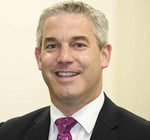
    The speech made by Steve Barclay, the Secretary of State for Health and Social Care, in the House of Commons on 9 February 2023.

    The Strikes (Minimum Service Levels) Bill requires the Secretary of State to consult with such persons as they consider appropriate prior to making regulations to establish minimum service levels for relevant health services in the event of strike action. The regulations must be approved by both Houses of Parliament before they are made. The consultation requirements may be fulfilled before and after the Bill receives Royal Assent. Minimum service levels will enable employers to issue work notices, ensuring adequate staffing for a minimum level of safety to be achieved in the event of strike action.

    Minimum service levels aim to limit the impacts of strike action on the lives and livelihoods of the public and to strike a balance between the right of unions and their members to strike with the need for the wider public to be able to access key services during strikes.

    This consultation focuses on minimum service levels for ambulance services, which the Prime Minister has identified as a priority, alongside fire and rescue services and rail services. Our proposal is that ambulance services should be covered in regulations as a priority recognising that disruption to blue light services puts lives at immediate risk. This consultation will help to inform a decision as to whether ambulance services should be covered by the regulations and if so the detail regarding the minimum service levels required in the ambulance service.

    The consultation will open today, Thursday 9 February 2023, and will be open for a period of 12 weeks, closing on Thursday 4 May 2023.

    Copies of the consultation will be deposited in the Libraries of both Houses.

  • Eluned Morgan – 2023 Statement on Ministerial Priorities for the NHS in Wales

    Eluned Morgan – 2023 Statement on Ministerial Priorities for the NHS in Wales

    The statement made by Eluned Morgan, the Welsh Minister for Health and Social Services, on 7 February 2023.

    The increased emergency pressures on the NHS, which have been so evident over the winter months, have been compounded by a number of factors, including concurrent surges in a range of respiratory viruses, including Covid-19, flu and scarlet fever.

    But external factors, such as the ongoing consequences of Brexit, the cost-of-living crisis and the war in Ukraine, are all also impacting our health and care services.

    I have recently spoken about the need for clear priorities – this statement highlights the priorities I have set for the health service in Wales. They will help address the immediate pressures and help to build a sustainable health and care service over the next year.

    It is important people play their part in helping the NHS by looking after their own health and wellbeing and taking steps to stay well. I want to continue this conversation with the public so together we can create a healthier population, reduce pressure on acute NHS services and improve outcomes in the longer term.

    The current environment means the priorities need to be targeted to the challenges we face. The NHS Planning Framework 2023-26 sets out the broad requirements that will underpin NHS plans going forward – this includes the importance of quality, safety, prevention and good health outcomes at the heart of the NHS in Wales.

    We must continue to focus on population health and prevention as the route to better health and wellbeing and to sustainability in the longer term. Reducing inequity and improving the quality, safety and experience of those in need of health services must always be a driving force in service planning and delivery. Delivering efficiently, effectively, and optimising service delivery is how the improvements must be embedded in the DNA of the NHS in Wales.

    It is crucial the NHS focuses on these priorities so resources and capacity can be used to make a real difference to people throughout Wales.

    Members will be very well aware that frailty is driving demand for healthcare, particularly urgent emergency care, and social care.  Once clinical interventions are complete, people should be able to return to the community, and services must be available in an integrated way to facilitate that.  That’s why in this calendar year I am prioritising work to increase the number of healthy days at home for people experiencing frailty.

    This must be an equal partnership between the NHS and social care organisations, and be really focussed on people receiving a consistent standard of community care across Wales.  The approach, backed up by improved data collection will provide a better basis for focused support.  In developing a plan for this work with organisations and other key partners, the aim is to have regions and localities working towards the national service specification and workforce model well ahead of next Winter, and for there to be means in place for identifying relative impact.

    Priorities

    • A closer relationship between the NHS and local government to tackle delayed transfers of care, and an effort to move further and to deliver an integrated community care service for Wales is essential. Work is ongoing across health and social care to introduce the Pathways of Care Reporting framework for delayed transfers of care in 2023. Health boards will be expected to use this to monitor the progress of safe and timely discharges of patients.  All organisations must deliver care closer to home. The focus should be on doing the right things to support people, to ensure they receive the care they need at home.
    • Improving access to general practice, dentistry, optometry and pharmacy This will include independent prescribing and increasing self-referral to a wider range of community-based allied health professionals, including rehabilitation, mental health and audiology.
    • Urgent and emergency care must focus on the effective management of people with urgent care needs in the community 24/7, and help more people to safely access alternatives to hospital-based care, for example through robust, seven-day same-day emergency care services and integrated health and social care community response models. Health boards must work with partners to significantly reduce the time patients spend waiting in ambulances outside emergency departments.
    • Planned care and recovery is being led by the National Recovery Programme, which will set specific requirements for health boards. Meeting these requirements must be a priority. Regional diagnostic centres and treatment centres should be at the forefront of organisations’ plans. This must include actions to move services, workforce and funding from hospitals into the community so people need to go to hospital when it is right for them. Organisations must demonstrate how they will deliver a significant increase in the numbers of patients who undertake pre-habilitation. Diagnostics services improvements must result in a reduction in numbers of people waiting for diagnostic tests to pre-pandemic levels as a minimum, including for mental health diagnosis.
    • Cancer services must enact the quality statement on cancer and ensure there is a reduction in the backlog of patients waiting too long on the cancer pathway. Achieving the required standards must be a priority for health boards.
    • Mental health and child and adolescent mental health services there must be improvements across all age services and equity and parity between physical and mental health services. Health boards must plan to expand tier 0/1 support to provide easy access to population level support for lower-level mental health issues, improve services across CAMHS, adults and older adult services and implement 111 press 2 for urgent mental health support. Reconfiguring eating disorder services to target earlier intervention and ensure a maximum of a four-week wait for routine access to eating disorder services is required. Improving memory assessment services to obtain a timely diagnosis and treatment should also be included. Improved access to full range of all age mental health and wellbeing services, particularly for children and young people, boosting prevention support for adults and children and de-medicalise the approach to mental health services where appropriate.

    Core Supporting Functions

    Digital, innovation, technology and transformation must underpin the delivery of optimum care and services for patients, alongside workforce, wellbeing and robust financial management.

    It is important the NHS focuses on ways to deploy the existing and future workforce to best effect. This includes enhanced use of multidisciplinary teamworking, role redesign, developing new roles, and advanced practice models, enabling people to develop their careers and work at the top of their license.

    The economic and financial outlook is extremely challenging. The value of the overall Welsh Government budget has fallen in real terms by £3bn over the current spending review period. A renewed focus on cost reduction and value improvement in the NHS is therefore critical to ensure the ongoing sustainability of services.

    Robust financial planning, fully integrated with service and workforce planning, is essential, as is tight financial governance and financial management. Capital plans must be prioritised and aligned to decarbonisation targets.

    The role of NHS organisations as anchor institutions provides a driver to implement care and services in a way that supports individuals and communities as part of normal business. This will include the approach to the foundational economy and how the NHS can respond to the cost-of-living crisis for both patients and staff.

    The net zero target for the public sector in 2030, decarbonisation action plans and social value, as part of contributing to achieving the aims of the Well-being of Future Generations (Wales) Act 2015, remain as commitments and opportunities to build in actions and benefits as part of service planning and should be taken.

    All NHS organisations must submit board-approved plans providing firm commitments about how these priorities will be delivered by 31 March 2023.

    This is a challenging period in which to plan and deliver health services but I am confident the NHS will continue build on the progress and learning from the pandemic and the ongoing pressures to deliver the sustainable services we all want.

  • Eluned Morgan – 2023 Statement on NHS Pay Update in Wales

    Eluned Morgan – 2023 Statement on NHS Pay Update in Wales

    The statement made by Eluned Morgan, the Welsh Minister for Health and Social Services, on 3 February 2023.

    Following continued discussions over the last week, we are pleased to announce that an enhanced pay offer has been made to our health trade unions. On this basis, we are hopeful that the planned industrial action over Monday 6th and Tuesday 7th February will be postponed, allowing trade unions to discuss the proposals further with their members. Individual trade unions will confirm their intentions regarding next week’s action, prior to further talks with their members.

    This revised pay offer comprises an additional 3%, of which 1.5% is consolidated so will be in pay packets year-on-year, on top of the Pay Review Body recommendations, which have already been implemented in full. This offer will be backdated to April 2022. Included in this revised package are a number of non-pay commitments to enhance staff well-being, on which negotiations will continue next week.

    Whilst there is currently no improved pay offer on the table for NHS staff in England, it was also agreed that any resulting Barnett consequential following any improved offer to staff in England would result in a further pay offer to staff in Wales.

    We would like to thank those that have participated in the negotiations for their positive engagement and goodwill. We are awaiting a formal response from each of the individual trade unions.

  • Eluned Morgan – 2023 Statement on North Wales Medical School

    Eluned Morgan – 2023 Statement on North Wales Medical School

    The statement made by Eluned Morgan, the Welsh Minister for Health and Social Services, on 26 January 2023.

    I am pleased to announce the Welsh Government will be funding up to 140 medical student places a year at the new North Wales Medical School. Direct intake will start in 2024.

    We expect student numbers to increase steadily and to reach their optimum number from 2029 onwards. This gradual trajectory will provide time to assess and evaluate both the quality tuition and student experience at the new medical school.

    Establishing a new medical school in North Wales is a key commitment, which will help Wales to train more medical students and ensure that training opportunities and the provision of qualified doctors are spread across Wales.

    This is a real boost for North Wales, for Betsi Cadwaladr University Health Board and for Bangor University.

    I have written to the General Medical Council to confirm our support and endorsement of these plans. This letter of assurance enables the GMC to progress the accreditation process.

  • Eluned Morgan – 2023 Statement on Expansion in Training Places for the Health Professional Workforce in Wales

    Eluned Morgan – 2023 Statement on Expansion in Training Places for the Health Professional Workforce in Wales

    The statement made by Eluned Morgan, the Welsh Minister for Health and Social Services, on 18 January 2023.

    Despite the challenges we face today, we continue to invest in the education and training of healthcare professionals in Wales. There is great demand on our NHS in Wales and the continued necessity to increase the training numbers and funding for essential health professionals in 2023/24. This is why, for the ninth consecutive year, funding to support health professional education and training in Wales will increase.

    £281.98m will be invested in 2023/24; this equates to a 8% increase from 2022/23 which is an extra £1.7m for education and training programmes for healthcare professionals in Wales;  £7.14m extra for medical training places, an extra £1.68m to support core GP training numbers and a net increase of £3.41m for pharmacy training across Wales.  This will continue to be a record level of funding to support the highest ever number of training opportunities in Wales.

    A well-trained NHS workforce with the right skills is essential to providing a sustainable high-quality care to people across Wales and improving standards in our health service.

    I am proud of this government’s record on investing in education and training to support and sustain the health workforce across Wales. The NHS has more people working in it than at any time in its history, all aimed at prevention and care for members of society, across every community in Wales.

    The Welsh Government remains committed to providing the NHS with the workforce it needs and these additional training places will increase the capacity of the workforce to help the NHS respond to the challenges facing it in the future.

    Over the past five years nurse training places have increased by 41.3% and midwives have increased by 41.8%. Tables showing the increase in health professional and medical training places for 2023/24 can be found at Annex A.

    Annex A

    NHS Wales Education Commissioning and Training Plan for 2023/24

    The following tables show the increase in health professional and medical training places for 2023/24.

    Speciality From To % Increase
    Adult Nursing 1651 1892 14.6%
    Mental Health Nursing 410 530 29.2%
    Child 175 192 9.7%
    Midwifery 185 190 2.7%
    Dietetics 66 82 24.2%
    Occupational Therapy 179 197 10%
    Physiotherapy 174 180 3.4%
    PhD Clinical Psychology 36 40 11.1%
    Paramedics 116 120 3.4%
    Operating Department practitioners 49 62 26.5%
    Scientist Training Programme 39 53 36%
    Higher Specialist Training 8 10 25%
    Cardiac Physiology 23 24 4.3%
    Audiology 11 12 9%
    Respiratory & Sleep Science 8 14 75%
    Neurophysiology 3 4 33%
    Life Sciences (Bio Medical Sciences) 24 26 8.3%
    Clinical Engineering 6 8 33%
    Pre-registration Pharmacy Technicians 83 100 20.5%
    Pharmacy Technicians 30 50 66.7%
    Secondary Care/Speciality Training 89 92 3.4%
    Foundation training 60 69 15%
    Physician Associates 52 57 9.6%
    Urgent and Emergency Care
    Intensive Care Medicine Increase of 3 higher Training Programme posts (fifth successive year of increases).
    Higher Emergency Medicine To increase by 4 higher posts for 2023, 4 posts for 2024 and 2 posts for 2025.  The increases for 2024 and 2025 are required to ensure the pipeline via ACCS EM established in previous workforce plans is aligned to the higher programme.
    ACCS Emergency Medicine To increase by 4 posts for 2023 (2 in North Wales and 2 in South Wales) and by 2 posts for 2024 (South Wales).
    Geriatric Medicine To increase by 5 posts each year for 3 years commencing in 2023.  These recommendations will be reviewed on an annual basis and increased if high recruitment levels into the programme are sustained.
    Internal Medicine To increase by 12 posts for 2023 to maintain the pipeline created following expansion in 2021 and 2022.
    Foundation To increase the number of Foundation Year 1 posts by 39 and Foundation Year 2 posts by 30 for August 2023 as detailed in the Foundation Expansion Business Case.
    Cancer Care
    Clinical Oncology Increase by 4 additional Higher Training posts implementing year 3 of the proposal to expand by 4 posts per year for 5 years.
    Medical Oncology Increase by 3 additional Higher Training posts implementing year 3 of the proposal to expand by 3 posts per year for 5 years.
    Palliative Medicine To increase Palliative Medicine training by a further 2 posts for August 2023 as recommended in the 22/23 plan.
    Planned Care
    General Surgery Increase by 7 higher posts for 2023.
    Trauma & Orthopaedics To increase by 5 posts in 2023 and then by a further 5 in 2024 and in 2025 (to be reviewed and dependent upon training capacity).
    Higher Anaesthetics Increase of 6 Higher Anaesthetics posts.
    Dermatology To increase by 3 posts in 2023 and by 3 posts in 2024.
    Rheumatology To increase by 2 posts for 2023 as recommended in the 22/23 plan.
    Neurology To increase by 3 posts for 2023.
    Diabetes & Endocrinology To increase by 1 post in 2023 and a further post in 2024.
    Diagnostic specialties & Health promotion/prevention
    Medical Microbiology/ Infectious Diseases Increase of 3 Medical Microbiology/Infectious Diseases posts implementing year 4 of a plan to increase posts every year for 5 years.
    Clinical Radiology To support the recommended expansion as required to appoint 20 trainees for the 2023 intake into the South Wales programme.
    Clinical Neurophysiology To increase by 1 post in 2023 and then by a further post in 2024.
    Public Health Medicine To increase by 3 posts as recommended in the 22/23 plan.
    Clinical Pharmacology and Therapeutics (CPT) To increase by 1 post in 2023.
    Mental Health
    Child and Adolescent Psychiatry


    No increase to the higher programme for 2023 but to monitor demand and act accordingly.

    To pilot 2 new innovative ST1 run through posts for 2023.

    Old age psychiatry


    To increase by 2 posts for 2023 and a further 2 for 2024 as recommended in the 22/23 plan.
    General Adult Psychiatry To increase by 2 posts in North Wales in 2023.  Increases will be recommended for South Wales in the 24/25 plan if current vacancies are filled.
    Forensic Psychiatry


    To increase by 1 post for 2023 to enable the creation of a North Wales programme.
    Core psychiatry


    To increase by 8 posts in 2023 and a further 8 posts in 2024 to maintain the pipeline created through the initial expansion in the 22/23 plan.
  • Will Quince – 2023 Statement on the Transfer of NHS Digital into NHS England

    Will Quince – 2023 Statement on the Transfer of NHS Digital into NHS England

    The statement made by Will Quince, the Minister for Health and Secondary Care, in the House of Commons on 1 February 2023.

    My noble Friend the Under-Secretary of State for Health and Social Care (Lord Markham) has made the following written statement:

    Today, NHS Digital legally becomes part of NHS England, to create a single, central authority responsible for all elements of digital technology, data and transformation for the NHS.

    Laura Wade-Gery was commissioned by the Government to lead an independent review of how we can ensure digital technology and the effective use of data is at the heart of transforming the NHS.

    Her report “Putting data, digital and tech at the heart of transforming the NHS”, published in November 2021, recommended merging the functions of NHS Digital into NHS England, to provide a single statutory body for data, digital and technology to provide the right leadership and support to integrated care systems.

    NHS Digital, since its creation as the Health and Social Care Information Centre, has been a powerful force for change in the NHS and guardian of its key data IT and data systems. These will be transferring to NHS England, together with its expert staff.

    All the protections of people’s data which existed in NHS Digital will apply in NHS England. Rigorous internal controls will continue to ensure that data is used and shared safely, securely and appropriately to deliver high-quality care, understand and protect the health of the population, effectively plan and improve services, and research and develop innovative treatments, vaccines and diagnostics.

    This is an important step in bringing together in a single place, the essential systems and programmes to digitally transform the NHS, and to harness the full potential of data. This will enable health and social care services to use digital and data more effectively to deliver improved patient outcomes and address the key challenges we face.

  • Neil O’Brien – 2023 Speech on Sudden Cardiac Death in Young People

    Neil O’Brien – 2023 Speech on Sudden Cardiac Death in Young People

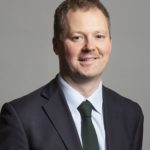
    The speech made by Neil O’Brien, the Parliamentary Under-Secretary of State for Health and Social Care, in the House of Commons on 1 February 2023.

    I am grateful to my hon. Friend the Member for Scunthorpe (Holly Mumby-Croft) for securing this debate on such an important issue. I am extremely sorry to hear about Nathan and about Stephen and Gill and, indeed, about the constituents of the hon. Member for Merthyr Tydfil and Rhymney (Gerald Jones). I would very much welcome the meeting that my hon. Friend described with her constituents, and we will set that up.

    We recognise, though it is hard to understand, the devastation caused to families by the sudden cardiac death of a young person. Sudden cardiac death is an unexpected and sudden death that is thought to be caused by a heart condition.

    The implementation of genomic laboratory hubs across England provides an opportunity to explore the systematic introduction of post-mortem genetic testing for SCD. Seven NHS genomic medicine service alliances play an important role in the support of genomic medicine. Those NHS GMS alliances are supporting several transformation projects, including a national project with the NHS inherited cardiac conditions services, the British Heart Foundation and the country’s coroners.

    The project will test the DNA of people who died suddenly and unexpectedly at a young age from a cardiac arrest, and their surviving family can also be offered genetic testing to see if they carry the same gene changes. In addition, a pilot project based in the NHS South East Genomic Medicine Service Alliance is aimed at people who have had an unexpected cardiac arrest and survived. They will be offered a genomic test to enable access to treatment, and further genomic testing will be offered to identify immediate family members at risk if a gene change associated with a heart condition is found.

    As my hon. Friend the Member for Scunthorpe mentioned, screening programmes in England are set up on the advice of the UK National Screening Committee. These are not political decisions; they are decisions based on the best currently available evidence, and they determine whether the introduction of a screening programme would offer more good than harm. As my hon. Friend said, in 2019 the National Screening Committee reviewed the evidence to provide general screening, and concluded at that time that there was not enough evidence to support the introduction of a national screening programme.

    Research showed that the current tests were not accurate enough to use in young people without symptoms, because incorrect test results can cause harm by giving false reassurance to individuals with the condition who may have been missed by the screening test, while individuals without the condition may receive a false positive test result that could lead to unnecessary treatments. The review found that most studies for SCD were in professional athletes, whose hearts of course have different characteristics from those of the general population. Tests can work in different ways in different groups of people. That is why it is very important that research is gathered in a general population setting, as to base it on athletes would not provide a good indication of what would happen if we tested all young people under the age of 39.

    The UK NSC was due to review SCD in 2022-23, as my hon. Friend mentioned, but has been unable to do so for a variety of reasons to do with covid and competing priorities. I am unable to confirm this evening when the regular review of SCD will take place, but I am assured that it will take place as soon as constraints allow. I will write to my hon. Friend setting out more details very shortly, because I know how urgent it is to understand when that will happen.

    In 2022, the NSC’s remit was expanded to set up a research sub-group to keep abreast of ongoing research related to screening, and to identify research requirements and advice on mechanisms to address them. The committee has encouraged stakeholders to submit any peer-reviewed evidence it may have on incidence for review by the NSC via its early update process, but so far it has not received anything. My hon. Friend asked a series of detailed questions and made a series of very helpful suggestions about how we change the process. The NSC will doubtless have heard the issues that she has raised in this House, but I also undertake to raise directly with the NSC all her very constructive points.

    The consensus at present has been to focus on rapid identification of sudden cardiac death and automated external defibrillator use in people who suffer a cardiac arrest, in line with the NHS long-term plan. The Government continue to encourage communities and organisations across England to consider purchasing a defibrillator as part of their first aid equipment, particularly in densely populated areas. My hon. Friend the Member for Brigg and Goole (Andrew Percy) mentioned some of the excellent work that has been done in his local area on this front. At the end of last summer, the Government announced that all state-funded schools across England will receive at least one AED on site, with more devices delivered to bigger schools, boosting their numbers in communities across the country. In December, we also announced the community defibrillator fund, which gives communities matched funding and aims to install about 1,000 more defibrillators across the country. I know that many hon. Members in this House will want to take up that offer and are spearheading work to get more AEDs out into the community.

    To conclude the debate and start the process that we will be going through, I again thank my hon. Friend the Member for Scunthorpe for raising this hugely important issue. We have heard some truly heartrending stories this evening, and I thank all those involved in The Beat Goes On and other similar organisations for their hugely important work. I promise that this issue will continue to get our utmost attention as a Government.

  • Holly Mumby-Croft – 2023 Speech on Sudden Cardiac Death in Young People

    Holly Mumby-Croft – 2023 Speech on Sudden Cardiac Death in Young People

    The speech made by Holly Mumby-Croft, the Conservative MP for Scunthorpe, in the House of Commons on 1 February 2023.

    I am very grateful to have the opportunity to speak on a genuinely important issue. What I am about to speak about was brought to my attention by my constituents, Stephen and Gill Ayling, who are in the Public Gallery today. They experienced the very worst thing that could ever happen to a parent when, sadly, their son Nathan died at the age of 31 in February 2019. While I was not fortunate enough to have known Nathan, we were close in age and we both went to the same local school.

    Nathan lost his life to young sudden cardiac death after a problem with his heart went undetected all his life. Before his death, Nathan appeared fit and healthy. He played football and rugby regularly, and lifted weights and cycled. Stephen and Gill have previously described how they will never, ever be able to escape from the memory of when they found their son, who had died in his bed. As a parent myself, I cannot begin to grasp how utterly shattering that moment must have been. My condolences go out to them and to their family, and to all who knew and loved Nathan.

    In the wake of Nathan’s death, Stephen and Gill became involved with the charity Cardiac Risk in the Young, which provides heart screenings—I will come on to this later—for young people. Stephen and Gill founded a community group, The Beat Goes On, which is a wonderful name and a wonderful tribute to Nathan. As part of the group, Stephen and Gill raised £10,000 to fund private screenings on 10 and 11 January this year, providing tests for 186 young people in our community. Ten of those young people have been referred for further cardiac investigation. I commend them for all their hard work and put on the record my thanks, and the thanks of many in our area, for all they have done for our community in Scunthorpe.

    Last summer, I tabled a written question to ask the then Secretary of State for Health and Social Care what steps his Department was taking to increase the diagnosis rate of cardiac conditions in people aged 14 to 35. Once those conditions are diagnosed, it is often possible for them to be treated, either with pharmaceutical or surgical intervention or through lifestyle changes.

    In the Government’s response, I was informed:

    “Since July 2021, we have launched community diagnostic centres (CDCs) to increase diagnostic activity and reduce patient waiting times. CDCs offer checks, scans and tests in community and other health care settings and delivered over 880,000 diagnostic tests…This will support Primary Care Networks to increase the detection of conditions such as heart valve disease.”

    While that answer is good news for some people, I would welcome any assessment the Government have carried out of how helpful those diagnostic centres are in relation to heart conditions in young people specifically.

    I was also told:

    “The diagnosis of cardiac conditions is based on the presentation of symptoms, rather than the age range of the patient”

    or their genetic risk factors. That is a crucial point, and for young people it takes us to the crux of the problem. Research has shown that in 80% of cases of young sudden cardiac death, there were no prior symptoms of a heart defect; no opportunity was presented to step in and intervene and potentially save a young person’s life. As a result, families have lost sons, daughters, brothers and sisters—someone they loved.

    Doctors have raised with me their concerns about a completely symptom-focused approach to young people. Aside from the fact that the overwhelming majority of people who have this condition do not exhibit symptoms, my understanding is that the symptoms that GPs are trained to look for are breathlessness, heart palpitations, dizziness, chest pain and losing consciousness. Those are common symptoms that can be attributed to other ailments, many of which will be more common in young people. As such, GPs could potentially misdiagnose a heart condition, perhaps providing medication—for anxiety or depression, for instance—that could aggravate an undiagnosed condition.

    The best approach to take in healthcare is always a preventive one—a process that intervenes to stop someone suffering or dying. In cases involving young people, the best way to do this may be through proactive screening. The majority of conditions—but not all—associated with sudden cardiac death in the young can be identified on the basis of an electrocardiogram, or ECG, abnormality. That is the type of screening that Stephen and Gill, and other parents like them, and CRY fundraise and campaign for, sometimes resulting in follow-up tests. Approximately one in 300 people screened by CRY will be identified as having a potentially life-threatening condition, and one in 100 will be identified as having a condition that could cause significant problems by the ages of 40 or 50. Those conditions need to be monitored every three to four months, so that action can be taken when most appropriate.

    As my hon. Friend the Minister knows, in 2019 the UK National Screening Council recommended against a systematic screening programme for cardiac conditions in the young. There is set to be another review by the end of this year. I would like to speak briefly first on the previous review, and then on the future one.

    One of the reasons cited for not rolling out a screening programme was the continuing uncertainty over the true incidence rate of sudden cardiac death. To say that there was not a consensus on what that figure was would be a gross understatement. I cannot stress enough how important it is that we have accurate data on that issue, especially if it is influencing clinical or policy decisions.

    In preparation for this debate, I spoke to representatives from CRY. They said that, just on the basis of the number of autopsies they are performing at their centre for cardiac pathology each year, we are disastrously underestimating the full extent of the problem. I want my language to be very clear, so I repeat that they say that we are disastrously underestimating the full extent of the problem.

    In order to shed light on the issue, one of the stakeholders contributing to the review stated that it would be

    “very helpful if the review outlined more specific research recommendations, providing potential researchers with a framework of the characteristics of a project that could address the uncertainty.”

    I have spoken to others involved with the review, who advised me that that framework was not in place. I would be grateful if the Minister could urge the UK National Screening Council to provide clarity, so that we can get reliable data that we can use to make policy decisions. Without that, we risk having an unhelpful fog shrouding this issue; if we do not dispel it, we may lose more lives to undiagnosed heart conditions.

    Similarly, there are questions about testing accuracy. Some stakeholders have asked for more specific research recommendations. In particular, it is really important to specify the test, or group of tests, that would enable simultaneous screening for all the potential causes of sudden cardiac death. Again, I ask the Minister to push for those recommendations to be laid down, so that the scientists can get on with the job that they do best.

    Looking forward to the next review, I would be grateful if the Minister confirmed a timeline for when this will be completed and when we should expect the findings to be published. It is important to note that several other countries are steps ahead of us when it comes to proactive screening programmes, and, although I appreciate that these might be out of scope of the review, I do think it would be a missed opportunity not to raise them. Several American sporting bodies—

    Gerald Jones (Merthyr Tydfil and Rhymney) (Lab)

    I congratulate the hon. Lady on securing this debate. My goddaughter, Sophie Pearson, passed away in 2006 at 12 years of age from cardiomyopathy. Sophie’s parents spent many years helping to raise awareness and raise funds. I congratulate the hon. Lady on the work that she is doing and hope that the awareness that she is raising today will go some way in supporting families and avoiding unnecessary deaths of young people.

    Holly Mumby-Croft

    I am terribly sorry to hear what the hon. Gentleman said, and I thank him for his intervention.

    Let me continue on the sporting aspect. Italy has introduced pre-participation screening. Although I appreciate that there are issues with extrapolating the data to the non-athletic population, one study in 2006 did show that screening led to an 89% fall in sudden cardiac death in that cohort.

    I know that every Member in this House will be united in wanting to reduce the number of young people dying from undiagnosed cardiac conditions, and expanding access to the screening available will help to reduce that.

    Andrew Percy (Brigg and Goole) (Con)

    I thank my hon. Friend for giving way and pay tribute to her constituents who are with us today for doing so much to raise funding for screening in our area. She is talking about the important issue of screening, particularly in relation to young people and sporting activities. Is it not also important that we ensure that sports facilities have access to defibrillators for when cardiac arrests take place? She will know that, through North Lincolnshire Council, scores of defibrillators have been funded across our area. With the Government announcing a £1 million fund to expand defibrillators, is it not important that that fund also takes into account sporting clubs and the issue around young people and sudden cardiac arrests?

    Holly Mumby-Croft

    I thank my hon. Friend for his intervention. I know that he is very well placed to have a view on this matter through his work as a first responder in our community—something that he has been doing for a number of years—so I listen very carefully to him when he raises points around health and care.

    I would be grateful if the Minister pushed the points that I have made in relation to the review, with scientists and stakeholders calling for more research to be done. I would also be immensely grateful if the Minister found time—I know that he is incredibly busy—to meet Stephen, Gill and myself to talk about this issue. That would be very much appreciated.

    That takes me to the last point that I wish to make, which is once again to thank Stephen and Gill for the work that they have done. Their experience, and Nathan’s experience, was a tragic one. Despite that, they have managed to do fantastic work in our community. I know that, along with me, everyone that they have helped through screening, such as those 10 people who have been referred for further testing, will be extremely grateful to them. I often say in this House, Mr Deputy Speaker, that we have many people to be proud of in Scunthorpe. The work that Stephen and Gill are doing puts them very firmly in that category, and I want to be clear today that they have both my support and my thanks.