Category: Health

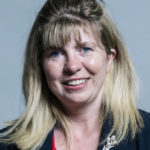
  • Siobhain McDonagh – 2023 Speech on Brain Tumour Research Funding

    Siobhain McDonagh – 2023 Speech on Brain Tumour Research Funding

    The speech made by Siobhain McDonagh, the Labour MP for Mitcham and Morden, in the House of Commons on 9 March 2023.

    I crave the indulgence of the House for the speech that I am about to make.

    On 27 November 2021, my beautiful, unique, tough, resilient, successful sister collapsed in front of me and had a series of fits. Five hours later, in University College Hospital, two doctors named Henry told me that they suspected that she had a brain tumour, but as this was the NHS, MRI scans were not done at the weekend, so they could not confirm their diagnosis. On Wednesday, when I stepped on to her ward, she demanded—and everybody here who knows her will be able to hear her say it—that I ask the ward doctor to come and speak to her. She said, “It’s bad, Siobhain, because he can’t look at me.” And it was.

    For the woman who had run Labour’s only two consecutive successful general election campaigns, and achieved her ultimate ambition to see two full-term Labour Governments, the diagnosis was of a glioblastoma. All her toughness evaporated, and there was my little sister with a diagnosis that meant that she might have nine months left—a condition for which there was no cure, for which treatment had not made progress in over 30 years. Just before Christmas, she had the tumours removed by two amazing female surgeons, Róisín Finn and Anna Miserocchi at the National Hospital for Neurology and Neurosurgery, but this was post Brexit, so there were not enough nurses to keep all the operating theatres open, and Margaret’s operation was cancelled three times. I leave it to Members to guess my reaction to that, and how we got that operation in the end.

    The best piece of advice I have ever received in my life, and I have received many bits of good advice, was from the clinical nurse specialist. When we asked her where Margaret should go for post-operative treatment— St George’s, down the road from where we live; the Royal Marsden, around the corner; or to stay at University College—Róisín said, “We have Professor Paul Mulholland, and he is the best. He is the best in the UK, and he is the best in Europe.” I want to confirm to the House that he is the best. He is why Margaret is still alive.

    What you get when you have your tumour removed, if you live that long—many people do not—is six weeks’ radiotherapy, followed by six months’ chemotherapy with a drug called temozolomide. That drug was introduced in 2005, and since then there have been no variations to the gold-standard treatment in our NHS, so when you read articles such as the one in The Times on Monday, telling us all how successful cancer treatment in the UK is—how 85% of people with a breast cancer diagnosis, 55% of people with a bowel cancer diagnosis, and 98% of people with a prostate cancer diagnosis will get to live for 10 years—do not believe that it is the same for brain cancer. The Times may have chosen a brain as the photograph for the top of the article, but those statistics do not apply.

    Margaret had her treatment in early new year 2022; like so many, she could not go through with it—the treatment would have killed her. At that point, where do you go? There were no alternatives. It is not that there are a few trials: there are no trials, and there is nowhere to go. So, like so many of us who are lucky enough to have friends and family and access to money, we looked to the private sector and international travel. Margaret has been on a course of treatment with nivolumab, a Bristol Myers Squibb drug that was seen to be unsuccessful in the treatment of brain cancer, and Avastin, and has been going monthly to Düsseldorf, Germany for four days. That might seem an easy thing to do, but taking a seriously ill person on an aeroplane to a hotel, with no access to healthcare and no emergency services, would be foolhardy unless there was nothing else in this country. There was, and is, nothing.

    The help that we received from Dr Sahinbas and his wife, who runs their small clinic in Germany, with hyperthermic treatment was amazing. Their kindness was overwhelming, but there were times when I thought that I would not be able to get Margaret on the plane—that somebody would stop her because she was so unwell. There was one night when I stayed and stared at her, because I did not think she was going to make it through the night, and how would I explain that to anybody?

    By June 2022, Margaret had a scan, and they could not see the tumour. When I asked Dr Mulholland, “Is this normal for this treatment?”, he said, “Normal? I have never tried this on anybody before.” Nobody has ever had this drug so early in their treatment or at the quantity that Margaret has had it, or at the same time as hyperthermia therapy. Those who know about Margaret’s experience have come to me and sought support from Dr Mulholland because there is nothing else. The number that the NHS is currently forsaking and, for the lucky people who can get the funds to do it, abandoning to international travel is nothing short of a complete and utter national scandal. I wonder what my mum who came here in 1947 to train as part of the first generation of NHS nurses from Ireland would say about the NHS abandoning her daughter.

    But things can be different. Things can be better—maybe not today, maybe not tomorrow, maybe not next year, and maybe not within Margaret’s lifetime—and they can be different if we want them to be different. I ask the Minister to please not give the NHS or the cancer research charities any more money until they guarantee that at least 200 sufferers every year get access to a trial—that would be 1,000 patients over the lifetime of a Parliament—because with those trials we can begin to understand what works and what does not.

    The Minister should give no more money to the NHS trainers until they commit that every young doctor training to be a medical oncologist has to go through a course on brain tumour. At the moment, there is no compulsory training. The reason why there is nobody on those wards and nobody doing the work is that we are training nobody, and we are training nobody because nobody is required to do the course, and it was like that 15 years ago with melanoma. Some 15 years ago, the survival rates were so poor, but somebody came up with the idea that immunotherapy would be successful, and today we see successful survival rates equivalent to the best in any discipline. We also see young doctors wanting to take on the specialism, because it is exciting, there is hope, there is a future and there are alternatives.

    Who in their right mind today would become a medical oncologist in glioblastoma? There is no hope, no future, no trials—nothing. It would have to be someone with the belligerence and tenacity of my sister Margaret, and we have found that person in Paul Mulholland, but there needs to be more Pauls and more determination. We must have access to trials for 200 people and the training of medical oncologists, and we must require the pharmaceutical industry—because we will make no progress without it—to trial every drug that gets licensed to deal with tumours on those with brain tumours, so that there is access to existing drugs that can be repurposed.

    I am sorry about the time I have taken for this speech, but I want to tell the House that when I go to bed tonight I will keep my ear open for Margaret to hear her call my name, I will get up and I will go into her room, and it may be that she is asleep and I have imagined that she has called me. I accept that. That is my duty. It is what I have learned from my family, from my faith and from my politics. I accept that. That is my duty. It is what I have learned from my family, what I have learned from my faith, and what I have learned from my politics. I accept my responsibility. All that I want is for the NHS, cancer research charities, and pharmaceutical companies to stand up and accept their responsibility, and give some hope to the 3,200 people who will be diagnosed with a glioblastoma this year.

  • Holly Mumby-Croft – 2023 Speech on Brain Tumour Research Funding

    Holly Mumby-Croft – 2023 Speech on Brain Tumour Research Funding

    The speech made by Holly Mumby-Croft, the Conservative MP for Scunthorpe, in the House of Commons on 9 March 2023.

    First, let me offer my thanks to the Backbench Business Committee for allowing time for this really important debate. I have been working on this issue for some time, alongside other members of the all-party parliamentary group on brain tumours who have produced this report. I wish to put on the record my thanks to all those who have contributed to the report and, specifically, to Brain Tumour Research for its help. May I also give a special thanks to my hon. Friend the Member for St Ives (Derek Thomas)? I greatly admire the way that he has led this process and the work that he has done on brain tumours over my time in this House, and I know that he will continue with that work.

    Like many Members, I took a keen interest in this issue because of a constituent of mine, David Hopkins, who sadly was diagnosed with a brain tumour. He features in the all-party group’s report. In September 2020, David went to Scunthorpe General Hospital because he was unwell. That was right in the middle of the covid pandemic, so he was alone and had to go through the experience without his family with him. He was given the devastating news that he had a brain tumour—a glioblastoma. As we have heard today, the life expectancy of person who is diagnosed with a glioblastoma is between 12 and 18 months, so it is an utterly devastating diagnosis to receive for a family man and a very much-loved member of our community.

    David underwent bouts of chemo and radiotherapy, and he sought personalised immune therapy in Germany that cost £150,000. Unfortunately, a scan in April 2021 showed further tumour progressions and he had to have two craniotomies. By the following July, David had exhausted all treatment options that the NHS could provide for him and began NeoPeptide vaccine treatment, again in Germany. Sadly, this did not save David and he died in November 2021, leaving behind his children, Dylan, Lydia and Sydney, and his wife Nicki. I should say that Nicki is a force of nature. We are incredibly proud of her in Scunthorpe. She has gone on to raise funds for Brain Tumour Research and she ran the London Marathon. I commend Nicki for the work that she has done in this area.

    As I have already mentioned, people with glioblastoma may have only 12 to 18 months to live. The five-year survival rate for this cancer is still only 12%. By comparison, this rate has increased for cancers such as breast cancer and leukaemia to 85% and 54% respectively. This is not a coincidence; there has been extensive research and funding for treatment for these cancers, and we need to find treatment and cures for people such as David.

    The Government have pledged £40 million to fund brain tumour research. That is neither a small nor inconsequential amount of money. It shows that there is political will to solve the issue, but will alone is not enough. Only £15 million of that pot has been spent, and that underspend must be addressed. As the report explains, there are serious shortcomings in the current funding system when it comes to accessing the funding. We simply need to get the money into the hands of doctors, researchers and the people who know what to do with it—the people who are, as we have heard, working their socks off to find a cure for this terrible disease. A further step that the Government can take in the right direction is to recognise that this is a priority and to develop a plan, backed by the pledged money, that will support research from beginning to end.

    The report contains a number of key recommendations and proposals, and I will highlight a few of them. First, any treatment that is made available must be tested beforehand to assess its efficacy—we understand that—but there is a dearth of available trials, and the number of people participating in them is shockingly low. There are instances in which people with brain tumours are excluded from trials owing to concerns about the side effects from which they might suffer. Sometimes, people are just not aware that a trial is running until it is too late for them to participate.

    Surveys have shown that people want to participate in trials—I think that we all instinctively understand that that is the case—and we should make it as easy as possible for them to do when clinically appropriate. Guidance must be given on the inclusion of brain tumour patients in early-phase cancer trials. More mutation-focused studies should be commissioned, and the available trials should be listed in one single source that is available to patients at their bedside, as well as to clinicians.

    Secondly, another issue raised throughout the enquiry was one that researchers often encounter when taking their findings from labs into treatment centres. Conducting this translational research costs money, but researchers are impeded by a system that is difficult to navigate, meaning they cannot access money that the Government have pledged or put forward. It is ludicrous that scientists spend time and money and provide expertise on research that might go to waste because they cannot take it through the next steps. I would encourage the Government to look closely at the proposals to improve access to funding and for the MRC to introduce a fund to accelerate the pathway from discovery research to translational development.

    The report provides answers on why we seem to be stuck, as it were, on brain tumour research, and why we have not made as much progress as we might have on tackling the disease. People suffering from brain tumours do not have the luxury of time, and we owe it to the people who will be diagnosed in future to take action that gives them the best possible chance of survival, so that families such as the Hopkins family in Scunthorpe do not lose the people they love.

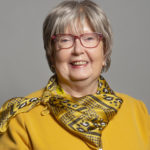
  • Hilary Benn – 2023 Speech on Brain Tumour Research Funding

    Hilary Benn – 2023 Speech on Brain Tumour Research Funding

    The speech made by Hilary Benn, the Labour MP for Leeds Central, in the House of Commons on 9 March 2023.

    The reason that I rise to participate in this debate is that just under two years ago a constituent wrote to me. He revealed that he had a brain tumour and asked me to go along to an APPG meeting to discuss ways in which we could try to find a cure. I went along and I must confess that little did I know then that I would end up taking part in the inquiry. We had, I think, six evidence sessions and we heard from a lot of people. The report, which the hon. Member for St Ives (Derek Thomas) referred to, distils into its recommendations what we heard from those who contributed and who were very patient in answering the many questions that we put to them.

    I pay tribute to the hon. Member, who chairs the APPG and who chaired the inquiry. He has done so brilliantly, cheerfully and in a way that has brought out the best from all of the people who appeared before us, who came along to let us draw on their expertise, to share their frustrations and to offer their ideas and suggestions. It has been an honour and a privilege to work with him and all the other hon. Members here who took part. I also thank the wonderful secretariat from Brain Tumour Research for supporting us in our work and for pulling the report together so skilfully.

    A cancer diagnosis is a terrible thing, although statistics tell us that one in two of us will receive such a diagnosis during our lifetime. I think most of us, if we are honest, would say that we wince when we hear the word “cancer”, because all too often it conjures the idea of a downward path to the end of our lives. Any of us who has been through that experience, either ourselves or, in my case, with those we love, knows exactly how that feels, but death is not always the outcome. Our lives are not preordained, and we have seen real advances in the treatment of certain types of cancer in recent years—breast cancer is a good example—and, overall, I am advised that cancer survival rates in the UK have doubled in the last 40 years.

    But when it comes to brain tumours, the blunt truth is that there has been almost no progress at all. The five-year survival rate for glioblastoma, the most aggressive form, is 6.8%, and the average length of survival is between 12 and 18 months.

    Siobhain McDonagh (Mitcham and Morden) (Lab)

    My right hon. Friend refers to the average length of survival as being 18 months. Actually, it is nine months. His figure suggests that everybody completes treatment. Nine months is the life expectancy of somebody diagnosed with glioblastoma.

    Hilary Benn

    I absolutely take my hon. Friend’s point, which reinforces, in all of us, our awareness of just how awful this diagnosis is, and it is the answer to the question that every person who receives such a diagnosis asks their doctor: “How long have I got?” Eight or nine months is no time at all.

    Dr Matt Williams, a clinical oncologist, is quoted in the report:

    “Every week I have to tell patients that there is nothing more we can offer. I have now been a consultant for 10 years and these conversations are the same now as when I started.”

    That is why a brain tumour is a devastating diagnosis. A patient quoted in the report says:

    “It’s devastating and living with a time bomb in your head.”

    That is a very good description of what it must feel like. In those circumstances, what do patients and loved ones want? What we would all want is to make sure that we are doing everything we possibly can to try to change that.

    Mr Carmichael

    I speak about this publicly from time to time, and I am always struck by the number of people who say to me, “Thank you for doing that, because this took my father”—or their brother, their neighbour, their friend or whoever—“and I had no idea that this had been their life experience.” When I was growing up, 40 or 50 years ago, a cancer diagnosis really was not talked about—it was almost taboo—and I think we are in the same place with brain cancers. If we are to make the progress we need, we all have to start talking about this much more. The experience has to be shared.

    Hilary Benn

    I agree completely with what the right hon. Gentleman has said. To borrow a phrase, it’s good to talk about brain cancer. That is why we are here in this Chamber today. We are here to raise awareness, because loved ones dying remains, among some people, a great taboo, about which we are fearful of saying anything. When my late first wife died of cancer at the age of 26, I was struck by the fact that my colleagues at work, though wonderful people, found it almost impossible to mention what had happened when I went back to work. I understand why, because before it happened to me I would have been like them. I would have thought I would say the wrong thing or cause someone to break down in tears. When it happens to you, you come to realise that there is nothing special to say; you just have to go up to the person and say, “How are you?” and listen. Yes, they will cry and you will cry, but that is so much better than people hiding it inside, with the suffering that it brings.

    That is what this report is trying to do—it is trying to make sure that we are doing everything we can. There are good reasons why brain cancer is proving so difficult to treat. I learnt about that, as did the other members of the inquiry panel. The brain is a complex organ. I had never heard of the blood-brain barrier before. I am not sure I still understand it, but I heard a lot about it in the evidence we received. We learnt about treatments that had been tried and had failed, and about the desperation of those with brain tumours to get on to trials that might just offer some hope, not of a cure, but of a few more months. For someone who has received a diagnosis of a brain tumour, every second—let alone every minute, week or month—is extremely precious. We heard of the despair of people who are unable to get this for themselves or their loved ones, and it is so particularly poignant when it is children who have a brain tumour.

    So we are calling for a renewed and determined focus on doing every single thing we can to change the situation, not because we are naive about the difficulties, which are many, but because it is the very least we can do for the people who find themselves in this position. So, of course, we have called for greater investment. I thought the hon. Member for St Ives explained well why the funds that have been made available and set aside for brain tumour research—I welcome them enormously—have not all been allocated and spent. It is not for want of willingness; it relates to the point he made about the lack of suitable research proposals coming forward and the frustration, which came across so clearly in that one evidence session in particular, of those who have put their research proposals to the research bodies, have been knocked back and feel, “They did not really understand what we are trying to do.” That is because those who sit on those panels may not have expertise in the field of brain tumour research, which is why we strongly encourage the research councils to look more widely at, and more favourably upon, proposals for brain tumour research.

    We have a funding system that has been built in silos. It needs to be better joined up, from basic science through to clinical trials. At this point, I wish to pay tribute, as we all would, to the clinicians, scientists, doctors and others who work their socks off to try to crack this problem and find a treatment. That is why we have made some very specific recommendations. The example of biobanking and tissue samples seemed so simple when people talked about it. When we are dealing with any disease, but particularly this one, does it not make sense to pool all of the information that we have available about what we have learnt, what we still do not know, what may work and what may not? Clearly, that is not happening, even though it is a simple thing to do so that anyone undertaking research can draw upon all the available material as they apply their mind, scientific skill and determination to finding a cure.

    We are also calling for patients with brain tumours to have equity of access to trials of new anti-cancer drugs that currently may be available only to patients with other types of malignant cancers. There can be a fear that if other people are brought into the trial, it will somehow skew the result. However, if a person is dying, that is not their concern. Their concern is: “Might this possibly work to save my life or the life of the person I love?”

    I hope that this report and the views of all those people who so generously gave their time—we thank all of them—will have an impact as, collectively, we roll up our sleeves, redouble our efforts, and express an even greater determination to find treatments and cures for this cruel disease that shortens the lives of so many people whom we have come to know or know already and love. What keeps us going in difficult times is hope, and I think these recommendations offer exactly that. As one patient said, “If you have hope, you have life.”

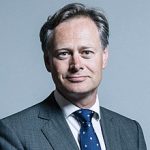
  • Derek Thomas – 2023 Speech on Brain Tumour Research Funding

    Derek Thomas – 2023 Speech on Brain Tumour Research Funding

    The speech made by Derek Thomas, the Conservative MP for St Ives, in the House of Commons on 9 March 2023.

    I beg to move,

    That this House has considered brain tumour research funding.

    I am hopeful that we will have nodding heads on both sides of the House for this debate this afternoon. I thank you for the opportunity to speak, Mr Deputy Speaker, and thank the Backbench Business Committee for making time for this debate.

    I pay particular tribute to those families around the UK who are living with a brain tumour diagnosis. When I meet some of these families, I see an enduring hope, when so often their outlook seems hopeless. It is for that reason that the purpose of this debate is to demand a greater emphasis from Government and to accelerate the effort to find more effective methods to treat patients with brain tumours and ensure that they have the best care and rehabilitation possible.

    Many hon. Members will remember that back in 2015, the Realf family presented a petition with 120,129 signatories calling for an increase in national funding for the research into brain tumours. The Petitions Committee picked it up and the following Westminster Hall debate led to the Government Minister at the time establishing a task and finish group to look at the issue. That group published its report in 2018 and the Government subsequently announced a £20 million fund for research into brain tumours, boosted by a pledge of a further £25 million by Cancer Research UK.

    Mr Alistair Carmichael (Orkney and Shetland) (LD)

    As the hon. Gentleman knows, I have been on this journey with him since that quite remarkable Westminster Hall debate in 2016. We said then that we needed the money; we got the money, but now we find that there are structural problems still standing in the way of the progress we need. To me, that says that there is probably nobody in charge of the strategy within the Department. Does the hon. Gentleman agree that if we can achieve anything in this debate, it will be to hear a commitment from the Treasury Bench that somebody will take charge of this strategy and make it happen?

    Derek Thomas

    Of course, I agree with the right hon. Gentleman. Actually, I want the Government to go further and make brain tumour research the priority of all cancer research, because we have not seen the progress that we should have in that time.

    Margaret Ferrier (Rutherglen and Hamilton West) (Ind)

    A constituent got in touch with me yesterday to tell the devastating story of her young niece, who struggled to obtain a diagnosis despite several GP trips and horrendous symptoms that left her unable to eat properly or attend school. Does the hon. Member agree that ringfenced funding, specifically for research into childhood brain tumours, must be agreed urgently?

    Derek Thomas

    I will come on to that point later. I am grateful for the contributions that we have already heard.

    I pay tribute to the late Dame Tessa Jowell, who sadly received her own diagnosis of a brain tumour soon after that debate, when Government funding was being announced. At that time, about five years ago, she said in the other place:

    “For what would every cancer patient want? First, to know that the best, the latest science was being used…wherever in the world it was developed, whoever began it.”—[Official Report, House of Lords, 25 January 2018; Vol. 788, c. 1170.]

    Sadly, she passed away in May 2018.

    Soon after, an additional £20 million of Government money was made available and the Tessa Jowell Brain Cancer Mission was established. I pay tribute to Dame Tessa Jowell’s daughter and the mission for the way that they have transformed the pathway and the care that brain tumour patients get, and for the work that they continue to do. I appreciate the way that they have engaged with me and others on the all-party parliamentary group on brain tumours in their work.

    The provision of £65 million heralded a significant shift in focus towards brain tumours. Given the high-profile commitment to brain cancer research, we should not be here calling for a commitment and a focus on brain tumour research five years later. Sadly, however, despite the £40 million of Government funds that were committed to research, there has been a lack of grant deployment to researchers.

    It is important to note that Cancer Research UK, since announcing its commitment to spend £25 million on strategic initiatives in brain tumour research in 2018, has committed almost £28 million to that cause. That is not the case for Government funding. To date, the figures of the National Institute for Health and Care Research—the body responsible for distributing that research funding—state that of the £40 million, between £10 million and £15 million has been deployed, and that depends on how we interpret brain tumour research.

    The all-party parliamentary group on brain tumours, which I am privileged to chair—perhaps I should have declared my interest at the start—decided to conduct the “Pathway to a Cure—breaking down the barriers” inquiry, which aimed to identify barriers preventing that important funding flowing to its intended recipients. We felt the need to launch that inquiry only because a series of meetings, including with the National Institute for Health and Care Research, the Medical Research Council, the Department of Health and Social Care and a Government Minister, failed to reassure us that dedicated research funding would or could be used to ramp up the research needed if we want to discover the breakthrough that every brain tumour sufferer and their family longs for.

    Those of us who serve on the all-party group were able to understand the severity of the issue and the lived experience for patients, families, clinicians and researchers only because of the sterling work of the charity Brain Tumour Research. It provides the secretariat for the all-party group and brings together thousands of people across the UK to share their experience, knowledge and understanding, and to make up what I affectionately know as the brain tumour family.

    In February last year, we launched our inquiry and took evidence from clinicians, researchers and patients. We released our report last Tuesday. Today, part of the way into Brain Tumour Awareness Month, we will set out what we have unearthed during the inquiry and press the Government to review and reform their method of deploying research funds to those who can make best use of them.

    From our work, we know that researchers find it challenging to access Government funding, because the system is built in silos. We know that cell line isolation and biobanking are happening, but at only a minority of sites across the research community; that the pool of talented researchers is finite; and that NIHR processes act as a disincentive to researchers who can apply their expertise and intellect more easily elsewhere in the medical research field.

    We also found that there are a limited number of clinical trials available for brain tumour patients, and that the national trials database is not reliable. We found that pharmaceutical companies are choosing not to pursue the development of brain cancer drugs in the UK, and that funding is not ringfenced—specifically for research into childhood brain tumours, as has been mentioned, where survival rates for the most aggressive tumours have remained unchanged for decades.

    Kirsten Oswald (East Renfrewshire) (SNP)

    The hon. Member is touching on a point that I am sure will have been heard by every MP in this place. Constituents who, sadly, have children who have been or are affected by brain tumours know only too well that things have not changed for decades. That is why what he has come here today to talk about is so important. We need to shift the dial. It is not good enough, it is terribly unfair and the consequences of us not shifting it are obviously profound.

    Derek Thomas

    Sadly, I have met far too many parents who have lost loved ones. It is heartbreaking to speak to them, and to see how a juggernaut has charged through and destroyed much of their lives. They give me so much hope that we can do this work because of the commitment they have to this subject.

    Before I address the specific recommendations of the report, may I thank colleagues—many of them are here today—who have given up the last year to interrogate witnesses and to take evidence? I want particularly to mention my hon. Friend the Member for Scunthorpe (Holly Mumby-Croft), the right hon. Member for Leeds Central (Hilary Benn), my hon. Friend the Member for Buckingham (Greg Smith), the hon. Member for Ceredigion (Ben Lake) and Lord Polak CBE from the other place, but also Sue Farrington Smith MBE of Brain Tumour Research, Dr David Jenkinson of the Brain Tumour Charity, Professor Garth Cruickshank, Dr Antony Michalski and Professor Tony Marson, who took part in the inquiry, and most importantly, Peter Realf, whose son was lost and who triggered the petition back in 2015.

    To turn to the findings, the Government must recognise brain tumour research as a critical priority. Five years ago, a remarkable effort was made by Government to respond to the shocking statistics that surround brain tumours. Brain cancer remains the biggest cancer killer of children and adults under 40. In order for survival rates to increase, the Government must go further and treat brain tumours as a key priority. This has been achieved in other countries through legislation, and I urge the Minister to see what can be achieved here. A brain tumour champion, which has already been hinted at, is needed to co-ordinate the funding and implementation of a strategy between the Department of Health and Social Care and the Department for Science, Innovation and Technology.

    In order for brain tumour research to lead to tangible changes in survival rates for patients, it needs to receive funds across the research pathway, including discovery, translation and clinical research. I recognise the recent advances and improvements in molecular testing and prognostic information, but there is a requirement for further discovery research. That will improve the understanding of disease biology, and how best to frame and support pre-clinical trial research. For instance, a particular issue for tackling brain tumours is the complexity of drug absorption through the blood-brain barrier.

    It is crucial that the Government enable the building of critical mass in these elements of the research pipeline. With no ringfenced funding to support poorly funded disease areas such as brain tumours, investment in the disease is not always prioritised. Focused calls for multidisciplinary research into brain tumours through organisations such as the MRC would support this. Additionally, making the blood-brain barrier a strategic priority and encouraging investment in cutting-edge research could yield game-changing results in the treatment of brain tumours and other neurological diseases.

    On translational research, on average, it takes 15 years for an idea to move from the pre-clinical stage to helping a patient. Patients have not got that long to wait. Researchers have said they found it challenging to access Government funding for translational research, relying on charities to fund risky elements of the pipeline. More must be done to support this valley of death element of the research pipeline. That seeks to move basic science discoveries more quickly and efficiently into practice, and that shift would increase interest among the research community, ensuring a greater concentration of research expertise in this area.

    The inquiry also found that there is a perception that review panels have a lack of understanding about the unique nature of brain tumour research, due to a deficit of specialists on panels. That was reported to account to some degree for low application success rates. During oral evidence sessions, it was also highlighted that a lack of feedback disincentivised unsuccessful applicants from reapplying, bearing in mind that they would potentially have spent a year on such work before their original application was ready for submission.

    Positive and proactive engagement with the research community should be nurtured through a continued programme of workshops and funding toolkits for researchers, supporting navigation of the funding system and increasing success rates. Currently, due to many of those issues, and a lack of funding and support, early stage researchers, especially post-doctoral researchers, are moving away from the field of brain tumour research. They are attracted by more readily available and secure funding in other disease areas. A solution for that would be the MRC and the NIHR ringfencing opportunities, such as specific brain tumour awards, across the research pipeline.

    Funding could also be prioritised for a fellowship programme, supporting early stage researchers to develop their skills in the field. There is an example within the Cancer Mission, where two teaching fellowships, match-funded by the NIHR, are taking place. That number needs to increase. Learning about brain tumours early in careers results in researchers going on to choose the discipline.

    Currently, only 5% of brain tumour patients are entering the limited number of trials available. Clinicians stated that many trials that patients with brain tumours are eligible to enter are not accessible to patients, who often have physical disabilities, as participants are expected to travel long distances across the UK. Poor health and the cost implications were key barriers to patients entering studies that were available to them.

    A survey carried out by Brain Tumour Research highlighted that 72% of patients who responded would consider participating in research or a clinical trial if offered the opportunity. Only 21% believed that healthcare professionals gave sufficient information about opportunities to participate in clinical research, including trials.

    That approach does not take account of the benefits that new and repurposed therapeutics could provide for brain tumour patients. If brain tumour patients are excluded at an early stage, possible benefits for such patients are not identified and carried forward in later trials. Access to trials should be assessed not by the location of the tumour, but by other individual criteria such as genomic profile and medical history.

    It was also demonstrated that clinicians are risk-averse to children accessing early phase trials, despite parents’ wishes. As a result of those limitations, patients are encouraged to travel overseas in pursuit of treatment not available in the UK. Some small improvements to both systems would allow many more clinicians to successfully support patients to access trials across the country.

    We have touched on this briefly, but paediatric brain cancer is viewed by researchers as different from adult brain tumours because brain tumours in children are linked to physical development, rather than ageing. Current treatments for children have significant long-term side effects and much more research is needed into kinder treatments and novel drug delivery for children. Additionally, more must be done to tackle brain injury issues and the consequences of brain tumour treatments.

    In this place, we often talk about the need to support people to meet their potential and to live life to the full to address issues that curtail life chances. That is no less important for children and young people who have experienced a brain tumour or brain cancer. Using the method adopted by the NHS to measure survival rates, children’s survival following a tumour is positive. However, they are often left with a brain acquired injury caused by the surgery and treatment of the brain tumour itself.

    Once the child is discharged from the hospital, there is no guaranteed pathway of rehabilitation or access to suitable education, therapies, services or physio. That causes tremendous additional strain on the family as they seek to access and fight for the appropriate step-down care. In many cases, the lack of those therapies means that the recovery and life chances of the child or young person are nowhere near as good as they could or should be.

    In this place, we want life to be a success. I pay particular tribute to Success Charity and Dr Helen Spoudeas, who has worked tirelessly to ensure that these brain acquired injuries are taken more seriously and that a concerted effort is made to ensure the best possible recovery. Success Charity exists to advocate for survivors and provide them with the care and support that they need and deserve. It has its annual conference at the Royal College of Physicians this Saturday, which will give families an opportunity to share experiences and make friends with other survivors, siblings and parents, and to listen to inspirational speakers.

    Having given some thought to this issue, and having discussed it with others, I think that an appropriate approach would be to introduce a commitment that every child and their family would be entitled to a carefully crafted package that ensures that all the needs of a growing and developing child are met, including access to education services, and that the best person to ensure the implementation of this package would be an occupational therapist.

    This Government want the UK to be considered a science and technology superpower. The UK must start setting the pace for recovery rather than fall further behind. Business as usual threatens the UK’s ability to lead clinical trials for brain tumours. Brain tumour research must be seen as a critical priority, with Government developing a strategic plan for adequately resourcing and funding discovery and translational and clinical research. Robust tissue collection and storage facilities must be put in place across the country. As a Government Minister said in this place only last week, every willing patient must automatically be part of a clinical trial, and that includes collecting and storing tissue for research. There must be equity of access to clinical trials and a robust and up-to-date clinical trial database. The regulatory process must be simplified, with the introduction of tax relief and incentives for investors to encourage investment for the longer-term periods necessary to develop and deliver new brain tumour drugs.

    There is so much more that could be said, and I am sure that much more will be covered this afternoon. I hope that the Minister will take the report and our recommendations seriously, and that he will have an opportunity to come back to us at a later date—when he may have more time than that afforded to him at the close of this debate—to set out how the Government intend to respond to our recommendations. Will he also agree to meet me and members of the all-party group to discuss the recommendations of our Brain Tumour Research report? Thank you, Mr Deputy Speaker.

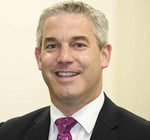
  • Steve Barclay – 2023 Statement on the Spring Booster Programme and Evergreen Offer

    Steve Barclay – 2023 Statement on the Spring Booster Programme and Evergreen Offer

    The statement made by Steve Barclay, the Secretary of State for Health and Social Care, on 8 March 2023.

    Our Covid vaccination programme has saved tens of thousands of lives across the country and helped to ease pressure on the NHS during a challenging winter.

    It is important that we continue to ensure the most vulnerable are protected through a targeted seasonal vaccination offer for those most at risk, which is why I have accepted advice from the independent Joint Committee on Vaccination and Immunisation on this year’s spring booster programme. This will top up the protection of those considered at highest clinical risk, spring booster vaccines will be offered to adults aged 75 years and over; residents in a care home for older adults and immunosuppressed individuals aged 5 years and over.

    The spring booster programme is due to end on 30 June and as we live with the virus without past restrictions on our freedoms, I am also announcing that the offer of a first or second dose of Covid vaccine will end at this time.

    Covid continues to infect thousands of people every week, so I strongly encourage anyone who has not yet taken up the offer of a first or second dose of vaccine to join the 42 million who have already come forward for both doses.

  • Neil O’Brien – 2023 Speech on Prescription Charges for People Aged 60 or Over

    Neil O’Brien – 2023 Speech on Prescription Charges for People Aged 60 or Over

    The speech made by Neil O’Brien, the Parliamentary Under-Secretary of State for Health and Social Care, in Westminster Hall, the House of Commons on 6 March 2023.

    I am grateful to the hon. Member for Gower (Tonia Antoniazzi) for opening the debate so effectively on behalf of the Petitions Committee, and I thank all Members for their constructive contributions. I also thank the 46,000 members of the public who signed the petition.

    The Government provided their initial response to the petition in January 2022, and I am pleased to be able to respond again today, having listened to hon. Members’ important and interesting contributions. The context, of course, is the Russian invasion of Ukraine and the high energy prices, inflation and cost of living pressures that it has unleashed. It is worth situating the debate in the context of some of the things we are doing to take action on that, some of which hon. Members have already referred to.

    This winter, we are spending a total of £55 billion to help households and businesses with their energy bills—one of the largest support packages in Europe. A typical household will save about £900 this winter through the energy price guarantee, in addition to £400 through the energy bills support scheme. We are also spending £9.3 billion over the next five years on energy efficiency and clean heat, making homes cheaper to heat. Some of that is being paid for by the windfall tax; at 75%, it is one of the highest in any of the countries around the North sea, and it is enabling us to do more on the cost of living, such as the £900 cost of living payment for 8 million poorer households, and the largest ever increase to the national living wage, which will help 2 million workers. In total, we are spending £26 billion on cost of living support next year.

    Turning specifically to prescription exemptions, I should start by trying to manage expectations about what I can say today, for reasons on which I will elaborate. It is clear that the outcome of the consultation on aligning the upper age exemption for prescription charges with the state pension age is very important to many Members’ constituents. However, I can only say at this point that no decision has been made yet to bring proposals forward.

    We received over 170,000 responses to the consultation —a testament to the strength of feeling on the issue. We want to ensure that everyone across the country, especially those affected by the cost of living pressures caused by the Russian invasion, can afford their prescriptions. That is why we have thought long and hard about how best to balance the needs of those in the affected age group, many of whom will find that they have additional health needs compared with when they were younger, with the pressures facing the public finances. I can, however, assure Members that we will respond to the consultation in due course.

    Hon. Members will be aware that the petition calls on the Government to protect free NHS prescriptions for all over-60s. We value our older members of society, and we recognise their social care and health needs. On the one hand, we recognise that families up and down the country are facing unprecedented pressures with the cost of living; on the other, we have to recognise that in the light of the covid pandemic, which has tested the NHS like never before, and the challenging economic landscape, we must ensure that public sector spending represents the best value for money for the taxpayer. As we look to the future in a post-pandemic world, there is no shortage of challenges ahead of us: an ageing population, an increasing number of people with multiple health conditions, and deep-rooted inequalities in health outcomes, which we are tackling. That is all in addition to the challenges of the pandemic and the elective backlog.

    Charges have been around in the NHS for over 70 years, and prescription charges provide a valuable source of income for the NHS, contributing £652 million in 2021-22. That significant funding helps to maintain vital services for patients, and it is particularly important given the increasing demands on the NHS.

    It is for those reasons that we consulted on aligning the upper age exemption for prescription charges with the state pension age. Historically, the initial exemption for prescriptions was for people aged 65 and over. The exemption was then extended to women aged 60 and over in 1974, and to men aged 60 or over in 1995, based on the state pension age for women at that time. The state pension age has subsequently increased to 66 for both men and women, with legislation already in place to increase it to 67, and then 68, in future years.

    The Government have abolished the default retirement age, meaning that most people can continue to work for as long as they want and are able to. That means that many people in the 60 to 65 age range can remain in employment and be economically active, and therefore more able to meet the cost of their prescriptions. Indeed, more than half of people aged between 60 and 65 are economically active, with a further 20% receiving a private pension or some other income.

    As increasing numbers of people live longer, work longer and so on, there are more people claiming free prescriptions on the basis of their age. It is projected that by 2066 there will be a further 8.6 million UK residents aged 65 and over, and that they will make up about a quarter of the total population.

    It is important to know that over 1.1 billion prescription items are dispensed in the community each year, with nine out of 10 currently dispensed free of charge. The exemptions that allow that may be based on the patient’s age, certain medical conditions, or income. We estimate that if we were to make the proposed change, around 85% of 60 to 65-year-olds would be minimally affected by it. As I have just noted, more than half of them are in employment, with about another 20% retired with a private pension, so they have a higher income, while others would continue to qualify for free prescriptions on the basis of their particular conditions.

    It is also worth noting that there are extensive arrangements in place to help those who are most in need of support with prescription charges. People who are on a low income but do not qualify on the basis of an automatic exemption, such as being on universal credit, can get help through the NHS low income scheme, which provides either full or partial help with health costs on an income-related basis. Anyone can apply for the scheme if they or their partner, or they jointly as a couple, do not have savings, investments or property totalling more than £16,000, not including the place where they live. A person will qualify for full help with their health costs, including free NHS prescriptions, if their income is less than or equal to their requirements.

    To support those who do not qualify for an exemption due to one of the many other reasons, such as their age or their condition, or for the NHS low income scheme, prepayment prescription certificates, which were mentioned earlier in the debate, are available to help those who need frequent prescriptions to reduce the cost. The prescription charge is currently £9.35; a three-month PPC is £30.25; and a 12-month certificate is £180.10, which amounts to just over £2 a week. PPCs can offer significant savings, and an annual PPC can be paid for in 10 direct debit payments, to allow people to spread the cost over the year.

    Andrew Gwynne

    I am a little concerned about the tone of what the Minister is communicating. He seems to be accepting that there will be a change on prescriptions for pensioners, but does he acknowledge the challenge with pension credit, whereby a large number of pensioners who are eligible for it do not apply for it, because they are fearful of the means test? What will he do to ensure that that does not happen when it comes to prescriptions?

    Neil O’Brien

    Perhaps I can set the hon. Member’s mind at ease. I said earlier that no decision had been made, and I reiterate that now. I have talked about the different measures that cause people either to be exempt from charges or to have the cost of their prescriptions cut, and I talked about PPCs as a final step, which can reduce the cost of prescriptions for those who do pay them.

    It has been mentioned several times that prescription charges have been abolished entirely in the devolved Administrations. Health is of course a devolved matter, but it is worth noting that spending is £1.25 in Scotland and £1.20 in Wales for every £1 in England, so there is that additional budget. Those devolved Administrations, with the record increases in their spending settlements, have full discretion about how they choose to spend those budgets.

    Several hon. Members asked me quite specific questions about the outcome of the consultation. I can only reiterate that we continue to consider, long and hard, the many responses that we received, trying to balance the cost of living pressures with the need for increasing funding for the NHS, and we will respond to the petition in due course. I thank hon. Members for their contributions today.

    Tonia Antoniazzi

    I thank Members for participating in the debate and the Minister for his response. I am sure that the people I have met will not be reassured by that response, but it is difficult, with no decision having been made about the reduction in prescription charges. That needs to be done, and the Minister needs to confirm it.

    I feel for the many unpaid carers—mostly women—who look after children or partners, given of the impact of this situation on them. People see that as unfair, and the system is not perfect, so we hope that change will come.

  • Andrew Gwynne – 2023 Speech on Prescription Charges for People Aged 60 or Over

    Andrew Gwynne – 2023 Speech on Prescription Charges for People Aged 60 or Over

    The speech made by Andrew Gwynne, the Labour MP for Denton and Reddish, in Westminster Hall, the House of Commons on 6 March 2023.

    It is a pleasure to serve under your chairmanship, Sir Edward. I want to start by thanking the Petitions Committee for facilitating this debate, and my hon. Friend the Member for Gower (Tonia Antoniazzi) for the passionate way in which she put forward the arguments of Peter, Denise and many others who find themselves in the predicament of having to pay for prescriptions or who worry that they might have to pay for them as pensioners.

    It is a pleasure to respond to the debate on behalf of the shadow Health and Social Care team, but also as the Member of Parliament for Denton and Reddish, and I know that many of my constituents are concerned about this potential policy change. As we have heard, we are in the middle of a cost of living crisis, when many people face unsustainable rises in their energy and household bills. It is little surprise that the Government’s decision to consult on scrapping free NHS prescriptions for the over-60s will be of profound concern to many people already struggling to make ends meet. That anxiety has been compounded by characteristic delay from the Department of Health and Social Care.

    The Government first announced the consultation to scrap free NHS prescriptions for the over-60s in July 2021, meaning that there was little or no time for Members of this House to sufficiently scrutinise the proposals before that year’s summer recess. The consultation closed in September 2021 and, two and a half years on, we are still none the wiser about where the Government are on the issue.

    A quick glance at written parliamentary questions shows that many Members from across the House have asked the Government for clarity, only to receive a boilerplate response that an announcement would be made “in due course”. In his response, will the Minister set out precisely when that announcement will be made and why there has been such a delay in the Government addressing their own consultation?

    That is important, because the Government’s own impact assessment raises several potential problems with the proposals. Notably,

    “some people towards the lower end of the income distribution may struggle to afford all their prescriptions”,

    which can result in

    “future health problems for the individual and a subsequent cost to the NHS.”

    That is precisely the point made in their interventions by my hon. Friends the Members for Gower and for Coventry North West (Taiwo Owatemi) and, indeed, the hon. Member for Rutherglen and Hamilton West (Margaret Ferrier), who is not in her place. Therefore, if the Government do decide to opt for this policy, we need to know what steps they will take to support people—especially those over 60 and with long-term conditions—with their prescription fees.

    Prescription charges have already increased by 30% since 2010 and, given the financial context we are in, there are really valid concerns about people being priced out of accessing vital medicines. The Royal Pharmaceutical Society recently conducted a survey of 269 pharmacies, with half of respondents saying that patients were asking them which medicines they could do without. Half of pharmacies surveyed also said that they have seen a rise in people not collecting their prescriptions at all. That is incredibly concerning.

    Last year, Asthma & Lung UK found that 15% of surveyed people with respiratory conditions were rationing the use of their inhalers to make them last longer. Some 5% of people said they were being forced to borrow medicine from others, which really frightens me, because someone’s prescription is pertinent to them and them alone. I had hoped that we had moved away from a world where we lend medicines to others. Frankly, these statistics should be ringing alarm bells in the Department of Health and Social Care and, for that matter, in the Department for Work and Pensions, but unfortunately we have had radio silence.

    I would like to impress on the Minister the simple fact that if people are not taking vital medication, they could be living in extreme pain, and in some cases they will be at risk of serious medical complications as well. Have the Minister and his officials made any assessment of the number of people in England who are currently unable to afford medicine, and of the knock-on impact on NHS services, which are already at breaking point thanks to this Government’s mismanagement of the NHS?

    Last year, the Government froze prescription charges in a move that was welcome to many in England. The next review is due to take effect in April, and I am sure I do not need to remind the Minister that that will come at the same time as the implementation of Ofgem’s new energy price cap. Will the Minister provide an update on that review? Does he anticipate another rise in the cost of prescription charges, or will the Government do the right thing and freeze them again, for another year?

    While he is at it, perhaps the Minister will also nudge his colleagues in the Treasury to do the decent thing and implement a proper windfall tax on energy and gas giants to extend energy support, so that those on the lowest incomes are protected against astronomical price rises. In the 21st century, here in the United Kingdom, no one should be forced to choose between accessing vital medication, heating their home or feeding their family.

    The final point I wish to make is connected to this issue. The Government seem to have no vision or appetite to prioritise preventive public health. In the context of an ageing population, it is important that we build healthier communities. That is important not only morally, but practically, especially if we want to reduce reliance on prescriptions and primary care. What steps is the Minister taking to prioritise preventive health? On that note, will he set out why the public health grant allocation has still not been announced for local authorities in England? Many local authorities that have already set their budgets still do not know what their public health grant allocations will be in three and a half weeks’ time.

    The next Labour Government will give the NHS the tools, staff and technology it needs to treat patients on time and to put prevention right at the heart of everything it does. Coming back to the issue before the Chamber, I really hope that the Government understand the concern, worry and anxiety of those over 60 in England, who are concerned that their free prescriptions may come to an end.

    I want to mention my right hon. Friend the Member for Wentworth and Dearne (John Healey), who was here at the start of proceedings. As a member of the shadow Cabinet, he cannot take part in these deliberations, but he wanted me to highlight some of the work he has done in his constituency. He and his local team collected signatures against the proposed scrapping of free prescriptions for the over-60s. His story can be told 650 times over to the Minister, because there are elderly people across England who are concerned about this issue and who want answers from Ministers. They want their concerns to be heeded, they want assurances that the Government get the reason why prescriptions are free for the over-60s and they want the Government to understand why it is important that that remains the case. They also want to know that the Government are on their side on this issue, that their free prescriptions are not at risk and that we will not face people who cannot afford their medication with the dilemma of whether to heat their homes, feed their families or get the medication they so desperately need. Britain is better than that, and I hope the Minister has some positive news for us.

  • Marion Fellows – 2023 Speech on Prescription Charges for People Aged 60 or Over

    Marion Fellows – 2023 Speech on Prescription Charges for People Aged 60 or Over

    The speech made by Marion Fellows, the SNP MP for Motherwell and Wishaw, in Westminster Hall, the House of Commons on 6 March 2023.

    It is a pleasure to serve under your chairmanship, Sir Edward. I thank all the previous speakers; some of what I say will be a repetition, but in this case I do not think repetition is unwelcome.

    Under the SNP Scottish Government, prescription charges were abolished in Scotland in 2011. Scotland gets free prescriptions because the Scottish Government believe that mitigating the costs of illness is in the best interests of the population of Scotland. The SNP has led the way in delivering progressive and forward-thinking public health measures, which people across Scotland continue to benefit from. I speak from experience, as I was honoured to be part of the call for the new generation of cystic fibrosis medications to be released in Scotland, which was first place to get them. I declare an interest, because my granddaughter Saoirse will continue to benefit from those new drugs for the rest of her life, and they will extend her life expectancy quite considerably.

    All credit to the Scottish Government: inhalers, antibiotics, life-saving medicines such as insulin for diabetes and many other treatments are provided at no cost at all to the patient at any stage. Scotland receives no extra funding for this decision and does not take money from other areas of the United Kingdom to pay for it. England is out of step with the rest of the UK. For more than a decade, NHS prescriptions have been free in Scotland, Wales and Northern Ireland. Yet the Tories, who have been in power in England for 13 years, have not replicated this approach, instead penalising those wishing to collect medicines; and, as we have already heard, the cost of living crisis has increased the non-collection of prescriptions.

    When the NHS was founded in 1948, there were no prescription charges, but fees were introduced in the early ’50s to help with funding. Labour’s position in 2019 was to roll back charges for England—that appears to have been dropped under the present leadership. Unequivocally, the SNP has used the powers we have to ensure that people in Scotland benefit from the most generous social contract in the UK. The cost of NHS prescriptions can be mitigated in England if people use a prescription season ticket—a prepayment card. However, many people in England are still unaware of the system. Is the Minister prepared to advertise it more than is currently the case?

    I used the example of cystic fibrosis medication, but the hon. Member for Gower has done really good work in the area of hormone replacement therapy over the years. After the arguments she has forcefully put in this place, it is incredible that women going through the menopause still have to pay for their HRT. The most recent announcement committed the Government to reduce the cost from April this year so that women can receive a year’s supply of HRT for the cost of two single NHS prescriptions in England, but in the rest of the UK they get it free. Although cost reductions are welcome, charging menopausal women less seems inadequate—they should get it free because the amount of work they can then do will increase, and that is a benefit to the whole economy.

    People who have asthma are sometimes afraid to collect their prescriptions, as we heard from the hon. Member for Gower (Tonia Antoniazzi). A small survey of pharmacists published by the Royal Pharmaceutical Society last month found that a rising number of patients in England are failing to collect their medicines, because they cannot afford them. Some 51% of the pharmacists surveyed reported an increase in patients not collecting their medication, and 67% saw a rise in patients asking whether there was a cheaper over-the-counter substitute for the medicine they had been prescribed. That is appalling in this day and age, and it leads to more hospital admissions and more expensive care being required in the longer term. It defies common sense to allow that to continue.

    The three devolved Governments have taken a preventive approach to mitigate poorer health outcomes by providing free access to medicines for those who need them. In England, the tax on sickness reduces access to medicines and leads to poorer health, time off work and potential hospital admissions, offsetting any costs gained from prescription charges. The UK Government should scrap prescription charges. To introduce them for people who are working until 67 is absurd. As the hon. Member for Rutherglen and Hamilton West (Margaret Ferrier) said, we are more likely to need medication as we get older.

    The Government’s public consultation document ominously states:

    “Anyone aged 60 and older can get free prescriptions for medicine. We are thinking about changing this.”

    The change would mean that prescriptions would be free only when people get to pension age. Today’s pensioners have no need to worry, but they will worry—people worry even more during a cost of living crisis.

    Is the Minister prepared to heed what is happening in the devolved nations and to equalise access to medicine across the United Kingdom?

  • Taiwo Owatemi – 2023 Speech on Prescription Charges for People Aged 60 or Over

    Taiwo Owatemi – 2023 Speech on Prescription Charges for People Aged 60 or Over

    The speech made by Taiwo Owatemi, the Labour MP for Coventry North West, in Westminster Hall, the House of Commons on 6 March 2023.

    It is a pleasure to serve under your chairmanship, Sir Edward. I thank my hon. Friend the Member for Gower (Tonia Antoniazzi) for securing such an important debate.

    As a cancer pharmacist, chair of the all-party parliamentary pharmacy group and somebody who still volunteers at a local hospital—I was there this morning—I have seen at first hand the difference that free access to medication makes to those over the age of 60. For years, I have treated patients whom the prescription proposals will make worse off. I know just how anxious they are at the prospect of having to fork out another monthly expense that they simply cannot afford. When the choice is between heating and eating, which is a day-to-day reality for thousands of people in my city, we cannot sit idly while health is incorporated into the mix. It should not have to be spelt out that, as people age, they will develop long-term healthcare needs, and those needs will need to be treated by prescription drugs.

    Margaret Ferrier

    Prescription charges have been described by pharmacies as attacks on the sick. As we have heard, pharmacies have reported a significant increase in the number of patients not collecting their prescriptions because they simply cannot afford them. Does the hon. Member agree that that is worrying for all age groups, but especially for over-60s, who are more prone to sickness and to requiring that medical aid?

    Taiwo Owatemi

    I agree. Sadly, we look at the pharmacy shelves and see that many patients are not picking up their prescriptions, or patients come to the pharmacy counter, realise how much a prescription costs and that they cannot afford it because they have not financially planned for it. I will speak about that later in my speech.

    The Government’s impact assessment concluded that 52% of people between the ages of 60 and 64 will have at least one long-term health condition, so by aligning medical exemptions with the state pension age, the Government are hitting the people in my community who have the greatest need for medication but simply cannot afford it. What do the Government expect to happen when people in their 60s decide that they can no longer afford their prescriptions? If saving money is the Government’s aim, I question whether they have considered the reality—that the proposals will simply shift the costs from primary to urgent care. Health conditions will inevitably worsen, and patients will be forced into overcrowded A&E units—adding to the already overwhelmed health service.

    I support some of the points highlighted by my hon. Friend the Member for Gower regarding long-term health conditions, especially unchanging health conditions such as asthma, motor neurone disease and sickle cell anaemia. As she highlighted, the York Health Economics Consortium estimated that £20 million would be saved each year if the NHS scrapped prescription charges for people with Parkinson’s and inflammatory bowel disease. That is because fewer people would be forced into A&E, which would mean fewer hospital admissions and fewer GP visits. If we want to save the NHS money and reduce the burden on the NHS, prevention is key, and medicines play an essential part in preventing patients’ healthcare conditions from worsening and preventing patients from developing other health conditions. It is concerning that the Government can consider the proposals as a way of reducing the burden on the healthcare system. That is a hugely irresponsible decision for the Government even to consider making. It is essential that the Government engage in some form of cumulative impact assessment. People over the age of 60 with long-term conditions will be disproportionately affected.

    My older constituents in Coventry North West are anxious and stressed. They tell me that they simply do not know how they will make ends meet at the end of each month, especially when they have to deal with soaring energy bills and food costs. They ask why the Government continue to attack elderly residents during the most severe cost of living crisis for a generation. I hope that the Government will answer that. I especially worry that making our ageing population pay for medication will leave huge numbers of people unable to afford essentials and force them into further hardship. I add my support for the Prescription Charges Coalition, which is calling for a freeze in prescription charges for 2023 and has said that the Government must scrap the alignment plans. I recognise that the Government are planning to support the proposals.

    Every year, especially on 1 April, I find myself helping patients to fill out prepayment card applications or to navigate the increase in NHS charges, because many do not even realise that those changes are coming. I therefore first ask the Government to notify patients of the increase way before 1 April so that they are able to financially plan; otherwise, the increase may mean that many do not have access to their medication when they need it. Secondly, will the Government review the long-term exemption list for patients with medical conditions that, due to their nature, we know will not change?

    I want to make a final important point. Older people have contributed to our society their whole lives, and they have trusted that if they work hard and pay their taxes, they will be looked after. That is the deal we make with them, and it is what they expect from us when they get older. The Government’s proposal will break that trust. We cannot afford to abandon older people now simply because the Government have decided that this is the best way forward. Doing so will impact trust in the long term.

    Lastly, will the Minister, who is responsible for primary care, come to the all-party parliamentary pharmacy group meeting from 1 pm until 3 pm on 29 March in Room S, Portcullis House, and speak to pharmacists? We would like to continue the debate and to talk about the current pressures facing pharmacy as a whole.

    It has been a pleasure to contribute to the debate. I look forward to hearing from other colleagues.

  • Tonia Antoniazzi – 2023 Speech on Prescription Charges for People Aged 60 or Over

    Tonia Antoniazzi – 2023 Speech on Prescription Charges for People Aged 60 or Over

    The speech made by Tonia Antoniazzi, the Labour MP for Gower, in Westminster Hall, the House of Commons on 6 March 2023.

    I beg to move,

    That this House has considered e-petition 594390, relating to prescription charges for people aged 60 or over.

    It is an honour to serve under your chairship, Sir Edward. The petition I am presenting touches on a number of incredibly important issues in healthcare from access to treatment to public health and preventative care, all within the context of how the NHS adapts to an ageing population. Although the petition focuses on prescription charges, it must be considered in the broader economic context of the cost of living crisis, with months of rising prices and inflation where even the most basic necessities are becoming luxury items for many.

    The steady rise of pensioner poverty since 2015 shows no sign of stopping, continuing a trajectory that will see millions of us face a retirement dominated by debt and hardship. That context means we are duty-bound to look beyond figures on spreadsheets and examine what the proposed scrapping of free prescriptions for that age group would mean for those who would be impacted by it. It is those impacts that the petition creator Peter had in mind when he set it up.

    When I spoke to Peter about why he started the petition, he shared his concern about the impact these changes would have not on him, but on his local community—the men and women who are already struggling with costs and are making difficult choices about what to prioritise. It is people like him who have spent a lifetime working in industry and those who, because of that work, now suffer from a variety of medical conditions, each needing different medications. It is those women, including his wife, who had their lives upended by the callous way the Government implemented the equalising of the state pension age. WASPI—Women Against State Pension Inequality Campaign—women, who were born in the 1950s and live in England, have further issues to deal with compared with those in devolved countries.

    Margaret Ferrier (Rutherglen and Hamilton West) (Ind)

    Uprating the age when prescriptions become free in England to be in line with the state pension age, as the Government consulted on, would be harmful given the cost of living crisis, as the hon. Lady said, and the growing economic activity in those over 50 for various reasons, including their health. Does she share my concern about what this could mean for ease of access to medical treatment for the older generation?

    Tonia Antoniazzi

    I thank the hon. Lady for her contribution. It is, indeed, a huge concern that people with multiple health problems are facing extra difficulties in accessing prescriptions and are having to make those difficult choices about how they spend their money.

    For Peter, it seems that something has gone incredibly wrong to get us to this point—something broader than this planned introduction of charges, but something encapsulated by it. It is the breaking of a promise—the promise between citizen and state and the promise that a lifetime of contribution, whether financial through tax and national insurance or through the unpaid labour of care that enables our economy to function, means support in retirement. Peter kept his part of the bargain. It was great to have a conversation with him. He could not believe that his petition was being debated in this place, and it is so important that his voice and the voices of others are heard in this place. He kept his part of the bargain, first in the shipyards on the Tyne and then working on aircraft. He paid in and did what was expected, as did hundreds of thousands of others, but the Government have not held up their end of the bargain. They have changed the rules, and it looks like they will do so again. That unfairness is the reason why we are discussing the matter today.

    The plan to introduce charges seems particularly unfair when Peter does not even have to look that far from home to see a better way. England is the only nation in the United Kingdom without free prescriptions and, as colleagues may have guessed from my accent, I am Welsh. I have the great pleasure of representing Gower, one of the three Swansea constituencies, which is beautiful. If anyone ever wants to visit, please do.

    Swansea and Newcastle have a lot in common: both are port cities with a proud industrial heritage; both are famous for an excellent night out. It seems the height of unfairness to many in Newcastle and across England that they alone in the United Kingdom pay for prescriptions. I am sure that the Government will tell us that several conditions are exempt and that pre-payment certificates cut costs, but, as I said earlier, we must look beyond the briefings to the reality of the system actually. The exemptions list is not only woefully out of date but, apart from the addition of cancer in 2009, it has not been reviewed since 1968. It also does not cover several life-changing conditions, such as Parkinson’s, arthritis, asthma, Crohn’s disease, cystic fibrosis, lupus or motor neurone disease.

    That is the tip of the iceberg. People with those conditions, and other complex, lifelong conditions, still pay for their prescriptions. For those with multiple, co-existing conditions, the cost is even higher. Evidence from the Prescription Charges Coalition, a group of 50 organisations calling on the Government to scrap prescription charges for people with long-term conditions in England, shows that people with long-term conditions struggle to pay for their medication. A third of respondents in England with long-term conditions reported that they had not collected a prescription item due to the cost. Nearly a third admitted that they are skipping or reducing medication doses, with cost concerns a key factor for more than four out of 10. As a direct result of reducing or skipping medications, nearly three in five—59%—became more ill, and 34% needed to visit their GP or hospital. In fact, the Government’s own impact assessment on the introduction of charges highlighted that issue and noted the potential effect on people’s health.

    In 2018, thousands of over-the-counter medicines were taken off the list of those that GPs are able to prescribe, leaving those with long-term conditions facing additional costs for their conditions and to stay well. Those worrying health outcomes come with a cost to the NHS. Several member organisations of the PCC conducted research last year. They found that, of those surveyed, one in six of those with asthma and lung disease had cut back on using their potentially life-saving inhalers, as they were worried about the cost; 29% of respondents with cystic fibrosis reported that they had skipped their medication due to prescription charges; and one in five people with multiple sclerosis say that they do not have enough money to pay for the medication or treatment they need.

    One lady who lives with kidney disease was hospitalised twice because she had to wait until payday to collect a prescription. In hospital, she had to have a lumbar puncture and an MRI scan, which cost the NHS thousands of pounds more than the prescription would have. As colleagues can see, the impact is vast and, when meeting campaigners prior to this debate, I heard far too many stories like that one. The lived reality of those impacted by this proposed change and the issues caused by the current dysfunctional exemptions system are best understood through that lens.

    I work closely with Parkinson’s UK, which is one of the many organisations deeply concerned by this proposal. Medication is the only way to control the symptoms of Parkinson’s disease; most have to take a cocktail of medications to stay well. Research shows that Parkinson’s cost households over £19,000 a year in 2021, due to loss of work; and additional health and social care costs. As Parkinson’s progresses, it becomes more complex. Among people eligible to pay for prescriptions who are aged 60, in any year 5.5% will die within five years and 23.8% will need support to live independently—that is within only five years of being diagnosed. However, they would still have to pay for their essential medications for Parkinson’s.

    I want to tell the Chamber a little about Denise. She is 59 and was diagnosed with Parkinson’s in April 2019. She has had to reduce her working hours from 37.5 to only 12 per week, due to her symptoms. She uses a prepayment certificate for her prescriptions, because it is cheaper than purchasing them individually. If the exemption age rises to 66, however, she will have to continue paying for them.

    Denise told Parkinson’s UK about the impact that that would have on her:

    “I always thought I would work until I was 67, because I would be able to. However, as my Parkinson’s advances I worry about whether I physically will be able to. My employer is really understanding, allowing flexibility to start later in the mornings until my medication has kicked in, but I have already had to reduce my hours by 60% and I’m already noticing the impact of this reduced earning capacity on our household.

    I have to pay for my prescriptions, and this is eating into the diminishing amount I can contribute towards the household bills. If they were to increase the age at which I become exempt, it would be really tough because we haven’t allowed for more years of these additional charges.

    It feels like the Government is once again penalising those living with a long-term condition like Parkinson’s that anyone could get and for which currently there is no cure.”

    Denise’s story is not an isolated one. Parkinson’s is not the only condition whose sufferers will be further disadvantaged by the change, but this is not a problem that will be solved by changing the exemption list. An exemption list has winners and losers baked into its design, and the complexities of managing chronic conditions mean that any approach that is not universal is not fit for purpose.

    Furthermore, the Government need to answer why the change is being prioritised now. What evidence is there that it will have any kind of positive impact? We cannot see one. Even if the Government make savings in the short term, the long-term impacts could be catastrophic, leading to greater illness and to more GP and hospital visits.

    A poll published in Pulse found that 40% of GPs linked prescription charges to adverse patient outcomes, also indicating that those could lead to far greater costs and more adverse outcomes down the line. Initial results of the 2023 survey by the Prescription Charges Coalition showed that nearly 10% of respondents had not collected medicine due to cost. Of that group—I have more data —30.74% said that they now have other physical health problems, in addition to their original health condition; 30.33% said that they had to go to their GP; 17.32% said that they had to go into hospital for treatment; and 8.32% said that they had to go to A&E.

    Research published in 2018 by York Health Economics Consortium highlighted how ending prescription charges for long-term conditions could save money and reduce pressure on the NHS. That comes from preventing avoidable health complications that occur when people do not take their medication. The research identified net savings of more than £20 million per year if the NHS scrapped prescription charges for people with Parkinson’s and inflammatory bowel disease alone. Instead, the Government are discussing introducing additional charges. That flies in the face of common sense.

    We know that the NHS is under pressure, but that is the case across the United Kingdom, and the devolved nations are not even discussing removing universal free prescriptions. I urge the Government to follow that lead, to look to the future and not to engage in short-termist, quick fixes that will not be a fix for all, and not for the petition creator.