
STORY
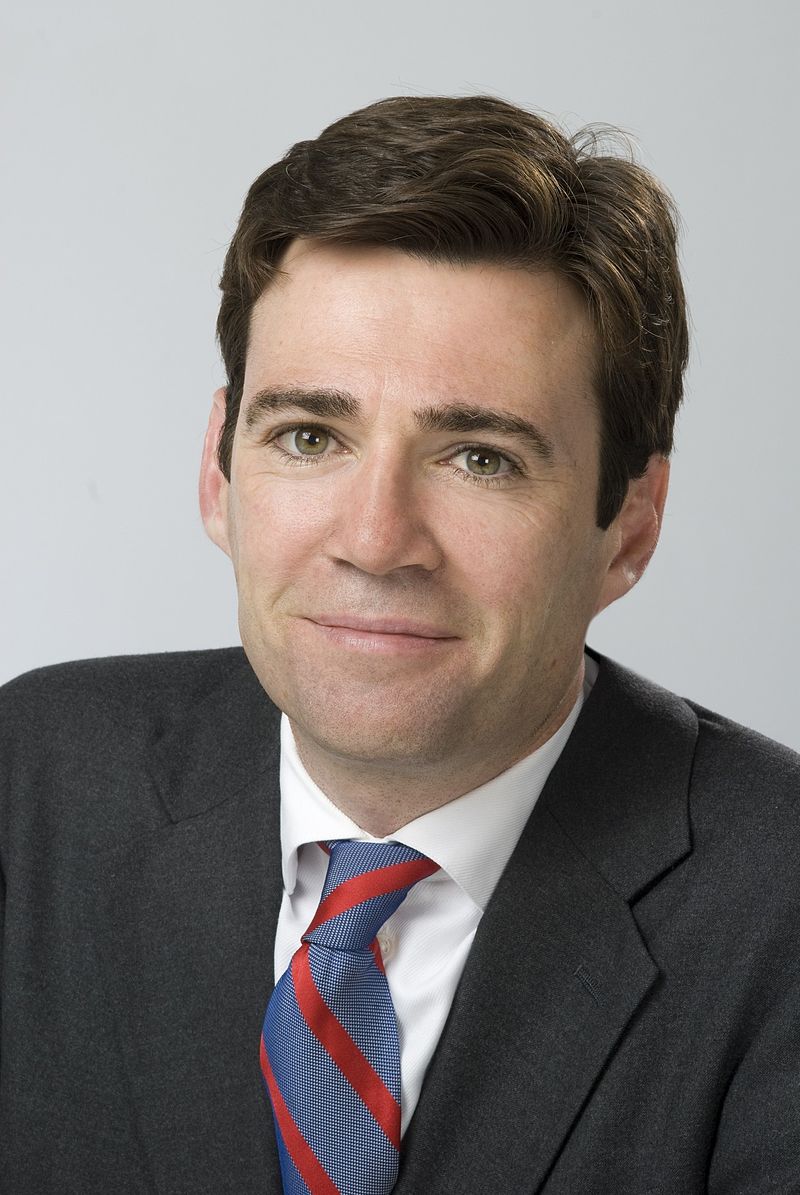
Andy Burnham is taking office as Prime Minister today after Sir Keir Starmer formally resigned to King Charles III, completing one of the most significant mid-Parliament transfers of power in recent years. Burnham, the former Mayor of Greater Manchester, became Labour leader after standing unopposed and securing overwhelming support from Labour MPs.
The changeover follows Starmer’s decision to stand down after a period of falling confidence inside the Labour Party and wider political pressure on his Government. Starmer led Labour to a landslide general election victory in 2024, but his premiership ended before the completion of a full Parliament.
Burnham will take office without a general election because Labour still commands a majority in the House of Commons. Under the UK’s parliamentary system, the monarch appoints as Prime Minister the person most likely to command the confidence of the Commons, which in this case is the newly elected Labour leader.
Starmer is expected to make a final statement outside Downing Street before travelling to Buckingham Palace to tender his resignation. Burnham will then meet the King and be invited to form a Government, before returning to Downing Street to make his first speech as Prime Minister.
The ceremonial transfer will be swift, but the political change is substantial. Burnham becomes the seventh Prime Minister since 2016, continuing a period of unusually rapid turnover at the top of British politics.
In his first remarks, Burnham is expected to acknowledge the instability of recent years and promise a more stable and less divisive style of Government. He has also signalled that cost-of-living support will be an early priority, alongside a longer-term programme for economic renewal.
Markets were calm ahead of the transition, with sterling remaining steady as investors waited for confirmation of Burnham’s senior appointments. Reuters reported that attention was particularly focused on his choice of Chancellor, with speculation around Shabana Mahmood helping reassure investors expecting a disciplined approach to public spending.
Burnham inherits a difficult economic and political position, including sluggish growth, pressure on public services and the need to rebuild public confidence after another change of Prime Minister without a general election. He will also face immediate questions over taxation, spending, public sector reform and Labour’s response to Reform UK’s advance.