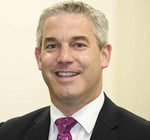
Tag: Steve Barclay

  • Steve Barclay – 2022 Speech on the NHS Workforce

    Steve Barclay – 2022 Speech on the NHS Workforce

    The speech made by Steve Barclay, the Secretary of State for Health and Social Care, in the House of Commons on 6 December 2022.

    The hon. Member for Ilford North (Wes Streeting) said that Labour has a plan. Let us look at that plan. More than a fifth of the entire population of Wales are waiting for planned care, and 60,000 people in Wales are waiting for more than two years. So we can see exactly what Labour’s plan in government delivers. He asked us to remember when Labour was last in power, and we still do. We remember the letter that said there was no money left. [Interruption.] He has just had plenty of time in which to discuss these matters. I did not feel the need to hector him, because I thought his points had so many flaws that it was important for the House to be able to hear them. He obviously feels that he did not make his case effectively, and would like to have another go. Does he want to have another go?

    Wes Streeting indicated dissent.

    Steve Barclay

    He does not want to intervene, so let me deal first with what he left out. His speech, like his motion, ignored a number of salient points. He did not mention, for example, the autumn statement, which one would have thought was fairly significant, providing an extra £6.6 billion for the NHS over the next two years. The NHS Confederation, no less, has described the day of that settlement as a “positive day for the NHS”, and the chief executive of NHS England has said that it should provide “sufficient” funding to fulfil the NHS’s key priorities.

    The hon. Gentleman chose not to mention that significant funding. He also—much to the surprise of the House, perhaps—chose not to mention the uplift for social care that was announced in the autumn statement. Opposition Members often call for more funding, so I would have thought that they would be keen to hear about the extra £6.6 billion of additional funding for the NHS, about the biggest funding increase for social care provided by any Government in history, and about the £8 billion that we have committed to elective care. That, bizarrely, was also missing from his speech. He talked about the backlogs—those in England, that is; the backlogs in Wales are much greater—but he did not talk about that £8 billion for elective care, which will fund the building of diagnostic centres and surgical hubs in the constituencies of many Opposition Members.

    Debbie Abrahams (Oldham East and Saddleworth) (Lab) rose—

    Steve Barclay

    I do not know whether there is a community diagnostic centre for a surgical hub in the hon. Lady’s constituency, but perhaps she will share with the House what extra investment is being made there.

    Debbie Abrahams

    As someone who worked in the NHS during the last period of Labour government, I was proud of being able to ensure that my constituents would have an appointment with a GP within 24 hours. I was proud of the fact that someone who needed elective care would receive it within 18 weeks. I was proud of the fact that the treatment of someone diagnosed with cancer would start within 60 days. That is not what is happening on the Secretary of State’s watch. Can he tell me why my constituency has fewer GPs than it had in 2015, along with an increase in demand? How is this delivering the quality care that I know we had on my watch and that of the last Labour Government?

    Steve Barclay

    We are investing in more doctors. We have 2,300 more doctors—a 3% increase. We also have 3% more nurses than we had last year. In fact, under the former Prime Minister, my right hon. Friend the Member for Maidenhead (Mrs May), there was the biggest ever increase in medical undergraduate places—a 25% increase—along with the opening of five new medical schools. Of course, the training takes about seven years, so that is still in progress. As was pointed out during Health questions this morning, we are dealing with the consequences of the pandemic, which is why we are investing in more checks, scans and other procedures, and there will be an extra 9 million of those by March 2025.

    Emma Hardy

    The right hon. Gentleman might recall that, when he was previously Health Secretary before his short break, I raised concerns around the criteria to reside and the number of people remaining in Hull Royal Infirmary who were unable to move into adult social care. At the moment, we have 30% vacancies in adult social care. The problem is that, although the money is promised, it is not delivered. That is partly because of the chaos that we have seen in the Government. He must acknowledge that, although this money was promised, it was not delivered and that we have 30% vacancies in adult social care across Hull and East Riding. Those vacancies always increase before Christmas because retail makes an attractive offer to those same workers. The money has not been delivered in time, and those 30% vacancies are only going to increase. With the greatest respect to the Secretary of State, there is little point in making promises if they are not quickly delivered in time to make a difference.

    Steve Barclay

    The hon. Lady mentioned the summer, and I think she knows that I visited the Jean Bishop integrated care centre and looked at the great innovations and brilliant work that her constituents, among others, are doing there. I looked at how it is bringing social care and the NHS together through an integrated model and how there has been new investment, supported by the amazing fundraising within the local community and by NHS funding. It would be great to get a bit of balance about the amazing feedback I heard from both staff and patients at the Jean Bishop integrated care centre who are working innovatively. I hope the hon. Lady would agree that the innovation of a centre such as the Jean Bishop is what we need to see in more places across the NHS. To her wider point, there are challenges in social care; she raises a fair point. That is why, despite the many competing pressures that the Chancellor faces, he has allocated £500 million for this year. It is also why he then committed the £2.8 billion for next year and the £4.7 billion for the year after—the biggest ever increase in that funding. But it is not simply about the funding increase; it is also about using new models such as that integrated care model to deliver far better care.

    Dr Luke Evans

    Is that not precisely the point? The NHS will gobble up the money, so it is about how we use the system. The integrated care systems and integrated care boards—established through the White Paper that the NHS asked for—are doing exactly that. They are trying to join up primary care, secondary care, social care, preventive health, county councils and borough councils all in one place to make a better stand on how we can produce healthcare that is better for our constituents and better for the taxpayer. Will my right hon. Friend make sure that, when he goes to the integrated care board chairs, he gives them the chance to solve the problems and unleashes the power to do exactly that, because they know best?

    Steve Barclay

    My hon. Friend raises an extremely important point. It is not just about the significant funding increase that the Chancellor has allocated; it is also about how that funding is deployed, in particular through using population level data for the integrated care system to bring health and care together. One area that the hon. Member for Ilford North and I agree on is the impact of delayed discharges across health and our hospital trusts as a whole. We often see that manifested in ambulance handover times, which are so impacted by that.

    On the investment that is going in, my hon. Friend the Member for Bosworth (Dr Evans) is right to say that it is also about how it is deployed. Again, missing from the Opposition motion was any reference to the commissioning of the former Labour Secretary of State, Patricia Hewitt, to look at how to take on board how that funding is spent in an integrated way. It would also be remiss of me not to draw the House’s attention to the £5.9 billion of capital funding that we are using to transform diagnostic services by making the most of new technologies and improving the equipment for our frontline staff, making it easier for them to deliver the patient outcomes that we need. That is investment, along with the investment in care, that this Government can be proud of.

    In the motion, the shadow Secretary of State refers to a shortage of workforce, but he ignores the locum doctors and bank nurses that make up a significant proportion of the NHS workforce. He ignores the record numbers of doctors and nurses that we now have working in the NHS, with a 3% increase on last year in both doctors and nurses.

    I am sure you will be surprised, Mr Deputy Speaker, given your background in Wales, to discover that we cannot see what the vacancy rate is in Wales because the Welsh Government stopped collecting workforce vacancy statistics in 2011. You would have thought that the motion would be an opportunity for the Opposition to encourage their Welsh colleagues, given the importance that they say applies to vacancy statistics. You would have thought they would be keen to see that information from across the Union of the United Kingdom. I thought that Labour was a party of the Union. Why would it not want to have that transparency across Wales on the vacancy figures? But the motion was silent on that point. Perhaps in closing, the relevant shadow Minister will make a commitment to encourage the Welsh Government to have that same level of transparency.

    Dr Evans

    The Secretary of State hits the nail on the head when it comes to comparing the different countries across the Union, because different countries choose to use different statistics on waiting times to manage their staffing. Does this not confirm the argument we should have a unified way of using those statistics across the four nations?

    Steve Barclay

    I very much agree. In fact, in the spirit of co-operation, I would be happy to write to Sir Ian Diamond at the Office for National Statistics to encourage that, if the Welsh Government were willing to make that commitment. I do not know whether the Opposition would be willing to sign up to encouraging the Welsh Government to have that level of transparency. They seem reticent about having that transparency.

    Karin Smyth (Bristol South) (Lab)

    Going beyond the party knockabout, I think that the issue of statistics across the Union is a really important one, and I have raised it in the House many times. Can the Secretary of State tell us what the vacancy rate is in North East Cambridgeshire?

    Steve Barclay

    Well, it depends on what we are talking about. Are we talking about doctors or nurses? Are we talking about locums? Are we talking about the churn within care? There is a range of factors. The reality is that we do not have a major hospital in North East Cambridgeshire. We are served by four different hospitals, at King’s Lynn, Peterborough, Hinchingbrooke and Addenbrooke’s. Someone particularly interested in data would need to look across those ranges.

    Karin Smyth rose—

    Steve Barclay

    Let me make some progress.

    There is a fair list of omissions in the motion. It did not talk about how the Government are on track to deliver their manifesto commitment of 50,000 nurses by 2024, with nursing numbers over 32,000 greater than they were in September 2019, and the fact that there are over 9,300 more nurses and almost 4,000 more doctors than there were a year ago. There has also been a 47% increase in the number of consultants since 2010.

    Wera Hobhouse (Bath) (LD)

    The biggest problem for my constituents is access to GPs because there are not enough GPs in the system, so rather than talking about statistics, how can the Secretary of State make sure that my constituents can see a GP in time and not walk away in desperation because they cannot get an appointment?

    Steve Barclay

    I agree that it is not simply about statistics, but I think it is remiss not to point to the increase in doctor numbers, with 2,300 more in primary care—

    Karin Smyth

    Will the Secretary of State give way?

    Steve Barclay

    Can I just answer the hon. Member for Bath (Wera Hobhouse)? I have taken a number of interventions. The hon. Lady is intervening on an intervention.

    We must look at the increase in doctors in primary care of over 2,300, and we currently have over 9,000 GP trainees, but the hon. Member for Bath’s wider point is correct. It is not simply about the number of GPs; it is about ensuring that the wider primary care force operate at the top of their licence. It is also about access for patients, and avoiding the 8 am Monday crunch when lots of people make calls at the same time. That is why we are looking at the better use of telephony in the cloud and the latest that technology offers. It is also why we have the opportunity, through Pharmacy First, to make better use of what the pharmacists throughout our pharmacy network can do. It is about increasing the number of GPs, yes, but it is about the wider workforce, the use of technology and the use of different patient pathways, too.

    Another omission from the motion is that there are around 90,000 more GP appointments every working day, excluding covid vaccinations, than there were last year. When I hear people say that they cannot see their GP, it is worth putting it in context—[Interruption.] The shadow Secretary of State is chuntering again. Does he want to have another go?

    Wes Streeting

    I am surprised and grateful that the Secretary of State has given way. His position seems to be, “You’ve never had it so good.” People cannot get an appointment to see their GP, they are waiting for ambulances and they cannot get into A&E and be seen within a reasonable period of time, but under this Government patients have apparently never had it so good.

    Steve Barclay

    As the hon. Gentleman knows, I have been at pains to point to the huge pressure the pandemic has generated, which he seems unwilling to accept.

    In Wales, 60,000 people have been on a waiting list for more than two years, which is a huge example of what a Labour Government deliver in practice. Everyone recognises the huge demand for GP appointments, and there is no single solution, but GPs are seeing more people. Forty per cent. of appointments are booked for the same day, and almost 40% of patients have continuity of care.

    Paul Bristow

    Does my right hon. Friend agree that the £45.6 billion invested in health and social care is a phenomenal investment? The key to addressing the challenge is to make sure the money is spent wisely. If a Labour Government were in charge of making sure the money is spent wisely, with their record of wasting public money, it would be like putting Dracula in charge of the blood bank.

    Steve Barclay

    My hon. Friend raises an important point. The Government have increased the funding, which will be used in new, innovative ways to deal with the huge challenge we face as a consequence of the pandemic. That is why we have the elective recovery plan, on which we hit our first milestone over the summer in terms of two-year waits. We have rolled out 91 community diagnostic centres, which have delivered more than 2 million tests and scans.

    The workforce is, of course, a vital component of this mission, which is why the ambulance workforce has increased by more than 40% since 2010, but we recognise there are significant pressures, particularly as a consequence of delayed discharges, which are having such an impact on the wards and in A&E. That reads across into the challenge of ambulance handover delays.

    Margaret Greenwood (Wirral West) (Lab)

    I have spoken to nurses who tell me that, when they get to the end of a shift, insufficient staff arrive for the night shift, so they have to hang on. They are working extra hours without being paid because of the shortage of staff. What would the Secretary of State say to them? They are in such a stressful situation. They want to ensure the safety of their patients, but they simply do not have sufficient colleagues to do so.

    Steve Barclay

    The hon. Lady raises a fair point. Nurses are under huge pressure, and I want to say how much we respect and value the work they do. The pandemic has placed huge strain on the NHS, which manifests in the pressures staff face. I am ready to speak further to trade unions about many of these issues and their impact on staff—there are sometimes concerns about safety and staffing levels—and about how we can have better investment in tech and the NHS estate.

    I was up in Liverpool the week before last, and £800 million has gone into the Royal Liverpool Hospital. What a difference that is making to working conditions. We need to see more of that investment elsewhere. A range of things are contributing to the very real pressures staff face, which is why we have committed to investment in capital, both on the estate and in areas such as tech, which can make such a difference to working conditions.

    Karin Smyth

    Will the Secretary of State give way?

    Steve Barclay

    The hon. Lady has had a go, so I will make some progress.

    The hon. Member for Ilford North says that Labour would free up £3.2 billion by making changes in respect of non-doms—that was raised both at Question Time and in this debate. It will not surprise the House that the Opposition have now spent that money several times on their various pledges. His proposal ignores the fact that we need a tax system that is internationally competitive. His Majesty’s Revenue and Customs figures show that non-dom UK residents are liable to pay more than £6 billion in UK income tax, capital gains tax and national insurance contributions, so the proposal would leave us as a less attractive destination to people who, by their nature, are mobile and can go elsewhere. If they did, we would lose the tax they currently pay into the UK Exchequer.

    The hon. Gentleman criticises the Government’s track record on medical training places, but it is worth reminding the House that it was this Government who, in 2018, funded a record 25% increase in medical school places and, in doing so, opened five new medical colleges. Of course, it will take time for that to bear fruit, and the first of those students will shortly enter the foundation programme training. This is an important investment for the long term, and it is why we now have a record number of medical students in training.

    The motion covers nursing and midwifery placements. Here, too, we have seen progress, with more than 30,000 students accepting places on courses in England in the last year, a 28% increase compared with 2019. All eligible nursing and midwifery students will receive a non-repayable grant of at least £5,000 per academic year. NHS England has invested £127 million in the NHS maternity workforce and in improving neonatal care, on top of last year’s £95 million investment to fund 1,200 midwife posts and 100 consultant obstetrician posts.

    As well as developing talent at home, we must also look to attract talent from abroad. In a motion focused on workforce, it is interesting that there seems to be no mention of recruiting from overseas. People hired from overseas make a fantastic contribution to our NHS, as I hope the House would agree. Unlike the Labour party, the Conservative party recognises the talent that international doctors, nurses and care workers offer, which is why we have been doing more international recruitment. It is interesting that the motion does not seem to welcome that fact, and does not seem keen on more international recruitment.

    Wera Hobhouse

    Will the Secretary of State give way?

    Steve Barclay

    The hon. Lady had a go earlier, but I will let her have a final go.

    Wera Hobhouse

    Yesterday I had a meeting with the Royal College of General Practitioners, which raised the issue of overseas talent wanting to work here and stay here. The Government and the visa system are making that very difficult. The Secretary of State might want to talk to the Royal College of General Practitioners about that point.

    Steve Barclay

    As part of making things easier, I set up a taskforce in the Department over the summer to look at how we can increase the numbers. We have increased the number of nurses recruited internationally, and care workers are on the shortage occupations list. If there are particular issues that the hon. Lady wishes to highlight, I would be happy to look at them with her, but we are keen to attract talent.

    Wes Streeting

    For clarity, is it the Secretary of State’s position that we are turning away thousands of talented people who want to study medicine and other health professional courses because we do not need them as we are recruiting from overseas?

    Steve Barclay

    No, of course not. The hon. Gentleman knows that is not the case. It is a bit like when he goes around the media to charge the Government with refusing to talk to the unions. Simply misrepresenting our position is not a fair reflection of Government policy.

    The motion talks about workforce, and this Government have committed to increasing the number of international recruits in the NHS. The Leader of the Opposition seems to think we should not be encouraging that. That is the wider point to make. Of course, that sits alongside domestic recruitment, which is why, as I said a moment ago—again, the hon. Member for Ilford North has chosen to ignore this—we have had a 25% increase in medical undergraduate places, with five new medical colleges set up by the former Prime Minister, my right hon. Friend the Member for Maidenhead (Mrs May). That underscores this Government’s commitment to increasing the number of doctors in training.

    Chris Stephens (Glasgow South West) (SNP)

    The hon. Member for Bath (Wera Hobhouse) raised an important point about problems with the visa process, so will the Secretary of State outline what work he is doing with the Home Office to resolve some of these issues?

    Steve Barclay

    I discussed this issue with the Home Secretary this week: how we work together across Departments, not just on the visa system, but on other equities. For example, the amount of time spent by police on mental health is an issue of concern to not just the Home Office, but wider government. So there is scope across Departments to work more closely together and we are doing that, both on the issue of international recruitment, which is a key equity within the Department of Health and Social Care, and on mental health pressures on the police, which is an issue within the Home Office. That is how we are working more collaboratively across government, but we are clear that we are boosting the numbers in the short term while, in parallel, increasing the domestic supply of recruits, for example, with the boost in medical undergraduate places. We are also looking at what more we can do in areas such as apprenticeships: how we hire more nursing apprentices and boost supply through that as well.

    Finally, the motion does not reflect the pay uplift that was awarded, where the Government accepted in full the recommendation of the independent NHS Pay Review Body. More than 1 million staff have seen an increase of at least £1,400 in their pay. Of course, that comes on top of the 3% rise last year, at a time when pay was frozen across the wider public sector.

    Munira Wilson rose—

    Dr Luke Evans rose—

    Steve Barclay

    I will give way to the hon. Lady first and then to my hon. Friend.

    Munira Wilson

    One bit of feedback that my colleagues in outer London constituencies and I have had from health leaders in our area is that the high-cost area supplement, which is available for many inner-London boroughs but is not available for outer London boroughs, is causing huge problems with recruitment and retention. For example, somebody can earn £2,000 more for the same job in Wandsworth than they can in neighbouring Richmond or Merton. Health leaders are calling for a review of the high-cost area supplement, so is that something the Secretary of State is willing to look at?

    Steve Barclay

    The hon. Lady raises a fair point. That fund has been set up because there is an issue with how recruitment sometimes applies between different areas. We always face the challenge of where one draws that boundary, but I will of course look at specific data on any particular case she wants to raise. The fund is there more widely to recognise that often some areas—

    Jamie Stone (Caithness, Sutherland and Easter Ross) (LD) rose—

    Steve Barclay

    I have said that I am going to give way to my hon. Friend the Member for Bosworth (Dr Evans), and then I am going to wrap up. As I was saying, sometimes there are areas where it is more difficult to recruit and we need to look at the data on that.

    Dr Evans

    When it comes to retention, pensions are a big issue, and the Opposition Front-Bench team have picked up on that. One recommendation from the Select Committee was to mandate for recycling to try to help with that. What other work is being done to try to ensure that senior colleagues with the most experience are incentivised to take on the extra lists and try to deal with the backlog, in all four corners of the country?

    Steve Barclay

    We are uniquely placed in having a Chancellor who has not only a deep understanding of health issues, but an understanding of recent Health and Social Care Committee reports. Obviously, that is an issue that we, with Treasury colleagues, will keep under review.

    The motion ignores the vital work that the Government are doing to back health and care, the £6.6 billion of investment in our NHS that was announced in the autumn statement, and the social care investment of £2.8 billion and £4.7 billion next year. This Government are investing in our health and social care. We have always put the NHS workforce first and we always will.

  • Steve Barclay – 2022 Speech at the Spectator Health Summit

    Steve Barclay – 2022 Speech at the Spectator Health Summit

    The speech made by Steve Barclay, the Secretary of State for Health and Social Care, in London on 28 November 2022.

    In the Autumn statement – alongside difficult decisions designed to tackle inflation and keep mortgage rises down – the Prime Minister and the Chancellor made a clear commitment to public services, increasing the NHS budget by an extra £6.6 billion over the next two years and increasing funding for social care by £2.8 billion and £4.7 billion in each of the next two years. So, combined, £8 billion going into 2024.

    That recognises that what happens in our health and care system has a big impact on the wider economy.

    I’m pleased that investment and prioritisation was well-received within the NHS itself, with Amanda Pritchard, the NHS chief executive, welcoming our decision to prioritise health and the NHS Confederation calling it a “positive day for the NHS”.

    But with that financial package a key part now of my job is to make sure those funds are spent effectively.

    That means tackling the pandemic backlogs, operations, access to GPs, and urgent and emergency care. I’m sure this audience recognises that a big part of the challenge we face both with ambulance handovers and in A&E is shaped by what happens with delayed discharge – those patients who are fit to leave hospital but are often still in hospital for many days further.

    Now, efficiency within the NHS is often seen through the lens of finance.

    So, the case I want to make today is that efficiency is not just a finance priority – it’s a patient priority too.

    Because efficiency is an indicator of wider system health.

    An efficient system addresses bottlenecks that delay patient care by designing new journeys for patients that avoid those delays.

    Because quicker – and therefore earlier treatment – will lead to better patient outcomes whether that is from earlier cancer diagnoses, with the announcement a couple of weeks ago on direct access for GPs, or on antibiotics – getting the right antibiotic first time, rather than the third or fourth time. Obviously bringing significant patient benefits, but it is also efficient in terms of cost.

    So an efficient system will get better treatment to the patient and improvement patient outcomes, but in doing so, it will also unlock value for money.

    And for this to happen, we need to move to more personalised care – we can already see examples of this taking shape.

    During the pandemic, people got used to the idea of a Covid test being sent to them at home. Home testing offers the opportunity for patients to be tested for specific things, even before they realise they have the symptoms, enabling them to get care at a much earlier stage than what would have traditionally been the case.

    That kind of fast-tracking is not only potentially life-saving but it also will mean that the NHS over time will pay less for that care.

    Another example is what we set out in the Women’s Health Strategy around one stop shops, enabling women to access a range of services on a single visit. Not only do you improve the speed of care, but we also improve its effectiveness whilst delivering that at a lower cost.

    So we know whether through the Women’s Health Strategy, through Community Diagnostics Centres, through surgical hubs, we can deliver care in different ways – where the treatment is delivered to the patient at an earlier point than is currently the case, but in turn will unlock better value for money.

    And that requires us to think differently about the mix of services. Let me give you an example in terms of Pharmacy First. Pharmacist First you would have thought, in the name, would involve the pharmacy being indeed first, and yet, quite often, the patient goes to the pharmacy before the GP programme referral, suggesting the scope to further streamline the process.

    So, in short, quicker access to treatment means addressing bottlenecks, delivering new pathways, and in doing so, unlocking better outcomes for patients.

    But for this to really take root, we need to be open about our attitude to risk and our risk appetite.

    Currently, I believe the NHS scores the risk of innovation too highly when compared to the risks of the status quo and I think that needs to be recalibrated.

    This is because innovation tends to be judged, in isolation, in a silo.

    Take for example the risks around the introducing machine learning.

    On its own, it may carry some risk. But that risk should be judged against the risk of the status quo, where there may be long delays due to staff shortages, and so the speed of treatment and the ability to better target valuable resource needs to be weighed as part of the risk assessment of that innovation.

    So, we need to be scoring innovation risk within a much wider context than simply looking at it in a silo.

    And as we change our risk appetite for innovation, we also need to change our risk appetite for transparency.

    Because only when we’re transparent about the challenges we face will we empower greater patient choice, particularly in the context of vested interests which are inevitable in a budget of £182 billion.

    It’s also why we need senior clinicians to lead that change too.

    And why I’m so pleased that Professor Sir Tim Briggs – one of the country’s most highly regarded orthopaedic surgeons is taking up his new leadership role as Clinical Lead for the Elective Recovery Programme working closely with Sir Jim Mackey, one of the country’s most respected hospital CEOs.

    Now, one shared point of understanding must be the scale of the Covid backlog, with around now 7.1 million patients.

    We must also be transparent coming out of Covid around excess deaths.

    For example, we know from the data that there are more 50 to 64-year-olds with cardiovascular issues.

    It’s the result of delays in that age group seeing a GP because of the pandemic and in some cases, not getting statins for hypertension in time.

    When coupled with delays to ambulance times we see this reflected in the excess death numbers.

    In time, we may well see a similar challenge in cancer data.

    I want us to innovate around challenges like this.

    We already know that GPs are under pressure. So what else can we do by way of innovation?

    Well, let me give you just one example – we could think about how employers can help us better reach those who might otherwise not come forward?

    So, by being more transparent around who to prioritise on excess deaths, I believe we can engage employers and different ways of reaching key groups.

    When we are collectively understanding the challenges, it becomes easier to find the solutions.

    We also need to be clear about some of the demographic headwinds we face too.

    We have an ageing population.

    By the end of this decade, there are projected to be over four times as many people aged over 80, as a proportion of the population, that there were around the time the NHS was set up.

    On average, treating an 80-year-old is four times more expensive that treating a 50-year-old.

    And as proportion of the population, we have fewer working people to pay for healthcare.

    Around the time the old age pension came in over a century ago in England and Wales, we had 19 people aged 20 to 69, for every person over 70.

    Today that figure is down closer to 5 to 1.

    At the same time, healthcare continues to become more expensive.

    But in the face of such headwinds – from an ageing population or on the legacy of the Covid backlogs – it’s important we also focus on where we have the ability to turn the tide.

    Today I want to pick out on just two of those:

    The expansion of life sciences – and the promise of new treatments and the embrace of technology and the better use of data.

    As today is Life Sciences Day, that’s where I’ll start.

    When we published our Life Sciences Vision last year we also launched ambitious missions, from dementia to vaccine discovery.

    And I’m pleased that we’re seeing four more missions on cancer, obesity, mental health and addiction – and we’re backing those with £113 million of new funds.

    It’s an example of how we’re turning our country’s cutting-edge research capabilities onto the biggest healthcare challenges that we face and doing so in a way where the British people can really experience the benefits.

    And these missions will continue to benefit from the incredible life sciences ecosystem we have built here in the UK, from the MHRA, to NICE, to the NHS.

    And just this morning, that powerful collaboration has seen us give the go ahead to a new life-extending treatment on the NHS for patients with advanced stage prostate cancer. It’s another example of how that ecosystem is working for the benefits of patients.

    Another increasingly important part of that ecosystem is Genomics.

    Whilst Genomics England has been in place since 2014, there is scope to bring forward and apply their science more directly to the immediate challenges the NHS faces, rather than Life Sciences being seen as uneventful research that will emerge in a number of years’ time.

    Genomics in particular offers significant hope to rare diseases, often the diseases that receive less treatment.

    Life sciences offers scope to get the medicines, the right drugs, first time.

    By using genetic insights, we can discover the unique “signature” of a cancer tumour and make sure each patient gets the best course of treatment for them.

    The second area that I wanted to bring up this morning in terms of meeting those headwinds is around tech and big data.

    We are at a historical moment where we have the ability where patients consent to generate big data through the internet of things through new MedTech and wearables.

    We can achieve it because, over the last decade, the cost of computer chips has come down exponentially helping us generate more valuable data, with the ability to store it safely, cheaply and securely in the cloud – which has also increased significantly.

    That in turn combines with machine learning, where we have a new capability to analyse it.

    Generate. Store. Analyse. All of which have been transformed in recent years.

    This is a virtuous triangle that unlocks our ability to move to a more personalised form of care.

    It’s also yet another area where efficiency will actually equate to better patient outcomes, enabling funding to go further.

    Just as genomics can help create more bespoke treatment – like those examples I gave on drug resistance and cancer, so can data.

    And I will encourage the safe and secure sharing of data through the NHS for those patients who consent so that patients can play their part in life-changing medical breakthroughs and become the beneficiaries too.

    Now, we can see this spirit in action with the new Our Future Health research programme, which was launched last month.

    It aims to find new ways to prevent, detect and treat disease.

    Three million people have been invited to join the programme, which will eventually recruit five million or more people from all walks of life.

    Now, throughout the pandemic, the British public showed their willingness to play their part and be part of the solution.

    And it’s great to see them doing so again in our fight against diseases like diabetes, Alzheimer’s and many more.

    Anyone can sign up – so, and I use this as an opportunity for a plug, just go and Google Our Future Health and register online.

    The programme also reflects an innovative new model of funding.

    While about £80 million of the programmes’ funding comes from the UK government another £160 million comes from life sciences companies.

    So, it’s a great example of public and private coming together to strengthen the NHS and help lift some of the burdens of late-stage disease.

    The final thing I want to reflect on this morning is what this embrace of technology and data can achieve for our mental health.

    The pandemic saw us move online like never before – and mental health provision was no exception.

    Our services rapidly adapted to provide patients with support through video consultations, digital models of therapy and self-management apps.

    I know that for patients, it presents a number of advantages, with greater flexibility to use resources at evenings and weekends and greater anonymity too.

    So it’s exciting to explore the future possibilities of technology in the treatment and support of metal heath conditions – from common conditions like depression and anxiety to more complex conditions like eating disorders ad bipolar disorder.

    I recognise that much of the demand for mental health provision comes from children and young people.

    We know that 50 per cent of mental health problems are established by the age of 14, and 75 per cent by the age of 24.

    That’s why mental health provision for children and young people is such a priority for my department.

    And when it comes to our adult population I’m a strong supporter also of social prescribing and the wellbeing agenda.

    Indeed, when I was Chief Secretary, to the slight surprise I think of the Department of Health and Social Care and DEFRA, I chaired a committee trying to get the Treasury to push those departments to go further on social prescribing.

    I think it’s exciting to see the scope that social prescribing offers through the ability of tech to better measure activity now and therefor make the wider economic case around what potential that it unlocks, and that in turn, I think, will help change the Treasury appetite for programmes which were given lower priority in the past.

    In Great Britain, the total cost to our economy of preventable or treatable ill health amongst the working age population is somewhere between £112-153 billion.

    To put that in a different context, it’s equivalent to up to 5-7% of GDP.

    So at a time when we have a shortage of workers, making strides on mental health makes sense on every level. For those more familiar with the Treasury, it is what one might call a double or triple word score – it benefits health, it benefits their agenda on levelling up, and it benefits the economy in terms of GDP.

    In closing, I want to be clear on the central themes through which we will approach the significant challenges the department faces.

    First, a focus on devolving decisions matched with better quality data and more of that data in real time, rather than through a rear-view mirror looking weeks, months – and sometimes even years behind.

    Second, a prioritisation of patient outcomes and empowering much greater patient choice.

    Indeed, when I was Minister for the Cabinet Office, with responsibility for science and technology, I discovered we had 50 different strategies within government for science and technology.

    So, I strongly favour a more agile approach of delivering the initial change and then building from there – rather than looking to what might be delivered in many years’ time, through a particular big change some years hence.

    Third, embracing transparency to help empower patients in supporting the case for change and in particular, for innovation – given that, when spending around £182 billion of public money there will always be defenders of the status quo. And indeed, some of those interests will often be more trusted than, dare I say it, politicians making the case for change.

    What brings those three principles together is the fact that – to meet the scale of the health challenges we face must ensure we don’t slip back into old habits.

    Covid is still with us. And so in particular are its consequences, in the form of pandemic backlogs.

    So we must continue to embrace the pace and risk appetite of the pandemic when it comes to innovating at pace and at scale, and better assessing how risk is scored when we do so.

    That is what I believe the British people rightly expect us to do, and if we are to confront the scale of challenges facing the NHS, that is what we need to do.

  • Steve Barclay – 2022 Letter to the NHS Pay Review Body

    Steve Barclay – 2022 Letter to the NHS Pay Review Body

    The letter sent by Steve Barclay, the Secretary of State for Health and Social Care, on 16 November 2022.

    Dear Ms Hird,

    I would firstly like to offer my thanks to the NHS Pay Review Body (NHSPRB) for their work over the past year on the 2022 report. The government appreciates the independent, expert advice and valuable contribution that the NHSPRB makes.

    I write to you now to formally commence the 2023 to 2024 pay round and ask NHSPRB for recommendations for the Agenda for Change workforce from April 2023. This includes all non-medical staff groups in the NHS – nurses and health visitors, midwives, ambulance staff, scientific therapeutic and technical staff, support to all clinical staff, central functions, hotel, property and estates, managers and senior managers.

    As described during last year’s pay round, the NHS budget has already been set until 2024 to 2025. Pay awards must strike a careful balance – recognising the vital importance of public sector workers while delivering value for the taxpayer, considering private sector pay levels, not increasing the country’s debt further, and being careful not to drive prices even higher in the future.

    In the current economic context, it is particularly important that you also have regard to the government’s inflation target when forming recommendations.

    The evidence that my department, HM Treasury and NHS England will provide in the coming months, will support you in your consideration of these factors, for example via the provision of details on recruitment and retention.

    As always, while your remit covers the whole of the United Kingdom, it is for each administration to make its own decisions on its approach to this year’s pay round and to communicate this to you directly.

    It is important that we make progress towards bringing the timetable of the pay review body round back to normal. We are hoping to expediate the process as much as possible this year and would welcome your report in April 2023, subject to ongoing conversations with the Office of Manpower Economics.

    I would like to thank you again for your and the review body’s invaluable contribution to the pay round, and look forward to receiving your 2023 report in due course.

    Yours ever,

    Steve Barclay, Secretary of State for Health and Social Care

  • Steve Barclay – 2022 Speech at NHS Providers Conference

    Steve Barclay – 2022 Speech at NHS Providers Conference

    The speech made by Steve Barclay, the Secretary of State for Health and Social Care, on 16 November 2022.

    Good morning everyone,

    A lot has clearly happened since the last NHS Providers conference took place including, of course, several changes of Secretary of State.

    And I know that might not matter to everyone as ministers change but I wanted to start by assuring you that the challenges that you are facing are uppermost in the thinking of this government.

    And having previously held roles in Number 10, Cabinet Office and the Treasury, one of the things that I can bring to this role, is making sure on your behalf that the very real challenges you face are given the upmost visibility in the department’s discussions with the centre of the government.

    And in contrast to what some of you might have read in the papers last weekend, I have been very clear in setting out the extent of those challenges in shaping the context of the Chancellor’s statement to the House tomorrow.

    I’m really looking forward to working with colleagues here and across the health and social care sector, which is an important part of all of our families’ stories – and I am no exception in that.

    My first memory was when my Mum was doing cleaning work in a caring home and I went along, and one of the things I remember so well is the kindness of the residents who used to treat me to lots of biscuits as a very little child and treated me so well when I was there.

    And that kind and caring environment has always stuck and stayed with me.

    I believe that in explaining how that has manifested itself, it is far better to show and not tell.

    For any that care to look at my record during four years on the Public Accounts Committee, you will see that I was a strong champion for NHS staff who raised issues of patient safety – because I’ve always felt very strongly that listening to and learning from staff is critical to improving outcomes for patients.

    I know that I am speaking against an extremely difficult backdrop.

    We are all conscious of the fiscal statement from the Chancellor and the wider economic challenges caused by two “once in a hundred year” events – happening within the space of three years in the form of the pandemic and the war in Ukraine.

    And that places constraints on pay and creates the backdrop of industrial action, along with the pressure you face as local leaders.

    In these difficult times, I am extremely keen to work with you on identifying all the practical measures that we can put in place to support the NHS and care workforce.

    If I can make the point more explicitly, when people ask what my priorities are for the NHS then supporting the workforce is first amongst those priorities.

    We know that this will be one of the toughest winters in the 74-year history of the NHS.

    And I fully understand why a survey ahead of this conference by NHS Providers showed that 85% of Trust leaders are more worried about this winter than any in their NHS career.

    We face the twin threats of Covid and flu, huge external pressures around energy and cost of living.

    We enter the colder months without the breathing space that we might usually have had over the summer and that I’m sure colleagues were used to in the earlier stages in their career.

    And due to the Covid pressures, which have remained high, that has continued that pressure.

    So there is a huge amount to do together to steer health and care through this storm and, crucially, make the changes that will make us better prepared for the future.

    I am extremely grateful for everything that you have done so far in these difficult conditions – working hard to get more nurses on the frontline, and to meet those challenges.

    And we in government, through our manifesto commitment to recruit 50,000 more nurses, are recognising the extent of those pressures and working with you.

    We’ll do everything we can to protect the NHS this winter through the booster programme, more staff on the NHS 111 and 999.

    And within the Department of Health and Social Care itself, our focus is very much on what practical measures we can take to support you.

    As an example, when I was minister for the Cabinet Office, I was surprised to discover that we had over 60 strategies across Whitehall – just for science and technology.

    And there may be some here who feel they are often asked to contribute to long-term plans at the expense of time spent on more immediate pressures.

    My focus will be on the areas that matter most to patients and workforce, and working with you on those practical measures of support.

    And so alongside workforce, a second priority will be on our recovery plan.

    With the backlog at 7.1 million, we will relentlessly focus on the elective recovery work that is being led by chief executive of NHS Improvement Sir Jim Mackey and delivered by you as chief executives and chairs.

    Chief executive of NHS England Amanda Pritchard and I want to see the department and NHS England working closely together on these shared priorities.

    As part of this close working, Amanda and I are pleased to announce two important appointments today who will work closely across both the department and NHS England.

    I am pleased that Professor Sir Tim Briggs – who a number of you in this room will know very well, and who is one of this nation’s most highly regarded orthopaedic surgeons – will bring his considerable clinical expertise to a new role as Clinical Lead for the Elective Recovery across that programme, taking on a broader role as well as his leadership of Get It Right First Time and his clinical practice.

    I can also announce that Sarah-Jane Marsh will be taking up the role of Deputy Chief Operating Officer and National Director for Urgent and Emergency Care.

    She will work closely with regional teams and Integrated Care Systems to deliver our transformation of Urgent and Emergency Care and make sure patients get the right care, in the right place, at the right time.

    Sarah-Jane will replace Pauline Philip, who I’d like to thank for her dedicated service in the role since 2015.

    Initiatives like Get It Right First Time and Sarah Jane’s work over the summer on the 100 Day Discharge taskforce sprint have been making good progress in better using data to prioritise and address variations in performance between areas.

    We took together an extremely positive step over the summer, with the two-year waits being virtually eliminated, and – as we focus on the next steps of hitting the 78-week target by April 2023 – we will work with you as Trust leaders to more quickly scale best practice.

    This summer, I saw how problems often manifest themselves in one part of a complex system but are caused elsewhere.

    For instance, I know that the issues that we are seeing around delayed discharge are a symptom of a broader pressure across health and care.

    To support this work, we have launched a £500 million Adult Social Care Discharge Fund to help get people who do not need to be on wards – and where this damages their health – out of hospital and into social care.

    Today I am pleased to announce details of the fund, which will be provided to ICBs and local authorities to free up beds at a time when bed occupancy is at 94%, and to improve capacity for social care.

    The first tranche will be provided by early December, and the second will be distributed at the end of January.
    In line with our devolved and data-driven approach, we will allow local areas to determine how we can speed up the discharge of patients out of hospital.

    This might be through purchasing supportive technology, through boosting domiciliary care capacity or funding physiotherapists or occupational therapists to support recovery at home.

    Meanwhile, we will also be looking closely at the impact of how funding is used and using this data to inform future decisions on funding, including a more compelling evaluation capacity to help those discussion with the centre of government.

    Tackling delayed discharge must be an effort that spans a number of different areas across health and care, with social care, primary care, community services all working together with hospitals.

    I want to move away from blame being attached to particular parts of the system for problems that arise but are the consequences of issues that have arisen elsewhere in that complex system.

    Delayed discharge needs to be much more of a team effort, where everyone plays their part, and where decisions on where risk sits within a local system are best made by those closer to the issue.

    Equally, I am sure you can appreciate that quite often as a Secretary of State being held accountable for individual operational failure, it can feel far removed from the day-to-day decisions made at a local level.

    It is far better that variation in the different needs of demographics and local healthcare systems is reflected in devolving decisions to local leaders, who of course are better placed to assess the trade-offs about where risk sits within those decisions, rather than it being determined in a one-size fits all way within a ministerial office.

    So a key direction of travel will to be empower the ICBs much more to harness advances around population level data, with the role of the centre being geared around supporting areas to address those variations in performance – of which, of course, you all play one of the largest parts.

    We will support Trusts in stopping lower priority spend so they can prioritise areas that matter most to patients – like cancer care.

    And we will also show more transparency from the centre about how our own resource is being deployed, to ensure this spend better aligns with fewer targets and more ICB autonomy.

    We’re again showing not telling, in that regard, and so providing transparency of department spend for DHSC and our central ALBs – which it’s worth remembering accounts for £2.8 billion of spend – and the department along with the vast majority of our Arm’s Length Bodies have now published searchable organograms showing all job titles and the number of people working in each team.

    So you as health leaders can see more clearly where resource is spent at the centre, and we can start a conversation about whether priorities and resource is best aligned with supporting you in meeting the challenges your local health system faces.

    I’d like to touch briefly on pay, which I know is an important issue for your teams.

    As in all sectors, pay is a central issue, particularly given the wider cost of living pressures.

    I am keen to work constructively with trade union colleagues.

    Last week, I met representatives from the Royal College of Nursing and yesterday I held a roundtable with a wide range of trade unions – discussing the issues that they have raised on patient safety, non-pay benefits, and of course pay itself.

    But I do not think it is realistic that increases should be three times the amount paid to those outside the public sector.

    And the £9 billion cost this would entail would impact other important areas of spend, such as buildings and technology, which are also important to staff.

    However, I am grateful for the discussions that we had over the past few weeks and look forward to future discussions, and have made clear my door is open and we want to engage constructively.

    And I can assure you all that this is an issue that I am determined to take forward.

    Turning to GP access, which is another key priority.

    Because when it comes to people’s direct experience of the NHS, over 90% of that experience is through primary care.

    So addressing the 8am morning scramble opening access to appointments is a key area of focus, and indeed was a key component of the Plan for Patients.

    We know that there is no single solution, and we will be looking to ensure that we have a wider workforce for primary care.

    We’ll be looking at the skills mix in primary care, creating more appointments for patients, rolling out the extra phone lines, looking at how we can progress Pharmacy First.

    Exploring ways to do things differently, such as new areas like home testing, and redesigning patient pathways so that all the burden doesn’t fall on GPs.

    Another of my priorities is ensuring a stronger future for health and care in terms of how we use the latest technologies and trends to improve outcomes for patients and make sure that taxpayers’ money is well spent.

    One example of that is on the NHS estate.

    I know that there are huge concerns about issues of the RAAC concrete used in certain hospitals, which needs urgent attention.

    And I want to speak directly to the chief executives of all the hospital trusts that are affected.

    I understand the seriousness of this issue and I am committed to delivering the government’s commitment to eradicating RAAC from the NHS estate.

    Equally, there has been great interest in the wider new hospitals build programme – and Saffron, I know that you have talked a lot about the importance of our capital programme to the longer-term future of the NHS.

    And I couldn’t agree more.

    I want to use the opportunity of this biggest hospital building programme in a generation, to think differently about how we approach the NHS estate.

    It’s important to bear in mind that if you look at the last 10 hospitals, nine of the last 10 hospitals built in England were over time and over budget.

    It interests me that, given where we were four years ago, as Minister of State in the department I visited the Royal Liverpool Hospital, which I was told four years ago was near completion when on my visit to that hospital – and four years later I am now visiting again today with it only opening last month.

    So there is an urgent need to change how all NHS buildings are constructed in the future.

    This means moving away from bespoke designs by local Trusts and instead having national standardised designs built through modern methods of construction, where the construction time on site is much quicker, the operational performance is delivered quicker, and the environmental features are better integrated into the build.

    And the central evaluation process within government, which to date has been a sticking point for many Trusts, can be streamlined because of the greater consistency of design.

    While Covid has left us with many challenges, it has also shown us that there are new ways of working which could apply.

    One of the most important of those opportunities is around better use of the NHS app, which should be much more central to how people access health services.

    I very much welcome that so many GPs are now making their patient records and testing results available on the NHS app, and I think there are significant opportunities to harness the NHS app further – particularly in the context of pressures in primary care, but more widely on preventative medicine.

    And we have some big updates to come, including from the end of this month, allowing people to book their Covid jab through the NHS app.

    But I also want to look at how we can make greater use of patient data in a safe and secure way to power life-changing medical research, and cement our nation’s status as a science superpower.

    I want patients to have more opportunities to share data, on an opt-in basis, to support our great universities, start-ups and scale-ups who are making incredible breakthroughs.

    And through cloud computing, machine learning and the Internet of Things allow for data to be used and interrogated in new ways.

    This can give us a competitive advantage when it comes to attracting tech pioneers and researchers in the future of health but also help us deliver more, effective, personalised care for patients.

    This has to sit of course alongside basic improvements like the Electronic Patient Records being rolled out more quickly, and the poor Wi-Fi coverage that remains too often a frustration for staff.

    No-one here is in any doubt as to the size of the challenge that we collectively face.

    We have to deal with pressures from flu and Covid this winter, substantial backlogs from the pandemic, the wider cost of living challenges faced by our workforce.

    And so as a result, my key areas of focus in the months ahead will be first and foremostly supporting our workforce, focusing forensically on our recovery plans – across electives, urgent and emergency care – including the issue of tackling delayed discharge and primary care access.

    Alongside this, we need to fix the issue in term of the RAACs, and we need to maintain momentum on the new hospital building programme, in particular streamlining the central approval process.

    And invest in tech, so we can make it easier to deliver good patient outcomes and better harness our approach on preventative medicine in a way that incentivises patients to provide data for our scientific community – who in turn, enable those treatments to be personalised, and pathways to be streamlined.

    I will play my part in to try and reduce the number of top-down requests that you face, devolve decision making to a greater degree, and allow those closest to the patient to better balance how risk is addressed – given the complex landscape in which you all work.

    And I will set a much higher bar within government to any new legislation, which so often creates undue distraction.

    Thank you once again for everything that you do.

    I’m very much looking forward in this role to working with you all to build a more resilient, healthier NHS for the long-term, so that collectively we can give the security to the people we represent of knowing it will be there for them when they need it.

    Thank you very much.

  • Steve Barclay – 2022 Comments on Rishi Sunak Becoming Prime Minister

    Steve Barclay – 2022 Comments on Rishi Sunak Becoming Prime Minister

    The comments made by Steve Barclay, the Conservative MP for North East Cambridgeshire, on Twitter on 22 October 2022.

    I’m backing Rishi Sunak to be leader of the Conservative Party and Prime Minister. Our country faces significant economic challenges and Rishi is best placed to address this.

  • Steve Barclay – 2022 Update on the Department for Health and Social Care

    Steve Barclay – 2022 Update on the Department for Health and Social Care

    The statement made by Steve Barclay, the then Secretary of State for Health and Social Care, in the House of Commons on 5 September 2022.

    Over the summer recess, the Department of Health and Social Care has made significant progress in many areas, both to prepare the NHS and social care systems for the winter and to lay the foundations for further improvements in the coming years.

    In respect of preparations for winter, the Department has worked closely with NHS England and other Departments across Government to:

    Widen and launch the covid autumn booster programme, including through the first approval worldwide of two “bivalent” vaccines, which protect against both the original and omicron strains of covid-19;

    Increase capacity in primary care, including through additional roles in primary care;

    Put in place plans to boost the NHS’s capacity by the equivalent of 7,000 beds, including through the use of innovative “virtual” beds;

    Increase the numbers of call handlers in both the 999 and 111 services respectively, with a target of having 2,500 call handlers in 999 and 4,800 call handlers in 111 by the end of December; and

    Agree a new ambulance auxiliary contract with St John Ambulance, providing at least 5,000 hours of extra support each month.

    The Department, the NHS and local authorities also continue to work together to address ambulance handover delays and delayed discharges, including by identifying the actions for which NHS leaders are responsible, and those for which social care leaders are responsible, thus supporting accountability.

    Over the summer recess, we have also been focusing on increasing the NHS and social care workforce, by drawing on both domestic and international sources, with the aim of increasing the capacity of the NHS and social care systems both in the short term and over time. Our international recruitment taskforce is developing plans for implementing a “support hub” to help care providers recruit from abroad, and the Department is laying regulations to help increase the capacity and capability of the professional regulators to test the standards of overseas recruits. We also launched a consultation on 28 August with the aim of extending “Retire and Return” NHS pension changes through to 31 March 2023, allowing retired and partially-retired NHS staff to continue to receive important pension changes if they re-enter the workforce. Further work is also under way, including the consideration of further options on the pensions of healthcare professionals.

    The Department continues to work closely with NHS England to address the covid-19 waiting times backlog—104-week waits were virtually eliminated, in line with the elective recovery plan, and the NHS is making good progress to address 78-week waits by April 2023. In support of this:

    A further 50 surgical hubs were given the go-ahead over the summer, in addition to the existing 91 surgical hubs;

    A further seven community diagnostic centres were given the go-ahead. The programme has so far delivered an extra 1.7 million tests; and

    Choice of provider at the point of GP referral will be available to all patients from April 2023 at the latest, supported by information to be made available to patients through the NHS app

    A number of reforms looking to the long-term needs of the NHS and care system are also now under way:

    Work led by Professor John Deanfield is considering how we better embrace home testing for a wider range of conditions through a modernised NHS health check;

    The National Institute for Health and Care Excellence is expediting work to consider how to improve the uptake and adoption of well-evidenced MedTech; and

    Standardised, modular hospital design—delivering scale and process efficiencies—will be adopted as the default for cohorts 3 and 4 of the new hospitals programme. Enabling works for the new hospitals at Whipps Cross, Kettering and Hillingdon have been unlocked, and the strategic outline case for Shrewsbury and Telford has been approved.

    Good progress continues to be made on the development of framework 15 and the NHS workforce plan. The future needs of the NHS and social care systems are best met by a workforce which is trained flexibly, which is adaptable, which embeds new roles in clinical practice, and which allows all health and care professionals to practise at the top of their competence.

    Taxpayers expect the Department and the NHS to continue to be effective stewards of public money. We have therefore imposed further controls on the use of consultancy, professional services and contingent labour, with the aim of generating at least £170 million of additional savings over this financial year, with further recurrent savings thereafter. We have also instituted new mechanisms to assist transparency: more than 50,000 people work in national and local NHS organisations which do not provide direct patient care; and to help those who work in the NHS and the wider public understand more about the value delivered, we are today publishing an organogram of the Department—to be made available on a searchable platform over the coming days—followed by searchable organograms for NHS England and the other national arm’s length bodies by the end of September. Integrated care boards are being asked to emulate this approach.

    There has also been progress on a number of other very important issues including:

    The publication of the women’s health strategy;

    The launch of the Government’s dementia mission; and

    Confirmation of interim payments to those who have been infected by contaminated blood and bereaved partners

    In November 2021, the Government announced it would make £50 million funding available for research into motor neurone disease over five years. Following work over the summer with DHSC and the Department for Business, Energy and Industrial Strategy, through the National Institute for Health and Care Research and UK Research and Innovation, to support researchers to access funding in a streamline and co-ordinated way, we are pleased to confirm that this funding has now been ringfenced. DHSC and BEIS welcome the opportunity to support the motor neurone disease scientific community of researchers, as they come together through a network and link through a virtual institute.

    The Department has taken these actions to help the NHS and social care systems be better prepared for the winter challenges ahead and beyond.

  • Steve Barclay – 2022 Statement on Urgent and Emergency Care

    Steve Barclay – 2022 Statement on Urgent and Emergency Care

    The statement made by Steve Barclay, the Secretary of State for Health and Social Care, in the House of Commons on 5 September 2022.

    Mr Deputy Speaker, with permission, I’d like to make a statement on our support for urgent and emergency care.

    I know that this is an issue that has been of great concern to honourable members and I wanted to update the House – at the earliest opportunity – on the work that we’ve been doing over the summer.

    Bed occupancy rates have broadly remained at winter-type levels with COVID-19 cases in July still high, at 1 in 25 testing positive – that compares with 1 in 60 currently.

    This is without the decrease in occupancy that we would normally see after winter ends and ambulance wait times have also continued to reflect the pressures of last winter, although I am pleased, Mr Deputy Speaker to see recent improvements. For example the West Midlands today is meeting their category 2 time of less than 18 minutes.

    Mr Deputy Speaker, I’d like to update the House on the nationwide package of measures that we are putting in place to improve the experience for patients and colleagues alike.

    First, Mr Deputy Speaker, we have boosted the resources available to those on the frontline.

    We’ve put in an extra £150 million of funding to help trusts deal with ambulance pressures this year and on top of this, we’ve agreed a £30 million contract with St John Ambulance so that they can provide national surge capacity of at least 5,000 hours per month.

    We’re also increasing the numbers of colleagues on the frontline.

    We’ve boosted national 999 call handler numbers to nearly 2,300, about 350 more than September last year and we have plans to increase this number further to 2,500 by December, supported by a major national recruitment campaign.

    By the end of the year, we’ll have also increased 111 call handler numbers to 4,800.

    As well as this, we have a plan to train and deploy even more paramedics and Health Education England has been mandated to train 3,000 paramedic graduates nationally each year – double the number of graduates that were accepted in 2016.

    Second, Mr Deputy Speaker, we are putting an intense focus on the issue of delayed discharge – which is the cause of so many of the problems that we have seen in urgent and emergency care, and I think that’s recognised across the House.

    This is where patients are medically fit to be discharged but remain in hospital, taking up beds that could otherwise be used for those being admitted.

    Delayed discharge means longer waits in A&E, lengthier ambulance handover times and the risk of patients deteriorating if they remain in hospital beds too long – particularly the frail elderly.

    The most recent figures, from the end of July, show that the number of these patients is just over 13,000 – similar numbers to the winter months.

    We’ve been working closely with trusts where delayed discharge rates are highest, putting in place intensive on-the-ground support.

    More broadly, our National Discharge Taskforce is looking across the whole of health and social care to see where we can put in place best practice and improve patient flow through our hospitals. And as part of that of work, we’ve also selected discharge frontrunners who will be tasked with testing radical solutions to improve hospital discharge – and we’re looking at which of these proposals we can roll out across the wider system and launch at speed.

    This, of course, is not just an issue for the NHS.

    We have an integrated system for health and care and must look at the system in the round, and all the opportunities where we can make a difference.

    For instance, patients can be delayed as they are waiting for social care to become available and here too, we have taken additional steps over the summer.

    We have launched an international recruitment taskforce to boost the care workforce and address issues in capacity.

    And on top of this, we’ll be focusing the Better Care Fund, which allows integrated care boards and local authorities to pool budgets, to reduce delayed discharge.

    And in addition, we are looking at how we can draw on the huge advances in technology that we’ve seen during the pandemic and unlock the value of the data that we hold in health and care and that includes through the Federated Data Platform.

    Finally, Mr Deputy Speaker, we know from experience that the winter will be a time of intense pressure for urgent and emergency care.

    The NHS has set out its plans to add the equivalent of 7,000 additional beds this winter, through a combination of extra physical beds and the virtual wards which played such an important role in our fight against COVID-19.

    Another powerful weapon this winter will be our vaccination programmes.

    Last winter, we saw the impact that booster programmes can have on hospital admissions, if people come forward when they get the call.

    This year’s programmes gives us another chance to protect the most vulnerable and reduce demands on the NHS.

    Our autumn booster programmes for COVID-19 and flu are now getting under way and will be offered to a wider cohort of the population, including those over 50, with the first jabs going in arms this week, as care home residents, staff and the housebound become the first to receive their COVID-19 jabs. And over the summer, we became the first country in the world to approve a dual-strain COVID-19 vaccine, that targets both the original strain of the virus and the Omicron variant.

    And indeed this weekend, the MHRA approved another dual-strain vaccine, from Pfizer, and I’m pleased to confirm that we will be deploying that as well, along with the Moderna dual-strain vaccine as part of our COVID-19 vaccination programme, and in line with the advice of the independent experts at the JCVI.

    Whether it’s for COVID-19 or flu, I’d urge anyone who’s eligible to get protected as soon as you are invited by the NHS, not just to protect yourself and those around you but to ease the pressure on the NHS this winter.

    Today, I have also laid before the House a written ministerial statement on the work that we’ve been doing over the summer and I just wanted to draw the House’s attention to one particular feature within that written ministerial statement that has garnered interest in the House in the past.

    In November 2021 the government announced that it would make £50 million available in funding for research into motor neurone disease over 5 years.

    Following work over the summer between the Department of Health and Social Care and BEIS, through the National Institute for Health Research and UKRI, to support researchers to access funding in a streamlined and coordinated way, we’re pleased to confirm that this funding has now been ringfenced.

    The Department of Health and Social Care and BEIS welcome the opportunity to support the MND scientific community of researchers as they come together through a network and link through a virtual institute.

    I commend this statement to the House.

  • Steve Barclay – 2022 Statement on Opening of 50 New Surgical Hubs

    Steve Barclay – 2022 Statement on Opening of 50 New Surgical Hubs

    The statement made by Steve Barclay, the Secretary of State for Health and Social Care, on 26 August 2022.

    Yesterday I visited Moorfields Eye Hospital in London, where staff have significantly ramped up the number of cataract operations they can do in a single week – thanks to two of the 91 surgical hubs that are already enabling our NHS to carry out more operations quickly and efficiently under one roof.

    I want to reassure Times readers who are waiting for vital operations, or have a friend or loved one who is, that we are taking action. Today, I announced that hundreds of thousands of people across the country will benefit from more than 50 new surgical hubs, backed by £1.5 billion of government funding, to help us bust the Covid backlog.

    So far, locations for 16 of these new hubs have been confirmed and existing hubs are being expanded with new facilities. Bids for the remaining hubs will be considered over the coming weeks and months.

    From the Midlands to the South West, these new hubs will be located on existing hospital sites, speeding up the waiting times for common operations such as cataract surgeries and hip replacements that make up a large part of the waiting list.

    For example, United Lincolnshire Hospitals NHS Foundation Trust is using its surgical hubs to reduce the length of time that patients undergoing hip and knee replacements stay in hospital by about two days — meaning more people can recover in the comfort of their own home the day after surgery.

    Crucially, these new surgical hubs will deliver almost two million extra routine operations over the next three years – expanding on the progress we are already making.

    Thanks to the hard work of NHS staff, waits of over two years for routine treatment have already been virtually eliminated, the first target set out in our elective recovery plan. There has also been a drop of almost one third in people waiting 18 months or more for care since January.

    These new hubs will help us maintain this momentum and ensure more people can access life-changing operations more quickly.

  • Steve Barclay – 2022 Comments on Asymptomatic Testing

    Steve Barclay – 2022 Comments on Asymptomatic Testing

    The comments made by Steve Barclay, the Secretary of State for Health and Social Care, on 24 August 2022.

    Thanks to the success of our world-leading vaccination roll-out, we are able to continue living with Covid and, from 31 August, we will pause routine asymptomatic testing in most high-risk settings.

    This reflects the fact case rates have fallen and the risk of transmission has reduced, though we will continue to closely monitor the situation and work with sectors to resume testing should it be needed. Those being admitted into care homes will continue to be tested.

    Our upcoming autumn booster programme will offer jabs to protect those at greatest risk from severe Covid, and I urge everyone who is eligible to take up the offer.

  • Steve Barclay – 2022 Comments on the Infected Blood Scandal

    Steve Barclay – 2022 Comments on the Infected Blood Scandal

    The comments made by Steve Barclay, the Secretary of State for Health and Social Care, on 17 August 2022.

    The infected blood scandal should never have happened. In accepting Sir Brian Langstaff’s recommendations, today we are taking an important step in righting this historic wrong for the thousands of people infected and bereaved partners left behind.

    Building on the ongoing support we are providing through the England Infected Blood Scheme, these new interim payments of £100,000 will ensure those impacted across the whole country by this injustice can access the compensation they need, right now.

    I’m grateful to those who have campaigned extensively in support of these changes – we have listened and work is underway to ensure those impacted by this tragedy receive the support they rightly deserve.