Tag: 2024

  • PRESS RELEASE : UK to supply more than 10,000 drones to Ukraine [March 2024]

    PRESS RELEASE : UK to supply more than 10,000 drones to Ukraine [March 2024]

    The press release issued by the Ministry of Defence on 7 March 2024.

    The announcement was made today by Defence Secretary Grant Shapps as he met President Zelenskyy in Kyiv.

    Britain steps up support to Ukraine today with a complete package of £325 million for cutting-edge drones to help fight Putin’s illegal invasion.

    The investment, which will deliver more than 10,000 drones for the Ukrainian Armed Forces will harness the UK’s world-leading defence industries to deliver advanced new drone capabilities to Ukraine throughout 2024.

    The announcement was made today by the Defence Secretary during a visit to Ukraine, his third visit to the country. Accompanied by the Chief of the Defence Staff, he met President Volodymyr Zelenskyy and Defence Minister Rustem Umerov, where they reiterated their commitment to Ukraine.

    In a significant boost to the £200m drone package announced by the Prime Minister in January, the now £325m overall funding commitment will deliver over 10,000 uncrewed platforms – the majority of which are first-person view (FPV) drones,1000 one-way attack drones which have been researched and developed in the UK, as well as surveillance and maritime drones.

    Defence Secretary Grant Shapps said:

    I am ramping up our commitment to arm Ukraine with cutting-edge new drones coming directly from the UK’s world-leading defence industries – straight from the factory floor to the frontline. I encourage international partners to join the UK in this effort.

    Ukraine’s Armed Forces are using UK donated weapons to unprecedented effect, to help lay waste to nearly 30% of Russia’s Black Sea Fleet.

    On my third visit to this great country, I was pleased to be able to offer my firm reassurance to President Zelenskyy on the UK’s unwavering commitment to the brave people and military forces of Ukraine.

    The Armed Forces of Ukraine have earned significant attention for their highly effective use of different types of drones – destroying and damaging thousands of pieces of Russian equipment and vehicles, using much cheaper systems. Highly manoeuvrable FPV drones, which allow the operator the ability to finely control the movements of the drone in real time, have been successfully used to bypass Russian air defences to hit their targets.

    These drones have proven highly effective on the battlefield since Russia’s full-scale invasion, providing situational awareness to target enemy positions and armoured vehicles. Ukrainian forces have also used these drones effectively to strike at the heart of Russia’s Navy. With more than a £100M of this package being spent on maritime capabilities, Ukraine will continue to turn the tide in the Black Sea.

    Following a meeting of the US-led Ukraine Defence Contact Group last month, which convenes more than 50 countries in providing military support to Ukraine, the Defence Secretary announced that the UK would co-lead an international capability coalition with Latvia to bolster Ukraine’s drone capabilities.

    The Prime Minister and Foreign Secretary have both emphasised the importance of championing international support for Ukraine, and last month the Defence Secretary called on NATO Allies to commit even further during a meeting of the alliance’s ministers.

  • PRESS RELEASE : Increased 2024 funding for nursing in care homes [March 2024]

    PRESS RELEASE : Increased 2024 funding for nursing in care homes [March 2024]

    The press release issued by the Department of Health and Social Care on 7 March 2024.

    NHS-funded nursing care rates provided to care homes for the nursing needs of their residents are rising in April.

    • The rate paid to care homes for NHS-funded nursing care will increase by 7.4% for 2024 to 2025
    • The standard weekly rate per person eligible for NHS-funded nursing care will increase from £219.71 to £235.88 from 1 April 2024

    Increased funding for care homes providing nursing will support tens of thousands of care home residents with nursing needs, following confirmation that the government will increase the rate by 7.4% for 2024 to 2025.

    The standard weekly rate per person provided for NHS-funded nursing care will increase by 7.4% from £219.71 to £235.88 from 1 April 2024, with funding paid by the NHS directly to care homes who provide nursing care. For the higher rate, it will increase from £302.25 to £324.50. This allows eligible care home residents with specific nursing needs to benefit from NHS-funded nursing care.

    Registered nurses provide support to people eligible for NHS-funded nursing care with a variety of needs, including people with learning disabilities, those living with enduring physical or mental health needs and various conditions associated with old age. This type of nursing requires a range of skills and training, with the extra funding supporting this important role.

    The NHS-funded nursing care rate helps cover the costs of nursing care, ensuring the vital provision can continue to support the needs of residents within nursing homes. The uplift for the 2024 to 2025 financial year is based on adult social care data which is quality assured and independently verified, and cost collection data submitted by adult social care providers which has been quality assured.

    Providing this nursing care also helps reduce the pressure on hospitals, ensuring the government’s record funding can be used to help discharge medically fit patients into social care settings. This care eases pressure on the NHS and delivers on the government’s plan to cut waiting lists.

    The government has a 10-year vision for adult social care. To support that vision, the government has made available up to £8.6 billion over this financial year and next for adult social care and discharge.

    This funding will enable local authorities to buy more care packages, help people leave hospital in a timely way, improve workforce recruitment and retention, and reduce waiting times for care. Patients get the care they need more quickly.

    The government is additionally investing up to £700 million to make major improvements to the adult social care system. These include:

    • improving care workers’ skills and supporting career progression
    • investing in technology
    • innovation and digitisation and adapting people’s homes to allow them to live independently
  • PRESS RELEASE : Over £1 billion budget for renewable energy auction [March 2024]

    PRESS RELEASE : Over £1 billion budget for renewable energy auction [March 2024]

    The press release issued by the Department for Energy Security and Net Zero on 7 March 2024.

    Government announces the largest ever budget for the upcoming Contracts for Difference auction round.

    • Renewable electricity auction gets largest ever cash pot to support energy security
    • £800 million pledged for offshore wind to ensure Britain remains at forefront of technology
    • budget to boost renewables investment and help UK replace fossil fuels with cheaper, cleaner, domestic energy in the transition to net zero

    Britain’s flagship renewables scheme has received its biggest ever funding boost from government, with more than £1 billion for its upcoming auction.

    The budget for the sixth Contracts for Difference (CfD) allocation round – confirmed by the Chancellor at Spring Budget – signals large-scale government backing to drive further investment into the UK’s thriving renewables sector and roll out more clean, secure and affordable energy – while helping grow the economy.

    This represents the latest step to deliver the long-term change that Britain needs – to improve economic security and opportunity for everyone – while helping protect families and businesses from volatile global gas prices. It is part of government’s plan to strengthen energy security and bring down energy bills in the long-term.

    Following an extensive review of the latest evidence, including the impact of global events on supply chains, the government has allocated a record £800 million for offshore wind, which has been given a separate funding pot. This makes this the largest round yet, with 4 times more budget available to offshore wind than in the previous round.

    This follows the increase in the maximum price for offshore wind and floating offshore wind in November and will ensure Britain remains a global pioneer in wind power – as home to 5 of the world’s largest offshore windfarm projects. It will also help to deliver the UK’s ambition of up to 50GW of offshore wind by 2030, including up to 5GW of floating offshore wind.

    The CfD scheme gives renewable energy projects a guaranteed price for the electricity they generate, boosting investment in the UK – which has increased renewable electricity generation from 7% in 2010 to over 40% now.

    Since 2010, the UK has seen £300 billion of public and private low carbon investment.  A further £100 billion of private investment is expected for the UK’s energy transition by 2030, which could support up to 480,000 jobs, including 90,000 jobs in the offshore wind sector.

    Separately, the Chancellor has this week confirmed further backing for the UK’s green industries, with an extra £120 million for the Green Industries Growth Accelerator. This takes its total funding to over £1 billion and will boost advanced manufacturing across clean energy supply chains.

    Energy Security Secretary Claire Coutinho said:

    When it comes to renewables, we have a record to be proud of. In 2010, just 7% of our electricity came from renewables, this is now up to over 40% today.

    We have the second largest renewables capacity in Europe, which is backed by £300 billion of investment since 2010, with £24 billion since September alone.

    We are sticking to the plan to deliver the long-term change our country needs to deliver a brighter future for Britain – securing more homegrown, green energy we can protect billpayers from volatile gas prices.

    Minister for Nuclear and Renewables Andrew Bowie said:

    This unprecedented renewables budget funding to the tune of over £1 billion will keep the UK at the cutting edge of the industry.

    This announcement will ensure we offer certainty to developers and continue to attract investment in the UK.

    I am excited to see the opportunities that will open for our world-class renewable industries, reducing emissions and delivering reliable clean energy for the British people.

    The CfD scheme provides valuable price stability for developers. The 2-way design of the scheme also protects consumers and businesses from future uncertainty on the global energy market. This is because when wholesale electricity prices are higher than the agreed CfD price, generators pay back into the scheme. This was seen over Winter 2022/2023, when CfD payments reduced the amount needed to fund our energy support schemes by around £18 per typical household.

    The Allocation Round 6 budget includes:

    • £120 million for established technologies such as onshore wind and solar
    • £105 million for emerging technologies such as floating offshore wind and geothermal, including a ringfenced £10 million budget for tidal for a second consecutive year
    • £800 million for offshore wind

    CfD contracts are awarded through a series of competitive auctions, which ensure value for money for consumers. This has reduced prices since the first auction and contributed to solar and wind being amongst the cheapest form of electricity generation in the UK.

    The government is making progress on the network reforms announced at last year’s Autumn Statement. This includes offering earlier grid connection dates to projects worth £40 billion, alongside transmission network companies announcing investment plans worth up to £85 billion. From next January, a new process will ensure that only projects which can show progress will be offered a connection date to join the grid.

    A new public register of community benefits for transmission network infrastructure will be published to ensure developers are held accountable for delivering ambitious community benefit packages in local communities where new infrastructure is built. A new taskforce, to be chaired by Rt Hon Julian Smith CBE MP, has also been announced to help un-block disputes between landowners and electricity network operators.

    Neil McDermot, CEO, Low Carbon Contracts Company said:

    We welcome the news from DESNZ on the budget for Allocation Round 6 which has a combined total of £1,025 billion across 3 pots. As the private law counterparty for the Contract for Difference scheme, LCCC looks forward to welcoming future projects into its portfolio which currently consists of over 31GW of renewable electricity generation and 240 contracts across 12 technology types.

    The announcement today marks a positive step towards homegrown energy security and economic prosperity.

    We are proud to be playing a part in accelerating the journey to net zero.

    Dan McGrail, Chief Executive of RenewableUK said:

    We welcome this budget increase, as it recognises that global economic conditions have changed, and it will secure a significant amount of new offshore wind capacity and private investment, as well as creating thousands of new jobs.

    Notes to editors

    • Pot budget estimates, including this year’s £1,025 million budget split across the 3 pots, are presented in 2011-2012 prices, in line with what has been published in the Budget Notice. These figures are:
      • an estimate of annual support in the years following deployment. Actual annual figures will vary over the lifetime of the contract depending on future wholesale electricity prices, and outcomes of the auction process
      • approximately equivalent to around £1,400 million in today’s prices, based on CPI inflation
    • the CfD budget is set based on a wide range of factors, including an assessment of the pipeline of projects that could participate in the auction
    • after all applications have been reviewed, the Delivery Body (National Grid ESO) provides Secretary of State with a valuation of eligible projects. The Secretary of State has the option to revise the budget upwards. This will be between late May and early August
  • PRESS RELEASE : Spring Budget puts UK on fast-track to becoming science and technology superpower [March 2024]

    PRESS RELEASE : Spring Budget puts UK on fast-track to becoming science and technology superpower [March 2024]

    The press release issued by the Department for Science, Innovation and Technology on 7 March 2024.

    Yesterday’s budget unveiled an ambitious package of announcements designed to boost the UK’s science and technology sectors, unleashing innovation to drive growth, create jobs, and improve lives.

    Alongside tax cuts for workers, harnessing technology to benefit the public sector was at the heart of the Chancellor’s Spring Budget that will deliver the long-term change our country needs to deliver a brighter future for Britain, and improve economic security and opportunity for everyone.

    An £800 million reform package will free-up time for staff at the frontline of public services including cutting result waiting times in the NHS and slashing admin tasks for the police.

    In a further boost for the UK’s world-class life sciences sector, charities including Cancer Research UK will receive £45 million to help launch the next generation of medical research careers. The move will assist in the fight against some the biggest global health challenges including diseases such as dementia, cancer, and epilepsy – while making the innovations that will help grow the economy.

    The statement also backed science and tech businesses through investments in critical life science manufacturing projects worth £92 million, set to increase health resilience whilst supporting innovation and job creation. This is part of the wider Government plan to keep building a stronger economy where hard work is rewarded, ambition and aspiration are celebrated, and young people get the skills they need to succeed in life.

    Two major pharmaceutical companies are already investing a combined £84 million in their UK manufacturing sites and will receive an extra cash injection from government. Almac in Northern Ireland produces drugs to treat diseases such as cancer and heart disease whilst Ortho Clinical diagnostics in Pencoed Wales is expanding testing facilities to help identify a range of conditions and diseases.

    To ensure the UK remains an international leader in AI safety and to support the transition to an AI-enabled economy to fuel growth, funding of the world-leading Turing Institute will be boosted to £100 million. This will help cement the institutes leadership in setting research agendas alongside supporting UK business and government’s adoption of AI.

    The funding comes on top of the £100 million already invested to establish the UK’s AI Safety Institute – the world’s first state-backed institute dedicated to AI Safety.

    Secretary of State for Science and Technology, Michelle Donelan said:

    The public and economic benefits technological and scientific innovation can drive are immense. That is why I am focused on delivering this government’s record level of investment to cement the UK’s place as a Science and Technology Superpower.

    Yesterday’s Budget puts us firmly on the path to achieving this goal. Whether channelling technological advances into the public sector or doubling down on our leadership in AI advances and safety, we are unleashing innovation to drive economic growth and prosperity for everyone.

    The Chancellor also announced innovative new pilots to improve nationwide data access whilst placing data protection and security at the centre of the UK’s approach. Two new Data Access Pilots in education and adult social care will help generate new AI services to support teachers alongside promoting better data access supporting productivity in the social care sector.

    To help foster a resilient UK space sector, the full £160 million Connectivity Low Earth Orbit programme was launched to ensure British R&D is at the forefront of satellite communication innovation. The programme is key to offering connectivity and high-speed broadband to remote and rural communities, helping bridge the digital divide and level-up across the UK.

    The budget also announced £10 million has been made available for the SaxaVord Spaceport – the UK’s first licensed vertical spaceport. Building on the growing spaceport capability across the country, the funding will help deliver on the National Space Strategy goal for the UK to become the first European country to launch a satellite into orbit.

    Among the Department for Science, Innovation and Technology policies announced in the Spring Budget are:

    Medical research

    Life science manufacturing investment

    New investment in the UK’s life sciences sector worth £92 million will help, boost health resilience encourage innovation whilst supporting jobs and growing the economy.

    Ortho Clinical diagnostics in Pencoed, Wales and pharmaceutical company Almac based in Norther Ireland are already investing £84 million in their UK sites and will receive a further £7.5 million from government.

    This investment will be geared towards Almac’s development of drugs to treat diseases including cancer, heart disease and depression, whilst Ortho Clinical is expanding product testing facilities used to identify a variety of diseases and conditions.

    Medical research career funding

    To help secure the long-term future of the UK’s Science Superpower mission, charities including Cancer Research UK, Epilepsy Research UK and Medical Research Scotland will receive £45 million to launch the careers of the next generation of medical researchers.

    Delivered through the Medical Research Charities Early-Career Researcher Fund, which has already supported 1,600 researchers to date, the funding will nurture a new pipeline of talent to tackle some of the biggest global health challenges.

    Artificial Intelligence

    Alan Turing Institute funding boost

    The Chancellor announced the doubling of investment for the Alan Turing Institute (ATI), the internationally leading body for data science AI, bringing its total funding to £100 million.

    The ambitious new £50 million package over five-years will build on the ATI’s work to-date to help address national and international challenges in areas such as health, environment and sustainability alongside defence and security.

    This significant boost to the UK’s AI ecosystem will drive better value for years to come and boost the Institutes’ ability to provide organisations with the skills, open access infrastructure, and R&I resources alongside training provision.

    AI Safety Institute update

    The Budget also updated on the AI Safety Institute’s (AISI) progress in delivering its goal to test the most advanced AI systems, ensuring the UK and world is prepared for the impact of frontier AI models.

    The Chancellor confirmed the AISI has conducted the world’s first evaluations by any government of frontier AI models before and after release. This means the UK has the most advanced capability of any country in understanding how AI can be used safely to benefit society.

    AI upskilling fund launched

    Following on from the launch of the AI Opportunity Forum in January this year to encourage the adoption of AI across the private sector, the Budget also launched a new £7.4 million flexible AI business upskilling fund. The pilot will help SME’s unlock the opportunities AI brings and develop AI skills of the future, helping fuel growth across the economy.

    AI Research Resource

    Also announced was the intention to publish a plan later this year setting how government will manage access to the UK’s cutting-edge public AI compute facilities which are critical for AI development. The resources will provide researchers and innovative companies with the compute power needed to use AI for cutting-edge research and development of the most advanced AI products anywhere in the world.

    Data

    New public sector data pilots

    DSIT funding for two new data pilots worth £3.5 million will help create coherent, safely accessible data assets to support staff and researchers in the adult social care and education sectors.

    The funding will support a Department for Education initiative for innovative and high-quality education AI tools and extend a Department for Health and Social Care project to improve data access in adult social care.

    Data research cloud details confirmed

    Details of four data research cloud projects worth £5.29 million were also revealed to unlock data’s potential for research innovation. The pilots will give researchers access to highest quality data to help cement the UK’s status as a world leading research hub. Confirmation of the pilots can be found on the UKRI website.

    Space

    C-LEO launch

    The full £160 million Connectivity in Low Earth Orbit (C-LEO) programme was also announced yesterday. Building on the initial £15 million C-LEO call announced at Autumn Statement, the four-year programme will ensure the UK becomes a global leader in next generation satellite communication technologies whilst creating hundreds of highly skilled jobs. The cutting-edge technology is critical for bringing connectivity to harder to reach areas, bridging the digital divide across the UK whilst growing the economy.

    The programme will ensure the UK space sector is able to compete in a rapidly growing global market of LEO constellations. Building on an already well established and growing small satellites industry in the UK, the initiative will provide researchers and businesses with critical support to drive the development of new constellations.

    SaxaVord Spaceport investment

    The government has made available £10 million in the UK’s first licensed vertical spaceport located on the Shetland Islands, SaxaVord Spaceport. This will help achieve the goal set out in the National Space Strategy for the UK to become the first European country to launch a satellite into orbit and a leading small satellite launch destination by 2030.

    Establishing orbital launch capabilities across the UK is helping bring new jobs and investment to communities including rural areas and inspiring the next generation of space professionals.

    Quantum investment

    As part of the growth measure package, £1.6 million was announced for an error correction programme to progress delivery of the UK’s Quantum Computing Mission. The programme will enhance the UK’s leading position globally in quantum computing by understanding how to reduce unwanted disturbances in the hardware. This will help to make quantum computers bigger and more powerful, bringing about significant positive changes for society.

    Innovate UK Launchpads

    Following successful Launchpad pilots in Liverpool and Tees Valley, and eight further projects announced in October last year, a new agri-food Launchpad was announced in partnership with Ceredigion Council and the Welsh government. The Innovate UK Launchpads programme supports emerging clusters of SMEs through funding, wrap-around support and networking opportunities to help businesses innovate and grow.

    The latest launch will support business-led projects focused on vital issues like net zero farming, helping to grow innovation clusters across Mid and North Wales.

  • PRESS RELEASE : IAEA Board of Governors on the JCPoA, March 2024 – E3 statement [March 2024]

    PRESS RELEASE : IAEA Board of Governors on the JCPoA, March 2024 – E3 statement [March 2024]

    The press release issued by the Foreign Office on 6 March 2024.

    France, Germany and the UK (E3) gave a joint statement to the IAEA Board of Governors on Iran’s implementation of its nuclear commitments under the JCPoA.

    Chair, On behalf of France, Germany and the United Kingdom, I thank Director General Grossi for his latest report GOV/2024/7, and Deputy Director General Aparo for his technical briefing.

    We are grateful to the Agency for the professional and impartial work of their team of inspectors and for their objective reporting on Iran’s nuclear programme. We encourage the Director General to keep the Board informed of all activities and developments requiring clarification by Iran.

    Regrettably, the IAEA’s report again confirms that Iran continues on its escalatory path, in increasing violation of its JCPoA commitments. Over the past five years, Iran has pushed its nuclear activities to new heights that are unprecedented for a state without a nuclear weapons programme. Iran continues to refuse to reverse the de-designation of Agency inspectors and is failing to implement the Joint Statement of 4 March 2023. These actions cast reasonable doubt on Iran’s willingness to fully live up to its obligation and commitment to cooperate with the IAEA. This is shown by the IAEA not being able to provide assurance of the peaceful nature of Iran’s nuclear programme.

    Chair, In the reporting period, Iran has continued enriching uranium far beyond what it committed to in the JCPoA. It now possesses 27 times the JCPoA limit of enriched uranium. The recent slight reduction of the stockpile of uranium enriched up to 60 % should not lead us to false hope and wrong conclusions: enrichment up to 60 % has continued unabatedly; increasing rates of production will soon see the stockpile increase again: and downblending has amplified the sharp increase of the stockpile of uranium enriched up to 20 %. Overall, Iran’s stockpile of enriched uranium has increased by 30 % in just three and half months. Iran likely now has about three significant quantities of highly enriched uranium. The IAEA defines a significant quantity as the approximate amount of nuclear material from which the possibility of manufacturing a nuclear explosive device cannot be excluded.

    Iran has also installed yet more advanced centrifuges and has laid ground for a further expansion of its enrichment capabilities, including at the underground Fordow site. We recall the significant work previously reported by the IAEA on uranium metal, which is a key step for the development of a nuclear weapon, and takes Iran dangerously close to actual weapons-related activity.

    Furthermore, DG Grossi rightly reports that Iran has taken no meaningful steps to implement the Joint Statement. We note that Iran has taken no substantial action in response to the DG’s request to re-designate experienced Agency inspectors. Combined with Iran’s continued nonapplication of the Additional Protocol, this action by Iran seriously affects the IAEA’s verification and monitoring capabilities and activities. The DG states in his report that, Iran’s continued lack of transparency and its active rejection of verification measures provided for in the JCPoA means the Agency has definitively lost continuity of knowledge in a variety of fields. The IAEA does not know, for example, how many centrifuges Iran has and where they may be located. This information gap has had detrimental implications for the Agency’s ability to provide assurance of the peaceful nature of Iran’s nuclear programme.

    Chair, The E3 have consistently worked towards a diplomatic solution that would permit Iran to return to full compliance with its international obligations and JCPoA commitments. Iran failed to prove its readiness for such a negotiated outcome by refusing reasonable proposals that were put on the table in March 2022 and again in August 2022, and has instead chosen to further advance its nuclear programme. We reiterate our call on Iran to halt its nuclear escalation. We strongly urge Iran to return to the limits imposed by the JCPoA, in particular regarding enrichment capabilities and activities; and to finally live up to the commitments it has made regarding transparency and cooperation with the IAEA necessary for effective verification and monitoring. We also urge Iran to re-apply all transparency measures that it stopped in February 2021 and that were agreed to in the 4 March 2023 Joint Statement between Iran and the IAEA, as well as to re-implement and swiftly ratify its Additional Protocol. Iran must now take serious and meaningful steps that show a genuine desire to de-escalate and to rebuild urgently needed trust between Iran and the international community. Recent public statements made in Iran regarding its technical capabilities to produce nuclear weapons go in the opposite direction and are all the more concerning and inconsistent with Iran’s legal obligations under the NPT.

    Chair, The DG’s report makes very clear that Iran’s nuclear advances significantly harm international security and undermine the global non-proliferation architecture. We will continue consultations, alongside international partners, on how best to address increasing doubts about the peaceful nature of Iran’s nuclear programme. We remain committed to a diplomatic solution and stand ready to use all diplomatic levers available to prevent Iran from developing nuclear weapons.

    Finally, we ask the Director General to keep the Board of Governors informed on the status of Iran’s nuclear programme well ahead of the next meeting in June 2024, and provide earlier updates as necessary. We also ask for the report to be made public.

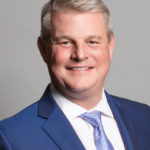
  • Stuart Andrew – 2024 Speech at the Gambling with Lives Parliamentary Forum

    Stuart Andrew – 2024 Speech at the Gambling with Lives Parliamentary Forum

    The speech made by Stuart Andrew, the Gambling Minister, on 6 March 2024.

    Good afternoon. I am delighted to join you here today. I want to begin by expressing my heartfelt gratitude to Liz and Charles for extending an invitation to speak at this remarkable event. But also for their tireless dedication to supporting families up and down the country, and raising awareness of the issue of gambling-related harms in our society.

    I have had gambling as part of my ministerial portfolio, alongside sport and civil society, for just over a year. When I took on the gambling brief, it became clear to me very quickly that the work and story of Gambling with Lives has touched the lives of so many – in this room and beyond. Events like today are testament to Liz and Charles, but also to the significant strides we have made in recent years on the issue of gambling-related harms.

    As you all know, last year we published our gambling white paper, the most comprehensive review of gambling laws in 15 years. Across a 16 week call for evidence, 16000 submissions, navigating the long road to publication and now moving quickly to implement our measures, the government’s commitment to strengthening protections against gambling-related harm is the clearest it’s ever been.

    I recognise that some wanted us to go further in certain areas, and indeed others wanted us to be less restrictive. I’ve been a government Minister in a range of areas since 2018, and gambling is certainly one of the most challenging to get right.

    But we can all agree that action is needed. I am therefore pleased that we were finally able to publish a substantial set of proposals which I am confident will have a material impact on reducing gambling harm in our society.

    We and the Gambling Commission have delivered on our commitment to publish consultations on key reforms since the White Paper, and we remain very much on track to deliver the main measures of our review by the summer.

    I am sure many of you will have seen that we recently confirmed our decision to introduce new stake limits for online slot games.

    I was pleased to be joined by Liz and Charles on the BBC sofas on the day of our announcement, where we had an important discussion on the need to further prevent gambling-related harm.

    We have always been clear that there is no single reform which will work on its own, and gambling harm is not just about individuals. It has to be seen as an interaction between the person, the products, the providers and the place in which people gamble.

    That is why we have taken an evidence-led approach to implement a package of reforms targeted at different levels.

    This includes action on products such as online slots. But also broader protections such as financial risk checks and further strengthening restrictions on advertising. Effective and innovative collaboration to get the right mix of interventions for the population as a whole and those with specific needs is required to tackle gambling harm.

    Central to that ambition is of course the decision to introduce the statutory levy which represents a step change for the sector. The levy is not simply about reforming the funding mechanism. It is also an opportunity to improve and expand the projects and services in place to further understand, tackle and treat gambling harms.

    I know all of you are particularly invested in the levy consultation, and ensuring that we introduce a system that builds an holistic approach to investment, commissioning and evaluation.

    In making this crucial transition, we want to consider the best available evidence and information to get it right. It is important to me that a wide range of views, especially those with lived experience, inform our approach to implementing this landmark reform in an effective, evidence-led and proportionate way.

    Thank you to the Gambling with Lives team and to all those in the room who responded to the consultation.

    I am invested in the meaningful opportunities the levy presents. I recognise that funding is not the only requirement for an equitable and effective system but increased investment is crucial. For the first time, the levy will ensure ringfenced, trusted and sustainable funding for research to fill gaps in the evidence on gambling and gambling harm, and inform policy and regulation.

    We’ve always said that where evidence emerges that we need to go further, in advertising for example, we would look carefully at it and this remains the case.

    This ringfenced investment will also support work to further tackle the sources of gambling harm through vital support for treatment and prevention.

    Based on the latest available estimates, fewer than 5% of those experiencing harmful gambling currently receive treatment, which is significantly lower than for alcohol issues, where around 18% of dependent drinkers are in treatment.

    We have made significant steps in the treatment space, with 13 of the planned 15 NHS specialist gambling treatment clinics currently in operation, across all regions of England.

    Of course, not all those experiencing harm need specialist treatment and the majority of those seeking support do so outside the NHS. The levy will allow the development of an integrated and comprehensive treatment system across Great Britain in the coming years to improve referral pathways between NHS and third sector provided services. I want to build a world-leading system so that there is ‘no wrong door’ for those experiencing gambling harm, and that people can access treatment, when and where they need it.

    I also recognise that gambling-related harm is not something that we can treat our way out of. We have all heard the phrase “prevention is better than cure”. We are working hard to make that idea a reality in the gambling sector.

    Still too often we see and hear about the devastating impacts of harmful gambling. The Gambling Commission’s important work on the Gambling Survey for Great Britain has presented a higher quality picture of gambling harm than has existed previously.

    While the Survey is still in development and being refined to ensure it is methodologically robust, I think it represents a significant step forward.

    The indication from the GSGB that 2.5% of adults are gambling with negative consequences, with even greater numbers at risk, shows there is clearly still more to do to tackle gambling harms. For this, prevention is the key.

    The suite of regulatory protections we are implementing are aimed at preventing harm before it occurs or earlier in the journey. However, the statutory levy represents a doubling of efforts in this area. Targeted investment in coordinated prevention activity on the ground, at local, regional and national level is an unprecedented move.

    Prevention is about creating a society which has a clear awareness of gambling-related harms, an understanding of the support available for those in need, and trust in the services themselves.

    It is also about more than the individual who may be experiencing harm and ensuring there is an understanding that their loved ones and wider communities have somewhere to turn to for support. It is also about building capacity on the frontlines of care so that gambling-related harms and the routes to effective support are better understood, knocking down the barriers which stigma can bring. These are some of our aims.

    As we speak, my Department is working hard to get the levy in place, manage a smooth transition and see that increased investment flowing as soon as possible.

    I want to close by thanking Liz and Charles again for their tireless efforts and all of you in the room for keeping this important conversation going.

    I am committed to this agenda and have full confidence in the significant steps forward we are taking as a country to reduce gambling harms.

    Thank you for your time today.

  • Robert Halfon – 2024 Speech at the Landex Conference

    Robert Halfon – 2024 Speech at the Landex Conference

    The speech made by Robert Halfon, the Minister of State at the Department for Education, on 29 February 2024.

    Introduction

    Good morning. It is great to be meeting so many college leaders and seeing their fantastic provision during national colleges week! Only this morning I was at Tresham College’s Kettering campus a few miles from here.

    I feel privileged to be with you today to talk about land-based colleges, and the real difference you make at a local and national level across the country. From horticulture to agricultural engineering, your teaching is an incredible asset to our skills infrastructure. What you do might not always receive the recognition it deserves from those of us who live in cities. But our quality of life greatly depends upon the work and stewardship your fantastic students will go on to do. And I am incredibly grateful. Thank you.

    Of course, all skills education supports economic growth. But green skills training has a particularly important part to play in supporting sustainable jobs for future generations. Land-based colleges are uniquely placed to drive green skills development and enrich rural economies and communities.

    My favourite author, JRR Tolkien, enriched his writing with both traditional skills education and Britian’s incredible landscapes. Northeast of Northamptonshire (where we are today), Lancashire’s Ribble Valley inspired some of his most dramatic and vivid chapters in The Lord of the Rings.

    The best known Tolkien apprentice is the apprentice-gardener in the novel, Samwise Gamgee.

    I’ve no doubt he would have studied horticulture at Myerscough College to the east of the Valley, which has been providing ‘technical training in both practical and theoretical agriculture’ since 1894.

    Tolkien demonstrates the worth of skills training throughout his writing, with his apprentice heroes often defying low expectations. Samwise Gamgee not only helped Frodo deliver the Ring to Mount Doom; he was eventually elected Mayor of the Shire seven times, and became an advisor to the King. I believe the work we’re doing here today is a continuation of this – amplifying the extraordinary value of land-based skills and apprenticeships.

    Because this skills training has the power to change lives! I recently visited Suffolk New College, where I met a student doing a Level 2 Skills Bootcamp in Practical Environmental and Conservation Skills. He had so much enthusiasm for what he was learning, because he could see it was the gateway to a new career. It’s a great example of how high-quality training can provide a vital stepping stone, enabling young people to climb the ladder of opportunity to a good job and a great career.

    A worldclass skills system

    Since 2010 we’ve been building a worldclass skills system, providing high quality 16-19 education, apprenticeships and adult training. This will drive productivity and economic growth by nurturing talent across the country, addressing current skills shortages, and creating a technical education system ready to respond to evolving skills needs.

    High quality runs through the DNA of our skills offer, which includes a broad range of land-based courses and programmes. The Institute for Apprenticeships and Technical Education co-designed each apprenticeship’s rigorous standards with the relevant sector. This means that from Farrier to Crop Technician, each now gives learners the tuition, practical experience and credibility they need to build a successful career.

    We are now building that rigour into our shorter courses for adult learners. Skills Bootcamps offer free, flexible training for adults to get a head start in the sectors that really need them. They already include Ecology & Conservation and Green Technology courses – and we’re currently developing new bootcamps in Woodland Management and Arboriculture.

    Your tuition is specialised and practical, and that comes at a price. I understand what it takes, and the higher costs and dedicated resources required to teach land-based programmes. That’s why I fought to be able to announce a significant increase to the specialist programme cost weighting from 1.75 to 1.975 for the 2023/2024 academic year. This means that young people attending your institutions now attract a 97.5% uplift on the core funding rate. So, overall, young people attending your institutions attracted average programme funding of over £7,800 in AY23/24, up from c.£6,800 in AY22/23.

    Landex Roundtable

    In January I held a roundtable with Alex Payne (Landex Chief Executive), and some familiar faces in this room. We discussed how we can work together to raise the profile of your institutions, and help others see the amazing contribution you make to the national infrastructure. I set out how we can co-design a national strategy that puts land-based colleges at the heart of the skills agenda to create a greener, more sustainable economy. Officials at the department have been working closely with you to co-design this strategy, and I’d like to share more details of it today.

    A national strategy for key priorities

    The underlying principle of our strategy is that the Government recognises the central role that land-based colleges have to play in supporting the delivery of key national priorities.

    Your institutions already help ensure food security for the nation and promote responsible management of our natural resources and biodiversity. You are equipping the next generation with the green skills the country will need in coming decades. Now and in the future, your courses will help employers to meet our 2050 Net Zero targets.

    There are three core elements to the strategy we’re developing:

    • the national role that land-based colleges can play, especially in green skills and protecting the environment;
    • how we position land-based colleges as hubs of skills training and innovation;
    • Land-based colleges’ impact on their local communities, as places of vital social capital.

    Land-based colleges’ national role

    Land-based colleges are key to creating the innovative rural workforce we need to achieve national environmental goals. I’m looking forward to collaborating with you to ensure that local advancements in provision align with national priorities.

    A key part of the new national strategy will be to identify where we have shortages of land-based skills. We will work together to develop a profile of these shortages and how to meet them. I’m pleased that you’re already supporting the Government’s Green Jobs Delivery Group to deliver its wider Green Job Plan later this year.

    My department has an important role to play in connecting young people with land-based colleges, so you can: inspire them to consider land-based professions; provide them with innovative learning environments and help them access the skills and knowledge we need for our green skills revolution.  The DfE recently launched the Skills for Life campaign to inspire people to explore skills and technical education opportunities to build a foundation for their chosen career. The campaign website can direct them to the National Careers Service, which now has a Green Careers page as well as an Environment and Land page. Both demonstrate the breadth roles and skills, across many sectors, that support the environment.

    Hubs of skills training and technical innovation

    The strategy will also recognise that land-based colleges stand at the forefront of land-based skills training and technical innovation. You hold the power to change people’s prospects, by boosting take-up of skills training for sought-after jobs in rural areas.

    One way land-based colleges can drive change and engagement with their courses is through collaborating with their local Institute of Technology. IoTs are employer-led – offering specialised courses tailored to local business needs, for local students. We have invested £300 million in the 21 IoTs, which are leading the development of technical qualifications in STEM-related areas. This investment will increase their capacity to deliver technical skills, by providing access to industry standard facilities and equipment.  I would urge everyone here to look-up your local IoT, if you haven’t already, and consider how a partnership could boost your skills training and your students’ prospects.

    It’s also really important that land-based colleges engage with their Local Skills Improvement Plan to ensure their provision is aligned with local business needs. The aim of these employer-led local plans is to ensure that high quality, updated technical qualifications are available in every area – including apprenticeships, T Levels, and Higher Technical Qualifications.

    I want to thank Landex for its help in developing and implementing LSIPs. The programme is not only increasing collaboration between providers and employers, but also between different provider types, such as land-based colleges and other providers of post-16 technical education. This has resulted in some truly innovative projects, designed specifically to meet local skills needs. In the Northwest, Myerscough College is galvanising providers across the region to respond to challenges identified in the Lancashire LSIP. This includes attracting new workers to farming, agriculture and hospitality – industries critical to the local economy.

    But if your college hasn’t yet got involved, please search for your local LSIP and become part of an essential, employer-led dialogue about local skills needs. It’s worth saying that the programme is backed by the £165 million Local Skills Improvement Fund to kick start changes to local provision. Colleges across the country, from East Durham to Chichester, have already benefitted from the first round of funding announced in November. Warwickshire College Group were awarded £490,000 to establish an Agriculture Sustainability Hub at Pershore College. The funding will provide the latest equipment and resources, as well as updating the glasshouses in the college’s Agri-Tech Research Centre.

    Assets to local communities

    Land-based colleges are valuable economic assets to their communities because they are uniquely placed to provide skills training, in their local areas, all the way from entry level to highly specialised technical training and research. The strategy will look at ways to help you maximise your economic contribution by fostering close working relationships with local employers. By proactively collaborating with businesses – through LSIPs, IoTs, and in less formal ways – you will help to meet local skills gaps and build a future talent pipeline for the rural economy. This will, in turn, drive entrepreneurship and open-up local career opportunities.

    Our vision also includes colleges using their expertise to improve the sustainability of rural businesses through supporting their resilience and productivity.

    The strategy will also recognise that land-based colleges are all places of social capital. Your courses enable people of all backgrounds to gain sought-after skills and climb the Ladder of Opportunity to good jobs and higher earnings. I know many here share my outlook that skills education has a unique power to promote social justice. Your colleges are lighthouses for people in rural areas and it’s up to us to ensure that the right opportunities reach the people who really need them, so they can build a strong career within their local community.

    In contrast to the hobbits in Lord of the Rings, Tolkien placed another of his apprentice characters at the centre of a village community. Alf, in the story ‘Smith of Wootton Major’, initially learns his trade from the Master Cook in the large Village Kitchen. His skill is not always prized as it should be by the villagers, though it is an extraordinary asset to his community. He perseveres calmly through their prejudice, and at the end of the story is revealed to have been the King of Faery all along.

    Skills students can face many challenges, and I applaud Landex’s work to support physical and mental health in rural communities. Last summer, the Minister for Farming and I wrote to you about mental health in the sector, highlighting the Yellow Wellies campaign from the Farm Safety Foundation. They have launched a conversation on how we can all positively impact the mental health of young people in farming communities. I’m keen that we continue this dialogue as part of the strategy.

    Conclusion

    The national strategy we’re co-creating will support you and your institutions to be leaders in the country’s green skills revolution. The skills you teach, such a rewilding and agriculture, have a crucial part to play in this. Suffolk New College, which I mentioned at the beginning, demonstrates how agriculture, animal husbandry and hospitality can be taught on one site, with their farm-to-fork café. By teaching so many trades at their rural campus, which includes a Land-Based Service Engineering workshop, they offer their students many different routes up the Ladder of Opportunity.

    I hope that the vision for the strategy I have outlined today demonstrates the impact your college can have on the nation’s future prosperity. You can help us deliver Net Zero, energy security, climate adaptation and environmental recovery. You already safeguard our food security, and your students play a vital role in maintaining our natural infrastructure and the rural economy.

    Tolkien once said that true education is:

    “a matter of continual beginnings, of habitual fresh starts, of persistent newness.”

    We want more and more people to build the skills needed for good employment in this age of

    ‘persistent newness’ – skills for new and shifting industries, that business leaders are crying-out for.

    I want to thank you again for the unique work you do, and I look forward to working together further on the areas I’ve outlined, for the nation’s economic and ecological future. I’ve been talking about a strategy but that’s just a means to an end – to help get the conditions right so your colleges can flourish. If we get this right then we’ll see students reaching their potential, rural skills boosted and our country leading the way in green skills. That’s something we all want to see and I’m really grateful for the opportunity to meet with you today. Best wishes for the rest of your conference.

  • David Cameron – 2024 Statement on Aid Worker Deaths in Gaza

    David Cameron – 2024 Statement on Aid Worker Deaths in Gaza

    The statement made by David Cameron, the Foreign Secretary, on 2 April 2024.

    The news of the airstrike that killed World Central Kitchen (WCK) aid workers in Gaza is deeply distressing.

    These were people who were working to deliver life-saving aid to those who desperately need it.

    It is essential that humanitarian workers are protected and able to carry out their work.

    We have called on Israel to immediately investigate and provide a full, transparent explanation of what happened.

  • PRESS RELEASE : OSCE Security Dialogue on Women, Peace and Security – UK statement [March 2024]

    PRESS RELEASE : OSCE Security Dialogue on Women, Peace and Security – UK statement [March 2024]

    The press release issued by the Foreign Office on 6 March 2024.

    At the OSCE FSC Security Dialogue, Ambassador Neil Holland speaks about the importance of Women, Peace and Security Agenda in the context of Russia’s full-scale invasion of Ukraine.

    Thank you, Mr Chair. And thank you panellists, for sharing your expertise on this important subject. It is absolutely right that we discuss the Women, Peace and Security (WPS) Agenda in the FSC, on the week that we mark International Women’s Day.

    It is more than ten years since Russia sought to illegally annex Crimea and over two years since Russia’s full-scale invasion of Ukraine. Events on the ground continue to demonstrate the relevance of Women, Peace and Security to the politico-military dimension. The WPS Agenda aims to recognise and empower women as integral stakeholders and decision makers in international security. We see this in Ukraine every day. As our Ukrainian colleague made clear, tens of thousands of women serve in the Ukrainian Armed Forces and the Territorial Defence Forces. Many more play crucial roles across society – including as medical professionals, first responders, aid workers – often in addition to being primary caregivers. We salute their courage and resilience in helping Ukraine secure a successful and sustainable peace.

    Two years into Russia’s full-scale invasion, we continue to witness the disproportionate impact of war on women and girls. The WPS Agenda also aims to protect victims and survivors. This is why the UK is resolutely committed to holding all those responsible to account, including through our support for the Atrocity Crimes Advisory Group. This was launched in May 2022 to reinforce Ukraine’s domestic investigations and the prosecution of core international crimes. As part of this work, a member of the UK’s Preventing Sexual Violence in Conflict Initiative Team of Experts is working to support the Ukrainian Office of the Prosecutor General to implement its Conflict-Related Sexual Violence strategy. This includes helping to embed international guidelines and best practice, including on survivor-centred approaches, into the work of Ukrainian prosecutors and investigators.  We have also stepped up our assistance to the ICC. The international community and national authorities must work to uphold survivor’s rights and help bring perpetrators to justice.

    At home, the UK is making progress towards enhancing women’s participation. The numbers of women serving in the armed forces have been steadily rising and we have worked hard to facilitate meaningful inclusion. This includes through the provision of flexible working schemes and gender-sensitive improvements to training and uniform.

    In 2022, the Ministry of Defence announced a zero-tolerance policy on sexual exploitation and abuse. This is in addition to mandatory pre-deployment gender awareness training and annual refreshers on international humanitarian law.

    At the OSCE, the UK and Belgium championed the annual voluntary report on WPS under the Code of Conduct (on Politico-Military Aspects of Security). We thank the many participating States which have already submitted returns and encourage others to use the questionnaire to help share best practice.

    Mr Chair, the full, equal, meaningful and safe participation of women in all aspects and at all levels of security is essential to achieving better outcomes for peace and security.  This is not only the right thing to do – it also leads to more conflict-sensitive and strategic outcomes. And where militaries break international law, by targeting non-combatants including women and girls, we will hold the perpetrators to account. Thank you.

  • PRESS RELEASE : New poverty statistics developed to help government target support [March 2024]

    PRESS RELEASE : New poverty statistics developed to help government target support [March 2024]

    The press release issued by the Department for Work and Pensions on 6 March 2024.

    Update 6 March 2024

    The Department for Work and Pensions is now developing the ‘Below Average Resources’ statistics as ‘Official Statistics in Development’ to provide a new additional measure of poverty based on the approach proposed by the Social Metrics Commission.

    The first release of Below Average Resources: developing a new poverty measure statistics was published on 18 January 2024.

    The new analysis will be based on the work undertaken by the Social Metrics Commission which was presented in their report ‘A New Measure of Poverty’ last year.

    DWP will publish experimental statistics in 2020 that will take the current Social Metrics Commission measure as a starting point and assess whether and how this can be developed and improved further to increase the value of these statistics to the public. This assessment will include the wider measurement framework presented by the Social Metrics Commission covering the depth, persistence and lived experience of poverty.

    DWP will publish these experimental statistics in the second half of 2020 after and in addition to the government’s annual official Households Below Average Income (HBAI) publication. The HBAI figures are based on households’ incomes and will continue to be the main measure of poverty in the UK whilst these experimental statistics are developed.

    Minister for Family Support, Housing and Child Maintenance Will Quince said:

    Tackling poverty is a priority for this government. We welcome the work the Social Metrics Commission has done to find new ways to understand the lives and experiences of those who are in poverty.

    Employment is at record levels and income inequality and absolute poverty are still lower than in 2010, but nonetheless we know some families need more support. That is why we continue to spend £95 billion a year on working age benefits, and we are looking at what more can be done to help families improve their life chances.

    Our HBAI figures are National Statistics based on incomes and give us a strong statistically robust picture of the levels of poverty in the UK. However, the Social Metrics Commission makes a compelling case for why we should also look at poverty more broadly to give a more detailed picture of who is poor, their experience of poverty and their future chances of remaining in, or entering, poverty. We look forward to exploring the merits of developing a new measure with them and other experts in this field. In the long run this could help us target support more effectively.

    Social Metrics Commission Chair Philippa Stroud said:

    I am delighted that the government is taking poverty measurement seriously. Without effective measures of poverty, we cannot hope to reduce the number of people who experience it or improve the lives of people who live in poverty.

    The Social Metrics Commission has worked hard over the last 3 years to build a broad coalition of support and develop metrics that we believe represent a significant step forward in our ability to measure and understand poverty in the UK.

    We now look forward to working with DWP as it takes this process forward and ensuring that the UK has a measure of poverty that can be used to improve policy making.

    The department will work with the Social Metrics Commission and other experts, including other government departments, to develop the new statistics.