Tag: 2023

  • PRESS RELEASE : Record number of doctors and nurses in the NHS helping to cut waiting lists [April 2023]

    PRESS RELEASE : Record number of doctors and nurses in the NHS helping to cut waiting lists [April 2023]

    The press release issued by the Department of Health and Social Care on 27 April 2023.

    There are over 1.27 million full-time equivalent staff working in NHS trusts and commissioning bodies in England.

    • More doctors, nurses and staff than ever before working in the NHS
    • Data also shows 440 more doctors working in general practice and face-to-face appointments on the rise
    • Government on track to deliver on commitments for 50,000 more nurses and 26,000 more primary care staff by 2024

    There are record numbers of doctors and nurses working in the NHS helping to deliver extra appointments, speed up diagnoses and tackle the Covid backlog, according to data published today by NHS England.

    There are over 1.27 million full-time equivalent staff working in NHS trusts and commissioning bodies in England – over 51,500 more people compared to a year ago which is an increase of 4.2%.

    Elsewhere, additional data shows there are more than 25,000 additional primary care staff as the government remains on course to reach its target of 26,000 more staff in primary care by March 2024.

    As of March 2023, 440 more full-time equivalent doctors were working in general practice compared to a year ago and they continue to deliver more face-to-face appointments.

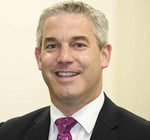
    Health and Social Care Secretary, Steve Barclay, said:

    Today’s figures demonstrate the clear progress being made to train and recruit record numbers of staff across the NHS and in primary care. Cutting waiting lists is a key priority for this government and we are committed to ensuring we have the workforce in place to achieve that.

    We will soon be publishing a long term workforce plan focused on recruiting and retraining more staff – to help tackle the backlogs and improve patient care. We will also be publishing a plan outlining further support for primary care.

    The latest data also shows there are over 5,300 more doctors and over 12,300 more nurses working in the NHS compared to February 2022. Since 2010, there are now over 37,800 more doctors and over 53,700 more nurses.

    At the same time, almost two million more GP appointments were delivered in March 2023 compared to a year ago – that is 83,500 more appointments each working day.

    Last year, a record breaking 4,032 doctors accepted a place on GP training. Just as in hospitals, trainees deliver direct patient care while being safely supervised and support fully-qualified GPs, helping to ease workloads and increase capacity in general practice.

  • PRESS RELEASE : UK Ambassador to Sudan deployed to Addis Ababa [April 2023]

    PRESS RELEASE : UK Ambassador to Sudan deployed to Addis Ababa [April 2023]

    The press release issued by the Foreign Office on 27 April 2023.

    Giles Lever will support the UK’s diplomatic regional response to Sudan from British Embassy in Ethiopia.

    Following the temporary closure of the British Embassy in Khartoum, His Majesty’s Ambassador, Giles Lever, has been relocated from the Foreign, Commonwealth & Development Office (FCDO) crisis centre in London to Ethiopia.

    From Addis Ababa, he will lead the UK’s diplomatic efforts in the region to bring fighting to an end in Sudan. Mr Lever has been Ambassador to Sudan since 2021 and is a specialist in Africa, the Middle East and conflict zones with postings to Nigeria, Iraq and Afghanistan among others.

    While in London, Lever was working from the FCDO crisis centre engaging key diplomatic contacts, helping to facilitate evacuation permissions and supporting diplomatic efforts to end the fighting.

    The UK is pursuing all diplomatic avenues to end the violence in Sudan and return to civilian rule. The UK has been involved at all levels to de-escalate tensions with the Prime Minister, Foreign Secretary, Defence Secretary and Minister for Africa all speaking with international partners and convening a UN Security Council meeting earlier this week on the crisis. Basing our ambassador in Addis Ababa will also allow him to support engagement with the African Union, which is based in the Ethiopian capital and is playing a key role in resolving the crisis in Sudan.

    The safety of all British nationals in Sudan continues to be our utmost priority and we urge everyone to continue to follow our travel advice. Evacuation flights continue from the Wadi Saidna airfield, and we urge any British nationals who wish to leave to come forward. At midnight Sudan time tonight, when the 72-hour ceasefire is due to end, we cannot guarantee how many further flights will depart.

  • Steve Barclay – 2023 Speech to the Association of the British Pharmaceutical Industry Annual Conference

    Steve Barclay – 2023 Speech to the Association of the British Pharmaceutical Industry Annual Conference

    The speech made by Steve Barclay, the Secretary of State for Health and Social Care, to the Association of the British Pharmaceutical Industry annual conference held on 27 April 2023.

    Well thank you, Richard [Torbett] – good afternoon, it’s great to be able to join you.

    As you’ve just been touching on some of my past roles, it’s over five years since I was last in the Department of Health working then as a Minister of State.

    And in those five years, we’ve seen game-changing breakthroughs in science and technology.

    We’ve seen a once-in-a-generation pandemic.

    We’ve seen Britain depart, as you’ve just mentioned, from the European Union.

    And we’ve also seen the full consequences of the pandemic itself.

    And those factors have come together to shape a landscape that is very different today, than it was five years ago in 2018.

    The application of AI into almost every aspect of our lives might be receiving lots of attention today, particularly with things such as ChatGPT.

    But the potential of AI in life science is something we in this room have long been alive to, from detecting cancers to scanning potential transplant organs.

    Equally, pharmaceutical breakthroughs and their rapid deployment through the NHS have been turning the tide on diseases like HIV and Hep-C, and helping to bring us to a point where we can realistically talk about elimination – something which 10 years ago would have been unimaginable.

    Next, the pandemic has ushered in some powerful new ways of working. The Vaccines Taskforce brought many of us in government to working very closely with industry and academia in ways that we had not done before.

    And in its simplest terms we learned a lot about how to make things happen at pace.

    And it offers much promise for breakthroughs in some other areas dealing with health challenges that we face in the months and years ahead.

    And the third big shift is that the UK left the European Union, just as the pandemic began to take hold across Europe.

    And as Brexit Secretary leading our exit at that time, I recognised that in taking control of our rules and regulations we have a chance to show global leadership in important areas including life science.

    Now, with your help and support, we are doing just that. Building a more bespoke regulatory system that’s ready for the innovations of today but is also building the agility to respond quickly to the innovations of tomorrow.

    Now the question we’ve been trying to answer today, in the sessions I’ve been hearing that you’ve been having is how do we seize those opportunities?

    And I know you heard from some of my colleagues, from June Raine and Ros Campion earlier, on ‘How we build on the UK’s global strengths’. And we’ve heard about the Medicine and Healthcare products Regulatory Agency’s (MHRA) laser-like focus on ‘process, partnerships and people’.

    And this afternoon, I want to add some of my own thoughts on how we seize the opportunities that are in front of us.

    The first way is with an unashamedly pro-innovation approach to regulation.

    Now the theme of today’s conference is ‘Growing the UK as a Global Hub for Life Sciences’ and we have the largest life sciences sector in Europe.

    And the benefits of that to the UK economy are vast, not just from the jobs created, but from the transformative change it offers for the NHS. A key priority is to ensure that great science is then fast-tracked into the very bloodstream of our NHS.

    And that is why in the Budget, we announced an extra £10 million of funding for MHRA, so they can put in place a quicker, simpler, regulatory process for all approvals for innovative treatments, without compromising, in any way, patient safety. And that is building on the ever-closer working relationship that the MHRA and NICE have developed through the ILAP pathway.

    Now we aim to develop the most effective regulatory approvals process of anywhere in the world. And we are fortunate to have the MHRA – one of the most respected drug regulators globally – and, of course, the first to license a vaccine for Covid.

    From next year, the MHRA will set up a swift new approval process for the most cutting-edge medicines and devices to grow the UK’s role as a global hub for their development. And at the same time, from next year, they will allow the near-automatic sign-off for medicines and technologies already approved by trusted regulators in other parts of the world such as the United States, Europe, and Japan.

    And the real value is that near-automatic recognition of other regulators in some areas, such as license extensions, will in turn free up valuable regulatory resource to focus on other cutting-edge areas, like AI in medical devices.

    And this kind of smart regulation – made possible by the greater agility brought by our Brexit freedoms – meets our twin goals: Growing the UK as a global life sciences hub, while ensuring patients in the NHS have access to some of the most innovative medicines and treatments that can be found anywhere in the world.

    Now many of you will be aware that this coming change was an interim recommendation from the report into Life Sciences regulations, which is going to be published next month. And I want to put on record, Richard, my thanks to everyone who played their part in that important piece of work.

    Not least the ABPI, who have been so keenly engaged, including how you worked with the independent champions.

    I’m looking forward to hearing further recommendations and the benefits they can bring to the sector and patients alike.

    Now today, I also want to briefly comment on VPAS. The government and the pharmaceutical industry came together to negotiate a voluntary agreement, which has endured for many decades and created a stable basis for investment, access, and uptake. And it has done so while saving the NHS billions of pounds – which in turn has been reinvested into patient care.

    The negotiations for a successor agreement will begin soon and I very much welcome the appointment of Sir Hugh Taylor, who brings vast experience in this area, and I hope assures Richard, colleagues, as to the seriousness with which we are taking these negotiations.

    And you heard a little earlier from the Prime Minister, which I hope further underscores our desire to deliver a successor to VPAS – which needs to be a deal that is good for patients, good for the NHS, and good for you too.

    The core value that sits at the heart of all of this – whether it’s innovative regulation or VPAS – is that the government is a committed partner.

    And we are guided by our Life Sciences Vision, which sets out our ten-year plan for the sector, including seven missions for all of us – government, industry, the NHS, academia, medical research charities and others – to solve together.

    And together, our work on everything from cancer to dementia, cardiovascular disease to mental health will not only support the NHS but it will help the wider economy by improving productivity and life expectancy.

    Now we’ve already been putting this into practice.

    In January we signed a memorandum of understanding with BioNTech to bring innovative vaccine technology to this country, with the potential to transform outcomes for cancer patients. The partnership means that, from as early as this September our patients will be amongst the first to participate in trials and tests to provide targeted, personalised and precision treatments. And that will use transformative new therapies to both treat existing cancers – and to help stop them from returning.

    That deal builds on the 10-year partnership we struck with Moderna in December to invest in the mRNA research and development in the UK and establish a state-of-the-art vaccine manufacturing centre here.

    We want to partner with those who share our commitment to scientific advancement, innovation, and cutting-edge technology.

    We’re the third biggest investor of government funding into health R&D as a proportion of GDP in the world and we’re upholding our promise to increase research and development spending to £20 billion a year. And that is at a time when there are many competing challenges for the Chancellor to meet.

    It’s not just something I’m proud of for its own sake, but something I’m determined we use to its full potential, so we can transform people’s lives and opportunities both here and abroad.

    And if there’s one message I want you to take from my speech today it’s this: we need companies – including a great many represented by you in this room today – to invest in UK clinical trials.

    I know there are challenges, and we are listening, not least on how we can support those consultant clinical academics who drive medical breakthroughs.

    It is why we have commissioned James O’Shaughnessy to conduct an independent review of the UK commercial clinical trials landscape.

    And James has been kind enough to share some of his early findings and we will formally respond in the coming weeks.

    And I know you’ve also heard from June Raine earlier about the MHRA’s work to simplify requirements and remove barriers.

    There’s a lot of potential around clinical research and the changes ahead can bring a huge number of wins.

    Wins for patients – who will get access to the latest innovative medicines that will become the Standard of Care in years to come.

    Wins for the NHS – not just to boost to their income, but also because we know that hospitals that are active in research have better outcomes.

    And wins for industry – who can work with a single NHS – from leading institutions and hospitals to primary care.

    Because, with its unrivalled scale, breadth and potential, the NHS should be the research partner like no other on Earth. But I recognise that, for those of you in the room, that has too often not been the case.

    Notwithstanding the need for change, clinical research in the NHS has already been responsible for some of the UK’s biggest successes – like the RECOVERY trial. And since Covid, public engagement in health research is at an all-time high.

    But I want that to go further – so we’ll build in a clinical research environment that is people-centred, that is digitally enabled, and all embedded within the NHS.

    And you can see that coming to life through initiatives like the NIHR’s ‘Be Part of Research’ which makes it even easier for people in England to find and register their interest in suitable research opportunities – including through the NHS App that we are developing at pace.

    Seizing these opportunities on clinical trials will not only leave patients and the NHS stronger but give us a much more joined up life sciences sector and a more dynamic economy too.

    So, we have a coming together of giant technological leaps:

    Innovative new ways of working from the pandemic.

    A post-Brexit regulatory environment that offers the agility to design a more bespoke and effective environment.

    And a new way forward for clinical trials through implementing the James O’Shaughnessy review.

    Taken together, it means the UK is well-placed to seize these opportunities – working in partnership with the talent we have within the Department of Health and its arm’s length bodies, with our fantastic NHS – including frontline medical staff, and in partnership with you on behalf of the industries that you represent.

    I look forward to working with you Richard, to colleagues in the room, to achieve that shared common goal. Thank you very much.

  • PRESS RELEASE : Northern Ireland Secretary announces 2023-24 Budget and contingency plans for governance [April 2023]

    PRESS RELEASE : Northern Ireland Secretary announces 2023-24 Budget and contingency plans for governance [April 2023]

    The press release issued by the Northern Ireland Office on 27 April 2023.

    The Secretary of State for Northern Ireland has set a budget for 2023-24 and introduced legislation to ensure public services can continue to function in the absence of an NI Executive.

    In a Written Ministerial Statement to Parliament, Mr Heaton-Harris set out the final budget position for the current financial year.

    It provides £14.2 billion to be spent by the Northern Ireland Executive, with more than half earmarked for health.

    The Government will confirm this budget in legislation if a devolved government is not in place.

    Mr Heaton-Harris also introduced the Northern Ireland (Interim Arrangements) Bill today, which allows current civil servant decision-making arrangements to continue until an Executive is formed.

    The Bill also includes new powers for the Secretary of State to direct Northern Ireland departments to provide him with advice or consult on options to raise revenue or deliver sustainable public finances in the ongoing absence of NI Ministers.

    Combined, these steps provide funding clarity and ensure governance will continue if an Executive is not restored before the current arrangements expire on 5 June.

    The Secretary of State met Northern Ireland’s party leaders today at Hillsborough Castle to provide an update on these points.

    Mr Heaton-Harris said: “It should be for locally elected politicians to take this strategic decision-making to transform and modernise NI’s public services.

    “However, the approach taken in setting the budget and the provisions included in the Interim Arrangements Bill will ensure important work progresses if an Executive is still not in place.”

    Mr Heaton-Harris said it was clear that work needed to happen to get Northern Ireland’s finances onto a sustainable footing. He said:

    This situation exists despite the UK Government providing additional funding totalling £7 billion to NI since 2014, on top of extra funding provided through the Barnett formula.

    I remain committed to protecting the interests of people in Northern Ireland, and will continue to do everything I can to help the Northern Ireland Parties to work together to make that happen.

    The people of Northern Ireland deserve a stable and accountable devolved government that delivers for them.

    Notes to the Editor

    • Read the full NI Budget Statement 2023-24 here.
    • More information on the Northern Ireland (Interim Arrangements) Bill is available here.

    NI Budget Statement 2023-24

    • The total amount available for NI Executive spending is £14.2 billion.
    • The consequences of addressing the £660million gap in the 2022-23 financial year has meant that £297 million provided from the UK Reserve was due to be repaid from the 2023-24 budget.
    • Flexibility on the repayment of this amount has been granted by HM Treasury so an additional £297 million can be allocated to departments today. To do this, these allocations commit any future in-year Barnett consequentials. Should this not amount to £297m, the NIO will work with HMT to reallocate funding from previously announced NI funding packages, with the residual to be repaid in 2024-25.
    • NIO officials continue to work with the NI Department of Finance to install a sustainable and strategic approach to public finances, including the development of options for revenue raising.
    • Non-ring fenced resource funding allocations:
      • £7.3bn for Health
      • £2.6bn for Education
      • £1.2bn for Justice
      • £772m for Economy including £1.1m for the Public Service Obligation route from City of Derry Airport to London

    Northern Ireland (Interim Arrangements) Bill

    • Current arrangements for civil service decision-making are due to expire on 5 June.
    • The Bill introduced today will provide for these arrangements to continue until the time an Executive is formed.
    • The additional power this Bill provides for the Secretary of State does not enable the UK Government to direct action on options to raise revenue and increase the sustainability of NI public finances.
    • But the power enables preparatory work to take place in the absence of ministers.
  • PRESS RELEASE : Change of His Majesty’s Ambassador to Mongolia [April 2023]

    PRESS RELEASE : Change of His Majesty’s Ambassador to Mongolia [April 2023]

    The press release issued by the Foreign Office on 27 April 2023.

    Ms Fiona Blyth has been appointed His Majesty’s Ambassador to Mongolia.

    Ms Fiona Blyth has been appointed His Majesty’s Ambassador to Mongolia in succession to Mr Philip Malone LVO who will be transferring to another Diplomatic Service appointment.

    Ms Blyth will take up her appointment during July 2023.

    CURRICULUM VITAE

    Full name: Ms Fiona Blyth

    Year Role
    2021 to 2022 Cabinet Office, Russia / Ukraine Team Leader, National Security Secretariat
    2020 to 2021 Cabinet Office, Principal Analyst (Middle East)
    2017 to 2020 Mogadishu, Senior Political Affairs Officer, United Nations Assistance Mission in Somalia
    2013 to 2017 FCO, United Kingdom Mission to the United Nations in New York, Senior Policy Adviser
    2013 New York, Policy Analyst, International Peace Institute
    2012 New York, Researcher to the Director of Policy, the Clinton Foundation
    2011 to 2012 FCO, Desk Officer, European Counter Terrorism
    2006 to 2010 British Army, Officer
  • PRESS RELEASE : ‘The veto is a heavy responsibility, to be used to avoid and resolve conflict’ – UK Statement at the UN [April 2023]

    PRESS RELEASE : ‘The veto is a heavy responsibility, to be used to avoid and resolve conflict’ – UK Statement at the UN [April 2023]

    The press release issued by the Foreign Office on 27 April 2023.

    Statement delivered by Philip Reed at the UN General Assembly debate on Use of the Veto.

    Mr President

    The founding members of the United Nations vowed to save the generations that followed them from the scourge of war.

    They conferred the primary responsibility for maintaining international peace and security on the Security Council.

    And, as part of that, permanent members of the Council were given veto power.

    The United Kingdom is clear: the veto is a heavy responsibility, to be used to avoid and resolve conflict. The veto should be used responsibly – and with accountability.

    Sadly, not all permanent members think alike. In February last year, Russia used the veto to prevent the Council from taking action in response to their illegal and unprovoked war in Ukraine. This came just two months after they vetoed a resolution that would have enabled the Council to take action on climate security – a resolution that counted the highest ever number of cosponsors.

    In response, the General Assembly adopted the resolution we are talking about today – to enable the GA to scrutinise the use of the veto, and to hold Council Members using the veto to account. We were proud to co-sponsor that resolution.

    Since then, of course, this Assembly has twice met in response to vetoes: in May 2022, when China and Russia vetoed a resolution that would have responded to DPRK’s launch of intercontinental ballistic missiles. And in July 2022, when Russia vetoed a resolution that sought to extend humanitarian assistance to over 4 million people in North West Syria – only to accept a resolution days later with one change: allowing humanitarians to provide help for 6 months, instead of 12.

    Is that what the veto was created for? Halving the window for providing humanitarian assistance to people who desperately need it?

    For our part, the United Kingdom has not exercised our veto since 1989. We listen carefully and negotiate with Security Council partners to try and find agreement.

    The UK also remains committed to never voting against a credible draft resolution on preventing or ending a mass atrocity, as a proud signatory of the Accountability, Coherence, and Transparency (ACT) Group’s Code of Conduct. We encourage all Member States, including the other permanent members of the Council, to support this initiative.

    Thank you.

  • PRESS RELEASE : Checkpoint on the Lachin Corridor – UK statement to the OSCE [April 2023]

    PRESS RELEASE : Checkpoint on the Lachin Corridor – UK statement to the OSCE [April 2023]

    The press release issued by the Foreign Office on 27 April 2023.

    Deputy Ambassador Brown expresses concern regarding ongoing disruptions to the Lachin Corridor and urges Armenia and Azerbaijan to resume substantive negotiations.

    Thank you, Chair. The UK Government remains concerned by the ongoing disruption to the Lachin Corridor. The unilateral establishment of a checkpoint further impedes access and runs counter to efforts to secure peace and stability in the South Caucasus.

    The UK Government calls for both sides to refrain from escalation. There is no military solution to this conflict, and Armenia and Azerbaijan must resume substantive negotiations to secure a sustainable settlement to the conflict.

    Thank you.

  • PRESS RELEASE : New inspectors of police and fire service appointed [April 2023]

    PRESS RELEASE : New inspectors of police and fire service appointed [April 2023]

    The press release issued by the Home Office on 27 April 2023.

    Lee Freeman and Michelle Skeer take up dual roles as His Majesty’s Inspector of Constabulary in England and Wales and Inspector of Fire and Rescue in England.

    Home Secretary Suella Braverman has announced the appointments of Lee Freeman KPM and Michelle Skeer QPM as new inspectors of police and fire and rescue services. They will both take up the dual roles of His Majesty’s Inspector of Constabulary in England and Wales and Inspector of Fire and Rescue in England.

    Since May 2017, Mr Freeman has been Chief Constable of Humberside Police. In January 2019, he was asked to support Cleveland Police as interim Chief Constable during a period of crisis. He also served as a police officer at Lincolnshire Police between February 2010 and April 2015, reaching the rank of Assistant Chief Constable. Mr Freeman was awarded the King’s Police Medal in 2023.

    Since March 2018, Mrs Skeer has been Chief Constable of Cumbria Constabulary, having joined the force in 1990. She performed a variety of operational roles before moving to the criminal investigation department where she held roles at every rank and led on both public protection and serious crime operations. Mrs Skeer was awarded the Queen’s Police Medal in 2017.

    Home Secretary Suella Braverman said:

    I’m pleased to welcome Lee Freeman and Michelle Skeer to these important roles, where they will play a vital part in ensuring that our police forces and fire and rescue services provide the excellent service that the public rightly expects.

    On being appointed, Mr Freeman said:

    I am delighted to be appointed as an HMI and in joining His Majesty’s Inspectorate of Constabulary and Fire and Rescue.

    I look forward to working with colleagues across both policing and fire and rescue services in order to ensure the services provided to the public continue to improve.

    On being appointed, Mrs Skeer said:

    I am delighted to be selected for the role as His Majesty’s Inspector of Constabulary and His Majesty’s Inspector of Fire and Rescue.

    I have enjoyed working in policing for 33 years, and I am looking forward to this new challenge with HMICFRS.

    Lee Freeman KPM and Michelle Skeer QPM were selected following a stringent recruitment process, conducted in accordance with the Governance Code on Public Appointments.

    His Majesty’s Inspectorate of Constabulary and Fire & Rescue Services (HMICFRS) inspectors are then appointed by His Majesty The King on the advice of the Home Secretary and the Prime Minister.

    Mr Freeman and Mrs Skeer will take up their duties in August.

  • Andrew Mitchell – 2023 Speech on the Future of International Development

    Andrew Mitchell – 2023 Speech on the Future of International Development

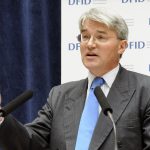
    The speech made by Andrew Mitchell, the Minister for International Development at the Foreign Office, on 27 April 2023.

    I’m conscious that I’m talking in the heat of a massive crisis in Sudan. Clearly our thoughts are with British nationals being evacuated and the brave servicemen and women risking their lives to secure safe passage back to the UK. And our thoughts are with the 45 million people in Sudan who are bearing the brunt of suffering.

    It is essential that the ceasefire is maintained and that a political process is secured. If not, the humanitarian consequences will be incalculable. The UK will continue to work tirelessly to help bring an end to the violence and provide vital humanitarian relief.

    Today in this great centre of learning and scholarship, we assert again our commitment to change the lives of the world’s poorest and drive forward shared prosperity.

    Today, we commit to persuading more of our fellow citizens that international development is core to our own national interest as well as the right thing to do.

    Today, we reaffirm our priorities, and show how we can secure these goals through partnership to achieve progress and prosperity. And we underline Britain’s historic commitment through the international system to those who dwell in the poorest and most challenging of circumstances.

    Today, we seek to promote a British policy and priority, which is above party politics, and which is seared into our national conscience as people across our country have shown through their generosity and compassion to those suffering in distant places, where for many in their darkest moments after flood, earthquake and disaster, Britain has been a beacon of hope, and of light at a time where the international system is fractured. And Russia’s war in Ukraine shows that core international values and rules can be brutally assaulted and overturned.

    We restate in strong terms, our belief in an effective and ambitious rules based international system, essential to address climate change, the existential crisis of our time, as well as the causes of migration and global health security. A time when crises are everywhere, but leadership is not. When we can save a bank in California in 3 days, but Zambia waits more than 2 years for debt relief. When our children can secure mortgage finance for 30 years, but developing countries secure maturities just over 5 years. And when the Sustainable Development Goals (SDGs) agreed with the rest of the world under David Cameron’s leadership are way off course at this halfway point.

    We invoke the famous dictum of Douglas Hurd, one of the UK’s most distinguished Foreign Secretaries, that through the international system, Britain can punch above its weight. After 30 years of unprecedented poverty reduction, when the benefits of technology and globalisation supported by aid and development lifted quality of life around the planet, we have come to the hard stop of COVID and Russia’s invasion of Ukraine. With 70 million people falling back into poverty, with millions of girls out of school, with famines stalking the lands of East Africa, with 5 seasons of failed crops due to drought, where at least 40,000 people have died and where children are starving to death. And this year at the international meetings which I attended just 2 weeks ago in New York and Washington, I heard clearly the loud voices of the global south, but not only the south, voices of dismay and distress, that anger is rising, as they see a developed world which can invent quantities easing to find money for themselves, but cannot find the money to save the planet.

    These are the issues that collectively we face. We are called to deliver the SDGs when at halftime, if I may use a football analogy, we are 2-nil down. And we must transform international finance to mobilise the trillions of dollars that are needed if we are to deliver on our promises on climate change, and secure the future of our planet, a planet which we share, but with vastly unequal resources were those who have done least to cause the climate crisis are hit first and hit hardest by it.

    In Niger, where I was recently trying to advance our shared security and economic interests, a country among the poorest and most challenged in the world, they lose each day to climate change, the equivalent in arable land of close to 500 football pitches. And in some regions, 50% of the girls are married by the age of 15, and pregnant by the age of 17.

    And so just as the world came together at the millennium to make poverty history and stand by the Millennium Development Goals, so today, the Bridgetown agenda and the Sustainable Development Goals call on our generation to shoulder our responsibilities and deliver.

    We face a complex environment where resources in many wealthy countries are depleted and constrained by domestic priorities including, frankly in Britain, where Parliament accepted a temporary reduction in spending below our commitment to allocate 0.7% of our own national income. I know that these cuts are painful for our partners, and yes, they dented the UK’s reputation.

    But today is about looking forward. The government’s decision to allocate an additional £2.5 billion to the ODA budget to help relieve pressures resulting from Britain’s embrace of those fleeing persecution in Ukraine and Afghanistan, is a clear signal that things are changing. And of course, we will return to 0.7% as soon as the fiscal tests are met.

    But returning to 0.7% is not the whole story. New approaches that reflect the changing world around us will be vital. It is even more important meanwhile that we press for creative ways of mobilising new and additional funds to ensure our development objectives are on track. We must redouble our efforts to go beyond aid to secure the gains and the results our consciences and interests demand with all the resources and tools at our disposal.

    I come now to how we will do this, through the changes we are making to reinvigorate Britain’s development leadership, which has been sorely missed by our friends and allies across the world. And international leadership owned by the British people, our universities and think tanks and by the British NGOs and charities too, which are at the forefront of all our work. It is this leadership which pledges to work in patient, long term partnership with people and governments around the world. Where engagement comes without coercion. And where tackling the development crisis and the climate crisis are not a choice, but 2 sides of the same coin that need to be resolved together.

    I’ve been back as the UK is Development Minister for exactly 6 months. As set out in the recent Integrated Review, the Prime Minister has thrown his full weight behind our international development work. It is the path set out by our international development strategy on which we must go further and faster.

    Britain’s development leadership will not be reinvigorated until we can deliver on the promise of the merger. There is a great prize to be grasped here. A merger which is seen as a success for both development and wider foreign policy will avoid once again in the future, a development department being spun out to the foreign office with a prolonged period of Whitehall introspection and disruption, which inevitably results.

    Working together development and foreign policy are a powerful force. They nurture trust and reciprocity. By supporting the ambitions of our partners, development amplifies our diplomatic influence. And by the same token, our diplomatic reach helps deliver our development goals. Helping others helps us.

    We need an approach fit for the 21st century, which understands that development and geopolitics go hand in hand. And that development is long term, an approach which deploys the full panoply of UK diplomacy and soft power, where development is dynamic and forward looking, and which readily adapts to the pace and scale of global change. So change is required to achieve this.

    Firstly, we will greatly strengthen the way government addresses all development issues. We will create a second Permanent Under-Secretary within the Foreign Office responsible for ODA (Official Development Assistance). A cross-Whitehall committee will be co-chaired by myself, the Development Minister, and the Chief Secretary to the Treasurer, my friend and colleague John Glen. And it will focus on both the quality and coherence of ODA spend to ensure that this precious budget is delivering value for money for taxpayers and producing results on the ground.

    Second, the Development Minister has returned to the Cabinet table, and now also sits on the National Security Council where defence, diplomacy and development are hardwired together. Of great importance too, the Development Minister will be Governor to the 5 major multilateral development banks, including the World Bank and the African Development Bank. It is within these institutions that critical experience and financial firepower reside. This must be harnessed if the SDGs and climate goals are to be achieved.

    Finally, international development leadership cannot solely be delivered by geography. Policy is thematic. We need an answer to the question: how do I interact with the British government on international development, whether I’m an NGO or an international organisation?

    So today I launched a new brand to recognise the breadth of our work and collaboration that promises value for money to our taxpayers, reliability to our partners and friends around the world, and a commitment to help reach our global goals: UK International Development – UKDEV. We will continue to use the UK aid brand to badge our humanitarian work and we will continue to do so with sensitivity, especially in conflict zones.

    But this new brand, UK International Development, will badge the Foreign Office’s work to use a diverse range of partnerships to advance development progress to build widely shared prosperity.

    Placing partnership at the heart of the UK’s offer shows that at its core, international development is not about charity, handouts and dependency. It is about listening to our partners and working together to secure shared objectives.

    So, by these 3 sets of changes, we bring together the direction and grip necessary for Britain to reassert our aspiration for global leadership, and building national and global systems that really work for people and planet.

    This brand is intended to be bigger than just our Foreign Office programme, and to embrace not just the rest of government, but Britain’s much wider set of civil society actors and partner with us. Our universities, our scientific establishments, our NGOs and volunteers together with many private sector actors. It is that totality of effort that makes the new brand. We are bigger than our parts.

    I now turn to the 7 key priorities for the UK set out in the Integrated Review which we will drive forward with new determination and vigour. Three of these priorities I will talk about only briefly today. First, we will place ourselves at the centre of the global health agenda, which promotes pandemic preparedness, prevention and response at home and abroad, underlining that no one is safe until everyone everywhere is safe.

    Next, we will champion open science for global resilience. Britain is a research and science superpower.

    And third, we will bear down on money laundering and the flows of dirty money which deprive countries of their legitimate tax receipts and represent money stolen particularly from Africa and African people. There is a great cross-party consensus and collaboration on this issue I pay tribute to Margaret Hodge and Nigel Mills for leading this work in Parliament. We will change the way we operate to ensure that these vast sums wherever possible are trapped, frozen and returned. This is one of the great examples of how action in the UK can pay dividends for our partners around the world making ourselves more secure and supporting global development.

    Globally the OECD (Organisation for Economic Co-Operation and Development) estimates that countries are missing out on between $100 and $240 billion in revenue from multinational tax avoidance. With the right support it is estimated that lower income countries could raise an additional $260 billion in tax revenue.

    The National Crime Agency estimate that hundreds of billions of dollars are laundered through UK and UK linked corporate structuring each and every year.

    Global Health, open science, dirty money are essential parts of a wide ranging and ambitious long-term agenda. But there are 4 other areas above all, where I am today setting out new and greater ambition.

    First, we confirm that we place the position of girls and women at the forefront of everything we do. It is not possible to understand development unless seen through the eyes of girls and women who bear the brunt of extreme poverty and conflict too often in the most hideous of ways.

    We will continue to push back on those who seek to challenge the hard-won rights of women and girls at every opportunity.

    I am determined that we will continue to champion the rights of all girls to 12 years of quality education. And so we will launch a new public campaign on girls’ education results with easy access to information which shows the huge difference we are making.

    I’m also delighted to announce that the UK is launching today an innovative new programme SCALE, which stands for scaling, access and learning and education. This builds on all we have learned from the girls’ education challenge fund. We will partner with governments that want to test new approaches, and then scale them up in their national systems. This will lead to an additional 6 million girls in school over 4 years, thanks to the British taxpayer.

    We have recently allocated £90 million to help children access education in emergencies. And we should never forget that one of these girls may one day discover the cure for cancer.

    We are determined through our work on family planning to enable many more women to decide for themselves when and whether they have children. And through the work championed so fulsomely by my ministerial colleague, Lord Ahmad, to protect women from sexual violence and through our efforts to lead the development of a global framework for tackling sexual exploitation and abuse, and sexual harassment in development and peacekeeping.

    Second, we believe it is the private sector which can help in extraordinary ways to boost the growth of prosperity in the poorest parts of the world. Ensuring that investors are treated fairly under the rule of law is critical to trade and investment.

    It remains the case that the vast majority of all jobs in the world are created by private enterprise and not by governments. It is by being economically active, having a job, that citizens are able to elevate their living standards, and importantly, to thrive on their own terms.

    Under our British Investment Partnerships approach, we will mobilise through investment partnerships, up to £8,000 million of financing by 2025.

    I am today announcing the first new initiatives and services under our 5 new UK Centres of Expertise on economic development. These will draw together UK expertise across business, the private sector, academia and government to advise on trade, green growth, citizen infrastructure, public finance, and financial services to provide support to our partners on economic growth and on job creation.

    British International Investment (BII), formerly CDC, has been significantly reformed over the last decade. Supported by a team of 600 experts, in 2010 there were just 47, BII is now the leading international development finance institution in the world, deploying both patient and pioneer capital, it is a key private sector investor across the poor world, even investing in ports in the Horn of Africa.

    BII now supports businesses that employ directly and indirectly around 1 million people in poorer countries, that’s potentially over 1 million families with food on the table, while paying $10 billion dollars in tax into the treasuries of poorer countries over the last 5 years. It proves beyond doubt that the private sector is the engine of development and not, as some think, the enemy of it.

    I want BII to be at the very forefront of development finance. I take the inquiry by Parliament’s International Development Select Committee very seriously indeed. I stand ready to consider their recommendations and will be discussing and following up on these with the BII board in the coming months to make sure that they continue to do all that they can to reduce poverty, deliver impact and support green transition.

    When I had the privilege of being Secretary of State in DFID, I was proud that we were the most transparent development agency in the world. I am proud of BII and I want to see it lead the way in demonstrating to the world how transparent a development finance institution can be, and I intend to publish a roadmap of BII commitments towards this.

    But our partnership with the private sector goes way beyond the work of BII, along with UKEF (UK Export Finance), the British export credit guarantor, and the rest of British investment partners, we will boost living standards through British investment while securing a return for our taxpayers.

    Next April, our Prime Minister will host a UK Africa Investment Summit in London and we expect billions in investments and millions of jobs to result. Harnessing the power and potential of the private sector will be central to our strategy to help build prosperity.

    Third, we are determined that we will not rest while people in the world are starving to death. I have met communities where children are dying from malnutrition. In Sad’a in Yemen I’ve been to malnutrition wards were terrified mother’s cradle emaciated little children and where British taxpayer funded medical care was their last and only hope. In Karamoja in Northern Uganda, malnourished and emaciated children queued quietly in line for supplies of life saving emergency peanut based paste paid for by the British taxpayer. It is frankly obscene, that in the 21st century, and in our world of plenty, children are today slowly starving to death.

    So next year, we will spend £1,000 million on humanitarian relief, including in ways that build future resilience to climate impacts, and meet our commitment to climate change adaptation.

    Funding to deliver water by lorry must always be accompanied by investment in water retention reservoir capacity for the future so that subsequent crises are met with greater resilience. So in New York on the 24th of May, we will co-host an international pledging event where we will announce our humanitarian funding for the Horn of Africa. The conference will be a key moment to secure funding for the largest humanitarian crisis in the world and highlight the urgent need for countries facing the brunt of climate impact to access climate finance.

    I am announcing that we will set up a new UK Centre for veterinary innovation and manufacturing to apply recent vaccine tech breakthroughs to zoonotic disease threats that compound the danger to livestock in drought conditions.

    We will also continue to champion British research and investment in partnership with others, which has produced new bio-fortified crops like the vitamin A sweet potato, which are now feeding millions of smallholder farming families across the world, averting damage to health, physical and cognitive development.

    And the mobile money system, M-Pesa, developed thanks to a British taxpayer grant enables money to be moved and weather alerts and farming advice to be swiftly received. This model has become a global beacon for financial inclusion across the continent and beyond. So from the depths of despair, we have seen how partnerships fuel the progress on which prosperity depends.

    So towards the end of the year, we will hold in London an event to bring together British and international expertise in tackling hunger and starvation with the support of the academic, medical, research, philanthropic, and NGO and charity community. This event will show our own taxpayers and constituents why this work is both in our national interest and the right thing to do.

    We will inaugurate the Child Nutrition Fund this autumn, working with the Gates Foundation, the Children’s Investment Fund and UNICEF, Britain will lead what is an innovative, affordable way of tackling child wasting and build resilience to famine in some of the most vulnerable countries in the world.

    And through co-financing, insurance products and other multipliers working both bilaterally, and through the multilateral system, we will augment and increase our own scarce and valuable funding. Our aim is to extract a quart from a pint pot and we have made a good start with our significant co-financing plans with other partner countries. We recently announced a partnership that saw $2 million of the UK’s humanitarian funding package matched by Saudi Arabia, providing a boost to the World Food Programme and supporting those in desperate need in Somalia. We want to expand the scope of our aid relationship with Gulf partners, and have agreed to scale up our co-funded programmes from tens to hundreds of millions of pounds.

    And so I come finally to the last of our priorities. It is at the heart of everything we need to do. It is to generate the funding needed to tackle climate change and reassert the primacy of purpose of reaching the SDGs. Here the role of private sector investors will be central. For example, pension funds alone amount to $60 trillion, which will overwhelmingly drive forward the global response. The overarching aim of the Spring Meetings of the IMF (International Monetary Fund) and World Bank in Washington just 2 weeks ago, was how we can radically scale up their resources to mobilise the hundreds of billions needed to deliver on the promises the international community has repeatedly made at the SDG summits and the COPs.

    Make no mistake, as I said at the outset of my remarks today, we are now reaching a tipping point. We’ve heard the challenge of the poor world at our own COP in Glasgow, and the rising voices of outrage at last year’s COP in Egypt. By the time we reach COP28 at the end of this year, we will need to show clear and unmistakable progress.

    Of course, we need a clearer pipeline of oven ready climate mitigation and adaptation programmes. We must recognise also that a country like Somalia simply doesn’t have the technical expertise to get through the due diligence gateways to access these global climate funds.

    In Somalia, Britain is helping with invaluable technical expertise, and we can and will do more. But progress depends above all on the capacity of the international financial system. And that is why I made clear in Washington that the sweating of the balance sheets of the World Bank and the other huge multilateral development banks combined with the creative financial engineering skills of a sector replete with expertise and experience must now be brought to bear to produce a quantum of financial support, which is unprecedented.

    At the World Bank meetings, I approved changes to the capital adequacy reserve ratios. A reduction in the IBRD (International Bank for Reconstruction and Development) requirement limit from 20% to 19%, just 1%, releases for lending an additional $4 billion each and every year.

    Britain has announced a series of guarantees over the last 18 months to expand MDB (Multilateral Development Bank) lending to countries in Asia and Africa by $4.5 billion. And the UK is urging the IMF to increase still further its support for the poorest countries, including through targeted gold sales, none of which incidentally scores against our ODA budget unless called, and is therefore incremental to the 0.55% we are investing this year.

    And we are driving innovation in insurance. The UK is a founding member of the regional risk pools. The Caribbean risk pool pays out in 14 days and transfers $1.2 billion of risk annually off country’s balance sheets to the private markets. Africa is transferring $1 billion of risk to date and paid out the first drought insurance support for Somalia.

    While we were in Washington, the Chancellor of the Exchequer Jeremy Hunt signed off $5.3 billion of special drawing rights to support 2 different funds delivering directly to the world’s poorest people.

    Again, this is an in addition to our spending through the development budget, and it is our experts in finance and development in the British team who are driving forward this agenda precisely because of the expertise and geographical reach, which exists in the British Foreign Office.

    By the time we meet for the annual meetings in Marrakech in October, I want to see much greater progress across all the multilateral development banks towards the several hundred billions of dollars in additional financing the G20 expert group identified.

    All this additional financing capacity will only be able to benefit the poorest if we also tackle the global debt crisis. Official creditors must urgently reach an agreement on debt restructuring in Zambia and Ghana. There is no time to waste.

    And we are leading the way to avoid debt crises reoccurring in the future. UKEF is the first export credit agency to offer to build in climate resilient debt clauses. These clauses allow debt repayments to be suspended when climate shocks such as hurricanes hit. This in turn frees up resources quickly to respond to crisis. The first deals using these clauses will be announced over the next few months. By the end of this year, we hope that several other bilateral private and multilateral lenders will have agreed to offer the same clauses.

    These steps ladies and gentlemen reflect the ambition of the Bridgetown agenda championed vigorously by the formidable voice and charismatic presence of the Prime Minister of Barbados, Mia Mottley. I have no doubt that this voice is going to be heard.

    Her agenda for progress is gaining widespread support. And Britain, and indeed President Macron in France, are right behind it. To deliver on our funding promises to reinvigorate the SDGs, to elevate the desperate lives so many lead in our world today and literally to save our planet before it is too late, that voice is not going to be silenced.

    And as we pass through the waypoints on our journey to COP28 at the end of this year, the G7 leaders’ summit, the summit for new global finance pact in Paris, the Africa climate action summit, the G20 leaders’ summit, UNGA, including the SDG summit in New York, the IMF World Bank annual meetings in Marrakech, the clamour for justice and the response of rich countries will be critically evaluated by our friends and our allies. But also we are being watched by our constituents, particularly the younger generation, who are increasingly determined that those who are today the key decision makers on this vital agenda measure up to this task.

    We must be honest and accept that we do not currently enjoy sufficient support for this wide-ranging and ambitious agenda from the British public. At the moment, the Development Engagement Lab comprising academics at the University of Birmingham and University College London, tell us that public support has been around the 50/50 mark for much of the last decade.

    But I am determined that we shall win over the doubters and drive-up support to the 70/30 mark over the next 10 years. To do this, we will need to get out of London, and not to visit capital cities around the world but to visit small towns and villages in our own United Kingdom, to explain what we do in simple and straightforward language that everyone can relate to. With confidence, but also with humility with facts, data and evidence, but also with human stories and compelling tales. Tales that are heartening, as well as sobering. Drawing on the numerous examples and experiences that make up the story of great British International Development. I intend to provide a communication platform to the people that the research shows the public trust the most.

    We will show that the generational ambitions for progress on climate progress, on women and girls’ progress, on business working for sustainability, not against it, are core to UK ambitions, with the final prize being greater prosperity in the world and the UK.

    And so today, I am issuing an invitation to all of you to partner with us to tell a story of progress in these universal challenges. Together, we must work to achieve a step change in both domestic understanding and support for the UK’s international development work, laying firmer foundations for a better future together.

    I want us to drive more awareness, more action, more donations and ultimately more support by engaging beyond current supporters.

    To show that we in government are serious about playing our part, I will be setting a new target for the new second Permanent Under-Secretary to improve public support as measured by the Development Engagement Lab year on year over the next decade.

    And I expect the Foreign Office to seize this opportunity to use the new UK International Development brand to convene a partnership with UK universities, the private sector and the thousands of household name charities. I expect to see a step change in the capacity and capability at the Foreign Office to engage positively the UK public starting this year.

    And later this year, we plan to invite tenders for a new international volunteering programme. Similar to the former international citizens’ service, it will be an opportunity for young people to engage internationally and support our development work across the world.

    I am minded to publish a White Paper which will outline our plans for the next 7 years, setting out a long-term direction for British International Development leadership until 2030. It will chart a course that will build on the International Development Strategy, accelerate our determination to deliver on climate change, and galvanise international support to meet the Sustainable Development Goals.

    This endeavour will draw on the full resources of the Foreign Office, bringing together our political and development expertise.

    It will underpin our commitment to delivering value for money to our taxpayers, reliability to our partners and friends around the world, and a commitment to meet the global goals that emphasises it is opportunity, not charity that is needed.

    It is partnerships which secure progress and build shared prosperity. There are no quick fixes in development, we are in it for the long haul. And though the challenge is formidable, the rewards are immense.

    We have not a moment to lose.

    So today I pledged that the government will drive forward the UK’s fight to reduce poverty and boost climate security, to reassert our aspiration for global leadership, and to say loudly, and clearly, Britain is back.

    Thank you very much.

  • PRESS RELEASE : Savers set to benefit from simpler tax system [April 2023]

    PRESS RELEASE : Savers set to benefit from simpler tax system [April 2023]

    The press release issued by HM Treasury on 27 April 2023.

    Millions of people could benefit from plans to help them boost their future savings as the government today (27 April) publishes a range of tax measures to make the system simpler and more effective.

    • Government moves towards simplifying Help to Save
    • Action to be taken to help parents who haven’t claimed Child Benefit and may have missed out on credits for their State Pension
    • Government publishes 23 technical tax updates, many of which simplify and modernise the tax system

    The Help to Save scheme – for working people on low incomes who are claiming certain benefits – could be made simpler by reforms to how its bonus is calculated, the length of time an account can be open for and eligibility requirements, all with the aim of enhancing long-term savings habits.

    Help to Save was launched in 2018 and allows certain people entitled to Working Tax Credit or receiving Universal Credit to get a bonus of 50p for every £1 they save. Accounts can be open for a maximum of four years and savers can put a maximum of £50 into their accounts every month.

    The government wants to encourage more people to open accounts, since the scheme began more than £255 million has been saved through it.

    These moves to simplify tax form part of 2023’s Tax Administration and Maintenance Day (TAMD), where 23 technical documents in total have been published.

    Victoria Atkins, Financial Secretary to the Treasury, said:

    Rising prices are putting household budgets under strain – and it’s in tough times like these that many people turn to their savings.

    We want to support savers and make sure the tax system provides them with the options they need to shore-up their finances, helping them through rainy days as well as helping them plan for the future.

    A simpler tax system will also help deliver on the Prime Minister’s priorities of creating economic growth and reducing our country’s debt.

    The government also wants to address the fact that some parents who have not claimed Child Benefit could miss out on building their state pension. Those affected will in future be able to claim National Insurance credit retrospectively as ministers move to tackle this issue.

    When parents claim Child Benefit, they can also receive a National Insurance credit which helps them build their state pension. This is aimed at those who, due to caring responsibilities, are out of work or not earning enough to pay National Insurance, to ensure they are still able to do that.

    The Government wants to ensure that parents who have not claimed Child Benefit are not disadvantaged when they start claiming their State Pension and is announcing a resolution for affected parents.

    Parents do not need to take any action immediately. The government intends to legislate to allow eligible individuals to retrospectively claim National Insurance credit, and the next steps to be taken will be published in due course.

    TAMD is a regular event following the Budget which sets out updates needed to the tax system, allowing these measures to be analysed and discussed in detail by tax and industry experts. As announced at Spring Budget, this year’s TAMD is focused on tax simplification and modernisation, and tackling the tax gap.

    These changes deliver on the government’s commitment for a simpler tax system to help boost productivity and economic growth by reducing time and money wasted. Since the closure of the Office for Tax Simplification the government has committed to putting simplification at the heart of all tax policy making.

    Other measures announced today as part of TAMD include:

    • Tackling promoters of tax avoidance: As announced at the Spring Budget, the government is publishing a consultation on a possible new criminal offence for promoters of tax avoidance who don’t comply with a legal notice from HMRC to stop promoting a scheme and, separately, on speeding up the disqualification of directors of companies who promote tax avoidance.
    • Protecting customers claiming tax: As announced on 11 January 2023, the government will require repayment agents to register with HMRC from next month.