Tag: 2022

  • James Duddridge – 2022 Parliamentary Question on Tackling Violent Extremist Organisations in Africa

    James Duddridge – 2022 Parliamentary Question on Tackling Violent Extremist Organisations in Africa

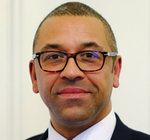
    The parliamentary question asked by Sir James Duddridge, the Conservative MP for Rochford and Southend East, in the House of Commons on 12 December 2022.

    Sir James Duddridge (Rochford and Southend East) (Con)

    What steps his Department is taking to help tackle violent extremist organisations in Africa.

    The Minister for Armed Forces (James Heappey)

    We are concerned by the growth of Daesh and the continued presence of al-Shabaab and Boko Haram across Africa. We are working closely with our partners across the continent, as well as with our international allies, to ensure that we counter the shared threats of violent extremism and terrorism. Obviously we are supportive of the missions led by the United Nations and the African Union, but we are also increasingly looking at how the UK can support regional solutions for regional problems, and how the UK works with friends such as Kenya, Ghana and Nigeria to support their leadership in the Sahel, the Lake Chad basin, the eastern Democratic Republic of the Congo and Somalia.

    Sir James Duddridge

    The Minister talks about recognised current terrorist organisations, but what assessment has he made of the Wagner Group in Africa, and would he recommend its proscription as a terrorist organisation?

    James Heappey

    Wagner’s presence in Africa is obviously deeply unhelpful, and it is cynical and opportunistic. It has no interest in the countries in which it operates; it is simply there to extract the maximum value for Russia, and potentially to cause as much chaos as it can for those of us who are trying to help on the continent. However, the Government do not routinely comment on whether an organisation is being considered for proscription.

  • Gagan Mohindra – 2022 Parliamentary Question on Supporting Defence Jobs

    Gagan Mohindra – 2022 Parliamentary Question on Supporting Defence Jobs

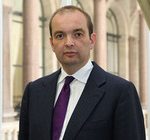
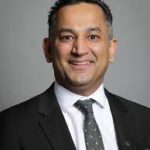
    The parliamentary question asked by Gagan Mohindra, the Conservative MP for South West Hertfordshire, in the House of Commons on 12 December 2022.

    Mr Gagan Mohindra (South West Hertfordshire) (Con)

    What steps his Department is taking to support defence jobs in the UK.

    Antony Higginbotham (Burnley) (Con)

    What steps his Department is taking to support defence jobs in the UK.

    The Minister for Defence Procurement (Alex Chalk)

    The most recent estimate shows that Ministry of Defence investment supports 219,000 jobs in industries across the United Kingdom. Continued high and focused investment in defence, along with the changes that we continue to make as part of our defence and security industrial strategy, will contribute to further economic growth and prosperity across the Union.

    Mr Mohindra

    I thank the Minister for that answer. Ahead of Armistice Day last month, I was contacted by Northwood military headquarters in my constituency to help organise a tour of this place for the submarine service. I thank Captain James Clark and Conservative Friends of the Armed Forces for their help in making that happen. Does the Minister agree that during this time of global turbulence we should do all we can to support and champion the members of our armed forces?

    Alex Chalk

    My hon. Friend is absolutely right, and I pay tribute to him for taking the time to visit the Northwood military headquarters. There are 1,600 active service personnel at Northwood HQ, and their work is crucial to protecting our people, territories, values and interests at home and overseas. He is right to pay tribute to them, and I join him in that.

    Antony Higginbotham

    Thanks to this Secretary of State for Defence, Lancashire is home to the newest part of the armed forces, the National Cyber Force. That brings huge opportunities to our county, not only through the thousands of armed forces personnel who will eventually be stationed there, but with the cyber-security companies that we hope will cluster around the site in the years ahead. To really seize the opportunity, however, we need to ensure that we give local people the skills they need to join the NCF or other cyber-security businesses. Will the Minister meet me to discuss what steps we can take to ensure that the MOD supports the growth of its cyber-cluster, centred on the NCF, and the links between the NCF and local education providers?

    Alex Chalk

    I thank my hon. Friend for his question and for the close interest he has taken in the establishment of the National Cyber Force in Samlesbury, which has cemented the north-west’s position as a key UK cyber-cluster. He will be aware that last week we announced the trilateral international partnership between the UK, Japan and Italy to develop next-generation Tempest fighters, which will also benefit the north-west. He is absolutely right that, with regard to skills, we need to encourage the creation of local partnerships between Government, industry and universities. I am pleased to note that Lancaster University has announced a £19 million investment in data and cyber-security research, teaching and innovation. I would, of course, be delighted to meet him.

    Mr Kevan Jones (North Durham) (Lab)

    The Defence Committee recently had before us representatives from Boeing, which has been awarded some £6 billion-worth of contracts in recent years. A representative confirmed that Boeing directly employs only 1,600 people in the UK. Does the Minister not agree that that is a pretty poor return on the investment and that it certainly would not be the case in the United States?

    Alex Chalk

    I met Boeing recently, and we are always keen to see investment in the UK. We are absolutely delighted that, because of the pipeline of investment that the Government have commissioned—from ships to cyber to space—we are investing in jobs and capability, and we are ensuring that we take expertise from wherever it is in the world, securing jobs in this country.

    Mr Speaker

    I call the shadow Secretary of State.

    John Healey (Wentworth and Dearne) (Lab)

    We welcome the Government’s commitment to job creation; the problem is that they are creating jobs abroad, including in Spain. The Defence Secretary has just picked a Spanish firm to build the Royal Navy’s three new fleet support ships. At least 40% of that work will go abroad and the best that the Defence Secretary could tell the Scottish Affairs Committee the other day was that the contractor will

    “fully assemble the final ship in a UK yard.”

    As a result of the Defence Secretary’s decision, how many jobs will be created in Spain and not in the UK?

    Alex Chalk

    Respectfully, I completely reject the tenor of that question. We should be celebrating the fact that, as a result of the commitment that we are making to UK shipbuilding, there will be 2,000 jobs in the UK and there will be shipbuilding industries in Appledore and in Northern Ireland. That comes on top of the 1,700 jobs secured as a result of the Type 26, the 3,000 jobs as a result of cyber investment and further jobs in respect of the future combat air system. This Government are investing in defence, in shipbuilding, in land, in sea and in air. We will continue to do exactly that.

    John Healey

    Well, the Minister told me in answer to a parliamentary question that the

    “number of jobs sustained in Spain…is a matter for the contractor”.

    We could have had 100% of the jobs in Britain. This is a dodgy decision, whichever way we view it. On 21 November, I received confirmation in a written answer that the prime contractor for this £1.6 billion contract will be a company that was registered only in May, with no trading history, with capital of just £10,000 and with two directors, both living in Spain. What guarantees can the Minister give the British taxpayer and the Royal Navy that this contract will not betray British jobs and UK industry?

    Alex Chalk

    What I genuinely do not understand is why the Opposition are not welcoming a deal that is bringing more than £70 million into Belfast, securing jobs in the shipbuilding industry in this country and ensuring, by the way, that the base of industrial support goes beyond the traditional Scottish yards to include yards in Belfast and, indeed, in Appledore. That is good news. As for the right hon. Gentleman’s point about other countries playing a role, let us not forget that one of the great successful procurements is the F-35. That is an American plane—of course it is—but who produces 15% of the components? The United Kingdom does. That is exactly what happens in these sorts of contracts, and it gets value for money for taxpayers.

    Mr Speaker

    I call the SNP spokesperson.

    Dave Doogan (Angus) (SNP)

    All credit to Babcock—maybe the Minister will join me in congratulating it—for securing the Natural Environmental Research Council’s £45 million fleet renewal programme. Of course, Babcock and BAE should be gearing up to do 100% of the fleet solid support ships in a distributed model across the UK, but they are not, because this Tory Government have awarded a £1.6 billion contract for three ships to Navantia in Spain. When Sir John Parker, in his national shipbuilding strategy—[Interruption]—maybe the Secretary of State could pipe down a second. When Sir John Parker stressed that the Ministry of Defence should embrace smart procurement, invest in yards and apprenticeships, and commission ships with an eye to export, did the Government realise that he was talking about yards in the UK, not in Spain?

    Alex Chalk

    I listened very carefully to that question but, with respect, we will not take lectures from an SNP Government who put a ship in the water in 2017—a ferry that has now failed to be developed. We are proud that we have got behind the Type 26, which is benefiting the Scottish economy, and indeed the British economy, with an additional 2,000 jobs as a result of the five vessels that we have continued to commission. This Government are investing in broad-based maritime capacity in this country, now and in the future, and developing our capability here in Britain.

    Dave Doogan

    We hear all the time about the strength of the Union for orders into Scottish yards, but Scotland, still stuck in this necrotic Union, loses out no matter what happens, when this Secretary of State awards work to Cádiz that should have gone to the UK—it’s heads, the UK wins; tails, Scotland loses. I wish Appledore in Devon and Harland and Wolff in Belfast all the best, but without the requisite workforce or skills, they are simply the Union flag gift-wrapping that this Defence Secretary has given to the Spanish shipbuilding industry. I ask the Government and the increasingly ridiculously titled shipbuilding tsar: contrary to his own claims, when the bulk of this work is delivered in Spain, will this Secretary of State and his ministerial team resign?

    Alex Chalk

    It is very important that the House is not misled in any way. It is not the case that the bulk will be built in Spain. Quite the opposite: the majority will be built in the United Kingdom. All the assembly and all the integration will happen here in the United Kingdom. I hope the hon. Gentleman will celebrate the fact that the Type 26, built in Scotland, secures 1,700 jobs and includes the potential for exports. Govan, Rosyth, Scotstoun—all those yards are being nurtured and supported by the power and might of the UK Union. That means that Scotland’s place is better in the Union, and the British Union is advantaged as well.
  • PRESS RELEASE : UK to accelerate research on 5G and 6G technology as part of £110 million telecoms R and D package [December 2022]

    PRESS RELEASE : UK to accelerate research on 5G and 6G technology as part of £110 million telecoms R and D package [December 2022]

    The press release issued by the Department for Digital, Culture, Media and Sport on 13 December 2022.

    • Three top UK universities awarded £28 million to develop next-generation 6G network technology
    • Groundbreaking £80 million fund to set up state-of-the-art UK Telecoms Lab in the West Midlands for testing network equipment
    • UK joins forces with Republic of Korea to solve power efficiency challenges in rollout of more innovative and secure networks

    Research and development on next-generation 5G and 6G wireless technology and telecoms security is to be ramped up as part of a £110 million government investment.

    In the package announced today, three top UK universities, University of York, University of Bristol and University of Surrey, will receive a share of £28 million to team up with major telecoms companies including Nokia, Ericsson and Samsung to design and build networks of the future such as 6G.

    The move will bolster the UK’s status as a global leader in telecoms research and follows Ericsson and Samsung’s recent decision to set up cutting-edge 6G research centres in the UK. It will also support the roll out of lightning-fast 5G by making it easier for more firms to enter the market.

    The universities will work with world-leading UK academics and industry players to ensure future network technologies, including 6G, are designed in a way that promotes a more diverse and innovative telecoms market, and brings an end to current network setups where all equipment within a network must be from a single supplier.

    The package includes £80 million for a state-of-the-art UK Telecoms Lab being built in Solihull in the West Midlands. Under a new contract the government has signed with the National Physical Laboratory, the lab will act as a secure research facility for mobile network operators, suppliers and academics to research and test the security, resilience and performance of their 5G and, in the future, 6G network technology. The facility will also create dozens of specialised jobs in telecoms and cyber security for the region.

    A new R and D partnership with the Republic of Korea has also kicked off, which aims to accelerate the deployment of Open RAN and associated technologies. The joint project, which will receive more than £3 million (including £1.2 million from the UK Government), will focus on the power efficiency of emerging technical equipment – one of the main obstacles holding back the roll out of this new technology.

    Open RAN enables operators to ‘mix and match’ equipment from several suppliers within a network, and is crucial to the government’s £250 million strategy to end the UK’s reliance on a small number of firms to build and maintain 5G networks. It will help the country to build a more diverse, competitive and secure telecoms supply chain.

    Digital Secretary Michelle Donelan said:

    The technology powering our phone and internet networks is evolving rapidly and with 6G on the horizon we must stay ahead of the curve.

    This government investment will see top UK universities join forces with industry to develop the nuts and bolts underpinning new networks, create skilled jobs testing the security of the latest telecoms tech, and ensure our plan for a more diverse and innovative 5G market is sustained in the future.

    The funding will also turbocharge our work to strengthen telecoms supply chains so we are no longer reliant on a handful of companies to develop and maintain our 5G networks.

    Andy Street, Mayor of the West Midlands, said:

    Tech is one of the most exciting and fastest growing sectors in our region so it’s great news that this £80m UK Telecoms Lab is being built in Solihull, reinforcing the importance of this sector for us here in the West Midlands.

    The Lab will bring a wide range of stakeholders together to drive innovation and create high quality new jobs for local people. With our tech sector already valued at over £15 billion, I cannot wait to see how this Lab helps to usher in an exciting future in the months and years ahead.

    5G connectivity will revolutionise people’s daily lives and boost business productivity through much faster internet speeds, as well as underpinning new technologies such as driverless cars, improved artificial intelligence and precision healthcare.

    Today’s funding package follows an announcement last week that the United States, Canada and Australia have committed to closer cooperation to diversify telecoms supply chains. As part of this, they signed up to the UK’s principles for developing and deploying Open RAN equipment. The principles aim to direct public and private investment in Open RAN so that it delivers on its promise of a more competitive, innovative and secure telecoms market.

    The UK is becoming one of the best places in the world to invest in Open RAN. The £250 million 5G Diversification Strategy, published November 2020, sets out where the government will remove barriers for new vendors, invest in open technologies like Open RAN and work with like-minded countries to achieve the shared aim for secure and resilient telecoms supply chains.

    The measures announced today support the UK’s strategy to reduce its reliance on a small number of suppliers to build and maintain telecoms networks, and supports the joint ambition made with UK mobile network operators in December 2021 for 35 per cent of mobile network traffic to pass through Open RAN by the end of the decade, as well as a string of investments worth more than £50 million in innovative trials and facilities to develop new Open RAN solutions.

    Hamish MacLeod, Chief Executive of Mobile UK, said:

    Mobile UK welcomes this package of announcements from the Government. International collaboration and investment in research and development of this kind are absolutely essential if the UK is to be a leader in the development of open networks that push for the highest standards of security, innovation and power efficiency.

    President Sung Bae Jun of the Korean Institute for Information and Communications Technology Planning and Evaluation said:

    It is a great pleasure to launch this UK-ROK Open RAN R and D Collaboration which will see Korean and British companies working together to develop innovative solutions to key open RAN and telecoms challenges.

    I am also pleased to sign a joint DCMS-IITP Terms of Reference which will guide our cooperation and support further UK-ROK exchange.  Both the UK and ROK recognise the importance of initiatives to support telecoms innovation and to support the resilience of telecommunication infrastructure supply chains.

  • PRESS RELEASE : Over £175 million for cutting-edge genomics research [December 2022]

    PRESS RELEASE : Over £175 million for cutting-edge genomics research [December 2022]

    The press release issued by the Department of Health and Social Care on 13 December 2022.

    • £105 million to speed up diagnosis of rare genetic diseases in newborns, potentially resulting in life-saving interventions for thousands of babies
    • Additional funding to kickstart programmes to help improve the accuracy and speed of cancer diagnosis and tackle health inequalities
    • Part of new three-year plan to roll out new technologies across the health and care system, bolstering the UK’s position as a life sciences superpower

    Patients with cancer and children born with treatable rare genetic diseases are set to benefit from earlier diagnosis and faster access to treatment, following a £175 million boost to cutting-edge genomics research announced by the Health and Social Care Secretary today.

    The funding will enable research which could deliver world-leading genomic healthcare to patients, which involves the study of people’s DNA. The boost is part of a new three-year plan to develop, evaluate and roll out new technologies across the health and care system and life sciences sector, bolstering the UK’s position as a life sciences superpower. This includes:

    • £105 million to kickstart a world-leading research study, led by Genomics England in partnership with the NHS, to explore the effectiveness of using whole genome sequencing to find and treat rare genetic diseases in newborn babies. For example, rare genetic thyroid hormone conditions, which are not detectable by the routine NHS heel prick test, and can cause developmental and learning difficulties and longer-term health complications without treatment. The study will sequence the genomes of 100,000 babies over the course of the study – which will begin in 2023 – and will gather evidence to consider whether this could be rolled out across the country.
    • An initial £26 million to support an innovative cancer programme, led by Genomics England in partnership with the NHS, to evaluate cutting-edge genomic sequencing technology to improve the accuracy and speed of diagnosis for cancer patients and use artificial intelligence to analyse a person’s DNA, alongside other information such as routine scans.
    • £22 million for a programme, led by Genomics England, to sequence the genomes of up to 25,000 research participants of non-European ancestry, are currently under-represented in genomic research to improve our understanding of DNA and its impact on health outcomes. This will help reduce health inequalities and level up patient outcomes across all communities.

    The government has also today announced up to £25 million of UKRI-MRC funding for a UK wide new initiative on functional genomics, an area of genomic research which uses molecular tools such as gene editing to improve understanding of how genetic variation leads to disease and support smarter diagnostics and the discovery of new treatments. The Life Sciences Vision set out in 2021 commits to delivering a world-class offer on functional genomics and the UK is in a strong position to become a leader in this area.

    These announcements will build on the world-leading work of the NHS Genomic Medicine Service.

    Health and Social Care Secretary Steve Barclay said:

    We’ve made advancements in so many areas to improve people’s health – from ensuring ground-breaking new medicines get to patients faster to bolstering the NHS workforce to ensure we have record numbers – and this plan, backed by £175 million, sets out how we will use the latest genomic technology to go further.

    The potential for genomics to revolutionise the way we deliver health care is great – if we can detect treatable illnesses earlier and ensure patients access potentially lifesaving treatment faster, we could improve people’s lives across the county, including thousands of babies through this new pilot.

    The NHS is a world leader in genomics and by investing in this cutting-edge research we’re cementing our status as a life sciences superpower.

    Thousands of children are born in the UK every year with a treatable rare condition that could be detected using genome sequencing. Most rare disorders are genetic and children under the age of five are disproportionately affected. Whilst these conditions are often difficult to identify, genomic testing has already become the main way of providing a diagnosis.

    The current NHS heel prick blood test carried out as part of newborn screening is used to detect nine rare but serious health conditions in babies, including sickle cell disease and cystic fibrosis. However, screening a baby’s entire genome – all of their DNA – alongside the current heel prick could detect hundreds more rare, treatable diseases in their first years of life. For many of these illnesses early and effective intervention is crucial for helping these children live healthier lives.

    The Newborn Genomes Programme will support vital healthcare research to enable better diagnostics and treatments to be developed and explore the potential benefits of safely and securely storing a patient’s genome on record to help predict, diagnose and treat future illnesses through their lifetime. For example, if a child who has had their genome sequenced falls sick when they are older, such as developing cancer, there may be an opportunity to use their stored genetic information to help diagnose and treat them.

    public consultation by Genomics England has shown overall support for the use of genomics in newborn screening, providing the right safeguards are in place. Genomics England engaged widely with the public, parents, families with rare disease, and healthcare professionals and scientists to navigate the scientific, clinical, ethical, and societal issues that newborn genome sequencing presents.

    Minister for Health, Will Quince, said:

    Genomics is changing the future of healthcare and this plan is a crucial next step in delivering our vision to create the most advanced genomic healthcare system in the world.

    Genomic sequencing can speed up diagnosis of cancer, ensure children with treatable illnesses receive treatment faster and improve our understanding around how health outcomes differ by ethnicity.

    The UK continues to lead the way in genomics expertise, and this pioneering plan will save lives and ensure we are delivering better health outcomes at lower costs.

    Alongside this, as part of their innovative cancer programme, Genomics England will partner with NHSE England (NHSE) to test new genomic sequencing technology for faster, more accurate cancer diagnosis. Working with NHSE and the National Pathology Imaging Co-operative (NPIC), Genomics England will also combine imaging, genomic, and clinical data to better diagnose and predict the progress of a patient’s cancer.

    To overcome the lack of diversity within genomic data, Genomics England will expand a range of programmes to build trusting relationships with traditionally excluded groups of people, such as patients with sickle cell disease who are unrepresented in research studies, alongside developing tools to enable doctors and researchers to better interpret genetic variations and make more informed decisions about patient care. This will help tackle health inequalities and improve patient outcomes within genomic medicine.

    Business Secretary Grant Shapps said:

    From cancer treatment and diabetes research to increasing our understanding of rare and undiagnosed diseases, genomic medicine is already transforming lives and helping to create new treatments for all kinds of conditions.

    Outstanding progress is being made across the UK, and this £175m plan sets out how we will use the latest genomic technology to go even further, leveraging the might of our excellent NHS and top researchers to lead the world in using genomics for healthcare, boost growth by supporting high quality jobs, and cement our position as a global science superpower.

    NHS England National Medical Director Professor Sir Stephen Powis said:

    The NHS is a world-leader in genomic medicine, and through the NHS Genomic Medicine Service we are already transforming the lives of thousands of patients with cancer and rare diseases by harnessing the latest technologies to deliver faster and more accurate diagnoses, more effective treatments and predicting and preventing certain conditions.

    This project has the potential to provide yet more powerful tools for NHS teams as they work to save lives and improve life chances for patients, alongside the testing and treatment options that the genomics programme has already provided.

    As set out in the government’s genomic healthcare strategy, Genome UK, the ambition is to create the most advanced genomic healthcare system in the world. This will be underpinned by the latest scientific advances and engagement with patients and the public, developing the genomics workforce and supporting industrial growth. This will deliver better health outcomes at lower cost alongside commitments to enable more rapid diagnosis.

    This comes as the government announced £113 million of funding last month for innovative research into cutting-edge new treatments including cancer immune therapies or vaccines and game-changing weight loss medication and technologies, to accelerate their development and rollout as part of the Life Sciences Vision.

    Professor Lucy Chappell, Chief Scientific Advisor to DHSC and CEO of the NIHR, said:

    In Genome UK the government set out its ambition to create the most advanced genomic healthcare system in the world. It is therefore crucial that we evaluate new genomic technologies in a robust way so that the public and clinicians can have confidence in how they are used. I therefore welcome the investment in this Implementation Plan to explore whether new approaches such as whole genome sequencing of newborns are effective, safe and acceptable to parents. These developments have the potential to transform healthcare. The Plan is a great example of the whole genomics ecosystem, including our NIHR delivery partners, coming together to achieve our goals in this exciting area of medicine.

    Dr Rich Scott, Chief Medical Officer for Genomics England, said:

    This continued investment in genomics means that the country is well placed to remain at the forefront and for us to be able to offer the best clinical care for patients.

    Our goal in the Newborn Genomes Programme is to do more for the thousands of children born every year in the UK with a treatable genetic condition. We want to be able to offer speedy diagnosis, quicker access to treatment, and better outcomes and quality of life. We want to be able to say to parents that we’ve done the best we can to identify and do something about these life-changing illnesses, in a timely way before the damage these conditions can cause has been done. Generating this evidence will allow policymakers to make well informed decisions on whether and how whole genome sequencing could be rolled out as part of a future newborn screening programme.

    With the pace of change of knowledge and the emergence of new technologies, it’s crucial that we continue to learn. That’s why our programme will also support research to improve diagnosis and treatment of genomic conditions and into the potential future healthcare uses of genomic data. It’s also why we will explore public preferences for how we might support these uses in the future if newborn genome sequencing became routinely offered.

    Professor John Iredale, Executive Chair of the Medical Research Council, said:

    MRC is delighted to be leading this £25m initiative in functional genomics. This exciting area of research allows us to build on the rich genomic work in UK flagship initiatives supported by MRC, such as the MRC Human Genetics Unit, Genomics England and UK Biobank, to drive a better understanding of how genes cause disease by linking genetic variation to physiological function. This will lead to breakthroughs in our understanding of disease and ultimately support the discovery and development of the next generation of diagnostics, medicines and vaccines.

    ABPI’s director of research policy, Dr Jennifer Harris said:

    This plan is a big step forward in delivering on the government and industry’s shared commitment to fully harness the power of genetic medicine to transform care for patients. It gives a much-needed boost to research and expands the opportunities for patients to take part in clinical trials, building on the recommendations of our report on genomics earlier this year.

    It is essential UK patients get better access to genetic testing and genomic medicines through the NHS, and that Genome UK is fully implemented across the UK. The industry will continue to work with government and system partners to deliver these plans, and ultimately, realise the ambitions of the Life Sciences Vision by ensuring people across the country feel the benefits of the UK’s leadership in genomics.

    Steve Bates OBE, CEO of the BioIndustry Association, said:

    England’s Genome UK implementation plan sets out key investments that will help make the UK the best place to start and scale new genomics companies. This is vital to allow the UK’s thriving ecosystem of genomics SMEs to flourish and benefit patients.

    The commitment to a world class functional genomics initiative, developed in partnership with industry, will help maintain the UK’s global position. Improving SMEs’ access to high-quality genomics data through expanding existing initiatives, as well as through Genomics England’s new diverse data programme, will also support the development of cutting-edge UK innovation.

    The UK BioIndustry Association welcomes the implementation plan and is looking forward to working with government and delivery partners on industry engagement and participation. Capturing metrics on SME engagement and support will be key to knowing if the plan has been a success.

  • PRESS RELEASE : Ending impunity and implementing international justice [December 2022]

    PRESS RELEASE : Ending impunity and implementing international justice [December 2022]

    The press release issued by the Foreign Office on 12 December 2022.

    Statement by Chanaka Wickremasinghe, UK Legal Adviser at the UN, at the Security Council briefing on the International Residual Mechanism for Criminal Tribunals.

    Thank you Mr President,

    Let me start by welcoming President Gatti Santana to the Council for the first time – we are confident that she will be an excellent leader for the Court. We also would like to thank the President and Prosecutor Brammertz for their reports and informative briefings today. It is clear that under their stewardship the Mechanism will continue to play an essential role in ending impunity and implementing international justice.

    Their briefings demonstrate that this is a good opportunity to look forward to the Mechanism’s future.

    First, this summer we will see the conclusion of the final appeal relating to the crimes committed in the former Yugoslavia. The final decision in the Stanišić and Franko Simatović case is a defining moment and one of which the Court should be proud.

    Second, we note that Félicien Kabuga’s trial is progressing on schedule and is due to conclude with judgement in 2024. His trial is a testament to the international community’s continuing dedication to accountability for the genocide against the Tutsi.

    And third, we are pleased to see the efforts that the Mechanism is making to be agile and downsize in line with the tasks that it now has, including by looking for new headquarters in The Hague and by reducing its presence in the Western Balkans. We look forward to collaborating closely with the Mechanism and to all colleagues on the Council to ensure the Mechanism remains efficient, while securing its critical legacy.

    But while there are positives for the future, we have continuing concerns.

    It is high time that Serbia arrested and transferred Petar Jojić and Vjerica Radeta to the Mechanism following years of requests, considerations and discussion.

    Separately, while the Mechanism continues to engage in important work to assist with justice at the national level in the Western Balkans, the blocking of cooperation by some in the region represents a critical and growing risk to meaningful reconciliation and long-term stability. This has direct implications for achieving justice for victims and we call on all States to meet their obligations and increase their efforts to provide justice for these heinous crimes.

    And finally, we are saddened to see that glorification of war criminals and the denial of genocide continue. This is unacceptable and it increases the suffering of the victims. The United Kingdom condemns such denial and glorification in all its forms and calls on all Member States to do so.

    While we regret these continuing issues, they serve as an important reminder that the work and legacy of the Mechanism remain as important as ever.

    Before closing, Madam President, I would just like to say a word in answer to the concerns raised by our colleague from Russia. Let me assure the colleagues on the Council that Mr Karadžić is treated exactly the same as other convicted prisoners, with the same rights, privileges, and restrictions. He is not being mistreated in any way. Whilst his access to certain telephone contacts with certain members of his family and wider circle were temporarily suspended, those controls were legal and in line with prison service policy and were intended to prevent his continued abuse of that access, and to protect the victims of his crimes.

    We also understand that despite Russia’s concerns, Mr Karadžić himself has raised no complaint. We consider that these types of spurious complaints are an attempt by Mr Karadžić’s supporters deliberately to undermine the Mechanism, the UK as the enforcing state, and also the victims and survivors of his terrible crimes.

    Thank you Madam President.

  • PRESS RELEASE : Rishi Sunak meeting with G7 leaders [December 2022]

    PRESS RELEASE : Rishi Sunak meeting with G7 leaders [December 2022]

    The press release issued by 10 Downing Street on 12 December 2022.

    The Prime Minister attended a virtual meeting of G7 leaders this afternoon.

    The leaders paid tribute to the resolve of the G7 this year, and the group’s unwavering commitment to supporting Ukraine for as long as it takes.

    The Prime Minister said it was clear Putin was realising he could no longer win on the battlefield and was now resorting to cynical tactics, including barbaric attacks on critical national infrastructure.

    Negotiations while the Kremlin inflicted such harm on the Ukrainian people was unimaginable, and Putin needed to withdraw his forces before genuine peace discussions could happen, the Prime Minister said, adding that any political strategy had to follow the battlefield reality.

    He called on G7 partners to combine their efforts and match their support to Ukraine in 2023. Remaining aligned politically, economically, and militarily was the only way to be sure Putin felt the cost of his actions, the Prime Minister reflected.

    The Prime Minister paid tribute to Chancellor Scholz’s leadership of the G7 this year, and welcomed Prime Minister Kishida to the role of President in 2023, including his focus on Ukraine, and shared economic challenges, such as China.

  • PRESS RELEASE : Joint Statement on UK – Indiana Memorandum of Understanding, Working Group [December 2022]

    PRESS RELEASE : Joint Statement on UK – Indiana Memorandum of Understanding, Working Group [December 2022]

    The press release issued by the Department for International Trade on 12 December 2022.

    On Monday 12 December 2022, the UK and State of Indiana held the first government to government working group under the UK-Indiana Memorandum of Understanding (MoU) on economic cooperation and trade relations, in Indianapolis.

    Alan Gogbashian, Consul General for the United Kingdom in Chicago and Bradley Chambers, Secretary of Commerce for the State of Indiana, led a discussion focused on energy transition, sustainability and government procurement, which highlighted opportunities to deepen cooperation in these areas.

    Since being signed at the Indiana Global Economic Summit in May 2022, the MoU has provided a framework for increased engagement on economic development, trade promotion and academic collaboration. In acknowledgement of the progress made to date, both sides agreed to expand the next working group session, to be held in early 2023, to involve representatives from industry, SMEs and academia as part of ongoing joint work to deliver mutual prosperity, underpin engagement and create jobs in the UK and Indiana.

  • G7 + Ukraine – 2022 Joint Leaders’ Statement

    G7 + Ukraine – 2022 Joint Leaders’ Statement

    The statement made by the G7 and Ukraine on 12 December 2022.

    We, the Leaders of the Group of Seven (G7), met on 12 December, to reflect on progress of our cooperation under Germany’s Presidency to jointly address global challenges at a time of severe geopolitical crisis and critical moment for the world economy. We were joined by Ukraine’s President Volodymyr Zelenskyy. This year in the face of Russia’s illegal, unjustifiable and unprovoked war of aggression against Ukraine, we stood more united than ever, together with Ukraine and in unwavering commitment to our shared values, the rules-based multilateral order and international cooperation.

    Today, we reaffirm our unwavering support for and solidarity with Ukraine in the face of ongoing Russian war of aggression for as long as it takes. We condemn Russia’s continuous inhumane and brutal attacks targeting critical infrastructure, in particular energy and water facilities, and cities across Ukraine, and recall that indiscriminate attacks and attacks on the civilian population or civilian objects, constitute a war crime. We also condemn those who are facilitating Putin’s illegal war. We are determined to help Ukraine repair, restore and defend its critical energy and water infrastructure. We will help Ukraine in meeting its winter preparedness needs, will continue to support Ukraine’s civilian resilience, and will further enhance our efforts on this during the international conference to be held in Paris on 13 December. We are determined that Russia will ultimately need to pay for the restoration of critical infrastructure damaged or destroyed through its brutal war. There can be no impunity for war crimes and other atrocities. We will hold President Putin and those responsible to account in accordance with international law. We reiterate that Russia’s irresponsible nuclear rhetoric is unacceptable and that any use of chemical, biological, or nuclear weapons would be met with severe consequences.

    Building on our commitments so far, we will continue to galvanise international support to help address Ukraine’s urgent short-term financing needs. We ask our Finance Ministers to convene shortly to discuss a joint approach for coordinated budget support in 2023. We affirm that the International Monetary Fund (IMF) should be central to this effort.

    We firmly support efforts to secure Ukraine’s immediate financial stability and its recovery and reconstruction towards a sustainable, prosperous and democratic future, in line with its European path. We will build on the outcomes of the International Expert Conference on the Recovery, Reconstruction and Modernisation of Ukraine held on 25 October in Berlin, as well as at the Ukraine Recovery Conference on 21-22 June 2023 in London. In particular, with a view to supporting Ukraine’s repair, recovery and reconstruction, together with Ukraine and our international partners and in close coordination with relevant International Organisations and International Financial Institutions, we will establish a multi-agency Donor Coordination Platform. Through this platform, we will coordinate existing mechanisms to provide ongoing short- and long-term support – with particular responsibility by the Finance Track for short term support – , coordinate further international funding and expertise, and encourage Ukraine’s reform agenda as well as private sector led growth. We will also set up a Secretariat for the Platform. We will each designate a senior government representative to oversee the set-up of the platform and ongoing coordination efforts, and ask them to convene as soon as possible in January 2023.

    With a view to a viable post-war peace settlement, we remain ready to reach arrangements together with Ukraine and interested countries and institutions on sustained security and other commitments to help Ukraine defend itself, secure its free and democratic future, and deter future Russian aggression in line with its rights enshrined in the UN Charter.

    We will continue to coordinate efforts to meet Ukraine’s urgent requirements for military and defense equipment with an immediate focus on providing Ukraine with air defense systems and capabilities.

    We also reiterate our strong condemnation of Russia’s continued seizure and militarization of Ukraine’s Zaporizhzhya Nuclear Power Plant, the abduction and reported abuse of Ukrainian personnel, and the willful destabilization of its operations. We support the International Atomic Energy Agency’s (IAEA) efforts to establish a Safety and Security Zone.

    Russia’s war of aggression must end. To date, we have not seen evidence that Russia is committed to sustainable peace efforts. Russia can end this war immediately by ceasing its attacks against Ukraine and completely and unconditionally withdrawing its forces from the territory of Ukraine. We welcome and support President Zelenskyy’s initiative for a just peace.

    We remain committed to our unprecedented coordinated sanctions measures in response to Russia’s war of aggression. We will maintain and intensify economic pressure on Russia and those who evade and undermine our restrictive measures. We will continue to shield vulnerable countries that are severely impacted by the repercussions of Russia’s war of aggression and its weaponization of energy and food.

    We reaffirm our intention to phase out Russian-origin crude oil and petroleum products from our domestic markets. During the week of 5 December 2022, the price cap on seaborne Russian crude oil entered into force in our respective jurisdictions, delivering on our commitment to limit Russia from profiting from its war of aggression against Ukraine, to support stability in global energy markets and to minimize negative economic spillovers of Russia’s war of aggression, especially on low- and middle-income countries. We encourage third countries that seek to import seaborne Russian-origin crude oil and petroleum products to leverage the price cap. We reiterate our decision that the price cap on Russian origin petroleum products will enter into force on 5 February 2023.

    Russia’s war in Ukraine is exacerbating existing fragilities in the global economy, with direct impacts on the cost of living of people in our own countries, and on the world’s most vulnerable. We will continue to use all available policy tools to maintain global financial, macroeconomic and price stability and long-term fiscal sustainability, while providing targeted support to those most in need and working collaboratively to strengthen our collective economic security to external shocks and wider risks. We will make public investments and structural reforms to promote long term growth. We will further coordinate to respond to the urgent needs of most vulnerable countries and will encourage private investment in developing and emerging markets as a key enabler of sustainable economic pathways.

    We will keep up our ambition to address global food insecurity, including through the Global Alliance for Food Security. We will keep supporting the delivery of grain and fertilizers to vulnerable countries in need and welcome the recent operations led by the World Food Programme (WFP) on this front. We welcome the extension of the Black Sea Grain Initiative (BSGI) alongside further efforts to bring Ukrainian food to the world, namely the European Union’s Solidarity Lanes and the “Grain from Ukraine” Initiative.

    Reaffirming our steadfast commitment to implement the Paris Agreement and the outcomes of COP26 and COP27, we commit to urgent, ambitious, and inclusive climate action in this decade to limit global warming to 1.5°C above pre industrial levels. We reaffirm our commitment to reach net-zero emissions no later than 2050. To that end, and building on our statement adopted in June in Elmau, we endorse the Climate Club’s terms of reference as established by the Climate Club Task Force and hereby establish an open and inclusive international Climate Club. Focusing in particular on the decarbonisation of industries, we will thereby contribute to unlocking green growth. We invite international partners to join the Climate Club and to participate in the further elaboration of its concept and structure. In doing so, we will continue working closely together with relevant international organizations and stakeholders. We ask the Organisation for Economic Cooperation and Development (OECD), in tandem with the International Energy Agency (IEA), to host an interim secretariat working together with other international organizations.

    Recalling our commitment to halt and reverse biodiversity loss by 2030, we will work intensively towards a successful outcome at CBD COP15, in particular the adoption of an ambitious and effective global biodiversity framework, with clear and measurable targets and its prompt and swift implementation. In this regard we are committed to mobilising resources from all sources and to substantially increasing our national and international funding for nature by 2025 to support the implementation of ambitious global framework. We encourage countries beyond the G7 to join us in this endeavor.

    Accelerating our contributions to the Partnership for Global Infrastructure and Investment (PGII) to make our global partners a better offer on sustainable, inclusive, climate-resilient, and quality infrastructure investment, we welcome the progress on the Just Energy Transitions Partnerships (JETP) with South Africa and Indonesia as flagship projects for multilateral cooperation, just energy transition and sustainable investment and look forward to swiftly concluding negotiations on a JETP with Vietnam, as well as to making further progress with India and Senegal. We will intensify our cooperation within a PGII working group to deliver on our joint ambition to mobilize up to 600 billion dollars by 2027, and on JETPs, we will coordinate through the JETP working group.

    Reaffirming our full commitment to realise gender equality and to consistently mainstream gender equality into all policy areas, we welcome the key recommendations by the Gender Equality Advisory Council (GEAC) and look forward to receiving the GEAC’s full report by the end of the year. We thank this year’s GEAC for its important work, reiterate our intention to convene the GEAC as a standing feature of all G7 Presidencies, and look forward to further strengthening it.

    This year, we have achieved progress to improve the global health architecture with the WHO at its core, our capacity to prevent, prepare for and respond to future global health emergencies and to achieve universal health coverage, especially through the G7 Pact for Pandemic Readiness endorsed in Elmau. We welcome the successful Seventh Replenishment of the Global Fund for AIDS, Tuberculosis and Malaria (Global Fund). We will step up our efforts on training and qualifying health workforce as well as strengthening surveillance capacities to detect outbreaks and variants as early as possible by integrating the One Health approach. We will continue to support science to develop safe and effective vaccines, therapeutics, and diagnostics.

    Under the German Presidency, we, the G7, together with other international partners, have demonstrated our resolve to jointly addressing both major systemic challenges and immediate crises of our time. Our commitments and actions pave the way for progress towards an equitable world. As we look to the 2023 G7 Summit in Hiroshima under the Japanese Presidency, and in our support to the Indian G20 Presidency, we stand strong, united and absolutely committed to rebuilding a peaceful, prosperous and sustainable future for all.

  • James Cleverly – 2022 Speech on Human Rights Day

    James Cleverly – 2022 Speech on Human Rights Day

    The speech made by James Cleverly, the Foreign Secretary, on 12 December 2022.

    As you gather to mark International Human Rights Day:

    • in Ukraine, civilians gather in shelters from bombardment, as prosecutors gather evidence of atrocities and sexual violence, committed by Vladimir Putin’s forces
    • in Iran, brave peaceful protestors continue to gather on the streets in spite of the brutal crackdown. The Islamic Revolutionary Guard Corps report that the average age of those arrested is 15. We know many are young girls, who have gathered the courage to call for freedoms they’ve never had before
    • in Afghanistan, women and girls are also being targeted. And erased from all spheres of public life
    • and in China and Russia, we’ve seen protestors so concerned about speaking out, that they hold aloft blank sheets of paper

    2022 has been a bad year for the respect for human rights in many, many countries.

    If you take a step back for a moment, all this evidence confirms my belief, that autocracy and repression are always fundamentally wrong, and fundamentally destabilising. And that human rights, and transparent democratic government, are in the interests of all people, all economies and the long term stability of every nation.

    That is why I believe in human rights. There are now 8 billion people on this planet, and each and every one should be able to enjoy their rights and fundamental freedoms, as set out in the Universal Declaration and subsequent Conventions, and I will do all I can as Foreign Secretary to ensure that they can.

    On Friday, on International Anti-Corruption Day, the UK government announced a package of sanctions targeting those involved in serious human rights abuses and violations, and serious corruption. Sanctions are one of a wide range of diplomatic and development tools that we will use to promote human rights, to promote freedoms, and to promote democracy.

    We will continue to shine a spotlight on human rights violations – including through the UN Human Rights Council.

    We will not shy away from difficult conversations – be it on the arbitrary detention, torture or forced labour in supply chains.

    We will offer advice and expertise to improve human rights adherence – as we do with countries across the world.

    We will strengthen our partnerships with allies to promote and protect rights and accountability – as we did at the PSVI Conference.

    We will defend the international human rights system – and use it to hold those who violate or abuse human rights to account.

    Hand-in-hand with standing up for human rights, we will continue to build democratic resilience, promote civil space, and nurture the institutions of free and open societies. Central to which, we will continue to support and work with civil society, particularly human rights defenders and free media.

    Because human rights cannot be fully enjoyed without democratic freedoms. And democratic freedoms cannot be fully realised where there is a lack of respect for human rights.

    Human rights, underpinned by democratic values and the rule of law, have the power to unite, to transform lives, and to change the world for the better. As Foreign Secretary I will work tirelessly with all our allies to promote and protect them.

  • PRESS RELEASE : Network Rail RMT Members Vote 64% to 36% to Continue Strike [December 2022]

    PRESS RELEASE : Network Rail RMT Members Vote 64% to 36% to Continue Strike [December 2022]

    The press release issued by the RMT on 12 December 2022.

    Network Rail members emphatically reject company offer

    RMT members from Network Rail have voted overwhelmingly to reject the latest offer from company bosses.
    It means that all strike action this week, from 6pm Christmas Eve until 6am on December 27 and into the new year, remains on for both Network Rail and the 14 train operating companies under the DfT mandate.
    63.6% voted to reject the Network Rail offer on an 83% turnout.
    The Network Rail offer included a 5pc and 4pc pay rise over a two-year period with thousands of job losses, 50pc cut in scheduled maintenance tasks and a 30pc increase in unsocial hours.
    Bosses at Network Rail have also said they will try and impose these detrimental changes from December 15.
    RMT General Secretary Mick Lynch said: “This is a huge rejection of Network Rail’s substandard offer and shows that our members are determined to take further strike action in pursuit of a negotiated settlement.
    “The government is refusing to lift a finger to prevent these strikes and it is clear they want to make effective strike action illegal in Britain.
    “We will resist that and our members, along with the entire trade union movement will continue their campaign for a square deal for workers, decent pay increases and good working conditions.”