Tag: 2022

  • Jeremy Quin – 2022 Statement on Ajax

    Jeremy Quin – 2022 Statement on Ajax

    The statement made by Jeremy Quin, the Minister for Defence Procurement, in the House of Commons on 19 May 2022.

    As part of my commitment to keep Parliament informed on the programme, I wish to provide a further update on the Ajax equipment project being delivered as part of the armoured cavalry programme.

    Programmatic issues

    Work continues on the noise and vibration issues.

    The independent Millbrook trials have now concluded. The initial findings informed the consideration by the safety panel on the next step of conducting user validation trials.

    The aim of the user validation trials is to help establish the effectiveness of the modifications to address the noise and vibration problems and thereby deliver a safe system of work under which we could conduct reliability growth trials on the modified vehicles.

    Following agreement by the safety panel, user validation trials by Army personnel resumed at the Armoured Trials Development Unit on 12 May, supported by the independent Millbrook trials team. Data was successfully collected during the trials for analysis. In particular, as a result of the trials, an issue has been raised on the effectiveness of the internal communications system which requires additional analysis.

    The safety panel have set cautious parameters within which the user validation trials are to be conducted. This included the temporary use of Crewgard headsets to allow the modifications proposed by General Dynamics to be trialled. Hearing checks were conducted on all personnel before and after the trials took place. These checks identified hearing anomalies in some personnel (including personnel not involved in the trials who were part of the “control” sample). We intent to resume trials once these anomalies are understood.

    User trials are required to allow Millbrook to continue to gather additional data to provide an independent assessment on the effectiveness of the modifications proposed by General Dynamics. We will then analyse the data, alongside feedback from the Army crews involved. This analysis will help define a safe system of work for the reliability growth trials on the modified vehicles.

    These reliability growth trials are planned to commence later this year. As with any armoured vehicle procurement, the aim of the reliability growth trials is to test the vehicle more thoroughly over an extended period. This will identify any issues beyond noise and vibration that need to be addressed before we can be confident that the vehicle meets the Army’s contractual requirements. Identifying and resolving a range of such issues is a normal part of the acquisition process for all military equipment.

    Once we are satisfied that there are long-term solutions to the noise and vibration problems, we will need to agree with General Dynamics a realistic schedule to initial operating capability and full operating capability. We will not accept a vehicle that is not fit for purpose and we are continuing to take all steps necessary to secure our contractual and commercial rights under the contract with General Dynamics.

    Update on personnel

    It remains the case that of the 310 people identified as working with Ajax, 13 individuals have had long-term restrictions on noise exposure recommended, potentially requiring a limitation in their military duties. The majority of these had pre-existing hearing issues prior to working on Ajax; some did not. A further five individuals remain under specialist outpatient care for hearing and other ear, nose and throat issues. In addition, it remains the case that four individuals who worked on Ajax have been discharged on health grounds, in some cases for reasons wholly unrelated to hearing loss.

    Assessments continue for both hand-transmitted and whole-body vibration. To date, fewer than five individuals have been identified with conditions which could be aggravated by vibration; these individuals have been recommended for a limitation in their military duties whilst they undergo further investigation and treatment. It is not possible to determine clinically whether Ajax exposure has caused or aggravated the clinical conditions of any of these individuals. I am withholding a more precise breakdown because, given the small number of service personnel involved, individuals could be identified resulting in a potential breach in medical confidentiality.

    The Sheldon review

    Following parliamentary clearance of the associated contingent liability, I am pleased to announce that we have now formally appointed Clive Sheldon QC. The review will have full access to all relevant MOD papers and personnel. I encourage all those who wish to provide evidence or other input to the review to contact the independent review team at Ajax-Review@mod.gov.uk. Copies of the terms of reference of the review are available in the Library of the House. I will update Parliament in due course on the likely duration of the review once Mr Sheldon has had the opportunity to consider the issue in detail.

    Conclusion

    The focus for the MOD and General Dynamics remains on developing and delivering long-term solutions for noise and vibration and vehicles that comply with General Dynamics contractual obligations. We want Ajax to succeed and to deliver what the British Army requires. We have a robust firm price contract for the delivery of 589 vehicles at a cost of £5.5 billion. We will not accept a vehicle that is not fit for purpose.

  • Sajid Javid – 2022 Comments on Medical Aid for Ukraine

    Sajid Javid – 2022 Comments on Medical Aid for Ukraine

    The comments made by Sajid Javid, the Secretary of State for Health and Social Care, on 20 May 2022.

    Russia’s unprovoked and illegal attacks on Ukraine have created a medical emergency, with Putin targeting healthcare facilities like maternity units, hospitals, and ambulances.

    The UK’s support for our friends in Ukraine is unwavering, giving medicines and equipment they desperately need, which has saved tens of thousands of lives.

    Thank you to the NHS in England, Wales, Northern Ireland, and Scotland for stepping up and donating vital medical supplies.

  • Steve Barclay – 2022 Comments on Eight New Cities

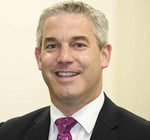
    Steve Barclay – 2022 Comments on Eight New Cities

    The comments made by Steve Barclay, the Chancellor of the Duchy of Lancaster, on 20 May 2022.

    I am delighted that a record number of locations have been awarded the prestigious city status as part of Her Majesty The Queen’s Platinum Jubilee Celebrations.

    What was clear to me during the process of assessing each application was the pride that people felt for their communities, local cultural heritage and the Royal Family.

    As we celebrate Her Majesty The Queen’s colossal contribution to society, I am thrilled that we are able to recognise some of the many places that make Britain great.

    It is also incredibly reflective of Her Majesty’s global outlook and years of international service that applicants from the Overseas Territories and Crown Dependencies have been selected as winners for the first time.

    I look forward to the world coming together to show our pride and gratitude to Queen Elizabeth II on the Jubilee weekend.

    [The settlements given city status were:

    Bangor, Northern Ireland
    Colchester, England
    Doncaster, England
    Douglas, Isle of Man
    Dunfermline, Scotland
    Milton Keynes, England
    Stanley, Falkland Islands
    Wrexham, Wales]

  • Kemi Badenoch – 2022 Comments on Windrush Grants

    Kemi Badenoch – 2022 Comments on Windrush Grants

    The comments made by Kemi Badenoch, the Communities Minister, on 20 May 2022.

    The legacy of the Windrush generation means so much to so many.

    As a first-generation immigrant myself, I understand personally how important it is to highlight how much we welcome and celebrate the contributions made by those who choose to make Britain home.

    Thanks to our funding, events across England will take place on 22 June, helping remember and recognise the leading role the Windrush Generation and their descendants have played in making Britain stronger, culturally richer and more inclusive.

  • Anne-Marie Trevelyan – 2022 Comments on UK-Mexico Trade Deal

    Anne-Marie Trevelyan – 2022 Comments on UK-Mexico Trade Deal

    The comments made by Anne-Marie Trevelyan, the Secretary of State for International Trade, in the House of Commons on 20 May 2022.

    This enhanced deal would transform our relationship with Mexico, making the most of the immense opportunities its dynamic business landscape and young, growing population offer.

    From autonomous vehicle manufacturers in the West Midlands, to Wales’ green tech businesses and Scotland’s thriving food and drink sector, companies of all shapes and sizes across the UK stand to benefit.

    Trade deals like this are vital to growing the economy to address the cost of living, as they support jobs, help businesses thrive and spur investment. We’ve already kickstarted negotiations with India and Canada and are close to joining the CPTPP free trade area, with a combined GDP of £9 trillion, of which Mexico is a key member.

  • Sadiq Khan – 2022 Comments on Skills Bootcamps

    Sadiq Khan – 2022 Comments on Skills Bootcamps

    The comments made by Sadiq Khan, the Mayor of London, on 19 May 2022.

    These Skills Bootcamps will help us to continue building a better London for everyone, giving unemployed adults or those in low-income work a chance to learn or retrain and then go on to get good, future-proof jobs and careers.

    Upskilling and accessible, affordable education are crucial to tackling the cost of living crisis and aiding post-covid recovery, and this additional funding will help even more Londoners to access free training and gain the skills they need to succeed in key industries of our economy.

  • Sadiq Khan – 2022 Comments on Diversity in Infrastructure and Construction Sectors

    Sadiq Khan – 2022 Comments on Diversity in Infrastructure and Construction Sectors

    The comments made by Sadiq Khan, the Mayor of London, on 18 May 2022.

    It shouldn’t be the case that two of our largest sectors are failing to reflect the diversity of our city. The reality is that many young, talented and ambitious Londoners from a range of under-represented backgrounds are not aware of the opportunities in our thriving infrastructure and construction sectors. This programme aims to change that, with role models from underrepresented groups showcasing to primary-age Londoners the breadth and quality of career pathways open to them.

    No Londoner should be left behind as we recover from the pandemic. A person’s life chances should never be limited by their family’s background or the colour of their skin. This new initiative will give infrastructure and construction employers better insight into the role they can play to address inequalities, improve diversity and create industry-wide change.

  • Wendy Morton – 2022 Speech on the East Suffolk and Wherry Railway Lines

    Wendy Morton – 2022 Speech on the East Suffolk and Wherry Railway Lines

    The speech made by Wendy Morton, the Minister of State at the Department for Transport, in the House of Commons on 19 May 2022.

    I thank my hon. Friend the Member for Waveney (Peter Aldous) and congratulate him on securing this debate on the East Suffolk and Wherry railway lines. I also thank my hon. Friend the Member for South Norfolk (Mr Bacon) for his contribution. My hon. Friend the Member for Waveney made a number of points. I will endeavour to cover as many of them as I can in the time I have. However, he should rest assured that I was listening carefully to his contribution.

    Recently, my hon. Friend unveiled a mural at Lowestoft railway station installed by the Wherry Lines Community Rail Partnership and the Lowestoft Central Project to commemorate 175 years since the arrival of the railway in Lowestoft with the Norwich-Lowestoft-Wherry lines railway. The arrival of the railway brought enormous growth and prosperity to the town, as we heard, attracting major industry, facilitating trading links through the port and creating a seaside resort. The railway still plays a crucial role for the local community and economy, providing connectivity for residents and visitors.

    I understand the importance of the routes to Lowestoft and the connectivity that they provide across the wider area, which is vital to facilitating the region’s development and further economic growth. With the growth of various industries in Lowestoft, including green energy and tourism, I appreciate the importance of convenient transport to the Government’s levelling-up agenda.

    During the debate, I have heard the request for direct services from Lowestoft to Liverpool Street. I recognise the importance and helpfulness of direct rail services into London, but I will explain that a number of other factors are under consideration to facilitate that on the route between London Liverpool Street and Lowestoft The introduction of new direct services requires that there is sufficient capacity on the route to allow the service to operate in a manner that will not adversely impact the performance and operation of other services along the route. I understand that Greater Anglia has considered the introduction of a direct service to Lowestoft, but has regrettably concluded in the past that it was not feasible to implement that at the time due to operational, infrastructure and timetable factors.

    Members will know that the Great Eastern main line is very congested, with a lack of space for extra services. Additionally, the East Suffolk line is constrained by single-line sections and, as we heard, many level crossings. The introduction of new services needs to be done in a way that does not adversely affect performance and create delays. That said, I have asked officials at the Department to request that Greater Anglia continues to look for opportunities to introduce a direct service in the future.

    On a more positive note, I am pleased that Greater Anglia is part way through its full fleet replacement programme, with all its new Stadler trains in services on the rural routes from Norwich and Ipswich, and to Lowestoft. Those new trains have delivered significant improvement for customers. They are more comfortable, provide more seats and have much improved accessibility, with low floors and retractable steps. The Lowestoft regional trains connect into the new Stadler inter-city trains. Additionally, Greater Anglia is part way through its roll-out of new Alstom trains, with 63 out of the 133 five-carriage trains now in service across the region, again providing customers with a much improved journey experience, with many more seats, air conditioning, wi-fi and power points.

    On another positive note, operational performance on the East Suffolk and Wherry lines has been very strong, with public performance measure levels of 95% for the Ipswich-Lowestoft services and 97% for the Norwich-Lowestoft services in the most recent rail period. In fact, the Anglia route had among the best on-time performance across the country in the last financial year.

    Looking back at improvements on the route, I recognise the importance of the completion of the Beccles loop 10 years ago, which allowed the hourly service to commence from Ipswich to Lowestoft. That important investment, part-funded by Suffolk County Council, made a significant improvement to the timetable and provided a real alternative to road journeys.

    Building on that, in 2020, more than 130 years of signalling history on the Wherry line entered a new era when—

    Peter Aldous indicated assent.

    Wendy Morton

    My hon. Friend is nodding. A new signalling system was commissioned, following completion of work to introduce a new computerised signalling system, improving reliability of train services. Victorian mechanical signals, which had been in place for over 130 years, were replaced with a modern computer-based system, and as part of the project, a number of level crossings were also upgraded to improve crossing safety.

    Despite the strong performance, the railway cannot be complacent, and we must continue to improve and invest. Network Rail continues to maintain and improve the rail infrastructure, and I understand that this autumn Network Rail will upgrade a number of important bridges in the region on the Wherry line. The work on the swing bridges at Oulton Broad, Somerleyton and Reedham will improve reliability for rail passengers and reduce disruption for boat users. Beginning this autumn, Network Rail engineers will upgrade the internal components of the three bridges. It is thought that the internal components of the three swing bridges have not been replaced in more than 100 years. Dating back to 1905, they require more frequent and costly maintenance. The upgrades will reduce the need for maintenance, ensuring the bridges will be able to operate more reliably throughout the year for rail passengers. This will also benefit river traffic by providing more reliable access to the local waterways, helping to support the local economy, especially through the busy summer tourist season.

    I would like just quickly to take the opportunity to mention the recent Great British rail sale. To help passengers facing the rising costs of living, this was a scheme that we launched. The Great British rail sale offered up to 50% off more than 1 million tickets on journeys across Britain. It was targeted at leisure travellers, and the reason I mention this is that, as part of the sale, tickets from Lowestoft to London were just £6, which is incredibly good value for money.

    Delivering for customers is of course essential. It is always good to see innovative projects to improve passenger experience when using our railway, so I was pleased to learn about the Katch on-demand electric bus scheme, which I understand has been extended to the end of 2022. This taxi-bus route launched in the spring of 2021 as a 12-month pilot, connecting Wickham Market rail station, Wickham Market village and Framlingham on the East Suffolk line. It is great to see how this really important innovation for local transport can really improve the passenger experience. It provides bookable transport through a mobile app or by telephone, but with fares that are in line with a bus service. This is exactly the sort of initiative that is a really meaningful way to connect our local communities with people and places, and it shows the important role our railway has moving forward.

    I am conscious of time, but I want to remind hon. Friends and colleagues that next week is Community Rail Week. I pay tribute to the team of volunteers who work with the community rail partnerships on this route. The East Suffolk lines and Wherry lines groups provide great links between local communities, stations and partners from the rail industry. As an example of the work they do, the mural I mentioned earlier, which my hon. Friend unveiled, was installed by the Wherry Lines Community Rail Partnership and the Lowestoft Central Project, which both the Wherry lines and East Suffolk lines groups were involved in. I know these partnerships are always looking for ways to improve their stations, the environment and train services, and they are always trying to raise the profile of our railways. In fact, I am hoping to visit—in a different part of the country—a community rail project next week.

    I absolutely recognise the importance of the East Suffolk and Wherry railway lines. The new trains that have been rolled out on these lines really have delivered improvements and benefits for customers, but we should not stop there. We should continue to look for opportunities to deliver further improvements to the infrastructure and our railways in the region.

  • Peter Aldous – 2022 Speech on the East Suffolk and Wherry Railway Lines

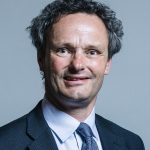
    Peter Aldous – 2022 Speech on the East Suffolk and Wherry Railway Lines

    The speech made by Peter Aldous, the Conservative MP for Waveney, in the House of Commons on 19 May 2022.

    Earlier this month, on 3 May, I helped unveil a timeline on Lowestoft station, the UK’s most easterly station, to mark the 175th anniversary of the railway arriving in the town. Lowestoft is the end destination for both the East Suffolk line and one of two for the Wherry line, the other being Great Yarmouth. Those routes serve the most easterly points in the UK, which are now hubs for sustainable energy, manufacturing, engineering, hospitality and hopefully a revitalised fishing industry.

    The timeline reveals a long and illustrious past. Looking to the future, if we make the right decisions and secure the right investment now, we can bring major benefits and job opportunities to communities all along the two lines in both East Suffolk and East Norfolk. The two railways pass through and are close to communities that Transport East assesses as being transport deserts, where there are few realistic alternatives to the private car.

    Passenger numbers on both lines have recovered well from covid, particularly for leisure-based travel. In April 2022, the numbers on both lines were up 19% on the equivalent period in 2019. In recent years, some significant improvements have been made to the services on both lines, but there is so much more that can be done and considerable scope for further enhancement. It should be borne in mind that the journey time from Lowestoft to Ipswich is now longer than when the service was first provided in 1859.

    In the past, the East Suffolk and Wherry lines have brought considerable benefits to the area, serving and supporting residents, facilitating trade and business and promoting tourism. The arrival of the railways was a catalyst for bringing prosperity to the area.

    Today, the railway can play the same role as it did 175 years ago in a number of ways. Enhanced services improve connectivity. That is particularly important in a coastal area, where roads are not good. There is a need to provide reliable, frequent and fast services that connect seamlessly with the rest of the rail network. That is important for those working in the energy sector, whether in the transitioning oil and gas sector, offshore wind or nuclear. That workforce requires regular and reliable transport to the area. Strong rail services are crucial to meeting net zero. There is also, increasingly, the opportunity to return freight to the railways from over-congested roads, with opportunities to do this on both lines, from the port of Lowestoft, and taking an enormous amount of materials to the proposed Sizewell C power station, to which there is a link to the East Suffolk line at Saxmundham.

    Stations must be attractive, functional and accessible so as to help draw more customers. Several on the two lines are in need of upgrade, such as Great Yarmouth. Stations and their surrounds can also be a focus for regeneration. This is particularly the case in Lowestoft, where the station occupies a unique location in the town centre and where the community rail partnership, the Lowestoft Central Project and the Railway Heritage Trust have carried out considerable improvements to the station in recent years, with more work proposed. There are also exciting plans in the town improvement plan, as part of the towns fund bid, to enhance the surrounding area and to make Station Square an attractive and desirable destination. Thinking laterally, the railways can be a source of innovation. Perhaps these two lines could be pilots for alternative-fuelled trains from local low-carbon sources, such as hydrogen or bioethanol.

    Nationally, there has been significant investment in the rail network in recent years. On Tuesday, Her Majesty the Queen opened the new Elizabeth line, construction of HS2 is well under way, lines closed following the Beeching report are due to be reopened, and a significant investment is being made in ticketing services. These proposals are welcome, but it is important that they complement and connect into the whole rail network. There is a concern that the East Suffolk line and the Wherry line—which are, respectively, east of Ipswich and east of Norwich—are left out on a limb and are not properly incorporated into the rest of the national rail network. They are not just branch lines like something out of “The Titfield Thunderbolt” but vital economic arteries serving growing communities.

    I shall provide a very brief summary of the two lines over the past 175 years. In 1844, Sir Samuel Morton Peto purchased Lowestoft harbour and announced plans to construct the railway from Reedham to Lowestoft. After gaining parliamentary approval, the Norfolk Railway obtained a lease to construct the line, and work commenced in 1846, with the Lowestoft to Norwich line opening to goods traffic on 3 May 1847. Following the arrival of the railway, Lowestoft grew rapidly, with the railway developing and operating the fish market, the harbour and the south pier, as well as a number of rail-related manufacturing supply networks, including the harbour engineering works, the sleeper depot, and a concrete products factory. In addition, in the south of the town there was a network of freight lines serving shipyards and factories. Morton Peto also developed much of Victorian Lowestoft, which became a fashionable resort that was likewise served by the railway. By the 1920s, Lowestoft was the busiest port owned and operated by the Great Eastern Railway.

    The gradual decline of the railway network in east Suffolk and east Norfolk probably started in 1963 with the publication of the Beeching report, which initially recommended closure of the East Suffolk line. However, in 1966 the line was reprieved from closure following a successful campaign led by the East Suffolk Travel Association, which is still going strong and of which I am a member. In 1970, despite local opposition, the direct line between Lowestoft and Yarmouth South Town was closed, and in 1973 the transportation of fish by rail from Lowestoft also came to an end. This was followed in 1984 by the ending of direct through services from Liverpool Street to Lowestoft. In 1992, despite local opposition, the concourse roof at Lowestoft station was removed—although there are now exciting plans to reinstate a lightweight version.

    The good news is that the decline in the latter part of the 20th century has been reversed in the first two decades of the 21st century. The Beccles loop was constructed on the East Suffolk line, enabling an hourly service to Ipswich to be reintroduced from late 2012. In the subsequent 10 years, passenger numbers have doubled. In 2013, a new bus interchange facility was built at Lowestoft station. Local community groups have come together to upgrade facilities at stations, including those previously mentioned at Lowestoft and Campsea Ashe, but also at Beccles, where there is a need for accessibility improvements, as there is now at Halesworth, too.

    The most notable improvement occurred in 2019, when Greater Anglia introduced a brand new fleet of trains across its network, thereby dispelling East Anglia’s unwanted reputation as an elephants’ graveyard, where old trains that other regions no longer wanted came to see out their final days in service. The new bimodal fleet is more comfortable and has more seats, good accessibility, with low floors and retractable steps, and full wi-fi. Further improvements have taken place since, including the £60 million investment in re-signalling the Wherry line and the reopening of the freight sidings at Lowestoft, from where since 2020 aggregates brought into the adjoining port have been transported to the midlands.

    Recently, Network Rail has announced plans to refurbish the historic swing bridges at Oulton Broad, Somerleyton and Reedham. As mentioned, EDF is working up plans with Network Rail for as much as possible of the material and aggregates required for the construction of Sizewell C, which is a nationally important strategic infrastructure project, to be brought in by rail.

    These upgrades are welcome and provide a good foundation on which to improve the two lines still further so that they can make an enduring contribution to the local economy. However, there is concern that with a focus on major projects elsewhere, the two lines could be overlooked. The fact that the 2016 franchise commitment to reintroduce a through service from Lowestoft to Liverpool Street has been dropped from the new contract that Greater Anglia signed with the Department for Transport last September has come as a major disappointment to many.

    So as not to lose momentum, I suggest that the following issues need to be addressed. First, while not actually on the two lines, the upgrading of Haughley junction on the Great Eastern line and the improvements at Ely junction will have a beneficial knock-on impact that will cascade right across East Anglia. They will not only increase capacity, but facilitate the transfer of freight from road to rail. These projects must be included in the forthcoming rail network enhancements pipeline, and I know that colleagues from across the three countries of Suffolk, Norfolk and Cambridgeshire will be repeating those requests to my hon. Friend the Minister in the coming days.

    Secondly, services on the East Suffolk and Wherry lines must properly connect into the national rail network. That means not only the aforementioned through service to Liverpool Street, which initially could be trialled on a weekend seasonal basis, but improved connections to the Queen Elizabeth line at Shenfield and Stratford, to Cambridge, to Stansted and ultimately linking into the East West Rail project from Cambridge to Oxford.

    Thirdly, the speed of the services must be reviewed. We now have faster trains, but they cannot go any quicker because of track constraints, such as single-line sections, level crossings and historical speed restrictions. The new trains are more powerful and can accelerate and decelerate quicker, and that should be reflected in the timetables, which should be reviewed. While it is important not to take any risks with safety, in the short term, Network Rail should be given more flexibility to make small-scale improvements under normal operator maintenance renewal works, rather than having to go through the rail network enhancements pipeline process, which is cumbersome and is better suited to major large-scale projects, not local, quick-win initiatives.

    In the longer term, journey times could be reduced further if level crossings were upgraded or closed and line speeds increased. Feasibility studies should be carried out to look into that issue in detail and come up with an agreed strategy for which we can then seek funding. The study should also consider the reliability of rail infrastructure. The Wherry line was closed in February due to flooding at Haddiscoe, and work should be carried out to mitigate that. There are also assets along both lines that are in need of renewal through Network Rail control period 7.

    Fourthly, it is necessary to improve the frequency of services along both lines. It is clear that more regular services stimulate greater use.

    The hourly service on the East Suffolk line, which has resulted from the construction of the Beccles loop, has proved incredibly popular.

    As part of the aforementioned studies, research should be carried out to ascertain what infrastructure improvements are necessary to enable half-hourly services to be introduced on both lines. That may involve the construction of further passing loops, which could also facilitate greater freight use, whether to Sizewell or from Lowestoft port, or possibly in due course from the sugar beet factory at Cantley. On the East Suffolk line, there is the possibility of further passing loops to the south to facilitate through services to Liverpool Street and to the north to enable the introduction of that half-hourly service.

    Fifthly, in the longer term, the siting of stations and whether all trains should stop at all stations should be reviewed. In the Lowestoft area, it might be appropriate to consider having one consolidated station at Oulton Broad to serve the significant amount of residential development proposed in the immediately surrounding area, and to consider a station at Carlton Colville, where there has been significant development in recent years and where the line runs close to Suffolk Wildlife Trust’s increasingly popular Carlton Marshes visitor centre. The opportunities for promoting tourism should be fully considered.

    Mr Richard Bacon (South Norfolk) (Con)

    I am grateful to my hon. Friend and parliamentary neighbour for giving way. I am very familiar with his area: indeed, when I drive in my constituency from Diss to Ditchingham, which is just east of Bungay in his constituency, I think I cross the Norfolk-Suffolk border four times. I should declare a further interest in that my grandfather lived in Lowestoft when I was a child. My great-grandfather took him to the coast, he took my father, my father took me and I take my sons.

    In addition to the extraordinary growth in leisure use of local rail services, which I experience myself—it is sometimes difficult to get a seat at the weekend—does my hon. Friend agree that the biggest impression that we should leave with the Minister today is on his point about the vital economic arteries that serve growing local communities? The capacity for East Anglia to grow and to make a growing contribution to the national economy, given our size and scope and the availability of land, will be enhanced only if we get the investment that we need. The dropping of the commitment for the Lowestoft to Liverpool Street service should be reversed, and we would like to see the Department put pressure on for that to happen. The upside potential of the region is extraordinary, if only we get the investment.

    Peter Aldous

    I agree entirely with my hon. Friend’s points. East Anglia has enormous potential to add to the national economy and investment in rail will facilitate that.

    Sixthly, we must think innovatively and out of the box. Although it is very early days, we could consider pilots for trains that are fuelled by local low-carbon fuels, such as hydrogen generated at Sizewell or bioethanol from sugar beet from Cantley.

    Finally, two pernickety points must be addressed. First, the local community are doing great work in restoring Lowestoft station and its surrounds, but that work will move forward significantly if the disused and dilapidated building at the rear of the station is made available to East Suffolk Council so that it can bring forward plans for bringing it back into use. I understand that Network Rail has agreed to that, but the matter has been dragging on for some time. Secondly, a few years ago, improvements were carried out on the Wherry line at Oulton Broad North to reduce the time that the level crossing barriers are down across Bridge Road and reduce the amount of traffic that builds up on either side of the crossing. The re-signalling of the line has led to the barriers being down for longer, which is increasing congestion. Network Rail is working to resolve the problem, but it has been going on for some time.

    In conclusion, I highlight the lead role that the East Suffolk and Wherry lines can play in levelling up across coastal East Anglia, so that our area is well placed to take advantage of the opportunities emerging in renewable energy, tourism, hospitality and a revived fishing industry. I urge the Minister to do all she can to get approval for the Haughley and Ely junction upgrades and to commission the feasibility studies into route and service upgrades along both the East Suffolk and Wherry lines.


  • Julia Lopez – 2022 Speech on UK Songwriters and Composers

    Julia Lopez – 2022 Speech on UK Songwriters and Composers

    The speech made by Julia Lopez, the Minister for Media, Data and Digital Infrastructure, in the House of Commons on 18 May 2022.

    I thank the hon. Member for Cardiff West (Kevin Brennan) for securing this debate and for superbly highlighting the enduring talent and ingenuity of Britain’s songwriters and composers, the value of their creativity in and of itself, and the cultural and economic capital they generate for our nation. I also congratulate him on his election to be the new chair of the all-party parliamentary group on music.

    I am also grateful to the hon. Gentleman for highlighting the incredible night on Saturday, when we had the most perfect result we might have hoped for at Eurovision. I congratulate Sam Ryder on his performance and on restoring our reputation for Eurovision mightiness.

    If the hon. Gentleman has noticed a modest uptick in his Spotify stats this week, it is because I researched this debate to the mournful strums of “The Wrecker of Wick” and “The Clown & The Cigarette Girl,” two of his great contributions to the British catalogue of compositions. Should his bandmate, my right hon. Friend the Member for East Yorkshire (Sir Greg Knight), one day retire, I stand ready to dust off my drumsticks to fill the gap in his magnificent band, MP3/MP4.

    From the Beatles to Kate Bush, and from Ed Sheeran to Sam Ryder, the work of UK songwriters and composers is a prized national asset that resonates with audiences all over the world, giving us tremendous soft power globally. I suspect we will shortly see that talent showcased at the platinum jubilee concert. Their skills are vital not only to the music industry but to the creative industries as a whole, including advertising, film and television. The hon. Gentleman cited the role of the BBC, and I recently met its head of pop music to discuss how the BBC nurtures creative talent.

    I also thank the hon. Gentleman for highlighting the importance of music, musicians and composers to wellbeing during the pandemic, when many people found solace in music. At this juncture, I would like to thank an important charity in my constituency, Singing for the Brain, which does fantastic musical work with dementia sufferers.

    As the hon. Gentleman highlighted, Monday marked the start of Ivors Week, a celebration of UK songwriters and composers hosted by the Ivors Academy. I am very excited to attend the Ivor Novello awards tomorrow alongside the Secretary of State for Digital, Culture, Media and Sport. I was pleased to hear about the Ivors Academy’s new diploma. That ceremony will place a spotlight on the economic value of music to the UK economy. As UK Music has calculated, the sector employs more people than the steel and fishery industries combined. However, it does face challenges, partly as a result of the pandemic and because of how technology is changing the economic model in the sector.

    The hon. Gentleman has been a powerful voice in this House about the ways in which the rise of digital technology is bringing about dramatic changes to the UK music landscape. The advent of streaming has undoubtedly revolutionised the way in which we consume and engage with music, but it has also had a profound impact on the industry. That shift has significantly altered how creators earn an income, as royalties from streaming largely replace music sales as the dominant source of that income. That shift has called into question the business models operated by platforms. I am aware that campaigns such as #brokenrecord, which is led by the Ivors Academy and the Musicians’ Union, highlight concerns about the distribution of streaming royalties. The Government want the UK music industry, including songwriters and composers, to be able to flourish in the digital age. In response to concerns raised by his Committee, the Select Committee on Digital, Culture, Media and Sport, in its inquiry on streaming, we are undertaking a wide-ranging programme of work to delve into the evidence and find solutions to the issues highlighted by the inquiry.

    I have recently met key stakeholders, such as the British Phonographic Industry, UK Music and Warner Music Group, to discuss the music streaming debate and how creators can be further supported. The Secretary of State has also engaged closely on these issues. The major record labels play an important role in helping artists, including emerging talent, so that they can connect with audiences and thrive in the streaming era. As the hon. Gentleman will be aware, they have now each announced that they will disregard unrecouped advances from pre-2000 contracts and pay more to more artists for streaming, which was one of the recommendations from the Select Committee’s inquiry. I know that that was greeted positively by artist representatives.

    We think that those kinds of industry initiatives are a step in the right direction to make sure that the streaming market is fairer, but we are looking at what else we can do and whether further action will be necessary. Similarly, although we agree with many of the issues raised by the Committee in its inquiry, we want to ensure that any action is based on the best available evidence. The Minister for science, research and innovation, the Under-Secretary of State for Business, Energy and Industrial Strategy, my hon. Friend the Member for Mid Norfolk (George Freeman), and I have written to the Select Committee this week with an update on the work under way. In advance of the hon. Gentleman receiving that letter, let me update him by saying that the Intellectual Property Office is now working alongside industry experts to develop solutions to issues around contract transparency and music metadata, one of the issues he highlighted today. That will have an impact on the way in which songwriters and composers are remunerated for their work on streaming. We have also commissioned independent research on the impact of potential legislative interventions aimed at improving creator remuneration.

    The Centre for Data Ethics and Innovation is progressing work on the effects of algorithms on music consumption and the potential impacts on music creators. It is also exploring how streaming services can better communicate with creators and mitigate against potential harms for those groups. The hon. Gentleman cited the Competition and Markets Authority. It is undertaking a market study into music streaming, which will add value to and complement the Government’s programme of work, and could help inform any future intervention. That CMA market study was launched in January 2022, as he will know. An update is due in July, with the study scheduled to conclude in January 2023. We are encouraged by the progress of the programme of work so far, with industry stakeholders engaging constructively and taking the issues seriously.

    Another key income stream for our composers and musicians comes from live music. As the hon. Gentleman highlighted, the live music scene is undergoing a period of recovery, in the wake of a very difficult experience during the pandemic, and we are working hard to support it. I am glad to reflect on where we stand today compared with the grim situation that faced us over the Christmas period with omicron, when the team and I were talking through the needs of the live music sector in emergency support meetings. I am glad that some of the worst fears highlighted at that time have not come to pass and that we have been able to open up the economy, which has been crucial in getting that income flowing into venues again. But we also want to build on existing schemes to continue to support the live music sector. Since the national lottery project grant’s “Supporting Grassroots Live Music” scheme launched in 2019, the Arts Council has made 253 awards, and invested £4.7million in venues and promoters through that fund. That has supported everything from upgrading equipment and offering free rehearsal spaces and mentoring, to refurbishing bathrooms and staging family-friendly gigs. That is separate to a lot of the support that we put in during the pandemic and via the cultural recovery fund. I am pleased to say that the Arts Council has confirmed that the fund has been extended until 31 March 2023. That will, thanks to national lottery players, provide a £1.5 million ringfenced fund that will support the grassroots live music sector.

    Not only are we seeing domestic recovery from the pandemic, but we are a major presence on the international music scene. We are the largest exporter of music in the world after the USA, with around one in 10 of all tracks streamed globally being by a British artist. That is incredible. The sector’s high export capacity and its ability to access international audiences will continue to elevate the UK on the global stage, forge new international relationships and enable us to promote British values around the world.

    Alongside the work I have outlined, we continue to provide export support for the UK’s creative industries through a range of export-support programmes, including the international showcase fund and the successful music export growth scheme, which provides grants to music companies to help them with marketing campaigns when they look to introduce successful UK music projects overseas.

    We are looking at what more we can do as part of the wider creative sector vision—to be published in the summer —on support for UK creative talent. As part of that sector vision, we are working with the industry to build a more resilient workforce, and we have co-funded research from the Creative Industries Policy & Evidence Centre to look into the job quality and working practices of the creative industries. That will help us to better understand some of the really tricky issues that affect the workforce in the creative sector, including in respect of freelancers and creators, and particularly when it comes to job security, remuneration, professional development and wellbeing. As I say, the sector vision is due to be published this summer. We hope to use the document as the basis of a longer-term strategy that takes us up to 2030.

    The hon. Gentleman made an important point about investing in the future of music makers to make sure that our music success story continues. We want to make sure that all young people engage with music, and we plan to do so through the implementation of a national plan for music education. The NPME strategy sets out our vision for all children and young people to learn to sing, play an instrument and create music together, and to have the opportunity to progress their musical interests and talents, including professionally. We are confident that such initiatives will help to provide the next generation of aspiring creators with the tools and knowledge they need to achieve their full potential. I hope to make further announcements on the subject when we have finished that piece of work.

    I think everyone present would agree that the work of songwriters and composers is not only crucial to the success of our music industry but hugely beneficial to the UK’s culture and economy. That is why we will continue to work alongside the industry to seek solutions and make a tangible difference. We will also continue to celebrate and commend the work of UK songwriters and composers. I wish the Ivors Academy and every participant in the awards tomorrow the very best of luck.