Tag: 2022

  • Sadiq Khan – 2022 Statement on the Sir Tom Winsor Review

    Sadiq Khan – 2022 Statement on the Sir Tom Winsor Review

    The statement made by Sadiq Khan, the Mayor of London, on 2 September 2022.

    Londoners will be able to see that this review is clearly biased and ignores the facts. On the former Commissioner’s watch, trust in the police fell to record lows following a litany of terrible scandals. What happened was simple – I lost confidence in the former Commissioner’s ability to make the changes needed and she then chose to stand aside.

    Londoners elected me to hold the Met Commissioner to account and that’s exactly what I have done. I make absolutely no apology for demanding better for London and for putting the interests of the city I love first. I will continue working with the new Commissioner to reduce crime and to rebuild trust and confidence in the police.

  • PRESS RELEASE : JCVI advises use of additional bivalent vaccine for autumn booster campaign

    PRESS RELEASE : JCVI advises use of additional bivalent vaccine for autumn booster campaign

    The press release issued by the UK Health Security Agency on 3 September 2022.

    Published advice updated to include an additional bivalent vaccine now approved by the Medicines and Healthcare products Regulatory Agency (MHRA).

    Following on from the previous advice on which vaccines should be used in this year’s autumn booster programme, the Joint Committee on Vaccination and Immunisation (JCVI) has updated its published advice to include an additional bivalent vaccine now approved by the Medicines and Healthcare products Regulatory Agency (MHRA).

    Studies indicate the Pfizer-BioNTech bivalent vaccine produces a marginally higher immune response against some variants than the Pfizer-BioNTech mRNA Original ‘wild-type’ vaccine. The clinical relevance of these small differences is uncertain

    ‘Bivalent’ vaccines have been developed by global manufacturers since the emergence and dominance of the Omicron variant. These vaccines are targeted against antigens (substances that induce an immune response) from 2 different COVID-19 strains, or variants.

    All of the available booster vaccines offer very good protection against severe illness from COVID-19. As more vaccines continue to be developed, the committee will consider their use in the autumn programme.

    Professor Wei Shen Lim, Chair of COVID-19 immunisation on the JCVI, said:

    It is very encouraging that more vaccines continue to become available and we now have another option to add to the vaccines already advised for the autumn booster campaign.

    Winter is typically the time of greatest threat from respiratory infections. We strongly encourage everyone who is eligible to have their booster vaccine this autumn when it is offered. This is our best defence against becoming severely ill from COVID-19.

  • PRESS RELEASE : Rough sleepers helped to rebuild their lives with new strategy backed by £2bn government support

    PRESS RELEASE : Rough sleepers helped to rebuild their lives with new strategy backed by £2bn government support

    The press release issued by the Department for Levelling Up, Housing and Communities on 3 September 2022.

    Government today publishes landmark £2 billion Rough Sleeping Strategy to drive forward manifesto commitment to end rough sleeping for good.

    • Government publishes landmark Rough Sleeping Strategy to drive forward manifesto commitment to end rough sleeping for good
    • 14,000 beds and 3,000 support staff this year will help individuals find work and access mental health services
    • Extra 2,400 long-term supported homes will be created for those with most complex needs
    • To break the cycle of addiction and rough sleeping, drug and alcohol treatment services will be expanded

    Thousands of people living on the streets will be given a roof over their heads and tailored support to rebuild their lives under landmark government plans set out today to end rough sleeping.

    The cross-government Rough Sleeping Strategy is backed by £2 billion and builds on the significant action already taken by the government, which has driven a 43% drop in rough sleeping since 2019 and rough sleeping has fallen to an 8-year low. As a result, England now one of the lowest rough sleeping rates in the world.

    In this year’s Spending Review we announced we are spending £2 billion over the course of this parliament to end rough sleeping and tackle homelessness – today’s strategy sets the key funding allocations, totalling £764 million.

    This includes up to £500 million over 3 years for the Rough Sleeping Initiative, which this year will help provide 14,000 beds for rough sleepers and 3,000 staff to provide tailored support across England. This includes helping individuals find work, manage their finances and access mental and physical health services.

    An extra 2,400 long-term supported homes for those with the most complex needs, including young people, will also be provided, through our new £200 million Single Homelessness Accommodation Programme. This is on top of 3,200 homes that have already been delivered.

    To break the cycle of addiction and rough sleeping, the government is also expanding its Rough Sleeping Drug and Alcohol Treatment Grant programme to an additional 20 areas in England, bringing the total to 83. The scheme provides funding for substance misuse treatment services for people sleeping rough or at risk of sleeping rough.

    The government has a manifesto commitment to end rough sleeping in this parliament. This means rough sleeping is prevented wherever possible and, where it cannot be prevented, it is a rare, brief and non-recurring experience.

    Secretary of State for Levelling Up, Housing and Communities Greg Clark said:

    Ending rough sleeping in this parliament is an important manifesto commitment.

    We’ve made great strides towards that goal in the last few years, and today’s strategy backed by £2 billion of support will give some of the most vulnerable people in our society a roof over their heads and targeted support so they can rebuild their lives.

    The full weight of government is behind this very necessary pledge and this landmark strategy will give us the right tools to identify people at risk of rough sleeping earlier and provide the help they need.

    Minister for Rough Sleeping Eddie Hughes said:

    No one should have to sleep on our streets and our strategy will help make that a reality.

    We will pull every lever at our disposal so councils, working hand in hand with the voluntary, faith and community sectors, can intervene swiftly when someone is sleeping rough.

    When I worked at YMCA Birmingham, I saw first-hand how the right support can help people turn their life around. We’re making great progress and this strategy is hugely important step towards ending rough sleeping for good.

    The government is also extending the Housing First Pilots in the West Midlands, Manchester and Liverpool, which give homeless people with multiple and complex needs access to independent long-term housing as a secure and stable platform from which other issues can be addressed.

    Thousands of prison leavers at risk of homelessness will also be helped into rental accommodation as part of an expanded government scheme designed to reduce reoffending and tackle rough sleeping.

    The second phase of the Accommodation for Ex-Offenders programme – to be launched later this year as part of this strategy – will help councils provide rental deposits, landlord incentives and dedicated support staff.

    It builds on the 2021/22 scheme, which helped 145 councils across England and Wales provide the much-needed support. With prison leavers without a stable home around 50% more likely to reoffend, the scheme will help cut crime by reducing the number of prison leavers ending up homeless so that they have the foundation to get a job and access treatment for addictions.

    And the government is helping to put night shelters on a more secure and stable footing by increasing the variety and quality of services so they can be relied on for the long term.

    To improve transparency and accountability for the mission to end rough sleeping, the government will publish quarterly data showing progress.

    Finally, as part of our support we are repealing the outdated Vagrancy Act as no-one should be criminalised simply for having nowhere to live. However, to ensure we don’t weaken the ability of police to protect the public and communities from crime and anti-social behaviour we are considering bringing forward new legislation, while also embedding rehabilitation and support at the heart of our approach.

    Interim CEO at St Mungo’s homeless charity Rebecca Sycamore said:

    As a leading homelessness charity we know first-hand how important it is to focus on the root causes of rough sleeping in order to help break that cycle. We deliver a huge range of services to support people out of homelessness and into rebuilding their lives and so welcome this new strategy.

    Currently there is a significant gap in supported accommodation for people with complex needs and the announcement of an extra 2,400 homes in particular, is a step forward to helping people sustain a life away from the streets.

    Actions introduced today include:

    Rough Sleeping Initiative

    The Rough Sleeping Initiative is the government’s flagship programme to drive the manifesto commitment to end rough sleeping. Up to £500 million will help provide emergency beds, off-the-street accommodation and wrap-around support.

    Rough Sleeping Accommodation Programme

    The Rough Sleeping Accommodation Programme, announced in 2020, is backed by up to £433 million over the lifetime of this parliament. This funding will provide up to 6,000 homes for rough sleepers. Once in their new home, rough sleepers will be supported by specialist staff to access the help they need, such as support for mental health and substance abuse problems, moving towards training and work.

    From the total budget of the programme, £39.4 million will continue the work of providing a roof over people’s heads and the support they need to sustain it.

    Single Homelessness Accommodation Programme

    Many areas need more accommodation with suitable support for adults experiencing multiple disadvantage, both long-term and good quality hostel accommodation, as well as specialist accommodation for young people (under 25) who are already experiencing rough sleeping or are at risk.

    This is why the government is introducing the Single Homelessness Accommodation Programme (SHAP), a new £200 million fund, which will deliver up to 2,400 homes by March 2025, including supported housing and Housing First accommodation, and accommodation for young people at risk of homelessness, including rough sleeping.

    Rough Sleeping Drug and Alcohol Treatment Grant

    Since 2020/21 the Rough Sleeping Drug and Alcohol Treatment Grant has provided £50 million for substance misuse treatment services for people sleeping rough or at risk of sleeping rough. This includes evidence-based drug and alcohol treatment and wraparound support to improve access to treatment, including for people with additional mental health needs.

    The government will provide extra investment of up to £186.5 million over the spending review period, expanding these vital services to 20 more areas, bringing the total to 83 areas and 5 pan-London projects. This includes an investment of £15 million announced as part of the cross-government Drug Strategy.

    Housing First Pilots

    Housing First supports homeless people with multiple and complex needs to access and maintain independent housing. Unlike traditional ‘staircase’ or ‘treatment first’ approaches, it places people directly in independent long-term settled housing, with personalised, flexible and non-time-limited support. This gives people choice and control over both their housing and the support they receive – secure housing offers a stable platform from which other issues can addressed, rather than setting preconditions such as being ‘housing ready’ or participating in treatment.

    We are extending our Housing First Pilots in the West Midlands, Manchester, and Liverpool, providing a further £13.9 million over 2 years on top of the £28 million already invested.

    Voluntary, Community and Frontline Sector programme

    Up to £7.3 million will ensure local rough sleeping services have the tools they need to end rough sleeping and develop prevention services to stop people arriving on the streets in the first place.

    We will revitalise this initiative, which enables people to connect local services with somebody they see sleeping rough, with new investment to improve the website and make it more user friendly.

    Transparency and data-led Framework

    We are committed to ending rough sleeping – this means rough sleeping will be prevented wherever possible or, where it cannot be prevented, be a rare, brief and non-recurring experience. In practice this approach, developed in consultation with experts at the Centre for Homelessness Impact, means more effective support to prevent rough sleeping from happening in the first place, and a tailored offer of support where it does, so people can build an independent life off the streets.

    To hold the government and local leaders to account and measure progress, we will publish quarterly data to set out how the government and its partners are delivering on this mission.

    Night Shelter Transformation Fund

    Help for faith and community groups to develop night shelter services, to expand high-quality single-room accommodation and move-on support for rough sleepers. DLUHC will work with Homeless Link and Housing Justice to help organisations, with up to £10 million of funding across 2022-2025.

    This fund aims to transform the sector for the long term, with a wider range of services, partner organisations on a firmer footing and less reliance on government funding to meet core costs.

  • PRESS RELEASE : £2 bus fare cap across England to save passengers money

    PRESS RELEASE : £2 bus fare cap across England to save passengers money

    The press release issued by the Department for Transport on 3 September 2022.

    Government to provide up to £60 million from January to March next year, to help bus operators to cap single adult fares at £2 per journey.

    • people could save more than £3 per single bus ticket to help with cost of living pressures
    • £2 bus fare cap on almost every single journey across England, saving people 30% on the average fare, helping millions with travel costs for work and essential journeys
    • government providing up to £60 million over 3 months to subsidise operator costs and incentivise greener travel for commuters

    Millions across England will save money through a new £2 cap on single bus journeys from January to March 2023, backed by up to £60 million to ensure affordable transport across the country.

    The Transport Secretary has today announced the government will provide up to £60 million from January to March next year, to help bus operators to cap single adult fares at £2 per journey.

    The move will help passengers with travel costs for work, education, shopping and medical treatments over the winter months while they are facing pressures from the rising cost of living.

    Bus fares vary across different parts of the country and between bus operators, and can even reach almost £6 for a single journey in rural areas. The new cap means passengers in those areas could save more than £60 a month if they took 4 single trips a week.

    The average single fare for a 3-mile journey is estimated at over £2.80, meaning that the new fare will save passengers almost 30% of the price every time they travel.

    The funding to keep fares down follows the government’s announcement of £130 million last month to protect vital bus routes and services across the country, which those on lower incomes in particular rely on.

    Transport Secretary Grant Shapps said:

    Buses are by far and away the most used form of public transport, so ensuring that almost all bus journeys are no more than £2 will assist passengers over the winter months and provide direct help to thousands of households across the country.

    This £60 million boost will mean everyone can affordably get to work, education, the shops and doctor’s appointments.

    We know people will be feeling the pressure of rising costs this winter, and so we have been working hard this summer to provide practical concrete help that will lower daily expenditure.

    The new initiative follows the allocation of more than £2 billion to support bus services in England through the pandemic and a commitment to fund improved services, new bus priority measures and new electric or hydrogen buses as part of Bus Back Better, the ambitious national bus strategy, published last year.

    During the pandemic bus passenger numbers declined significantly, along with other public transport users, and figures show usage has not returned to pre-pandemic levels.

    However, ensuring the public can access affordable bus fares will encourage more people to choose buses for local journeys, which helps to reduce carbon emissions as the country moves towards Net Zero targets. The scheme is estimated to take at least 2 million car journeys off the roads, cutting congestion and pollution for everyone.

    Introducing the fare cap by January enables the government to work with operators and local authorities to implement a scheme that most effectively delivers real savings for passengers. Operators representing around 90% of the bus market have expressed support for the scheme and we hope that all bus operators will participate.

    The fare cap builds on lots of offers around the country in areas with high bus demand, which include daily, weekly and monthly ticket options and promotional offers. Single fares which are already lower than £2 will not be affected by the cap.

    The government will continue to work closely with bus operators and local authorities and consider future support to help passengers continue accessing reliable and affordable bus services after March.

    A flat-rate bus pilot scheme, backed by £23.5 million of government funding, launched in Cornwall this January and has already seen an indicative 10% increase in passenger numbers. The ‘Any Ticket Any Bus’ scheme, running over 4 years, includes a £3 day ticket within towns or a £9 day ticket across all of Cornwall, which is valid across different bus operators.

    Dawn Badminton-Capps, Director for England for charity Bus Users, said:

    The cap on fares being announced today will bring welcome, short-term relief to the millions of people who rely on buses to access education, employment and health services. Buses make a vital contribution to society and government support is critical in protecting services for the future.

    Paul Tuohy, Chief Executive of Campaign for Better Transport, said:

    This will be very welcome news for the millions of people who rely on the bus to get to work, to the shops, to medical appointments and to connect with friends and family. It will also encourage more people to find their nearest bus stop and give the bus a try… where could YOU go for just £2?

    Buses have great potential to cut traffic and carbon emissions, to connect communities and ease loneliness. This £2 fare cap – which we have called for – will help set buses on the road to a bright future.

    Alison Edwards, Policy Director at the Confederation of Passenger Transport:

    Bus fare caps at £2 are an eye-catching initiative which could help attract new passengers onto the bus, particularly at a time when networks are adapting to new travel patterns, and both customers and operators are facing cost of living and business cost challenges.

    We look forward to understanding in detail how the proposed fare cap will work in practice to ensure it supports the long-term sustainability of bus networks, which are vital in connecting communities with jobs, education and skills, as well as friends, family and essential public services.

  • PRESS RELEASE : £110m fund to level up rural communities unveiled

    PRESS RELEASE : £110m fund to level up rural communities unveiled

    The press release issued by the Department for Environment, Food and Rural Affairs on 3 September 2022.

    Rural businesses such as farms, wedding venues and pubs will benefit from up to £110 million of funding being allocated today to support countryside communities across England.

    The funding will be invested in projects which will boost productivity and create rural job opportunities. These could include farm businesses looking to diversify by opening a farm shop, wedding venue or tourism facilities or improvements to village halls, pubs and other rural hubs for community uses.

    Investment will be based on local priorities and support investment in projects such as grants for:

    • converting farm buildings to other business uses
    • rural tourism, such as investments in visitor accommodation
    • capital grants for provision of gigabit-capable digital infrastructure at hubs such as village halls, pubs and post offices for community use
    • capital grants to develop, restore or refurbish local natural, cultural and heritage assets and sites
    • creation of new footpaths and cycle paths, particularly in areas of health need, or capital grants to enable people to develop volunteering and social action projects locally

    The Rural England Prosperity Fund worth up to £110 million will be delivered by eligible local authorities and give local leaders a greater say in investment than they previously had under EU schemes. It will be in addition to the £2.6 billion allocated via the UK Shared Prosperity Fund (UKSPF) to support levelling up across the UK. The fund will be part of the UKSPF and is a rural top-up for eligible local authorities.

    Secretary of State for Levelling Up, Greg Clark MP said:

    This major investment in rural businesses will help us boost the countryside economy and close the rural productivity gap.

    It’s our mission to spread opportunity across the whole of the UK and this funding will help us do just that.

    Lord Benyon, Minister for Rural Affairs, said:

    We are addressing the rural productivity gap, levelling-up opportunities and outcomes, and looking after the rural areas and countryside that so many of us are proud to call home.

    The Rural England Prosperity Fund worth up to £110 million recognises the unique strengths and challenges of rural communities, and will support them to invest and grow their economies in line with local priorities.

    Rural areas contribute hugely to the life of our nation economically, socially and culturally. 85% of England’s land mass is rural, rural areas are home to 9.6 million people (17% of England’s population) and the rural economy is worth £260 billion to the economy (15% of England’s output).

    Published today, the ‘Delivering for Rural England’ report describes how rural interests will be at the heart of the government’s approach to levelling up to ensure the 12 levelling-up missions deliver for these communities.

    The report summarises the considerable progress that has been made in supporting rural areas, for example in improving connectivity with 30% of rural premises now having access to gigabit-capable connections compared with 19% in January 2021.

    As well as the ongoing work to recruit 20,000 more police officers across the whole country and make our streets safer, the government has also taken steps through the Police, Crime, Sentencing and Courts Act to tackle crimes prevalent in rural communities such as illegal hare coursing. The new measures came into force on 1 August and strengthen penalties for those caught hare coursing who will now face an unlimited fine and up to six months in prison.

    The report sets out how the government is working to close the productivity gap for rural areas, which has fallen from 90% of the England average in 2001 to 83% in 2019. Funding announced today through the Rural England Prosperity Fund, together with the government’s UK Shared Prosperity Fund (UKSPF), Food Strategy and the Agricultural Transition Plan, is set to unlock billions of investment in rural communities over the coming years.

    Rural proofing – the process by which government ensures the needs of rural communities are met in government policy-making – has also been supported with the development of new guidance and training for civil servants. Work will also continue in developing the role that the Levelling Up Advisory Council can play in offering specific insights into the design and delivery of levelling up in rural areas.

  • PRESS RELEASE : Karen Carney MBE to lead major review of women’s football

    PRESS RELEASE : Karen Carney MBE to lead major review of women’s football

    The press release issued by the Department for Digital, Culture, Media and Sport on 2 September 2022.

    Announcement follows England’s UEFA Women’s EURO 2022 victory, a range of Government measures to support the women’s game, and ahead of a new domestic season.

    Culture Secretary Nadine Dorries has announced that former England and Great Britain footballer Karen Carney MBE is to chair an in-depth review into the future of domestic women’s football.

    The review will look at how to deliver bold and sustainable growth of the women’s game at elite and grassroots level. This will be with a particular focus on:

    • Assessing the potential audience reach and growth of the game – by considering the value and visibility of women’s and girls’ football in England, including the potential to grow the fanbase for women’s football and whether current growth still supports home-grown talent and can be achieved without overstretching infrastructure.
    • Examining the financial health of the game and its financial sustainability for the long term. This will include exploring opportunities and ways to support the commercialisation of the women’s game, broadcast revenue opportunities and the sponsorship of women’s football.
    • Examining the structures within women’s football. This includes the affiliation with men’s teams, prize money, the need for women’s football to adhere to the administrative requirements of the men’s game; and assessing the adequacy, quality, accessibility and prevalence of the facilities available for women’s and girls’ football for the growth and sustainability of the game.

    To kick off the review, a call for evidence will be launched by the Football Association (FA) in the coming weeks.

    Carney will lead a series of group meetings with industry experts across the country. She will be supported in the evidence gathering and analysis by senior officials from the Department for Digital, Culture, Media and Sport (DCMS) and the FA. A full report is expected to be published early next year, with the Government formally responding shortly afterwards.

    The news comes following Sarina Wiegman’s Lionesses winning UEFA Women’s EURO 2022 in July, a range of Government measures to support the women’s game, and ahead of the Women’s Super League season beginning on 10 September.

    Culture Secretary Nadine Dorries said:

    The Lionesses’ spectacular performance shows how far we have come at the top of the women’s game. While it is right that we celebrate and reflect on that success, we need an equal emphasis on improving participation, employment opportunities, commercial investment and visibility in the media.

    We want to make sure everyone can enjoy the benefits of team sport and there is a robust infrastructure to sustain women’s and girls’ football for the future. A thorough review of the game will help ensure it is here for the long term.

    Karen Carney MBE said:

    Over the last few years, the game has grown significantly and at a rapid pace. Of course, this is an exciting time, but there is an urgent need to ensure there are processes and structures in place that protect the interest of the game and the people working in it. I have always said that the sport needs to be built on solid foundations to give it long-lasting success in a sustainable way.

    For me, this is a defining period for the sport and this review will be at the heart of that.

    We must capitalise on these powerful moments and can look back on 2022 as a year where we made great strides forward in the growth of the game.

    Sports Minister Nigel Huddleston said:

    We have been clear that we are right behind growing women’s and girl’s sport in every aspect – from grassroots all the way up to the elite level.

    Domestic women’s football has made significant progress in recent years. However the pandemic highlighted the shallow resources within the elite game, which have the potential to affect its long-term growth.

    This review will look in depth at how to grow the game at elite and grassroots level, as we push to level the playing field.

    During her career, Carney achieved 144 caps for England and represented Team GB at the London 2012 Olympic Games. She enjoyed a club career for Arsenal, Chicago Red Stars, Birmingham City and Chelsea. She is now a respected voice on both mens and women’s football and works as a broadcaster and columnist for the Guardian, ITV Sport and Sky Sports, as well as her role as a sponsorship consultant for Visa.

    The women’s game has made significant progress in recent years, with UEFA Women’s EURO 2022 highlighting the changing attitudes to women’s sport. Records were shattered, with a record global audience of more than 365 million people, 574,875 tickets sold, nearly half of all ticket holders female, and nearly 100,000 children. There were sell-out crowds wherever the Lionesses played, and the final broke the all-time record attendance for a EUROs final – in either the men’s or women’s game.

    The launch of the Women’s Super League in 2011 generated a wave of bespoke sponsorship and broadcast rights deals. The England men’s and women’s senior players are now being paid the same match fee for representing their country, and clubs in the top two tiers of domestic football are introducing improved contracts and employment rights.

    In a further long-term boost for the visibility of women’s football, the Government recently confirmed that the FIFA Women’s World Cup and Women’s Euros have been added to the listed events regime, which will mean they will continue to be made available to free-to-air television broadcasters.

    At grassroots level it has become the most played team sport for women and girls in England, with 3 million registered players and 12,000 registered teams. The Government is putting the game at the very centre of its plans to level up access to sport for all, with a £230 million package being rolled out to build or improve up to 8,000 grassroots football and multi-sport pitches across the UK by 2025. This funding kicked off in March with an initial £25 million benefiting over 170 facilities. Following the EURO 2022 Final, the Culture Secretary also announced that some of these facilities will be named after the 23 players in and around each of their respective hometowns or places that shaped their footballing careers, in honour of their achievements. Further details will be announced in the coming weeks.

    During the COVID-19 pandemic, the Government stood by women’s football. It provided £2.9 million in grant funding to the Women’s Super League and FA Women’s Championship to cover essential costs and allow the completion of their seasons through the Sport Survival Package, but there were still delays in the return of competition compared to the men’s game, due to a lack of investment from the football authorities in COVID-19 testing for the women’s game. Spectators were also slower to return, a number of sponsorship deals withdrawn and a number of clubs have experienced financial hardship.

    The fan-led review of football governance for men’s professional football recommended a review of the women’s game. Those who gave evidence highlighted the need for women’s football to be properly financed – including the commercialisation of women’s football, the opportunities for the game to benefit from broadcast revenue and implementing a stronger administrative structure. Concerns were also raised that the sport had failed to keep up with its own popularity and there was a danger of demand being unmet.

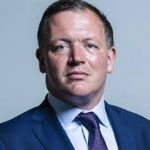
  • Damian Collins – 2022 Statement Following G20 Digital Ministers’ Meeting

    Damian Collins – 2022 Statement Following G20 Digital Ministers’ Meeting

    The statement made by Damian Collins, the Minister for Tech and the Digital Economy, in Bali, Indonesia on 2 September 2022.

    The diverse membership and collective economic power of the G20 makes it one of the most important international meetings where the challenges facing global digital economies are discussed. It is right that G20 Digital Ministers continue to work together to deliver solutions for the benefit of citizens around the world, based on democratic values and human rights.

    In my speech to the G20 digital ministers I condemned Russia’s unprovoked and brutal war in Ukraine, as well as their use of cyber attacks and aggressive state sponsored disinformation campaigns to cause further disruption around the world.

    I also thanked the Indonesian Presidency for ensuring G20 discussions advanced in some key areas. Progress was made on shared priorities including digital connectivity, skills and literacy, and data free flow with trust.

    It has also been a positive opportunity to develop the UK’s relationship with Indonesia. I am pleased that Minister Plate and I share the same enthusiasm for the joint projects like developing the Satria 2 satellites which will improve connections for rural communities and help close Indonesia’s digital divide. Our discussions will be a firm foundation to build the UK-Indonesia relationship on digital and technology over the coming years.

    The UK will support further progress under future Presidencies, starting with India in 2023. The UK and India have a strong relationship and I was pleased to meet my counterpart, Minister Ashwini Vaishnav, to discuss our mutual digital and tech interests. We agreed to launch the UK-India Strategic Tech Dialogue this year which will promote data, economic growth, and diversifying telecoms supply chains in our two countries.

  • Shailesh Vara – 2022 Speech to the British-Irish Association Conference

    Shailesh Vara – 2022 Speech to the British-Irish Association Conference

    The speech made by Shailesh Vara, the Secretary of State for Northern Ireland, in Oxford, England on 2 September 2022.

    It is a great pleasure to be addressing you this evening in these beautiful surroundings for the annual conference of the British-Irish Association.

    I would like to start by thanking Dominic for his kind invitation and his words of welcome. I would also like to express my gratitude to Francesca Kay and all of her team for their hard work and dedication in organising this conference.

    Since 1972, the BIA has played a key role in bringing people together – politicians, civil servants, academics and faith leaders. Also people from the world of business, journalists, commentators and many more, all of whom have sought to promote dialogue, understanding and good relations throughout these islands as we work to shape a better future together.

    So at the outset, I would also like to thank the BIA for everything it has done and will no doubt continue to do in the years ahead.

    Over the past two years, we have sadly lost two monumental figures of the peace process in Northern Ireland. In their careers and in their lives, John Hume and David Trimble demonstrated just how much progress could be made on challenges that were deemed insurmountable by coming together and seeking compromise.

    They put Northern Ireland’s future ahead of party interests, taking enormous personal and political risks to deliver peace. In coming together here this weekend, not only are we reminded of that spirit, but we should look to reignite it as we work together on the challenges in the months ahead.

    Belfast/Good Friday Agreement

    Nearly 25 years on from the Belfast/Good Friday Agreement, we shouldn’t lose sight of the magnitude of what was achieved in 1998.

    The Agreement marked an extraordinary achievement for Northern Ireland, laying the foundation for the more peaceful and prosperous society that we see today.

    The approaching 25th Anniversary of the Agreement offers an opportunity for all communities to come together and recognise that shared achievement.

    As we prepare to mark this historic moment, let us be mindful of our responsibilities, particularly to young people, and to future generations in Northern Ireland, and to do all we can to build upon the remarkable progress that has been made in the last quarter century, and to make sure that it endures into the future.

    Northern Ireland has so much to offer and huge potential for an exciting and prosperous future.

    Strategic Challenges ahead

    Of course, there are issues that we currently face, including the Northern Ireland Protocol, dealing with the legacy of the past, restoring a stable Executive and tackling the cost of living – these are extraordinary challenges.

    But they are not insurmountable. With constructive engagement and proper understanding, these challenges can be solved, especially as we already share a common goal – to secure the very best possible outcomes for people in Northern Ireland and across these islands.

    The UK Government remains committed to the Belfast/Good Friday Agreement and will continue to work with the Northern Ireland parties and the Irish Government to deliver our vision of reconciliation, equality and respect for all.

    We are proud of the progress that we have made in this respect since this conference last met.

    However, that is not to say there are not serious challenges ahead.

    There are difficult issues like the Northern Ireland Protocol and addressing the legacy of the past where I know there are strong differing views. I understand that – these are complex and sensitive issues and if there were easier solutions they would have been found long before now.

    What I can say is the spirit and intent of what we are doing is to deliver a better future for Northern Ireland.

    Northern Ireland Protocol

    The Northern Ireland Protocol was put in place to deal with the “unique circumstances” of Northern Ireland, recognising that a solution needed to be found that recognised Northern Ireland’s place as a sovereign part of the United Kingdom and its internal market, which of course is important, in particular to those with unionist identity, as well as to the commercial life of so many businesses. And of course, the Protocol serves the equally important purpose, not just for nationalists, of preserving frictionless trade across the land border through providing access for Northern Ireland to the EU Single Market.

    We also accept the importance of preserving the integrity of the EU Single Market, as well as our own. And we accept fully that the economic prosperity of Northern Ireland benefits from trade both East-West and North-South.

    However, there are real issues with how the Protocol is currently operating. Those issues increase cost and complexity, and reduce choice regardless of someone’s views on the constitutional position of Northern Ireland.

    We are determined to fix those problems, through negotiation and agreement with the EU if at all possible, and thus to deliver stability for businesses and citizens across Northern Ireland. But with legislation if we cannot.

    Our aim with the legislation on the Northern Ireland Protocol is to put in place an insurance policy so that we can ensure we have a way of resolving the issues with the Protocol. Like all insurance policies, they are better if they’re not invoked but we must bring about a resolution.

    There is also a bigger picture here. We need to get back to finding some common understanding and a relationship of trust between friends and neighbours with a spirit of good intent and a willingness to make things better.

    A stronger UK/Ireland and UK/EU relationship is in all our interest, not least given the wider geostrategic challenges we face. Individuals and businesses look to their political leaders, on both sides, to make their lives easier rather than more burdensome.

    As politicians, and as legislators, if something isn’t working, we make changes to find a solution. That is what we do – day in, day out, we find the possibilities and the room to make things better for the people we are elected to serve.

    I accept that the politics around this is difficult. But given the political will, this can be resolved. And of course the Protocol itself foresees the prospect of it being amended and evolving. We should aim to find a new balance through a new negotiation. And then we can all move on.

    Move on to so many other issues that deserve our urgent attention – such as continuing to deal with the Russian aggression which is making Europe more dangerous now than it has ever been since the Second World War, issues concerning the rising cost of living, the rise in energy prices and concerns over food security.

    I also recognise that the UK leaving the EU was a significant change. But it is time now to reach a place of acceptance, and focus on our future relationship as neighbours, as friends, and as allies.

    I believe that if we all hold to a commitment and spirit of good intent and put people and businesses first we can make this work.

    Legacy

    That same genuine commitment underpins our approach to dealing with the legacy of Northern Ireland’s troubled past. It is clear that the system as it stands is not delivering truth or justice to people who are still living with the pain from the years of violence and bloodshed.

    We have introduced legislation which we believe will address the concerns of those impacted by the Troubles – including those seeking answers and those who served – and so assist in the process of healing and reconciliation. I want to add that we are in listening mode, and my colleagues and I continue to engage directly with the representatives of victims and survivors as the Bill proceeds through Parliament.

    Identity, language and culture legislation

    In like manner, we believe the identity and language legislation which we have introduced, will support greater cultural inclusion, tolerance and openness.

    Abortion

    And we are determined to ensure that girls and women in Northern Ireland have equal access to healthcare. It cannot be right that in 2022 they do not have the same reproductive healthcare facilities as girls and women in the rest of the UK.

    Economic Investment

    That ambition for a better future lies behind the unprecedented levels of financial support and investment we have delivered in Northern Ireland, to help strengthen and grow the economy, along with our contribution to ensure a safer Northern Ireland where the security threat level has reduced for the first time in over a decade.

    So whilst there are challenges, there is much we can coalesce around and work together on to help make Northern Ireland a great place to live, work and invest.

    Executive Formation

    Principal to achieving this goal is of course having a functioning devolved government.

    I therefore urge all Parties, in the strongest possible terms, to work together to form an Executive and address the issues that matter most to people.

    There are people in Northern Ireland right now who are suffering. Some don’t know how they are going to put food on the table for their families and themselves. I believe it is the duty of their elected representatives to ensure there is an Executive and Assembly up and running so they can start spending the money that is waiting to be spent.

    The New Decade, New Approach agreement provided a lengthy period for politicians in Northern Ireland to restore functioning devolved institutions.

    But let me be clear, if the Parties do not make full use of that time to earnestly engage to restore a fully functioning Executive, then I will have to call an election at the end of October.

    This is not something that the people of Northern Ireland want or need, especially given the present economic circumstances.

    What people want is a fully functioning Executive, taking decisive action to tackle the cost of living crisis, improve healthcare, improve education and drive the economy to its full potential.

    I am in no doubt that Northern Ireland has the best of both worlds when it has a stable Northern Ireland Executive backed by the support and strength of the UK Government.

    And this Government believes firmly in the Union and Northern Ireland’s place within it.

    I believe that all people and all communities benefit from being part of a strong United Kingdom, a place where everyone is welcome and can live, work and thrive together.

    Concluding remarks

    I believe that our relationships across these Islands – be they political, business, family or friendships are one of our Union’s greatest strengths.

    These relationships are what have got us through difficult times in the past – and will get us through the challenging times ahead.

    It is the strength and power of these relationships that gave us the Belfast/Good Friday Agreement.

    So as we look to the 25th Anniversary of that agreement next year, let us continue to foster and strengthen our relationships to reach compromises and solutions for the benefit of all our people. And let us take inspiration from the great leaders that have gone before – so we can deliver our shared vision of an inclusive, safe and prosperous Northern Ireland.

  • PRESS RELEASE : PM call with President Erdoğan

    PRESS RELEASE : PM call with President Erdoğan

    The press release issued by Downing Street on 2 September 2022.

    The Prime Minister spoke to Turkish President Recep Tayyip Erdoğan this afternoon.

    They welcomed increased UK-Türkiye trade and hoped to expand our existing free trade agreement to build on the growing economic momentum. The leaders also discussed exciting new opportunities to increase collaboration in defence technology and nuclear power.

    The Prime Minister congratulated President Erdoğan on Türkiye’s indispensable global leadership, most recently in helping to end Russia’s grain blockade in Ukraine.

    He emphasised the importance of continuing to support Ukraine against an unprovoked invasion, including by maintaining strong economic sanctions on Russia.

    The leaders wished each other the best for the future and agreed that the relationship between the United Kingdom and Türkiye would continue to go from strength to strength.

  • PRESS RELEASE : New labelling to protect water supplies and cut energy bills

    PRESS RELEASE : New labelling to protect water supplies and cut energy bills

    The press release issued by the Department for Environment, Food and Rural Affairs on 2 September 2022.

    New mandatory water efficiency label proposed for dishwashers, showers and washing machines.

    Taps, showers, dishwashers and washing machines could all have new water efficiency labels, in a move which will help save consumers over £270 million on bills over 10 years.

    The plans, subject to a 12-week consultation launched today (2 September) by the UK Government and Devolved Administrations, will encourage the purchase of more water-efficient products and help customers manage their water and energy bills.

    Based on 2019 prices, the label could save £125 million on water bills and £147 million on energy bills over 10 years, as well as 1,200 million litres of water a day – the equivalent of 480 Olympic swimming pools.

    Water Minister Steve Double said:

    Water is a precious resource. We want to support consumers so they can make savings without having to make significant changes to their daily lives.

    These plans will help people to make the right choices to save water and reduce their energy bills.

    The proposals aim to introduce a separate water label from the existing energy label for display on toilets, urinals, kitchen sink taps, bathroom basin taps, non-electric shower outlet devices and shower assembly solutions, dishwashers, washing machines and combination washer/dryers.

    Hot water use is the second largest use of energy in a home after space heating. Installing a water-efficient showerhead could save an average household (2.3 occupants) 3,762 litres of water, and £17.44 off their combined utility bills per year. A family of four could save 6,468 litres and about £30 off their combined energy and water bill each year.

    In 2021 alone, energy efficiency labelling and minimum performance standards led to energy bill savings of £75 for the average dual-fuel household.

    David Black, Ofwat CEO, said:

    This summer has highlighted the importance of water. Water labelling is a key tool, helping everybody make informed choices that can reduce their water use and bills.

    Managing water demand plays a role in tackling the pressures on our water system, alongside pushing water companies to reduce leakage and looking at new sources and water transfers to increase our future water supply. We support the proposals and look forward to seeing the outcome of this consultation.

    Christine McGourty, Water UK Chief Executive, said:

    The Government’s proposals on water efficiency labelling are a vital step forward in reducing the amount of water we all use, and will allow customers to make informed decisions as well as save money and energy.

    Alongside the work that water companies are already doing to tackle leakage from pipes, and invest in infrastructure, cutting water use will help make our water supply more resilient to the existential challenges of climate change.

    The consultation launch follows a commitment from the Environment Secretary last year to introduce a mandatory efficiency label as part of wider plans to safeguard water supplies.

    The package includes asking water companies to develop a consistent approach on fixing customer supply pipe leakage and developing a roadmap towards greater water efficiency in new  developments and through retrofits.

    These measures, along with the work from water companies to reduce leakage by 50%, will help meet the ambitions set out in the National Framework for Water Resources to reduce personal water consumption to 110 litres per person per day by 2050, compared with the current average of 145 litres.

    This year we have witnessed the driest July across England since 1935, and since records began for the East and South East.

    We have been clear water companies must take urgent action to fix leaks, and Ofwat has put in place clear financial consequences for companies that underperform on leakage. We also expect water companies to make use of smarter technology to help manage water demand and reduce leaks.

    This comes alongside ongoing action to hold companies to account on sewage spills. On Friday 26 August we announced that water companies will face the strictest targets on pollution from sewage ever under a new plan to tackle sewage discharges in our waters.