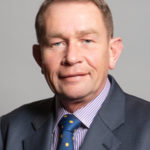
Tag: 2022

  • Sharon Hodgson – 2022 Speech on Dormant Assets Funding and Community Wealth Funds

    Sharon Hodgson – 2022 Speech on Dormant Assets Funding and Community Wealth Funds

    The speech made by Sharon Hodgson, the Labour MP for Washington and Sunderland West, in Westminster Hall, the House of Common, on 6 December 2022.

    It is an honour to serve under your chairmanship, Ms Harris. I congratulate the hon. Member for Stoke-on-Trent Central (Jo Gideon) on securing this important debate and giving us the opportunity to discuss the next wave of dormant assets and the possibility of establishing a community wealth fund.

    I am proud that in 2008 the Labour Government passed meaningful dormant assets legislation, which began to unlock this crucial source of funding from financial assets such as bank accounts. Although it is important to reiterate that the priority is trying to reunite assets with their owners, where that is not possible the money goes to causes that facilitate real change in our communities. This policy raised over £800 million of funding to support social and environmental causes across the UK, so I am proud of the work that parliamentarians across the House, including many members of the APPG for ‘left behind’ neighbourhoods, have carried out. I am pleased that this proposal, in particular the creation of the community wealth fund, is being considered by the Government. However, it is important that this matter is not just considered; it must actually amount to meaningful change.

    In England, funding from dormant assets is restricted to youth work, financial inclusion and social investment. It would be good to see that expanded so that the money could be used to finance a wider range of community projects. The design of the proposed community wealth fund has been informed by the success of the Big Local programme. The 2020 evaluation of the programme found that

    “The concept of putting residents at the very heart of that change is showing its value up and down the country.”

    A community-led approach means that local priorities and desired outcomes would be determined at local level by the people who live there. The importance of that cannot be overstated.

    I want to use this opportunity to highlight the important research conducted by the Oxford Consultants for Social Inclusion, in collaboration with the APPG, which identified 225 left-behind neighbourhoods. These neighbourhoods face significant deprivation, as we heard from the hon. Member for Stoke-on-Trent Central, as well as poor connectivity and lower levels of community engagement and activity. That is especially poignant to me as the neighbourhoods identified include St Anne’s and the Washington North ward in my constituency. For example, in St Anne’s, there are only 25% of registered charities per 1,000 people compared with the English average.

    Away from these statistics, I know at first hand the difference a community wealth fund would make in Washington and Sunderland West. This funding pot, which is now estimated to be £880 million, would be transformative in building community confidence and provide the foundations to enable the residents of the most left-behind neighbourhoods to bolster their social infrastructure. Consistent with this, the wards most in need of investment would receive awards, as opposed to having to compete for funding. That would be the right approach. Bids for levelling-up funding and freeports have pitted the poorest in our society against each other, rather than focusing on those in greatest need.

    A number of hon. Members in the Chamber were at a meeting of the APPG just last week. I have co-chaired a couple of the meetings of the APPG’s inquiry into levelling up, in which we heard about the power of local communities to take action to improve outcomes for local people, for instance through award-winning community mental health programmes for young people, or through support to strengthen the local economy and support jobs and businesses. Levelling up seems to be cosmetic: if we move people from the bottom rung to the second rung from bottom, we can claim to have succeeded. Labour wants equal opportunity for every part of the country. The APPG inquiry shows that communities can develop themselves despite Whitehall neglect, so imagine what communities like mine could achieve with access to the appropriate resources and long-term support under a Labour Government.

    That is why the community wealth fund is vital. I hope that the Government appreciate its importance, and that the community wealth fund will be one of the beneficiaries of the next wave of dormant assets.

  • Jo Gideon – 2022 Speech on Dormant Assets Funding and Community Wealth Funds

    Jo Gideon – 2022 Speech on Dormant Assets Funding and Community Wealth Funds

    The speech made by Jo Gideon, the Conservative MP for Stoke-on-Trent Central, in Westminster Hall, the House of Commons, on 6 December 2022.

    I beg to move,

    That this House has considered dormant assets funding and community wealth funds.

    It is a pleasure to serve under your chairmanship, Ms Harris. I begin by saying that I am pleased to see the proposal for a community wealth fund explicitly considered in the consultation on the next portion of dormant assets funding. As the Member of Parliament for Stoke-on-Trent Central, I welcome the Dormant Assets Act 2022 and the future unlocking of new investment in good causes. Dormant assets have been a significant source of funding for youth and social investment and it is important to ensure that the next tranche has a similarly transformative effect by backing plans for the community wealth fund.

    Historically, underfunded neighbourhoods have seen essential social infrastructure deteriorate, decay and disappear, resulting in depleted levels of the social capital that is so important for underpinning healthy, prosperous and resilient communities. When combined with the absence of places to meet, the lack of an engaged community and poor connectivity, these neighbourhoods experience significantly worse outcomes across a range of indicators, from health and wellbeing to education and employment.

    The 225 areas the Local Trust has identified and named as left behind have considerably fewer jobs, with only 52 available locally per 100 people. Many children face poverty and live in out-of-work households and participation in higher education is markedly lower. Despite being at greater risk, these areas have historically missed out on funding. Research by the Local Trust shows that in the past two decades, left-behind communities and neighbourhoods, including those in Stoke-on-Trent Central, have received an average of £7.77 per head in national charitable funding. That is less than half the amount received in other equally deprived areas, and is well below the national average. Understandably, this makes it harder for these communities to take action to improve local outcomes and work with partners to tackle what are often deep-rooted and multigenerational challenges.

    We saw these areas fare disproportionately badly during covid. Now, they are again the most vulnerable to the cost of living challenges, as they have fewer resources to draw upon and often lack the ability and skills to apply for funding. The community wealth fund would provide a crucial opportunity to correct this by creating a long-term endowment for deprived communities that have not benefited from economic prosperity, helping to resolve some of the disparities at the heart of the levelling-up agenda.

    These communities are typically located in post-industrial areas in the midlands and the north of England, and are particularly prevalent in red wall constituencies like mine. In fact, seven of England’s 225 most left-behind communities can be found in Stoke-on-Trent, two of which—Abbey Hulton and Townsend, and Bentilee and Ubberley—are in my constituency of Stoke-on-Trent Central. These areas must be a priority when it comes to levelling up and fostering economic growth. Deep-seated disparities in social capital must be addressed by enabling communities to be the drivers of local social change. In particular, a community wealth fund would allow for a range of solutions that could be decided by communities based on what they know is most needed in their area.

    Kim Leadbeater (Batley and Spen) (Lab)

    The hon. Lady is making a fantastic speech that I wholeheartedly agree with. While talent is everywhere, does she agree that opportunity, sadly, is not? The places and spaces where people from all backgrounds can come together and build meaningful relationships are crucial to our social wellbeing, but access to them is not evenly spread throughout the country. Local people know what is best for their neighbourhoods. It is vital that the community wealth funds be available as widely as possible across the country. That involves a radical new approach to make sure that responsibility is as close as possible to the people whose lives these funds are designed to benefit.

    Jo Gideon

    I absolutely agree. By utilising the area-specific knowledge of local residents, priorities and desired outcomes can be determined at neighbourhood level. Polling by Survation found that the residents of left-behind neighbourhoods held a strong belief in the power of community action. A clear majority said that they would prefer a greater say over how money is spent locally. Research by the all-party parliamentary group for ‘left behind’ neighbourhoods has found that social infrastructure is what our neighbourhoods most lack. That has an impact on how people feel about their area. Clearly, we need to build community confidence and capacity.

    An in-depth analysis of local area initiatives over the last 40 years by the University of Cambridge identifies characteristics that have improved participants’ chances of better social and economic outcomes. It found that the programmes that focused investment on a small geographical area of between 3,000 and 10,000 residents, which had control of decisions, design and resources to local people and adapted bespoke approaches rooted in each area’s particular characteristics, and areas that guaranteed a long-term, consistent commitment over 10 to 15 years, were found to be more likely to deliver benefits for communities.

    Dr Kieran Mullan (Crewe and Nantwich) (Con)

    When we talk about the politics of devolution and devolving power, too often we focus on local authority and regional level. Actually, what people really want is to get involved in their own local neighbourhoods. That is where they can make a difference. Does my hon. Friend agree that that is what the community wealth fund could potentially enable them to do?

    Jo Gideon

    My hon. Friend makes a good point.

    As a result, it is important to get the structure of a community wealth fund right, reflecting the knowledge and skills of the local community, the aspirations for that community and the necessary governance to ensure the appropriate use of funds. The community wealth fund is a place-based initiative aimed at natural communities in left-behind areas, typically with a population of around 10,000 people, which is much smaller than the typical local authority serving such areas. For that reason and others I have mentioned, a local authority is unlikely to be a suitable body to lead the community wealth fund process.

    By involving communities in the process, whether planting street trees, investing in community pantries or creating a group of community callers, we will move away from doing things for people, or even with them, to giving them as much ownership as possible. The more local people are involved, the more transformative outcomes are. Partnerships work.

    For decades, we have had a system that has treated citizens as consumers of services, rather than members of empowered communities, so a fundamental shift in our national thinking will be required to enable this new social model approach. However, it is an approach that the Government can embrace because it is a fundamental principle of Conservatism to believe in small Government and local, community-led solutions. We must challenge the narrative that suggests the solution to all inequalities lies in growing ever-larger, top-down-controlled public services. That undermines the power of communities to support their health and wellbeing, and stifles a philanthropic approach, which has been a lifeline during the last year.

    During covid, we woke up to the power of communities. During the first lockdown, I conducted an online survey to gauge residents’ feelings, including the impact of volunteering on their mental health. The findings featured in the “Connecting Communities” report, which I co-authored for One Nation Conservatives. Of Stoke respondents, 39% stated that covid-19 changed their view of the local community. One resident from Stoke-on-Trent Central said about lockdown:

    “I think it] highlights the untapped—undervalued—potential of people and neighbourhoods across the Country…Local community is essential in times like COVID. At first people were much more helpful and considerate but sadly the effect of this is fading fast. I feel that good will could have been harnessed and directed better locally and nationally.”

    With the community wealth fund, we have the opportunity to harness this.

    The indicator that shifts most when communities are part of levelling up is civic pride. When we see improvements for community outcomes, we also see improvements in other areas. Many success stories of locally empowered communities have shown that we can expect investment into projects that enhance environmental sustainability and stewardship of local resources, such as ethical food production and better green spaces. I was delighted to welcome several such local initiatives to the local food summit I hosted in Stoke-on-Trent. Standing Tall 2gether is based in Bentilee and improves the lives of local residents through food activities, training and bespoke volunteering, and has a household essentials refill hub. Birches Head Get Growing is another local initiative that encourages people to offer their time and skills to support unmet needs in the local community, moving from a gift model of support to an energetic exchange. In2 Health and Wellbeing is a social enterprise committed to improving the health and wellbeing of disadvantaged young people in Stoke-on-Trent. It uses sport, physical activity and education to engage local people across the community.

    I am convinced that not only would the community wealth fund help to meet Government goals, but we should also expect knock-on benefits for the economy. Replenishing stocks of social capital is vital for seeding economic activity, but also through the direct supply of local employment, opportunities for training and skills development, and building and rejuvenating community assets.

    Indeed, there is strong evidence for the impact of a community wealth fund. Modelling by Frontier Economics estimated that a £1 million investment in social infrastructure in a left-behind area could generate approximately £3.2 million in fiscal and economic benefits over 10 years, actually helping generate savings. Combined with the fact that in areas with locally led solutions there is a faster decline in crime rates, the community wealth fund is an exciting opportunity to significantly boost the Government’s levelling-up agenda without placing pressure on public finances.

    Community wealth funds can also play an important role in supporting early-stage social entrepreneurs in marginalised constituencies by connecting them to wider support to maximise their growth. The proposals would provide extra initial start-up support, among other things, in the most underserved parts of England. Harnessing the full potential of communities will require targeted interventions to create jobs, stimulate inward investment and grow social enterprise and trading charities.

    Members of the APPG for ‘left behind’ neighbourhoods have expressed support for the community wealth fund in the past, and the Government listened when earlier this year we made the case for including the fund as a potential new beneficiary of the next wave of dormant assets. The dormant assets scheme has created a unique opportunity to repair the social fabric of disadvantaged neighbourhoods. Now that the consultation has finished, I am grateful for the opportunity to restate my support and to recommend that the Government capitalise on the potential of investment through a community wealth fund.

    Backed by a growing alliance of over 600 public, private and community sector organisations, the fund would provide long-term investment to rebuild essential social infrastructure in the left-behind neighbourhoods that many of us represent in Parliament. It would empower communities to play a much more prominent role in local decision making and inspire civic pride, as has already been demonstrated. I am incredibly grateful to my colleagues who have supported our cause so far, and I urge them to keep up the momentum so that we can deliver real and meaningful long-term change for communities like those in my constituency of Stoke-on-Trent Central and across the country.

  • Nick Gibb – 2022 Speech on Ofsted School Inspections

    Nick Gibb – 2022 Speech on Ofsted School Inspections

    The speech made by Nick Gibb, the Minister of State at the Department for Education, in Westminster Hall, the House of Commons, on 6 December 2022.

    It is a real pleasure to serve under your chairmanship for the first time, Ms Harris. I congratulate my hon. Friend the Member for Kettering (Mr Hollobone) on securing this debate, and I thank him for his kind opening remarks. This important subject deserves scrutiny and discussion in the House, and I have valued the opportunity to listen to my hon. Friend’s insights in his well-constructed speech.

    We all share an ambition to ensure that every pupil in every school across the country receives the education that they deserve—one that helps them to achieve academically, and more broadly prepares them to thrive and contribute to the world beyond school. Ofsted, as the independent inspectorate for schools, has a distinct and central role to play in supporting that ambition. Ofsted school inspection serves a range of purposes. It provides an independent and rounded assessment of a school’s quality, which gives key information to parents and informs their choices. It gives recognition and validation to effective practice where it is seen, and prompts self-improvement. It also offers assurance to the wider community about standards. It triggers intervention where necessary, and provides evidence to the Government and Parliament about the quality of the education being provided across all our schools.

    The value of Ofsted, and the root of its credibility, comes from its independence. That does not mean that Ofsted operates in a vacuum. It is, after all, an arm of Government. Critically, Ofsted can inspect and report without interference. That must be carefully guarded. His Majesty’s chief inspector is responsible for the conduct and reporting of Ofsted’s inspections. No Minister, Committee or Member of this House can amend or overturn the professional judgments of the inspectorate. That enables Ofsted to fulfil its mantra of reporting “without fear or favour”.

    I appreciate that on occasion the situation can seem difficult and frustrating, especially when Ofsted’s findings are challenging or disputed. That independence and responsibility, which Parliament has chosen to bestow on His Majesty’s chief inspector, is a key safeguard for the system and it is worth preserving. I am acutely aware, as is His Majesty’s chief inspector, that independence places an onus on Ofsted to ensure that all its inspections are conducted to the highest professional standards. It has a strong responsibility to produce inspection judgments that are fair, evidence-based and accurate. That is at the heart of this afternoon’s debate. It is also the focus of the chief inspector and her inspectors, and rightly so. Given my hon. Friend’s specific concerns about the inspection of Bishop Stopford School, I will request that he get the opportunity to discuss them directly with His Majesty’s chief inspector.

    Turning to the approach that Ofsted takes more generally to ensure that inspections are high quality, I remind the House that Ofsted’s school inspections are conducted under a framework that is grounded in research evidence. That framework took Ofsted two years to develop and involved significant engagement with the sector, leading to over 11,000 consultation responses. The widely supported proposals were implemented from September 2019. Of course, covid interrupted that, but Ofsted has been able to resume its full programme of inspections since September last year, and it conducted around 4,600 inspections in 2021-22.

    The new framework sees a shift of focus towards the importance of curriculum, the intent of that curriculum, how it is implemented and, importantly, the impact that it has on pupil attainment and achievement. However, alongside the focus on the quality of education is assessment of a range of key aspects, such as the behaviour and attitudes of pupils, how the school is supporting pupils’ personal development, and the quality of the leadership and management of the school, including whether its safeguarding arrangements are effective. Taken together, Ofsted’s framework provides for an effective assessment of whether pupils are benefiting from a rounded inspection.

    However well trained the expert workforce, and however good the framework, it is right that quality and consistency are checked. Inspection is not a tick-box exercise; it requires professional judgment to balance a wide range of evidence and form an overall assessment. The lead inspector plays a key role in this and must ensure that inspections are carried out in accordance with the principles of inspection and in line with Ofsted’s code of conduct for inspectors. Beyond that, though, Ofsted monitors the quality of inspections and the work of Ofsted inspectors through a range of formal processes.

    I do not want to gloss over the one in 10. Nine out of 10 inspections are regarded as a good experience by schools, but I do not want us to pretend for one moment that every single inspection will be a happy experience. It is disappointing when those who experience inspections at first hand come away with negative feelings about the conduct or reporting of an inspection. Where there is dissatisfaction, schools are encouraged to raise their concerns with the lead inspector as soon as possible during the inspection, so that any matters can be resolved before the inspection is completed. In those circumstances, both the concerns raised and the actions taken will be recorded in the inspection evidence.

    Once a school has received its draft report, it will have the opportunity to raise any comments or concerns about the inspection process and findings, which Ofsted will consider—I know that process was undergone in the case of Bishop Stopford School. If, despite the process taking place, the school feels that its issues have not been resolved, the school, on receiving its final report, can submit a formal complaint to Ofsted, which will put the report’s publication on hold while the complaint is thoroughly investigated. It is worth noting that across Ofsted’s work on schools and beyond, which amounts to over 30,000 inspections and activities each year, only around 2% lead to a formal complaint being received.

    I want to conclude be reiterating my thanks to my hon. Friend the Member for Kettering. I hope that the comments I have made about the inspection process and the importance of maintaining the independence of Ofsted in its work, and the fact that he will be having a meeting with His Majesty’s chief inspector, have provided him with least some assurance. Schools have every right to expect that inspections are of the highest quality, and I know that HM chief inspector, her staff and her inspector workforce are fully committed to meeting this expectation and strive every day to that end.

  • Philip Hollobone – 2022 Speech on Ofsted School Inspections

    Philip Hollobone – 2022 Speech on Ofsted School Inspections

    The speech made by Philip Hollobone, the Conservative MP for Kettering, in Westminster Hall, the House of Commons on 6 December 2022.

    I beg to move,

    That this House has considered Ofsted school inspections.

    It is a delight to see you in the Chair, Ms Harris. I thank Mr Speaker for giving me the honour of holding this debate, and I welcome the Minister to his place. I am delighted that we are joined in the Public Gallery by the headteacher of Bishop Stopford School, Jill Silverthorne, and the deputy head, Damien Keane, who recognise the importance of the issues I wish to raise. I am grateful to them for travelling to London today.

    May I start by praising the Minister, who is one of the Ministers I hold in the highest regard? He has a distinguished record in education. He was shadow schools Minister from 2005 to 2010. He was a Minister in the Department for Education from 2010 to 2012. He had his second coming from 2014 to 2021 and his third coming on 26 October this year. That is 15 years of Front-Bench experience in opposition and in government. We are very lucky to have him as schools Minister. He cares about the subject and I am grateful to him for being here today and for his genuine involvement in this issue.

    I wish to raise the recent Ofsted inspection of Bishop Stopford School in Kettering, which resulted in a downgrade from “outstanding” to “requires improvement.” May I declare my interest, as one of my children attends Bishop Stopford School? However, I raise the matter not because of my child, but because I think a genuine injustice has been done with this inspection.

    Bishop Stopford is a non-selective secondary school and sixth form with academy status in Kettering. Located in the Headlands, the school has 1,500 pupils. At the heart of all it does is a Christian ethos, and its core values are faith, responsibility, compassion, truth and justice. That provides stability for pupils in an ever-changing world. In the light of that ethos, the school’s aim is quite simple:

    “to provide the highest quality education for every student.”

    The Minister has seen the school’s pupils in action. The school’s brass band performed at the Music for Youth Proms in London, in November. Students were outstanding in the performance in every respect—behaviour, attitude, performance, kindness to each other and helping staff. They did the school proud in every way possible and were tremendous ambassadors for the school. Yet Ofsted’s view is that personal development at the school “requires improvement”.

    The Ofsted inspection was done on 28 and 29 June 2022. The overall recommendation was “requires improvement”. Quality of education was “good”. Sixth form provision was “good”. Behaviour and attitudes, personal development, and leadership and management were graded “requires improvement”. I am very concerned about the way in which the inspection was carried out. From the information I have received, I believe not only that the correct procedures were not followed, but that the inspection team deliberately set out to engineer a downgrade in the school’s Ofsted rating from “outstanding” to “requires improvement”. That is the equivalent of one of the highest scoring teams in the premier league being relegated straight to the conference.

    I support rigorous Ofsted inspections of schools, which raise school standards. Until now, I have had every confidence in Ofsted’s abilities to inspect schools in line with proper process and to challenge them where improvements can be made, but I have to tell the Minister that it is my strong view that this Ofsted inspection has gone wrong. It should be quashed, and a fresh inspection undertaken with different inspectors. I know that this is a serious request, and I do not make it lightly.

    The evidence I have heard from the headteacher, the deputy head and pupils at the school is compelling. I believe that the inspection team sent in by Ofsted went rogue. In effect, Ofsted has sent in an educational inspection hit squad with a pre-arranged agenda to downgrade this faith-based school, whatever it found on its visit. In interviews with pupils, the inspection team disparaged the school’s Christian ethos. One year 7 boy was asked, “Do you think this is a white, middle-class school?” A year 10 girl was asked, “Do you feel uncomfortable about walking upstairs when wearing a skirt?” I ask the Minister, are these questions appropriate for an Ofsted inspection?

    Furthermore, the new downgraded rating for the school was leaked by Ofsted to the local community in breach of Ofsted’s own procedures.

    Jim Shannon (Strangford) (DUP)

    I commend the hon. Gentleman for his initiative and assiduousness on behalf of the school. I am shocked at the allegations that he has made, and I see the problems there among those of a certain faith group. Does he feel, as I do, that this inspection has increased anxieties and stress among the teachers, parents and others involved? He has asked for the whole thing to be done again, and that is probably the best thing to do, because what has happened is clearly wrong.

    Mr Hollobone

    I am grateful for that intervention. The hon. Gentleman is a Christian gentleman. He understands the importance of a Christian ethos in schools, but it seems that some Ofsted inspectors do not share those values. In this case, it seems that they have deliberately set out to downgrade the school, and the hon. Gentleman is right that that is having a devastating impact on the teachers, pupils and parents, who feel that the inspection has gone wrong and that they have all been treated extremely unfairly. It appears that, unable to criticise the school’s educational achievements, inspectors have pursued an agenda against a top-performing school with a Christian ethos by engineering criticisms of the behaviour and attitudes, personal development, and leadership and management criteria.

    I thought that this matter was so serious that it should be brought to the immediate attention of the Department for Education, so I wrote to the Minister’s predecessor on 11 October. I am afraid that I do not think that Ofsted can be relied on to judge its own homework. The deficiencies in the inspection of this school are extremely serious. In effect, no one is inspecting the inspectors, and they can basically do what they like.

    On the same day, I wrote to Ofsted chief inspector Amanda Spielman, yet all I received was a one-page letter from the assistant regional director of the east midlands on 20 October saying that they noted my concerns but that nothing else would be done and that they would just go along with the complaints process in which the school was engaged. I do not regard that as satisfactory, when a Member of Parliament has raised genuine concerns.

    Let us look at the quality of education at the school. On the Department’s latest unvalidated educational attainment data, Bishop Stopford School ranks 106th out of all 6,761 secondary schools in the country and is in the top 1.5%. Let us look at the key headline measures of educational attainment. On the EBacc scores, in the data comparing Bishop Stopford School with schools that Ofsted has rated “outstanding” since September 2021, the school is the highest performing non-selective school. Some 94% of the school’s students entered for the EBacc, which is massive. In Northamptonshire, the second highest school is at 79%. The national average is 39%, and the Government’s ambition is 75%.

    On progress 8 scores, which show how much progress pupils at this school made between the end of key stage 2 and the end of key stage 4, out of 3,721 selective and non-selective schools with a progress 8, the school is No. 115, which is in the top 3%. On the attainment 8 scores, which are based on how well pupils have performed in up to eight qualifications, there are 3,768 non-selective schools, and Bishop Stopford School is 110th, which is in the top 3%. On the basic five GCSEs, including English and maths, Bishop Stopford School is at 70%. Of the 126 schools ranked as “requiring improvement”, Bishop Stopford School is fourth, with the range 0% to 96%. Of the 52 schools rated “outstanding”, the school is 27th, with a range of 45% to 100%, and it is fifth for the non-selective mixed schools in this category.

    In terms of the number of pupils who stayed in education or went into employment after finishing key stage 4, of all the selective and non-selective schools previously rated as “outstanding”, Bishop Stopford School is ranked 16th in the whole country. Of non-selective mixed-sex schools, it is fourth in the whole country, with 98% staying in education or going into employment. Ofsted partially recognises this educational record:

    “Most pupils enjoy attending Bishop Stopford School and value the teaching that they receive. The school is ‘unapologetically academic’ and leaders have high expectations of what pupils should achieve.”

    Yet Ofsted only gave the school a “good” rating in this area.

    The mantra about making a judgment about the quality of education is explicitly stated as depending on the three Is: intent, implementation and impact. In essence, this assesses whether a school is clear about what it wishes to achieve with its curriculum, how well that intent is implemented and what its impact is. The only way this can be easily measured is through the empirical data: results, destinations and attendance. The impact of the school’s curriculum is, once again, abundantly clear in this validated data.

    If the school is enabling its young people to be so successful and to progress to high-quality destinations, there has to be a disconnect somewhere. If the school is performing so poorly, as the report suggests, how could it possibly generate outcomes that can only be described as excellent, even among the schools Ofsted has judged to be “outstanding”?

    The school has followed the Ofsted complaints process, and it got a reply dated 9 November from the senior regional inspector. The school complained about the judgment on quality of education. Ofsted said that a common area that needs to be improved is using assessment to adapt teaching so that identified gaps are addressed. It said:

    “modern foreign languages and the mathematics curriculum are not as securely embedded as other curriculum areas”,

    and the complaint was not upheld.

    The school complained about the judgment on behaviour and attitudes. Ofsted acknowledged that

    “behaviour was calm and orderly around the school.”

    In its report, it said that the school deals with low-level disruption when it occurs, yet in the inspection on the day the Ofsted inspectors said that there was no low-level disruption. The inspection team had a particular concern about bullying and the use of derogatory language. In this case, the grade descriptor that needed to be considered was:

    “Leaders, staff and pupils create a positive environment in which bullying is not tolerated.”

    The inspection team said that that criterion was not fully met, and the complaint was not upheld. Parents are in disbelief that the inspection team could come to that conclusion.

    The school complained about the Ofsted judgment on personal development. Ofsted said:

    “inspectors considered how the Christian ethos and wider curriculum supported pupils’ personal development”,

    yet the inspection team raised the Christian ethos only twice, both times negatively.

    Scott Benton (Blackpool South) (Con)

    My hon. Friend is making a powerful speech. Surely the aim of the equality, diversity and inclusion statement should be to ensure schools are abiding by the necessary equality regulation in legislation. I am concerned that, in some cases, Ofsted appears to take it beyond its original intention by judging schools against its own ideas about what life in modern Britain should be. Does my hon. Friend share those concerns?

    Mr Hollobone

    I am grateful to my hon. Friend for raising those concerns. I do share them, as do pupils at the school. I had the privilege of speaking to some of the pupils who engaged with the inspectors. They were expecting the inspectors to ask about the curriculum and their academic studies, but they were probed particularly about the Christian ethos. One pupil, very maturely, responded: “It is not so much about Christianity as about Christian values.” That was a very mature and sensible response.

    Kim Leadbeater (Batley and Spen) (Lab)

    The hon. Gentleman is making a really powerful and interesting speech, and I thank him for securing this debate. Does he agree that it would be more sensible if Ofsted inspections were not so narrowly focused on academic achievement? Although that is important, and the school clearly has a fantastic academic record, Ofsted should have a more holistic approach and look at things such as how schools work extremely hard to build social and emotional resilience in children and young people and to create a happy and healthy learning environment, which gives pupils the skills and values they need to be well-rounded citizens?

    Mr Hollobone

    I am most grateful to the hon. Lady for making that very sensible point. That is right. The school clearly has a Christian ethos. I am not saying that all the pupils and parents are Christians, but this is about Christian values and the key themes I mentioned at the beginning, which we surely all share: responsibility, compassion, truth and justice. Yet it seems that this inspection team regards those values as inappropriate for a school because they are Christian. The parents and I find that outrageous.

    The pupil said that when they responded to the inspector’s question, “The inspector shut my comment down. He made me feel silly, embarrassed and a bit stupid.” Pupils described the interaction with inspectors as “intense”, “uncomfortable”, “tense” and “awkward”. Those are the pupils themselves telling me about their experiences with the inspectors. Something is not right here, and I want the Minister to take that on board.

    The school complained about the judgment on sixth form provision. Ofsted said:

    “Inspectors spoke to groups of students. They raised the point that they were well prepared for university, but other routes were not as well covered. While I agree that there is no statutory requirement for work experience, it was clear from the evidence that preparation for the wider world of work was not as secure as other areas of students’ wider development.”

    That was Ofsted’s comment. However, 98% of pupils go on to education or go straight into employment. Nevertheless, this aspect of the complaint was not upheld. The school also complained about the overall inspection report, the overall judgment, and the inspection process, but all those complaints were not upheld. All the points that the school made to Ofsted were dismissed.

    The breach of confidentiality point has not been addressed by Ofsted in any satisfactory way. Ofsted said to the school:

    “It was explained that unless you were able to provide any further evidence, we would be unable to look into this any further.”

    Yet the headteacher gave Ofsted the names of two local schools that had heard of the downgrade before the report was published. A serious breach of confidentiality has not been investigated properly and has effectively been dismissed.

    On the comments about

    “a white middle class school”

    and

    “walking upstairs when wearing a skirt”,

    Ofsted said:

    “There is no record in the evidence of the exact line of questioning from the team inspector that you referred to. Having spoken to the team inspector, they cannot recall asking the two questions that are cited.”

    I have to say to the Minister that I spoke with the pupils involved and they confirmed what was said, so clearly something is not right here.

    The headteacher wrote a measured letter to parents to reassure them on the back of the publication of the report, stressing the school’s outstanding academic performance. He said that

    “student performance last summer was outstanding”,

    and that that was based on the Department for Education’s own statistics. He went on to say:

    “GCSE results place us in the top 3% of schools nationally. A Level performance data is still provisional, but with 43% of grades awarded at A and A*”.

    On behaviour and attitudes, the headteacher rightly said:

    “External visitors to our school almost without exception comment on the impressive behaviour and engagement of our students. On the inspection days themselves, students’ behaviour was exemplary, and the five members of the inspection team unanimously agreed that they saw no low-level disruption during the inspection.”

    That is not what the report said. He went on to say, rightly:

    “Unfortunately, this detail has not been included in the report, but we will be sharing with students that we were immensely proud of the way they conducted themselves and upheld our core values in the inspection—and continue to do so.”

    I have to say to the Minister that since the report was published 500 parents have been in touch with the school to offer their support and basically they say that they do not believe what Ofsted is saying and do not respect the downgrade to “requires improvement”. However, I think there is a wider agenda going on here, because although I believe that Bishop Stopford has been picked on, recent information has come out that more than four fifths of “outstanding” schools inspected last year have lost their top grade after the exemption from inspection was removed. Also, the chief inspector herself said that the outcomes from the first full year of inspection since it was scrapped:

    “show that removing a school from scrutiny does not make it better.”

    A fifth of schools, including Bishop Stopford, dropped at least two grades.

    The Minister will know that schools rated “outstanding” were exempt from reinspection between 2012 and 2020. The exemption was lifted in 2020 after Ofsted warned that over a thousand schools had not been inspected in at least 10 years. Ofsted itself has said that 308 of the 370 previously exempt schools had a graded inspection that resulted in a downgrade, which is 83%: 62% became “good”; 17% fell to “requires improvement”, including Bishop Stopford; and 4% fell from “outstanding” to “inadequate”. This is a power grab from Ofsted, saying to the Government, “You must let us inspect all schools all the time.” I am not sure that is appropriate, given the level of distress it can cause to excellent schools such as Bishop Stopford when an inspection goes wrong.

    On behalf of the school, parents and local residents in Kettering, I ask the Minister to quash the report and send in a fresh inspection team. Let us have a proper inquiry into the leaking of the downgrade. If quashing is not possible within the Minister’s powers, can we have a reinspection of the school at the earliest opportunity? I would not want that grade hanging over the school for potentially the next 30 months. At the very least, can we have a meeting between the Minister himself, the chief inspector, the headteacher and myself as the local parliamentary representative, so that local concerns that the inspection went wrong can be relayed in the clearest possible terms to Ofsted?


  • Huw Merriman – 2022 Speech on Southeastern Railway Timetable Changes

    Huw Merriman – 2022 Speech on Southeastern Railway Timetable Changes

    The speech made by Huw Merriman, the Minister of State at the Department for Transport, in Westminster Hall, the House of Commons, on 6 December 2022.

    It is a pleasure to serve under your chairship, Ms Harris. I thank the hon. Member for Eltham (Clive Efford) for securing this important debate on Southeastern’s rail timetable changes, and I thank all right hon. and hon. Members who have spoken. I have always been a south-eastern MP. Over the past seven years, I have shared debates with many Members or their predecessors in Westminster Hall, the main Chamber and, indeed, meetings on Southeastern. I declare that as an interest, but I have always enjoyed working with south-eastern MPs.

    I will do my best to cover the rationale for these changes and to explain the positives and negatives. I will explain the positive changes, although sadly there are no Members present from the constituencies where those changes will take place. I will certainly talk more about the consultation—or lack of one, as Members have pointed out. I will write to all Members who have contributed, so if I have not answered their points directly, I will ensure that we do so via correspondence.

    I have met many Members, including my right hon. Friend the Member for Bexleyheath and Crayford (Sir David Evennett), and they have made their points with force. I appreciate what they said because I empathise with colleagues and their constituents who believe that the changes will negatively impact them. With any timetable change, some will feel that they are losing out. There is ultimately no way of making changes that will please everyone who uses the railway, but the changes are necessary, and I hope to highlight some of the reasons behind it.

    The changes are driven by our current financial and travel habit situation. Travel habits have changed and there is a need to make our railways more financially sustainable, as well as improving their reliability. That has been the starting point. Within that framework, the team has worked hard to ensure that we will build a more resilient and reliable timetable through the process; again, I will talk more about that. The benefits of resilience and reliability will be there for all who use Southeastern, and we must look at the network as a whole. We must acknowledge that the pandemic has caused changes in travel habits, with many people who can adopting a hybrid approach, working from home some days of the week and/or travelling at different times of the day to avoid peak times. The new timetable needs to reflect that.

    The changes in travel habits, alongside the successful introduction of Elizabeth line services, mean that all-day weekday demand on Southeastern services is around 70% of pre-covid levels. That figure drops to between 50% and 65% during peak periods. Demand simply does not warrant 2019 levels of service provision. The Government have earmarked £16 billion of funding for rail services since the start of the pandemic. That is taxpayers’ money and is clearly unsustainable in the long term, so the Department has asked all operators, not just Southeastern, to develop timetables that are appropriate to customer demand and that deliver good value for the taxpayer while prioritising the punctual services that customers rightly demand.

    Clive Efford

    Will the Minister give way?

    Huw Merriman

    Can I go on a little further? I will touch on the three key reasons why Southeastern has changed its timetable and then I will give way. The first reason is efficiency and the post-covid rail situation. The timetable reduces train mileage to better match capacity to demand and changes the underlying structure to improve efficiency. At a time of unprecedented pressure on Government finances, this will save significant taxpayer subsidy and is essential to enable Southeastern to meet its spending review budgets. Southeastern is taking the opportunity to remove first-class seats from its mainline services, freeing up almost 4 million extra seats for all each year. That creates capacity without adding cost.

    The second reason is punctuality and reliability, which are the No. 1 drivers of customer satisfaction as measured by Transport Focus. Today’s timetable includes many crossing moves at key junctions that have a damaging impact on performance. Furthermore, at times of service disruption, the current timetable leads to the spread of delays to other routes and makes it much harder to recover the service. By deconflicting key junctions and changing the base structure, the new timetable is estimated to deliver a 12% reduction in cancellations and a 3% improvement in on-time station stops across the whole Southeastern network services. That is 300,000 more on-time station stops ever year. I want to make clear that reducing the number of London terminals directly served on some routes, which have been touched on today, will dramatically reduce the number of trains having to make complicated crossing moves at Lewisham, a notorious bottleneck. That will significantly improve performance for everyone using Southeastern.

    I will turn to the third part of the rationale, which is flexibility. The change provides a simpler, cleaner, basic structure from which services can be altered far more easily and efficiently. Should demand patterns change in the way that we all want them to, services can more easily be scaled up—or down, if that is not the case—subject to available funding, of course.

    Clive Efford

    The Minister gave figures for the reduction in demand. According to the ORR report I have in front of me, the peak of 183.2 million passenger journeys was in 2018-19. That is back up to 97.8 million, which is well over 50%. That is not the 65% reduction that I think he quoted. It is similar with the passenger kilometres, which are at 2,543 million, which is way over 50% of where we were at the highest point. What is happening is that rail services are recovering after covid, as we would expect. It is too early to make these decisions.

    Huw Merriman

    I am happy to send our statistic base to the hon. Gentleman and others who have contributed to the debate, so that we can agree on our starting point. The ORR report also demonstrates that passenger contributions through the fare box were more than £12 billion during pre-covid time, and we have got back to only £6 billion. That in itself demonstrates that we do not have the same patronage across our services. He will know that commuting has been the worst hit, because commuters can work differently. I am confident that my evidence base will stack up for this, but I will exchange it with him and other to ensure that is the case. I am about to come to consultation, but I will take an intervention.

    Matthew Pennycook

    I want to probe the Minister a little further on levels of demand. Southeastern approached the Department for the derogation on 22 June, so were using demand data from that time. Will the Minister give us a sense of what the Department thinks is the permanent level of demand reduction? Or does he accept that passenger numbers are steadily recovering, which may require the timetable to shift again very quickly?

    Huw Merriman

    Again, we will come back to that. The point I would bring back is that during the peak times we have largely been talking about, the 70% of pre-covid level figure drops to 50% to 65% during those peak periods. We are arguing about different parts of the service at different times. That is why I want to write, to explain exactly where my base is. Members can write back and say that they have a different base.

    There have been a lot of points about transparency. I hope that right hon. and hon. Members who have met me know that I have an absolute desire to ensure that all the facts that I have are all the facts that right hon. and hon. Members will have—[Interruption.] I will take one more intervention; why not?

    Sir David Evennett

    I totally agree that the Minister has been helpful and transparent. We are very grateful for the meetings that we have had. My concern is that if there is no train service on the Bexleyheath line to Charing Cross at weekends, the passenger numbers will fall. Therefore, it is a flawed argument. I hear what has been said about the peak period, but I am also concerned about the weekends. We have already heard about the disadvantage for certain members of our communities who will not go up to London. It could be that Southeastern loses a lot more passengers and revenue at the weekends.

    Huw Merriman

    My right hon. Friend makes a good point. This is the challenging balance for Government and train operators. The cloth has to be cut accordingly. If I look at my Southeastern service, I am now down to an hourly service, without the benefit of going up to Cannon Street but having to change at London Bridge, in the same way that Members are about to experience with their constituents.

    I recognise the danger that, in order to grow the railway, it is necessary to demonstrate a positive experience. We do not want to get to a situation where the railway service looks like the bus service. At the same time, there has been time taken post pandemic to assess how passenger numbers have been performing and they have not performed with the level of uptick that we need to give us an indication that people will not change their work habits—they are not going to return to the office five days a week. That is why difficult decisions have had to be made, but my right hon. Friend makes a very good point and it will be taken into account.

    On consultation, there has been a need to recast the Southeastern timetable for many years. The last recast was over a decade ago, when Southeastern’s highspeed services were introduced. Even before the pandemic, the timetable no longer matched demands and had inherent efficiency and structural performance issues. As has been pointed out, Southeastern has changed its timetable 15 times since March 2020. Coming out of the pandemic, the industry has had to continue to work at pace to provide rail timetables that meet the new travel patterns and carefully balance cost, capacity and performance.

    Operators have had to move at speed to address changes in demand and deliver cost-efficient timetables. That means that traditional public consultation has not always been possible. It takes many months to design and consult on a timetable, and it would have been challenging for Southeastern to conduct a meaningful consultation without time to change the timetable based on the feedback it received. That ultimately means money spent on running an inefficient timetable for longer, costing the taxpayer money. Ministers at the time thought that this was unacceptable, and, as a result, agreed to allow operators to implement demand-led timetables through 2020 without consulting formally.

    Going forward, fiscal pressures may mean that other relatively short-notice timetable changes need to happen. However, there are lessons to be learnt from this timetable change on engagement and information sharing with stakeholders, even if timescales are compressed. I say to all right hon. and hon. Members present that I will ensure that if changes need to be made there will be transparency and engagement with Members of Parliament and other stakeholders at the earliest opportunity. It may not be possible to do a full 16-week consultation, but I will ensure that the starting point is with Members in this place. That is what I would expect, and I give them that assurance.

    While I am giving assurances, I was also asked by my hon. Friend the Member for Old Bexley and Sidcup (Mr French) for an assurance that there are no plans in place to close Albany Park station: there are no plans in place to close Albany Park station.

    Vicky Foxcroft

    There has been quite a lot of talk about Lewisham station, which is in my constituency. I can assure the Minister that Lewisham station is absolutely rammed at times, and there have been humungous safety concerns around it and the rerouting of passengers. We have had many new developments going up in the area. In the spirit of the Minister wanting to do consultations, would he like to come and meet me and Lewisham station’s user group—who are very expert in the rail network and Lewisham station—to hear their views on what might happen as we proceed?

    Huw Merriman

    I have always enjoyed spending time with the hon. Member—if that does not damage her electoral chances—so I would be very happy to meet her and the user group. I will put out another offer at the end of my speech.

    Since the publication of the timetable in September there has been a mixed reaction from stakeholders. Many are pleased by the delivery of long-held ambitions on their routes, but others, such as those on the Bexleyheath and Sidcup line, are concerned about the loss of direct services to either Cannon Street or Charing Cross stations at off-peak times. All passengers affected by losing direct services can change at London Bridge to access high-frequency services to either station at no extra cost, and without having to use the tube. I see the hon. Member for Eltham shaking his head—that is a change I do on a regular basis, and I know what it takes. I will explain why it is not the poor experience that some may think it to be.

    London Bridge is a modern station that has been designed for high volumes of interchanging passengers. I understand that some Members have concerns about changing there, but I can assure them that, as someone who does the change often, the station is well designed for that purpose. We believe it is one of the best in the country. The station is well lit, is sheltered and has full CCTV coverage. Southeastern has completed an equalities impact assessment and has made further improvements, which include the increased provision of dedicated mobile assistance staff, on-site lift engineers to ensure that all platforms remain accessible and on-site paramedics for any emergencies.

    I turn to some of the benefits that Members who are not here might receive from the timetable change.

    Janet Daby

    In conversation, many of my residents raised concerns about their daughters working up town quite late. The parents and the young women like the reassurance that they can get on the train at one end and be taken straight to their destination at the other, rather than having to change at London Bridge—no matter how lovely that station may be.

    Huw Merriman

    That experience involves getting off the platform, taking the lift—while staying within the station, not going all the way through the station—and then going back up the lift to another platform that can be seen directly. It is a change that I see many do daily. I recognise that it is not ideal, and we would rather that it did not occur, but it is a safe, well-designed and modern station environment. I hope that that reassurance can be given to those who may be concerned.

    Let me turn to the benefits. As with any timetable change, there are trade-offs. Inevitably, those who feel that they are losing out are making their voices heard. However, as well as the improved performance, which we believe will benefit everyone, the changes deliver a wide range of other benefits. In the metro area, passengers will benefit from the reintroduction of peak Beckenham Junction to Blackfriars services, and all metro services on the Herne Hill line will be extended to Orpington, which will benefit Bickley and Petts Wood. Bexleyheath line customers will enjoy an uplift to four trains per hour on a Sunday from the current two per hour. Passengers on that line will also have off-peak connections to London overground via New Cross for the first time.

    The Sidcup line will receive a new peak service to Blackfriars via Denmark Hill, and Swanley will gain an all-day fast service via London Bridge. Woolwich line passengers will benefit from the new Elizabeth line offering 10 trains per hour from Abbey Wood at peak times, and eight for the rest of the day, as well as extra services on the DLR from both Woolwich and Greenwich. On the main line, the December 2022 timetable will deliver the long-awaited service from Maidstone East to the City of London in under an hour. Tunbridge Wells and Hastings services will see journey time improvements in the morning peak, and there will be new peak services between Cannon Street and Tonbridge. Finally, local services in Kent will see a service doubling of one to two trains per hour between Strood and Paddock Wood, which will improve connectivity on that corridor.

    To conclude, I appreciate the concerns raised by some Members. We should bear in mind that the timetable changes will undoubtedly be affected by the planned industrial action. When we can evaluate, we will. There will be transparency. We will reflect and act accordingly. As part of that process, I can perhaps visit more services and stations. I have already given one offer, across the Chamber, to the hon. Member for Lewisham, Deptford (Vicky Foxcroft). Perhaps I can also offer to visit my hon. Friend the Member for Old Bexley and Sidcup and my right hon. Friend the Member for Bexleyheath and Crayford. I am keen to find out how the changes are bedding in. I ask all right hon. and hon. Members to allow the changes to bed in and see whether they work.

  • Janet Daby – 2022 Speech on Southeastern Railway Timetable Changes

    Janet Daby – 2022 Speech on Southeastern Railway Timetable Changes

    The speech made by Janet Daby, the Labour MP for Lewisham East, in Westminster Hall, the House of Commons, on 6 December 2022.

    It is a pleasure to serve with you in the Chair, Ms Harris. I am grateful to my hon. Friend the Member for Eltham (Clive Efford) for securing such an essential and necessary debate. I share many of the concerns that have been expressed by other Members and hon. Friends.

    The changes will be implemented in just five days’ time. They have been very controversial, to say the least. South London has always been seen as the poor relation to north London in terms of transport connectivity. In Lewisham East, we do not have the Elizabeth line, the docklands light railway, the Jubilee line and so on. We rely on rail services to travel. They are essential. The changes reduce connectivity in areas south of the River Thames. That means that for users of Blackheath station the number of direct trains to Charing Cross is dramatically reduced. In fact, there will be no direct trains to Charing Cross during off-peak times.

    The new timetable clearly creates problems, not solutions, for many of my constituents. I will share with the Chamber two significant quotes from constituents. One said:

    “Changing at London Bridge will be difficult for me as a registered blind person with severe arthritis. I avoid changing trains as a rule. The changes will make any trips to Charing Cross or Waterloo significantly harder and more time-consuming for me. I will probably stop going into London unless I have to”.

    Another constituent said:

    “My elderly neighbours rely on the service to Charing Cross for entertainment and for connecting trains to Kings Cross. They have told me that the change at London Bridge is so stressful that they will probably stop taking the train altogether. They are aged 91 and 85 years old and the escalators and lifts at the New London Bridge present too much of an obstacle for them.”

    Southeastern really needs to ask whether it is trying to deter people from using the train service, or is it trying to encourage people to use it. It seems that the former is being achieved. My concerns about the timetables include the impact on the safety of young girls, women and vulnerable people, as they have to make an extra change at London Bridge late at night. I am concerned about commuters’ ability to get to work on time and about the timetable making it harder for Londoners to use public transport during the climate crisis, as already mentioned by my hon. Friend the Member for Lewisham, Deptford (Vicky Foxcroft).

    Blackheath councillors and I started a petition as soon as we heard about the proposed changes and cuts to the trains, to call for the reversal of the timetable. It was signed by hundreds of local people. Last week, the petition was handed in at Southeastern headquarters. What has angered many residents is the fact that local people have not had the chance to be consulted on the changes. It is outrageous that the Government have allowed Southeastern to implement the changes without a consultation, which is entirely unacceptable.

    My Blackheath constituents have written to me endlessly on this matter. They need to be heard. That is why I did a survey asking for their views on the timetable. Of the 1,151 households who responded, 98% said that Southeastern should not go ahead with the timetable. Some 96% said that the timetable changes will make their journeys more difficult. When asked what concerned them most about the timetable changes, the top three answers were: the safety of vulnerable people, including young women and those with disabilities, travelling back from central London; the fact that the timetable would make them change their commuting journey; and increased crowding on trains for those using Blackheath station. Lastly, when we asked whether Southeastern should have consulted on the changes, 96% of respondents agreed. I also agree, and I encourage the Government to ask Southeastern to press the pause button on the plans. Will the Minister tell us that all future significant train cuts to services will be met with transparency and consultation?

  • Vicky Foxcroft – 2022 Speech on Southeastern Railway Timetable Changes

    Vicky Foxcroft – 2022 Speech on Southeastern Railway Timetable Changes

    The speech made by Vicky Foxcroft, the Labour MP for Lewisham Deptford, in Westminster Hall, the House of Commons, on 6 December 2022.

    It is an absolute pleasure to serve under your chairpersonship for the first time, Ms Harris. I congratulate my hon. Friend the Member for Eltham (Clive Efford) on securing this important debate and on his speech. He has made many key points with which I wholeheartedly agree.

    Like many colleagues, I have worked closely with local transport users during my time as an MP, and I am here today to share the concerns of constituents who have contacted me following the publication of the amended timetable. As we have heard from many Members, it is fair to say that there has been widespread anger with the Department for Transport for allowing Southeastern to press ahead with the changes without consulting its passengers.

    Although I can appreciate the removal of the requirement during the pandemic so that operators could bring in changes more quickly, most Members would agree that we are now at a point at which passenger numbers have restabilised. In response to a written question from my hon. Friend the Member for Sheffield, Heeley (Louise Haigh), the Department stated:

    “There will be less than 1% fewer typical weekday passenger services across the…network compared to the current timetable.”

    Well, I can tell the Chamber that users of St Johns station in my constituency are expecting to lose 19 services per day thanks to the rerouting of the Hayes line’s trains to Charing Cross.

    I have received representations from two very active local organisations: St John’s Society and Brookmill Road Conservation Area Society, as well as from individual constituents. St Johns has had its services reduced in recent years, and the walk to nearby stations—New Cross and Lewisham—is long and uphill for many, causing difficulties for disabled people and those with young children.

    Lewisham in particular suffers, as has been mentioned by many colleagues, with overcrowding at peak times and a woefully inaccessible station. The situation will only get worse as further large residential developments are completed in Lewisham, as Members have referenced in relation to their own constituencies. When the remaining peak-time trains reach St Johns—the next stop on the line—they might be too full for passengers to be able to join them. There are environmental considerations, too, if people are forced to use their car when previously they would have opted to travel by train.

    Similarly, users at Blackheath station in the constituency of my hon. Friend the Member for Lewisham East (Janet Daby), just over the border from my constituency, have been hit with the news that there will be no direct services to London Charing Cross during off-peak hours, and many peak trains will also be cut.

    I will conclude my comments. While the overall number of services might not be significantly reduced, that 1% figure in no way reflects the impact that the changes will have on individual stations and communities.

  • PRESS RELEASE : Treasury Minister visit highlights MAST-U fusion experiments [December 2022]

    PRESS RELEASE : Treasury Minister visit highlights MAST-U fusion experiments [December 2022]

    The press release issued by the Treasury on 8 December 2022.

    Exchequer Secretary James Cartlidge hails power of future green technologies in strengthening UK’s energy security.

    Mega Amp Spherical Tokamak Upgrade (MAST-U) machine tackles further technical challenges for long-term viability of future fusion powerplants

    Experiments test the integration of a high-performance core plasma with strong dissipation in the Super-X divertor configuration

    A fusion energy machine vital for the delivery of the UK’s first prototype powerplant has started a crucial second round of experiments to help make ‘star power’ part of the world’s future energy mix.

    The United Kingdom Atomic Energy Authority’s (UKAEA) Mega Amp Spherical Tokamak-Upgrade (MAST-U) will run the experiments until the end of January 2023.

    Following a visit to UKAEA in Culham, Oxfordshire, earlier this week, Exchequer Secretary to the Treasury, James Cartlidge, said:

    “It was an inspiring tour of UKAEA where I was able to see how the UK is developing fusion energy, the process that powers the sun, to generate carbon-free electricity.

    “The visit reinforced our commitment to increasing public R&D spending to record levels of £20 billion a year by 2024/25, which includes funding for green tech of the future, like this.”

    MAST-U resembles the shape of a cored apple, in contrast to the ring-shaped record-breaking JET (Joint European Torus). This configuration is currently the preferred design for the UK’s prototype fusion plant, STEP (Spherical Tokamak for Energy Production).

    Fusion energy offers the potential of an abundant, inherently safe low-carbon electricity supply. It involves fusing hydrogen particles in a hot gas known as a ‘plasma’ to unlock large amounts of energy.

    Operating fusion technologies requires a careful balancing act of controlling extreme heat, gas and magnetic fields, amongst other complex systems.

    Last year, MAST-U’s novel exhaust system, Super-X, successfully demonstrated its effectiveness by generating a tenfold reduction in the energy fluxes of the plasma channelled out of the machine, which would allow components in future commercial tokamaks to last longer.

    The current run of experiments will seek to investigate how the compact tokamak can combine the benefits from this exhaust using different parameters – higher temperature and pressure, and increased performance caused by operating within a stronger magnetic field – as well as improving shape control of the plasma within the machine.

    The core plasma shape will be controlled in real-time and in collaboration with General Atomics.

    MAST-U’s experiments will also support the study of detachment physics – reduction of pollution of the core plasma by impurities coming from the wall – for EUROfusion, a consortium of national research institutions located in the EU, Switzerland, UK and Ukraine.

    The phased work will investigate how plasma confinement can be optimised for future powerplant conditions.

    Commenting on the new experiments, Professor Fulvio Militello, Director of Tokamak Science, UKAEA, said:

    “To create fusion in a powerplant, a plasma must be sustained inside a tokamak whilst optimising three conditions: temperature, density and confinement time.

    “The new round of experiments conducted by MAST-U will test the integration of a high-performance core plasma with strong dissipation in the Super-X divertor configuration.”

    Results from the experiments will contribute to the success of the government-funded STEP programme, which is aiming to demonstrate the feasibility of putting fusion energy on the grid, targeting operations by 2040.

    MAST-U achieved its first plasma in 2020 after it was rebuilt to enable higher performance, including longer times plasmas are held in confinement, increased heating power and a stronger magnetic field, alongside its innovative plasma exhaust system.

    “UKAEA is exploring pathways to compact and affordable fusion machines and believes the apple-core design holds real promise” continued Professor Militello.

    As well as STEP, MAST-U will also aid preparations for ITER – the world’s largest science megaproject, now being built in the South of France, which intends to demonstrate the viability of fusion on an industrial scale.

  • PRESS RELEASE : UK statement on Presidential appointment in Peru [December 2022]

    PRESS RELEASE : UK statement on Presidential appointment in Peru [December 2022]

    The press release issued by the Foreign Office on 8 December 2022.

    The Foreign, Commonwealth and Development Office has issued a statement on Peru’s new President.

    The UK stands together with the people of Peru in support of their democracy. We welcome Dina Boluarte being sworn in as President of Peru, and her commitment to unity, inclusion and dialogue. We look forward to working with the President and her administration to help Peru advance sustainable and inclusive development in ways that respect human rights. Peru is an important partner and through our work together our two countries deliver more strongly across our shared interests.

  • PRESS RELEASE : Calais group agrees to further work to tackle illegal migration [December 2022]

    PRESS RELEASE : Calais group agrees to further work to tackle illegal migration [December 2022]

    The press release issued by the Home Office on 8 December 2022.

    Home Secretary and European counterparts meet to renew discussions on how to crack down on illegal migration and people trafficking.

    Plans to step up co-operation to tackle illegal immigration across Europe and bring people smugglers to justice have been agreed today at a meeting of the Calais Group.

    Home Secretary Suella Braverman met with counterparts from France, Belgium, Germany and the Netherlands, in the presence of the European Commission and its agencies, in Brussels this morning to renew discussions on how to address the global migration crisis. The group has published a Joint Communique outlining commitments made at the meeting.

    The UK will agree a working arrangement with Frontex, Europe’s external border agency, to bolster its upstream efforts to contain illegal migration, as other countries also committed to bolster their support. Working together at Europe’s land and sea borders will enable countries to improve registration of irregular migrants and ensure rapid asylum and returns procedures, so that illegal migration flows are reduced at source. Frontex has a particular focus on tackling migration from western Balkans countries.

    Ministers also agreed to enhance cooperation of the Joint Intelligence Cell situated in Calais, to allow operational teams to better identify and respond to criminal networks. The cell has dismantled 59 organised crime groups involved in illegal crossings since it was set up in July 2020.

    Today’s meeting also saw ministers agree to deeper co-operation with third countries to work on shared migration challenges and ensure people do not undertake perilous journeys in the first place.

    Home Secretary Suella Braverman said:

    Countries across Europe must work closely together to tackle illegal migration and crack down on the people smugglers before these issues reach our borders.

    The Calais Group have held constructive discussions today on bringing solutions that will benefit all our countries and to ensure the evil criminals who profit in human misery are targeted and brought swiftly to justice. I look forward to our ongoing cooperation.

    Ministers welcomed the joint progress achieved since November 2021. The Prime Minister and Home Secretary have been driving forward efforts to step up international cooperation to tackle this joint challenge, most recently through the signing of the UK-France agreement to enhance co-operation on illegal migration. The ministers also set out how irregular migration into Europe is a growing issue, with detections of irregular crossings at land and sea borders 74% higher than last year.

    Ministers also agreed to support a working arrangement between the UK and Frontex, to facilitate better joint working to tackle illegal migration. European partners and their agencies, like the National Crime Agency (NCA) and Europol, continue to work closely on the ground to tackle illegal migration and bring perpetrators of organised crime to justice. For example, the NCA led Operation Punjum in July, the biggest ever international operation of its kind, alongside Operation Thoren in Europe, to target an organised crime group suspected of smuggling up to 10,000 people across the Channel in the last 12 to 18 months.

    In the face of increasing Channel crossings in 2022, the UK has already put in place a wide range of measures to tackle the issue internationally. That includes signing a new agreement with France which will see UK officers embedded in French operations for the first time ever as part of a reciprocal agreement, as well as a 40% uplift in the number of officers patrolling French beaches – helping step up efforts to detect and disrupt crossings before they leave France. Co-operation with France has led to the prevention of over 31,000 migrants crossing via small boats so far this year and our work with French law enforcement has secured the arrest of 384 suspected people smugglers this year alone. This work comes alongside the measures we brought forward through our Nationality and Borders Act, our work to deliver the Rwanda partnership, and efforts to expedite the removal of individuals by agreeing tailored bilateral returns agreements with partners like Albania.

    Today also marks a further step forward in delivering the new UK-France deal, as French officers join their UK counterparts in Dover to continue their operational training as part of the reciprocal agreement to embed officers in operations – following a visit by UK officers to France last month.