Tag: 2022

  • Dean Russell – 2022 Speech on BBC Local Radio

    Dean Russell – 2022 Speech on BBC Local Radio

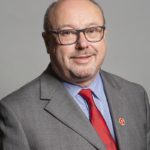
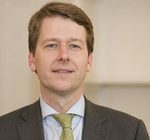
    The speech made by Dean Russell, the Conservative MP for Watford, in the House of Commons on 8 December 2022.

    I thank my right hon. Friend the Member for Hemel Hempstead (Sir Mike Penning) for securing this important debate. Local radio and BBC local radio plays an incredibly important role in our communities. It is the go-to source for trusted news, and to find out quickly what is going on in the local area. It is also often a voice that connects people who perhaps are lonely at home, or who need reassurance about what is happening in their local area. If we start to make local radio national, we start to lose that connection; we start to lose the voice of the community and that impact.

    BBC Three Counties Radio, which I share with my right hon. Friend the Member for Hemel Hempstead, is very good at striking the right balance between holding people like us to account while also ensuring that the truth goes out. Roberto’s drivetime show is a good example of that. They ask us what the issue is and ask us our opinions, but they also challenge us while ensuring that the facts are put out to local people.

    When we are in the Chamber, we often talk about national issues, but actually on local radio we talk about local community matters. I remember talking on many occasions about issues such as the closure of Pryzm nightclub in my patch, or about mental health initiatives that I have been doing. That is important. Local radio gives that platform to speak to people who we will see on the street or when we go out, whether knocking on doors or at community events.

    Local radio has another key role: working within an ecosystem to create new producers, new DJs and other people who might want to work in the industry. In Watford we have a fantastic local community radio station called Vibe, and I know that some of its DJs have worked at the BBC. They do that to get experience and for career opportunities.

    I will divert slightly to my own passion for radio. When I was at De Montfort University back in the ’90s, I and colleagues were involved in setting up a new student radio station called DemonFM. I will name-check Chris North, Jonathan Bown, Emma Marston, Ant McGinley and Rob Martin; there were many more, and we would be here all day if I listed them all. At the time, there was a lot of resistance to setting up the station, but it created a whole load of people who went on to have careers in production and the radio industry. Some went on to work with the BBC or with small production companies who work with the BBC, including at local radio level.

    I mention that because, from working on that radio station, where I had my own show, “Dean’s Poetry Show”—I was a poet but not many people know it—I learnt about the behind-the-scenes work that goes on. It is not just about the presenters, who do fantastic work, and the news readers; there are also the producers and the people who do all the extra work that we may not see, including those who go out scouting for local stories and work in their local communities to find out what is happening—they watch Facebook posts and other things—to uncover the real human stories that are part of our local communities. My worry is that if the BBC goes with a national approach to local news and local radio, we will lose the humanity in that. We will lose the stories that really hit people in the heart and not just in their head, as it were. This is about the human connection.

    The hon. Member for York Central (Rachael Maskell) mentioned loneliness, which I feel strongly about and even mentioned in my maiden speech a few years ago. Loneliness is one of the biggest challenges facing society. During covid, BBC Three Counties Radio and other local radio stations really helped to get people information so that they felt they knew what was going on. It was a time of crisis and trauma, when they did not necessarily have friends knocking on their door. As I have said, we used to talk about being lonely in a crowd, and now people in the virtual world seem to be lonely in the cloud. The truth is that radio cut through that. It was an opportunity for people, perhaps while sitting at home or in the kitchen making their dinner, to listen to a reassuring voice.

    One of the best bits of advice I was ever given by someone who worked in radio was that, when one presents a show, one should talk not as if speaking to an audience but as if speaking to the listener. That is the beauty of local radio: really good local DJs—we have many of them at BBC Three Counties Radio and our local stations—talk to the listener. They reassure the individual and make them feel like they have got a friend at the other end of the line, even though they are not phoning them. The BBC’s measures and the approach that it is taking is wrong because we will lose that. I know that my constituents will feel that.

    The sad truth is that, with these measures, people will not know that it has gone until it has gone. They will not realise that it has been lost until it is too late. Such processes and decisions, which are often made centrally, without real consultation and without people realising what they will lose, are never rowed back on. The decisions are made by people sitting in tall towers with very little connection to what is going on on the ground, and that is the sad truth.

    I wholeheartedly support what has been said in this debate. I thank my right hon. Friend the Member for Hemel Hempstead for securing it and all Members for standing up for local radio today. I wish the Chamber were full so that every constituency could have their voice heard in the way that we want to hear voices from local radio.
  • Martin Vickers – 2022 Speech on BBC Local Radio

    Martin Vickers – 2022 Speech on BBC Local Radio

    The speech made by Martin Vickers, the Conservative MP for Cleethorpes, in the House of Commons on 8 December 2022.

    I am grateful for the opportunity to speak in this debate, and I congratulate my right hon. Friend the Member for Hemel Hempstead (Sir Mike Penning) on securing it. It is quite clear that this is something on which Members across the House feel passionately. It crops up every few years, and I can recall speaking in similar debates over the 12 years I have been here.

    There is no doubt that the cuts proposed by the BBC have led to a considerable backlash from the public, this House and BBC staff, who feel badly let down by the announcement. These cuts will severely diminish what is highly valued by listeners and goes some way to underpin local democracy. My hon. Friend the Member for Worcester (Mr Walker) referred to his father’s change to the county boundaries. He created the—much-hated, I have to say—county of Humberside, and Humberside is actually a swear-word in our part of the country, except when we talk about BBC Radio Humberside, which is greatly valued.

    When considering my contribution to today’s debate, I reread the representations I have received in recent weeks and realised I could not put the argument across better than a BBC Radio Humberside presenter and union representative, speaking on behalf of the NUJ, Andy Comfort, who has been with BBC Radio Humberside for many years, and much of what I have to say is based on his submission to me, which I received a week or two ago.

    The proposals involve scrapping bespoke local programmes and sharing shows between several regional stations after 2 pm. In the evenings and at weekends, these shared programmes will span an even greater region, as has already been mentioned, and the coverage at night and on Sundays will finish much earlier. Currently, BBC local radio provides a vital service of news, information and companionship for its communities. The BBC says it will maintain local news bulletins as they are—on weekdays from 6 am to 6 pm, and at weekends from 7 am to 1 pm—but there is no guarantee that these will be presented from the local area.

    This move is part of a wider plan called “digital first”. The BBC plans to move its journalists into local teams and regional hubs. For Radio Humberside, it is largely a positive move, because teams in radio, online and TV will work together and ensure a joined-up approach to news gathering. There will also be regional investigation teams—investigative journalism has already been mentioned—which is very good. There will be more content that airs first or exclusively on BBC Sounds. BBC Sounds is great; I only wish it was not advertised quite so often—it seems every two or three minutes —when I am trying to listen to a football commentary or whatever.

    However, this digital investment comes at a cost to “linear” local radio—live programmes broadcast on traditional FM and DAB radio sets. Across England, BBC local radio reaches 5.7 million people every week. Many of these listeners are not “digitally affluent” and may not have easy access to high-speed broadband or smart phones. They have their radio permanently tuned to their local radio station, so at the touch of a button they are immediately in contact with that friendly voice. It is a friend in the corner.

    Mr Comfort from BBC Radio Humberside also points out that regional programmes may struggle to juggle priorities for competing demands for news. If two major stories happen within one region, for instance, which one will the regional programme choose to cover? We also know from the BBC proposals that each local radio station will have an average of just two journalist reporters, whereas at present the average is five or six. This is a serious dilution of journalistic resource in an already straitened part of the BBC’s service and output.

    BBC management claim that these changes will future-proof BBC local, because traditional linear audiences are declining. The ambition is for all services, but mainly digital, to reach at least 50% of the audience each week. But they are throwing away vast swathes of local output on the radio, highly valued by audiences from all walks of life, but especially the most vulnerable and marginalised in society. Mr Comfort says that the majority of BBC Radio Humberside listeners pay the BBC licence fee and rightly deserve better.

    Sadly, local newspapers are in decline, as has been mentioned. In my area we still have a daily newspaper, the Grimsby Telegraph, but the local content, like local content on the BBC, is now much diminished. That is bad for our local communities and does not allow voluntary groups, charities, churches and other local organisations to put forward what they are doing for their local communities in the same way as in the past.

    It is clear from the representations I have received, as well as from the contributions we have heard this afternoon, that the BBC has once again made a grave miscalculation. I join colleagues in asking the BBC to reconsider this proposal. While we are on the subject, I also urge the BBC to reconsider its policy of imposing the licence fee on the over-75s, which continues to be a sore point for my constituents and, I am sure, those of many colleagues.

    On both these issues, the BBC has taken a misstep. I could add another misstep as an aside: the BBC’s abandoning of the 5 o’clock reading of the football results on Saturday afternoons, although that is perhaps slightly less significant than the future of local radio. The BBC risks losing public support, which would be a real shame because it provides a vital service that all our constituents value. I urge the Minister to make the strongest possible representations to the BBC.

  • Robin Walker – 2022 Speech on BBC Local Radio

    Robin Walker – 2022 Speech on BBC Local Radio

    The speech made by Robin Walker, the Conservative MP for Worcester, in the House of Commons on 8 December 2022.

    It is a pleasure to speak in a debate with so much cross-party agreement. I congratulate my right hon. Friend the Member for Hemel Hempstead (Sir Mike Penning) on securing it and the Backbench Business Committee on granting it. I was very happy to put my name to the petition to the Committee calling for this debate, because this issue matters in all our constituencies.

    I began today talking to Andrew Easton on the breakfast show on BBC Hereford and Worcester about a national issue, as it happens, but one with relevance in my constituency. All of us, as politicians, need to engage with local radio. I recently ended a career on the Front Bench and returned to the Back Benches, and one of the pleasures of doing that is being able to pick up some of the causes I championed previously. I remember in a debate in 2011, along with the right hon. Member for Hayes and Harlington (John McDonnell), championing the case for local BBC and making some of these same arguments. In that case, we did win some of the argument, and the BBC changed its mind about some of the proposed cuts and kept our local radio stronger. I hope that this debate will mean we can do that again.

    As a Minister, I experienced the value of BBC local radio scrutiny in every part of the country, not just my constituency. I had to do so-called regional rounds and speak to the local BBC in different parts of the country where different issues would come up with an extremely well-informed approach. I remember being really tested by BBC Cumbria about issues of rural remoteness, and I remember challenging interviews with BBC Three Counties Radio. Having to think, as a Minister, about all the different populations that we are serving and that the BBC is serving is immensely important. That genuine localism, which the hon. Member for York Central (Rachael Maskell) spoke so passionately about, is vital.

    My right hon. Friend the Member for Wokingham (John Redwood) mentioned certain local government reorganisations that the Conservative party tried back in the 1970s. It is a running joke in my family, because my late father was the Minister responsible for implementing some of those. They were deeply unpopular and controversial, and most of them have unravelled over time, because people’s genuine local identities overcame the centralising instincts of Government. The BBC should listen to the lived experience of what happened with those great reforms of the 1970s and the fact that we have returned to a more local approach and the devolution that the hon. Member for York Central spoke about.

    For my constituents in Worcester, that is vital, because we have seen with various regional initiatives over the years the understandable dominance of the population centre in Birmingham up the road of the west midlands. I do not necessarily begrudge that, because it is where the most people are, but the priorities of the conurbation are not the priorities of someone from Worcestershire or Herefordshire. That is similar to Durham—I remember being dispatched on a Department for Education visit where my briefing told me that I was going to Newcastle upon Tyne, which I queried and said, “Are you sure about that?”. It turned out that the school I was going to was actually in County Durham, a rural area where people would not have been happy to be told that they were part of Newcastle upon Tyne.

    That sense of proper local identity really matters and BBC local radio does it well. We have voices on the radio that sound like the voices of our constituents—the voices that people know—so I thank the team at BBC Hereford & Worcester for the incredibly valuable public service that they provide. It should be about public service. The right hon. Member for Hayes and Harlington quoted the line about it being one of the “crown jewels” of public service broadcasting and I feel passionately that only the local BBC can do that within the service.

    When we have these debates about priorities, I wonder whether television drama is a good use of a huge proportion of the BBC’s budget in terms of public service, given that it is an increasingly competitive space. My right hon. Friend the Member for Maldon (Sir John Whittingdale) made the point about the importance of the BBC providing unique opportunities and I am not sure that it should be putting such a huge part of its budget into an increasingly competitive landscape. I would rather that the small fraction of its budget that it puts into local radio was protected and, preferably, enhanced.

    Several hon. Members have mentioned the covid crisis, and we all know the enormous value of BBC local radio during that time. In my patch, we have frequently faced debilitating floods; Worcester falls victim to floods too often. During periods of huge disruption, BBC local radio is vital to many local people. My right hon. Friend the Member for Hemel Hempstead made the point about school closures, which is one issue that we have faced as a result of floods over the years. People will not be able to get that vital local knowledge and local input—the scale and the level of detail that tells them when a primary school has been affected by floods and needs to close early—on a regional level.

    That local knowledge does not stop being vital at 2 pm, so the idea that we can have local radio just for the morning is for the birds. It is about democratic scrutiny: we as Members of Parliament will all have been asked to go on the breakfast show and on drivetime to follow up the news bulletins. Although the local news bulletins are being protected, we follow them up with detailed discussions about local issues on drivetime, so to lose those programmes would be a huge mistake.

    John Redwood

    Is it not important that local radio journalists go to the council meetings, which are not normally before 2 pm?

    Mr Walker

    My right hon. Friend makes a crucial point. Of course, our local councils are a vital part of local democracy. Without local radio journalists covering and attending those meetings into the evening, we will not have the quality of democratic debate and discourse that we can and should have in this country.

    I was struck by the point of the right hon. Member for Hayes and Harlington about the BBC chasing a younger audience with its move to digital. We have to ask why, because that younger audience is much more savvy and focused on a wide range of media, and does not necessarily rely on local radio in the same way that the older audience does. It is not just about the older audience, however—although we have heard from many hon. Members on both sides of the House about the importance of local radio to the elderly and isolated, which is right—people who drive for a living also value what local radio does. It gives detailed information about road closures that it would not be possible to get at regional level and that commercial stations can rarely provide. Reaching the audience that local radio reaches—the millions of people up and down the country who benefit from and rely on it—is important.

    A good thing about the BBC’s proposals is that they talk about investing in investigative journalism, which all hon. Members would support. If that investigative journalism is taking place at a local level, however, it needs an outlet and regular opportunities to report and feed into programmes.

    Sir Mike Penning

    My hon. Friend is making an exceptionally good point. One problem with the redundancies is that those who have not lost their jobs will no longer be local reporters; they will be regional reporters. Some of the award-winning reporters in our constituencies and on our local radio will be smothered around the country and we will lose that expertise. I do not believe that that is what the BBC is looking for.

    Mr Walker

    I entirely agree, and I would also say that investigative reporting needs to be done a local level in our communities. My hon. Friend the Member for Wyre Forest (Mark Garnier), who has just had to step out of the Chamber, recently had a debate about nitrous oxide misuse, and that really important issue was highlighted by a local journalist working for BBC Hereford & Worcester, based on stories that emerged locally.

    At Education questions a week or so ago, I raised the case of Rhys, a boy from Worcestershire who has been unable to get a place in a special school and was not able to get a local placement. Such cases are brought up by the high-quality journalism taking place in our BBC local radio. The coverage we have had of the situation at the Worcester Warriors, which has been very worrying for many of my constituents—not just on the sport side, which I am glad to say the BBC wants to protect, but on what was going on behind the scenes and the business story of what went wrong at a premiership rugby club that has been driven into administration—could not have happened without the brilliant investigate work of Felicity Kvesic from BBC Hereford & Worcester.

    For all these reasons, I think the BBC needs to rethink these proposals. I am very grateful for the constructive way in which the NUJ has been engaging on this—I think we have all had a useful briefing from it. It has shown that it agrees with parts of what is being proposed, but it disagrees with the fundamental move against localism. For local identity and for the vital public service that this provides, I urge my hon. Friend the Minister to keep on pressing the BBC on these issues and to get it to rethink.

  • Grahame Morris – 2022 Speech on BBC Local Radio

    Grahame Morris – 2022 Speech on BBC Local Radio

    The speech made by Grahame Morris, the Labour MP for Easington, in the House of Commons on 8 December 2022.

    I, too, congratulate the right hon. Member for Hemel Hempstead (Sir Mike Penning) on securing the debate and offer my thanks to the Backbench Business Committee for making time available for it. I rise to speak both as co-chair of the National Union of Journalists cross-party parliamentary group and to represent the concerns of my constituents in Easington, County Durham on the vital role of BBC local radio services, and to warn BBC management of the damaging impact of the proposed cuts to those services.

    I do not think anyone is disputing that the way we consume news is changing. Undoubtedly, there is a greater emphasis on digital content and listen-on-demand platforms, but many people—especially older and rural listeners—continue to rely on traditional radio broadcasting. It is not an insignificant audience: 5.7 million people regularly listen to BBC local radio services. As many Members have indicated, the plan to reduce guaranteed local programming—much of which is shared content—to just 40 hours a week threatens to undermine the extent to which BBC local radio properly serves the whole demographic with reliable local news and information. Let us not forget, it is not doing that out of altruism; it is part of the BBC’s public service obligation under the terms of the royal charter.

    BBC local radio helps to combat social isolation. My mother is 87, and the radio is important. She never gets out, and it is a source of comfort, information and friendship, in a way. It helps people to keep in touch with what is happening in their local communities. Indeed, in the last annual report, as I think has been referred to previously, the BBC boasted how local radio

    “delivered real value by keeping people safe and informed through challenging times such as Storm Arwen”.

    I can testify to that, because my area was badly affected. The electricity and so on were out and, particularly in the north-east, people were left without power for many weeks. I am grateful to the local radio and the NUJ members who kept people informed. That included some important information regarding health and safety and the distribution of food parcels and other materials. Similarly, during the pandemic many people were isolated in their homes, and the “Make a Difference” campaign brought together volunteers who helped neighbours during the covid-19 emergency, helping to deliver food, to do shopping and so on.

    The problem is compounded in my own region. The Institute for Public Policy Research did a report on digital exclusion in the north-east in September 2021. It showed that digital exclusion was a long-term problem, even before the covid-19 pandemic. However, since the pandemic began, there has been increased reliance on digital services. In fact, it was referred to in Cabinet Office questions this morning. In regions such as mine, the older demographic in particular, me old mother, and many other people in similar circumstances are not able to access online digital alternatives. That might be because of a lack of access to wi-fi, to connectivity or to devices, or perhaps because of a lack of skills or confidence. I do not think they should just be put on one side. Inequalities in access to digital and online resources and activities are closely associated with other dimensions of inequality, and in many cases they exacerbate feelings of isolation. Altogether, this suggests a deepening of the impacts of inequalities associated with digital exclusion.

    The BBC’s report also said that we should ensure

    “that digital isn’t the only option. The final aspect of inclusive service design with regards to digital provision is the need to offer a suitable offline alternative for anyone who is unable to access digital service for any reason. Digital by default services often do not offer sufficient offline support, meaning that users or customers become very frustrated and often can’t get what they need.”

    While this debate is about cuts to local radio services, we should also recognise what is happening in much of the other media. The UK has seen a steady decline of local newspaper titles, which we have discussed here and in Westminster Hall. The Press Gazette reported that at least 265 local titles have gone since 2005. Members should be aware that the BBC’s digital first strategy also plans to scrap or merge the current BBC News TV channel with BBC World News, and then replace both with a single, globally focused channel with the capacity to provide a separate UK-focused feed in cases of major breaking news. Journalists working on the programme feel that this will significantly impact their capacity to provide more in-depth coverage of news beyond the national headlines, especially in the nations and regions of the United Kingdom.

    In that sense, the cuts to BBC local radio services are a double whammy for our constituents, and certainly for mine. The NUJ parliamentary group has written to Ofcom to urge it to conduct a review of whether the BBC’s digital first plans in their present form would constitute a breach of its charter obligations to serve all communities and localities in the UK with relevant news coverage. Those concerns have been expressed across the House, and to be fair, Ministers have echoed them, although I gently point out that the freeze of the BBC’s licence fee settlement at a time of double-digit inflation invariably puts pressures on the BBC’s budget. I would also like to reinforce the point made by the right hon. Member for Maldon (Sir John Whittingdale) that, although we pay £159 for our BBC licence fee, only about £7.60 of that goes on maintaining local radio. That represents, by any standard, excellent value for money.

    The BBC says that these proposals are being consulted upon. My understanding from discussions with NUJ members in my region is that the consultation has been very much top-down. As my hon. Friend the Member for York Central (Rachael Maskell) said, if BBC management had gone to BBC local radio journalists and asked for their input and advice on how to bring about efficiencies and deliver a more local service, they would have come to a rather different conclusion.

    I share the NUJ’s view that these cuts will seriously diminish a service that is highly valued by listeners and underpins local democracy. Investment in digital content should not come at the expense of services on which so many of our constituents continue to rely.

  • John Redwood – 2022 Speech on BBC Local Radio

    John Redwood – 2022 Speech on BBC Local Radio

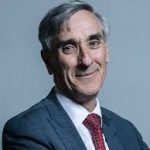
    The speech made by John Redwood, the Conservative MP for Wokingham, in the House of Commons on 8 December 2022.

    I entirely agree with that passionate defence of localism by the hon. Member for York Central (Rachael Maskell). Local must mean local and we do not want people in the BBC in London imposing on us their views on how our local radio should be conducted and how big our locality should be. I see behind the centralised planning at the BBC a distorted version of what our constitution should look like within the United Kingdom, and a wish to impose that—against the clear majority wishes of people, whenever they have been asked about these subjects in referendums and elections.

    It is not just that the BBC wishes to create phony regional groupings instead of truly local radio, but that it has a very distorted view of devolution. The BBC seems to be an enthusiast for devolution to Northern Ireland, Scotland and Wales, but it does not even know England exists. It always wants lopsided devolution. One of the four important constituent parts of the United Kingdom is scarcely ever mentioned; it is never suggested it should have any powers or right to self-government and there is no engagement with English issues on BBC radio in the way that there is a clear engagement with Scottish, Welsh or Northern Ireland issues. That causes enormous resentment.

    In my own case, local radio is organised at the county level, at Radio Berkshire. That makes sense, because it is an area that we can recognise and there is some loyalty to our royal and ancient county. Many people now do not know that it had its borders artificially compressed in a local government reorganisation some 50 years ago, under a Conservative Government that I think made some mistakes, but the county retains an enormous amount of goodwill and residual loyalty, and people are very happy for our local radio to be organised at that scale. If people had real choice, however, I think Wokingham would rather have a different radio from Reading, and I think we would probably rather have a different radio from Windsor, because we have a different set of issues. But we accept that there have to be some compromises because talented people need to be appointed and paid wages, and that cannot be done to a sensible budget at very local levels.

    I urge the BBC to look in the mirror and understand why, in many respects, it is getting so out of touch with its audiences. It has a very narrow range of views and issues that it will allow people to discuss, and it has a particularly warped perspective on how we feel about our areas and what our loyalties belong to. I am allowed to express views from time to time on BBC Radio Berkshire. It does not put me through the ordeal of a pre-interview to find out whether my views are acceptable and fit its caricature of a Conservative in the way that nearly always happens if national radio is thinking of interviewing me. Then, I always have the double interview, and I quite often fail the first interview test because my views are clearly too interesting or unacceptable, or do not fit the caricature that the radio wishes to put into its particular drama, so people are spared my voice on radio and I have more free time, which is perhaps a wonderful outcome from those events.

    I do not find that my local radio quite plots the drama as strongly as national BBC radio and television. I am very grateful for that because I think that good, independent broadcasting of the kind that the BBC says it believes in should allow people of decent views—not extremists who want to break the law, or racists—to conduct civilised conversations and debates through the medium of the BBC. But all too often, that is truncated or impossible because of the way in which the editors operate and their pre-conceived set of views, about which they wish to create some kind of drama.

    Colleagues have made extremely good points, which I will emphasise, about the treatment of staff and the way these kinds of proposals are planned. If the BBC wishes to run truly local services, it must listen to us—the local people and the local people’s representatives—and treat its staff well, and be aware that they have given good service in the past and should be taken on a journey of change that makes sense for them as well as for the BBC. This all looks rather top-down, abrupt and unpleasant. Successful organisations understand that their own journeys, evolving as institutions, are best conducted if, at the same time, they allow good journeys for the staff who give them loyal service. That does not seem to be happening in this case.

    I will spare you a bit of time, Madam Deputy Speaker—I have made the main points that I wished to make. The BBC needs to be more open to a wider range of views. If it wants to be local, it has to ask us what local means.

  • Rachael Maskell – 2022 Speech on BBC Local Radio

    Rachael Maskell – 2022 Speech on BBC Local Radio

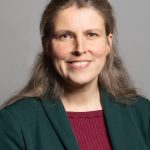
    The speech made by Rachael Maskell, the Labour MP for York Central, in the House of Commons on 8 December 2022.

    The House is united this afternoon as we are the voices of our communities—the very thing the BBC should and must be into the future. I congratulate the right hon. Member for Hemel Hempstead (Sir Mike Penning) on securing today’s timely debate, as the BBC is well into its consultation. However, when I spoke to the BBC just this week, my conclusion was that it had got the question wrong that it is trying to solve. It is almost running in the opposite direction of the challenges it is trying to address, but also of the way our country is moving.

    Ever more we are seeing devolution and therefore more localism and more need to hold local politicians to account. In the midst of the identity crisis we face as a nation, people are drawing into their local roots to find and build that identity. That is the one thing the BBC can do so well because it is not just about broadcasts; it is also about being in the community. The journalists and programmers live in our communities and know them. They have the connection with the people across the communities. What the BBC is doing with this proposal is drawing everything back to the centre. This centralised idea of what the BBC should be to local people will be determined in London, as opposed to in our communities. That is where this proposal is fundamentally wrong. It asks the wrong question of the problem.

    When I met BBC representatives earlier this week, I said to them, “Over the next two years, you should set a challenge to every local BBC station across the country and say to them, ‘We want to move in the direction of digital, because that is where the world is going and we understand that, but we also need to keep a strong broadcasting sector in place. Why don’t you, as local BBC teams, take that problem away, sit around the table, find your own local solutions, and see where that takes us? Let us see the innovation that comes from our brilliant journalists, programmers and staff across the BBC. Let them set the pace for their communities, because they know what their communities need.’” Instead, what is happening is that everything is being sucked into the middle—into the heart of London—where decisions are being made by somebody who does not know our communities, who does not understand the different populations that need to be served, and who does not know the stories that people want to hear.

    We have heard about the importance of connection. Across our country, we have 9 million people who are lonely. That is shocking, but the BBC is a friend to those people. We know that 25% of lonely people switch on their radio as a way of making their connection to the outside world. Will we seriously make them withdraw even further from our society as a result of this programming process? It just does not make sense, and it does not address our societal needs, which is exactly what a public sector broadcaster should do.

    Redundancy notices, or at-risk notices, have been issued to staff just weeks before Christmas. Forty-eight jobs will disappear across the BBC. They are the jobs of broadcasters and planners—people who worked right through the pandemic and who served us so well over that time. Now they are worried about their future and about having their professionalism undermined, at a time when their advice is needed to shape the future of British broadcasting.

    The BBC faces challenges: local radio and local BBC have been massively cut already. Instead of managing that decline, which is what is happening, the BBC should grasp the reality of where it is and where it needs to get to and then rise to the challenge, embrace this as an opportunity, draw in all the skills from the broadcasting community and ensure that it is ahead of the curve. It should be strategic and think about what broadcasting and its unique selling proposition could be, to shape the future of broadcasting across our country. It should be not following but setting the agenda. That is what it did on its inception 100 years ago, but it seems to have lost its mission. That is why I say to the BBC that it is following the wrong course.

    Moreover, as we see more and more devolution and more elected Mayors, people across the country are demanding to know more about what is happening in their area. As they need jobs and housing within their community, they want to know what is happening. It is important that those stories are told. After all—I mean this with no disrespect to friends and colleagues across Yorkshire—people in York want to know what is happening in York and North Yorkshire. They do not necessarily want to know what is going on in Leeds, Sheffield or elsewhere in North Yorkshire, because they are different communities. What matters to them is what is on their doorstep, what is going on in the local school or the local community centre, and what is happening in their city with jobs, housing and so on. That is why local radio is so important.

    BBC local radio is also the authentic voice of what is happening across our airways. What happens in this place is almost BBC entertainment at times, but when we think about the stories, we realise that they do not break in Westminster. They happen in villages, towns and cities across our country. Sadly, that is where tragedy happens, too. I think of Claudia Lawrence who went missing in my constituency. Would regional BBC really care about reporting that story 13 years on? Will they keep coming back to that story? BBC Radio York does, however, because she matters to our community and it matters to her family. We need to keep those connections in place—to remember people, to tell those stories, to reflect on the good times and the bad times—and the BBC can only do that if it is located and broadcasting in the community.

    In York, we will see a serious cut in the number of hours of broadcast, from 105 to just 47—nothing at all. At 2 o’clock we will switch off from having our own identity and will be merged into the mash of all the media outlets out there. That will certainly not deliver to our people.

    I remind the BBC of what happened during the floods of 2015, a really challenging time—we have heard about covid and about other weather event—when day and night journalists were out across our communities, reflecting and telling the story, helping where no other messages were coming through, able to get out vital messages about safety and security, and comforting people at a time of real fear. It sticks in everybody’s mind how they were always there, because the BBC is always there—out in the communities, out in the reaches, telling the stories on their doorstep. That is why we need good, strong local radio, day and night.

    It almost feels as though the BBC has lost confidence in itself, its purpose and its mission. I know the people working across BBC Radio York, who do an incredible job, are not just names, but part of our York family. That is why the station is so special and why we must keep fighting for it. Whether it is Jonathan, Adam, Elly or Georgey, they are part of our daily diet as they share what is going on in their own way. Often people say, “Oh, local radio—that’s where people do their training before they get on to the serious stuff in Westminster or move on.”, but in my experience, these are the very best of journalists, the very best of planners and technicians. They know their trade and they are skilled at it, and they have so much to pass on for the future of radio.

    That is why it is vital that the BBC asks the real question: what does it want of itself for the future? The only way it can do so authentically—the only way it will have a future—is if it goes back to its communities and its experts across the field and asks them, “What is our future?”. Instead of determining it from here in the centre, the BBC must go back and start the process again, determining its way forward by saying, “We need to be part of the communities from which we once came.”

  • John Whittingdale – 2022 Speech on BBC Local Radio

    John Whittingdale – 2022 Speech on BBC Local Radio

    The speech made by John Whittingdale, the Conservative MP for Maldon, in the House of Commons on 8 December 2022.

    I congratulate my right hon. Friend the Member for Hemel Hempstead (Sir Mike Penning) on obtaining this debate. It is also a pleasure to follow the right hon. Member for Hayes and Harlington (John McDonnell). I do not often agree with what he says but, apart from a couple of sentences, I agreed with practically every word.

    The BBC spends something like £4.1 billion each year on public service content, of which £477 million—just over 10%—is spent on radio. A quarter of that, or around 3% of the BBC’s total spend, is spent on local radio, yet what BBC local radio provides is hugely valued by a very large number of listeners. It is an essential and widely trusted local information service.

    I have listened to and appeared on BBC Essex over many years. The station’s presenters, including Dave Monk, Sadie Nine and Sonia Watson, are familiar friends to many of my constituents. People share their living room with them, and their news reports are trusted. That was particularly the case during the covid pandemic, when all the surveys showed that people relied on and trusted information from local media more than information from almost any other source.

    But it is not just about news. BBC local radio does a tremendous amount of community events to support voluntary organisations. Just a few weeks ago, I presented a Make a Difference award to one of my constituents in Essex who had been recognised by BBC Essex for her remarkable, life-saving bravery.

    The BBC’s mission is to be distinctive, and one of its public purposes is to serve the diverse communities of all the UK’s nations and regions. BBC local radio does both. The requirement to be distinctive is something BBC local radio meets better than a lot of the rest of the BBC. Nobody else does what BBC local radio does. There are plenty of very good local radio stations—I have Heart Essex, Radio Essex and community stations such as Caroline Community Radio in my constituency—but they are predominantly music-based. They do not pretend to provide the kind of very localised talk-based content that only BBC local radio provides.

    I accept that this year’s licence fee settlement is difficult for the BBC, but £159 represents a lot of money for households, particularly with the rising cost of living, so it was the right decision to freeze the licence fee. That has put pressure on the BBC, but local radio is a tiny proportion of its expenditure, and the BBC tells us that it is not cutting the amount of money it spends but is redirecting it, so £19 million has been taken away from radio and put into online news.

    I spoke to Rhodri Talfan Davies, the BBC’s director of nations, about why the BBC made that decision, and he told me it was because people no longer listen to the radio to get their news and because people, particularly young people, are increasingly going online, and the BBC somehow has a duty to follow them. I think that is profoundly mistaken for two reasons. First, there is still a significant audience for radio, particularly among the elderly population, who often cannot get out. They rely on the radio.

    Richard Foord (Tiverton and Honiton) (LD)

    I recognise what the right hon. Gentleman says about elderly constituents who depend on local radio. Angela Kalwaites does a fantastic show on BBC Radio Devon covering stories from the county’s faith communities. Some of my constituents who listen to her show are frail and elderly and can no longer get themselves to their local church or chapel. They tune in to her programme to get that connection with local people. Does the right hon. Gentleman agree that this move would hit some of our eldest constituents hardest?

    Sir John Whittingdale

    I agree. Many of our elderly constituents rely on radio and are less familiar with online. They will not necessarily go on to the BBC News website or a commercial website. They enjoy the fact they can listen to local news content from people they know well. As my right hon. Friend the Member for Hemel Hempstead and the right hon. Member for Hayes and Harlington have both said, this is now going to stop for a lot of the country at 2 pm. We are lucky in Essex, as it is going to continue until 6 pm on weekdays, but after that we will become part of a regional network, with a show that covers Essex, Cambridgeshire, Suffolk, Norfolk, Northamptonshire and Three Counties Radio, which means another three counties, as it says on the tin. So that makes eight counties. Eight counties is not local radio. This will result in a significant reduction in the amount of local content, at times when people want still to be able to access that.

    Secondly, instead of providing for local radio, the BBC is going to increase its spend on local online news content, yet that area is already well supplied. Local news publishers more and more are providing online content. Existing print-based newspapers have websites and there are now many online-only publishers, such as Nub News, which I referred to in the questions this morning. They are operating in a challenging and competitive environment, and are under tremendous economic pressure. They already see the BBC, which provides content for nothing, as a major competitor. The latest Ofcom survey showed that, when people want to go online to access news content, 62% go to the BBC website, 34% go to Google and 10% go to any local newspaper site. So already local commercial providers feel that the BBC is a threat and that is why Frances Cairncross said in her report that the BBC needs

    “to think more carefully about how its news provision can act as a complement to, rather than a substitute for”

    private news provision. Yet this, the area where the BBC is going to invest more, is bound to have an even greater competitive impact on commercial news providers. So I hope that Ofcom, which has a duty to look at the impact of the BBC’s activities, will examine that. I hope it will also look at the operating licences for BBC local radio and, if necessary, strengthen them to make sure that they continue to provide genuine local content, not local content across eight counties.

    If the BBC wants to support local news provision, there is an easy way in which it can do so. When I was Secretary of State, I played a small part in the creation of the Local Democracy Reporting Service, where the BBC pays for local journalists who are employed by local news providers to collect and distribute local news content across all the local news providers. That scheme has been a huge success. It is welcomed right across all the local newspapers. The BBC acknowledges that it is a great success. So, if the BBC wants to put more money into local news provision, it should do it by increasing its support for the Local Democracy Reporting Service, which works with local newspapers, rather than by increasing the amount of money it spends competing with local newspapers.

    It is not for us here or for the Government to tell the BBC how to spend its money, but the message that will go out this afternoon is that the BBC has got this wrong and it needs to think again.

  • John McDonnell – 2022 Speech on BBC Local Radio

    John McDonnell – 2022 Speech on BBC Local Radio

    The speech made by John McDonnell, the Labour MP for Hayes and Harlington, in the House of Commons on 8 December 2022.

    I speak not only in my capacity as secretary of the National Union of Journalists parliamentary group, but to represent my constituents. The NUJ has circulated a briefing to all Members of Parliament who have expressed an interest in local radio. I will refer to elements of it because it sets what the right hon. Member for Hemel Hempstead (Sir Mike Penning) said in context.

    I congratulate the right hon. Gentleman on securing the debate. It is interesting that on this particular subject we have come together over the years on a cross-party basis to exert an influence on the BBC as best we can. Our debates in this House have exerted an influence: hon. Members who have been around for a while will remember previous debates in which we have fended off onslaughts on BBC radio.

    Let me put our concerns on the record—I hope the BBC is listening. The current plans mean that most of the afternoon and evening output will be shared. Overall, BBC local staffing is expected to reduce by 48 posts. After 2 pm on weekdays, the BBC will produce 18 afternoon programmes across England. Local stations will be forced to share information. What will that do? Exactly as the right hon. Gentleman says, it will seriously diminish a service that is highly valued by listeners and plays a role for all in underpinning local democracy by holding us to account and reporting on what is happening— not just with MPs, but with local councils and local agencies.

    As the right hon. Gentleman says, there is example after example of local BBC stations providing a conduit of information during crisis after crisis. From weather crises and covid to accidents and other unfortunate incidents, they provide the information people rely on. Why are they important, as against other stations? Because they are seen as a reliable source of information and they provide a vital service on which all our communities depend. The cuts mean that there will now be just 40 hours a week of guaranteed local programming.

    Let me reiterate the role that constituents have told us BBC local radio does. It connects communities. It provides local news. It provides reportage of sport, entertainment and religious services. It has been the bedrock of the BBC’s role as a public service. Interestingly, it is not just us saying that, but the BBC itself. In its latest annual report, the BBC boasts about how local radio

    “delivered real value by keeping people safe and informed through challenging times such as Storm Arwen, where audiences in the North East were left without power for weeks.”

    The BBC itself gives examples from the pandemic, when many people were isolated in their homes. The BBC itself says “it makes a difference.” That is why we are bewildered when 5.7 million people listen to local radio and it comes under attack once again.

    There is quotation after quotation from people who may not be working in the service at the moment and may therefore be more independent. I agree with the right hon. Gentleman that people do not want to put their jobs at risk at this stage. The former voice of BBC Radio Suffolk’s afternoons, Lesley Dolphin—who was very well known to a lot of people—wrote this to the director-general of the BBC:

    “BBC managers are proud that they have journalists on the ground in every county, but local radio is so much more than a news service—it is embedded in local communities and gives people a sense of place, a chance to celebrate heritage and art. It will be impossible to do that if programmes are shared across a wider area.”

    When we debated this issue recently, early in November, there was huge cross-party support for local radio. One Member said that local stations

    “provide a lifeline for news and education, mitigate against rural isolation and support people’s rural mental health.”

    Another said that it was

    “a great incubator for new talent”

    in his area, and a third described it as

    “one of the crown jewels of our public sector broadcaster.”—[Official Report, 1 November 2022; Vol. 721, c. 774-778.]

    The importance of local broadcasting becomes even clearer when all of us are reporting the decline in local newspaper circulation in our areas. The BBC local radio service has stepped into that gap to an even greater extent to ensure that there is local reportage, holding us all—at every level of representative democracy—to account. Press Gazette has reported that 265 local newspaper titles have gone. The BBC says that it is pursuing a digital-first policy, chasing younger viewers, but the NUJ and others have put forward alternatives so that broadcasters can improve the whole system more effectively by working differently and using technological solutions. Unfortunately, the BBC has not engaged in that discussion constructively enough.

    I agree with what the right hon. Gentleman said about staffing. All BBC local radio staff have now been told that their jobs are at risk. They have been told that the managers will “roll out” the plans, which means that some of those staff will not know their futures for up to a year. We can imagine the sense of insecurity that that creates.

    During the November debate, the Media Minister, the hon. Member for Hornchurch and Upminster (Julia Lopez), said the Government were

    “disappointed that the BBC is reportedly planning to make such extensive cuts to its local radio output.”—[Official Report, 1 November 2022; Vol. 721, c. 764.]

    The view that we can express to the BBC is that this is a cross-party issue. It is certainly of concern to the Opposition parties, but it is also of deep concern within the Government. I will not let the Government off the hook, because I want to put on record my opposition to the freezing of the BBC licence fee, but in the context of the resources that the BBC now has, as the right hon. Gentleman said, there must be some element of prioritisation for the valuable role played by BBC local radio.

    Let me quote from another broadcaster most people will recognise, Fi Glover, who has been a prominent broadcaster over the years. When she was interviewed recently on “The Media Show”, she said:

    “There has never been a more important time in the dissemination of information to have a strong local news network. If you can’t tell the story of the people around you, who you know and see every day then into that void can fall really unpleasant things. Once that part of the forest has been cut down, it won’t ever grow again.”

    So what did she think of these plans? She said,

    “it is bonkers.”

    I agree with her completely. I hope that the BBC is listening, and I hope it will think again.

    Let me say this on behalf the of NUJ: it stands ready to be involved in any consultations or negotiations to find an alternative way forward, which I think the majority of Members would also seek.

  • Mike Penning – 2022 Speech on BBC Local Radio

    Mike Penning – 2022 Speech on BBC Local Radio

    The speech made by Sir Mike Penning, the Conservative MP for Hemel Hempstead, in the House of Commons on 8 December 2022.

    I beg to move,

    That this House has considered the future of BBC Local Radio.

    I thank the Backbench Business Committee and the 100-odd colleagues from across the House who joined the application for this debate. For those who are watching and perhaps thinking that the Benches are a bit sparse, actually if everybody speaks for 10 minutes, we will fill the time perfectly. This is a great opportunity for colleagues across the House to send a message not only to the excellent Minister on the Front Bench, but to the BBC. I also thank the House of Commons Library for its excellent and balanced paper on the subject. I will try to explain to the BBC, with colleagues, where it has gone fundamentally wrong with the demise of local radio. Local radio provides a service to our constituents and our communities that commercial radio cannot provide. If the BBC is trying to compete with commercial radio in that space, then frankly it has lost the ethos of what the BBC is supposed to be about.

    There is a tax on all our constituents who have a TV or a computer that is able to receive a BBC programme. It is called the licence fee and it is a criminal offence not to have it. It was put in place all those years ago so that the BBC could provide a service that people could trust was impartial and was not going to come from any other source.

    Mr David Davis (Haltemprice and Howden) (Con)

    Does my right hon. Friend agree that impartiality is right at the front of the BBC’s ethos, but that in practice many of us in this Chamber—certainly, I do—find that BBC local radio, in my case Radio Humberside, is far more impartial than any national programme?

    Sir Mike Penning

    My right hon. Friend hits the nail on the head. I will come on to explain the matter of trust and how local radio is not allowed a level playing field, when it comes to programmes such as “Newsnight” or the cost of some BBC presenters. During covid, my constituents were massively reliant on the information coming from Three Counties Radio. They trusted it, they understood it and the presenters were literally their voice of information about what was going on during the pandemic.

    As the cold weather hits parts of the country—fortunately, although my part of the country is cold, the weather there will be nowhere near as difficult as the sort that some will have—there is no doubt that some schools will close. Where is the information that people can trust going to come from? Clearly, it will come from their local radio station. Some commercial radio stations will pick that up—that is fine—but actually that is the job of the BBC, because it takes the licence fee.

    The BBC gets about £3.5 billion from the licence fee and a further £1.5 billion from other sources. It is not for this House to tell the BBC how to spend that money, but we can give it advice. Some of that advice has been brought to me by my constituents, who are literally in tears that some presenters on local radio stations in my part of the world have been given pre-redundancy notices before Christmas, telling them that they should apply for their jobs. In some cases, those jobs will not be there.

    Let us look at what the BBC has decided to do. It is proposing to allow our local radio stations to go a bit longer in the morning, until about 2 pm, and then we will be regionalised.

    Colum Eastwood (Foyle) (SDLP)

    I am grateful to the right hon. Gentleman for securing the debate. An announcement was made last week about my local radio station, Radio Foyle, and we will not even get morning programming. There will not be a local voice on Radio Foyle in the north-west of Northern Ireland until 1 o’clock in the afternoon. The breakfast programme is being stripped away and more than half of the news staff are being got rid of to save £420,000. BBC Northern Ireland’s budget is £55 million. In effect, it will destroy a local radio station, going against what its own charter says about providing local people with access to local news, all to save a measly £420,000. The BBC has a massive number of staff in Belfast and two massive buildings, but the axe is falling on the local community in the north-west of Northern Ireland. Surely the right hon. Gentleman would agree that that is an absolute disgrace.

    Sir Mike Penning

    The hon. Gentleman represents the voice of his constituents in an excellent way in the House this afternoon. Knowing the Province as I do—once in uniform and then as a Minister of State in the Northern Ireland Office—I know how important the local radio stations are. The interesting thing is that I do not think the BBC really knows what it wants to do. What is its ethos? Where is it going? For instance, in my part of the world it will cut local radio in the afternoon, but in his part of the world it will cut it in the morning. I would argue that both are very important.

    To go back to my earlier point, we are now in winter. Parents will take their children to school, and it is quite possible that sometimes—especially in the northern parts of this great country of ours—those children will have to go home early. Schools will do their level best, but it is the local radio stations that will tell parents which schools will be open the following day, which will be open that evening, and whether they need to collect their children early—I hear that all the time on my local radio station. The people involved are dedicated, and they are not the very rich people who work for the BBC.

    When the Secretary of State came to the House to answer questions on this issue a few weeks ago, it was shocking that the Department had been told what was happening only the day before, because I had been told on the Friday by some local radio stations that they knew about it then. It is shocking that what is really an extension of Government—because the BBC takes the licence fee—did not tell the Government what was going on so that we could tell the House. That is absolutely disgusting and fundamentally wrong. Mr Speaker quite rightly complains bitterly when things are announced outside the House, but this was also about people’s jobs and our communication with our constituents.

    I went back to listen to some of the comments from people in local radio—I have to be careful here, because I want to protect them and not put them in an even more difficult position—and they said, “Mr Penning, it is not a level playing field. I’m not allowed to have another job, apart from working for the BBC.” A few people are on slightly different contracts, but the vast majority have contracts that say they cannot have another job in broadcasting.

    I named a gentleman in this Chamber who works for the BBC and who has been on our TV quite a lot recently because of the World cup—the gentleman’s name is Gary Lineker. I said that I thought that it was fundamentally unfair that he earns £1.35 million, or slightly more—that has been declared by the BBC as his income—and others, such as Zoe Ball on Radio 2’s “The Zoe Ball Breakfast Show”, earn just short of £1 million. I do not know about Zoe Ball’s contract, but what we know about Gary Lineker’s contract is that not only does he do advertisements for a certain company that makes crisps, but he works on BT Sport. My local radio people are not allowed to do that.

    I got lambasted by a Daily Mail journalist who said, “Stop picking on Gary Lineker.” I am not picking on him; I just think it is unfair that our local radio people are now prevented from having a job, while he can go and do jobs galore. I am not going to be a hypocrite; I have declared other interests outside this House. That is within my contract. Others who work in local radio cannot work in other ways. There are people who have been given their pre-redundancy notice and told that they need to apply for their job, but their jobs will not be there.

    What can the Minister do for us this afternoon? He is an excellent Minister, but his job, rightly, is not to run the BBC. It is for this House, however, to send a message to the BBC that it has got it fundamentally wrong to attack that low-hanging fruit—our local radio station presenters—without understanding the damage that that will do to our communities around the country.

    Andy Carter (Warrington South) (Con)

    This is a message that we need to send not only to the BBC, but to the regulator, Ofcom. The service licences under which BBC local radio operates are so woolly that, frankly, there are no obligations in place that require it to be specifically local to the area that it is required to serve. Given that we are in a mid-term review of the BBC, is it not time that Ofcom had some teeth and required the BBC to do what it is set out to do?

    Sir Mike Penning

    My hon. Friend has read my mind. As he may have noticed, I do not read speeches in this House because my dyslexia prevents me, so I try to memorise what I am going to say, and I was about to move on to Ofcom.

    Because the licence fee is a tax and people have to pay it, there has to be regulation. Ofcom provides that regulation. It is for the Government to set the parameters, for Ofcom to regulate and for the BBC to decide how to deliver its services. I find it inconceivable that Ofcom would sit back and allow this to happen when it is Ofcom’s job to ensure that the BBC fulfils its role and does what it was supposed to do when we set it up with a licence fee all those years ago.

    I am conscious that many colleagues across the House want to speak this afternoon, and I am really interested to hear what they say. The BBC has done brilliant things and has some brilliant programmes. I have fallen out with it many a time; I do not go on “Newsnight” these days, because it is cheaper just to phone up all the people who watch it—200,000, which is smaller than the number of people who listen to their local radio station in my part of the world.

    Dean Russell (Watford) (Con)

    My right hon. Friend and I share a local station, BBC Three Counties Radio. I am sure he agrees that every single one of its 250,000 listeners must enjoy the shows. As he says, it gives important local voices the power to reach into people’s homes when they are needed—it did that perfectly during the pandemic. I pay tribute to BBC Three Counties and all its presenters for their work.

    Sir Mike Penning

    I too congratulate BBC Three Counties, not just because of its work in the pandemic but because it picks up many local issues for us.

    I congratulate the BBC on managing to unite this House in a way that we probably have not seen for quite some time. This Chamber is confrontational by nature—it does what it says on the tin, really—but I can almost guarantee that colleagues are here today because they want to look after their constituents and want their constituents to get the best possible value from the BBC.

    If this is all about money, I cannot understand why the BBC is spending £5 billion, of which £3.5 billion is taxpayers’ money, but it cannot find a better way. If people cannot look after Radio Foyle instead of saving peanuts in cash terms, and if they cannot look after our local station Three Counties Radio, frankly they need to get another job, because they are not running their organisation correctly.

  • Helen Whately – 2022 Speech on Cancer Services

    Helen Whately – 2022 Speech on Cancer Services

    The speech made by Helen Whately, the Minister of State at the Department of Health and Social Care, in the House of Commons on 8 December 2022.

    I very much thank my hon. Friend the Member for Winchester (Steve Brine) for raising the Select Committee’s report on cancer today. I know that he is passionate about this issue both as a former cancer Minister and for the personal reasons that he mentioned, as do I. The Committee’s 12th report makes valuable recommendations, and I am grateful to it for all its hard work. I assure him and hon. Members that we are working night and day, together with our colleagues in the NHS, on three priorities for cancer in particular. They are: to recover from the backlog caused by the pandemic; to get better at early diagnosis and treatment, using the tools and technologies that we have; and to invest in research and innovation, because we know that advances in such things as genomics and artificial intelligence have the potential to transform our experience of cancer as a society.

    This is my first opportunity to congratulate my hon. Friend on his election as Chair of the Health and Social Care Select Committee, where I know he will do an excellent job, bringing his expertise as well as his passion on the subject to bear. I also welcome the focus that he will bring to the Committee on cancer and prevention, as he mentioned in his remarks. I am truly sorry that he has lost members of his family to cancer, including, as he said, his father. He rightly said that cancer affects pretty much everyone in our country in one way or another.

    My hon. Friend talked about some of the challenges that we and our NHS face in the diagnosis and treatment of cancer. In his time as cancer Minister, he was absolutely right to focus on early diagnosis, because we know that that makes such a difference. As he said, he set the 75% ambition for early diagnosis to be achieved by 2028, and the NHS is indeed working towards that at the moment. He talked about wanting to see the plan for achieving that ambition—I say “ambition” because, as he will know, it was intentionally set as a stretching target—and about the importance of us having the capacity to treat cancer. I think that is currently higher than it was before the pandemic, but I certainly see the need to expand it further.

    My hon. Friend talked about the importance of surgical hubs. We have 89 of them, but more are planned, with £1.5 billion of capital funding recently approved for their expansion and future new hubs. He rightly talked about the importance of cancer research and the alignment of that with cancer treatment and cancer services. He also talked about the significance of health disparities and the prevalence of risk factors such as higher smoking and obesity rates in more deprived communities. I will address some of those points during my speech.

    The hon. Member for Easington (Grahame Morris) spoke in particular about radiotherapy as well as giving a broader perspective. As he said, we met the other day together with Professor Pryce, and he raised his concerns with me about the use of radiotherapy, the impact of tariffs, the potential for better use of radiotherapy machines, staff, and several other points in the plan. It is too soon to give him the quality of answers that I would like on those points, but I am looking into exactly what he raised and will get back to him and those others we met as well.

    My hon. Friend the Member for Erewash (Maggie Throup)—I have huge respect for her, including the work that she did as a Health Minister and the expertise she brings to the debate—is absolutely right about the importance of community diagnostic centres. We are rolling them out around the country, with 19 more just announced, increasing our capacity to diagnose cancers promptly. She also spoke about workforce pressures. I am sure she will know that the 2017 cancer workforce plan was delivered and, in fact, exceeded by over 200 additional staff. Since then, Health Education England has received additional funding of £50 million for the cancer workforce in the last financial year and this one.

    I agree with my hon. Friend that we should continue to focus on ensuring that we are training, supporting and retaining the cancer workforce that we need. That is so important to achieving our ambitions in cancer as well as the wider NHS workforce. Indeed, many of those who work in the NHS will be looking after patients with cancer, not just those who might have a specific cancer workforce label. I am sure she will know that we are well on our way to achieving our ambition of 50,000 more nurses in the NHS, with over 29,000 more at the moment.

    My hon. Friend also spoke about cancer equipment. For instance, since 2016, £160 million of capital investment has been invested in radiotherapy equipment. I will take away her call for an equipment audit. She also importantly talked about obesity and alcohol as risk factors, although I appreciated that she said we should focus on alcohol reduction after the festive season. I thank her for allowing us to enjoy a drink over Christmas.

    Grahame Morris

    I am amazed that figures are not to hand on how many radiotherapy machines are more than 10 years old. Is it unreasonable to expect that NHS England would have an ongoing audit to identify which machines need replacing on a planned basis? Will that be addressed?

    Helen Whately

    There will be huge numbers of figures on things that NHS England will be monitoring. I said to my hon. Friend the Member for Erewash that I am very happy to look at her specific suggestion, on the extent to which the data already exists or whether we should be collecting it. That is part of what I will be looking into when I follow up on that.

    We heard from the hon. Member for Coventry North West (Taiwo Owatemi), who brings really valuable experience to this topic. She said that she is a former oncology pharmacist and, if I heard her right, that she also volunteers as a pharmacist in her local hospital. That is hugely welcome experience to bring to the debate. I am very happy to speak to her more about some of the challenges she raised. I will follow up after the debate to see if we can get that in our diaries.

    The hon. Lady pointed out that we are not achieving our targets on treatment rates, which is absolutely true, but she also spoke about cancer referrals. On that point, I want to share some good news. More people than ever before are being referred to hospitals by their GPs to see if they have cancer. The latest data for October this year, published only this morning, shows that almost 250,000 urgent cancer referrals were made by GPs in England, which is up about 109% on the levels in October 2019. It is 10,000 more than in October last year and over 35,000 more than in October 2020. That is thanks to the hard work of GPs, to the 91 community diagnostic centres which have carried out more than 2 million additional scans, tests and checks already, and to all the people who have come forward and got themselves checked. We know it is not always easy if you are worried that you might have something that could be cancer. We are working hard to encourage people to come forward if they are worried, so that we can improve early diagnosis. That is why we are working to raise awareness with campaigns such as “Help us, Help you” alongside targeting case-finding efforts such as targeted lung health checks. Such initiatives are successfully countering the pandemic’s negative impact on cancer referrals.

    In further important news, NHS England announced it is expanding direct access to diagnostic scans across all GP practices. That will cut waiting times and speed up diagnosis or the all-clear for patients. Since November, every GP team has been able to directly order CT scans, ultrasounds or brain MRIs for patients with concerning symptoms, but who fall outside the NICE guidance threshold. Non-specific symptom pathways are transforming the way that people with symptoms not specific to one cancer, such as weight loss or fatigue, are either diagnosed or have cancer ruled out. That gives GPs a much-needed referral route, while speeding up and streamlining the process so that, where needed, people can start treatment earlier. Thankfully, with the increased level of referrals, the majority of people referred will be given the all-clear. However, it is crucial to start treatment promptly for those who are diagnosed, while giving peace of mind to those who do not have cancer.

    On treatment, my Department has committed an additional £8 billion for the next two years, on top of the £2 billion elective recovery fund, to increase elective activity including for cancer services, because speed of treatment following early diagnosis is of course very important.

    I am looking at the time and I know that I need to try to wrap up promptly. I will skip as fast as I can to a conclusion, while answering a couple of points that were raised as we go.

    Many hon. Members commented on the pandemic. I recognise that the pandemic severely disrupted health services. The recovery of performance is a multi-year effort. The NHS is working very hard with a delivery plan specifically to tackle the covid elective care backlog. Under the plan, reducing the number of patients waiting over 62 days for treatment is a top priority.

    Many hon. Members are interested in the progress of the 10-year cancer plan. We are reviewing the responses we have received on the call for evidence to that plan. In parallel, I am closely scrutinising holding the NHS to account on its elective recovery plan, a major part of which is cancer care, as well as looking to the future and making sure we drive forward research and innovation, including, for example, with our recently announced life sciences cancer mission which will invest over £22 million in a vaccine taskforce approach to cancer research.

    I would like once again to thank my hon. Friend the Member for Winchester for securing this debate today. I look forward to working with him and other hon. Members on improving cancer outcomes.