Tag: 2021

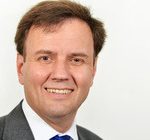
  • Andrew Stephenson – 2021 Statement on HS2

    Andrew Stephenson – 2021 Statement on HS2

    The statement made by Andrew Stephenson, the Minister of State at the Department for Transport, in the House of Commons on 20 October 2021.

    Review of High Speed 2 (HS2) including programme update, local community impact and engagement, environment and benefits.

    I am proud to report significant progress on High Speed 2 (HS2) in my third update to Parliament on the project. We remain within budget and schedule, have hit major construction milestones, made substantial progress with key procurements, and are crucially supporting more jobs than ever before—all demonstrating just how HS2 is central to this Government’s mission to ‘Build Back Better’ from the covid-19 pandemic.

    Key achievements in this reporting period are—February to August 2021 inclusive:

    Recent announcement that the project now supports 20,000 jobs, just over a year since the Prime Minister marked the start of main construction. To date, over 2,200 businesses, 97% of which are UK-registered, have delivered work on HS2.

    Launching the first tunnel boring machines (TBMs) that are digging the 10-mile-long tunnels underneath the Chilterns hills. The two TBMs have driven a combined distance of approximately 1.5 miles and are progressing ahead of schedule. Construction on the new ‘superhub’ HS2 station at Old Oak Common—supporting 2,300 jobs and 250 apprenticeships—has also started.

    At Euston, we’ve confirmed the move to a less complex, more efficient 10-platform design, which can be built in a single-stage, and can still support the full operation of the HS2 network.

    Releasing tenders for Phase One and 2a rail systems packages, with 14 rail systems packages available over the next two years—which include systems for track, power, signalling and communications.

    On Phase 2a, commencing early environmental works which marked the first stage in extending the railway from the West Midlands to Crewe and starting procurement for a Design and Delivery Partner (DDP).

    Announcing the Government’s commitment to deliver a ‘net gain’ in biodiversity for the next Phase of HS2—Crewe to Manchester.

    This report uses data provided by HS2 Ltd to the HS2 Ministerial Task Force for phases 1 and 2a, and covers the period between February 2021 and August 2021 inclusive. Recommendations from the Public Accounts Committee (PAC) report of 22nd September 2021 have been considered and I will provide an update on the continued implementation of these recommendations in my next report.

    Programme update

    Schedule

    In my last report, I confirmed that phase 1 remained within its projected delivery into service (DiS) range of 2029 to 2033. I also committed to providing an update on the outcome of a schedule re-planning exercise to mitigate the impact of delays that have arisen since the schedule was set at the start of last year—of which some are covid-19 related.

    This exercise was undertaken by HS2 Ltd and its suppliers, and the exercise has now concluded. Construction activities have been successfully re-sequenced to deliver a schedule that reflects an increasingly mature understanding of the years of works ahead. The resequencing helps resolve a large number of previously reported schedule pressures, while still retaining the phase 1 DiS range of 2029 to 2033. The cost of these mitigations has been assessed at £110 million and will be covered by contingency delegated to HS2 Ltd.

    While the forecast DiS range for phase 1 remains 2029 to 2033, HS2 Ltd has identified some potential minor delays in the southern section of the line of route and tunnels leading into Old Oak Common from outer London. Our focus now is to identify efficiencies and control risk in these key areas. The most notable risks include:

    Residual delays in completing enabling works and handover to Main Works in certain locations.

    Slower than planned design progress and securing planning consents by the Main Works Civils Contractors that are limiting productivity of the supply chain.

    The consequential impacts of covid-19, which has continued to cause disruption within this reporting period.

    Following Royal Assent of the phase 2a High Speed Rail Bill, the phase 2a DiS range has now been set to 2030 to 2034. New delivery arrangements have been approved, including a DDP that will act as a strategic partner for HS2 Ltd to provide support in managing design and construction.

    Affordability

    HS2 remains within budget. The overall budget for Phase One, including Euston, remains £44.6 billion. This is composed of the target cost of £40.3 billion and additional Government-retained contingency of £4.3 billion. The target cost includes contingency delegated to HS2 Ltd of £5.6 billion for managing risk and uncertainties.

    On phase 2a, revised delivery arrangements were approved in June based on an updated cost range of £5.2 billion to £7.2 billion, broadly similar to the National Audit Office’s (NAO’s) report of January 2020. Arrangements will be formalised in the spending review.

    To date, out of the phase 1 target cost of £40.3 billion, £12.9 billion has been spent, with an additional £1 billion for land and property provisions. £12.4 billion has additionally been contracted, with the remaining amount not yet under contract or drawn as contingency.

    Since my last report, the first £15 million of the £4.3 billion of Government-retained contingency for phase 1 has been allocated, to increase the number of trains that Old Oak Common station can serve from three to six trains per hour while it acts as the temporary London terminus. This will unlock substantial economic benefits until the completion of the new HS2 station at Euston.

    To date, HS2 Ltd has drawn about £0.8 billion of its £5.6 billion delegated contingency. Contingency use to-date reflects an increase of about £0.4 billion since my last report to Parliament. The rate of contingency draw is expected at this stage given the nature of current enabling and civils works and the scale and complexity of the programme.

    HS2 Ltd is currently reporting future potential cost pressures of around £1.3 billion—compared with my previous update of about £0.8 billion. If these cost pressures materialise, they will be drawn from contingency held by HS2 Ltd, of which £4.8 billion remains. Of the £1.3 billion potential contingency drawdown, the key cost pressures currently being reported which may require a call on contingency delegated to HS2 Ltd if not mitigated are:

    An estimate of £0.6 billion for the slower than expected mobilisation of Main Works Civils Contractors for phase 1, associated with delays to enabling works handovers, design approvals and securing of planning consents. This estimate is, in part, informed by the schedule re-planning exercise.

    A £0.4 billion pressure on Euston cost estimates—which remains unchanged from my last update to Parliament. However, now that the move to a smaller, less complex 10-platform single stage delivery strategy at Euston has been confirmed—which will still support the full operation of the HS2 network, the Department for Transport (DfT) anticipates that cost pressures at Euston will be reduced as the updated station design is developed over the coming months.

    A further £0.15 billion pressure has been reported for delivering on-network works on the existing Euston network that are required to facilitate the new HS2 station.

    HS2 Ltd has identified over £0.3 billion in savings and continues to focus on realising further efficiencies and opportunities to reduce the cost of phase 1.

    On covid-19 costs—which will be managed from within Government-retained contingency—HS2 Ltd is making good progress with its suppliers to quantify the impacts on individual contracts ahead of submitting claims to request drawdown of Government-retained contingency. Since my last report, HS2 Ltd has updated its assessment of the likely financial impact of the pandemic on delivering phase 1 and estimates the full costs within the range of £0.4 billion to £0.7 billion—this has been authorised by DfT. The assessment was based on the extended duration of restricted working practices anticipated to run to a revised end-point assumption of December 2021.

    DfT and HS2 Ltd have agreed in principle a set of initial claims that include direct and measurable costs of restrictions that relate to the initial phases of covid-19 in 2020. These will now be subject to Government scrutiny and will require formal approval before funds from Government-retained contingency can be allocated.

    Delivery

    On phase 1, work is well under way at our 340 sites between London and the west midlands and construction of the line-of-route continues to gather pace. Health and safety remains a top priority for the project as work continues to ramp-up. With over 4 million hours worked across the programme per month, there has been an increase in the number of safety related incidents. HS2 Ltd is focused on continual improvement with its supply chain including through embedding lessons learned and cross-functional learning between integrated project teams comprising of HS2 Ltd staff and its contractors.

    The launch of the first 2 TBMs—Florence and Cecilia—marked a significant moment for the project. The TBMs are the largest ever used on a UK rail project and will excavate tunnels underneath the Chilterns for the next three years. Further TBM launches are planned in the coming months, including excavation under Long Itchington Wood.

    Elsewhere, good progress has been made on the four new HS2 stations along phase 1. In June, the Transport Secretary visited Old Oak Common to mark the start of permanent construction. This ‘super-hub’ station truly shows the Government’s “Plan for Jobs” in action—kickstarting major regeneration, supporting 2,300 jobs and 250 apprenticeships in construction.

    In the west midlands, a design and build contract for Birmingham Curzon Street station was awarded to HS2 Ltd’s new construction partner on time. HS2 Ltd has also recently announced the shortlist of bidders for the contract to build the award-winning Interchange Station in Solihull, and contract award is planned for summer 2022.

    In response to a recommendation from the Oakervee Review about looking into the efficiency of the Euston station, the move to a smaller, simpler 10-platform station design at Euston has now been confirmed, which can be built in a single-stage—instead of an 11-platform, two-stage build. This will provide a more efficient design and delivery strategy and play a significant role in mitigating the affordability pressures recently identified. Moving to this revised HS2 Euston station design maintains the station infrastructure capacity to run 17 trains per hour, as set out in the phase 1 full business case. We are continuing to explore opportunities for greater integration between the HS2 and Network Rail stations through the Euston Partnership, and to optimise the oversite development above the Euston terminus. Further details will be provided in my next update.

    We have reached a major milestone on the procurement of rail systems. HS2 Ltd has started to release tenders for phase 1 and 2a rail systems packages for systems such as track, catenary, power, control and communications. This will continue over the next two years.

    There have been various legal challenges to the rolling stock process, but we expect the contract award to be in the autumn subject to there being no further challenges. It is not expected that this delay will affect the planned opening of phase 1 services.

    Following Royal Assent of the Phase 2a High Speed Rail Bill, we have continued to deliver the enabling works contracts, consisting of ground investigations, utility diversions and environmental works. Early environmental works mobilisation commenced in April and the second enabling civil works package in July. The procurement of the DDP and advanced civil works contract (ACW) started in June; the tenders for ACW have now been released; and the publication of the DDP tenders is due to happen shortly.

    On phase 2b, preparations are under way for a hybrid Bill for the western leg—between Crewe and Manchester —to be deposited in Parliament in early 2022.

    We will soon publish the integrated rail plan (IRP) for the North and Midlands which will set out how we will deliver and sequence HS2 phase 2b, Northern Powerhouse Rail and other major rail schemes, such as Midlands Rail Hub, to ensure transformational rail improvements and benefits are delivered to passengers, businesses and communities more quickly.

    Local community impact and engagement

    As HS2 Minister, I expect affected communities to be at the heart of our plans for this project. That is why I previously committed to follow-up on the conclusions of the Land and Property Review published in November 2020.

    The Land and Property Review generated a number of proposals intended to transform how people and businesses affected by HS2 are treated. I am delighted that DfT and HS2 Ltd have implemented over half of these proposals, double the number implemented at the time of my last report. This spring, I went a step further and launched a six-week public consultation to seek views on proposals that required further engagement—how to improve community engagement on the land and property buying programmes, and how to protect the interests of those affected. Findings from the consultation, which will be published this autumn, will inform policy changes.

    A priority since my last report has been to ensure that the Transport Secretary secures all the land needed to build the first phase of HS2 before compulsory purchase powers expire in February 2022. HS2 Ltd remains on target to complete the process of serving compulsory purchase notices on landowners where property is to be permanently acquired before the end of compulsory purchase powers. Affected property owners are being notified. We recognise that compulsory purchase has an impact on property owners, some of whom will see land that was previously taken into temporary possession now permanently acquired, and HS2 Ltd is talking to land owners to explain why this is necessary.

    Over £10 million of funding has now been distributed by the HS2 Business, Community and Environment Funds. This milestone means over a quarter of the Phase One funds have now been allocated, delivering community benefits across 172 projects located near the line of route. Since April this year, a further £5 million has been made available to extend the funds to communities and businesses living on the Phase 2a route. These funds play a crucial role in ensuring a positive legacy for communities most affected by HS2 construction and I look forward to many more projects up and down the line being supported.

    In terms of community impacts, DfT’s independent team of construction inspectors now act on my behalf to objectively assess community concerns. The inspectors have now visited many sites along the Phase One route, identifying a range of good practice and innovation, as well as some risks—notably difficulties with acquiring planning consents and delays caused by illegal protesters. A refreshed HS2 Community Engagement Strategy will also be launched soon.

    With regard to protester activity, which HS2 Ltd estimates has cost the project up to £80 million, the Government are making sure that HS2 Ltd, its supply chain, emergency services and wider Government have a co-ordinated response to illegal protest. Regrettably, some protesters have turned to violent and aggressive behaviour, particularly against HS2 Ltd’s supply chain. The Government are taking steps to ensure that illegal protester activity is properly dealt with and that safety risks are minimised.

    Environment

    As we look to the 2021 United Nations Climate Change Conference (COP26), I wanted to reiterate the Government’s ambition of building the most sustainable high-speed railway in the world, so we play our part in helping the UK to tackle climate change and reach net zero carbon emissions by 2050.

    I am delighted to confirm that HS2 Ltd will shortly publish its first environmental sustainability report, which will provide a clear and up-to-date account of HS2’s environmental impacts and the important work that is being deployed to mitigate for any adverse effects.

    Further to this Government’s previous commitment to deliver ‘no net loss’ to biodiversity across all phases, I am pleased the Government confirmed in June their further commitment to aim to deliver a ‘net gain’ to biodiversity for the next phase of HS2, the Crewe to Manchester scheme. This commitment will build on the significant environmental legacy of earlier Phases, such as the new nature reserve on the Colne Valley Western Slopes, which recently received local planning approval.

    I also recently launched the new £2 million Biodiversity Investment Fund (BIF) on phase 2a to identify opportunities to work with local stakeholders to produce biodiversity gains through the creation and restoration of ecological habits along the phase 2a route.

    Good progress is also being made on delivering our decarbonisation agenda. The Government published their Transport Decarbonisation Plan, which outlines the policies required to enable the sector to meet its net zero emissions target by 2050. HS2 will be an integral part in delivering the UK’s future net zero rail network.

    Benefits

    Since my appointment as HS2 Minister, I have been totally committed to ensuring the benefits of HS2 are realised as widely as possible. In August I welcomed the announcement that, at its peak, HS2 will support 34,000 jobs, 4,000 more than forecast in my last update. The jobs boost comes at a crucial time as the UK strives to “Build Back Better” from the pandemic. HS2 is already playing a crucial role in the UK’s post-pandemic economic recovery, with over 20,000 jobs currently supported. In addition, over 2,200 businesses have delivered work on HS2, with 97% UK registered.

    HS2 Ltd has a clear benefits management and evaluation strategy that drives how the programme’s benefits for each phase flow through to the HS2 supply chain. The DfT continues to work closely with HS2 Ltd, local Government and central Government Departments to maximise the benefits of HS2 for people, communities and businesses. The DfT and the Department for Levelling Up, Housing and Communities are continuing to engage with HS2 station places, to understand their local growth and regeneration ambitions, and how we can work with them to realise those ambitions.

    The publication of HS2 Ltd’s ‘Building Skills to Deliver’ report demonstrates the potential opportunities HS2 has to offer as we level up our country. The report highlights the critical role that HS2 is playing in supporting young people and unemployed people back into work after the pandemic. It notes that the total workforce for phase 1 and 2a is expected to peak at around 26,500 people over the next two years and that there will be a constant labour demand of 23,600 to 26,500 people from now until 2025-26. The report also reaffirms that the HS2 programme will create 2,000 apprenticeships, with over 650 having been started since 2017. HS2 Ltd is also committed to promoting opportunities to local people as well as those from underrepresented and disadvantaged groups.

    Forward Look

    On phase 1, focus remains on overseeing the massive construction programme and I expect progress on closure of remaining early works, with handover of sites by summer 2022. I expect to see HS2 Ltd award the contract for rolling stock, and for HS2 Ltd to complete the process of serving compulsory purchase notices on landowners where properties are to be permanently acquired.

    On phase 2a, focus remains on selecting a DDP and to launch procurement for the main civil works framework which is expected to commence in early 2022.

    On phase 2b, work on legislation for the Crewe to Manchester scheme continues, with the view to depositing a hybrid Bill in early 2022.

    On wider programme governance, I would like to thank Allan Cook CBE who left HS2 Ltd in July after two and an half years as Chairman. A search is underway to find a new Chair and I will provide an update on this in my next report. I am also currently working to complete an updated HS2 Framework Document and Development Agreement to ensure continued effective governance between DfT and HS2 Ltd.

    I will continue to engage closely with Parliament and will provide my next report in spring 2022.

  • Sajid Javid – 2021 Statement on Covid-19

    Sajid Javid – 2021 Statement on Covid-19

    The statement made by Sajid Javid, the Secretary of State for Health and Social Care, in the House of Commons on 20 October 2021.

    The Prime Minister’s announcement of the formation of the antivirals taskforce in April 2021 brought new impetus to the search for potential antiviral treatments for UK covid-19 patients.

    Effective treatments for covid-19 will be vital to manage the risk of infection, as we learn to live with the virus. Covid-19 treatments are especially important for people who cannot take a vaccine for medical reasons or for whom vaccines may be less effective, such as those who are immunocompromised.

    Antivirals may help reduce the development of severe covid-19 and its transmission by targeting the virus at an early stage, preventing progression to more severe disease by blocking virus replication.

    The antivirals taskforce, under the leadership of Eddie Gray, has worked at speed to identify and evaluate potential antiviral candidates that meet the criteria set out by the Prime Minister: oral antivirals which can be taken at home following a positive covid-19 test and are available for deployment this autumn and winter.

    Commercial negotiations have concluded for the first antiviral candidates, with two supply agreements now signed to ensure that they are available for UK patients. We have secured 480,000 patient courses of Molnupiravir from Merck Sharp and Dohme (MSD) along with 250,000 patient courses of PF-07321332 from Pfizer. Payment will only be made, and product delivered following UK market authorisation from the Medicines and Healthcare products Regulatory Agency (MHRA).

    Molnupiravir and PF-07321332 are both oral antivirals which can be taken at home to target the SARS-CoV-2 virus, but with different mechanisms of action. Molnupiravir is a ribonucleoside analogue which inhibits viral RNA replication. PF-07321332 is a protease inhibitor which prevents virus replication by selectively binding to viral proteases preventing the cleavage of proteins which are necessary to produce infectious virus particles.

    Should these antivirals receive appropriate MHRA approvals, the UK Government intention is to deploy these treatments to NHS patients via a national study which will allow us to collect further data on how these treatments work in vaccinated patients. The antivirals taskforce is working across the health and care system in the UK, including NHS England and NHS Improvement, UK Health Security Agency, and our partners in the devolved Administrations to plan the deployment of antiviral treatments as more data is available. Our deployment plans will prioritise the most clinically vulnerable to covid-19. The Department of Health and Social Care will publish a further update in due course.

  • Rachel Reeves – 2021 Speech on Supporting Small Business

    Rachel Reeves – 2021 Speech on Supporting Small Business

    The speech made by Rachel Reeves, the Labour MP for Leeds West, in the House of Commons on 19 October 2021.

    I beg to move,

    That this House recognises the importance of British businesses to high streets and communities across the UK and the exceptional challenges they face due to the pandemic and rising costs; regrets the Government’s current plan to end all temporary support for businesses from April 2022; calls on the Government to support businesses by freezing the business rates multiplier and extending the threshold for small business rates relief from £15,000 rateable value to £25,000 in 2022-23; and further calls on the Chancellor of the Exchequer to update the House in person before January 2022 on his Department’s assessment of the impact that removing the temporary business support will have on small businesses.

    Our high streets are not simply units of economic activity or just a place to buy the things we need. They are an important part of the tapestry of where we live, work and share our everyday lives. It is where people meet, eat, catch up over a cup of tea, bump into old acquaintances, receive a smile or a kind word. My first Saturday job as a teenager was working at a chess shop called the Chess and Bridge Centre on the Euston Road. People would come from miles around not just to buy, but to ask the advice of the owner and those of us who worked there. I learnt a lot. Our shops are as much about people as they are about products, and that is why they must and they will endure. That has been so many people’s experience during the course of the pandemic. As businesses have done everything asked of them—despite advice from Government often chopping and changing—they have bent over backwards to find new ways to serve their customers and to keep their own businesses afloat. We should all be thankful.

    Some 2.8 million people are employed in retail in our country. As the Union of Shop, Distributive and Allied Workers points out, retail is one of the few sectors that regularly offers flexible opportunities for workers to balance their work alongside caring commitments they might have. Yet, incredibly, there is no Government industrial strategy for the retail sector to work with business to increase wages, skills and productivity. We have allowed an imbalance to be formed where bricks and mortar businesses are at a significant disadvantage to online retailers—online retailers whose warehouses typically attract considerably less business rates and, indeed, may not even pay corporation tax in our country.

    One in seven shops remain shuttered after the lifting of pandemic restrictions, with the north of England seeing a higher proportion of closures. A British Retail Consortium survey concluded that business rates were a factor behind two in three shop store closures in the last two years. That cannot be allowed to continue. It should alarm this House that the Office for National Statistics business impacts survey data suggest that 330,000 business, responsible for over 800,000 jobs, are at risk of closure in just the next three months. Even a fraction of those losses will be deeply felt in all our communities.

    Ellie Reeves (Lewisham West and Penge) (Lab)

    Some 99.8% of businesses in Lewisham are small and medium-sized enterprises. They are the lifeblood of our high streets and they support our local community, and many have suffered during the pandemic. Does my hon. Friend agree that the Government’s plans to remove temporary support are an unfair cliff edge that could see many viable small businesses go under?

    Rachel Reeves

    I know my hon. Friend is a keen supporter of businesses, including the Kirkdale Bookshop on Sydenham’s high street and Billings butchers. She is a fine steward for the people of Lewisham West and Penge. I cannot offer expertise on the shopping behaviours of all hon. and right hon. Members—[Laughter.]—but some of our shopping behaviours changing does not mean that our high streets should not have a positive future. There is scope for fresh ideas and a renewed relationship with our high streets, but without easing the pressure of business rates for next year, many shops, including many carrying debts from the pandemic, just will not make it. That is why action is needed now.

    Dawn Butler (Brent Central) (Lab)

    Four hundred businesses in Brent are at risk. Our high streets have the most independent shops compared with any other high streets in the UK. Does my hon. Friend agree that it is so important that the Government reach out and help to support businesses?

    Rachel Reeves

    My hon. Friend is absolutely right. She speaks about businesses in Brent, but that could go for so many other constituencies, high streets and town streets across our country. We want businesses to thrive and power our recovery and for every village, town and city across the UK to feel the benefits of a stronger and more resilient economy. Diluting ambition or postponing new thinking comes at a high price for businesses and jobs.

    Jessica Morden (Newport East) (Lab)

    In Wales, the Welsh Labour Government have helped 70,000 businesses, which will not have to pay any rates until next year, whereas in England over the summer, the support was scaled back. Does my hon. Friend agree that there is a stark contrast between Labour in power supporting business and the Conservative party?

    Rachel Reeves

    My hon. Friend is absolutely right. The Labour Government in Wales ensured that there would be no business rates at all for the retail and hospitality sectors in Wales for this financial year. That is in stark contrast to the Conservative Government in Westminster, who pushed ahead with restarting business rate bills in June this year.

    What is decided in this place has huge implications for businesses, from the kitchen-table start-up to our high streets, industrial parks and commercial giants known across the world. That is one of the reasons it is so worrying that, at this crucial time, the Prime Minister and the Chancellor concocted a new jobs tax to arrive in the spring. Despite all their election promises to cut national insurance contributions, they are actually raising them against the strong advice of businesses and trade unions.

    The Conservative Government’s actions will make each new recruit more expensive and increase the costs to business. The decision to saddle employers and workers with the jobs tax takes money out of people’s pockets when our economic recovery is not yet established or secure and only adds to the pressure on businesses after a testing year and a half. When all other costs are going up—the costs of energy and of supplies—these tax rises are only hitting them harder.

    Alex Sobel (Leeds North West) (Lab/Co-op)

    My hon. Friend is making an excellent speech. Does she agree that the tourism and hospitality industry has particularly suffered over this period and has had its support taken away? Many travel agents are land-based businesses that do not have the demand coming back because people are still unable to go on holiday. Do they not need additional support, such as a business rates cut and a reversal of the additional tax on them, because they cannot afford to employ people any more?

    Rachel Reeves

    I thank my hon. Friend for that intervention and I know that he is a staunch supporter of businesses in Headingley, Otley and across his Leeds North West constituency. The Government should not break their promises to voters—that should be a given—and he is right to mention the tourism sector, which is so important to so many of our constituencies, whether we represent cities, towns or villages. That is why the decisions of the Labour Government in Wales to support the retail and hospitality sector during this difficult time were so welcomed by businesses in Wales.

    Emma Hardy (Kingston upon Hull West and Hessle) (Lab)

    One of the ways that the difference is being felt by people living here in England is through increased levels of debt, which is why I find it so remarkable that the Money and Pensions Service is looking to reduce the funding for face-to-face debt consultations at a time when, because of the lack of support in the economy, people find themselves going further and further into debt. Does my hon. Friend agree that the Money and Pensions Service should look at that again?

    Rachel Reeves

    My hon. Friend is right to make that point. I have had constituents raise concerns about cuts to money advice, for example, through StepChange, the charity based in Leeds. This is linked to the fact that a lot of the funding comes from banks and, due to the formulas set by Government, the funding that goes into debt advice charities is falling at a time when inflation is going up and there is a risk that interest rates might go up, and all the rest of it. She is right, and I hope that Ministers have heard those concerns, which I expect will be echoed by Members across the House.

    In November 2019, just weeks before the general election, the Prime Minister told the CBI conference that

    “to make sure that the businesses of this country can continue to flourish I am announcing today a package of measures cutting business rates further…particularly for SMEs to help…stimulate the high street.”

    Labour welcomed the Government’s review of business rates, which was formally launched 15 months ago, four months into the pandemic. They were right to make the decision to start the review. Businesses, even during those difficult times, found the time to make submissions, and they did so in good faith. The Government promised

    “final conclusions in Spring 2021”,

    so they are already overdue, and now there is news that the review may be pushed even further into the long grass.

    Kevin Hollinrake (Thirsk and Malton) (Con) rose—

    Rachel Reeves

    Perhaps the hon. Gentleman can give us an indication of when the review might finally be published.

    Kevin Hollinrake

    I am afraid I cannot, but I am interested in whether the hon. Lady will come on to her own proposals for reforming business rates, which she announced at her party conference. I welcome at least a first stab at some reform, but I have a question. She would use the digital services tax, but as I understand it, the multinational agreement on the issue means that that tax will no longer be allowed—it has to be scrapped as part of the corporation tax deal. How does she propose a sixfold increase to a tax that cannot exist?

    Rachel Reeves

    I will come on to those points. It is great that Conservative Members are asking for advice, because we have plenty about how to level the playing field in taxes for businesses. I will come on to points about the global minimum rate of corporation tax, because that is how we can help to level the playing field.

    The Chancellor must now complete the review and make the changes that the Government have promised. It would be quite astonishing if the Treasury had time to cost up the Prime Minister’s vanity yacht, yet no time to fulfil its pledge on something as important as reforming business rates.

    The Minister may argue that everything has changed because of the pandemic. He would be right: everything has changed, including for businesses. The unfairness in the system has been enlarged, not narrowed, during the past year and a half. Almost 180,000 retail jobs were lost in 2020, according to the Centre for Retail Research, while some online retail profits have soared.

    Fundamentally reforming business rates is more important now than ever before. I am sure that Members on both sides of the House would welcome confirmation from the Minister that the Government will take the radical action required, which is exactly what businesses are urging them to do in next week’s Budget.

    Last week, 42 trade bodies wrote to the Chancellor making clear their view that

    “in their current form, our business rates system is uncompetitive…and unfair.”

    The British Chambers of Commerce are clear that tinkering around the edges will not do. The British Retail Consortium warns:

    “Sky high business rates are closing stores up and down the country and preventing new ones from opening.”

    Matt Rodda (Reading East) (Lab)

    Does my hon. Friend agree that our retail centres face a very serious situation? Even thriving retail centres in towns such as Reading, which has the major retail centre for central southern England, are being affected. In our borough, 1,200 small businesses are currently receiving business rates support, which is unheard of. I encourage my hon. Friend to address that point. Does she agree that it is a serious issue?

    Rachel Reeves

    I thank my hon. Friend for speaking up for businesses in Reading that are struggling because of the unfair system of business rates. I expect that, like many other businesses up and down the country, they talk about the unlevel playing field and the unfair competition whereby some businesses pay their business rates—and corporation tax, if they make enough money—but their main competitors are paying a lower level of corporation tax because they have no shop fronts and might not even be registered for corporation tax in this country. That is not right for businesses in Reading, and it is not right for businesses in any of our constituencies.

    As the Federation of Small Businesses points out, unlike other forms of business taxation, business rates are a tax that

    “hits firms before they’ve even made a pound in turnover”,

    let alone in profit. The CBI says that business rates have

    “literally become a tax on investment.”

    The Union of Shop, Distributive and Allied Workers explains that the crucial jobs and services provided to our local communities are under threat.

    In each of the last four Conservative Party manifestos, there has been a promise of action on business rates. How many businesses and shops have needlessly closed as a result of the dither and delay in delivering on those promises? In 2011, the Conservative Government brought in Mary Portas to work on ideas to transform the fortunes of the great British high street. Her frustration with Ministers a decade on cannot be dismissed. She has said:

    “It’s shameful that they have still not readjusted their thinking on how Amazon and the delivery giants should be paying equivalent rates of tax online…Their slowness in understanding, their tardiness, is ridiculous.”

    We agree. Labour is unapologetically pro-worker and unapologetically pro-business. We believe in helping businesses large and small, start-ups and the spin-offs from our universities, all of which can provide exciting new growth for the future. In the everyday economy, the fate of shops on our high street matters.

    If the Conservative Government will not make these reforms, the next Labour Government will—and more. My core principles are to tax fairly, spend wisely, and grow the economy. That is why Labour will scrap business rates as we know them. We need a much fairer system. Labour will incentivise investment, promote entrepreneurship and efficiency, reward businesses that move into empty premises, and help our high streets to thrive again. We will ease the burden on the bricks-and-mortar businesses, and especially on the smaller businesses. Our party is on the side of entrepreneurs and the communities who want to do something different—who want to start a business and get on in life.

    If Labour were in government today, we would freeze business rates next year and extend small business rate relief. We would pay for easing that burden on businesses by raising the UK digital services tax. We would ensure that online companies, including Amazon, which have thrived during this pandemic and made bigger profits than ever were paying their fair share too. But we know that more fundamental reform is needed beyond just one year, and so, in government, Labour would scrap business rates entirely and replace them with a fairer system fit for the 21st century.

    We welcome the backing of the G20 and the OECD for a global minimum rate of corporation tax for multinationals. Labour supports its being set at the 21% originally proposed by President Biden and US Treasury Secretary Janet Yellen, which would have done more to level the playing field between online giants and retail stores and small businesses; but even at 15%, as watered down by the British Chancellor, the global minimum rate of corporation tax will bring in substantial amounts of money that could be used to ease the burden of property taxation on our high streets and for our small and start-up businesses. That is a model of fair business taxation, and that is what a Labour Government will do.

    Today’s Opposition day debate on business rates is important for businesses and for our country’s economic recovery. It is about so much more than rates and multipliers: it is about business growth and opportunities in all the places that we are sent here to represent. It is about what we as a country buy, make and sell.

    Kevin Hollinrake

    I thank the hon. Lady for giving way again. She is being very generous. If I heard her correctly, she is going to scrap business rates in the next Parliament. Business rates bring in about £30 billion a year. How will she make up that shortfall? What will be the replacement system to bring in that £30 billion a year?

    Rachel Reeves

    The Chancellor would have a lot more money to play with if he had gone ahead with President Biden’s proposals for a 21% global minimum rate of corporation tax. There are choices in politics, and this Chancellor chose to water down the 21% proposals to 15%. As a result, he has lost £5 billion or £7 billion. We would have used that money to reduce—[Interruption.] We will use that money to reduce the burden of business taxation, and I hope that the Ministers will stand up today and say that they will use the global minimum rate of corporation tax to ease the burden on high streets and small businesses. That is the choice that a Labour Government will make, and we will hear shortly whether it is the choice that this Government will make. [Interruption.] You are not doing anything! The Minister says that we are still short of money, but this Government made the choice to water down proposals that would have brought in £15 billion a year. They made that choice because they are not interested in levelling the playing field on taxes.

    In four manifestos now, the Conservatives have said that they would ease the burden of business rates. If the Government want advice ahead of the Budget, they can look at the speech that I wrote for our party conference in which I set out what Labour would do. Instead, they propose to kick this into the long grass and to do nothing to help our high streets and our small businesses. A Labour Government would ease the burden on our businesses and help to create a level playing field with a system of property taxation that asks the retail giants with warehouses and out-of-town centres to pay a bit more, to ease the burden on our small businesses and high streets. That is the right thing to do.

    The Budget should be about recovery. The cost to businesses has been going up, supply chains have been disrupted and costs are spiralling as a result of the Government’s unwillingness to invest in gas storage and the skills of British workers or to take any meaningful action to deal with the chaos that has been created. What is the answer from Ministers? A jobs tax and an increase in business rates next spring. Our high streets have been paying a high price for Government inaction for too long. The case for fundamental reform has been made by businesses, by trade unions and by Labour. This is now about the Government’s priorities and their political will. Will they ask more of those online giants, or will they leave the burden of business taxation as it is today, falling on our high street businesses and small businesses? Those are the choices that the Government can and must make in the Budget. We have set out the choices that we would make. It is now time for the Government to act on business rates. Those choices will be available next week, and I hope that the Government will take them.


  • Ben Wallace – 2021 Statement on Armed Forces Pay

    Ben Wallace – 2021 Statement on Armed Forces Pay

    The statement made by Ben Wallace, the Secretary of State for Defence, in the House of Commons on 19 October 2021.

    I am today announcing the Government’s decision on pay for the armed forces for 2021-22.

    The Government recognise that public sector workers play a vital role in the running of our public services, including in their remarkable commitment to keeping the public safe in the continuing fight against covid-19.

    The Government received the Armed Forces Pay Review Body (AFPRB) report on 2021 pay for service personnel up to and including one-star rank on 21 July 2021. This has been laid before the House today and published on www.gov.uk.

    The Government value the independent expertise and insight of AFPRB and takes on board the useful advice and principles set out in response to the Government’s recommendations outlined in the report.

    As set out at the spending review (2020), there will be a pause to headline pay rises for the majority of public sector workforces in 2021-22. This is in order to ensure fairness between public and private sector wage growth, as the private sector was significantly impacted by the covid-19 pandemic in the form of reduced hours, suppressed earnings growth and increased redundancies, while the public sector was largely shielded from these effects. This approach will protect public sector jobs and investment in public services, prioritising the lowest paid, with those earning less than £24,000—full-time equivalent—receiving a minimum £250 increase. The pause ensures we can get the public finances back onto a sustainable path after unprecedented government spending on the response to covid-19.

    The AFPRB has recommended the following:

    a £250 uplift for all members of the armed forces earning less than £24,000, where X-Factor is excluded from this salary calculation;

    an increase in accommodation charges of 1.7% in line with the increase in the actual rents for housing component of CPI, not to be backdated; and

    other targeted eligibility changes to some categories of recruitment and retention payment.

    The Government accept the AFRPB’s recommendations on accommodation charges and recruitment and retention payments in full. However, the Government do not accept the AFPRB’s recommendation to exclude X-Factor from the low earner salary calculation as X-Factor is a component of the overall military salary. Instead the Government will implement a £250 pay uplift for all regular and reserve service personnel earning less than the equivalent of £24,000 per year inclusive of X-Factor. This rise will be implemented in November 2021 salaries, and be backdated to 1 April 2021. Service personnel have also continued to have access to annual incremental progression where appropriate.

    The Government recognise that there is a further discussion to be had over the use of the X-Factor for pay and salary comparability work. The armed forces reward and incentivisation review, recently announced in the integrated review’s “Defence in a Competitive Age” Command Paper, along with the AFPRB’s planned review of X-Factor in the 2023 pay round, will provide the opportunities to explore this topic in much greater depth.

    The year 2021-22 has seen no waning in the important outputs of our Armed Forces. From continuing to support the national response to coronavirus, to the exceptional work of all those involved in the Afghanistan evacuations, all while maintaining our critical national defence outputs. It is for this reason I am pleased that, despite the unprecedented impact the pandemic has had on the nation’s finances, the Government have been able to act in the spirit of the AFPRB’s recommendations and demonstrate their commitment to looking after those who look after us.

  • Greg Hands – 2021 Statement on Carbon Capture, Usage and Storage

    Greg Hands – 2021 Statement on Carbon Capture, Usage and Storage

    The statement made by Greg Hands, the Minister of State at the Department for Business, Energy and Industrial Strategy, in the House of Commons on 19 October 2021.

    I am today providing an update on the UK’s CCUS cluster sequencing process which was launched in May this year. Carbon capture, usage and storage, or CCUS, will be essential to meeting our net zero ambitions and will be an exciting new industry to capture the carbon we continue to emit and revitalise the birthplaces of the first industrial revolution.

    The Prime Minister’s ten-point plan established a commitment to deploy CCUS in a minimum of two industrial clusters by the mid-2020s, and four by 2030 at the latest. Our aim is to use CCUS technology to capture and store 20 to 30 MtCO2 per year by 2030, forming the foundations for future investment and potential export opportunities. CCUS will be crucial for industrial decarbonisation, low-carbon power, engineered greenhouse gas removal technologies and delivering our 5GW by 2030 low-carbon hydrogen production ambition.

    Our cluster sequencing process, which has, through the CCS infrastructure fund, £1 billion to provide industry with the certainty required to deploy CCUS at pace and at scale, has completed the first phase of the evaluation of the five cluster submissions received by my Department.

    I am today confirming that the Hynet and East Coast clusters have been confirmed as Track 1 clusters for the mid-2020s and will be taken forward into Track 1 negotiations. If the clusters represent value for money for the consumer and the taxpayer then subject to final decisions of Ministers, they will receive support under the Government’s CCUS programme. We are also announcing the Scottish cluster as a reserve cluster if a back-up is needed. A reserve cluster is one which met the eligibility criteria and performed to a good standard against the evaluation criteria. As such, we will continue to engage with the Scottish Cluster throughout phase 2 of the sequencing process, to ensure it can continue its development and planning. This means that if Government choose to discontinue engagement with a cluster in Track 1, we can engage with this reserve cluster instead.

    Deploying CCUS will be a significant undertaking; these are new major infrastructure projects for a new sector of the economy and carry with them significant risks to deliver by the mid-2020s. Government will continue to play a role in providing long-term certainty to these projects to manage these risks and bring forward the UK’s first CCUS clusters.

    We remain committed to helping all industrial clusters to decarbonise as we work to reach net zero emissions by 2050, and we are clear that CCUS will continue to play a key role in this process. Consequently, the Government continue to be committed to Track 2 enabling 10Mtpa capacity operational by 2030. This puts these places—Teesside, the Humber, Merseyside, north Wales and the north-east of Scotland—among the potential early super-places which will be transformed over the next decade.

  • Sarah Owen – 2021 Speech on Bereavement Leave and Pay for Stillborn and Miscarried Babies

    Sarah Owen – 2021 Speech on Bereavement Leave and Pay for Stillborn and Miscarried Babies

    The speech made by Sarah Owen, the Labour MP for Luton North, in the House of Commons on 19 October 2021.

    I beg to move,

    That leave be given to bring in a Bill to extend entitlement to parental bereavement leave and pay to parents of babies miscarried or stillborn during early pregnancy; and for connected purposes.

    Grief hits everyone differently but one thing that is universal is that it takes time. That is why people are entitled to bereavement leave when losing a loved one. I was not prepared for the grief of miscarrying. I was even more shocked that I was not entitled to bereavement leave but legally had to take sick leave instead. But what I was feeling was not a sickness. It was physically painful, yes, but my overriding feeling was grief: a deep sense of loss of hopes, dreams and mourning a lost future with babies I never got to hold.

    This happens to about one in four pregnancies. The Miscarriage Association reports that about a quarter of a million people each year in the UK miscarry. This issue impacts families who have got in touch with me in Luton North, but in every constituency in the country there will be families who face this grief everywhere. I cannot believe that in 2021 people are being forced to take sick leave to process their grief.

    I knew I was miscarrying during my first pregnancy. It happened at work. I was due to speak for the first time to the executive of my trade union, GMB. Protecting and improving workers’ rights is something I have actively campaigned on for most of my adult life, so it was odd that when it came to my own rights at work I was less vocal than normal, but grief can rob people of their normal selves. Rather than speaking out and saying what I knew was happening to my body at that time—the tell-tale tummy cramps and spotting—I stayed where I was, googled nearby ultrasound clinics under the table, and booked myself in for scan in my lunch break. I sat there devastated, knowing that there was nothing I could do to stop a miscarriage this early in pregnancy, at the same time just not wanting to believe that it was happening. I focused on my report and answered the questions thrown at me. To be honest, I knocked it out of the park; no one would have known that I was having a miscarriage at the same time. Then I walked back to the office in pain and alone, going back to my desk and waiting until I could have the scan that confirmed my fears and my pain.

    Important initiatives like Baby Loss Awareness Week and improved coverage in the media, with celebrities and my hon. Friends the Members for Sheffield, Hallam (Olivia Blake) and for Streatham (Bell Ribeiro-Addy) bravely sharing their personal experiences, as well as the hon. Member for Lanark and Hamilton East (Angela Crawley) and the right hon. Member for South West Surrey (Jeremy Hunt) in his work on the all-party parliamentary group on baby loss, are changing the conversation. I have also been proud to get to know the hon. Member for Truro and Falmouth (Cherilyn Mackrory) through her own experience and her work co-chairing the APPG. They are all helping to break the stigma of miscarriage and baby loss, but the law is too slow to change.

    Although my previous very lovely line manager gave me time and space to recover, I was still sending in sick notes from my GP. Yet a few days after the physical pain had subsided, I was not ill any more; I was grieving, with all the classic signs: I could not eat, I could not sleep. I really did not hold much hope that life would ever get brighter. It took time and the support of good people around me. Having to explain to my male boss why the first period following miscarriage triggered grief during a public disagreement was not ideal, but on the whole my previous employer and wonderful colleagues supported me throughout. I cannot imagine going through all that without a supportive employer, yet thousands of women in this country do, and that is why the law must change.

    I believe that public opinion is with us. In every baby loss awareness debate in this place there is a great deal of agreement across the political divide, and the call to extend bereavement leave to people who miscarry in early pregnancy has cross-party support, including from a former Health Secretary. I am grateful to the hon. Member for Strangford (Jim Shannon) for adding his support to this Bill, and to the charity Sands for its support too, but I know that Bills like this do not get far without Government support, and I would be grateful if Ministers met me on this. We have been waiting for an employment Bill since 2019. My proposal today would be an ideal strengthening of people’s rights at work in any future employment Bill. We should not have to wait any longer to make this change.

    There are companies and employers proving that this is possible, with some offering bereavement leave to their staff already. I would like to thank the school where my partner was teaching at the time, which was incredibly supportive during our miscarriages in allowing him the time to grieve as well. Small business owners have got in touch to say that they have amended their compassionate leave policies following personal experiences with miscarriage. It is also reported that Reddit in the US offers up to eight and a half weeks’ bereavement leave following miscarriage. But it is something that all people who experience miscarriage should be entitled to, not just some. Although it was one of the first and is rightly celebrated, bereavement leave for miscarriage in New Zealand is just three days. We have seen over there the change that a Labour Government, and Governments led by women, can make to people’s lives, but, with respect to our friends in New Zealand, I believe we can do better in this country and go further for the parents who experience miscarriage.

    The first time, it took me two days to completely miscarry. The second time, I carried the little ones around with me for nearly a week until I went under general anaesthetic to have them removed. I am so grateful to the team at St Mary’s day surgery, which included my wonderful and super-talented friend Helgi Johansson, for taking care of me that day. During the time I found out the twins had no heartbeats and was going to hospital, I tried to work. It really was not the smartest thing I have ever done, but I pushed on until a heavily pregnant woman joined a meeting. Again, I did the meeting, and I was staring at her lovely round belly knowing that mine would not grow like that that time. I am ever grateful that one day it did, and we are so lucky to have our wonderful rainbow baby. But no woman should feel compelled to stay at home or stay in work; they should have the space and choice about how to grieve.

    This small change will not stop people miscarrying, but it could make the world of difference. These are just a handful of the messages from people saying what a difference it could make. One woman wrote to me to say: “I was asked to go back to work the day after my miscarriage, by a well-known global corporation—I took some sick days but went back after three days. It was horrendous.” Another wrote: “With every miscarriage, my employer expected me to carry on as if nothing had happened, when what I really needed was to grieve and heal.” Another woman said: “This will make immeasurable difference to many women like me, especially for women in un-unionised workplaces.” She went on to say: “We aren’t sick, it needs to be recognised differently.” For me, that last point really rings true, because being forced to take sick leave wrongly reinforces a woman’s feeling that her body has failed her or that it is somehow her fault. For thousands of women, sadly, miscarriage is part of pregnancy, just as death is part of life.

    The law urgently needs to catch up with society to allow everyone who is the one in four the time to grieve and heal. Miscarriage can be physically painful, but it is not an illness, and it is time the law stopped treating it like one. That is why I commend this Bill to the House.

  • Ed Miliband – 2021 Speech on Net Zero Strategy

    Ed Miliband – 2021 Speech on Net Zero Strategy

    The speech made by Ed Miliband, the Labour MP for Doncaster North, in the House of Commons on 19 October 2021.

    I thank the Minister for his statement, and send my warmest congratulations—as I have already done directly—to the Secretary of State on the birth of his new baby.

    Let me start by saying that it is good that tackling the climate crisis is a shared national objective across the House, and that we want the Government to succeed at COP26 in just ten days’ time. However, there are two central questions about the strategy that has been published today: does it finally close the yawning gap between Government promises and delivery, and will it make the public investment which is essential to ensure that the green transition is fair and creates jobs? I am afraid that the answer to both questions, despite what the Minister said, is no. The plan falls short on delivery, and while there is modest short-term investment, there is nothing like the commitment that we believe is required—and we know why. When asked at the weekend about the Treasury’s approach to these issues, a source from the Department for Business, Energy and Industrial Strategy said:

    “They are not climate change deniers but they are emphasising the short-term risks, rather than long-term needs”.

    The Chancellor’s fingerprints are all over these documents, and not in a good way.

    We have waited months for the heat and buildings strategy, but it is a massive let-down. We are in the midst of an energy price crisis caused by a decade of inaction. Emissions from buildings are higher than they were in 2015. The biggest single programme that could make a difference is a 10-year house-by-house, street-by-street retrofit plan to cut bills and emissions and ensure energy security. There are 19 million homes below EPC band C, but according to the best estimates of today’s proposals, they will help just a tiny fraction of that number. Indeed, there is not even a replacement for the ill-fated green homes grant for homeowners. Can the Minister explain where the long-term retrofit plan is? Did BEIS argue for it and get turned down by the Treasury, or did he not make the case?

    According to the Government’s own target, we need 600,000 homes a year to be installing heat pumps by 2028, but the Government are funding just 30,000 a year, helping just one in 250 households on the gas grid. Why does the Minister’s plan on heat pumps fall so far short of what is required? As for transport, we agree with the transition to electric cars—and I support and welcome the zero emissions mandate—but we need to make it fair to consumers. We should at the very least have had long-term zero-interest loans to cut the costs of purchasing electric cars. What is the plan to make them accessible to all, and not just the richest? Will the Minister tell us that in his reply? On nuclear, I was surprised, given the advance publicity, that the word did not even cross the Minister’s lips. We have seen a decade of inaction and delay on this issue, so can he tell us why there is still no decision on new nuclear?

    The failure to invest affects not just whether this transition is fair for consumers but workers in existing industries. Take steel: it will cost £6 billion for the steel industry to get to net zero over the next 15 years. If we want a steel industry—as we do across the House—we will need to share the costs with the private sector. However, there is nothing for steel in this document, and a £250 million clean steel fund some way down the road will not cut it. Can he give us his estimates of the needs of the steel industry and how he thinks they can be met?

    The same is true of investing in new industries such as hydrogen. There is a global race in these areas and I am afraid that the UK is not powering ahead but falling behind. Germany is offering €9 billion for a new hydrogen strategy; the UK is offering £240 million, and we are putting off decisions until later in the decade. We see the same pattern across the board, including on land use, industry and transport, and because of this failure to invest, there remains a chasm between promises and delivery.

    Finally, it was noticeable that the Minister did not say that the plan would meet the target for the 2035 sixth carbon budget, but surely that is a basic prerequisite of the strategy to 2050. At less than halfway to net zero, do the policies in this document meet the target, or fall short of it? Despite hundreds of pages of plans, strategies and hot air, there is still a chasm between the Government’s rhetoric and the reality? My fear is that the plan will not deliver the fair, prosperous transition that we need and that is equal to the scale of the emergency we face.

  • Greg Hands – 2021 Statement on Net Zero Strategy

    Greg Hands – 2021 Statement on Net Zero Strategy

    The statement made by Greg Hands, the Minister of State at the Department for Business, Energy and Industrial Strategy, in the House of Commons on 19 October 2021.

    With permission, Mr Speaker, I will make a statement on the net zero strategy and the heat and buildings strategy—but first, if I may, I will congratulate my right hon. Friend the Business Secretary and his wife Harriet on the birth of their daughter on Friday. I can report to the House that both mother and baby are healthy and doing well, as is the Secretary of State. I am sure that the whole House will join me in offering our congratulations. [Hon. Members: “Hear, hear.”]

    The statement is all about future generations as well, because we know that we must act now on climate change. The activities of our economies, communities and societies are changing our environment. If we do not take action now, we will continue to see the worst effects of climate change.

    We have already travelled a significant way down the path to net zero. Between 1990 and 2019, we grew our economy by 78% and cut our emissions by 44%, decarbonising faster than any other G7 country. Since 2010, the UK has quadrupled its renewable electricity generation and reduced carbon emissions in the power generation sector by some 70%. In the past year alone, we have published the Prime Minister’s 10-point plan for a green industrial revolution, the energy White Paper, the North sea transition deal, the industrial decarbonisation strategy, the transport decarbonisation plan, the hydrogen strategy and more. Earlier this month, we unveiled a landmark commitment to decarbonise the UK’s electricity system by 2035.

    But there is still a substantial length of road to travel. We must continue to take decisive action if we are to meet our net zero goal, so today I am pleased to announce two major Government initiatives: the net zero strategy and the heat and buildings strategy. This is not just an environmental transition; it also represents an important economic change, echoing even the explosion in industry and exports in the first industrial revolution more than 250 years ago.

    We will fully embrace this new, green industrial revolution, helping the UK to level up as we build back better and get to the front of the global race to go green. We need to capitalise on it to ensure that British industries and workers benefit. I can therefore announce that the strategy will support up to 440,000 jobs across sectors and across all parts of the UK in 2030. There will be more specialists in low-carbon fuels in Northern Ireland and low-carbon hydrogen in Sheffield, electric vehicle battery production in the north-east of England, engineers in Wales, green finance in London and offshore wind technicians in Scotland.

    The strategy will harness the power of the private sector, giving businesses and industry the certainty they need to invest and grow in the UK and make the UK home to new, ambitious projects. The policies and spending brought forward in the strategy, along with regulations, will leverage up to £90 billion of private investment by 2030, levelling up our former industrial heartlands.

    The strategy also clearly highlights the steps that the Government are taking to work with industry to bring down the costs of key technologies, from electric vehicles to heat pumps—just as we did with offshore wind, in which we are now the world leader. Those steps will give the UK a competitive edge and get us to the head of the race.

    We have spoken often in this place of late about the importance of protecting consumers, and consumers are indeed at the heart of the strategy. Making green changes such as boosting the energy efficiency of our homes will help to cut the cost of bills for consumers across the UK. Switching to cleaner sources of energy will reduce our reliance on fossil fuels and, again, bring down costs down the line.

    This plan is also our best route to overcoming current challenges. The current price spikes in gas show the need to reduce our reliance on volatile imported fossil fuels rapidly. Although there is a role for gas as a transition fuel, moving away from imports quickly is in the best interests of bill payers. With our ambitious set of policies, the strategy sets out how we meet carbon budgets 4 and 5 and our nationally determined contribution. It puts us on the path for carbon budget 6 and ultimately on course for net zero by 2050.

    We are now setting up the industrial decarbonisation and hydrogen revenue support scheme to fund these business models and enable the first commercial-scale deployment of low-carbon hydrogen production and industrial carbon capture. We have also announced the HyNet and East Coast clusters as track 1 economic hubs for green jobs.

    We have previously announced that we will end the sale of all new non zero emission road vehicles from 2040, and the sale of new petrol and diesel cars from 2030. The strategy explains that we will also introduce a zero emission vehicle mandate that will deliver on our 2030 commitment to end the sale of new petrol and diesel cars and vans.

    To increase the size of our carbon sinks, we will treble the rate at which we are planting new trees in England by the end of the current Parliament. We will be a global leader in developing and deploying the green technologies of the future. The strategy announces a £1.5 billion fund to support net zero innovation projects, which provides finance for low-carbon technologies across the areas of the Prime Minister’s “Ten Point Plan”.

    We have also published our heat and buildings strategy, which sets out our plans to significantly cut carbon emissions from the UK’s 30 million homes and workplaces in a simple way that remains affordable and fair for British households. We will gradually move away from fossil fuel heating and improve the energy performance of our buildings through measures such as grants of up to £5,000 towards the costs of heat pumps, a further £800 million for the social housing decarbonisation fund to upgrade social housing, and a further £950 million for a home upgrade grant scheme to improve and decarbonise low-income homes off the gas grid.

    The year 2021 is a vital year for action on climate change. In just two weeks’ time, the UK Government will host the crucial United Nations COP26 conference in Glasgow. As the Prime Minister has said, it needs to be a “turning point for humanity”, the point at which we pull together—and pull our socks up—to keep 1.5 °C in reach. Hosting COP26 will also give the UK a huge opportunity to showcase our world-leading climate credentials and set an example to other countries to raise their own ambitions. The net zero strategy will take centre stage in our display, setting out our vision for a UK that is cleaner, greener, and more innovative.

    Mr Speaker, we are ready for Glasgow, and I commend this statement to the House.

  • Therese Coffey – 2021 Statement on the Household Support Fund

    Therese Coffey – 2021 Statement on the Household Support Fund

    The statement made by Therese Coffey, the Secretary of State for Work and Pensions, in the House of Commons on 18 October 2021.

    Our £407 billion covid support package has protected jobs and livelihoods through the worst of the pandemic. With the UK economy rebounding, our plan for jobs is working, with the number of payrolled employees now above pre-pandemic levels and vacancies at record levels. Thanks to the formidable force of our jabs and jobs armies, and an expansion of the Government plan for jobs worth over £500 million, we are building back better—helping people to move into better paid work, progress, and increase their financial resilience. Our approach is boosting pay, prospects and prosperity for the long term.

    However, we recognise that some people may require extra support over the winter as we enter the final stages of recovery, which is why vulnerable households across the country will now be able to access a new £500 million support fund to help them with essentials. The household support fund will provide £421 million to help vulnerable people in England and allocations to individual local authorities are set out below. The Barnett formula will apply in the usual way, with the devolved Administrations receiving almost £80 million (£41 million for the Scottish Government, £25 million for the Welsh Government and £14 million for the Nl Executive), so the fund totals £500 million.

    The household support fund is available to councils in England from this month and will run over the winter to 31 March 2022. The funding will primarily be used to support households in need with food, energy and water costs, with flexibility to support with wider essentials. In cases of genuine emergency, where existing housing support schemes do not meet this exceptional need, the household support fund can also be used to support housing costs. At least 50% of the funding will be reserved for households with children and up to 50% is available for vulnerable households without children, including individuals. Local authorities have the flexibility to design their schemes to best suit local needs, within the parameters of the guidance.

    This new fund will bolster existing measures that we have introduced for low-income households, such as increasing the national living wage, expanding the £220 million holiday activities and food programme, doubling free childcare for eligible working parents and increasing the value of healthy start vouchers by over a third. The household support fund also sits alongside the support available through the warm home discount, the cold weather payment scheme and the almost £30 billion that Government are projected to spend in 2020-21 on housing benefit and the housing element of universal credit.

    The table for the household support fund indicative funding allocations per county councils/unitary authorities for the period 6 October 2021 to 31 March 2022, can be found at: Government launches £500m support for vulnerable households over winter – GOV.UK (www.gov.uk)

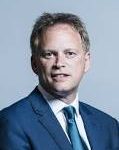
  • Grant Shapps – 2021 Statement on Updates to International Travel

    Grant Shapps – 2021 Statement on Updates to International Travel

    The statement made by Grant Shapps, the Secretary of State for Transport, in the House of Commons on 18 October 2021.

    As trailed in my oral statement on 20 September, as of the 4 October, we have:

    Replaced the traffic light system with a single red list and simplified travel measures for eligible arrivals from the rest of the world based on passengers’ vaccination status.

    Removed the requirement for eligible fully vaccinated passengers to take a pre-departure test, providing that they are arriving into England from a non-red list country or territory and have not been to a red list country or territory in the last ten days. The devolved Administrations have also aligned on this policy.

    We have also made the follow changes in respect of international travel:

    Lateral flow devices for arrival tests

    From 4am on 24 October, arrivals into England who are considered fully vaccinated, along with most under 18s, who have not been in a red list country in the last 10 days will be able to take a lateral flow test on or before day 2 of their arrival, instead of a PCR test. This change will cut the costs of tests in time for travellers returning from half-term breaks and these tests can be booked from 22 October.

    Passengers will need to take a photo of their lateral flow test result and send it back to their private testing provider for verification. Anyone who tests positive will need to self-isolate and take a free NHS confirmatory PCR test.

    Red list review

    The Government have conducted the first review of the red list under our new and simplified system of international travel. As of 4am on Monday 11 October, 47 countries including South Africa, Brazil, Mexico and Thailand were removed from the red list.

    Given the success of the vaccination programme in the UK and the latest evidence of variants across the world, including the fact that the Delta variant is now dominant in many countries as it is in the UK, we have been able to significantly reduce the red list. However, we remain concerned about the presence of mu and lambda variants in the small number of countries we have kept on the red list. We will keep this list under review.

    The following seven countries and territories now make up the red list:

    Colombia

    Dominican Republic

    Ecuador

    Haiti

    Panama

    Peru

    Venezuela

    All passengers arriving into England from a red list country, or those who have been in a red list country or territory in the last 10 days, will have to quarantine at a managed quarantine service facility for 10 days upon their arrival in England.

    Expansion of the inbound vaccination policy

    As of 4am on Monday 11 October, we also expanded our inbound vaccination policy to include eligible fully vaccinated passengers who have not been in a red list country in the ten days before their arrival into England, to the below countries:

    Albania

    Bahamas

    Bangladesh

    Bosnia and Herzegovina

    Colombia

    Egypt

    Ghana

    Grenada

    Hong Kong

    India

    Jamaica

    Jordan

    Kenya

    Kosovo

    Maldives

    Moldova

    Morocco

    Nigeria

    North Macedonia

    Oman

    Pakistan

    Serbia

    St Kitts and Nevis

    St Lucia

    St Vincent and The Grenadines

    Turkey

    Ukraine

    Vietnam

    In addition, we have expanded the policy to a further set of countries and territories which were removed from the red list at this review:

    Brazil

    Chile

    Georgia

    Indonesia

    Montenegro

    Namibia

    The Philippines

    South Africa

    Thailand

    Our inbound vaccination policy now covers over 100 countries and territories, and eligible fully vaccinated passengers will be treated the same as those vaccinated in the UK. Eligible fully vaccinated passengers who have not been in a red list country in the ten days before their arrival into England will no longer need to take a pre-departure test before their departure, a post-arrival test on day eight or self-isolate upon their arrival. This now includes UN staff and volunteers vaccinated as part of the United Nations vaccine rollout.

    Clinical trial participants

    From the end of October, we will also recognise as fully vaccinated people participating in covid-19 vaccine clinical trials from countries and territories including Japan, Canada, Australia and the EU, provided they can supply adequate proof of their participation. This is in recognition of their vital work in helping to tackle the virus and builds on the agreements made at the meetings with G7 counterparts that I chaired in May and September this year.

    Acceptance of UK Pre-departure Test Certification via the EU Digital Covid Certificate (DCC)

    As of 4 am on Monday 11 October, non-vaccinated passengers arriving into England are allowed to present proof of a negative pre-departure test via the EU Digital Covid Certificate, in either paper or digital formats.

    Changes to FCDO travel advice

    The Foreign, Commonwealth and Development Office (FCDO) has lifted its advice against all but essential travel for over 80 countries and territories. The change means people will be able to travel to a larger number of destinations with greater ease.

    The FCDO will no longer advise against travel to non-red list countries on covid-19 grounds, except in exceptional circumstances such as if the local healthcare system is overwhelmed. Many travel insurance companies use FCDO travel advice as a reference point in their policies, typically excluding cover for places where Government advise against essential travel. However, people will now be able to purchase travel insurance for a wider range of destinations across the globe.

    The FCDO will continue to advise against all but essential travel for all red list countries and territories, where the risk to British travellers is “unacceptably high”.

    While public health is a devolved matter, the Government work closely with the devolved Administrations on any changes to international travel and aim to ensure a whole-UK approach.