Tag: 2020

  • Yvette Cooper – 2020 Speech on the Domestic Abuse Bill

    Yvette Cooper – 2020 Speech on the Domestic Abuse Bill

    Below is the text of the speech made by Yvette Cooper, the Labour MP for Normanton, Pontefract and Castleford, in the House of Commons on 28 April 2020.

    It is a pleasure to follow my fellow Select Committee Chair, the hon. Member for Bromley and Chislehurst (Sir Robert Neill). When the Domestic Abuse Bill was first proposed, none of us could have imagined debating it in circumstances such as this: when there is evidence that the number of women and children killed as a result of domestic abuse in a few short weeks has increased sharply and at its highest level for over a decade; when the calls to helplines are up by 50% and visits to some support websites are up sevenfold; and when some victims are feeling more trapped than ever because perpetrators of abuse are exploiting the coronavirus crisis to increase control and to commit crimes. Those perpetrators are taking advantage of the fact that it is harder for their victims to seek help: the social worker is not dropping by, the bruises will not be visible at the school gate the next morning; and the GP will not be asking questions at the next appointment. This is not just about lockdowns; the period afterwards may be much higher risk for victims, too. In the face of this deadly virus, we know that staying home to save lives is important, but that it is also why we have a responsibility to help those for whom home is not a safe place to be.

    All those reasons show why this Bill is so important, but also why it is not enough. I welcome the Bill, the new powers and the new statutory duty of support for victims, which the Home Affairs Committee called for, although I would want it to go wider. I welcome the creation of the domestic abuse commissioner, which I first raised with the then Home Secretary seven years ago, but I press the Government to go further, including on a stalking and serial abuse register and on making stronger reference to children.

    There are things in the Bill that we should be doing better and faster now, as we set out in our Home Affairs Committee report yesterday. First, if we believe in a statutory duty of support, let us start delivering it now. In many areas, refuges are full yet at the same time their funding has dropped, so the Government should ring-fence the new charity funds now and get them urgently to refuges and domestic abuse support groups. They should talk to the national hotel and hostel chains to provide supplementary housing and get a national guarantee of safe housing in straightaway.

    Secondly, the Bill is about using the criminal justice system to protect victims and prosecute criminals, but the system faces new challenges. We recommended extending the time limit for domestic abuse-related summary offences, and we should do that now in this Bill.

    Thirdly, if we believe in having a domestic abuse commissioner, let us listen to what she says now, because Nicole Jacobs has been appointed already, even if her powers are not fully in place. She told our Committee that a lot of things are in the way of getting people support in a crisis. She raised issues around housing, support services and perpetrator programmes and called for a cross-governmental working group and an action plan to sort things out. The Victims’ Commissioner told us that we should adopt a French programme that would provide emergency contacts in pharmacies and supermarkets. I heard from a police officer in the north-west trying to do that, but they need national intervention with the supermarkets to make it work. The Children’s Commissioner warned us about vulnerable children ​whom no one is visiting and no one has seen since the crisis began and the need for face-to-face contact. We need national action to make that possible.

    Some of those important things are not happening because, bluntly, we need more leadership and drive from the centre, and that is why the Committee has called for an urgent action plan to be drawn up by the Home Secretary with the domestic abuse commissioner and others as part of the Cobra planning process.

    This Bill is important, but if we are serious about the sentiments behind it that we are all expressing, we should see it as a chance to do more. If we do not, we will be dealing with the consequences of the surge in domestic abuse that we are seeing now for very many years to come.

  • Bob Neill – 2020 Speech on the Domestic Abuse Bill

    Bob Neill – 2020 Speech on the Domestic Abuse Bill

    Below is the text of the speech made by Bob Neill, the Conservative MP for Bromley and Chislehurst, in the House of Commons on 28 April 2020.

    It is a pleasure to follow the hon. and learned Member for Edinburgh South West (Joanna Cherry), and to see the Lord Chancellor be supported, albeit at some distance on the Front Bench, by the Under-Secretary of State for Justice (Alex Chalk), who is the Minister responsible for the Ministry of Justice victims strategy. He is a former member of the Justice Committee, and we are delighted to see him on the Treasury Bench.

    This is an important Bill that deals with a real and pressing social evil. The Lord Chancellor was right to bring it forward as swiftly as he has, and I welcome the tone of his remarks. May I concentrate in particular on the provisions that relate to legal proceedings and court procedures, starting with part 5? The prohibition on cross-examination by litigants in person in family cases is to be welcomed as a very important advance. It is something for which lawyers and the judiciary involved in family cases have been calling for a considerable time, and it is good to see it in the Bill. What I hope that Ministers will take away is the detail of how we actually make that work in practice.

    The first point that I hope the Government will take on board is that those advocates who are appointed to carry out that often sensitive and difficult cross-examination in often very sensitive and fraught cases must be properly remunerated in order to be prepared for that work. As my right hon. and learned Friend the Lord Chancellor ​will know, one of the first things that we were taught at Bar school was that the key to good cross-examination is preparation. To do that, the lawyers have to be appointed in a timely fashion. They must be paid properly to ensure that they are of adequate experience and seniority to deal with these matters, and they must have time to access the material and be rewarded for doing so.

    One issue in the family jurisdiction is that there is not the extent of disclosure that we see in criminal cases and therefore preparatory work may be harder in those cases. Perhaps we need to look therefore at what stage those advocates are appointed to carry out that work. It seems to me that, in order to have the ability to cross-examine properly, it may well be necessary for them to be able to read all of the papers in the case. They probably also need the ability to seek a conference in order to get from the person on whose behalf they are appointed the necessary detail to do justice in the case. That cannot be done on the cheap. I am sure the Government will not want to do that, but it is important that that is not missed out, as both the Bar Council and the Law Society have pointed out. It may also be important, as the professional bodies have pointed out, to consider extending that to instructions to carry out examination-in-chief as well. The example that is given is where an alleged perpetrator of abuse seeks to call a child in the family as a relevant witness to some of the proceedings before the court. It seems to me that the same risks of intimidation would be transferred under those circumstances.

    It is also important to consider the nature of the proceedings. It may well be that the allegation of abuse relates to one part of the family proceedings, but the coercive behaviour would have an impact on that perpetrator cross-examining the victim under any part of the proceedings. If someone has a history of coercive control over another, it would be just as difficult for the victim to be cross-examined by them about financial provisions as it would in relation to the actual incidents of assault and abuse, or in relation to custody. I hope that we will be generous in carrying out the legal support that is made available. I hope, too, that we will recognise the need to use the review of the Legal Aid, Sentencing and Punishment of Offenders Act 2012 to look at the re-introduction, as soon as possible, of early legal advice in these matters, so that the necessary issues are flagged up at the earliest opportunity.

    I am glad to see that the Lord Chancellor is proposing to bring forward the report of the specialist panel. I hope that he will do that as soon as possible, not least because there has been concern that provision around special measures has never been as consistent or as advanced in the family jurisdiction as it has been in criminal courts. That is not because I think family practitioners and judges do not want it, but because the infrastructure has not been there. I hope that that will give us an opportunity to address that.

    I am pleased that the Lord Chancellor is proposing to pilot the domestic abuse protection orders and prevention notices rather than going in immediately. We do need to see how those will integrate— [time limit of speech reached]

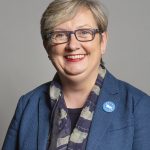
  • Joanna Cherry – 2020 Speech on the Domestic Abuse Bill

    Joanna Cherry – 2020 Speech on the Domestic Abuse Bill

    Below is the text of the speech made by Joanna Cherry, the SNP MP for Edinburgh South West, in the House of Commons on 28 April 2020.

    Thank you, Mr Deputy Speaker. It is a pleasure to follow the right hon. Member for Maidenhead (Mrs May). Whatever our political differences, I know that this is an area where she cares passionately and has made a difference. Before I address the Bill, I would like to welcome to his place the hon. Member for Torfaen (Nick Thomas-Symonds). I congratulate him on his appointment as shadow Home Secretary, and I pay tribute to his predecessor, the right hon. Member for Hackney North and Stoke Newington (Ms Abbott).

    With some important caveats, the Scottish National party welcomes this Bill. Most of its provisions will apply only to England and Wales; domestic abuse is a devolved matter, and Scotland passed its own consolidating legislation two years ago. The UK Government should look to the Scottish Government’s groundbreaking Equally Safe strategy, which has been hailed as one of the best strategies in Europe for tackling violence against women.

    In the current covid crisis, there is ample evidence that social isolation is adding pressure to those who live in abusive domestic situations. There may be women and children watching this debate at home today who are in that position, and the Scottish Government have moved to reassure anyone experiencing domestic abuse that support is available to them during these difficult times. Scotland’s 24-hour domestic abuse and forced marriage helpline is available on 0800 027 1234, and I know that similar help is available in England, Wales and Northern Ireland. Of course, if anyone feels threatened or in fear of harm, they should call the police.

    There is much to welcome in this Bill. The inclusion of non-physical abuse in the statutory definition of “domestic abuse”, the inclusion of children aged 16 and 17, and the appointment of the domestic abuse commissioner are all to be applauded. Like others, I pay tribute to the work she has done already. However, I regret that this Bill is a lost opportunity to tackle a number of important matters—these are reserved matters and therefore can be addressed only by the UK ​Government. For example, I would like the Minister, in her summing up, to explain why the Government have failed to take the opportunity to ensure that this Bill helps all women in the UK, regardless of their immigration status. I would also like her to address why, despite years of lobbying from the SNP, the Government have not used this Bill to address two important matters relating to the payment of universal credit. This Bill is a missed opportunity to introduce a system whereby UC is paid separately by default. The current system of single-household payments makes it even easier for abusers to perpetrate economic abuse. The Scottish Government have legislated to introduce separate payments, but are dependent on the Department for Work and Pensions’ information technology infrastructure to make this happen. I know that the Minister is likely to respond by saying that victims of domestic abuse can apply for separate payments, but she will be well aware that a survey carried out by Women’s Aid some time ago said that 85% of domestic abuse survivors would not dare to apply as an exceptional measure, because it would attract further abuse. That is why this needs to happen automatically. This Bill was the perfect opportunity to change the system, so why not just do it?

    Likewise, when domestic abuse survivors leave their partner and apply for UC, the five-week wait leaves many in abject poverty, at a time when they are attempting to rebuild their lives and replace essential belongings. SNP MPs have repeatedly explained to the UK Government why it is vital that UC advances are paid as grants to survivors, yet, once more, the opportunity to achieve that, which this Bill afforded, has not been taken. I do not understand why, and I await the Minister’s explanation with interest.

    I will devote the rest of my remarks to the provisions omitted from this Bill, which mean that it will continue to be impossible for the United Kingdom to ratify the Istanbul convention. In 2017, Dr Eilidh Whiteford, then the SNP Member of Parliament for Banff and Buchan, led a successful campaign to pass a law that required the UK Government to ratify the Istanbul convention. That was the first time an SNP MP had managed to get a private Member’s Bill into law, so it is particularly frustrating that three years later the United Kingdom has yet to ratify the Istanbul convention. It is also rather shameful that the UK is one of only six states in Europe to have failed to ratify it.

    The Istanbul convention is based on the understanding that violence against women is committed against women because they are women. It makes clear that it is the state’s obligation to address fully violence against women in all its forms, and that the state must introduce measures to protect all women from violence, to protect all victims, and to prosecute perpetrators. Parties to the convention are encouraged to apply the protective framework that it creates to men who may also be exposed to violence in the domestic unit. However, it should not be overlooked that the majority of victims of domestic violence and abuse are women, and that domestic abuse is perpetrated against women as part of a wider pattern of discrimination and inequality based on their sex.

    The Scottish Parliament has passed all the measures that are necessary and within its competence to enable ratification of the convention to proceed, but the UK Government are holding things up. The Bill before us ​introduces certain provisions regarding extraterritorial effect, which are necessary for ratification, but it falls short in the key area of provision of services to migrant women.

    As others have said, some migrant women find it impossible to access emergency protection because of the no recourse to public funds condition. Two weeks ago, the Home Affairs Committee took evidence about that condition from the Victims Commissioner, the domestic abuse commissioner designate, and the Children’s Commissioner, all of whom were clear that the no recourse to public funds provision should be scrapped, not just during this crisis, but for good. The cross-party joint parliamentary scrutiny committee that proceeded the first iteration of this Bill also recommended that the Bill should include proper protections for migrant women, yet all those recommendations have been ignored. I would like an explanation from the Minister of why they have been ignored.

    I have no doubt that amendments will be tabled in Committee to rectify those omissions and enable all migrant women to access vital protections from abuse. Will the Minister accept those amendments? Will she look favourably on amendments that address the payment of universal credit, which I mentioned earlier? I look forward to hearing about that point later this afternoon, because if the UK Government do not address the matters I have raised, protection for victims of domestic abuse will not be universal. Gaps in provision will remain, particularly for migrant women, and the UK Government will continue to be unable to ratify the Istanbul convention.

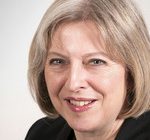
  • Theresa May – 2020 Speech on the Domestic Abuse Bill

    Theresa May – 2020 Speech on the Domestic Abuse Bill

    Below is the text of the speech made by Theresa May, the Conservative MP for Maidenhead, in the House of Commons on 28 April 2020.

    Thank you, Mr Deputy Speaker.

    May I add my thanks to all those who have made this hybrid debate possible, because this Bill is hugely important? Domestic abuse damages lives. It can cost lives and it ​can scar adults and children for the rest of their lives. Of course, it also costs our society and economy dear. We all owe a debt of gratitude to those who have had courage to speak out about their experiences. I would also like particularly to commend the hon. Members for Canterbury (Rosie Duffield) and for Bradford West (Naz Shah) for their contributions to the debate on 2 October.

    This Bill is an incredibly important opportunity for us to ensure that we improve the legislative environment for dealing with domestic abuse and that, by doing so, we improve the response of Government and other agencies. If we get it right, it will not only improve people’s lives; it will save lives.

    It is important, as those on the Front Benches have said, that we are debating this Bill during the covid-19 crisis, because as covid-19 has required people to stay at home, to be locked down in their homes, it has set an environment where perpetrators have greater freedom to act, where victims find it harder to leave an abusive situation. The figures are clear: domestic abuse increases during lockdown.

    We know, as the Justice Secretary told us, that the services are still there. The police are still there to respond to reports of domestic violence. We must reiterate today that the lockdown legislation specifically allows people to leave home to escape the risk of harm, so those who are in a domestic abuse situation can leave and seek the support they need. What we must also recognise, however, is that it is much harder for them to leave and to report domestic abuse, because perpetrators have been given greater control of them in the lockdown situation. They can take their mobiles away and stop them walking out of that front door.

    I urge police officers and local authorities to look at the past experience of the New York Police Department, and to consider, as I know some already are, the random contact with or visiting of homes where there are known perpetrators or where there have been reports of domestic violence. It must be done carefully to ensure that it does not exacerbate a situation, but it can help those victims.

    I also urge Government, as they consider the exit strategy from lockdown, to think of the impact that lockdown has had on domestic abuse. I want Government to look not just at the impact of relaxing restrictions on capacity in the national health service, although we must all have a concern for our wonderful NHS staff and care workers and for those who contract the disease, but at the impact of lockdown on our overall health and wellbeing as a nation. That of course includes the economy, but it must also include the impact on domestic abuse and mental health. We cannot have a situation where the cure for the disease does more damage than the disease itself. When it is in place, this Bill will help victims and improve the criminal justice response, but as lockdown is eased the Government also need to ensure that the criminal justice system and services for victims can cope with what could be a significant increase in reports of domestic abuse.

    On the detail of the Bill, I welcome the important step of setting a clear definition of domestic abuse. I just want to touch on three quick points. We need to ensure that the Bill properly recognises the impact of domestic abuse on children. Just because they are in a different room from the abuse does not mean that they will not be affected by it.​
    The role of employers is important. A good employer can set the scenario where their employees are able to report and speak about the domestic abuse that they are the victims of and to know that they will be supported. I commend the work of Elizabeth Filkin and the Employers’ Initiative on Domestic Abuse. I have tried to find a way of recognising employers’ work in the Bill. I am not sure it is possible, but I hope the Minister will be able to recognise it in winding up.

    Thirdly, as well as supporting victims, we need to stop perpetrators. We need to ensure that perpetrator programmes can be properly accredited. It is a difficult area, but we need to give it far more attention than we have in the past. So this is a hugely important piece of legislation. Too many lives are damaged and too many lives are lost because of domestic abuse. If we get this Bill right, it can help to achieve our ultimate goal, which is eradicating domestic abuse.

  • Nick Thomas-Symonds – 2020 Speech on the Domestic Abuse Bill

    Nick Thomas-Symonds – 2020 Speech on the Domestic Abuse Bill

    Below is the text of the speech made by Nick Thomas-Symonds, the Labour MP for Torfaen, in the House of Commons on 28 April 2020.

    I would like to put on record my thanks to you, Mr Deputy Speaker, the Speaker, the House authorities and all staff for facilitating the sitting of the House in these most unusual circumstances.

    I am grateful to the Lord Chancellor for his welcome. He and I have debated many times at the Dispatch Box in various roles, and I look forward to continuing to do so in future. I also look forward to debating with the Home Secretary when she is next in Parliament.

    The Lord Chancellor was absolutely right to pay tribute to my hon. Friends the Members for Canterbury (Rosie Duffield) and for Bradford West (Naz Shah) for their very moving speeches in October, when the Bill was last before the House.

    I welcome the Bill’s return to us today, in these extraordinary circumstances. The Opposition support it, and it is entirely right that, even in the midst of this crisis, we send the strongest possible message that tackling the appalling crime of domestic abuse remains a priority and that some of the urgently needed provisions in the Bill can progress.

    However, it is not without bitter irony that we face the prospect of pushing forward with the Bill in such a constrained timeframe. After all, it was as far back as March 2018 when the Lord Chancellor’s predecessor but one, who no longer sits in this House, announced the initial consultation for the Bill, and it was promised long before that. The wait has been too long for those desperately needed provisions, and many others besides, that should be included in the Bill. I will come back to that.

    The lockdown has changed patterns of crime. Over the weekend, the National Crime Agency announced that it had alerted the police to 1,300 potential child sexual abuse cases and that it had also recently arrested a British man possessing indecent images of children who was attempting to re-enter the UK from the Philippines. That paints a worrying picture and we must do all in our power to stop such abuses and prevent them from ever taking place. I pay tribute to the NCA, particularly its director general, Lynne Owens, who is leading the fight to tackle those heinous crimes.

    Isolating victims from the support of others is what the perpetrators of domestic abuse often seek to do, so it is sadly no surprise that the coronavirus crisis and the lockdown required to deal with it have produced the conditions in which domestic abuse has sharply increased. At the end of last week, the Metropolitan police reported that in the six weeks up to 19 April, officers across London had made 14,093 arrests for domestic abuse offences—nearly 100 a day on average—and domestic abuse calls had risen by around a third. At the same time, the national domestic abuse helpline has experienced a 25% increase in calls and online requests for help.

    Clearly, the warning signals of abuse are flashing red. We have been seeing and hearing those warnings from the domestic abuse sector since the start of the crisis. Asking people to stay at home when home might not be a safe place is clearly a huge challenge. Add to that the massive operational challenge that the need for social distancing creates for refuges and related services and the drop-off in charity funding, and it is clear that services for some of the most at-risk people face ​extraordinary difficulty. That is why I have been clear since becoming the shadow Home Secretary that the Government must take action on tackling domestic abuse and supporting the wider sector that deals with violence against women and girls.

    Government action, such as the £2 million of funding for a helpline, is welcome, as is the You Are Not Alone public campaign, but it is not enough to provide the emergency support necessary. For a start, that £2 million needs to reach the frontline. We will work constructively and responsibly, and we have repeated the offer to discuss what can be done to fast-track that support.

    One of my first priorities was to meet representatives from the sector with the shadow Domestic Violence and Safeguarding Minister. Many of those women have put themselves in harm’s way throughout their working lives to stand up for people who are facing abuse, and that is even more true in the middle of the current crisis. The message they gave me was absolutely clear: not only does the coronavirus crisis seem to be pushing up the rate of domestic abuse, but it is putting extraordinary pressure on the services that people turn to for help. Refuges face a massive challenge in keeping their doors open while sticking to the social distancing rules. We are asking people to do the right thing and stay at home, so it is only right that the country is there to support the people put at direct risk by those measures.

    The Government have yet to engage fully, and the action does remain too slow. It is our intention to try to set out in Committee amendments that would guarantee rapid support for the domestic abuse charities from the £750 million fund that the Chancellor announced to support charity work. I would like to say from the outset that that in itself is an inadequate amount, and I urge the Chancellor to think again. The Lord Chancellor mentioned making allocations, but let me make this suggestion to him. First, a dedicated proportion of the £750 million should be ring-fenced for domestic abuse and the wider violence against women and girls sector. We say 10%, which is not unreasonable and would keep services going. Secondly, a system should be in place to fast-track that investment to the frontline before charities have to close their doors for being oversubscribed or unable to pay their staff. Thirdly, an element of support should be earmarked for specialist services such as BAME services run with and for migrant women, men who are at risk of or suffering domestic abuse, and specialist LGBTQ services.

    I do not want to stand here and criticise the Government. I want the Minister to show the grip and urgency that the challenge requires and needs urgently. It cannot be right that vital services for the most at-risk people are in the position of turning people away because of a lack of funding. As I set out in my recent letter to the Home Secretary, there are a range of ways that the Government can help the sector, such as co-ordinating access to under-used existing accommodation; ensuring that support workers have access to PPE; providing technological support; and ensuring that women are not trapped in abusive situations because they have no recourse to public funds. That requires grip and a more joined-up cross-Government approach. We have seen that happening in the devolved Administrations, such as the £1.2 million fund created by the Welsh Government to purchase community accommodation for victims, to enable move-on ​accommodation and prevent lack of bed spaces in refuges or, indeed, to provide other accommodation when a refuge is not the right answer. In London, the Mayor has dedicated £4 million to the London community response fund, taking the total to £16 million to help the capital’s community and voluntary organisations. The lesson is that, with political will, these changes can be made. The need is now and the Government must respond to that challenge.

    I turn to the Bill itself. It clearly is, as the Lord Chancellor set out, a step forward to have a statutory definition in the first clause of the Bill that also includes, in addition to violent and sexually threatening behaviour, controlling and coercive behaviour and other forms of abuse, including economic, psychological and emotional. I welcome the appointment of a domestic abuse commissioner and pay tribute to the work that Nicole Jacobs is doing as designate commissioner, alongside the work of the Victims’ Commissioner, Dame Vera Baird, and indeed the children’s commissioners across the UK. I welcome the domestic abuse protection orders and the notices, although I hope that they will be accompanied by support, training and resources our officers need. On the family courts, I agree with the Lord Chancellor that the prohibition of cross-examination of victims by perpetrators in person is welcome and long overdue, and I remember speaking on it myself in the Prisons and Courts Bill, which fell before the 2017 general election. I am glad the wait will not be even more protracted.

    We will look to improve the Bill in Committee, and the sector must have its full say in giving evidence to the Committee. That process of scrutiny would be far more effective if we had more information before us. The Home Office has undertaken a review of how migrant women, especially those with no recourse to public funds, interact with domestic abuse provision. Having that review available to members of the Committee is very important.

    The second issue on which there is a currently unpublished review is the family courts. Prior to the coronavirus crisis, it was thought that the family justice review panel would report this spring on how the family courts protect children and parents in cases of domestic abuse and other serious offences. Again, having that available would greatly enhance the Committee stage.

    A victim is a victim. We will press the Government on protections for disabled victims. We cannot tolerate a situation where victims with insecure migrant status are not only prevented by that from coming forward, but actually have it used against them by someone abusing them. That is why, as I have argued, the Government should suspend the system of no recourse to public funds during the coronavirus crisis, so that victims can get the support they need, not only in their interests but in all our interests in this public health emergency.

    In Committee, we will also press the Government on a clear statutory duty on public authorities in England and Wales to commission specialist domestic abuse support and services for all people affected by domestic abuse, regardless of status. That should include a duty on the Secretary of State to provide sufficient funding. The duty should be to all who are affected by domestic abuse, including those with insecure immigration status, ​children and young people. Let us make sure, too, that there are perpetrator programmes with proper quality assurance as to their standard.

    We will also push the Government on measures on post-separation abuse. In fact, it is often the case that when perpetrators lose control of the situation, their behaviour becomes even more extreme and the victims require greater protection. I say to the Lord Chancellor that although there are existing laws, such as the Protection from Harassment Act 1997, more is required to be done to tackle the threat to people even after the particular relationship has ended. We will press that in Committee.

    The Bill contains a series of measures that will clearly have wide support across the House. I pay tribute to all those people who worked on it, particularly in the last Parliament, including, on these Benches, my hon. Friend the Member for Swansea East (Carolyn Harris), who pushed it forward with her characteristic passion and determination. She is not sat in the House today, but I am sure she will be watching at home. She should have our thanks for the way that she conducted herself.

    I implore the Government to keep an open mind in Committee as to how the Bill can be improved. If they decide that they want to ignore all the suggestions for improvement, that will be an extraordinarily grave mistake. The Bill is a real opportunity to consensually make vital changes in the interests of victims and potential victims up and down the country.

    We should remember, too, that many services that we rely on to respond to the crisis, and to support women and girls at risk of violence, have faced a toxic cocktail of cuts to policing and preventive services for a decade. We did not go into the crisis with the resilience that we would all have hoped for.

    I conclude by giving my deepest thanks to the frontline workers who are doing so much to keep our communities safe and who are working especially hard to protect those most at risk. They deserve all our gratitude and respect for all that they do, putting themselves at risk to keep us all safe.

    Desperate as these circumstances are, I say to anyone who is at home and afraid that they are not alone. Since taking up this role, I have made it my priority to speak to senior and frontline officers, who all assured me that tackling domestic abuse remains exactly where it should be—right at the top of their priority list—and that anyone who feels that they need their support should reach out. The message that should go out from this House today is that they are not alone.

  • Robert Buckland – 2020 Statement on the Domestic Abuse Bill

    Robert Buckland – 2020 Statement on the Domestic Abuse Bill

    Below is the text of the statement made by Robert Buckland, the Lord Chancellor and Secretary of State for Justice, in the House of Commons on 28 April 2020.

    I beg to move, That the Bill be now read a Second time.

    It is a great pleasure to open this Second Reading debate, albeit with a sense of déjà vu. Those of us who had the privilege of being in the House on 2 October last year will not have failed to be moved by the many powerful contributions we heard, including from the hon. Member for Canterbury (Rosie Duffield), who recounted her own very personal and heart-wrenching experience of domestic abuse. She was not alone in showing great courage by bringing home to this House the devastating impact of domestic abuse on the lives of survivors, as this Bill has also brought forth very personal accounts from, among others, the hon. Members for Bradford West (Naz Shah) and for Swansea East (Carolyn Harris). On that occasion, I was able to share my own personal experiences, as a young barrister, of domestic abuse. I will not repeat them today, because I have no doubt that we will hear some memorable speeches in this debate—more testimony, adding power to what has already been said.

    After the last debate, some Members approached me privately to share with me their own domestic abuse experiences—stories that are still raw and still cannot be told. For many of us, the sounds and sights witnessed in our homes, often as children, still haunt us many years on. The experiences we have heard recounted by Members are, sadly, all too frequently repeated across the country. I have heard no more harrowing account recently than that of Claire Throssell, whom I had the privilege to meet last October. Claire’s young sons, Jack and Paul, were killed at the hands of her abusive partner. No one can imagine the pain and suffering that she has had to endure, but we owe her a debt of gratitude for giving such a powerful voice to the survivors of domestic abuse.

    Gratitude is also due to Tracy Graham, a victim of controlling and violent domestic abuse who this year chose to speak out, go public and share her experiences with my local community in Swindon via the new Swindon domestic abuse support service, which I helped ​to launch just before lockdown, seven weeks ago. Tracy is not only a domestic abuse ambassador for the service, but is volunteering with the local police as well, to help to support domestic abuse victims who are going through what she went through. She truly is an inspirational young woman—one of many who are standing up, stepping forward and sharing their harrowing experiences, to the benefit of current and future survivors and victims.

    It is right, in this time of covid-19, to dwell a little on the impact that this pandemic is having on victims of domestic abuse and their families. We are seeing evidence of it in the increased calls to domestic abuse helplines. My local refuge had an increase in referrals of 80% in one week, and the helpline in my local area had an increase in the number of calls of nearly 30%. People are speaking up and speaking out about domestic abuse, but it is happening even at this time of great crisis.

    The phrase “Stay at home”, which we so associate with the directions to deal with covid-19, should be words of reassurance and comfort. The home should be a place of safety, both physical and mental. The concept of the home as a refuge is such a strong one, yet for too many people it is not a refuge. At this time of lockdown, that fear, distress and suffering is multiplied. I assure all victims that help is available. The police continue to respond to incidents of domestic abuse, and anyone in immediate danger should not hesitate to call 999 and the emergency services. Where necessary, the existing civil order framework can be used to remove a perpetrator from the family home in order to protect victims of abuse.

    We are working with and listening carefully to domestic abuse and victims organisations to make sure that we understand what their most pressing needs and priorities are, and we are committed to ensuring that victims have a comprehensive package of support available. We have launched a new campaign to signpost victims to the support services available and provided an additional £2.6 million to ensure that the national helplines have the capacity to respond to increased demand.

    In addition, we are working with the domestic abuse commissioner to ensure that refuges and other organisations that provide frontline support to victims will be able to access the £750 million fund set aside by my right hon. Friend the Chancellor to bolster charities that are responding directly to the pandemic. I am happy to say to the House that allocations under the charities package will be made very shortly indeed. The Home Secretary and I have together been very much engaged in tailoring the requests to ensure that help is targeted where it will make the most difference. Having spoken to police and crime commissioners, I know that many are making available extra resources for safe accommodation.

    I am grateful to the Home Affairs Committee for the report that it published yesterday on the pandemic’s impact on victims of domestic abuse. I welcome the Committee’s support for our public information campaign and the additional funding. We will of course respond promptly to the Committee’s recommendations.

    In short, this is a concerted period of direct action being taken by the Government. Measures are being taken to address directly the concerns that I know the shadow Home Secretary, the hon. Member for Torfaen (Nick Thomas-Symonds), whom I welcome to his post, will raise in due course.​

    Let me turn to the Bill, which is necessarily about strengthening protection and support for victims in the longer term. I share the frustration of Members from all parties that we are having to repeat a number of stages of this Bill, which was initially championed by my right hon. Friend the Member for Maidenhead (Mrs May). All parties want to see this Bill on the statute book, but we have to put to good use the time available to us since the election to make it an even stronger Bill than the one that came before the House last October.

    The aims of the Bill are fourfold: first, to raise awareness of this insidious crime; secondly, to better protect and support victims and their children; thirdly, to transform the response to the criminal, civil and family justice systems; and, fourthly, to improve performance across all national and local agencies. I shall take those objectives in turn.

    If we are to tackle domestic abuse effectively, it is vital that the nature of that abuse is properly understood and recognised. Part 1 of the Bill sets out a statutory definition of domestic abuse. It will apply for the purposes of the whole Bill, but we also expect it to be adopted across all agencies that have a shared responsibility for combating this crime and for helping survivors to rebuild their lives. The definition makes it clear that domestic abuse is not confined to violent or sexual abuse, but includes controlling or coercive behaviour, psychological abuse and economic abuse, too. Identifying and calling out domestic abuse in all its manifestations is just a first step. We then need to protect and support victims. In terms of protection, a number of civil orders are already available to help to safeguard survivors, but the existing landscape of occupation orders, non-molestation orders and domestic violence protection orders is complex, and none are, arguably, wholly adequate to the task.

    The new domestic abuse protection order—DAPO—will bring together the best elements of the existing civil order regimes. It will be available in the civil, criminal and family courts. It will be flexible, in that the court will determine the length of an order and decide what prohibitions, and positive requirements too, are appropriate to attach to it, including conditions that may compel the respondent to attend perpetrator programmes or require them to wear an electronic tag. The new DAPO will also have teeth, with a breach of conditions being a criminal offence punishable by up to five years’ imprisonment or a fine, or both.

    We want to get these new orders right so that they work for victims and their children, the police, the courts and others who will have to operate them. We will therefore be piloting these new orders in a small number of areas before rolling them out nationally.

    But protecting victims from abuse is never enough on its own. We also need to ensure that they are effectively supported as they reset their lives. The Bill, as reintroduced, includes a significant new measure to that end. When a victim of abuse has to flee their home and seek sanctuary in a refuge or other safe accommodation, it is not enough simply to provide that person with a safe place to sleep. In such circumstances, victims and their children need access to counselling and mental health support, advice about follow-on housing, help in enrolling children in a new school, or specialist support, such as translation services or access to immigration advice. We know that ​refuges and other providers of safe accommodation struggle to provide such support so, to plug that gap, the Bill will place new duties on tier 1 local authorities in England. Under part 4 of the Bill, such local authorities will be required to assess the need for accommodation-based support for all victims of domestic abuse and their children in the area. Having identified that need, the relevant local authorities will then be required to develop, publish and give effect to a strategy for the provision of such support in their locality.

    Of course, these new duties will come at a cost—some £90 million a year, we estimate. I assure the House that my right hon. Friend the Housing Secretary is committed to ensuring that local authorities are appropriately resourced as part of the spending review.

    I know from my own experience of the legal system that appearing as a witness in criminal, civil or family proceedings can be—shall we say—a daunting experience, so we need to make sure that the victims of domestic abuse can give their best evidence in court. In the criminal courts, that often means being able to give evidence hidden from view of the alleged perpetrator or via a video link. The Bill provides that these and other so-called special measures will be automatically available to victims. In the family courts, for a long time, there have been calls for a bar on the practice of perpetrators being able to cross-examine in person the victims of domestic abuse. Such an experience is bound to be traumatising for victims—it must stop. We have listened to the views of the Joint Committee that examined the draft Bill. Indeed, the Bill as reintroduced now extends the circumstances in which the automatic prohibition on cross-examination in person applies, which is a welcome further step to safeguard and prevent the perpetuation of abuse through the courts.

    I know that there are wider concerns about the experiences of victims of domestic abuse in the family courts, which was why we established last year a specialist panel to examine how effectively the family courts respond to allegations of domestic abuse and other harms in private law proceedings, including around the provision of special measures. I aim to publish very shortly the panel’s recommendations, together with the Government’s response. One way we can improve the experiences of victims is by better integrating domestic abuse-related proceedings right across the various jurisdictions in our courts.

    With that in mind, we committed in our manifesto to pilot integrated family and crime domestic abuse courts. My right hon. Friend the Chancellor set aside £5 million in his March Budget to allow that important pilot to progress. Again, I expect to be able to inform the House soon as to how the trial of these new integrated domestic abuse courts will be taken forward. I will take a close personal interest, to make sure that there is a genuine bringing together of the jurisdictions around the victim, around the family—around those people who need the support and benefit of any orders and sanctions that the court might impose.

    It is not only the courts where there is room for improvement. The new independent domestic abuse commissioner will help drive consistency and better performance in the response to domestic abuse right across the relevant local and national agencies. The relevant agencies will be under a statutory duty to co-operate with the commissioner, and will be required to respond within 56 days to any recommendations that the ​commissioner makes. We are lucky to have Nicole Jacobs, who brings a wealth of experience to the role, and I fully expect her to perform her functions without fear or favour.

    I know that, on the previous Second Reading, a number of hon. Members argued for the post to be full time. We reviewed—with Nicole Jacobs—the appropriate time commitment for this role and have now extended it from three to four days per week. The Minister for safeguarding, my hon. Friend the Member for Louth and Horncastle (Victoria Atkins), will keep this matter under review as we transition to the statutory arrangements provided for in part 2 of the Bill.

    We did not want to wait until the Bill became law to make that appointment, and I am very glad we did not, because Nicole Jacobs is already making a huge difference. One area where we want to draw on her experience is in the provision of community-based support. As I described, the provisions in part 4 of the Bill will make sure that victims of domestic abuse in safe accommodation receive the support they need, but of course most victims of abuse remain in their own home, and they need to be able to access appropriate support while doing so.

    Victim support services are provided in the community by police and crime commissioners, local authorities and other agencies, but the landscape is, frankly, complex, and there are undoubtedly gaps in the current provision. In order to determine what action needs to be taken, we must better understand the existing routes by which these services are commissioned and funded. To that end, the domestic abuse commissioner has agreed to undertake an in-depth exploration of the current community-based landscape of support. Once we have her findings and recommendations, we will work with her to understand the needs identified and to develop the right options for how best to address them.

    Finally, I will say a few words about the amendments put forward in the last Session by my hon. Friend the Member for Wyre Forest (Mark Garnier) and the right hon. and learned Member for Camberwell and Peckham (Ms Harman). It is absolutely right that we reinforce current case law that a person cannot consent to violence that leads to serious injury or death. To be clear, there is no such thing as the rough sex defence. I had a productive meeting with both Members to discuss the issue, and, as I made clear to them, we are looking at how best to address it. It is a complex area of criminal law, and we need to ensure that any statutory provisions have the desired effect and do not have any unintended consequences; we do not want to inadvertently create loopholes or uncertainties in the law that can then be exploited by those who perpetrate crimes. I am confident that we will be able to set out our approach in time for Report, and I am grateful for the continuing constructive engagement on this important and sensitive issue.

    Domestic abuse is one of the most prevalent crimes in our society—let us be honest and frank about that. It is staggering that some 2.4 million people experience domestic abuse each year, and unforgivable that, on average, more than two individuals, the majority of whom are women, are killed each and every week in a domestic homicide.

    Tackling domestic abuse needs to be everyone’s business, from prevention to protection to prosecution to support. Legislation alone can never have all the answers, but I believe that this landmark Bill will make a significant contribution and I commend it to the House.

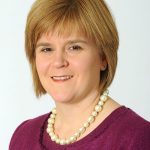
  • Nicola Sturgeon – 2020 Statement on the Coronavirus (20/04/2020)

    Nicola Sturgeon – 2020 Statement on the Coronavirus (20/04/2020)

    Below is the text of the statement made by Nicola Sturgeon, the Scottish First Minister, at St Andrew’s House in Edinburgh on 20 April 2020.

    Good afternoon everybody. Thank you once again to all of you for joining us for this daily briefing.

    I want to start as I always do with an update on some of the key statistics in relation to the spread of COVID-19 in Scotland.

    As at 9 o’clock this morning, I can report there have been 8,450 positive cases confirmed – which is an increase of 263 since yesterday.

    A total of 1,809 patients are currently in hospital with either confirmed or suspected COVID-19 – which is an increase of 12 from yesterday.

    And a total of 169 people last night were in intensive care with confirmed or suspected COVID-19. That is a decrease of five on yesterday’s figures.

    However, in the last 24 hours, I am afraid that 12 deaths have been registered of patients who had been confirmed through a test of having COVID-19 – and that takes the total number of deaths in Scotland, under that measurement, to 915.

    Once again, I want to express some caution about that figure. Although people can now register deaths over the weekend, we would still expect that the number of registrations on Saturdays and Sundays to be relatively low. So we should take that into account when considering the figure I have just given you.

    And of course, it continues to be absolutely essential that we never, ever lose sight of the human reality behind these statistics. Each death represents a loved individual whose loss is a source of grief to their family and friends. And so – yet again – I want to extend our deepest condolences to everyone who has lost a loved one.

    I also want to express our thanks – as I always do – to all of our health and care workers right across the country. You are doing extraordinary work, in the most difficult of circumstances, and our gratitude continues to be with you each and every day.

    I have got two issues I want to briefly update on today.

    The first is the help we are making available to people who are right now struggling to access food, either because you can’t leave the house, or have no family or immediate support – or because you might be facing financial difficulties.

    The main message I want to convey today is an important one but a simple one – help is available.

    So please, ask for support if you need it. I’m going to in a few moments read out a national helpline number, for those of you who might need to access that.

    The Scottish Government has more than doubled our investment in grants through the Scottish Welfare Fund – from £35 million to £80 million – so that councils can provide grants to people on low incomes who need immediate help. And these grants provide people with funds directly, so that they can buy food and other goods that they need.

    We are also putting in place specific programmes – and I want to go through some of the different arrangements in place for different people.

    If you are one of the approximately 150,000 people who are in what we call the shielded group, the most vulnerable group – who are being told to isolate completely – then our text message shielding service, or your local authority helpline, or our national helpline, can help you to order free weekly deliveries of basic food and essential supplies.

    Information is also available on the NHS Inform website.

    So far more than 41,000 packages of food have been delivered. And people who have signed up in the last week while they may not yet have had their first delivery, will do so shortly.

    The national helpline I have just mentioned – and I’ll give this number in a couple moments – is also there for those who might not be in the shielded group but potentially at risk in some other way – for example, people over the age of 70, people with disabilities, pregnant women, people who get the annual flu jab, and people who need support from mental health services.

    The helpline, when you phone it, directs you to your local authority, and therefore it’s also a good way of finding out what assistance is available in your own area, and what support might best meet your circumstances – that might be a community care grant, or it might be food being directly supplied and delivered to you.

    So the number of that helpline, which I’ve given at a previous briefing but want to emphasise again today, is 0800 111 4000. That helpline is available between 9am and 5pm every weekday.

    It’s a free line, and since it has been launched it has been already used by thousands of people. Now, of course, due to the volume of calls, at sometimes you might find yourself placed in a queue, but please be patient and hang on, because we will get to you.

    We are also providing additional funding for local authorities to make sure free school meals remain available.

    Around 140,000 children across Scotland are currently being provided with free school meals – either within council and early years premises which are still open, or through direct cash payments, supermarket vouchers, or food being supplied to them.

    And finally, we are working with community and third sector organisations.

    This morning, for example, we have announced £350,000 of extra funding for the Wheatley Group, to provide 8,500 food deliveries in 17 different local authority areas. Each delivery will supply food to people in need that will do them for seven days.

    And a further 18 schemes will share £400,000 to provide emergency food. These schemes will work with minority ethnic households, family support groups and mental health teams.

    In all of this, it’s important to say that we are working closely with key partner organisations – such as local authorities, FareShare, the Trussell Trust and the Independent Food Aid Network – to make sure that what we are offering to people in this time of need is as coordinated as possible.

    Now I realise that there is a lot of detail here that I’ve given, but the key point I ask you to remember is this straightforward one.

    If you can’t access food for whatever reason – that might be because you are shielding, you might be self-isolating, or you might find yourself right now unable to afford food for your family – please contact your local authority directly or phone the national helpline.

    And I’ll give the number again – 0800 111 4000.

    Nobody should have to worry about access to food – so if you need help, please ask for that help and we will make sure that you get it.

    The second issue I want to briefly update on relates to education. Of course for most children and young people, this week, today in fact, would mark the start of the summer term.

    I said before that the decision we took to close schools, to suppress the spread of this virus and to keep them closed, is one of the hardest I have ever had to take as First Minister because I know how disruptive that is to the lives and education of our young people.

    And I want to again thank children and young people for putting up with this disruption so well.

    And I also want to say a special thank you to parents and carers across the country. I know that many of you are juggling looking after your children with work, and other caring responsibilities, and of course with the worries and anxieties that all of us have about this pandemic.

    I know how difficult that is – so thank you for doing the right thing, for keeping your children at home, and looking after them there.

    The Scottish Government today has published some guidance to support continuity in learning while our schools remain closed.

    This guidance builds on the work that has already been done by teachers and many others, and it focuses on three main areas.

    It covers support for children and young people as they learn at home, including particular support for those who need it most – for example people with additional support needs.

    It also covers support for parents and carers as you help children, and also support for teachers and school leaders.

    We are very aware that this current situation is likely to have the biggest impact on the most disadvantaged children and young people in our society.

    So we have already therefore provided local authorities with the flexibility they need to redirect the resources that we have given them aimed at closing the attainment gap, to help mitigate the impact of school closures on our most disadvantaged families.

    And I think it’s worth stressing at this stage that nobody’s expecting children, parents and carers to recreate classrooms while schools are closed. We don’t think that’s either possible or desirable.

    But we do want to protect children’s welfare, while enabling them to continue to learn. And today’s guidance sets out some further ways in which we are doing that. And if you are a parent or carer watching this I hope you will find that helpful.

    Now I’m about to hand over firstly to the Chief Medical Officer and then to the Chief Nursing Officer, but before I do that, let me again say how tough I know all of this is.

    But, again let me stress, that everything we are doing right now, everything I’m asking you to do and everything you are doing is essential.

    Towards the end of this week, I will set out some of the factors that will guide our thinking for the future.

    I want to be clear however, that the initial version of this work will not set out what measures will be lifted and when.

    We’re simply not yet in a position to take those decisions in a properly informed way – and I will not rush to do anything that could risk a resurgence of this virus because to do that would risk overwhelming the National Health Service and it would put many more lives at risk.

    But what we will start to do is set out, firstly, our objective – which is continuing to suppress the virus while considering how we can even gradually restore a semblance of normality to everyday life.

    We will set out the factors that we need to consider as we do that and the framework in which we will seek to take these decisions.

    But it will also be clear the work we set out later in the week, that living with this virus – as we will need to learn to do – is likely to mean some restrictions on everyday life in the form of social distancing for a while to come.

    But as we consider the best way forward – and the very difficult decisions that that will entail – we will be as open as we can be about the balance we are seeking to strike and how we can best do that. This is something that effects all of us, so it is important that all of us are included in and are aware of that decision-making process.

    But for now, let me once again end by emphasising the key public health rules that are in place now.

    Please stay at home, unless you are going out for essential purposes – such as exercising once a day, or buying food or medicines.

    If you do go out, do not meet up with people from other households, and stay two metres apart from other people. And wash your hands thoroughly and regulalry.

    These restrictions, as I’ve said, remain really tough, and they get tougher as the days and the weeks go by. But they are essential, and most importantly of all they are making a difference. By doing the right thing, and by staying at home, all of us are helping to make that difference – we are doing our bit to slow the spread of the virus, to protect the NHS, and to save lives. So thank you, once again, to everyone for doing that.

  • Nicola Sturgeon – 2020 Statement on the Coronavirus (21/04/2020)

    Nicola Sturgeon – 2020 Statement on the Coronavirus (21/04/2020)

    Below is the text of the statement made by Nicola Sturgeon, the Scottish First Minister, at St Andrew’s House in Edinburgh on 21 April 2020.

    Good afternoon everyone. Thank you yet again for joining us for this daily update.

    As usual I will start with an update on some of the key statistics about the spread and impact of COVID-19 in Scotland.

    As at nine o’clock this morning, I can report that there have been 8,672 positive cases confirmed – which is an increase of 222 since yesterday.

    A total of 1,866 patients are currently in hospital with either confirmed or suspected COVID-19 – that is an increase of 57 from yesterday.

    A total of 166 people last night were in intensive care with confirmed or suspected COVID-19. That is a decrease of 3 since the figure I reported to you yesterday.

    Now while I would still urge caution in interpreting these figures, I do remain cautiously optimistic that firstly, while the numbers being admitted to hospital are still fluctuating on a daily basis, they do appear to be broadly stable – and secondly that the numbers being admitted to intensive care are, at this stage reducing.

    And we shouldn’t forget how important that is. It’s not too long ago that we were seriously worried about the potential for our hospital capacity to be overwhelmed by now.

    The fact that it is not, is down to the planning that’s been done in the national health service, of course, but more than that it is down to the high compliance with the lockdown restrictions.

    So my thanks to all of you for helping us to ensure the NHS has been able to cope, although the work that they do is very difficult and very challenging.

    It is of course in the nature of the virus that there will be a lag between numbers being admitted to hospital and intensive care reducing and the numbers sadly dying from this virus reducing. But I hope we will see the latter number also start to reduce in the next couple of weeks.

    However, in the last 24 hours, I am afraid that 70 deaths have been registered of patients who have been confirmed as having COVID-19 – that takes the total number of deaths in Scotland, under that measurement, to 985.

    I would remind you however, that registration over weekends, and this is a point you have heard me make often before, registrations over weekends still tend to be lower than during the week, so today’s higher figure will, at least in part, be a reflection of that.

    I would also remind you that these daily figures are of people who have sadly died after testing positive for this virus.

    Tomorrow, National Records of Scotland will again publish its weekly report, which will show the number of people who have died with either presumed or suspected COVID-19 as well, as well as those who have had a positive test confirmed.

    And again, as I always do because it is really important always to do this, I want to stress that each of these deaths represents much, much more than a statistic.

    They each represent an individual who was loved by family and friends, and whose loss is a source of intense grief. And so again I want to extend my sincere and deepest condolences to everyone who has lost a loved one.

    I also want once again to thank all of our health and care workers. The entire country continues to be grateful to you, for the extraordinary work you are doing.

    And it’s worth also making the point that there are not just health and care workers, although we understand the importance of the work they are doing, there are essential workers across a range of areas, who are going to work every day right now to keep the country moving, to keep the country going, to keep food on the table, to keep the lights on, and to each and every one of them, let me say thank you as well.

    I’ve got three issues I want to speak briefly about today.

    The first is that the Government’s Chief Economist, Gary Gillespie published the latest ‘State of the Economy’ report this morning. Gary is here with us today and will say a bit more about that in a few minutes.

    This report confirms the fact that dealing with this public health emergency has in itself created an economic emergency.

    It estimates that Scotland’s economic output could fall by a third during the current period of social distancing – an analysis which is broadly in line with last week’s projections for the UK as a whole from the Office for Budget Responsibility.

    The Labour Market Statistics on employment and unemployment, which have also been published today don’t fully reflect that impact yet, since they relate to the period up until the end of February, so a period before these restrictions took effect.

    It is however likely that there has been a significant increase in unemployment since then. For example, since March 15 we know there have been 130,000 new claimants for Universal Credit in Scotland. To give some context to that, in the comparable period last year, that number was 15,500.

    The Scottish Government’s immediate focus, working with the UK Government, has been on trying to mitigate the impact of the economic shock on people’s wellbeing, and on protecting the economy’s productive capacity for the future.

    Our overall package of support for businesses in Scotland now totals more than £2.3 billion – that includes business rates relief for many sectors, and grants for small businesses.

    The Economy Secretary will set out later today in Parliament today how £100 million of funding that we announced last week will be used to support people – for example, people who have become recently self-employed, who might not currently be eligible for other forms of support.

    Fundamentally, and this is a point I have made previously, we recognise that in order to protect public health, the Government is making extraordinary demands on businesses and workers.

    We are asking you to do unprecedented things, so we recognize that the responsibility and onus is on the Government, to equally do extraordinary things and provide extraordinary levels of support for businesses and workers, and we will continue to do everything we can to meet that challenge.

    It’s also worth adding that the health of the economy is, of course, one of the things we must consider as we think about how to emerge from this period of lockdown.

    The plans we will publish this week will set out some of the factors we will have to weigh up, as we work towards a point when we can allow some businesses to reopen, albeit with appropriate social distancing measures in place.

    But the economic harm being caused by this virus is not in itself a reason to come out of lockdown early. Indeed, dealing with this public health emergency and continuing to suppress the virus is an absolute prerequisite for a sustainable economic recovery.

    If we were to move out of lockdown too early, and then have to impose the same level of restrictions again, due to a further rapid rise in cases, that would in itself cause further, and possibly much longer lasting, economic damage.

    So these are decisions that we have to strike the right balance on, for the good of the country overall, and that is what we will seek to do.

    The work that I’ve mentioned we will publish towards the end of this week will set out in some more detail the principles that will guide us, as we seek to restore as much normality as we can to everyday life, without risking a resurgence of this virus that we know can, and is, doing so much harm.

    That point is actually related to the second issue I want to briefly speak on. We have today amended regulations introduced three weeks ago, to restrict public gatherings and non-essential business activities.

    Some of these amendments strengthen those regulations, to formalise what is already our established guidance – for example all businesses must take all reasonable measures to enforce the rule that workers are at least two metres apart from each other.

    Police, as a result of these amended regulations, will now be able to enforce that power within workplaces – though as with the regulations already in place, we envisage that this will be done initially through dialogue and encouragement. We do not expect police to be routinely patrolling office blocks.

    The legislation will also make clear that livestock markets and money advice services, such as foreign exchange services, can continue to operate – and that holiday accommodation businesses can manage online and telephone services for bookings. Not for this period but related to future dates.

    However, let me be clear it is not yet possible to say when such establishments will be able to re-open.

    I am very grateful, just as I am to every individual across the country who is complying with these restrictions, I am very grateful to all businesses who have acted responsibly by closing their businesses, or by ensuring safe social distancing.

    I know how tough these restrictions are for business. However, I would reiterate that they are absolutely essential to public health.

    The final issue I want to briefly cover is related to mental health. When I spoke to you last Tuesday, I said then that the Scottish Government would launch a new mental health campaign.

    That campaign – the “Clear Your Head” campaign – starts today.

    It highlights practical steps that all of us can take to look after our mental health better. For example sticking to a routine, staying active within the current guidelines, keeping in touch with people, and taking a break from news or social media from time to time.

    It also points people to places where you can get help and advice. For example, NHS Inform and helplines including NHS24, Breathing Space, the Samaritans, and the Scottish Association for Mental Health.

    What the campaign recognises is that the current lockdown is really tough for everyone. Everyone will be experiencing it differently but it is tough for everyone without exception. It is okay not to be feeling okay, at times right now.

    So all of us need to look out for each other – to show kindness, compassion and solidarity even as we stay physically separate.

    We should all also do what we can to look after our own mental health, and the campaign provides good advice on that.

    But if you need help, please reach out for it. Support is available, and the campaign that will launch today will show you where and how you can access that support.

    I’m about to hand over briefly to the Chief Medical Officer and then to the Chief Economist, who will say more about the State of the Economy Report.

    Before I do that, however, just let me again emphasise our key public health messages.

    Because it is really important if we’re to see that continued downward trend in people in intensive care, leading to that downward trend in the number of people dying, we must all comply with these restrictions.

    Stay at home, unless you are going out for essential purposes, such as food or medicine, or exercising.

    If you do go out, stay two metres away from other people, and don’t meet up with people from other households.

    Wash your hands regularly and thoroughly.

    By doing all of that you are helping us make sure that we suppress this virus and bring forward that time where we can restore some normality.

    Now as I keep saying, and I will keep saying, these restrictions are tough, and they will get tougher, not easier. I know everybody is feeling that increasingly. But they are essential, and as some, if not all of the statistics that I’ve given you today show, they are making a difference.

    By staying home, we are helping to slow the spread of the virus, we are as I have talked about already, protecting the NHS, and we are saving lives. So thank you once again to all of you for cooperation and compliance.

  • Nicola Sturgeon – 2020 Statement on the Coronavirus (22/04/2020)

    Nicola Sturgeon – 2020 Statement on the Coronavirus (22/04/2020)

    Below is the text of the statement made by Nicola Sturgeon, the Scottish First Minister, at St Andrew’s House in Edinburgh on 22 April 2020.

    Good afternoon everyone. Thanks for joining us for today’s update.

    I’ll start as usual with an update on some of the key statistics in relation to Covid 19.

    As on the last two Wednesdays, this will have two parts – an update of the usual daily figures, but also a summary of the key points from today’s weekly publication from National Records of Scotland.

    Now this inevitably means a bit more complexity, so please bear with me as I go through these statistics.

    Let me turn firstly, to the daily figures.

    As at 9 o’clock this morning, there have been 9,038 positive cases confirmed – an increase of 366 from yesterday’s figures.

    A total of 1776 patients are currently in hospital with confirmed or suspected Covid-19 – that is a decrease of 90 from yesterday.

    And a total of 155 people last night were in intensive care with confirmed or suspected cases of the virus. That is a decrease of 11 on yesterday.

    Let me again say that these figures for hospital admissions and admissions to intensive care are really encouraging and there are a cause for optimism, still cautious optimism, but optimism nevertheless.

    In addition, as part of a package of new information we are providing on our website from today I am able, for the first time, to give a figure for the number of COVID-19 patients who have been discharged from hospital – indeed, that is information some of you have contacted me to ask that we provide.

    So I am able to confirm today that since 5 March, a total of 1,813 patients who had tested positive for the virus have been able to leave hospital, and I wish all of them well.

    On a much sadder note though, I also have to report today that in the last 24 hours, 77 deaths have been registered of patients who had been confirmed positive through a test as having Covid-19 – that takes the total number of deaths in Scotland as of this morning under that measurement, to 1062.

    Now I have spoken before about the different ways in which we record figures, but it might be helpful to very briefly recap on that.

    For our daily update figure – the one you have just heard me give – we report on deaths which have been registered where the individual who has died has been tested and confirmed as having Covid-19.

    Those figures are the most accurate ones that we’re able to provide on a daily basis. But obviously they don’t capture all deaths from the virus.

    So National Records of Scotland now produces a report each Wednesday which captures all deaths registered within a 7 day period, ending on the preceding Sunday. It includes – not just those with a confirmed laboratory diagnosis of the virus – but also deaths which are presumed to be linked to Covid-19 and mentioned on a death certificate.

    The number of deaths covered under this reporting system is therefore larger than under the daily system, when you compare the two figures according to the same date. But it is the comprehensive one.

    NRS published the third of its weekly reports today, just around half an hour ago. It covers the period up to Sunday 19th April – three days ago. At that point, according to our daily figures, if I can remind you, 915 deaths had been registered of people who had tested positive for Covid-19.

    However, today’s report shows that by Sunday, the total number of registered deaths linked to the virus – confirmed and presumed – was 1,616.

    651 of those were registered in the 7 days up until Sunday the 19th of April. That is an increase of 41 from the week before, when 610 Covid-19 deaths were registered.

    These figures are extremely difficult to report on, and I know they will be difficult for you all to listen to. They are higher than any of us would ever want to think about. But this information is really important because it gives us as full a picture as possible of the toll the virus is having and how and where it is progressing.

    There are two further points I want to highlight about today’s report. The first is that it again provides a breakdown of deaths by age, sex, location and health board area.

    It shows that almost three quarters of those who have died were aged over 75 – however it also shows that much younger people do sometimes die as a result of this virus. That is an important reminder that all of us are potentially at risk so it’s therefore important for all of us to follow the guidance.

    The report also provides information about the location in which people died. So far, 56% of those who have died died in hospital, 33% – 537 in total – have died in care homes, and 10% have died at home or in some other setting.

    We know older people and care homes are particularly vulnerable to this virus.

    But we must match that increased vulnerability with enhanced protection.

    So I want to say a bit more today about the measures we have put in place to protect residents and staff in care homes.

    Clear guidance on isolation in care homes has been in place now for some time and it is of course the duty of providers of care homes to make sure that guidance is followed.

    The Health Secretary set out yesterday additional steps that we are taking.

    NHS Directors of Public Health are taking enhanced clinical leadership for care homes.

    A national rapid action group has been established, which will receive daily updates and ensure quick local action is taken to deal with emerging issues.

    Testing for staff and residents is being expanded – as I set out here last week, all symptomatic residents of care homes will be tested.

    Covid-19 patients discharged from hospital, should only be admitted or readmitted to a care home once they have had 2 negative tests.

    In addition, other new admissions to care homes should be tested and isolated for 14 days – let me stress that this is in addition to and not a substitute for the clear isolation and social distancing measures the guidance sets out.

    We are also helping to recruit students, and people who previously worked in social care, to work in the care sector as soon as possible. Nursing staff are also supporting care homes, where that is needed.

    And we are increasing access to NHS personal protective equipment to care homes.

    For example this week, and let me stress this is in addition to our other supply routes, we are delivering supplies of aprons, gloves and fluid-resistant surgical masks direct to care homes. In doing that, of course, we are giving priority to those with known outbreaks of the virus.

    Finally, the Scottish Government, from today, is making more information publicly available about how the virus is affecting care homes.

    The statistics that we publish at 2pm today will include

    the total number of adult care homes that have reported a suspected COVID-19 case at any time;
    The total number of suspected cases in care homes so far; and

    the number of care homes that have current suspected cases. On this last point, I can tell you the figure today will show

    that 384 care homes have a current outbreak, but let be me clear what that means. It means that these are care homes

    that have at least one resident who has exhibited symptoms of the virus in the last 14 days.

    We must remember, difficult though this is, that it is not unusual for people to become sick in care homes. Residents are often frail and nearing the end of their lives.

    But that does not mean we consider any of these cases to be inevitable or that we don’t do everything we can to prevent them. Older people in care homes require as much – if not more – support and protection as anyone else in our society. We are working with care homes and other partners to provide that.

    In doing that, we are helped hugely by the expertise and dedication of those who work in the sector, who are doing a remarkable job in incredibly testing circumstances. We are grateful to all of them.

    The second point I want to briefly cover about the statistics is that the overall number of deaths registered last week is again much higher than the average for the same week in previous years – something that seems to be reflected in other countries at this time.

    And while around three quarters of that difference this week can be attributed directly to Covid-19, more than 200 deaths cannot be explained in this way.

    The data the NRS published today provides some explanation of that and indicated that some of the difference appear to be a result of more people dying of cancer, and dementia and Alzheimer’s. However clearly, this is an issue that we need to do further work on to make sure we understand it fully.

    Now, I focus on the statistics in these updates because they are important.

    And I set the reasons why they are important to us in understanding the spread of this virus and informing decisions about the way forward, and I’ll say more about the principles that will underpin our decision making tomorrow.

    But I want to emphasise again that these death are not just statistics.

    They were all people who were loved and cherished and who, for their family and friends, are irreplaceable. We should never forget that.

    Just as we shouldn’t forget those left behind, grieving for their lost loved ones. My condolences are with all of them.

    The final point I want to acknowledge is that listening to numbers like this is really horrible – reporting these numbers is really horrible, certainly the most difficult experience I’ve had as First Minister.

    And I know listening to this might leave you with a feeling of powerlessness as well as an acute and deep feeling of sadness.

    But I want to stress again that none of us are powerless, we all have some power against this virus. By following the rules, by staying home and by self-isolating when we have symptoms, we are all making a difference.

    I know it’s hard to see progress when numbers of deaths that we are reporting are so grim.

    But the other statistics I’m reporting on daily right now, particularly on hospital and intensive care admissions, do show that we are making progress – they are a source of optimism – and soon I hope a fall in the numbers of people dying will show that progress too.

    By complying with the lockdown, we are protecting ourselves and others, and we are saving lives.

    But even a very small easing up in that right now could send all of that progress very quickly into reverse.

    So please, keep sticking with it.

    Stay at home except for essential purposes. When you do go out, stay 2 metres away from other people, and do not meet up with people from other households. And wash your hands thoroughly and regularly.

    By doing this, we are all helping – and we are helping – to slow the spread of the virus, we are protecting the NHS – which has not been so far overwhelmed in the way we feared just a few weeks ago and despite these figures I am reporting to you today – and we undoubtedly all of us saving lives. So thank you once again to all of you for doing that.

    So thank you once again for all that you are doing. This is hugely appreciated not just by me, and by the government, but the collective community. It is appreciated by everyone. Thank you very much for bearing with me though what I know was a complicated update today with lots of different statistics.

  • Nicola Sturgeon – 2020 Statement on the Coronavirus (23/04/2020)

    Nicola Sturgeon – 2020 Statement on the Coronavirus (23/04/2020)

    Below is the text of the statement made by Nicola Sturgeon, the Scottish First Minister, at St Andrew’s House in Edinburgh on 23 April 2020.

    Good afternoon everyone. Thank you for joining us for today’s briefing as usual.

    Today I’m going to focus quite a lot on the paper we’ve just published about how we might, at the right time and in the right way, begin to restore some normality to our lives, while still containing the COVID-19 virus.

    But before I do that, I will start as usual with an update on some of the key statistics in relation to the virus in Scotland.

    As at 9 o’clock this morning, there have been 9,409 positive cases confirmed – which is an increase of 371 from yesterday.

    A total of 1,748 confirmed or suspected COVID-19 patients are in hospital – and that is a decrease of 28 from yesterday.

    And a total of 148 people last night were in intensive care with confirmed or suspected cases of the virus. And that is a decrease of seven since yesterday. Let me say again as I did yesterday, these figures on hospital admissions and admissions in to intensive care are very encouraging and do give us real optimism at this stage.

    However in the last 24 hours, I am very sorry to have to report that 58 deaths have been registered of patients who had been confirmed through a test as having the virus – and that takes the total number of deaths in Scotland, under that measurement, to 1,120.

    Once again, it’s really important for all of us to remember that each of these deaths represents a unique, loved and irreplaceable individual. And I want to again extend my deepest condolences to everyone who has lost a loved one.

    I also want again to thank all of our health and care workers right across the country. This evening many thousands of us will, yet again applaud your efforts – we are all so deeply grateful to you for the extraordinary work you are doing.

    So let me turn now to the paper we have published just a few moments ago about the decisions we will need to take as we seek to contain this virus while also restoring a semblance of normality to our lives.

    And I want to be very clear with you at the outset – what we are publishing at this stage today is, by necessity, a first cut.

    I am seeking today really, to start a grown up conversation with you, the public.

    The decisions that lie ahead of us, of all of us, are really complex.

    We will – as we have done all along – seek to inform those decisions with the best scientific advice possible.

    But the science will never be exact, so we will also require to make very careful judgments.

    And we are in uncharted territory – it’s impossible to know with absolute certainty what the impact of our decisions will be in advance.

    That means we must also be prepared to adapt and change course as we go. We want to ease restrictions, of course we do, but we cannot absolutely rule out having to reapply some of them in future should we have evidence that the virus is again running out of control.

    And I want to be frank with you every single step of the way about all of these complexities and uncertainties.

    So while today’s paper is still quite high level, it is the start of a process.

    It sets out the objectives and the principles that will guide us, the different factors that we will need to take into account, the framework in which we will take decisions, and the preparations we need to make now.

    In the days and the weeks ahead, evidence, data and modelling will allow us to take firmer decisions.

    As that happens, this paper will evolve into a detailed plan with metrics, actions, milestones and measurements attached to it.

    And I give an assurance today that as we go through this process, we will share our thinking on an ongoing, iterative basis.

    But let me briefly set out some of the key points today.

    Firstly, and this is an obvious point, this virus causes real harm. And we see that every day in the statistics that we report, especially in the numbers of people who have died.

    But the lockdown measures we are taking to contain the virus are also doing damage.

    They’re doing harm to the economy and to living standards, to children’s education, to other aspects of our physical health, and to mental health and wellbeing. And the toll of all of that may also, in time, be measured in poorer health outcomes and lives lost.

    So we must try to find a better balance than the one we have right now.

    But my second point is that, as we do so, we cannot and we must not take our eye off the need to suppress the virus and minimise the damage that it does.

    And let me be very clear about this, continuing to suppress COVID-19 is the central objective that we set out in this paper today.

    Obviously, we cannot guarantee that no one will get this virus in the future – far from it – but an assumption that it is somehow safe to allow a certain proportion or a certain section of the population to get the virus is not part of the approach we will be taking.

    Third, we are increasingly confident that measures we are taking now are suppressing the virus.

    The key factor – and you may have heard this before – is what is known as the reproduction rate – the R number. And that needs be as far below one as possible.

    Now before lockdown that R number was very likely above three. And that means everyone with the virus was infecting three more people, each of them was infecting three more people and so on and on. That is what is exponential growth.

    Our best estimate now is that the R number is somewhere between 0.6 and one – though I should say that it is probably still higher in certain settings, such as care homes.

    But we can’t yet be absolutely sure about any of that. That’s why we need more time to monitor the statistics we report every day – like case numbers, hospital and ICU admissions, and numbers of deaths. And we need to develop further our data through ongoing surveillance.

    It’s only when we are sure that the virus is under control that we can even start to ease any of the restrictions.

    And it’s my next point really that takes us to the hard part.

    When we do reach that stage, the virus will be under control only because of the severity of the restrictions we are all living with just now. But the virus will not have gone away.

    So as we start to lift the restrictions, the real risk – and it is a very real risk – is that COVID-19 runs rampant again.

    So a return to normal as we knew it is not on the cards in the near future. And it’s really important that I am upfront with you right now about that.

    What we will be seeking to do is find a new normal – a way of living alongside this virus, but in a form that keeps it under control and stops it taking the toll that we know it can do.

    Social distancing and limiting our contacts with others will be a fact of life for a long time to come – certainly until treatments and ultimately a vaccine offer different solutions. So that means possibly for the rest of this year and maybe even beyond.

    And that’s why talk of lifting the lockdown – as if it’s a flick of a switch moment – is misguided.

    Our steps – when we take them – will need to be careful, gradual, incremental and probably quite small to start with.

    We will need to assess them in advance and monitor them in action. Sometimes, as I said a moment ago, we may even need to reverse things.

    As we go, we will apply our judgment to the best scientific advice possible, we will continue to collaborate closely with the other governments across the UK, and we will learn from international experience. The fact is that different countries are at different stages of this pandemic – but none of us are anywhere near through it yet and we all face the same challenges.

    So as we make these decisions here, careful balances will have to be struck.

    For example, it may be that be that certain business in certain sectors can re-open – but only if they can change how they work to keep employees and customers two metres distant from each other.

    Similarly with schools – classrooms may have to be redesigned to allow social distancing, so maybe not all children can go back to or be at school at the same times.

    Some limited outdoor activity might be able to restart earlier than indoor activity. But let me be clear, big gatherings and events are likely to be off for some months to come.

    We will also consider whether different approaches would make sense for different areas – though our preference, not least for ease of understanding, will be for as much consistency as possible.

    And of course given how severely this virus is affecting older people and those with other health vulnerabilities, some form of shielding will almost certainly be required for the foreseeable future.

    Now let me stress that what I have just set out there are not firm decisions – but they do illustrate the kind of options we will be assessing.

    And as we do so, we will consider not just the health imperatives, but also issues of practicality, sustainability, fairness and equity, ethics and human rights.

    And lastly, as well as changes to how we live, we will use public health interventions and technology to the maximum possible to help us control this virus.

    In the next phase, extensive testing, tracing of those who test positive and the isolation of symptomatic people to break the chain of transmission will be a central part of the approach that we will take. And the preparations to make that possible are already under way.

    We will also discuss with the UK government – for this is a reserved responsibility – the need for stronger surveillance measures for those coming into the country from elsewhere.

    So in short, this paper sets out the difficult decisions we face and the way in which we will go about preparing for them, making them and also assessing their impact.

    I want to stress again because it’s important that I am frank. The path ahead is not an easy one – it is paved with complexity and uncertainty. But with openness, transparency and frankness along the way, I believe that together we will be able to navigate it. It is for me and for government to work through and lead that process. But this is about all of us – hence this discussion that we are opening up with all of you today.

    The paper we have published is available on the Scottish Government website. I will post a link to it on Twitter, later this afternoon.

    So, please, even if – like I suspect most of the population – you are not in the habit of reading government documents, have a look at it. And if you have views on it please let us know. These views are important and will be helpful.

    As I said earlier, I will continue to share our thinking with you as it develops.

    But let me now end now on a vital point and one that you have become used to hearing me make each day. Moving on from where we are now as all of us want to do as quickly as it is safe to do will only be possible if and when we do get this virus properly under control.

    And that means sticking with the current rules that are in place just now.

    Stay at home except for essential purposes.

    Stay two metres apart from others when you have to be out.

    Do not meet up with people from other households.

    And isolate completely if you or anyone in your household has symptoms.

    This is tough, this is the toughest set of circumstances that the vast majority of us have ever lived through – and I can’t stand here and promise you it is going to get a whole lot easier soon.

    But as I hope we have started to set out today, if we keep doing the right things, and if we consider all of the options carefully and with the right objectives in mind, I do believe there will be a way through.

    And we will find that way through. So thank you for all you are doing to help. And please if you can, engage with this discussion as we go through the days and weeks to come.

    Thank you very much for your patience right now in allowing me to go through that in detail.