Tag: 2020

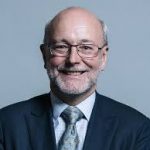
  • Alex Cunningham – 2020 Speech on Covid-19

    Alex Cunningham – 2020 Speech on Covid-19

    Below is the text of the speech made by Alex Cunningham, the Labour MP for Stockton North, in the House of Commons on 11 May 2020.

    I could have addressed many issues in this speech, among them the grief in my own community, the plight of child nurseries that face bankruptcy, small businesses that do not qualify for any support, individuals who have been caught between jobs and are not being furloughed, the hunger of children across the country because the Government refuse to issue school meal vouchers during the Whitsun holidays, or the fear of families with relatives in care homes. But I have opted to talk specifically about health, because of the disproportionate effect the coronavirus has on communities like mine. I pay tribute to all the key workers who look after us every day.

    As we know, covid-19 is a respiratory virus that affects the lungs and airways. That is why lung health is an integral part of how we tackle this virus now and respond to the ongoing effects it can have on a person’s lung health. The majority of deaths from covid-19 in the UK have occurred among people with pre-existing conditions. Data from the UK covid symptom tracker app shows that smokers are more likely to report common covid symptoms, and smokers who contract coronavirus are more likely to experience severe symptoms.

    Prior to this crisis, I regularly called on the Government to do more when it came to lung health—to reverse the cuts and fund public health properly, to have better tobacco control and to tackle health inequalities. As colleagues may know, there is a 20-year average life expectancy gap within my Stockton North constituency. Men living in the town centre ward can expect to live 20 years fewer than a man living in Wynyard. While there are other health challenges, much of that health inequality is down to lung health and the Government’s failure to tackle it head on. Investing properly in tobacco control and smoking cessation services would achieve the Government’s ambition of a smoke-free England by 2030 and reduce health inequalities, but more importantly, it could lift over 1 million people out of poverty, including 250,000 children.

    There has been much talk about how long the coronavirus could be around and whether it could mutate and reinfect. I am not a scientist, so I, like the vast majority of people, cannot answer those questions. But we cannot take a gamble with people’s health and their lives. If someone is more likely to die from covid-19 with a pre-existing condition, we need to tackle the root causes of pre-existing conditions. That means tackling health issues in areas like mine—the areas with the poorest communities. Smoking cessation is an excellent place to start. I hope that the Government will see it as not just appropriate but necessary to restore all funding for services that help people to stop smoking. When households stop spending money on tobacco, it can lift them out of poverty and increase the disposable income available to spend on local communities rather than lining the pockets of transnational tobacco firms, but the services need to ​be there to support people to quit smoking. A polluter charge on tobacco companies would go a long way to funding those services, so will the Minister commit to introducing this charge to provide a sustainable source of funding for tobacco control?

    We need to give lung health the attention that it desperately needs, not just during the coronavirus crisis but afterwards, because we do not know whether this will happen again and we need to be ready. Improving the health of those with the shortest life expectancy is part of the answer. We need to be working on prevention so that if this happens again, we are ready and we will know that we will have saved lives simply by looking after their lung health now.


  • Gagan Mohindra – 2020 Speech on Covid-19

    Gagan Mohindra – 2020 Speech on Covid-19

    Below is the text of the speech made by Gagan Mohindra, the Conservative MP for South West Hertfordshire, in the House of Commons on 11 May 2020.

    First, I want to thank all the frontline staff, especially those in South West Hertfordshire. I welcome the Prime Minister’s statement and the further guidance issued today. Across the country and in my constituency, people will welcome this road map and the light at the end of the tunnel. I congratulate all Government Departments for their Herculean efforts to deal with this unprecedented global pandemic. In my view, the continual evolution of national policies based on data is the correct method, and I look forward to the easing of the lockdown restrictions as soon as it is safe.

    I want to focus on what the new normal may look like. My party and this Government had already committed to extensive investment in broadband, and this pandemic has shown at first hand how it should now be regarded as an essential utility. I look forward to working with ministerial colleagues to achieving that as soon as practicable.

    The ability of the national health service to adapt to a totally different healthcare system using remote diagnosis could fundamentally change how our NHS works. This should be regarded as an opportunity and not a threat. The technological industrial revolution is using the pandemic as a catalyst for significant innovation—something we in this House should all engage in, to seek the opportunities that a global Britain offers.

    As you may know, Mr Deputy Speaker, I regard myself as a globalist and an optimist. This pandemic has shown British ingenuity at its best—the world-class teams working to find a vaccine, the two-week construction of the Nightingale hospitals and the national effort made by businesses of whatever size for the greater national good. The community spirit across South West Hertfordshire has reinforced my belief that we will get through this. From the door-to-door deliveries in Croxley Green, to supermarket attendants going that little bit further to help vulnerable customers, to the large food bank donations in Tring, people are pulling together. At Tring School, two staff members, Miss Jones and Miss Corney, have donated their time and efforts to make 1,000 visors for Stoke Mandeville Hospital and 43 other organisations. My one desire is that the care shown for our neighbours and those in need continues into more normal times.

    As a Conservative, I have always believed in the safety net, and many in this pandemic are having to rely on it. I will continue to be a critical friend as we progress through this pandemic, but I want to take this opportunity ​to acknowledge the excellent work done to date. I ask my right hon. Friend the Paymaster General to discuss any plans she has to use the public’s good will, time and generosity in the form of volunteer co-ordination, and to join me in thanking those in my constituency and around the country who have stepped up to help their fellow countrymen and women in these challenging times.

  • Sarah Champion – 2020 Speech on Covid-19

    Sarah Champion – 2020 Speech on Covid-19

    Below is the text of the speech made by Sarah Champion, the Labour MP for Rotherham, in the House of Commons on 11 May 2020.

    I thank the people of Rotherham for following the lockdown rules, and for proactively helping the people in our town who are vulnerable; you have shown real community spirit and I am proud to represent you.

    Tonight, however, I will speak as Chair of the Select Committee on International Development, as we are currently conducting an inquiry into the impact of the coronavirus pandemic in developing countries. There have been some clear and consistent messages. First, the ability to prevent infections in the global south is simply not there. How is it possible to maintain social distancing in a refugee camp or at a food distribution point? In Bangladesh, for example, 850,000 Rohingya refugees live in just 26 sq km. Secondly, healthcare systems in so many areas have been destroyed, like in Syria or Yemen, or are vastly under-resourced, like in Mali, with its single ventilator for the entire country. Thirdly, the economic impact has been immediate in the global south. This alone is estimated to have undone the development work of the last 30 years.

    The consensus in our evidence to date is as follows. The coronavirus pandemic is emerging across the global south, with no country being safe. The outbreak is likely to peak in the next two or three months. The direct challenge of the disease and the seriousness of its effect on children will be exacerbated where there are existing illnesses, other morbidities and poor nutrition, as well as a weak health system and infrastructure. For example, it is estimated that only 51% of health centres in Yemen are fully functional. In north-east Syria, no district can even meet the basic emergency threshold of 10 hospital beds per 10,000 population. In north-east Nigeria, vaccine coverage is only 8% in some areas, and 2.7 million women and children need nutritional support.

    The preventive measures that we have adopted in the UK will obviously be challenging, if not impossible, in crowded settlements such as refugee camps. Other illnesses are likely to embed, as existing health services are crowded out or avoided. Traditional vaccine provision, maternal and neonatal health, and basic public health—nutrition and hygiene advice, in particular—will be at risk. Where lockdown is being used as a preventive measure, our evidence makes it clear that the stress that this can impose, alongside the threat of family illness and loss of income, all place disproportionate risk on women and children. Lockdown-related domestic violence has been evidenced everywhere. Child abuse is likely to increase. The Committee received evidence that child marriage and child sexual exploitation, including via the internet, could be used by some to mitigate losses of income from a lockdown economy.

    Food security continues to be a major concern, particularly in Africa and the middle east. Public trust and social cohesion are worsening across some countries, with increasing protests against Governments. The threat of successful radicalisation and recruitment by extremist organisations seems inevitable in the face of rising unemployment and deprivation. There have also been reports of very negative sentiments about the role of international NGOs and foreigners in relation to the spread of the disease.

    I have welcomed the UK’s response to the emergence of coronavirus in the global south. However, in our evidence, NGOs considered the £20 million allocated by ​the Department for International Development for them to tackle covid-19 to be insufficient. There is also a consistent message that multilateral organisations are not reactive enough to disburse funds to frontline delivery in these urgent situations. I urge the Government to allow UK NGOs more flexibility in how they already use their existing funding. The UK’s response—totalled at £744 million—is weighted strongly towards the allocation of official development assistance funding for the development of a vaccine, so it is concerning that the Government have yet to enact safeguards or place conditions on the use of the funding to ensure—

    Mr Deputy Speaker (Mr Nigel Evans)

    Order. I am terribly sorry, Sarah, but we have to leave it there.

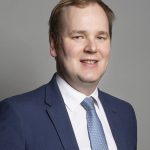
  • William Wragg – 2020 Speech on Covid-19

    William Wragg – 2020 Speech on Covid-19

    Below is the text of the speech made by William Wragg, the Conservative MP for Hazel Grove, in the House of Commons on 11 May 2020.

    When the public inquiry reports after being able to properly consider these events, there will be an almost irresistible urge to blame. That can only be natural, for we will as a nation feel grief—grief for those we have lost, grief for the things we have hitherto taken for granted, and grief for lost futures. The inquiry will demand papers, examine plans, ask awkward questions and reveal uncomfortable truths. There will be admissions, denials and rebuttals, claim and counterclaim, good days for some, bad days for others. There will be tales of heroism, and records of blunder. There will be examples of those who did not make reply, those who should have perhaps reasoned why, and, above it all, the lingering ghosts of those who simply did and died.

    The findings of the inquiry will not be phrased poetically. They will be categoric. I will wait for them and accept them, and we will all learn from them. The findings will put aside examples of hindsight-itis, which grow as the real pandemic subsides. Those who say they do not wish to play politics but then subtly do so will be able to deal in the facts, rather than propagate speculation. We will know who knew what and when, from whence this virus came, and myriad hows and whys will find their answer. We know it on reasonable authority that judgment is never quite so harsh upon the admission of responsibility, but perhaps most painfully of all there may be some answers we may never know.

    There are some people for whom our Prime Minister will never do anything right, but he is the Prime Minister and they are not. He knows that to govern is to choose. There are invidious choices ahead, and we need the Government to be fully engaged with the concerns and suggestions of wider society. They must also be engaged with this House, and I am sorry to say that this format of a virtual Parliament does not allow for it. As we ask our constituents to return to their place of work, with understandable anxieties and adaptations, so we must lead by example and return to ours.

    Through effective scrutiny we will get better government, for there are many candid friends of the Government in this House who want them to succeed on behalf of our entire nation. However, just as the Prime Minister and Ministers must exercise their judgment carefully and clearly, it is also for everyone to play a part in exercising our judgment, rather than entirely abdicating responsibility to the state. Although the state intervention has been great and necessary, it will be our individual patience, good sense and, above all, humanity that will see us through.

    Much has been made of the slogan used to convey the Government’s message. Supposedly clever people scoff and feign confusion. Well, we can argue about this weekend’s communication strategy and wish it were better, but ultimately we must have greater confidence in the judgment of the public.

  • Jane Stevenson – 2020 Speech on Covid-19

    Jane Stevenson – 2020 Speech on Covid-19

    Below is the text of the speech made by Jane Stevenson, the Conservative MP for Wolverhampton North East, in the House of Commons on 11 May 2020.

    Wolverhampton was one of the first places to feel the impact of covid-19, as New Cross Hospital in my constituency had to cope with many of the UK’s earliest cases. I commend the Royal Wolverhampton NHS Trust and all the NHS staff in Wolverhampton who reacted and adapted so quickly and have given such outstanding care to patients from Wolverhampton and the wider region.

    I also pay tribute to all those working in care homes and adult social care, who have worked to support our most vulnerable people. One of the cruellest effects of this virus is that residents of care homes and shielded people are kept apart from their families and loved ones. It is important that they know they are not forgotten. Every effort should be made to support the staff who are innovating and keeping them in touch with their families throughout this crisis.​
    Sadly, many families in Wolverhampton have lost someone they loved, and my sympathies go out to those who are currently struggling to grieve without the comfort of a traditional funeral service. Next year, I think we will see many memorial events in our city. The newly formed Wolverhampton Caribbean Community Memorial Trust is already planning a weekend event, and I am sure that a lot of other groups will follow its initiative. Coming together to mourn the loss of a loved one and celebrate their life is an important part of the grieving process. Many of my constituents would like a national event next year so that we can remember the victims of coronavirus, and I would support that request so that we can join together as a nation in an act of remembrance.

    Amid such heartache, this crisis has brought out the best in so many people. I want to thank all the volunteers who have worked to help their neighbours throughout the crisis. Small food banks have sprung up at the Ashmore Inn pub and at the Women and Families Resource Centre in Park Village. There is also an amazing lady organising craft boxes for children who are having to stay at home, often with no outdoor space. Church groups, gurdwaras and mosques are all raising money and delivering practical help in the community. Their selflessness and kindness are incredible; they are the best of Wolverhampton.

    As we take our first small steps out of lockdown, my thoughts turn to businesses and workers in my constituency. Unemployment was already high in Wolverhampton North East, and our local high streets were struggling. I know that the Government are still determined to level up across our country, and I hope that extra consideration and thought will be given to constituencies such as mine, where the economic effects of covid-19 will hit hard. I thank the Chancellor for the wide range of measures to support businesses and self-employed people at this time. I would like to join colleagues and our West Midlands Mayor, Andy Street, in calling for flexibility to come off the furlough scheme and for ongoing support. Some sections will have to wait many months before their business returns to normal. I am grateful to our Mayor for his determination to fight for business in the Black Country and to help our economic recovery across the west midlands. I would also ask local people to get out and support our businesses as soon as they safely reopen. I have been immensely proud of the people of Wolverhampton over the past few weeks. We will get through this crisis because of their kindness, resilience and determination. This is a time not for politics but for pragmatism. To everyone who has come together to help our city: thank you.

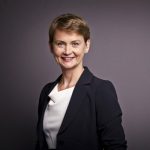
  • Yvette Cooper – 2020 Speech on Covid-19

    Yvette Cooper – 2020 Speech on Covid-19

    Below is the text of the speech made by Yvette Cooper, the Labour MP for Normanton, Pontefract and Castleford, in the House of Commons on 11 May 2020.

    I agree with the right hon. Member for Haltemprice and Howden (Mr Davis) and others about how much we have sadly lost by not following the South Korea example on testing. We must be ready to follow the best examples from all over the world in the second phase.

    In just a few short weeks, tens of thousands of people in the UK have died as a result of covid-19. It is unbearable to think of so many families grieving and in pain. Those who have died or have suffered most are more likely to be poor, more likely to be black, Asian or minority ethnic, and more likely to be working-class men. At a higher risk are the cleaners, security guards, hospital porters, nursing assistants and, most of all, care workers—people who had to keep going during the crisis. That makes it even more important to get protection in the workplace now, as low-paid workers are more likely than professional workers to be asked by the Government to go back into the workplace.​
    Our key workers have been heroic and should be rewarded, and so too have our communities. In our towns, we have set up hubs of volunteers to help with shopping and food parcels, and we have run a community book programme to deliver books to kids. I want to say a massive thank you to Paul, Denise, David, Lorna, Cath, Saney, Michelle, Ash and many more who have done that.

    There is much more that we need to do to prevent a second peak. First, we need clearer messages and answers. Half an announcement yesterday, before the regulations and guidance were in place, has caused considerable confusion. In a public health crisis, confusion can cost lives and put the police in an impossible position over what to enforce.

    Secondly, I agree that more action is needed in social care, where the virus is still spreading. We should prevent any patients with covid-19 from being moved from hospital back into care homes. They should stay in hospital or dedicated intermediate care. We need higher standards of PPE, higher pay and sick pay in care homes.

    I want to mention two other things that have come up before the Home Affairs Committee. The Home Office has rightly promised a free visa extension for foreign national doctors and nurses, and, if they tragically die from covid-19, a guarantee that their families can remain, but it has not done so for NHS porters and cleaners, who scrub the door handles, floors and sinks in the covid wards, or for care workers, whose lives are at the greatest risk. That is not fair.

    Finally, on international travel, other countries introduced self-isolation rules or screening many weeks or months ago. The UK unusually did not. Our Select Committee has been asking for the science behind that since early April, but those SAGE papers have not been published. If the Government now recognise that those measures are needed to prevent the spread, it makes no sense to wait many more weeks before bringing them in.

    We need greater transparency if we are to get decisions right, greater clarity so that everyone knows what is going on, and greater determination to tackle the hardest problems we face. We have a long road yet to travel, and we have to do this together.

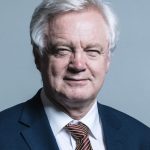
  • David Davis – 2020 Speech on Covid-19

    David Davis – 2020 Speech on Covid-19

    Below is the text of the speech made by David Davis, the Conservative MP for Haltemprice and Howden, in the House of Commons on 11 May 2020.

    It is always a privilege to follow the hon. Member for Brighton, Pavilion (Caroline Lucas). May I commend in the strongest possible terms the speech that has just been made by the Chairman of the Science and Technology Committee, my right hon. Friend the Member for Tunbridge Wells (Greg Clark), who has given the best analysis I have heard today of the mistakes we have made? While I am at it, I also commend the Chairman of the Health and Social Care Committee, my right hon. Friend the Member for South West Surrey (Jeremy Hunt), who made a similarly incisive speech earlier.

    We should be honest: most of the western nations have handled this crisis badly. They have made mistakes, mostly in being late to control the virus—not all of them; some are different. For example, Greece, perhaps surprisingly, has controlled it much better than many of the others. It has about 15 deaths per million of the population versus us at about 477 at the moment. Those mistakes have cost thousands, if not tens of thousands of lives. A primary mistake, as pointed out by my right hon. Friend the Member for Tunbridge Wells, was the failure to test, track, trace and contain from the very beginning.

    I would like to speak, in the brief time I have, about what we did once the disease took hold, because I think there are also potential mistakes there. The Government adopted a slogan—“protect the NHS, save lives”—which we all, including myself, took to enthusiastically and enthusiastically signed up to. My question for the Minister when she winds up is: did the strategy we pursued in good faith to protect the national health service exacerbate, in some respects, the death rate?

    In addition to the lockdown, we did four things to protect the NHS and to protect it from being overwhelmed by the pressure on it. First off, we asked people with the illness to self-isolate at home and come to hospital only when the symptoms got really bad. When they did exactly this—exactly the same thing—in New York City, some of the doctors noticed that the patients were arriving in emergency too late, frankly, to be rescued. Their disease had advanced too fast, although they could have been cured earlier. My first question is: did that strategy cost lives?

    The second question is: we applied triage on the basis of the so-called frailty index so that people who got a poor score on the frailty index were simply put on ​palliative care, again partly to protect intensive care unit capacity, so did that strategy cost lives? Two Members—my right hon. Friend the Member for Chipping Barnet (Theresa Villiers) and the hon. Member for Blaenau Gwent (Nick Smith)—have already raised the question of care homes. We discharged patients from hospital early, when some of them still had this disease, into care homes, with the consequences that we have heard in graphic terms already. Did that strategy cost lives?

    The final thing we did to protect capacity was that we cancelled operations for other illnesses—cancer and other illnesses—and that almost undoubtedly cost lives. We can see it in the excess mortality rates. Indeed, Britain holds the highest place in Europe, equal with Spain I am afraid, for the highest excess mortality over this period, so the combined effect of these strategies has to be looked at very carefully indeed. Bear in mind that throughout this time our intensive care unit capacity was used only to 81%. That is normal for this time of year. The Nightingale hospitals stood almost empty, and now only 30% of ICU capacity is being taken up by covid-19 patients. Did we get this balance wrong? Did we, at the cost of lives, just give ourselves empty beds, rather than doing the best thing for the patients the NHS is there to look after? That is not the fault of the staff of the NHS; it is a question of whether the strategy was the wrong one to pursue once we were where we were.

    I finish by coming back to the point made by the Chairman of the Science and Technology Committee. The best way to protect both the NHS and the lives of our citizens is the approach taken by other countries, and that is to use testing, tracking and tracing to isolate the illness as well as to bring it down. The Prime Minister talked about the R number; that is just an average. The R number in my constituency, a rural area, is lower than that for a care home. We must put all the resources—

    [allotted time ran out]

  • Alok Sharma – 2020 Statement on Safe Working Practices for Businesses

    Alok Sharma – 2020 Statement on Safe Working Practices for Businesses

    Below is the text of the statement made by Alok Sharma, the Secretary of State for Business, Energy and Industrial Strategy, in the House of Commons on 11 May 2020.

    The Government today published new guidance to help UK employers get their businesses back up and running and workplaces operating as safely as possible.

    The new guidance covers eight workplace settings from outdoor environments and construction sites to factories and takeaways and sets out practical steps for businesses.

    The Government have consulted approximately 250 stake- holders in preparing the guidance. It has been developed with input from firms, unions, industry bodies and the devolved Administrations in Northern Ireland, Scotland and Wales and in consultation with Public Health England (PHE) and the Health and Safety Executive (HSE), to develop best practice on the safest ways of working across the economy, providing people with the confidence they need to return to work.

    The guidance applies to businesses currently open. This also includes guidance for shops which we believe may be in a position to begin a phased re-opening at the earliest from the 1 June. Guidance for other sectors that are not currently open will be developed and published ahead of those establishments opening to give those businesses time to plan. The Government will also shortly set up taskforces to work with these sectors to develop safe ways for them to open at the earliest point at which it is safe to do so, as well as pilot re-openings to test businesses’ ability to adopt the guidelines.

    As part of today’s announcement, the Government have made available up to an extra £14 million for the HSE, equivalent to an increase of 10% of their budget, for extra call centre employees, inspectors and equipment if needed.

    The guidance is available at https://www.gov.uk/guidance/ working-safely-during-coronavirus-covid-19.

  • Alok Sharma – 2020 Statement on the Bounce-Back Loans Scheme

    Alok Sharma – 2020 Statement on the Bounce-Back Loans Scheme

    Below is the text of the statement made by Alok Sharma, the Secretary of State for Business, Energy and Industrial Strategy, in the House of Commons on 11 May 2020.

    I am tabling this statement for the benefit of hon. and right hon. Members to bring to their attention the details of the new bounce-back loans scheme (BBLS).

    The bounce-back loans scheme was launched on 4 May, and is facilitated by the Government owned British Business Bank and delivered through its delivery partners. Lenders offer term loans of between £2,000 and £50,000 to support small businesses that are affected by the coronavirus outbreak.

    The scheme is available on a temporary basis for an initial period of six months and can be extended as required. The key parameters of the scheme are as follows:

    BBLS will provide term loans only for a term of six years, with businesses able to access loans equivalent to 25 per cent of their turnover from £2,000 up to a maximum loan size of £50,000. The interest rate will be standardised across all lenders and fixed at 2.5 per cent. There will be no fees for borrowers to access the scheme.

    The percentage of net (post-recovery) losses for each loan that is guaranteed by the Government will be 100 per cent, with no cap on gross Government liability at the level of the lender’s whole BBLS portfolio. Personal guarantees are not permitted, although some personal assets could be claimed as part of recovery from sole traders. Sole traders’ principal private residence and vehicle may never be claimed as part of recovery.

    A Government grant, “the business interruption payment”, will be provided for the benefit of businesses, equal to the interest incurred on the facility for the first twelve months. Businesses will not be required to make any repayments on capital during the first twelve months of the facility.

    The Government will be subject to a new contingent liability as a result of the bounce back loans scheme, and I will be laying a Departmental minute today containing a description of the liability undertaken.​

    For more information on this and other support for business, please go to https://www.businesssupport.gov.uk/.

  • Greg Clark – 2020 Speech on Covid-19

    Greg Clark – 2020 Speech on Covid-19

    Below is the text of the speech made by Greg Clark, the Conservative MP for Tunbridge Wells, in the House of Commons on 11 May 2020.

    In the dark, our first instinct is to search for light. In pandemics such as this, data is light. How many people have the virus? How quickly is it spreading? What kinds of people have contracted it? How old are they? What other conditions do they have? Where do they live? Where do they work? What symptoms do they experience? Do they perhaps have no symptoms? The only reliable source of data to illuminate those essential questions comes from testing.

    At the beginning of the pandemic, Ministers at the Dispatch Box used to speak of the leadership of British scientists in helping to develop tests for the presence of the virus, yet while countries such as South Korea immediately introduced high levels of testing in 79 laboratories across the country, the UK took a deliberately different approach. In evidence to the Science and Technology Committee, Public Health England said that it had considered the South Korean model, but rejected it. The alternative course that we followed saw not only a low number of tests, but a number that was falling at a point in March when the spread of the disease in this country was rampant.

    We have had an extensive debate about whether 100,000 tests a day is the target. It is worth remembering that, on 10 March, only 1,215 tests were carried out—fewer than two for each parliamentary constituency represented in this House. Tests were rationed, community testing was abandoned and tests were restricted to hospital patients. We turned off the light on being able to see the detailed nature of the course of the infection in this country. The Government’s chief scientific adviser told my Select Committee that that was a mistake.

    Testing capacity was taken as a given, as an operational constraint. Social distancing measures advised by SAGE were predicated on that low level of testing capacity. Rather than strategy driving testing capacity, the lack of testing capacity drove strategy. It was not until the personal initiative of the Secretary of State that testing increased to the level that other countries had had for many weeks.

    A lack of testing has caused a lack of data, which has meant that too many of our policy decisions have been taken with a self-imposed blindfold. It is vital that the lesson is learned that we need to get ahead of need, not trail behind it in the various decisions that are to come, yet there are still some signs that that has not been fully recognised. The excellent national statistician Sir Ian Diamond told my Committee last Thursday that the major study of the prevalence of the virus that he is now conducting was commissioned not in January, February or March, but on 17 April. The failure to get ahead of the need for testing has deprived us of the information that we need to make well-informed decisions about not just the health of individuals—such as those in care homes to whom the previous two speakers have referred eloquently—but the reproduction and infection rates within population groups. This leads to later and cruder decisions than we could take if we had better data. That must be remedied so that in future, decisions can be taken not in the dark but with all the information that we need to make choices that represent a detailed knowledge of the situation in which we find ourselves.