Tag: 2019

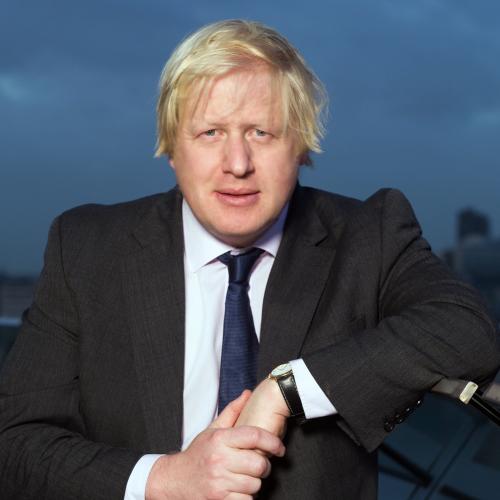
  • Boris Johnson – 2019 Speech on Becoming Prime Minister

    Below is the text of the speech made by Boris Johnson, the Prime Minister, at Downing Street in London on 24 July 2019.

    Good afternoon.

    I have just been to see Her Majesty the Queen who has invited me to form a government and I have accepted. I pay tribute to the fortitude and patience of my predecessor and her deep sense of public service.

    But in spite of all her efforts it has become clear that there are pessimists at home and abroad who think that after three years of indecision that this country has become a prisoner to the old arguments of 2016 and that in this home of democracy we are incapable of honouring a basic democratic mandate and so I am standing before you today to tell you the British people that those critics are wrong.

    The doubters, the doomsters, the gloomsters – they are going to get it wrong again. The people who bet against Britain are going to lose their shirts because we are going to restore trust in our democracy and we are going to fulfil the repeated promises of parliament to the people and come out of the EU on October 31 no ifs or buts and we will do a new deal, a better deal that will maximise the opportunities of Brexit while allowing us to develop a new and exciting partnership with the rest of Europe based on free trade and mutual support. I have every confidence that in 99 days’ time we will have cracked it, but you know what – we aren’t going to wait 99 days – because the British people have had enough of waiting, the time has come to act, to take decisions, to give strong leadership and to change this country for the better and though the Queen has just honoured me with this extraordinary office of state.

    My job is to serve you, the people because if there is one point we politicians need to remember it is that the people are our bosses. My job is to make your streets safer – and we are going to begin with another 20,000 police on the streets and we start recruiting forthwith.

    My job is to make sure you don’t have to wait 3 weeks to see your GP and we start work this week with 20 new hospital upgrades, and ensuring that money for the NHS really does get to the front line. My job is to protect you or your parents or grandparents from the fear of having to sell your home to pay for the costs of care and so I am announcing now – on the steps of Downing Street – that we will fix the crisis in social care once and for all with a clear plan we have prepared to give every older person the dignity and security they deserve. My job is to make sure your kids get a superb education, wherever they are in the country and that’s why we have already announced that we are going to level up per pupil funding in primary and secondary schools and that is the work that begins immediately behind that black door and though I am today building a great team of men and women I will take personal responsibility for the change I want to see.

    Never mind the backstop – the buck stops here and I will tell you something else about my job. It is to be Prime Minister of the whole United Kingdom and that means uniting our country, answering at last the plea of the forgotten people and the left behind towns by physically and literally renewing the ties that bind us together, so that with safer streets and better education and fantastic new road and rail infrastructure and full fibre broadband, we level up across Britain with higher wages, and a higher living wage, and higher productivity, we close the opportunity gap, giving millions of young people the chance to own their own homes and giving business the confidence to invest across the UK.

    Because it is time we unleashed the productive power not just of London and the South East, but of every corner of England, Scotland, Wales and Northern Ireland, the awesome foursome that are incarnated in that red white and blue flag, who together are so much more than the sum of their parts and whose brand and political personality is admired and even loved around the world for our inventiveness, for our humour, for our universities, our scientists, our armed forces, our diplomacy for the equalities on which we insist – whether race or gender or LGBT or the right of every girl in the world to 12 years of quality education and for the values we stand for around the world.

    Everyone knows the values that flag represents. It stands for freedom and free speech and habeas corpus and the rule of law and above all it stands for democracy and that is why we will come out of the EU on October 31, because in the end Brexit was a fundamental decision by the British people that they wanted their laws made by people that they can elect and they can remove from office and we must now respect that decision and create a new partnership with our European friends – as warm and as close and as affectionate as possible and the first step is to repeat unequivocally our guarantee to the 3.2 m EU nationals now living and working among us and I say directly to you – thank you for your contribution to our society, thank you for your patience and I can assure you that under this government you will get the absolute certainty of the rights to live and remain.

    And next I say to our friends in Ireland, and in Brussels and around the EU. I am convinced that we can do a deal without checks at the Irish border, because we refuse under any circumstances to have such checks and yet without that anti-democratic backstop and it is of course vital at the same time that we prepare for the remote possibility that Brussels refuses any further to negotiate and we are forced to come out with no deal, not because we want that outcome – of course not – but because it is only common sense to prepare and let me stress that there is a vital sense in which those preparations cannot be wasted and that is because under any circumstances we will need to get ready at some point in the near future to come out of the EU customs union and out of regulatory control fully determined at last to take advantage of Brexit because that is the course on which this country is now set with high hearts and growing confidence we will now accelerate the work of getting ready and the ports will be ready and the banks will be ready and the factories will be ready and business will be ready and the hospitals will be ready and our amazing food and farming sector will be ready and waiting to continue selling ever more not just here but around the world and don’t forget that in the event of a no deal outcome we will have the extra lubrication of the £39 billion.

    Whatever deal we do we will prepare this autumn for an economic package to boost British business and to lengthen this country’s lead as the number one destination in this continent for overseas investment and to all those who continue to prophesy disaster I say yes – there will be difficulties though I believe that with energy and application they will be far less serious than some have claimed but if there is one thing that has really sapped the confidence of business over the last three years it is not the decisions we have taken it is our refusal to take decisions and to all those who say we cannot be ready.

    I say do not underestimate this country.

    Do not underestimate our powers of organisation and our determination because we know the enormous strengths of this economy in life sciences, in tech, in academia, in music, the arts, culture, financial services, it is here in Britain that we are using gene therapy, for the first time, to treat the most common form of blindness, here in Britain that we are leading the world in the battery technology that will help cut CO2 and tackle climate change and produce green jobs for the next generation and as we prepare for a post-Brexit future it is time we looked not at the risks but at the opportunities that are upon us so let us begin work now to create freeports that will drive growth and thousands of high-skilled jobs in left behind areas.

    Let’s start now to liberate the UK’s extraordinary bioscience sector from anti genetic modification rules and let’s develop the blight-resistant crops that will feed the world, let’s get going now on our own position navigation and timing satellite and earth observation systems – UK assets orbiting in space with all the long term strategic and commercial benefits for this country.

    Let’s change the tax rules to provide extra incentives to invest in capital and research and let’s promote the welfare of animals that has always been so close to the hearts of the British people and yes, let’s start now on those free trade deals because it is free trade that has done more than anything else to lift billions out of poverty all this and more we can do now and only now, at this extraordinary moment in our history and after three years of unfounded self-doubt it is time to change the record to recover our natural and historic role as an enterprising, outward-looking and truly global Britain, generous in temper and engaged with the world.

    No one in the last few centuries has succeeded in betting against the pluck and nerve and ambition of this country and they will not succeed today. We in this government will work flat out to give this country the leadership it deserves and that work begins now.

    Thank you very much

  • Kelly Tolhurst – 2019 Statement on Furniture and Furnishings Fire Safety

    Below is the text of the statement made by Kelly Tolhurst, the Parliamentary Under-Secretary of State for Business, Energy and Industrial Strategy, in the House of Commons on 18 July 2019.

    Today, I will publish the Government response to our consultation on updating the Furniture and Furnishings (Fire) (Safety) Regulations 1988, which set fire resistance requirements for cover materials and fillings used to make domestic upholstered furniture.

    The review aimed to ensure that our legislative framework maintains fire safety for consumers, reflects technological advances in furniture manufacturing practices, and facilitates a reduction in the use of hazardous flame-retardant chemicals as a means of making furniture fire resistant.

    The consultation sought views on proposals to amend the testing regime. It also sought views on proposals for clarifying and amending the scope of the regulations, strengthening the traceability requirements to bring furniture into line with other product sectors, updating labelling rules, and extending the time period for trading standards to institute legal proceedings.

    The Government are committed to protecting consumers from all safety risks, but we will not compromise on fire safety. During the course of the review, to ensure the highest standards, we sought the views of chief scientific advisers from relevant Departments across Government.

    The Government will now develop a new approach to address the different sources and chemical risks posed by fire to upholstered furniture and furnishings. It will focus on safety outcomes (such as reduced risk of ignition, reduced risk of fire spread) and will be underpinned by a set of essential safety requirements which all upholstered furniture placed on the market must meet.

    This approach is consistent with that taken for other consumer products. The (new) legislation will be supported by British Standards which will be developed by the British Standards Institution in partnership with a wide range of stakeholders, including industry, fire-safety experts and consumer representatives.

    This new approach will continue to ensure that manufacturers place only safe products on the UK market. I will consult on the detail of this new approach in due course. In the meantime, the existing regulations will continue to apply.

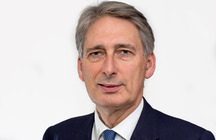
  • Philip Hammond – 2019 Statement on the Fiscal Risks Report

    Below is the text of the statement made by Philip Hammond, the Chancellor of the Exchequer, in the House of Commons on 18 July 2019.

    In accordance with the charter for budget responsibility, the Office for Budget Responsibility (OBR) has today published its second fiscal risks report (FRR). The OBR published its first FRR in 2017, which the Government responded to in 2018 through the managing fiscal risks report (MFR). FRR 2019 fulfils the OBR’s legal obligation to publish a statement setting out the main risks to the public finances at least once every two years. The report features an updated risk assessment of the original issues the OBR raised in FRR 2017, in addition to highlighting new risks to the public finances. It was laid before Parliament earlier today and copies are available in the Vote Office and Printed Paper Office.

    The UK is one of the few countries in the world to publish a standalone report on fiscal risks and the FRR is the only such report to be published by an independent agency rather than the Government itself. The UK is a world leader in fiscal risk disclosure and management and is determined to set the global standard not only for the disclosure of fiscal risks but also for the active management of those risks. The IMF’s 2018 article IV consultation noted that “The UK continues to set international standards with respect to fiscal transparency”. This report keeps the UK at the frontier of fiscal management internationally and demonstrates the Government’s commitment to fiscal transparency and accountability. The publication of FRR 2019 further strengthens the cycle of accountability that the first report started. As required under the charter for budget responsibility the Government will respond formally to the FRR 2019 within the next year.

    The Government have helped to build a stronger, fairer economy—dealing with the deficit, helping people into work, and cutting taxes for people, families, and businesses. The economy has grown continuously for the past nine years, the employment level is currently at a record high, unemployment is currently at its lowest rate and level since 1975, inflation is at the Bank of England’s target and real wages are rising. We are tackling the productivity challenge head on because it is the only way to sustainably improve living standards in the long term.

    The Government have also made substantial progress in improving the health of the public finances since 2010, which have now reached a turning point. The deficit has been reduced by more than four fifths and debt has begun its first sustained fall in a generation. At the spring statement 2019, the OBR confirmed that the Government are forecast to meet both of the interim fiscal rules early, with the structural deficit now below 2% and debt falling in every year of the forecast. The Government have achieved this through a balanced approach to fiscal policy; continuing to reduce debt, while also supporting vital public services, keeping taxes low and investing in Britain’s future.

    Within this balanced approach, the Government took the decision to make the NHS the number one spending priority, committing to an historic settlement that provides a cash increase of £33.9 billion a year by 2023-24. This record level of additional funding for our public services has been delivered within a responsible fiscal framework, ​and has been accompanied by a clear and credible NHS long-term plan, which includes measures to put the NHS back onto a sustainable financial path.

    Furthermore, the Government have taken concrete action to reduce a number of risks, which the OBR has acknowledged in FRR 2019. This includes better management of new contingent liabilities, reducing the issuance of index linked gilts and improvements in the management and reporting of legal risks in the welfare system. The Government have also made significant improvements in monitoring and transparency of their fiscal risks, including introducing stricter disclosure requirements for asset sales and revised budgetary treatment for financial transactions.

    While the Government have acted, many of the risks discussed by the OBR in its first report remain. In the medium term, the largest potential risks come from the macroeconomy and financial sector in the form of financial crises and major economic downturns. The OBR has also modelled the fiscal implications of the UK leaving the EU without a deal in its fiscal stress test. The stress test is based on the IMF’s less disruptive no-deal scenario. The OBR notes this scenario is not necessarily the most likely outcome and it is relatively benign compared to other possible scenarios (for example, assuming limited short-term border disruptions). The OBR reports that this scenario would add around £30 billion a year to borrowing from 2020-21 onwards and around 12% of GDP to net debt by 2023-24, compared with the OBR’s March forecast baseline.

    In the long term, the most significant fiscal risks come from structural economic and societal trends such as lower productivity growth, higher interest rates, changes in consumption and working practice, demographic pressures and technological change. Additionally, the report highlights new risks—such as climate change and the costs associated with measures designed to adapt and mitigate the effects. The risks the OBR has highlighted further reinforce the need for prudent management of the public finances and the reduction of debt to more sustainable levels.

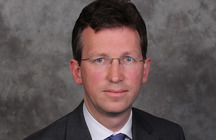
  • Jeremy Wright – 2019 Statement on Equality and Listed Events

    Below is the text of the statement made by Jeremy Wright, the Secretary of State for Digital, Culture, Media and Sport, in the House of Commons on 18 July 2019.

    I have written today to the BBC, S4C, Ofcom and the International Paralympic Committee in a limited consultation on adding the Paralympic games to the listed events regime. I have also copied the letter to Channel 4 which currently holds the broadcasting rights for the next Paralympic games in Tokyo 2020, to other eligible free-to-air broadcasters, and to the Sport and Recreation Alliance.

    The Broadcasting Act 1996 gives the Secretary of State for Digital, Culture, Media and Sport discretion to designate sporting and other events of national interest as listed events. Once listed, broadcasting rights to such events must be offered to the main free-to-air terrestrial broadcasters (“qualifying broadcasters”) on fair and reasonable terms. Qualifying broadcasters are those which reach 95% coverage of UK viewers and at no additional cost to the viewer than the television licence fee. Broadcasters currently meeting these criteria are BBC1, BBC2, ITV1 and Channel 4.

    The current list, compiled in 1998, consists of two categories of events:

    Group A, in which full live coverage must be offered to the qualifying broadcasters; and

    Group B, in which live coverage may be broadcast on subscription television as long as secondary coverage is offered to qualifying broadcasters.

    Under section 97 of the Broadcasting Act 1996, the Secretary of State is able to amend the list providing that they have consulted with the statutory consultees. In my letter I have asked consultees to consider the following:

    whether, based on the guidance and criteria given, the Paralympic games should be added to the list;

    whether the Paralympic games should be listed under group A or group B of the list;

    other factors affecting the likely costs and benefits to the sport concerned, to the broadcasting industry and to viewers, as set out in the guidance on the criteria for listing; and

    any other factors relevant to the final decision.

    While the Government do not wish to reopen the list of events for a full review, we are committed to supporting more equality in the coverage of sport on TV, and in particular, disability and women in sport. It is for this ​reason that I am considering whether to exercise discretion to add the Paralympics to the list, and that I intend on holding a consultation later this year on adding women’s sporting equivalent events to the regime that match the men’s events.

    I will inform the House of the outcome once I have discussed fully with statutory consultees.

  • Chris Skidmore – 2019 Statement on the Student Loans Company

    Below is the text of the speech made by Chris Skidmore, the Minister for Universities, Science, Research and Innovation, in the House of Commons on 18 July 2019.

    I am announcing that the tailored review of the Student Loans Company has been published today.

    The Student Loans Company (SLC) is a non-profit making Government-owned organisation, which pays loans and grants to students, universities and colleges in the UK.

    The principal aim of tailored reviews, which are carried out according to Cabinet Office guidance, is to ensure that public bodies remain fit for purpose, well governed and properly accountable for what they do. The full report can be read on gov.uk.

    This review involved consultation with a broad range of stakeholders, including SLC staff, the Department of Education, the devolved administrations, UKGI and HMRC.

    The review found that the SLC is functioning relatively well, meeting the majority of its performance targets even with significant operational growth. However, it is facing some significant operational challenges, particularly from outdated legacy IT systems, a workforce experiencing high turnover and a complex policy commissioning cycle.

    The SLC’s own transformation programme seeks to address some of the issues and the tailored review provides additional and complementary recommendations.

    The Department for Education is committed to working with the SLC and other stakeholders to develop and implement an action plan to take forward all 39 recommendations.

    Copies of the review will be placed in the Libraries of both Houses.

  • Damian Hinds – 2019 Statement on the National Retraining Scheme

    Below is the text of the statement made by Damian Hinds, the Secretary of State for Education, in the House of Commons on 18 July 2019.

    The world of work is transforming. In particular, automation is a key opportunity for the economy, creating new jobs and raising wages, but it could also bring significant changes to the economy. This means it is critical that we develop a national retraining scheme that helps prepare citizens for future changes to the economy, including those brought about by automation, and supports them to retrain into better jobs.

    That is why we are developing the national retraining scheme through a unique partnership between the Confederation of British Industry, the Trades Union Congress and Government, which will keep the voices of workers and businesses at the heart of the service.

    The scheme will initially focus on employed adults aged 24 and over, without a qualification at degree level and earning below a certain wage threshold that we are testing to focus on those earning low to medium wages. We are investing in this group of people first as they have comparatively less access to existing Government support and are most in need of adapting their skills to take advantage of the opportunities the future changes to the economy will bring.

    A key feature of the development of the scheme has been to start small, test, evaluate and scale up. We are putting the needs of individuals and employers at the heart of the development of the scheme, conducting ​extensive user research to understand what they need from a national retraining scheme. We are also conducting a range of pilots investigating innovative approaches to overcoming barriers to training that adults face.

    Today, I am pleased to announce the release of the first part of the national retraining scheme, “Get help to retrain”, to a small number of eligible adults in the Liverpool city region. This digital service will help adults to understand their existing skills, explore alternative roles or occupations and find relevant training to unlock opportunities for a broad range of good jobs that could be within their reach. “Get help to retrain” will be rapidly expanded to more people and more areas throughout the testing phase before being made available to all eligible adults in England in 2020.

    This is the first of a series of products that will make up the complete national retraining scheme and marks the first step of an adult’s journey towards gaining the skills needed to secure a better job.

  • Therese Coffey – 2019 Statement on the Environment Council

    Below is the text of the statement made by Therese Coffey, the Parliamentary Under-Secretary of State for Environment, Food and Rural Affairs, in the House of Commons on 18 July 2019.

    I attended the EU Environment Council on 26 June in Luxembourg.​
    I wish to update the House on the matters discussed.

    Adoption of Council conclusions on a sustainable EU chemicals policy

    The presidency invited member states to adopt its conclusions on the development of a “non-toxic environment strategy”, and to take action on other commitments made in the seventh environmental action programme (EAP) and other previous texts, which have yet to be fulfilled.

    Member states’ interventions focused on the need to improve the safe management of chemicals, and ensuring the chemicals sector continues to adhere to EU standards, especially with regards to human health and the environment. Therefore, all were in agreement that the “non-toxic environment strategy” should be published before the end of the seventh EAP in 2020. The majority of member states also made it clear that they supported the need to ensure the European Chemicals Agency (ECHA) was provided with sustainable and appropriate funding to allow it to continue to be the centre of knowledge on the sustainable management of chemicals, for the benefit of citizens and the environment.

    I intervened to support the Council conclusions and to welcome an EU-wide chemical strategy. This was an important opportunity to reinforce our shared ambition for high environmental standards and continued improvement in the safe management of chemicals. I therefore highlighted our willingness to continue to collaborate with member states and the Commission, as well as other international partners, once we have left the EU, fully supporting calls to act on those commitments made in the seventh EAP. I also welcomed the gathering of data to better inform future decisions and to promote a risk-based approach to regulation, highlighting the need to minimise the impact on animals to achieve this aim.

    Regulation on water reuse – general approach

    The presidency invited member states to agree the proposed general approach on the regulation on water reuse.

    The UK, along with a number of other member states, supported the compromise text provided by the presidency and its intention to promote waste water reuse across the EU for agricultural irrigation, within the context of future water scarcity and the circular economy. I made clear that harmonised rules could generate increased interest in reuse and stated that as drafted, the regulation offered a good degree of health and environmental protection. I also offered the forthcoming Finnish presidency our support in the trilogue discussions to follow between the European Parliament, European Commission and European Council.

    The presidency concluded the general approach had been agreed, although two member states (Germany and Slovakia) abstained. The Finnish presidency has stated that it would like to begin trilogue negotiations with the European Parliament in October.

    Environmental Implementation Review (EIR) – exchange of views

    The Council exchanged views on the 2019 EIR report and the actions needed to ensure better implementation of EU environment policies and legislation.​
    The member states who intervened broadly welcomed the approach to the second cycle of the EIR, but agreed that additional work was required to identify workable solutions for closing environmental implementation gaps and addressing the root cause of poor implementation.

    I took the opportunity to intervene, acknowledging the findings of the 2019 EIR and highlighting some of the additional actions we have taken since the publication of the report. This included the recent announcement of the designation of a further 41 marine conversation zones; the publication of our clean air strategy for England, which was commended by the World Health Organisation; and the forthcoming Environment Bill, which builds on the ambitions set out in our 25-year environment plan for England.

    AOB items

    The following items were also discussed under any other business.

    Clean planet for all (information from the presidency)

    Council noted the information from the presidency regarding the Council debates held on the EU’s long-term climate strategy, “Clean Planet for all: strategic long-term vision for a climate neutral economy”. The Commission intervened to speak about the EU’s position ahead of the United Nations climate action summit in September, and its assessment that the EU will overachieve its current 2030 greenhouse gas reduction target. Several member states intervened with their reflections on the discussion on climate at the European Council on 20-21 June, and to comment on the timescales for securing agreement of the EU strategy by 2020.1 intervened to note the Government’s legislation for net zero green- house gas emissions by 2050, the Welsh Government’s announcement of their intention to legislate next year for a 95% reduction by 2050, and the Scottish Government’s amendment to their draft legislation to achieve a 2045 net zero target. I confirmed that the UK supported the EU target of achieving net zero greenhouse gas emissions by 2050, while also recognising the need for a just transition.

    Draft integrated national energy and climate plans (presentation from the Commission)

    Council noted the presentation from the Commission concerning the draft national energy and climate plans (NECPs). The Commission stated that they viewed these first drafts as positive overall, though there were areas for improvement.

    Regulation on the monitoring, reporting and verification (MRV) of C02 emissions for shipping (information from the presidency)

    Council noted the information from the presidency concerning the regulation on the monitoring, reporting and verification (MRV) of carbon dioxide emissions for shipping. Three member states intervened to raise the importance of aligning the EU MRV regulation with international reporting requirements.

    Carbon pricing and aviation taxes (information from the Netherlands delegation)

    Council noted the information from the Netherlands delegation on their conference on carbon pricing and aviation taxes, held on 20-21 June in the Hague. The member states which intervened on this AOB stated their support for the Netherland’s initiative.​

    Future Environment action programme (information from the Austrian delegation)

    Council noted the information from the Austrian delegation on the workshop held in Hainburg on 11 and 12 June. All member states who intervened emphasised their support for an eighth EAP.

    Clean mobility and electromobility (information from the Bulgarian delegation)

    Council noted the information from the Bulgarian delegation about possible measures to support clean mobility and, in particular, electromobility. Those member states who intervened, whilst supporting the need to look at options to address the rising carbon dioxide levels in Europe and the on-going problems around air quality, highlighted the challenges associated with electric vehicles and the uneven charging infrastructure across Europe.

    Recent international meetings-triple COP; UNEA (information from the presidency)

    Council noted the information from the presidency with limited interventions.

    G7 environment Ministers meeting (information from the French delegation)

    Council noted the information from the French delegation with limited interventions.

    LIFE regulation (information from the presidency)

    Council noted the information from the presidency with limited interventions.

    Update on priorities from Finland on their upcoming presidency

    Council noted the information from the Finnish delegation with limited interventions.

    Additional engagement

    In the margins of the Council, I met with a number of my counterparts from member states to discuss on global environmental issues including our legislation for net zero greenhouse gas emissions by 2050, and the UK’s bid to host the 26th Conference of the Parties (COP-26) to the United Nations Framework Convention on Climate Change (UNFCCC), in partnership with Italy under a UK presidency.

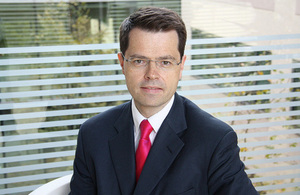
  • James Brokenshire – 2019 Statement on ACM Cladding

    Below is the text of the statement made by James Brokenshire, the Secretary of State for Housing, Communities and Local Government, in the House of Commons on 18 July 2019.

    I wish to update the House before the summer recess on building safety, including: my expectations of building owners on the removal of unsafe aluminium composite material (ACM) cladding; the steps this Government are taking on the remediation of existing buildings; wider updates on ​testing programmes; and early action on delivering the recommendations to reform the building safety regulatory system.

    My priority is that residents should be safe—and feel safe—in their homes. All buildings with ACM cladding have had interim safety measures put in place as soon as they have been identified, and fire and rescue services are conducting inspections to ensure those measures remain in place.

    However, too many people have been living in fear for too long because of the slow progress being made by those responsible for making their buildings permanently safe. While many building owners have rightly taken action, there are still a number of residential buildings across the public and private sectors with unsafe ACM cladding where remediation has not yet started.

    I am clear that this situation is unacceptable. That is why I want to set out my expectations on the timing of remediation of buildings with unsafe ACM cladding. Given the £600 million of funding this Government have made available, there is no further excuse for delay.

    In the social sector, other than a small handful of exceptional cases, remediation will be completed by the end of the year.

    In the private sector, progress has been slower, which is why this Government took action by announcing a £200 million fund. By the end of December 2019, any building in the private sector which I have not been assured is permanently safe should have a clear commitment to remediation, with a start and finish date agreed. Where no such safety assurance or plan has been brought forward by the end of December, building owners can expect enforcement action to be taken. My expectation is that, other than in exceptional circumstances, building owners should complete remediation within six months of agreeing a plan, by June 2020.

    I acknowledge that this Government also have a role to play in ensuring that remediation is undertaken. That is why, on 9 May I announced that this Government were introducing a new £200 million fund to unblock progress in remediating private sector high-rise residential buildings. My Department has been in contact with relevant building owners or managers to enable them to start preparatory work on an application to the fund. My Department will today publish a prospectus setting out the scope and eligibility criteria for the fund, how to apply and the timetable for submitting applications.

    To help facilitate remediation, I would like to clarify the planning treatment of ACM cladding replacement works. Planning permission may not be required where the external appearance of a building is not materially altered by replacement cladding. Approval for recladding is only needed if the work amounts to “development” within the meaning of section 55 of the Town and Country Planning Act 1990 or is required within the terms of a previous planning permission.

    Local planning authorities should take a proportionate approach and work proactively with building owners to identify whether planning approval is necessary. I strongly encourage developers to engage with the local planning authority at the earliest opportunity during development of their remediation plans.

    Where a planning application is considered necessary, pre-application engagement can help to resolve any issues and assist local planning authorities in issuing ​timely decisions. Local planning authorities should also take a proportionate approach to the amount of information needed to support an application and consider carefully whether charging a fee for their early advice is appropriate in these cases. Decisions on applications should be made as quickly as possible and can be made as soon as the time limit for consultation has expired. Building owners would also need to ensure that the work complies with building regulations and that they obtain the necessary approval.

    My Department has also commenced a data collection exercise which will enable the Department to build a complete picture of external wall systems in use on high rise residential buildings. We have asked local authorities and housing associations to identify external wall materials and insulation on all high-rise residential buildings 18 metres and over.

    On 11 July a fire test in accordance with British standard 8414 was carried out at the laboratories of the fire protection association. This test was commissioned by my Department on the advice of the independent expert advisory panel and involved a cladding system consisting of a class B, fire retardant, high pressure laminate rain-screen with a non-combustible rock fibre insulation. This is part of an ongoing, systematic investigation into the fire risks from non-ACM cladding systems. I can confirm that this system met the relevant pass criteria and that the expert panel are satisfied that this specific system does not present a risk to public safety. Detailed advice from the expert panel on high pressure laminate cladding systems is also being published by my Department today.

    My Department has also continued its investigations into fire doors. We have already made available the results of a sample of glass-reinforced plastic composite fire doors tested by my Department. Following the advice of the expert panel, Government expanded the testing to include timber fire doors. Today I am making available the results from the testing of a sample of timber fire doors from 25 manufacturers. I am pleased to report that all have succeeded in meeting the required 30-minute fire performance standard. The sample included a range of glazed and un-glazed fire doors with a variety of hardware and were tested on both sides of the door. The summary results of the timber fire door tests to inform building risk assessments are now available at: https://www.gov.uk/guidance/fire-door-investigation

    As a result of our tests, the expert panel have concluded that they do not believe there is a performance concern with timber fire doors across industry, where they are purchased directly from the manufacturer and produced to specification.

    It is important to be clear that, although the results of our testing provide assurances for residents who have concerns about their fire doors, it is for building owners to assure themselves that the fire doors they install are fit for purpose and have the required documentation and certification. Guidance for building owners who are replacing flat front entrance doors can be accessed at: https://www.gov.uk/government/publications/advice- for-building-owners-on-assurance-and-replacing-of-flat-entrance-fire-doors

    Since 2007, building regulations guidance has stated that all new blocks of flats over 30 metres should have sprinklers. In 2013, the Department wrote to all local authorities and housing associations, asking them to ​consider a coroner’s report recommendation that they should consider retro-fitting sprinklers in existing residential buildings over 30 metres.

    The housing revenue account borrowing cap was abolished on 29 October 2018, giving freedom to local authorities to help finance unforeseen capital repairs programmes, such as retro fitting sprinklers, as well as build new homes. It is for building owners to seek professional advice and decide whether to fit sprinklers, on the basis of their assessment of the particular risk faced in their buildings.

    At the heart of the regulatory reform is our intention to establish a regulator to oversee the safety and performance of all buildings. We are working closely with the health and safety executive (HSE), who are sharing their considerable regulatory experience and expertise to help us shape the functions of the new regulator, alongside other members of our joint regulators group. My Department is working with partners to develop proposals to allow the regulatory functions to exist prior to the new legislative regime being in place. We are similarly seeking the advice and input of the HSE on implementing the new regime following legislation.

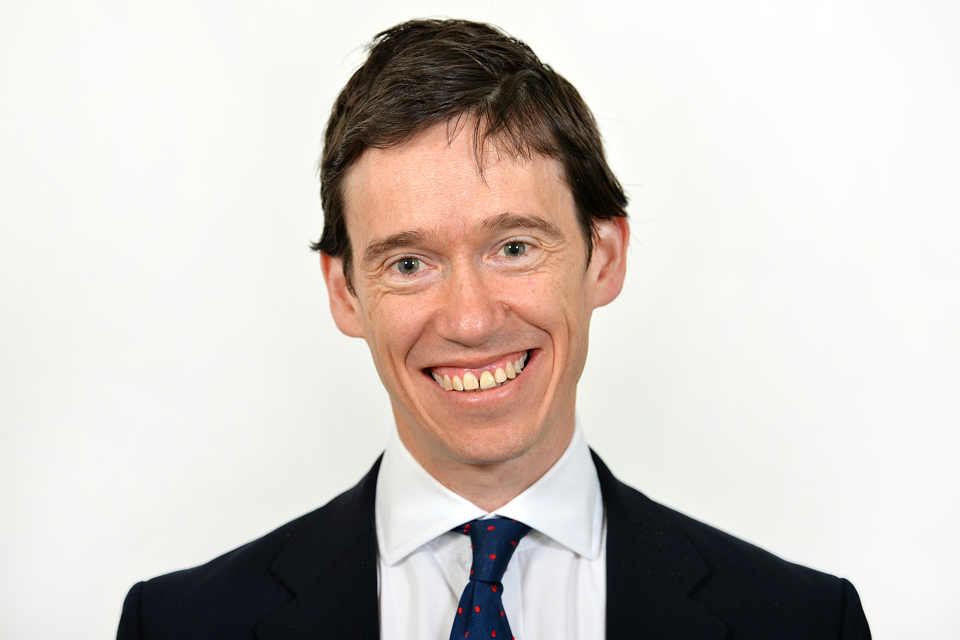
  • Rory Stewart – 2019 Statement on the Ebola Outbreak

    Rory Stewart

    Below is the text of the statement made by Rory Stewart, the Secretary of State for International Development, in the House of Commons on 18 July 2019.

    It is nearly a year since the declaration of the tenth Ebola outbreak in the Democratic Republic of the Congo (DRC). This is the second largest Ebola outbreak and the first in a conflict zone. The risks remain very high. And we need—as an international community—to keep a relentless focus on these issues: addressing failings in public health systems, controlling cross-border transmission, working with communities, and getting the basics right on surveillance, tracing, vaccination and treatment.

    Since my oral statement to the House on 20 May, the number of cases has continued to grow and despite successes in some areas, new geographic areas have been affected—including Goma in the DRC and across the border in Uganda. Yesterday the World Health Organisation declared this outbreak a public health emergency of international concern. This declaration is highly significant and will bring more focus and instruments to bear on the crisis. The UK has been a major donor since the start. This week we have announced up to an additional £50 million of support to combat the outbreak in the DRC. We have also been pushing hard at meetings of the G7 development ministers, WHO and at the UN for more support from other countries.

    The affected part of the DRC has suffered from decades of conflict and under-development, is an opposition stronghold, and there is a deep mistrust of national and international institutions. Despite the best efforts of front-line health workers, the response has struggled to gain trust, and responders have been the direct target of multiple attacks. The outbreak has spread to new health zones in the current two provinces, and several areas that were previously under control are now seeing new ​cases again. As of 14 July, there have been 2,501 cases, of which 2,407 are confirmed and 94 are probable. In total, there have been 1,668 deaths (1,574 confirmed and 94 probable) and 700 people have recovered. This is the most complex public health emergency in recent history.

    For the first time in this outbreak, three cases were confirmed in Uganda in June. This represents the sixth outbreak Uganda has had since 2000. Uganda’s Ministry of Health, with good support from the DRC and significant assistance on preparedness from the UK, reacted swiftly to this long-anticipated outbreak. While Uganda deserves praise for containing these cases, there is no room for complacency, particularly in addressing resources for health facilities where public health systems are weak.

    A record number of health zones have now been affected in the DRC. The city of Goma, on the border with Rwanda, has in the last week confirmed its first case. The confirmed case in Goma is a significant development and may increase the risk of further transmission to other areas of the DRC and neighbouring countries. Goma is a significant regional trading and transport hub and we are therefore closely monitoring the situation. We are also asking the WHO to increase its focus on preparedness in the region, particularly in South Sudan and Burundi.

    I am thankful for the prompt response by staff at the Ebola treatment centre in Goma, which I visited on my recent trip to the DRC. However, it was clear during my time there that some measures, such as temperature checks at the hospital entrance, are not consistently applied and could be improved. I also visited the Ebola treatment centre in Katwa that has been rebuilt after being burned down in February. This centre seemed to have a good focus on basic procedures and to be making good use of the latest technology, including transparent cubes which allow doctors and families to interact with patients without wearing full protective gear.

    I want to once again commend the bravery of the Congolese and international frontline responders who are working incredibly hard to end this outbreak. But they must have adequate support. To ensure a successful response, the UK is committed to supporting the response financially, but also through sending UK-funded experts to the region, including data analysts, response co-ordinators and managers.

    The WHO and the UN office for the co-ordination of humanitarian affairs (OCHA) convened a meeting in Geneva on 15 July to focus attention and signal a reset of the response. I was privileged to be able to represent the UK at that meeting, which was timely, as a new strategic response plan (SRP4) covering the next six months of the response will shortly be published.

    In Geneva I made clear the UK’s ongoing support to the Government of the DRC and the region more broadly, with a new commitment of up to £50 million for the response in the DRC. So far, UK aid has provided technical experts to eastern DRC, including senior epidemiologists, data scientists and a clinical trials specialist, and previously funded the development of a vaccine, which has helped to contain the outbreak. More than 160,000 doses have been administered to at-risk people in the DRC and neighbouring countries. The vaccine has proved to be over 97% effective and is a vital part of the response in this fragile and complex environment. However, vaccination alone will not end ​this outbreak, and stronger community ownership is essential. We need to build trust in the response. To end this outbreak people with symptoms of Ebola need to come forward and seek treatment. Effective isolation and treatment will improve their chance of survival and allow the response to follow up quickly and vaccinate those who they have been in contact with.

    I also made clear in Geneva that we expect other countries to play a bigger role in the response as a matter of urgency. They need to step up their efforts and funding. The US and UK are the two biggest bilateral donors to the response and although other countries have given some financial support, more is needed. Other countries, particularly francophone countries, which have a presence and history in the region, must support the response with funding, technical expertise and political support.

    The UK will also continue to play a leading role in regional preparedness—where we are the largest donor. Events in Uganda demonstrate the value of investing in preparedness activities and health systems strengthening; quick action saves both lives and costs in the long term. Again, other countries should step up their support to avoid a crisis that destabilises the wider region.

    The risk of Ebola to the UK population remains very low. Public Health England continues to monitor the situation daily and review the risk assessment on a two-weekly basis. The UK Government continue to work across all Departments to ensure all relevant expertise is brought to bear on tackling this important issue.

  • Theresa May – 2019 Statement on Overseas Detainees

    Below is the text of the statement made by Theresa May, the Prime Minister, on 18 July 2019.

    The Government are today publishing new guidance titled “The Principles relating to the detention and interviewing of detainees overseas and the passing and receipt of intelligence relating to detainees”. This will replace the existing “consolidated guidance” and follows a thorough review by Sir Adrian Fulford, the Investigatory Powers Commissioner.

    Following my request last June for him to conduct a review, the Commissioner held a public consultation in the autumn and organised a Chatham House event in December 2018 for academics, practitioners and representatives from non-governmental organisations to discuss how the consolidated guidance could be improved. He has also taken into account the Intelligence and Security Committee of Parliament’s recommendations in their June 2018 detainee report and those of Sir Mark Waller, the then Intelligence Services Commissioner, in his 2016 report on UK relationships with partner counter-terrorism units overseas.

    The Government have accepted the Commissioner’s proposed principles in full. It is being published today on gov.uk and copies have been placed in the Libraries of both Houses. The new guidance is being extended to include the National Crime Agency and S015 Metropolitan Police Service and will provide clear direction for UK personnel on their interaction with detainees held by others overseas and the handling of intelligence derived from them. The principles will come into effect from 1 January 2020 once the necessary underlying departmental training and guidance is in place. The consolidated guidance will remain in use until then. The Investigatory Powers Commissioner will continue to oversee and report on its application.​
    The Government are grateful to the Commissioner for undertaking this review. The new principles will ensure that the United Kingdom continues to lead the field internationally in terms of providing guidance to personnel on intelligence sharing in a manner that protects human rights.

    Our policy remains clear: the Government do not participate in, solicit, encourage or condone the use of torture or cruel, inhuman or degrading treatment for any purpose.