Tag: 2016

  • Lord Bowness – 2016 Parliamentary Question to the Department of Health

    Lord Bowness – 2016 Parliamentary Question to the Department of Health

    The below Parliamentary question was asked by Lord Bowness on 2016-10-17.

    To ask Her Majesty’s Government whether they will seek to preserve the mutual recognition of the European Health Insurance Card throughout the UK and EU in their negotiations to leave the EU.

    Lord Prior of Brampton

    Nothing has yet been decided on whether the United Kingdom will seek to preserve the mutual recognition of the European Health Insurance Card after leaving the European Union. Officials in both the Department of Health and the Department for Exiting the European Union are considering the position and options available to us with the aim of achieving the best outcome for the UK health system and for the UK as a whole.

  • Queen Elizabeth II – 2016 Christmas Broadcast

    Queen Elizabeth II – 2016 Christmas Broadcast

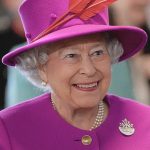
    The Christmas Broadcast made by HM Queen Elizabeth II on 25 December 2016.

    There was a time when British Olympic medal winners became household names because there were so few of them. But the 67 medals at this year’s Games in Rio and 147 at the Paralympics meant that the GB medallists’ reception at Buckingham Palace was a crowded and happy event. Throughout the Commonwealth there were equally joyful celebrations. Grenada, the Bahamas, Jamaica and New Zealand won more medals per head of population than any other countries.

    Many of this year’s winners spoke of being inspired by athletes of previous generations. Inspiration fed their aspiration; and having discovered abilities they scarcely knew they had, these athletes are now inspiring others.

    A few months ago, I saw inspiration of a different kind when I opened the new Cambridge base of the East Anglian Air Ambulance, where Prince William works as a helicopter pilot. It was not hard to be moved by the dedication of the highly skilled doctors, paramedics and crew, who are called-out on average five times a day.

    But to be inspirational you don’t have to save lives or win medals. I often draw strength from meeting ordinary people doing extraordinary things: volunteers, carers, community organisers and good neighbours; unsung heroes whose quiet dedication makes them special.

    They are an inspiration to those who know them, and their lives frequently embody a truth expressed by Mother Teresa, from this year Saint Teresa of Calcutta. She once said, “Not all of us can do great things. But we can do small things with great love.”

    This has been the experience of two remarkable organisations, The Duke of Edinburgh’s Award and the Prince’s Trust, which are sixty and forty years old this year. These started as small initiatives but have grown beyond any expectations, and continue to transform young people’s lives.

    To mark my 90th birthday, volunteers and supporters of the six hundred charities of which I have been patron came to a lunch in The Mall. Many of these organisations are modest in size but inspire me with the work they do. From giving friendship and support to our veterans, the elderly or the bereaved; to championing music and dance; providing animal welfare; or protecting our fields and forests, their selfless devotion and generosity of spirit is an example to us all.

    When people face a challenge they sometimes talk about taking a deep breath to find courage or strength. In fact, the word ‘inspire’ literally means ‘to breathe in’. But even with the inspiration of others, it’s understandable that we sometimes think the world’s problems are so big that we can do little to help. On our own, we cannot end wars or wipe out injustice, but the cumulative impact of thousands of small acts of goodness can be bigger than we imagine.

    At Christmas, our attention is drawn to the birth of a baby some two thousand years ago. It was the humblest of beginnings, and his parents, Joseph and Mary, did not think they were important.

    Jesus Christ lived obscurely for most of his life, and never travelled far. He was maligned and rejected by many, though he had done no wrong. And yet, billions of people now follow his teaching and find in him the guiding light for their lives. I am one of them because Christ’s example helps me see the value of doing small things with great love, whoever does them and whatever they themselves believe.

    The message of Christmas reminds us that inspiration is a gift to be given as well as received, and that love begins small but always grows.

    I wish you all a very happy Christmas.

  • Liz Truss – 2016 Speech to the Food and Drink Industry Dinner [Warning of Dangers of Brexit and Leaving Single Market]

    Liz Truss – 2016 Speech to the Food and Drink Industry Dinner [Warning of Dangers of Brexit and Leaving Single Market]

    The speech made by Liz Truss, the then Secretary of State for Environment, Food and Rural Affairs, on 19 May 2016.

    Thank you very much Fiona. It’s a great pleasure to be here at the Food and Drink Federation dinner. You’re a fantastic organisation and this is a fantastic part of our economy. Food and drink is our biggest manufacturing sector. It’s bigger than cars and aerospace put together. We had a celebration at Number 10 last week where we have these fantastic posters up and we had food and drink manufacturers and producers from across the UK. And the Prime Minister gave a speech at the end of the event and he said that he knew that food and drink was our largest manufacturing sector, because I have mentioned this at Cabinet on several occasions.

    So I think the message is getting through to my Cabinet colleagues, but as we say in politics, when people are starting to get bored of a message, it’s just when you need to start repeating it even more. So I’ll be saying it even more and making that case right across our government, but also right across the wider economy, across the media, because food and drink deserves to have an even higher profile than it’s got at the moment. We have some of the world’s best chefs who are all involved in the Great British food campaign whether that’s Ken home or Angela Hartnett.

    We have some of the most innovative companies and we produce more new products every year in food and drink than France and Germany put together and we also have some of the world’s best farmers producing fantastically high yields with the best animal welfare standards in the world as well. Creating a brilliant landscape which we all enjoy, whether it’s the Lake District where I’ve been today, whether it’s the South Downs National Park, and we should be tremendously proud of what we do and that is why we launched the Great British food campaign this year. That’s also where we introduced the great British food unit, which is all about exporting our fantastic food right around the world.

    Now it’s a bit difficult before the 23rd of June, not to mention the EU referendum. I’m sure people in this room would be horrified if I didn’t talk about it. But I do think that the decision on the 23rd of June probably will have a greater impact on the food and drink industry than it would have on any other parts of the economy. That’s because if we look at trade, the food and drink industry exports 60% of all its products to the EU. If we look at particular areas like lamb, 40% of all the lamb that is produced here in the UK goes into the EU, into the EU market that represents 97% of lamb exports. Now why is that? Well, it’s because that we have the single market. And what we know is that countries outside the single market, whether it’s the US where I was recently or whether it’s China, still don’t allow quite a lot to our fantastic British food stuffs into those markets.

    And of course the great British food unit is working to get entry for new products. But that is why that European market is so precious. Because we share the same regulations, we share the same rules over things like food safety, over animal health and welfare, over bottles. And the white whiskey industry and I’ve been doing a bit of a UK tour recently, the whiskey industry will tell you how important it is that because we share those regulations over bottling labelling. They can simply export their products to Paris just as easily as they can sell them in a supermarket in Preston. Now, if we were to leave that EU single market, what that would mean is that those products would face additional costs and getting them into those markets. It would mean in some cases that we could see markets closed and I’ve had a lot of people say to me, ‘well surely the European Union won’t close its markets’. But it’s fairly recently that of course the French closed its markets to UK beef, and we had to fight in the European Court of Justice to get British beef back on French menus because there is a policing mechanism in the European single market to make sure that if a product is complying with those European rules that we’ve all agreed, then we are able to sell it. So that is a very important message.

    And this campaign has been dominated by some quite strong statements, some quite major warnings. But what I think is really important is we get the message across to people and that’s the people in your companies. It’s the people that we all work with, it’s the people in the entire food chain, which employs a massive amount of people across this country, that we get the message across about just how difficult it would become to do business. If we are a country  like Norway, we’d have to fill in 50 boxes every time on a form every time we went to export something. In products like agricultural products, there’s a regime of quotas and tariffs.

    I know how difficult it is getting products into markets like the US and China. DEFRA has just filled in an 1,000 page form which is one part of an eight stage process to get British beef and lamb and we’ve still got to get a resolution passed by Congress to allow that British lamb into the market. So I think we’ve got to be very careful about taking that single market for granted and being outside that single market, and the single market isn’t something that is a sexy, exciting thing to explain. But it is really crucial to the amount of growth we’ve seen in food and drink exports over the past 40 years. It is really crucial to that.

    The second point I want to make is about investment. And I’ve just been over in the US talking to some of our major investors. We’ve got some of our major investors in the UK economy here in this room companies like Nestle or Mondelez putting huge amounts of research, of expertise, of new capital and machinery into our economy, improving the productivity of our food and drink sector which is so vital and I’m delighted that the Food and Drink Federation is focusing on productivity. We know that’s a challenge for the UK economy.

    Now the reason many of those investors want to invest in the UK market is because we have access to 500 million consumers. Yes, the UK is a hotbed of innovation, but we are also a passport into that wider market. Now I’ve spoken to many investors who are saying that they would be concerned if they invested in the UK, whether it’s in R&D, whether it’s in capital to improve our productivity, whether it’s in new production, and I want to see more investment in areas like dairy processing capacity, I think we’ve got massive potential here in the UK. They will be worried about whether or not those investments continue to have access to the single market. And the Out Campaign has been very clear. They said they don’t want to be part of the single market. I think that’s a real worry for investment and I do want to see more capital investment in food and farming.

    And what I would say to you is there are some people in this room who said to me, yes, we are concerned about this, but we don’t want to necessarily take a position. I can understand that as businesses, but I do think it’s in all of our interests to communicate the real impact on the ground. The real impact this would have on jobs on livelihoods, because what we know is less trade would mean fewer and fewer investments. It will mean fewer jobs, and that will feed through to people’s incomes. And that doesn’t just affect you and me in this room, that affects all of us in the overall economy. So even if you’re in a company that doesn’t export, the company that does export will be buying less of your services. And I think that’s the message we really need to get across in the closing weeks of this campaign.

    But I have great faith in the British people. I think the British people are sensible people. They understand fundamentally, that economically Britain will be better off staying in a reformed EU. I’m very grateful for the Food and Drink Federation publicly coming out and saying that, of course the National Farmers Union have also come out and said that. I think getting that message across is really important over the next few weeks.

    But what I want to do is following, I hope an in vote, is to really focus on what we can do next to bring this industry up to the next level, to really make sure this industry, the biggest manufacturing industry in our economy, an industry with huge potential, because we know the demand for food is growing across the world. We know demand for high quality, healthy, innovative food is growing across the world. I think we can do even more.

    So one of the things we’re focusing on is apprenticeships. At the moment I think the average part of the economy has 2.3% of its employees in apprenticeships across food and drink. That’s just 1%, that’s partly because we have a lot of small companies in the sector. But I’m very pleased to say that recently the Department of Business has said the apprenticeship levy can be used to support jobs right through the food chain. So I think there’s a huge opportunity for food manufacturers, for supermarkets and for others involved in the food industry to support apprenticeships in primary production to support apprenticeships in other suppliers as part of that supply chain. And to really make sure we upskill the industry.

    I had a recent round-table on International Women’s Day with some fantastic women farmers who were telling me that 75% of all the people they now need to recruit have STEM skills. This is a high skill industry, it’s a technically advanced industry. And what we need to do is get that message across to the wider public so that when people think about food, they don’t just think about the brilliant chefs, the fantastic products, our great protected food names, whether it’s Halen Môn sea salt, or whether it’s Scotch smoked salmon, but they also think about some of the innovation, the technology, the precision farming, the robotics that I saw at the Mr. Kipling factory, putting together those amazing cakes, which I’ve since been selling in Washington DC. We had an event in Washington and we were selling both curry and cakes. It was an interesting combination, but it went down very well with the Americans.

    The final thing I’d like to say is about Brand Britain, because what has become clear to me when I travel the world is how appreciated the British brand is. The Union Jack on the pack really does mean something to people overseas. It stands for quality. It stands for heritage, it stands for safety, and it stands for innovation, and that is a really important message that we need to get across. We’ve been consulting extensively with our lawyers, and we can use the term British to promote our food, whether it’s by the government backed AHDB, which is the farming levy body, whether it’s by our campaigns which we run as a government, and I think what’s happening now is we’re seeing different parts of the food industry, the manufacturers, the farmers, the retailers, the hospitality industry, work much more closely together to get that message across about British food, both here in the UK, and in those overseas markets that have such huge potential.

    It’s fantastic to be here today Fiona, to celebrate your success with you but also to say that I think we’ve got huge potential over this industry. Let’s get through the 23rd of June, on the right side of the argument and then we will be launching our food and farming 25 year plan. We will be having a major food business summit where we talk about how we’re going to get more investment into the food industry. And I think this can really be an exciting springboard for the future. Thank you.

  • PRESS RELEASE : 200,000 UK Businesses Trade with the EU

    PRESS RELEASE : 200,000 UK Businesses Trade with the EU

    The press release issued by Stronger In on 6 January 2016.

    Being part of Europe means UK businesses get free access to over 500 million customers in the EU – and can trade with no tariffs or barriers.

    This helps them grow and create jobs here in the UK. 200,000 UK businesses trade with the EU (Source: HMRC) and one in every ten UK jobs is linked to our trade with the EU (Source: Office for National Statistics and House of Commons Library).

    And it’s estimated that remaining in the EU will mean another 790,000 jobs being created across the UK over the next 15 years – creating more opportunities now and for the future.

  • PRESS RELEASE : The 10 Questions the Leave Campaign Must Answer

    PRESS RELEASE : The 10 Questions the Leave Campaign Must Answer

    The press release issued by Stronger In on 19 February 2016.

    We hope to see the completion of the Prime Minister’s renegotiating package shortly. This would make Britain even stronger in Europe and is something the country should get behind.

    When we do we will know what ‘in’ looks like. Britain will have the best of both worlds: the benefits of economic partnership but not taking part in arrangements that don’t suit us.

    We will still be in the dark, however, on what ‘out’ looks like. Those campaigning for Britain to leave will excitedly declare their hand. But while we know what they will say about Europe, they still cannot tell us how Britain would prosper outside Europe.

    Here are the ten questions that everyone campaigning for Britain to leave must be able to answer if they are to have a credible or achievable alternative. At present, it is clear they do not have one.

    1. Would Britain have full access to the single market, covering both goods and services?

    As part of the single market UK businesses and those they employ benefit from trade barriers being broken down. Tariffs are removed and regulations are commonly agreed. This increases trade, drives competition, lowers prices and enables business expansion, which increases employment. Is this what the leave campaigns want to sacrifice with a leap in to the dark?

    2. Would Britain adhere to free movement and European employment regulations?

    The leave campaigns have long argued that Britain must end free movement and repatriate employment regulations. There is no country that opts out of both and retains full or even partial access to Europe’s single market. Those campaigning for Britain to leave must come clean on their precise policy on free movement and EU regulations and its implications for financial security, prices and jobs.

    3. Is there an existing trading arrangement Britain would seek to emulate?

    We have heard the leave campaigns cite Norway, Switzerland, South Korea, Mexico and even Peru as examples the UK should follow. Each has a different trading relationship with the EU, each of which is worse than being a full member and getting the full benefits of economic partnership. However, the leave campaigns seem totally unable to say what Britain outside Europe looks like. So they must tell us: which country should the UK follow?

    4. Would Britain cease paying in to the EU budget completely and therefore make zero annual contribution?

    We have heard much about made-up figures on how much the UK sends in EU budget contributions. In truth, we get back more than we put in. But those campaigning to leave must say whether they intend to end contributions altogether. There is no country which makes no payments at all and retains access to the single market. If we were to make no payments, we would experience more trade barriers than we do now, risking jobs, prices and financial security. Is this what leave campaigners really want?

    5. Under a free trade agreement, what terms would you campaign for and what evidence exists that this could be achieved?

    Many claim that if the UK were to leave we would be given a new trade deal that would give us all the benefits but none of the costs of being in the EU. So far, some fantastical ideas have been suggested. Any deal would have to be agreed by the European Council and European Parliament. Therefore, leave campaigns must come clean about what trade deal they would seek and must show that this would be agreed by European partners.

    6. How long would it take to negotiate a new free trade agreement with the EU?

    If the UK voted to leave, under Article 50 the UK would have two years to agree a withdrawal deal. But trade deals take far longer to negotiate. How long do leave campaigners expect a UK-EU deal to take, and what would happen to the UK economy in the meantime during a period of such dramatic uncertainty?

    7. How would the UK renegotiate bilateral trade agreements with the 50+ countries with whom the EU has agreements, from which the UK currently benefits?

    The EU has trade deals with 50+ countries, from which the UK benefits. If we vote to leave, we lose access to these deals and those countries’ markets. We would have to renegotiate these ourselves, as a country of 65 million rather than a bloc of 500 million. This would take years and we would not be guaranteed the same terms we currently enjoy. What guarantees can the leave campaigns give that the benefits we currently enjoy could be replicated?

    8. Can it be guaranteed that no job in Britain would be put at risk by our leaving Europe?

    Three to four million jobs are linked to our trade with the EU, our largest trading partner. If we were to leave, trade would be hit and therefore these jobs would be at risk. Leave campaigners have already admitted that jobs would be lost. Can they guarantee no job, in the long or short term, would be lost?

    9. Can it be guaranteed that investment would not be put at risk by our leaving Europe?

    Almost half of all foreign investment in Britain is from the EU and our access to the single market is a primary reason for the foreign investment we get from around the world. If we leave the single market and erect new trade barriers, this investment would be at risk. Many businesses have said that they would rethink long investment decisions. Can leave campaigns guarantee this would not happen?

    10. And can it be guaranteed that UK-EU trade would not be damaged by our leaving the EU?

    Half of our trade in goods goes to the EU. Over 200,000 UK businesses trade with the EU. We sell six times more in goods to the EU than we do the BRIC countries. If the UK were to leave Europe, trade regulations would be set in Europe and tariffs may apply to our imports and exports. This would make trade more expensive and complex. Can it be guaranteed that trade would not be hit?

  • PRESS RELEASE : Will Straw – Brexit Campaigners have Conceded UK Outside the EU Wouldn’t Have Access to Single Market

    PRESS RELEASE : Will Straw – Brexit Campaigners have Conceded UK Outside the EU Wouldn’t Have Access to Single Market

    The press release issued by Stronger In on 18 February 2016.

    Nigel Lawson, the Chair of Vote Leave, and Daniel Hannan, leading leave campaigner, have today conceded what for months the leave campaigns have sought to conceal: Britain outside the EU would lose access to Europe’s single market.

    Writing in today’s Telegraph Nigel Lawson says that outside the EU Britain “would continue to trade with the EU, as the rest of the world does today, almost certainly assisted by a bilateral free trade agreement.”

    We must be absolutely clear about what this means: Britain would not be part of the single market in goods and services, which is so critical to the UK economy, our businesses and families’ personal finances.

    Daniel Hannan, speaking on Sky News, again said that the UK should seek a relationship with the EU similar to that of Switzerland, which does not have full access to the EU’s single market, in particular in services. Services make up 78% of the UK economy, so being cut out of the privileged trading terms currently on offer would have a huge impact on jobs, prices and the economic opportunities available to working people.

    Why should we focus on the single market? Because the issue central to our country’s economic future, and indeed this ongoing debate about the UK and Europe, is not whether we would trade with the EU but the terms on which that trade would be conducted.

    Currently, as a full member of the EU’s single market, covering both the goods and service sectors, Britain benefits from having no tariffs on our trade and having a seat at the table when trading regulations are set, so we can ensure they work in our industries’ interests.

    This increases UK-EU trade since trade barriers are reduced, which enables British-based businesses to expand in their nearest market and increase employment. This increases competition, which drives innovation and lowers prices. And this harmonises regulations, which lowers the overall burden of regulation on businesses. There is simply no alternative trading model which delivers these benefits to the same extent. Such is the attraction of the single market that it is a primary reason for foreign investment in the UK.

    This collaboration of course means we need protections, for example over our own currency, which is why the Prime Minister has rightly prioritised this as part of his renegotiation.

    If we follow Nigel Lawson’s argument, we may get a trade agreement covering some goods, but we would likely pay tariffs on others, which would push up costs of imports for businesses and therefore consumers, and the costs of exports, which would hit demand for British goods. Given that in the UK 200,000 businesses trade goods with the EU, 75% of our businesses that do so internationally, this would undoubtedly have an impact on their capacity to expand and employ.

    Critically, even if we had a free trade agreement with the EU, we would not be in the room when our competitors – whether Germany, France or other major European economies – were determining the terms of trade, for example the standards that products need to meet to enter the European market. Not only would that be bad for British business, as they would be adapting rules to suit the priorities of other European markets not our own, but it would hardly be a boost for British sovereignty: we would go from rule maker to rule taker.

    And anyone arguing that they need us more than we need them should consider that half our goods exports go to the EU whereas on average just 5% of EU countries’ come to the UK.

    The single market is particularly important for the service sector, where we have a trade surplus with the EU. Currently, within the single market, we have access to the ‘passport’, which allows financial services firms based in the UK to conduct business across the whole European Economic Area while still being regulated in the UK. This, combined with common regulatory standards, has reduced costs, increased expansion and has seen the UK become home to many overseas companies’ headquarters. Switzerland, Daniel Hannan’s favourite example of what the UK should become, does not have this and if we leave this will be lost, with clear implications for jobs at home.

    We could of course join the single market having left the EU, as Norway does, paying in to the budget, accepting free movement and accepting EU regulations, but having zero influence. But surely leave campaigners don’t want to adopt a system where we pay but have no say.

    We have long asked leave campaigners what ‘out’ looks like, and now we are beginning to find out. The EU is our largest trading partner – we sell six times more to the EU than we do to the BRICs – and the world’s largest free trade zone. As the single market develops it will create jobs and opportunities. If the UK stands outside looking in we will not only miss out, we will be paying to abide by rules signed off in Brussels without a voice of our own.

    So now that we have some clarity from the leave campaigns the choice is clear: increased trade within Europe to support jobs and low prices for businesses and families, or the UK outside, with our financial security at risk.

    Will Straw is Executive Director of Britain Stronger in Europe

    Read more at http://www.strongerin.co.uk/brexit_campaigners_have_conceded_uk_outside_the_eu_wouldn_t_have_access_to_the_single_market#CSikOPoxibu684IG.99

  • Simon Kirby – 2016 Comments on Government Cancelling Market for Secondary Annuities

    Simon Kirby – 2016 Comments on Government Cancelling Market for Secondary Annuities

    The comments made by Simon Kirby, the then Economic Secretary to the Treasury, on 18 October 2016.

    Allowing consumers to sell on their annuity income was always dependent on balancing the creation of an effective market with making sure consumers are properly protected.

    It has become clear that we cannot guarantee consumers will get good value for money in a market that is likely to be small and limited.

    Pursuing this policy in these circumstances would put consumers at risk – this is something that I am not prepared to do.

  • Simon Kirby – 2016 Speech at the UK Financial Services Brexit Summit

    Simon Kirby – 2016 Speech at the UK Financial Services Brexit Summit

    The speech made by Simon Kirby, the then Economic Secretary to the Treasury, on 11 October 2016.

    Good Morning everyone.

    Thank you for inviting me to speak here today.

    And I want to congratulate City and Financial Global, the Corporation of London and the CityUK, and other organisers and sponsors, for holding such a timely event.

    Because it doesn’t matter what industry you’re working in. There’s one question every single business sector is wrestling with, and that’s what our exit from the European Union will mean in practice.

    And I know there are some concerns among the financial services sector and I’ve listened carefully to Charles’ 5 points [Charles Bowman – City of London].

    People are asking whether the UK will be able to maintain its reputation as a world-leader in financial services once we’ve left the EU? Whether we’ll still be able to keep and attract the very best talent? Whether this industry will be consulted about what is the very best deal for Britain and what it would look like?

    And the reason I wanted to come here today, is to make very clear, that the answer to all three of these important questions, is a resounding yes.

    So let me kick off with that first question – can the UK still be one of the best financial centres, anywhere in the world, even if we’re outside the EU?

    Well let me say this is an absolute priority for the government. This sector is hugely important to the British economy. It is the world’s largest exporter of financial services, insurance and pensions exporting £63.7 billion.

    And across the country, over 2 million people have jobs in this and related industries – and it really is across the country, with the vast majority of these jobs actually outside of London. And it is important to every single part of our great country.

    But what I want to remind you – as we will remind the world – is that being in the EU is simply not the biggest strength we have to offer. Standing in this building makes that point very clear to me.

    What we can offer in the UK, is all the services the industry needs – in one place.

    And we’ve got a lot of strings to our bow.

    We’ve got our hugely respected legal system.

    We have world-leading business and support services.

    We have a multilingual workforce. And we have a great time zone for doing business across the globe.

    We have some of the best universities in the world.

    And we have a financial system that we’ve spent the last 6 years making more and more resilient – as illustrated for example, by the capital requirements for the largest banks which are now 10 times higher than before the crisis.

    And another great skill we have here in this country, is that we don’t stand still.

    We’ve been steadily developing our capacity in this industry across the whole UK.

    So the success of the square mile is now being seen in the regions across the country, which we’re working to promote as financial centres of excellence in their own right inextricably linked to London and important across the whole world.

    And we keep moving towards the future in terms of new innovation.

    Look at the exciting use of technology in this sector!

    We should all be proud of the fact that London was recently declared the very best place in the world to set up and run a FinTech firm – a sector that last year generated almost £7 billion in the UK.

    So we have a lot to offer and a positive story to tell.

    We have a positive story to tell and we have all the talents to keep offering the financial products and expertise that our global customers require.

    And while we are rewriting our relationship with the EU, we will also be working hard to retain our reputation for British excellence in this industry.

    Now I know that for many of you a key part of retaining that reputation, is retaining the talent that we have.

    So let me turn to the second question many of you are asking, which is about our ability to keep and attract the best people to the UK’s financial services industry.

    And there are two parts to that question.

    Firstly, concerning the rights of EU nationals already here within the industry. We fully expect that the legal rights of EU nationals already in the UK will be properly protected. Because they make a huge contribution to our country, as well as our financial services industry. And we’re confident that we’ll be able to reach an agreement protecting the rights of EU nationals here, as well as our citizens in Europe.

    But the second part of the question is about making sure we can attract the right skills and the people to our financial services industry.

    The Prime Minister has made it clear the Britain we will build after Brexit is going to be a global Britain. So it’s the time now to be bold, the time to build a new confident role for ourselves on the world stage. And that means continuing to be a place which can attract the very best workers coming from abroad, while at the same time making sure we keep developing our home-grown talent of the future. It’s a balance between the two.

    And in response to the third question – about how much the views of the financial services industry will be taken into account as we lay the groundwork for a successful Brexit.

    Let me be very clear, ladies and gentlemen. We want to secure the very best possible deal for this country – across our industries, and across the UK. 2.2 million people, £67 billion in tax income. We want the very best deal for financial services. But we cannot do this alone.

    It’s always important that government and industry talk to each other.

    But now it is more important than ever so we can meet the challenges and take advantages of the opportunities, yes opportunities, ahead effectively.

    So we need to hear your perspectives from the financial services sector.

    We will listen to you. We will work hard to understand your issues. And we will weigh this up as we consider our position before opening up negotiations with the EU. And the process has already started. You’ve told us, for example, about the importance of market access for this industry.

    We know that if the UK is to have a passporting regime, that we will need a regulatory regime that is comparable and well-harmonised with the countries into which we are passporting.

    And I think we are in a strong place to achieve this with Europe: starting a new relationship at a point when we have shared the same rules for so long and had huge economic integration.

    You’ve also told us you’re worried about market disruption and the risks to financial stability when we leave the EU.

    And so we will push for a solution that means an orderly transition – that neither disrupts how financial services are delivered, nor importantly drives up costs.

    So my message to you today is to keep talking to us, to keep sharing your views, and to keep working with government in this spirit of constructive collaboration.

    To conclude, we know the path ahead won’t always be easy.

    There’s a lot of work ahead for all of us.

    And we know that we must expect some turbulence- some bumps in the road- as we negotiate our exit from the EU – with article 50, the mechanism to withdraw, set to be triggered by the end of March at the latest next year. But we’ve worked hard to strengthen our economy, and we approach this period from a position of strength. So we are confident that we can weather any storm that comes our way.

    And as I started with three questions, let me end with three promises to you here today.

    First, that we are going to keep on doing what it takes to see the UK’s financial services industry remain a world leader.

    Second, that we are going to keep on making this a country which is competitive and open for business.

    And thirdly, that the government will keep fighting to get the best possible deal for British business, and make Brexit a success.

  • Simon Kirby – 2016 Speech on the Pensions Dashboard

    Simon Kirby – 2016 Speech on the Pensions Dashboard

    The speech made by Simon Kirby, the then Economic Secretary to the Treasury, at Aviva Digital Garage in London on 12 September 2016.

    Spirit of innovation

    Thanks Andrew (Brem – Aviva Chief Digital Officer) for that introduction, and even more so for hosting us in such a perfect example of Shoreditch cool!

    I like to think, as a Brighton MP, that I’m used to seeing some pretty trendy establishments, but this ‘Digital Garage’ is a whole new level.

    And as someone who has started various businesses myself, I have to say I’m very envious of all the cutting edge start-ups which are getting to make the most of this space to develop their ideas.

    So an enormous well done to Aviva for backing them.

    Because I’ve long been a huge believer that it’s our creativity, our passion for innovation, that is one of the main factors in this country’s success in business. It’s our new ideas, our new ways of thinking, our new products that really help create new jobs and get our economy growing.

    Success Post-Referendum

    Now I know some of you have concerns about how the vote to leave the EU might affect our businesses.

    And, of course, our access to the single market has been important, for the financial sector in particular.

    But it’s not the only foundation of our prosperity.

    It’s not our only route to success.

    We have a lot to be positive about.

    Our economy is fundamentally strong.

    We have sensible regulation.

    We have talent and skills in abundance.

    And we have creativity and cutting edge technology.

    So in the Treasury, just as across government, we’ve spent the summer looking at the consequences, and of course opportunities, associated with our exit.

    And I’ll be playing my own part in making Brexit a success for the UK’s vital financial services industry – which gives jobs to over 1 million people across the country – not to mention 10% of tax revenues.

    Informed choices through technology and information

    And in the meantime, the regular work of government is continuing at pace.

    And it’s great to be here today to talk about the pensions dashboard – which I think is a hugely important step forward.

    Because financial decisions are complicated at the best of times.

    They probably always will be – these are decisions that really matter to people’s lives.

    But what we can do to help is to make sure that people have the right information, in the right format, at the right time.

    Technology has unlocked so many more possibilities for doing that.

    Just look at how revolutionary things like mobile banking and comparison sites have already been.

    It’s time for pensions to catch up.

    Because for most people, it’s their pension which is their largest financial asset.

    And if we have better information available, we can make much more effective decisions. From choosing how much we save, to what products we use to do so.

    And what the dashboard can do, is unlock a huge amount of information to inform the choices people make.

    How different would people’s engagement with pensions be if you could review your pension balances as part of your online banking?

    Or if you could change how you save into a pension at the click of a button?

    Or if personalised pension forecasts could be run on a mobile app?

    Design of the dashboard

    So that’s why we need a pensions dashboard to unleash this kind of potential.

    And for it to really be effective, I think there are three main principles that must underpin its whole design.

    Firstly, it will need to be open.

    No single dashboard can meet the needs of millions of people who all have very different individual circumstances.

    There is definitely no government website that could do that either.

    There is no monopoly of wisdom.

    The dashboard needs to be an infrastructure of open standards – like a common language and system for finding, collating, and sharing pension information.

    And it should be open to a range of companies who can meet basic standards of security and data protection – including banks and fintechs, not just pension providers.

    They should be able to access its information to deliver the products or advice their customers ask for.

    Secondly, the dashboard needs to be flexible.

    It is unrealistic to expect every provider to be ready to contribute the same data to the dashboard at the same time.

    It is probably impossible to present all the different types of pensions in exactly the same way.

    And who knows how technology or other changes might transform pensions in the future?

    The infrastructure therefore needs to be built in such a way that it can adapt and expand over time

    It cannot be a single, monolithic IT platform set in stone forever.

    Finally, the dashboard needs to be reliable.

    Because if we want to encourage people to save more, then they need to be able to trust in pensions. That starts with people being able to access basic information, across all their pension pots, without having to pay to do so.

    There’s nothing wrong with charging for useful services – be it advice, savings plans, consolidation services or other possibilities that don’t yet exist.

    But we need to get the free provision of the basic information right, and make sure it’s consistent across different types of pensions.

    The State Pension will be a part of that.

    And I’m keen to see the whole industry work together to set the minimum standards for how data is shared.

    We want that process to happen through the excellent voluntary collaboration we’ve seen to date.

    But if there are difficulties getting everyone on board, then we’ll certainly look at legislation or regulation instead.

    So I would encourage everyone to start on this as soon as possible.

    Making it happen

    So how do we get this flexible, and reliable dashboard off the ground?

    Because we’ve said very clearly that we want this up and running and ready for consumers to use by 2019.

    Well, I’m very pleased to be able to announce today that eleven organisations have made a fantastic new commitment to make the dashboard a reality.

    Aviva, Aon, B&CE, HSBC, LV, Nest, Now:Pensions, Royal London, Standard Life, Willis Towers Watson, and Zurich have agreed to work together to build a first working prototype of the dashboard by March 2017.

    And particular thanks must also go to the Association of British Insurers for agreeing to project manage the whole process. Together, these organisations will be leading the way forward in making the dashboard a reality.

    They’ll be looking at how to develop open, common standards.

    How to get the right governance structures.

    And how to overcome some of the tricky technical challenges.

    So I want to congratulate all these companies on taking on the challenge of setting up this first pilot.

    And I have no doubt that they will reap the rewards of their efforts.

    Innovation is a race and rewards those who press ahead.

    So if you are a pension provider who wants to participate in the pilot, you still have time to sign up to the same commitments as these companies and help develop this dashboard.

    Conclusion

    So this is an important milestone, and one which in my new role as the Economic Secretary to the Treasury I’m excited to get behind.

    In the Treasury, we’ll be supporting the pilot all the way.

    Not only by seeking views across organisations about the best ways to go about it.

    But by providing top-level guidance and independent challenge.

    So I’m confident this project will be a success.

    Because we’re already seeing great collaboration across organisations to make it happen.

    And we know how much creativity and innovation this sector has to offer.

    So I’m confident that when it comes to 2019, people in this country will have a much better service when it comes to making the right decisions about their pensions.

    And together we’ll be able to move on from the discussions we’re having today, to get on with designing, building and making the dashboard a reality.

    So I wish everyone involved every success in doing so.

    Thank you.

  • Simon Kirby – 2016 Comments on the Pensions Dashboard

    Simon Kirby – 2016 Comments on the Pensions Dashboard

    The comments made by Simon Kirby, the then Economic Secretary to the Treasury, on 11 September 2016.

    Pensions and savings decisions are some of the most important a person will make during their lifetime. The government is determined to make sure people can access the information they need to plan effectively for their future.

    Technology, like mobile phone apps, has made day to day banking easier than it’s ever been and it is time for pensions to catch up. Think of a future where you can compare your pension pots with the touch of a button.

    The Pensions Dashboard will unlock a huge amount of information that will help people make the best choices for them and I am delighted that eleven of the largest pension providers have agreed to work together to build a working prototype by March 2017.