Category: Parliament

  • Bob Neill – 2020 Speech on the Domestic Abuse Bill

    Bob Neill – 2020 Speech on the Domestic Abuse Bill

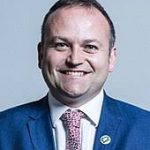
    Below is the text of the speech made by Bob Neill, the Conservative MP for Bromley and Chislehurst, in the House of Commons on 28 April 2020.

    It is a pleasure to follow the hon. and learned Member for Edinburgh South West (Joanna Cherry), and to see the Lord Chancellor be supported, albeit at some distance on the Front Bench, by the Under-Secretary of State for Justice (Alex Chalk), who is the Minister responsible for the Ministry of Justice victims strategy. He is a former member of the Justice Committee, and we are delighted to see him on the Treasury Bench.

    This is an important Bill that deals with a real and pressing social evil. The Lord Chancellor was right to bring it forward as swiftly as he has, and I welcome the tone of his remarks. May I concentrate in particular on the provisions that relate to legal proceedings and court procedures, starting with part 5? The prohibition on cross-examination by litigants in person in family cases is to be welcomed as a very important advance. It is something for which lawyers and the judiciary involved in family cases have been calling for a considerable time, and it is good to see it in the Bill. What I hope that Ministers will take away is the detail of how we actually make that work in practice.

    The first point that I hope the Government will take on board is that those advocates who are appointed to carry out that often sensitive and difficult cross-examination in often very sensitive and fraught cases must be properly remunerated in order to be prepared for that work. As my right hon. and learned Friend the Lord Chancellor ​will know, one of the first things that we were taught at Bar school was that the key to good cross-examination is preparation. To do that, the lawyers have to be appointed in a timely fashion. They must be paid properly to ensure that they are of adequate experience and seniority to deal with these matters, and they must have time to access the material and be rewarded for doing so.

    One issue in the family jurisdiction is that there is not the extent of disclosure that we see in criminal cases and therefore preparatory work may be harder in those cases. Perhaps we need to look therefore at what stage those advocates are appointed to carry out that work. It seems to me that, in order to have the ability to cross-examine properly, it may well be necessary for them to be able to read all of the papers in the case. They probably also need the ability to seek a conference in order to get from the person on whose behalf they are appointed the necessary detail to do justice in the case. That cannot be done on the cheap. I am sure the Government will not want to do that, but it is important that that is not missed out, as both the Bar Council and the Law Society have pointed out. It may also be important, as the professional bodies have pointed out, to consider extending that to instructions to carry out examination-in-chief as well. The example that is given is where an alleged perpetrator of abuse seeks to call a child in the family as a relevant witness to some of the proceedings before the court. It seems to me that the same risks of intimidation would be transferred under those circumstances.

    It is also important to consider the nature of the proceedings. It may well be that the allegation of abuse relates to one part of the family proceedings, but the coercive behaviour would have an impact on that perpetrator cross-examining the victim under any part of the proceedings. If someone has a history of coercive control over another, it would be just as difficult for the victim to be cross-examined by them about financial provisions as it would in relation to the actual incidents of assault and abuse, or in relation to custody. I hope that we will be generous in carrying out the legal support that is made available. I hope, too, that we will recognise the need to use the review of the Legal Aid, Sentencing and Punishment of Offenders Act 2012 to look at the re-introduction, as soon as possible, of early legal advice in these matters, so that the necessary issues are flagged up at the earliest opportunity.

    I am glad to see that the Lord Chancellor is proposing to bring forward the report of the specialist panel. I hope that he will do that as soon as possible, not least because there has been concern that provision around special measures has never been as consistent or as advanced in the family jurisdiction as it has been in criminal courts. That is not because I think family practitioners and judges do not want it, but because the infrastructure has not been there. I hope that that will give us an opportunity to address that.

    I am pleased that the Lord Chancellor is proposing to pilot the domestic abuse protection orders and prevention notices rather than going in immediately. We do need to see how those will integrate— [time limit of speech reached]

  • Joanna Cherry – 2020 Speech on the Domestic Abuse Bill

    Joanna Cherry – 2020 Speech on the Domestic Abuse Bill

    Below is the text of the speech made by Joanna Cherry, the SNP MP for Edinburgh South West, in the House of Commons on 28 April 2020.

    Thank you, Mr Deputy Speaker. It is a pleasure to follow the right hon. Member for Maidenhead (Mrs May). Whatever our political differences, I know that this is an area where she cares passionately and has made a difference. Before I address the Bill, I would like to welcome to his place the hon. Member for Torfaen (Nick Thomas-Symonds). I congratulate him on his appointment as shadow Home Secretary, and I pay tribute to his predecessor, the right hon. Member for Hackney North and Stoke Newington (Ms Abbott).

    With some important caveats, the Scottish National party welcomes this Bill. Most of its provisions will apply only to England and Wales; domestic abuse is a devolved matter, and Scotland passed its own consolidating legislation two years ago. The UK Government should look to the Scottish Government’s groundbreaking Equally Safe strategy, which has been hailed as one of the best strategies in Europe for tackling violence against women.

    In the current covid crisis, there is ample evidence that social isolation is adding pressure to those who live in abusive domestic situations. There may be women and children watching this debate at home today who are in that position, and the Scottish Government have moved to reassure anyone experiencing domestic abuse that support is available to them during these difficult times. Scotland’s 24-hour domestic abuse and forced marriage helpline is available on 0800 027 1234, and I know that similar help is available in England, Wales and Northern Ireland. Of course, if anyone feels threatened or in fear of harm, they should call the police.

    There is much to welcome in this Bill. The inclusion of non-physical abuse in the statutory definition of “domestic abuse”, the inclusion of children aged 16 and 17, and the appointment of the domestic abuse commissioner are all to be applauded. Like others, I pay tribute to the work she has done already. However, I regret that this Bill is a lost opportunity to tackle a number of important matters—these are reserved matters and therefore can be addressed only by the UK ​Government. For example, I would like the Minister, in her summing up, to explain why the Government have failed to take the opportunity to ensure that this Bill helps all women in the UK, regardless of their immigration status. I would also like her to address why, despite years of lobbying from the SNP, the Government have not used this Bill to address two important matters relating to the payment of universal credit. This Bill is a missed opportunity to introduce a system whereby UC is paid separately by default. The current system of single-household payments makes it even easier for abusers to perpetrate economic abuse. The Scottish Government have legislated to introduce separate payments, but are dependent on the Department for Work and Pensions’ information technology infrastructure to make this happen. I know that the Minister is likely to respond by saying that victims of domestic abuse can apply for separate payments, but she will be well aware that a survey carried out by Women’s Aid some time ago said that 85% of domestic abuse survivors would not dare to apply as an exceptional measure, because it would attract further abuse. That is why this needs to happen automatically. This Bill was the perfect opportunity to change the system, so why not just do it?

    Likewise, when domestic abuse survivors leave their partner and apply for UC, the five-week wait leaves many in abject poverty, at a time when they are attempting to rebuild their lives and replace essential belongings. SNP MPs have repeatedly explained to the UK Government why it is vital that UC advances are paid as grants to survivors, yet, once more, the opportunity to achieve that, which this Bill afforded, has not been taken. I do not understand why, and I await the Minister’s explanation with interest.

    I will devote the rest of my remarks to the provisions omitted from this Bill, which mean that it will continue to be impossible for the United Kingdom to ratify the Istanbul convention. In 2017, Dr Eilidh Whiteford, then the SNP Member of Parliament for Banff and Buchan, led a successful campaign to pass a law that required the UK Government to ratify the Istanbul convention. That was the first time an SNP MP had managed to get a private Member’s Bill into law, so it is particularly frustrating that three years later the United Kingdom has yet to ratify the Istanbul convention. It is also rather shameful that the UK is one of only six states in Europe to have failed to ratify it.

    The Istanbul convention is based on the understanding that violence against women is committed against women because they are women. It makes clear that it is the state’s obligation to address fully violence against women in all its forms, and that the state must introduce measures to protect all women from violence, to protect all victims, and to prosecute perpetrators. Parties to the convention are encouraged to apply the protective framework that it creates to men who may also be exposed to violence in the domestic unit. However, it should not be overlooked that the majority of victims of domestic violence and abuse are women, and that domestic abuse is perpetrated against women as part of a wider pattern of discrimination and inequality based on their sex.

    The Scottish Parliament has passed all the measures that are necessary and within its competence to enable ratification of the convention to proceed, but the UK Government are holding things up. The Bill before us ​introduces certain provisions regarding extraterritorial effect, which are necessary for ratification, but it falls short in the key area of provision of services to migrant women.

    As others have said, some migrant women find it impossible to access emergency protection because of the no recourse to public funds condition. Two weeks ago, the Home Affairs Committee took evidence about that condition from the Victims Commissioner, the domestic abuse commissioner designate, and the Children’s Commissioner, all of whom were clear that the no recourse to public funds provision should be scrapped, not just during this crisis, but for good. The cross-party joint parliamentary scrutiny committee that proceeded the first iteration of this Bill also recommended that the Bill should include proper protections for migrant women, yet all those recommendations have been ignored. I would like an explanation from the Minister of why they have been ignored.

    I have no doubt that amendments will be tabled in Committee to rectify those omissions and enable all migrant women to access vital protections from abuse. Will the Minister accept those amendments? Will she look favourably on amendments that address the payment of universal credit, which I mentioned earlier? I look forward to hearing about that point later this afternoon, because if the UK Government do not address the matters I have raised, protection for victims of domestic abuse will not be universal. Gaps in provision will remain, particularly for migrant women, and the UK Government will continue to be unable to ratify the Istanbul convention.

  • Theresa May – 2020 Speech on the Domestic Abuse Bill

    Theresa May – 2020 Speech on the Domestic Abuse Bill

    Below is the text of the speech made by Theresa May, the Conservative MP for Maidenhead, in the House of Commons on 28 April 2020.

    Thank you, Mr Deputy Speaker.

    May I add my thanks to all those who have made this hybrid debate possible, because this Bill is hugely important? Domestic abuse damages lives. It can cost lives and it ​can scar adults and children for the rest of their lives. Of course, it also costs our society and economy dear. We all owe a debt of gratitude to those who have had courage to speak out about their experiences. I would also like particularly to commend the hon. Members for Canterbury (Rosie Duffield) and for Bradford West (Naz Shah) for their contributions to the debate on 2 October.

    This Bill is an incredibly important opportunity for us to ensure that we improve the legislative environment for dealing with domestic abuse and that, by doing so, we improve the response of Government and other agencies. If we get it right, it will not only improve people’s lives; it will save lives.

    It is important, as those on the Front Benches have said, that we are debating this Bill during the covid-19 crisis, because as covid-19 has required people to stay at home, to be locked down in their homes, it has set an environment where perpetrators have greater freedom to act, where victims find it harder to leave an abusive situation. The figures are clear: domestic abuse increases during lockdown.

    We know, as the Justice Secretary told us, that the services are still there. The police are still there to respond to reports of domestic violence. We must reiterate today that the lockdown legislation specifically allows people to leave home to escape the risk of harm, so those who are in a domestic abuse situation can leave and seek the support they need. What we must also recognise, however, is that it is much harder for them to leave and to report domestic abuse, because perpetrators have been given greater control of them in the lockdown situation. They can take their mobiles away and stop them walking out of that front door.

    I urge police officers and local authorities to look at the past experience of the New York Police Department, and to consider, as I know some already are, the random contact with or visiting of homes where there are known perpetrators or where there have been reports of domestic violence. It must be done carefully to ensure that it does not exacerbate a situation, but it can help those victims.

    I also urge Government, as they consider the exit strategy from lockdown, to think of the impact that lockdown has had on domestic abuse. I want Government to look not just at the impact of relaxing restrictions on capacity in the national health service, although we must all have a concern for our wonderful NHS staff and care workers and for those who contract the disease, but at the impact of lockdown on our overall health and wellbeing as a nation. That of course includes the economy, but it must also include the impact on domestic abuse and mental health. We cannot have a situation where the cure for the disease does more damage than the disease itself. When it is in place, this Bill will help victims and improve the criminal justice response, but as lockdown is eased the Government also need to ensure that the criminal justice system and services for victims can cope with what could be a significant increase in reports of domestic abuse.

    On the detail of the Bill, I welcome the important step of setting a clear definition of domestic abuse. I just want to touch on three quick points. We need to ensure that the Bill properly recognises the impact of domestic abuse on children. Just because they are in a different room from the abuse does not mean that they will not be affected by it.​
    The role of employers is important. A good employer can set the scenario where their employees are able to report and speak about the domestic abuse that they are the victims of and to know that they will be supported. I commend the work of Elizabeth Filkin and the Employers’ Initiative on Domestic Abuse. I have tried to find a way of recognising employers’ work in the Bill. I am not sure it is possible, but I hope the Minister will be able to recognise it in winding up.

    Thirdly, as well as supporting victims, we need to stop perpetrators. We need to ensure that perpetrator programmes can be properly accredited. It is a difficult area, but we need to give it far more attention than we have in the past. So this is a hugely important piece of legislation. Too many lives are damaged and too many lives are lost because of domestic abuse. If we get this Bill right, it can help to achieve our ultimate goal, which is eradicating domestic abuse.

  • Nick Thomas-Symonds – 2020 Speech on the Domestic Abuse Bill

    Nick Thomas-Symonds – 2020 Speech on the Domestic Abuse Bill

    Below is the text of the speech made by Nick Thomas-Symonds, the Labour MP for Torfaen, in the House of Commons on 28 April 2020.

    I would like to put on record my thanks to you, Mr Deputy Speaker, the Speaker, the House authorities and all staff for facilitating the sitting of the House in these most unusual circumstances.

    I am grateful to the Lord Chancellor for his welcome. He and I have debated many times at the Dispatch Box in various roles, and I look forward to continuing to do so in future. I also look forward to debating with the Home Secretary when she is next in Parliament.

    The Lord Chancellor was absolutely right to pay tribute to my hon. Friends the Members for Canterbury (Rosie Duffield) and for Bradford West (Naz Shah) for their very moving speeches in October, when the Bill was last before the House.

    I welcome the Bill’s return to us today, in these extraordinary circumstances. The Opposition support it, and it is entirely right that, even in the midst of this crisis, we send the strongest possible message that tackling the appalling crime of domestic abuse remains a priority and that some of the urgently needed provisions in the Bill can progress.

    However, it is not without bitter irony that we face the prospect of pushing forward with the Bill in such a constrained timeframe. After all, it was as far back as March 2018 when the Lord Chancellor’s predecessor but one, who no longer sits in this House, announced the initial consultation for the Bill, and it was promised long before that. The wait has been too long for those desperately needed provisions, and many others besides, that should be included in the Bill. I will come back to that.

    The lockdown has changed patterns of crime. Over the weekend, the National Crime Agency announced that it had alerted the police to 1,300 potential child sexual abuse cases and that it had also recently arrested a British man possessing indecent images of children who was attempting to re-enter the UK from the Philippines. That paints a worrying picture and we must do all in our power to stop such abuses and prevent them from ever taking place. I pay tribute to the NCA, particularly its director general, Lynne Owens, who is leading the fight to tackle those heinous crimes.

    Isolating victims from the support of others is what the perpetrators of domestic abuse often seek to do, so it is sadly no surprise that the coronavirus crisis and the lockdown required to deal with it have produced the conditions in which domestic abuse has sharply increased. At the end of last week, the Metropolitan police reported that in the six weeks up to 19 April, officers across London had made 14,093 arrests for domestic abuse offences—nearly 100 a day on average—and domestic abuse calls had risen by around a third. At the same time, the national domestic abuse helpline has experienced a 25% increase in calls and online requests for help.

    Clearly, the warning signals of abuse are flashing red. We have been seeing and hearing those warnings from the domestic abuse sector since the start of the crisis. Asking people to stay at home when home might not be a safe place is clearly a huge challenge. Add to that the massive operational challenge that the need for social distancing creates for refuges and related services and the drop-off in charity funding, and it is clear that services for some of the most at-risk people face ​extraordinary difficulty. That is why I have been clear since becoming the shadow Home Secretary that the Government must take action on tackling domestic abuse and supporting the wider sector that deals with violence against women and girls.

    Government action, such as the £2 million of funding for a helpline, is welcome, as is the You Are Not Alone public campaign, but it is not enough to provide the emergency support necessary. For a start, that £2 million needs to reach the frontline. We will work constructively and responsibly, and we have repeated the offer to discuss what can be done to fast-track that support.

    One of my first priorities was to meet representatives from the sector with the shadow Domestic Violence and Safeguarding Minister. Many of those women have put themselves in harm’s way throughout their working lives to stand up for people who are facing abuse, and that is even more true in the middle of the current crisis. The message they gave me was absolutely clear: not only does the coronavirus crisis seem to be pushing up the rate of domestic abuse, but it is putting extraordinary pressure on the services that people turn to for help. Refuges face a massive challenge in keeping their doors open while sticking to the social distancing rules. We are asking people to do the right thing and stay at home, so it is only right that the country is there to support the people put at direct risk by those measures.

    The Government have yet to engage fully, and the action does remain too slow. It is our intention to try to set out in Committee amendments that would guarantee rapid support for the domestic abuse charities from the £750 million fund that the Chancellor announced to support charity work. I would like to say from the outset that that in itself is an inadequate amount, and I urge the Chancellor to think again. The Lord Chancellor mentioned making allocations, but let me make this suggestion to him. First, a dedicated proportion of the £750 million should be ring-fenced for domestic abuse and the wider violence against women and girls sector. We say 10%, which is not unreasonable and would keep services going. Secondly, a system should be in place to fast-track that investment to the frontline before charities have to close their doors for being oversubscribed or unable to pay their staff. Thirdly, an element of support should be earmarked for specialist services such as BAME services run with and for migrant women, men who are at risk of or suffering domestic abuse, and specialist LGBTQ services.

    I do not want to stand here and criticise the Government. I want the Minister to show the grip and urgency that the challenge requires and needs urgently. It cannot be right that vital services for the most at-risk people are in the position of turning people away because of a lack of funding. As I set out in my recent letter to the Home Secretary, there are a range of ways that the Government can help the sector, such as co-ordinating access to under-used existing accommodation; ensuring that support workers have access to PPE; providing technological support; and ensuring that women are not trapped in abusive situations because they have no recourse to public funds. That requires grip and a more joined-up cross-Government approach. We have seen that happening in the devolved Administrations, such as the £1.2 million fund created by the Welsh Government to purchase community accommodation for victims, to enable move-on ​accommodation and prevent lack of bed spaces in refuges or, indeed, to provide other accommodation when a refuge is not the right answer. In London, the Mayor has dedicated £4 million to the London community response fund, taking the total to £16 million to help the capital’s community and voluntary organisations. The lesson is that, with political will, these changes can be made. The need is now and the Government must respond to that challenge.

    I turn to the Bill itself. It clearly is, as the Lord Chancellor set out, a step forward to have a statutory definition in the first clause of the Bill that also includes, in addition to violent and sexually threatening behaviour, controlling and coercive behaviour and other forms of abuse, including economic, psychological and emotional. I welcome the appointment of a domestic abuse commissioner and pay tribute to the work that Nicole Jacobs is doing as designate commissioner, alongside the work of the Victims’ Commissioner, Dame Vera Baird, and indeed the children’s commissioners across the UK. I welcome the domestic abuse protection orders and the notices, although I hope that they will be accompanied by support, training and resources our officers need. On the family courts, I agree with the Lord Chancellor that the prohibition of cross-examination of victims by perpetrators in person is welcome and long overdue, and I remember speaking on it myself in the Prisons and Courts Bill, which fell before the 2017 general election. I am glad the wait will not be even more protracted.

    We will look to improve the Bill in Committee, and the sector must have its full say in giving evidence to the Committee. That process of scrutiny would be far more effective if we had more information before us. The Home Office has undertaken a review of how migrant women, especially those with no recourse to public funds, interact with domestic abuse provision. Having that review available to members of the Committee is very important.

    The second issue on which there is a currently unpublished review is the family courts. Prior to the coronavirus crisis, it was thought that the family justice review panel would report this spring on how the family courts protect children and parents in cases of domestic abuse and other serious offences. Again, having that available would greatly enhance the Committee stage.

    A victim is a victim. We will press the Government on protections for disabled victims. We cannot tolerate a situation where victims with insecure migrant status are not only prevented by that from coming forward, but actually have it used against them by someone abusing them. That is why, as I have argued, the Government should suspend the system of no recourse to public funds during the coronavirus crisis, so that victims can get the support they need, not only in their interests but in all our interests in this public health emergency.

    In Committee, we will also press the Government on a clear statutory duty on public authorities in England and Wales to commission specialist domestic abuse support and services for all people affected by domestic abuse, regardless of status. That should include a duty on the Secretary of State to provide sufficient funding. The duty should be to all who are affected by domestic abuse, including those with insecure immigration status, ​children and young people. Let us make sure, too, that there are perpetrator programmes with proper quality assurance as to their standard.

    We will also push the Government on measures on post-separation abuse. In fact, it is often the case that when perpetrators lose control of the situation, their behaviour becomes even more extreme and the victims require greater protection. I say to the Lord Chancellor that although there are existing laws, such as the Protection from Harassment Act 1997, more is required to be done to tackle the threat to people even after the particular relationship has ended. We will press that in Committee.

    The Bill contains a series of measures that will clearly have wide support across the House. I pay tribute to all those people who worked on it, particularly in the last Parliament, including, on these Benches, my hon. Friend the Member for Swansea East (Carolyn Harris), who pushed it forward with her characteristic passion and determination. She is not sat in the House today, but I am sure she will be watching at home. She should have our thanks for the way that she conducted herself.

    I implore the Government to keep an open mind in Committee as to how the Bill can be improved. If they decide that they want to ignore all the suggestions for improvement, that will be an extraordinarily grave mistake. The Bill is a real opportunity to consensually make vital changes in the interests of victims and potential victims up and down the country.

    We should remember, too, that many services that we rely on to respond to the crisis, and to support women and girls at risk of violence, have faced a toxic cocktail of cuts to policing and preventive services for a decade. We did not go into the crisis with the resilience that we would all have hoped for.

    I conclude by giving my deepest thanks to the frontline workers who are doing so much to keep our communities safe and who are working especially hard to protect those most at risk. They deserve all our gratitude and respect for all that they do, putting themselves at risk to keep us all safe.

    Desperate as these circumstances are, I say to anyone who is at home and afraid that they are not alone. Since taking up this role, I have made it my priority to speak to senior and frontline officers, who all assured me that tackling domestic abuse remains exactly where it should be—right at the top of their priority list—and that anyone who feels that they need their support should reach out. The message that should go out from this House today is that they are not alone.

  • Robert Buckland – 2020 Statement on the Domestic Abuse Bill

    Robert Buckland – 2020 Statement on the Domestic Abuse Bill

    Below is the text of the statement made by Robert Buckland, the Lord Chancellor and Secretary of State for Justice, in the House of Commons on 28 April 2020.

    I beg to move, That the Bill be now read a Second time.

    It is a great pleasure to open this Second Reading debate, albeit with a sense of déjà vu. Those of us who had the privilege of being in the House on 2 October last year will not have failed to be moved by the many powerful contributions we heard, including from the hon. Member for Canterbury (Rosie Duffield), who recounted her own very personal and heart-wrenching experience of domestic abuse. She was not alone in showing great courage by bringing home to this House the devastating impact of domestic abuse on the lives of survivors, as this Bill has also brought forth very personal accounts from, among others, the hon. Members for Bradford West (Naz Shah) and for Swansea East (Carolyn Harris). On that occasion, I was able to share my own personal experiences, as a young barrister, of domestic abuse. I will not repeat them today, because I have no doubt that we will hear some memorable speeches in this debate—more testimony, adding power to what has already been said.

    After the last debate, some Members approached me privately to share with me their own domestic abuse experiences—stories that are still raw and still cannot be told. For many of us, the sounds and sights witnessed in our homes, often as children, still haunt us many years on. The experiences we have heard recounted by Members are, sadly, all too frequently repeated across the country. I have heard no more harrowing account recently than that of Claire Throssell, whom I had the privilege to meet last October. Claire’s young sons, Jack and Paul, were killed at the hands of her abusive partner. No one can imagine the pain and suffering that she has had to endure, but we owe her a debt of gratitude for giving such a powerful voice to the survivors of domestic abuse.

    Gratitude is also due to Tracy Graham, a victim of controlling and violent domestic abuse who this year chose to speak out, go public and share her experiences with my local community in Swindon via the new Swindon domestic abuse support service, which I helped ​to launch just before lockdown, seven weeks ago. Tracy is not only a domestic abuse ambassador for the service, but is volunteering with the local police as well, to help to support domestic abuse victims who are going through what she went through. She truly is an inspirational young woman—one of many who are standing up, stepping forward and sharing their harrowing experiences, to the benefit of current and future survivors and victims.

    It is right, in this time of covid-19, to dwell a little on the impact that this pandemic is having on victims of domestic abuse and their families. We are seeing evidence of it in the increased calls to domestic abuse helplines. My local refuge had an increase in referrals of 80% in one week, and the helpline in my local area had an increase in the number of calls of nearly 30%. People are speaking up and speaking out about domestic abuse, but it is happening even at this time of great crisis.

    The phrase “Stay at home”, which we so associate with the directions to deal with covid-19, should be words of reassurance and comfort. The home should be a place of safety, both physical and mental. The concept of the home as a refuge is such a strong one, yet for too many people it is not a refuge. At this time of lockdown, that fear, distress and suffering is multiplied. I assure all victims that help is available. The police continue to respond to incidents of domestic abuse, and anyone in immediate danger should not hesitate to call 999 and the emergency services. Where necessary, the existing civil order framework can be used to remove a perpetrator from the family home in order to protect victims of abuse.

    We are working with and listening carefully to domestic abuse and victims organisations to make sure that we understand what their most pressing needs and priorities are, and we are committed to ensuring that victims have a comprehensive package of support available. We have launched a new campaign to signpost victims to the support services available and provided an additional £2.6 million to ensure that the national helplines have the capacity to respond to increased demand.

    In addition, we are working with the domestic abuse commissioner to ensure that refuges and other organisations that provide frontline support to victims will be able to access the £750 million fund set aside by my right hon. Friend the Chancellor to bolster charities that are responding directly to the pandemic. I am happy to say to the House that allocations under the charities package will be made very shortly indeed. The Home Secretary and I have together been very much engaged in tailoring the requests to ensure that help is targeted where it will make the most difference. Having spoken to police and crime commissioners, I know that many are making available extra resources for safe accommodation.

    I am grateful to the Home Affairs Committee for the report that it published yesterday on the pandemic’s impact on victims of domestic abuse. I welcome the Committee’s support for our public information campaign and the additional funding. We will of course respond promptly to the Committee’s recommendations.

    In short, this is a concerted period of direct action being taken by the Government. Measures are being taken to address directly the concerns that I know the shadow Home Secretary, the hon. Member for Torfaen (Nick Thomas-Symonds), whom I welcome to his post, will raise in due course.​

    Let me turn to the Bill, which is necessarily about strengthening protection and support for victims in the longer term. I share the frustration of Members from all parties that we are having to repeat a number of stages of this Bill, which was initially championed by my right hon. Friend the Member for Maidenhead (Mrs May). All parties want to see this Bill on the statute book, but we have to put to good use the time available to us since the election to make it an even stronger Bill than the one that came before the House last October.

    The aims of the Bill are fourfold: first, to raise awareness of this insidious crime; secondly, to better protect and support victims and their children; thirdly, to transform the response to the criminal, civil and family justice systems; and, fourthly, to improve performance across all national and local agencies. I shall take those objectives in turn.

    If we are to tackle domestic abuse effectively, it is vital that the nature of that abuse is properly understood and recognised. Part 1 of the Bill sets out a statutory definition of domestic abuse. It will apply for the purposes of the whole Bill, but we also expect it to be adopted across all agencies that have a shared responsibility for combating this crime and for helping survivors to rebuild their lives. The definition makes it clear that domestic abuse is not confined to violent or sexual abuse, but includes controlling or coercive behaviour, psychological abuse and economic abuse, too. Identifying and calling out domestic abuse in all its manifestations is just a first step. We then need to protect and support victims. In terms of protection, a number of civil orders are already available to help to safeguard survivors, but the existing landscape of occupation orders, non-molestation orders and domestic violence protection orders is complex, and none are, arguably, wholly adequate to the task.

    The new domestic abuse protection order—DAPO—will bring together the best elements of the existing civil order regimes. It will be available in the civil, criminal and family courts. It will be flexible, in that the court will determine the length of an order and decide what prohibitions, and positive requirements too, are appropriate to attach to it, including conditions that may compel the respondent to attend perpetrator programmes or require them to wear an electronic tag. The new DAPO will also have teeth, with a breach of conditions being a criminal offence punishable by up to five years’ imprisonment or a fine, or both.

    We want to get these new orders right so that they work for victims and their children, the police, the courts and others who will have to operate them. We will therefore be piloting these new orders in a small number of areas before rolling them out nationally.

    But protecting victims from abuse is never enough on its own. We also need to ensure that they are effectively supported as they reset their lives. The Bill, as reintroduced, includes a significant new measure to that end. When a victim of abuse has to flee their home and seek sanctuary in a refuge or other safe accommodation, it is not enough simply to provide that person with a safe place to sleep. In such circumstances, victims and their children need access to counselling and mental health support, advice about follow-on housing, help in enrolling children in a new school, or specialist support, such as translation services or access to immigration advice. We know that ​refuges and other providers of safe accommodation struggle to provide such support so, to plug that gap, the Bill will place new duties on tier 1 local authorities in England. Under part 4 of the Bill, such local authorities will be required to assess the need for accommodation-based support for all victims of domestic abuse and their children in the area. Having identified that need, the relevant local authorities will then be required to develop, publish and give effect to a strategy for the provision of such support in their locality.

    Of course, these new duties will come at a cost—some £90 million a year, we estimate. I assure the House that my right hon. Friend the Housing Secretary is committed to ensuring that local authorities are appropriately resourced as part of the spending review.

    I know from my own experience of the legal system that appearing as a witness in criminal, civil or family proceedings can be—shall we say—a daunting experience, so we need to make sure that the victims of domestic abuse can give their best evidence in court. In the criminal courts, that often means being able to give evidence hidden from view of the alleged perpetrator or via a video link. The Bill provides that these and other so-called special measures will be automatically available to victims. In the family courts, for a long time, there have been calls for a bar on the practice of perpetrators being able to cross-examine in person the victims of domestic abuse. Such an experience is bound to be traumatising for victims—it must stop. We have listened to the views of the Joint Committee that examined the draft Bill. Indeed, the Bill as reintroduced now extends the circumstances in which the automatic prohibition on cross-examination in person applies, which is a welcome further step to safeguard and prevent the perpetuation of abuse through the courts.

    I know that there are wider concerns about the experiences of victims of domestic abuse in the family courts, which was why we established last year a specialist panel to examine how effectively the family courts respond to allegations of domestic abuse and other harms in private law proceedings, including around the provision of special measures. I aim to publish very shortly the panel’s recommendations, together with the Government’s response. One way we can improve the experiences of victims is by better integrating domestic abuse-related proceedings right across the various jurisdictions in our courts.

    With that in mind, we committed in our manifesto to pilot integrated family and crime domestic abuse courts. My right hon. Friend the Chancellor set aside £5 million in his March Budget to allow that important pilot to progress. Again, I expect to be able to inform the House soon as to how the trial of these new integrated domestic abuse courts will be taken forward. I will take a close personal interest, to make sure that there is a genuine bringing together of the jurisdictions around the victim, around the family—around those people who need the support and benefit of any orders and sanctions that the court might impose.

    It is not only the courts where there is room for improvement. The new independent domestic abuse commissioner will help drive consistency and better performance in the response to domestic abuse right across the relevant local and national agencies. The relevant agencies will be under a statutory duty to co-operate with the commissioner, and will be required to respond within 56 days to any recommendations that the ​commissioner makes. We are lucky to have Nicole Jacobs, who brings a wealth of experience to the role, and I fully expect her to perform her functions without fear or favour.

    I know that, on the previous Second Reading, a number of hon. Members argued for the post to be full time. We reviewed—with Nicole Jacobs—the appropriate time commitment for this role and have now extended it from three to four days per week. The Minister for safeguarding, my hon. Friend the Member for Louth and Horncastle (Victoria Atkins), will keep this matter under review as we transition to the statutory arrangements provided for in part 2 of the Bill.

    We did not want to wait until the Bill became law to make that appointment, and I am very glad we did not, because Nicole Jacobs is already making a huge difference. One area where we want to draw on her experience is in the provision of community-based support. As I described, the provisions in part 4 of the Bill will make sure that victims of domestic abuse in safe accommodation receive the support they need, but of course most victims of abuse remain in their own home, and they need to be able to access appropriate support while doing so.

    Victim support services are provided in the community by police and crime commissioners, local authorities and other agencies, but the landscape is, frankly, complex, and there are undoubtedly gaps in the current provision. In order to determine what action needs to be taken, we must better understand the existing routes by which these services are commissioned and funded. To that end, the domestic abuse commissioner has agreed to undertake an in-depth exploration of the current community-based landscape of support. Once we have her findings and recommendations, we will work with her to understand the needs identified and to develop the right options for how best to address them.

    Finally, I will say a few words about the amendments put forward in the last Session by my hon. Friend the Member for Wyre Forest (Mark Garnier) and the right hon. and learned Member for Camberwell and Peckham (Ms Harman). It is absolutely right that we reinforce current case law that a person cannot consent to violence that leads to serious injury or death. To be clear, there is no such thing as the rough sex defence. I had a productive meeting with both Members to discuss the issue, and, as I made clear to them, we are looking at how best to address it. It is a complex area of criminal law, and we need to ensure that any statutory provisions have the desired effect and do not have any unintended consequences; we do not want to inadvertently create loopholes or uncertainties in the law that can then be exploited by those who perpetrate crimes. I am confident that we will be able to set out our approach in time for Report, and I am grateful for the continuing constructive engagement on this important and sensitive issue.

    Domestic abuse is one of the most prevalent crimes in our society—let us be honest and frank about that. It is staggering that some 2.4 million people experience domestic abuse each year, and unforgivable that, on average, more than two individuals, the majority of whom are women, are killed each and every week in a domestic homicide.

    Tackling domestic abuse needs to be everyone’s business, from prevention to protection to prosecution to support. Legislation alone can never have all the answers, but I believe that this landmark Bill will make a significant contribution and I commend it to the House.

  • Chris Philp – 2020 Statement on the Right to Rent Scheme

    Chris Philp – 2020 Statement on the Right to Rent Scheme

    Below is the text of the speech made by Chris Philp, the Parliamentary Under-Secretary of State for the Home Department, in the House of Commons on 22 April 1920.

    We welcome the Court of Appeal ruling that the Right to Rent Scheme is lawful and does not breach human rights law.

    The Right to Rent Scheme was launched to ensure only those lawfully in the country can access the private rental sector, and to tackle unscrupulous landlords who exploit vulnerable migrants, sometimes in very poor conditions.​
    In 2016, a requirement was introduced for landlords and lettings agents in England to take reasonable steps to check they are renting only to someone who has a right to do so. This is to help make sure our immigration laws are respected. It is only fair to the many people who come to the UK legally and to British citizens that accommodation is not taken by people who are here illegally.

    Right to Rent checks are straightforward and apply equally to everyone seeking accommodation in the private rental sector, including British citizens, and there are penalties for landlords who fail to complete the checks and who are later found to have rented to someone without a right to be in the UK. We have adapted the checks to make it easier for landlords to carry them out during the coronavirus outbreak. Prospective renters are now able to submit scanned documents, rather than originals, to show they have a right to rent.

    We have always been absolutely clear that discriminatory treatment on the part of anyone carrying out these checks is unlawful. Furthermore, the Right to Rent legislation provides for codes of practice which sets out what landlords are expected to do and how they can avoid unlawful discrimination.

    We are therefore pleased that the Court of Appeal has overturned the High Court’s ruling and found that the scheme has a legitimate policy purpose and is compatible with the European convention on human rights.

    As the Court noted, it is in the public interest that a coherent immigration policy should not only set out the criteria on which leave to remain is granted, but also discourage unlawful entry or the continued presence of those who have no right to enter or be here.

    The Right to Rent Scheme forms an important part of our immigration policy. However, as my right hon. Friend, the Home Secretary said in this House, we are carefully reviewing and reflecting on the recommendations in the Lessons Learned review report, including those relating to the compliant environment. We will bring forward a detailed formal response in the next six months, as Wendy Williams recommended.

    In the meantime, the provisions passed by this House in 2014 remain in force and a full evaluation of the Right to Rent Scheme is under way. The evaluation includes a call to evidence to tenants, landlords and letting agents; a large mystery shopping exercise; and surveys of landlords. Members of the Right to Rent consultative panel provided input into the design of the evaluation.

    The Government are committed to tackling discrimination in all its forms and to having an immigration system which provides control, but which is also fair, humane and fully compliant with the law. The Court of Appeal has found that the Right to Rent Scheme is capable of being operated in a lawful way by landlords in all individual cases. We will continue to work with landlords and lettings agents to ensure that is the case.

  • Maria Eagle – 2020 Speech on Establishing a Public Advocate

    Maria Eagle – 2020 Speech on Establishing a Public Advocate

    Below is the text of the speech made by Maria Eagle, the Labour MP for Garston and Halewood, in the House of Commons on 22 April 2020.

    I beg to move,

    That leave be given to bring in a Bill to establish a public advocate to provide advice to, and act as data controller for, representatives of the deceased after major incidents.

    We have just reached the 31st anniversary of the Hillsborough disaster. It has been a difficult and painful day for the families of the 96 innocent children, women and men who were unlawfully killed on that day. It has been a difficult and painful day for thousands of survivors, many still traumatised, who witnessed what happened at the ground on that day. It has been a difficult and painful day for the people of the city of Liverpool, and much of Merseyside beyond, still united in sorrow.

    The Hillsborough Family Support Group intended to hold their final public memorial service at Anfield—I and many thousands of others had planned to go—after which they had announced their intention to disband and in future to remember their lost loved ones privately in their own way. But the covid-19 pandemic has meant, quite rightly, that the final public memorial service has had to be postponed.

    As the families prepare to end their three decades of large public commemorations of the disaster, many feeling exhausted but vindicated, it is left to us, as lawmakers in this place, to ask ourselves how we can learn the many lessons of Hillsborough. How can it be that it has taken bereaved families so long to get the truth of what happened accepted officially and to get a measure of justice for their loved ones? It was 23 years before the truth was told by the Hillsborough Independent Panel and finally officially accepted. How can it be that bereaved families have had to campaign for over 30 years in the face of official indifference, and sometimes even hostility, to get truth and a measure of justice? What can we do, as lawmakers, to ensure that no other families bereaved in public disasters will ever again have to face what they have endured?

    This Bill is about learning those lessons. I would like to thank Lord Michael Wills for drafting the Bill following work that he and I did in consulting families involved in a number of disasters. It draws on his knowledge and experience of devising the mechanics of how the Hillsborough Independent Panel should work when he was a Minister in the Ministry of Justice in 2009. Without his efforts and expertise in devising its powers to obtain and process documentation, the ability of the Hillsborough Independent Panel to establish the full truth of what happened may well have been compromised, and its findings may not have been accepted officially in the way in which they were. It is a model that can work to stop things going wrong in future disasters if the correct lessons are learned, and the Bill draws upon those lessons. If enacted, it can ensure that what has happened to the Hillsborough families will never happen again to any other families bereaved in a public disaster. Its provisions will change how we handle the aftermath of such events so that we can better enable families of the deceased and injured survivors to be central to what follows.​

    Families usually want two simple things: they want to know what happened to their loved ones, and why; and they want to stop it ever happening again to any other family. This does not seem like much to ask, yet it is striking how frequently bereaved families feel let down by the official processes and legal proceedings that follow disasters. This is not just the experience of the Hillsborough families, but of others I have helped in my time as an MP. The MV Derbyshire families fought for 20 years to get to the truth that it was design flaws, not alleged poor seamanship, that led to the sinking of the bulk carrier that killed their relatives. The Marchioness families, the Lockerbie families and others have all had real misgivings about the outcomes and conduct of inquiries and other legal proceedings. Perhaps such failings are continuing. I have seen reports that the Grenfell families and survivors have similar misgivings about what is happening in the aftermath of that catastrophe. Bereaved families feel alienated and excluded from processes to which they should be central. This is a common experience.

    There are clearly issues about adequate resources for bereaved families to be properly legally represented, but this Bill seeks to prevent things from going wrong at an early stage and then having to right them many years later, and it is separate from those issues about legal aid. It proposes the establishment of an independent, adequately resourced public advocate for those bereaved in public disasters and injured survivors. The public advocate would be located in a Government Department and able to call on its resources, but crucially they would be independent of Government decision, direction or control. The public advocate would be required to act if in that person’s opinion an event had occurred that led to large-scale loss of life and involved serious health and safety issues of failure of regulation, or other events of serious concern.

    Crucially, 50% plus one or more of the representatives of the deceased and injured survivors would have to ask the advocate to act in order for them to get involved. This gives the families agency and facilitates collective solidarity among them, and it puts their collective voice at the centre of the aftermath. The public advocate would then be a representative of the interests of the bereaved and survivors collectively and act as an adviser and guide for them. The public advocate would not replace solicitors and barristers acting in legal proceedings for the bereaved and injured, but would fulfil an additional role.

    The public advocate, as a data controller, would establish a panel, like the Hillsborough Independent Panel, in consultation with representatives of the deceased and survivors, to obtain and review all documentation at a much earlier stage than happened with Hillsborough, thus facilitating transparency and disclosure by way of reports to the Lord Chancellor and to Parliament. Such transparency was key to getting to the truth of Hillsborough, but it came 23 years after the event. Getting it done sooner could prevent things from going so wrong for those affected, facilitate openness and establish the truth at an early stage; and the families would be in the driving seat. This would be an important improvement to public policy in reaction to the frequent examples of things going wrong in the aftermath of public disasters. It is a simple and relatively inexpensive measure.​

    In the Queen’s Speech of 2017, the May Government promised to establish such an office, but nothing has been done beyond a consultation in December 2018. The results of that consultation have not yet been published, and I do not know what the current Government’s intention is, because I have only received holding replies to parliamentary questions about this since December 2018.

    The role of the public advocate set out in that consultation document is very different from that envisaged by this Bill. The public advocate envisaged by the Government consultation would not be independent. They would not be a data controller, they would not be able to act at the behest of families but would be directed by the Secretary of State, and they would not have the power to establish and appoint independent panels like the Hillsborough Independent Panel.

    I hope that Ministers will commit to establishing the role as envisaged by this Bill, because unless families have more agency and the public advocate is truly independent, it will not work. To be effective, the public advocate needs independence, the confidence of the families and survivors, and the ability to establish, as a data controller, an independent panel to require the production of documents and to report findings outside of the legal proceedings. These are the essential elements that will prevent the aftermath of future disasters from being made more traumatic for families and survivors, and that will put us on the path to preventing the Hillsborough families’ experience from ever being repeated.

    I feel well placed, after more than 30 years of knowing some of the Hillsborough families, and after 24 years of representing some of them as my constituents in this House, to promote this Bill as close as possible, in parliamentary terms, to the 31st anniversary of the disaster. I am proud that so many Merseyside MPs, who would have wished to have been here today, have agreed to sponsor the Bill and to support it in other ways, because Merseyside MPs understand the extent of the damage and the trauma that has resulted from Hillsborough.

    May I close by saluting the courage and heroic persistence and indefatigability of the families of those unlawfully killed at Hillsborough? I know many of them. They are exceptional people—not least because they would deny that they are exceptional. By the sheer force of their determination to defend the reputations of their lost loved ones, to get truth, justice and accountability for those who were killed, to bring ease and peace to the traumatised survivors, they have won through. And backed by the people of the Liverpool city region, they have shown up the great injustices perpetrated on the innocent by the indifference and hostility of some of our official processes. I believe that this Bill, if enacted, will go a significant way towards preventing what has happened to them from ever happening to any other families in the future—something they fervently wish to see. As they end the big public commemorations on the anniversary of the disaster, it would be a fitting legacy for their efforts if they could help to ensure that what has happened to them never happens again to families who are bereaved in public disasters. This Bill would, I believe, do that. I commend the Bill to the House.

  • Lindsay Hoyle – 2020 Speaker’s Statement on a Virtual Parliament

    Lindsay Hoyle – 2020 Speaker’s Statement on a Virtual Parliament

    Below is the text of the statement made by Lindsay Hoyle, the Speaker of the House of Commons, on 22 April 2020.

    Yesterday, the House agreed to a motion to allow Members to participate virtually in proceedings of the House, for the first time in 700 years of history of the House of Commons. I would like to welcome everyone, both Members joining us remotely from their constituencies up and down the UK, and Members here in the Chamber, to the first hybrid sitting of the House of Commons. I thank hon. Members who are present in the Chamber for continuing to observe the guidance that has been issued about social distancing, in relation not only to each other, but to the staff of the House who are in the Chamber, and indeed myself.

    Before we begin, I want to place on record that parliamentary privilege applies on the same basis to all Members participating, regardless of whether they are contributing virtually or are present in the Chamber. Also, of course, the same rules and courtesies apply to Members participating virtually, as far as is practicable, as they do to the Members participating physically. Members present in the Chamber should not rise in their places to catch my eye but wait to be called, although they should then stand to speak—if they are in the Chamber.

    We will begin with questions to the Secretary of State for Wales. I will call each Question and ask the Secretary of State to respond before calling the Member. I first call the Minister to answer the substantive Question tabled by Marco Longhi, whose birthday it is today.