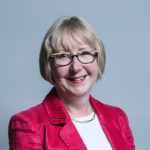
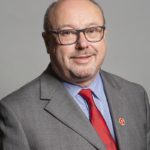
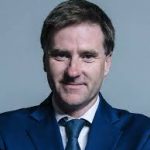
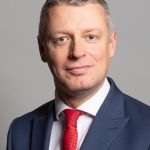
Author: admin

  • John McDonnell – 2022 Speech on BBC Local Radio

    John McDonnell – 2022 Speech on BBC Local Radio

    The speech made by John McDonnell, the Labour MP for Hayes and Harlington, in the House of Commons on 8 December 2022.

    I speak not only in my capacity as secretary of the National Union of Journalists parliamentary group, but to represent my constituents. The NUJ has circulated a briefing to all Members of Parliament who have expressed an interest in local radio. I will refer to elements of it because it sets what the right hon. Member for Hemel Hempstead (Sir Mike Penning) said in context.

    I congratulate the right hon. Gentleman on securing the debate. It is interesting that on this particular subject we have come together over the years on a cross-party basis to exert an influence on the BBC as best we can. Our debates in this House have exerted an influence: hon. Members who have been around for a while will remember previous debates in which we have fended off onslaughts on BBC radio.

    Let me put our concerns on the record—I hope the BBC is listening. The current plans mean that most of the afternoon and evening output will be shared. Overall, BBC local staffing is expected to reduce by 48 posts. After 2 pm on weekdays, the BBC will produce 18 afternoon programmes across England. Local stations will be forced to share information. What will that do? Exactly as the right hon. Gentleman says, it will seriously diminish a service that is highly valued by listeners and plays a role for all in underpinning local democracy by holding us to account and reporting on what is happening— not just with MPs, but with local councils and local agencies.

    As the right hon. Gentleman says, there is example after example of local BBC stations providing a conduit of information during crisis after crisis. From weather crises and covid to accidents and other unfortunate incidents, they provide the information people rely on. Why are they important, as against other stations? Because they are seen as a reliable source of information and they provide a vital service on which all our communities depend. The cuts mean that there will now be just 40 hours a week of guaranteed local programming.

    Let me reiterate the role that constituents have told us BBC local radio does. It connects communities. It provides local news. It provides reportage of sport, entertainment and religious services. It has been the bedrock of the BBC’s role as a public service. Interestingly, it is not just us saying that, but the BBC itself. In its latest annual report, the BBC boasts about how local radio

    “delivered real value by keeping people safe and informed through challenging times such as Storm Arwen, where audiences in the North East were left without power for weeks.”

    The BBC itself gives examples from the pandemic, when many people were isolated in their homes. The BBC itself says “it makes a difference.” That is why we are bewildered when 5.7 million people listen to local radio and it comes under attack once again.

    There is quotation after quotation from people who may not be working in the service at the moment and may therefore be more independent. I agree with the right hon. Gentleman that people do not want to put their jobs at risk at this stage. The former voice of BBC Radio Suffolk’s afternoons, Lesley Dolphin—who was very well known to a lot of people—wrote this to the director-general of the BBC:

    “BBC managers are proud that they have journalists on the ground in every county, but local radio is so much more than a news service—it is embedded in local communities and gives people a sense of place, a chance to celebrate heritage and art. It will be impossible to do that if programmes are shared across a wider area.”

    When we debated this issue recently, early in November, there was huge cross-party support for local radio. One Member said that local stations

    “provide a lifeline for news and education, mitigate against rural isolation and support people’s rural mental health.”

    Another said that it was

    “a great incubator for new talent”

    in his area, and a third described it as

    “one of the crown jewels of our public sector broadcaster.”—[Official Report, 1 November 2022; Vol. 721, c. 774-778.]

    The importance of local broadcasting becomes even clearer when all of us are reporting the decline in local newspaper circulation in our areas. The BBC local radio service has stepped into that gap to an even greater extent to ensure that there is local reportage, holding us all—at every level of representative democracy—to account. Press Gazette has reported that 265 local newspaper titles have gone. The BBC says that it is pursuing a digital-first policy, chasing younger viewers, but the NUJ and others have put forward alternatives so that broadcasters can improve the whole system more effectively by working differently and using technological solutions. Unfortunately, the BBC has not engaged in that discussion constructively enough.

    I agree with what the right hon. Gentleman said about staffing. All BBC local radio staff have now been told that their jobs are at risk. They have been told that the managers will “roll out” the plans, which means that some of those staff will not know their futures for up to a year. We can imagine the sense of insecurity that that creates.

    During the November debate, the Media Minister, the hon. Member for Hornchurch and Upminster (Julia Lopez), said the Government were

    “disappointed that the BBC is reportedly planning to make such extensive cuts to its local radio output.”—[Official Report, 1 November 2022; Vol. 721, c. 764.]

    The view that we can express to the BBC is that this is a cross-party issue. It is certainly of concern to the Opposition parties, but it is also of deep concern within the Government. I will not let the Government off the hook, because I want to put on record my opposition to the freezing of the BBC licence fee, but in the context of the resources that the BBC now has, as the right hon. Gentleman said, there must be some element of prioritisation for the valuable role played by BBC local radio.

    Let me quote from another broadcaster most people will recognise, Fi Glover, who has been a prominent broadcaster over the years. When she was interviewed recently on “The Media Show”, she said:

    “There has never been a more important time in the dissemination of information to have a strong local news network. If you can’t tell the story of the people around you, who you know and see every day then into that void can fall really unpleasant things. Once that part of the forest has been cut down, it won’t ever grow again.”

    So what did she think of these plans? She said,

    “it is bonkers.”

    I agree with her completely. I hope that the BBC is listening, and I hope it will think again.

    Let me say this on behalf the of NUJ: it stands ready to be involved in any consultations or negotiations to find an alternative way forward, which I think the majority of Members would also seek.

  • Mike Penning – 2022 Speech on BBC Local Radio

    Mike Penning – 2022 Speech on BBC Local Radio

    The speech made by Sir Mike Penning, the Conservative MP for Hemel Hempstead, in the House of Commons on 8 December 2022.

    I beg to move,

    That this House has considered the future of BBC Local Radio.

    I thank the Backbench Business Committee and the 100-odd colleagues from across the House who joined the application for this debate. For those who are watching and perhaps thinking that the Benches are a bit sparse, actually if everybody speaks for 10 minutes, we will fill the time perfectly. This is a great opportunity for colleagues across the House to send a message not only to the excellent Minister on the Front Bench, but to the BBC. I also thank the House of Commons Library for its excellent and balanced paper on the subject. I will try to explain to the BBC, with colleagues, where it has gone fundamentally wrong with the demise of local radio. Local radio provides a service to our constituents and our communities that commercial radio cannot provide. If the BBC is trying to compete with commercial radio in that space, then frankly it has lost the ethos of what the BBC is supposed to be about.

    There is a tax on all our constituents who have a TV or a computer that is able to receive a BBC programme. It is called the licence fee and it is a criminal offence not to have it. It was put in place all those years ago so that the BBC could provide a service that people could trust was impartial and was not going to come from any other source.

    Mr David Davis (Haltemprice and Howden) (Con)

    Does my right hon. Friend agree that impartiality is right at the front of the BBC’s ethos, but that in practice many of us in this Chamber—certainly, I do—find that BBC local radio, in my case Radio Humberside, is far more impartial than any national programme?

    Sir Mike Penning

    My right hon. Friend hits the nail on the head. I will come on to explain the matter of trust and how local radio is not allowed a level playing field, when it comes to programmes such as “Newsnight” or the cost of some BBC presenters. During covid, my constituents were massively reliant on the information coming from Three Counties Radio. They trusted it, they understood it and the presenters were literally their voice of information about what was going on during the pandemic.

    As the cold weather hits parts of the country—fortunately, although my part of the country is cold, the weather there will be nowhere near as difficult as the sort that some will have—there is no doubt that some schools will close. Where is the information that people can trust going to come from? Clearly, it will come from their local radio station. Some commercial radio stations will pick that up—that is fine—but actually that is the job of the BBC, because it takes the licence fee.

    The BBC gets about £3.5 billion from the licence fee and a further £1.5 billion from other sources. It is not for this House to tell the BBC how to spend that money, but we can give it advice. Some of that advice has been brought to me by my constituents, who are literally in tears that some presenters on local radio stations in my part of the world have been given pre-redundancy notices before Christmas, telling them that they should apply for their jobs. In some cases, those jobs will not be there.

    Let us look at what the BBC has decided to do. It is proposing to allow our local radio stations to go a bit longer in the morning, until about 2 pm, and then we will be regionalised.

    Colum Eastwood (Foyle) (SDLP)

    I am grateful to the right hon. Gentleman for securing the debate. An announcement was made last week about my local radio station, Radio Foyle, and we will not even get morning programming. There will not be a local voice on Radio Foyle in the north-west of Northern Ireland until 1 o’clock in the afternoon. The breakfast programme is being stripped away and more than half of the news staff are being got rid of to save £420,000. BBC Northern Ireland’s budget is £55 million. In effect, it will destroy a local radio station, going against what its own charter says about providing local people with access to local news, all to save a measly £420,000. The BBC has a massive number of staff in Belfast and two massive buildings, but the axe is falling on the local community in the north-west of Northern Ireland. Surely the right hon. Gentleman would agree that that is an absolute disgrace.

    Sir Mike Penning

    The hon. Gentleman represents the voice of his constituents in an excellent way in the House this afternoon. Knowing the Province as I do—once in uniform and then as a Minister of State in the Northern Ireland Office—I know how important the local radio stations are. The interesting thing is that I do not think the BBC really knows what it wants to do. What is its ethos? Where is it going? For instance, in my part of the world it will cut local radio in the afternoon, but in his part of the world it will cut it in the morning. I would argue that both are very important.

    To go back to my earlier point, we are now in winter. Parents will take their children to school, and it is quite possible that sometimes—especially in the northern parts of this great country of ours—those children will have to go home early. Schools will do their level best, but it is the local radio stations that will tell parents which schools will be open the following day, which will be open that evening, and whether they need to collect their children early—I hear that all the time on my local radio station. The people involved are dedicated, and they are not the very rich people who work for the BBC.

    When the Secretary of State came to the House to answer questions on this issue a few weeks ago, it was shocking that the Department had been told what was happening only the day before, because I had been told on the Friday by some local radio stations that they knew about it then. It is shocking that what is really an extension of Government—because the BBC takes the licence fee—did not tell the Government what was going on so that we could tell the House. That is absolutely disgusting and fundamentally wrong. Mr Speaker quite rightly complains bitterly when things are announced outside the House, but this was also about people’s jobs and our communication with our constituents.

    I went back to listen to some of the comments from people in local radio—I have to be careful here, because I want to protect them and not put them in an even more difficult position—and they said, “Mr Penning, it is not a level playing field. I’m not allowed to have another job, apart from working for the BBC.” A few people are on slightly different contracts, but the vast majority have contracts that say they cannot have another job in broadcasting.

    I named a gentleman in this Chamber who works for the BBC and who has been on our TV quite a lot recently because of the World cup—the gentleman’s name is Gary Lineker. I said that I thought that it was fundamentally unfair that he earns £1.35 million, or slightly more—that has been declared by the BBC as his income—and others, such as Zoe Ball on Radio 2’s “The Zoe Ball Breakfast Show”, earn just short of £1 million. I do not know about Zoe Ball’s contract, but what we know about Gary Lineker’s contract is that not only does he do advertisements for a certain company that makes crisps, but he works on BT Sport. My local radio people are not allowed to do that.

    I got lambasted by a Daily Mail journalist who said, “Stop picking on Gary Lineker.” I am not picking on him; I just think it is unfair that our local radio people are now prevented from having a job, while he can go and do jobs galore. I am not going to be a hypocrite; I have declared other interests outside this House. That is within my contract. Others who work in local radio cannot work in other ways. There are people who have been given their pre-redundancy notice and told that they need to apply for their job, but their jobs will not be there.

    What can the Minister do for us this afternoon? He is an excellent Minister, but his job, rightly, is not to run the BBC. It is for this House, however, to send a message to the BBC that it has got it fundamentally wrong to attack that low-hanging fruit—our local radio station presenters—without understanding the damage that that will do to our communities around the country.

    Andy Carter (Warrington South) (Con)

    This is a message that we need to send not only to the BBC, but to the regulator, Ofcom. The service licences under which BBC local radio operates are so woolly that, frankly, there are no obligations in place that require it to be specifically local to the area that it is required to serve. Given that we are in a mid-term review of the BBC, is it not time that Ofcom had some teeth and required the BBC to do what it is set out to do?

    Sir Mike Penning

    My hon. Friend has read my mind. As he may have noticed, I do not read speeches in this House because my dyslexia prevents me, so I try to memorise what I am going to say, and I was about to move on to Ofcom.

    Because the licence fee is a tax and people have to pay it, there has to be regulation. Ofcom provides that regulation. It is for the Government to set the parameters, for Ofcom to regulate and for the BBC to decide how to deliver its services. I find it inconceivable that Ofcom would sit back and allow this to happen when it is Ofcom’s job to ensure that the BBC fulfils its role and does what it was supposed to do when we set it up with a licence fee all those years ago.

    I am conscious that many colleagues across the House want to speak this afternoon, and I am really interested to hear what they say. The BBC has done brilliant things and has some brilliant programmes. I have fallen out with it many a time; I do not go on “Newsnight” these days, because it is cheaper just to phone up all the people who watch it—200,000, which is smaller than the number of people who listen to their local radio station in my part of the world.

    Dean Russell (Watford) (Con)

    My right hon. Friend and I share a local station, BBC Three Counties Radio. I am sure he agrees that every single one of its 250,000 listeners must enjoy the shows. As he says, it gives important local voices the power to reach into people’s homes when they are needed—it did that perfectly during the pandemic. I pay tribute to BBC Three Counties and all its presenters for their work.

    Sir Mike Penning

    I too congratulate BBC Three Counties, not just because of its work in the pandemic but because it picks up many local issues for us.

    I congratulate the BBC on managing to unite this House in a way that we probably have not seen for quite some time. This Chamber is confrontational by nature—it does what it says on the tin, really—but I can almost guarantee that colleagues are here today because they want to look after their constituents and want their constituents to get the best possible value from the BBC.

    If this is all about money, I cannot understand why the BBC is spending £5 billion, of which £3.5 billion is taxpayers’ money, but it cannot find a better way. If people cannot look after Radio Foyle instead of saving peanuts in cash terms, and if they cannot look after our local station Three Counties Radio, frankly they need to get another job, because they are not running their organisation correctly.

  • Helen Whately – 2022 Speech on Cancer Services

    Helen Whately – 2022 Speech on Cancer Services

    The speech made by Helen Whately, the Minister of State at the Department of Health and Social Care, in the House of Commons on 8 December 2022.

    I very much thank my hon. Friend the Member for Winchester (Steve Brine) for raising the Select Committee’s report on cancer today. I know that he is passionate about this issue both as a former cancer Minister and for the personal reasons that he mentioned, as do I. The Committee’s 12th report makes valuable recommendations, and I am grateful to it for all its hard work. I assure him and hon. Members that we are working night and day, together with our colleagues in the NHS, on three priorities for cancer in particular. They are: to recover from the backlog caused by the pandemic; to get better at early diagnosis and treatment, using the tools and technologies that we have; and to invest in research and innovation, because we know that advances in such things as genomics and artificial intelligence have the potential to transform our experience of cancer as a society.

    This is my first opportunity to congratulate my hon. Friend on his election as Chair of the Health and Social Care Select Committee, where I know he will do an excellent job, bringing his expertise as well as his passion on the subject to bear. I also welcome the focus that he will bring to the Committee on cancer and prevention, as he mentioned in his remarks. I am truly sorry that he has lost members of his family to cancer, including, as he said, his father. He rightly said that cancer affects pretty much everyone in our country in one way or another.

    My hon. Friend talked about some of the challenges that we and our NHS face in the diagnosis and treatment of cancer. In his time as cancer Minister, he was absolutely right to focus on early diagnosis, because we know that that makes such a difference. As he said, he set the 75% ambition for early diagnosis to be achieved by 2028, and the NHS is indeed working towards that at the moment. He talked about wanting to see the plan for achieving that ambition—I say “ambition” because, as he will know, it was intentionally set as a stretching target—and about the importance of us having the capacity to treat cancer. I think that is currently higher than it was before the pandemic, but I certainly see the need to expand it further.

    My hon. Friend talked about the importance of surgical hubs. We have 89 of them, but more are planned, with £1.5 billion of capital funding recently approved for their expansion and future new hubs. He rightly talked about the importance of cancer research and the alignment of that with cancer treatment and cancer services. He also talked about the significance of health disparities and the prevalence of risk factors such as higher smoking and obesity rates in more deprived communities. I will address some of those points during my speech.

    The hon. Member for Easington (Grahame Morris) spoke in particular about radiotherapy as well as giving a broader perspective. As he said, we met the other day together with Professor Pryce, and he raised his concerns with me about the use of radiotherapy, the impact of tariffs, the potential for better use of radiotherapy machines, staff, and several other points in the plan. It is too soon to give him the quality of answers that I would like on those points, but I am looking into exactly what he raised and will get back to him and those others we met as well.

    My hon. Friend the Member for Erewash (Maggie Throup)—I have huge respect for her, including the work that she did as a Health Minister and the expertise she brings to the debate—is absolutely right about the importance of community diagnostic centres. We are rolling them out around the country, with 19 more just announced, increasing our capacity to diagnose cancers promptly. She also spoke about workforce pressures. I am sure she will know that the 2017 cancer workforce plan was delivered and, in fact, exceeded by over 200 additional staff. Since then, Health Education England has received additional funding of £50 million for the cancer workforce in the last financial year and this one.

    I agree with my hon. Friend that we should continue to focus on ensuring that we are training, supporting and retaining the cancer workforce that we need. That is so important to achieving our ambitions in cancer as well as the wider NHS workforce. Indeed, many of those who work in the NHS will be looking after patients with cancer, not just those who might have a specific cancer workforce label. I am sure she will know that we are well on our way to achieving our ambition of 50,000 more nurses in the NHS, with over 29,000 more at the moment.

    My hon. Friend also spoke about cancer equipment. For instance, since 2016, £160 million of capital investment has been invested in radiotherapy equipment. I will take away her call for an equipment audit. She also importantly talked about obesity and alcohol as risk factors, although I appreciated that she said we should focus on alcohol reduction after the festive season. I thank her for allowing us to enjoy a drink over Christmas.

    Grahame Morris

    I am amazed that figures are not to hand on how many radiotherapy machines are more than 10 years old. Is it unreasonable to expect that NHS England would have an ongoing audit to identify which machines need replacing on a planned basis? Will that be addressed?

    Helen Whately

    There will be huge numbers of figures on things that NHS England will be monitoring. I said to my hon. Friend the Member for Erewash that I am very happy to look at her specific suggestion, on the extent to which the data already exists or whether we should be collecting it. That is part of what I will be looking into when I follow up on that.

    We heard from the hon. Member for Coventry North West (Taiwo Owatemi), who brings really valuable experience to this topic. She said that she is a former oncology pharmacist and, if I heard her right, that she also volunteers as a pharmacist in her local hospital. That is hugely welcome experience to bring to the debate. I am very happy to speak to her more about some of the challenges she raised. I will follow up after the debate to see if we can get that in our diaries.

    The hon. Lady pointed out that we are not achieving our targets on treatment rates, which is absolutely true, but she also spoke about cancer referrals. On that point, I want to share some good news. More people than ever before are being referred to hospitals by their GPs to see if they have cancer. The latest data for October this year, published only this morning, shows that almost 250,000 urgent cancer referrals were made by GPs in England, which is up about 109% on the levels in October 2019. It is 10,000 more than in October last year and over 35,000 more than in October 2020. That is thanks to the hard work of GPs, to the 91 community diagnostic centres which have carried out more than 2 million additional scans, tests and checks already, and to all the people who have come forward and got themselves checked. We know it is not always easy if you are worried that you might have something that could be cancer. We are working hard to encourage people to come forward if they are worried, so that we can improve early diagnosis. That is why we are working to raise awareness with campaigns such as “Help us, Help you” alongside targeting case-finding efforts such as targeted lung health checks. Such initiatives are successfully countering the pandemic’s negative impact on cancer referrals.

    In further important news, NHS England announced it is expanding direct access to diagnostic scans across all GP practices. That will cut waiting times and speed up diagnosis or the all-clear for patients. Since November, every GP team has been able to directly order CT scans, ultrasounds or brain MRIs for patients with concerning symptoms, but who fall outside the NICE guidance threshold. Non-specific symptom pathways are transforming the way that people with symptoms not specific to one cancer, such as weight loss or fatigue, are either diagnosed or have cancer ruled out. That gives GPs a much-needed referral route, while speeding up and streamlining the process so that, where needed, people can start treatment earlier. Thankfully, with the increased level of referrals, the majority of people referred will be given the all-clear. However, it is crucial to start treatment promptly for those who are diagnosed, while giving peace of mind to those who do not have cancer.

    On treatment, my Department has committed an additional £8 billion for the next two years, on top of the £2 billion elective recovery fund, to increase elective activity including for cancer services, because speed of treatment following early diagnosis is of course very important.

    I am looking at the time and I know that I need to try to wrap up promptly. I will skip as fast as I can to a conclusion, while answering a couple of points that were raised as we go.

    Many hon. Members commented on the pandemic. I recognise that the pandemic severely disrupted health services. The recovery of performance is a multi-year effort. The NHS is working very hard with a delivery plan specifically to tackle the covid elective care backlog. Under the plan, reducing the number of patients waiting over 62 days for treatment is a top priority.

    Many hon. Members are interested in the progress of the 10-year cancer plan. We are reviewing the responses we have received on the call for evidence to that plan. In parallel, I am closely scrutinising holding the NHS to account on its elective recovery plan, a major part of which is cancer care, as well as looking to the future and making sure we drive forward research and innovation, including, for example, with our recently announced life sciences cancer mission which will invest over £22 million in a vaccine taskforce approach to cancer research.

    I would like once again to thank my hon. Friend the Member for Winchester for securing this debate today. I look forward to working with him and other hon. Members on improving cancer outcomes.

  • Liz Kendall – 2022 Speech on Cancer Services

    Liz Kendall – 2022 Speech on Cancer Services

    The speech made by Liz Kendall, the Labour MP for Leicester West, in the House of Commons on 8 December 2022.

    I thank the Backbench Business Committee for granting this hugely important debate and the hon. Member for Winchester (Steve Brine) for securing it. Ever since he was elected in 2010—the same year as me—he has championed health issues. We have sat on several Bill Committees together and I know that he will continue to champion health issues in his new role as Chair of the Health and Social Care Committee. I was particularly pleased to hear him say he is determined to continue focusing on cancer care as that issue touches so many of our lives personally and professionally. I wish him well in his role.

    The central point made in the Select Committee report is that early diagnosis and prompt treatment of cancer is critical to improving survival chances and to bringing the UK up to the standards of other countries. The grim reality is that patients are having to wait longer at every stage of the process and the fundamental reason for that is a shortage of staff. The report says:

    “Neither earlier diagnosis nor additional prompt cancer treatment will be possible without addressing gaps in the cancer workforce and we found little evidence of a serious effort to do this.”

    I am afraid this is a terrible indictment of the Government’s record on cancer care, and that is despite repeated warnings not only from Members on this side of the House but from cancer charities, NHS staff and a range of other organisations.

    Members may know that the former Chair of the Select Committee and now Chancellor used to rightly say that the Government needed to do far more in terms of the workforce and that they did not have a proper workforce strategy; indeed, I think he may have joined Labour Members in the Lobby in voting to try to make that happen. Since becoming Chancellor he has been more silent on the issue. Labour, on the other hand, does have a clear workforce plan that would help make serious improvements in cancer care alongside many other parts of NHS treatment. I will say more about that later.

    I want to start, however, by setting out some of the current situation on waiting times for cancer care, and there are problems every step of the way. More than 60% of cancers are diagnosed following a GP referral, yet the report rightly says pressures on general practice mean there is a big increased risk of cancer being missed in primary care. The report says:

    “The NHS has lost 1,704 fully-qualified full-time GPs since 2015 despite repeated commitments to recruit more”.

    The impact of these GP shortages is clear.

    The standard is supposed to be that 93% of patients should wait two weeks between initial referral from a GP to cancer treatment. As of October this year only 77.8% of patients were seen within two weeks. That means 53,128 patients waited longer than they should. That is in contrast to when Labour last left Government, when over 95% of patients were seen within two weeks. The Government will no doubt say that that is entirely down to the covid pandemic. I am absolutely clear that covid has had a huge impact on cancer care, but let me remind the House that the Government were failing to hit the two-week referral target even before the pandemic. There are many problems in many other steps along the way. The Government have never hit their diagnosis target of at least 75% of patients being told whether they have cancer within 28 days of an urgent referral from either their GP or a cancer screening programme.

    As hon. Members have said, patients are waiting longer and longer for treatment. If we look at the two-month target, we see that in the East Kent Hospitals University NHS Foundation Trust, which serves the Minister’s constituents, 27% of patients are waiting longer than two months to have their treatment. That is two months when people will be terrified and anxious about what will happen to them. Will their cancer be getting worse? Their family members will be worried, too. In Leicester, the city that I represent, more than half of patients are waiting longer than two months for their treatment. I am afraid that the human cost of that has yet to be fully recognised by the Government.

    The key reason for that is a lack of staff. Alongside the shortages of GPs that I mentioned, the report says that

    “the NHS is estimated, on a full-time equivalent basis, to be short of 189 clinical oncologists, 390 consultant pathologists and 1,939 radiologists, and will be short of 3,371 specialist cancer nurses by 2030.”

    It adds that there is “no detailed plan” to address that. When the Minister rises, I hope that she will set out what she intends to do about that. The Labour Party has set out its long-term workforce plan, which will have independent workforce projections, new career paths in the NHS and new types of health and care professionals to help solve those problems. That includes doubling the number of medical school places to 15,000 a year, doubling the number of district nurses who qualify each year and creating 10,000 more nursing clinical placements, paid for by scrapping the non-dom tax status, because we believe that people who come and live in this great country should pay their fair share of tax.

    I could say far more about transforming cancer care and the need to fundamentally shift the focus of support towards prevention and early intervention, with more action on tobacco, on obesity, on exercise, and on alcohol —all the things that we know make such a difference. I could say far more about end-of-life care, which the hon. Member for Erewash (Maggie Throup) spoke about, and the need to join NHS services with social care and support so that people have choice about how and where they die. Within these time constraints, I want to say that I am optimistic about the future facing cancer patients in this country. There have been huge advances in science, medicine and technology, and Britain has been leading the way in much of that. It gives us hope for the future, but cancer patients and their families need the Government to act to solve the huge problems in the NHS, starting with the workforce, to get those waits down, get early diagnosis up and transform survival rates for cancer treatment.

  • Taiwo Owatemi – 2022 Speech on Cancer Services

    Taiwo Owatemi – 2022 Speech on Cancer Services

    The speech made by Taiwo Owatemi, the Labour MP for Coventry North West, in the House of Commons on 8 December 2022.

    It is a pleasure to follow the hon. Member for Erewash (Maggie Throup), a former Health Minister, who spoke with so much authority about the current workforce challenges, but also the need to improve and invest in better diagnostic equipment. I also commend the Select Committee Chair, the hon. Member for Winchester (Steve Brine), for perfectly outlining the Committee’s report.

    As somebody who worked in our NHS as a cancer pharmacist before entering this House and has worked as a regular volunteer pharmacist at my local hospital in Coventry, I know just how overwhelmed and over- stretched NHS cancer services are. The recently published report from the Health and Social Care Committee on cancer services uncovered that, in September, only 60.5% of patients started treatment within 62 days of urgent referral. In Coventry this year, only 57.2% of patients at University Hospitals Coventry and Warwickshire NHS Trust began their treatment within two months of being referred to the hospital by their GP. That is against a national target of 85%, so in Coventry and across the country cancer patients are being failed, making the Government’s declaration earlier this year of a war on cancer look more like a retreat than a tactical advance.

    The reality is that waiting lists are up, referrals are slower than ever, screening is in crisis, patient satisfaction has plummeted, medical professionals are leaving the sector in droves and the sector faces major structural challenges. If the Government are serious about making inroads into improving cancer care over the long term, it is crucial that they build a cancer workforce that is fit for the future. I welcome the Government’s commitment to publish a workforce plan next year, but they must commit to publishing the plan in full and deliver the much-needed funding for any workforce growth to succeed.

    Just to take clinical directors as an example, 99% have said that they are concerned about morale and burnout across the clinical radiology workforce. If we continue to treat our medical professionals with contempt, no one should be surprised if they decide to look for pastures new. If allowed to worsen, I fear that this workforce crisis will lead to expensive outsourcing and it will inevitably place greater strains on the public finances. Equally, I am deeply concerned that the Government have so far failed to recommit to a long-term cancer strategy.

    Under the last Labour Government, there was a long-term strategy and by and large we delivered it. That was reflected in record high patient satisfaction, record low waiting times, speedy referrals and improving survival rates across the board, so that is exactly what cancer services deserve.

    We know that one in two of us will get cancer in our lifetime, yet cancer outcomes in the UK continue to lag behind those of comparable European countries, as many Members have mentioned. This is disappointing to hear and highlights why we need a 10-year cancer plan. I am concerned that there are rumours that the plan may have been scrapped; given how many resources and how much energy have been put into developing the plan, I hope the Minister will confirm whether that is the case.

    Many Members have spoken about prevention, which is at the heart of the Committee’s latest cancer report. Four in 10 cancers in the UK are preventable, yet only through taking action to prevent cancer developing in the first place will we save lives and reduce pressure on our NHS. I welcome the successful public health campaigns on smoking and obesity in recent years, but much more needs to be done to ensure patients are made aware of the risk factors in developing cancer and can recognise its early signs and symptoms.

    Shockingly, smoking is still the biggest cause of cancer and death in the UK, causing around 150 cancer cases every day and 125,000 deaths each year. Recent Cancer Research UK modelling suggests that England will miss its smoke-free 2030 target by seven years for the population as a whole and by almost double that for the most deprived communities, who will not meet this target until the mid-2040s. So I urge the Government to invest in the resources and services that encourage and support people to quit smoking for good. Only through this long-term investment are we going to see the preventive results we urgently need.

    As the recently elected chair of the all-party pharmacy group and a former oncology pharmacist, I will briefly focus on drugs. As Health and Social Care Committee Chair the hon. Member for Winchester said earlier, drug research and development is not within the remit of the NHS. However, much investment is needed on research and development for new drug treatments, particularly for rare cancers such as liver cancer.

    I also want to speak briefly about aseptic services. I still work in aseptic pharmacy and understand the challenges and difficulties facing pharmacy aseptic services. The failure of the firms who make the cancer drugs to meet demand and the subsequent delays in patient treatment mean many treatments are repeatedly rescheduled. Frustratingly, this also means more work for NHS staff, who are already under enormous pressure. Also, increasing vacancy rates in aseptic services mean that services are working at, or above, capacity. These posts are hard to fill due to the fact that only a small group of healthcare professionals have the specific skills required, and given the small number of new staff entering aseptic services the filling of a vacancy at one hospital often results in a vacancy at a neighbouring hospital. I urge the Minister to take this challenge seriously, and to recognise that delays to treatment and referrals and cancellations must be addressed as they impact the ability of hospital pharmacy teams to supply these vital treatments.

    The Government must also take note and understand that the relationship with the firms supplying these drugs and NHS units is of fundamental importance. Hospitals must work in partnership with these companies to ensure that all parties do all they can to make sure the treatment is available on time and when patients need it; at the moment this is not happening. Pharmacy teams must be part of all capacity planning discussions; they are the ones on the frontline and they know what patients need. Aseptic units with capacity must also have the power to support other hospitals within their integrated care system areas. There will always be a small number of products that have to be prepared locally on a patient-specific basis; however, currently no mechanism exists for these products to be made without relying upon the manufacturers. I would welcome the opportunity to discuss these issues with the Minister further, and I hope she recognises the serious challenges aseptic pharmacies currently face.

    I have covered a lot of ground in my remarks today, but that is because of the scale of the challenge facing cancer care across the NHS. Whether driving down waiting times and eliminating needless delays, growing the workforce to treat cancer patients, boosting cancer prevention services, or facing down the challenges facing aseptic services, the Government certainly have a lot to do to improve cancer services and patient outcomes. I know the Minister is committed to improving those services and outcomes, and as a member of the Health and Social Care Committee I look forward to seeing, I hope, the much-awaited cancer plan and scrutinising it. I sincerely hope that this time next year the situation has improved for my constituents and all cancer patients nationally.

  • Maggie Throup – 2022 Speech on Cancer Services

    Maggie Throup – 2022 Speech on Cancer Services

    The speech made by Maggie Throup, the Conservative MP for Erewash, in the House of Commons on 8 December 2022.

    It is a pleasure to follow the hon. Member for Easington (Grahame Morris), who speaks with much knowledge and personal experience, which makes a huge difference. I welcome the report of the Health and Social Care Committee on cancer services, and the subsequent response from the Government. I commend all Select Committee members involved in producing that excellent report and I have every confidence that more quality reports will be produced on this subject and many others under the leadership of my hon. Friend the Member for Winchester (Steve Brine).

    I am grateful for the opportunity to discuss the report further. I will focus on community diagnostic centres and the role of diagnostics more generally in supporting cancer services. With 91 community diagnostic centres already open, a further 19 announced yesterday and 40 more to come before March 2025, this is definitely a good news story. I am delighted to have a community diagnostic centre in my constituency at Ilkeston Community Hospital. It opened a year ago. In its first eight months, it delivered more than 6,500 tests, checks and scans. To date, across all the community diagnostic centres that have opened, 2.4 million tests, checks and scans have been carried out. That is excellent news, but not the full story.

    The success of the upcoming 10-year cancer plan—we hope that it is upcoming and has not been shelved—as well as tackling the backlog, elective recovery plans and levelling up, depends heavily on diagnostics. Diagnostics, whether in vivo or in vitro, are crucial to the overwhelming majority of patient pathways and are central to health outcomes. I know that the royal colleges, specifically the Royal College of Radiologists, and many other organisations support investment in improving cancer services across England and, at the same time, addressing historic postcode lotteries created over recent decades.

    Community diagnostic centres have an important role to play in this, but they bring their own problems. There are already existing chronic workforce shortages and ageing equipment that prevent cancer diagnosis and improvements in cancer care. There is a shortfall of 30%—1,453—full-time equivalent clinical radiologists and a 17%—148—shortfall of clinical oncologists. Those shortfalls vary in severity for each region, but I take a particular interest in the east midlands, where my constituency is. The east midlands has the same shortfall of clinical radiologists as the national average, which is 30%, but the shortfall in clinical oncologists is above the national average, at 28%, while 19% of clinical radiologists and 18% of clinical oncologists are forecast to retire in the next five years, adding even further pressure on a workforce already struggling to meet demand.

    A global study has found that a treatment delay of four weeks, which could be caused by a workforce shortage, is associated with a 6% to 13% increase in the risk of death, and that worries me as it could have a detrimental impact on the outcomes for cancer patients across Erewash, however hard those in post work. If we are to improve cancer services in England, we must invest in clinical radiology and clinical oncology training places to ensure that there are enough clinicians throughout a cancer patient’s pathway. I know there is competition for clinicians across all disciplines, but, if we are to improve outcomes for our cancer patients, we need to attract radiologists and oncologists.

    I pay tribute to everyone involved in this aspect of medicine, whatever their role, and of course our NHS workforce across all disciplines. I include all the amazing people, whether healthcare professionals or volunteers, at my local hospice, Treetops Hospice Care, who each day make the end of life a better experience for so many of my constituents—a huge thank you to everybody.

    I have mentioned that one of the other barriers to community diagnostic centres reaching their full potential is the lack of investment in equipment in the existing system. The UK has fewer scanners than most comparable countries in the OECD: it has 8.8 CT scanners per million of the population while France has 18.2 and Germany has 35.1; it has 7.4 MRI scanners per million of the population, while France has 15.4 and Germany has 34.7. Industry surveys have shown that one in 10 CT scanners and nearly a third of MRI scanners in UK hospitals are over 10 years old, and 10 years is usually the age at which this equipment can be considered obsolete and must be replaced.

    In June, the Royal College of Radiologists surveyed a representative sample of its members in England about equipment needs, revealing that 49% of clinical radiologists and 21% of clinical oncologists said they do not have the equipment they need to deliver a safe and effective service for patients in their department or cancer centre. Only 32% of clinical radiologists and 54% of clinical oncologists said their equipment is fit for purpose, with the rest saying it is substandard or only acceptable to some extent. There must be a comprehensive audit of all diagnostic equipment across England so that investment is made in the right equipment where it is needed most.

    I have some questions for the Minister, for whom I have great respect. I know just how much she cares about getting it right for patients. First, are clinical radiology and clinical oncology training places being invested in to ensure there are enough clinicians throughout a cancer patient’s pathway and, if so, will that investment include both the 50% of trainee costs covered by Health Education England and the other expenses incurred by trusts? When it comes to equipment, are community diagnostic centres taking the investment preference over and above the replacement of obsolete diagnostic equipment in hospitals, and will an audit of all diagnostic equipment be carried out? Of course, as has been mentioned, one of the elephants in the room—or, more correctly, in the Chamber—is: how do we help to prevent people from getting cancer in the first place?

    Across the UK, there are huge health disparities. When heat map after heat map is laid over the UK —whether for high smoking rates, high levels of obesity, high rates of cardiovascular disease, high rates of cancer, excess alcohol consumption or poorer health outcomes—they all show that the same areas are affected detrimentally. Therefore, we need to consider how we are going to achieve the Government’s targets to become smoke-free by 2030 and to halve childhood obesity by 2030. Perhaps, after the festive season, there can be a fresh look at measures to tackle excess alcohol, because alcohol, smoking and obesity are all markers of and can all cause cancer. If we are serious about tackling cancer, we need to be serious about preventing it as well, and it is never too late. We are always excited to hear about new therapies that have been proved to be effective, but surely we need to get as excited about preventing cancer in the first place, so my final question for the Minister is: when can we expect the health disparities White Paper to be published?

    There are many innovations to harness across all diagnostics, while community diagnostic centres, genomics and AI have a role to play, as do many more innovations, but until the unprecedented challenges—including the huge workforce pressures, out-of-date equipment and preventive measures continuing to be watered down—are addressed, cancer diagnosis and treatment will never reach their true potential. The Government state in their response to the Select Committee’s report that

    “the Government’s forthcoming 10 Year Cancer Plan will set a new vision for how we will lead the world in cancer care, including ensuring we have the right workforce in place.”

    That is an admirable ambition, and we all want the Government to succeed. Indeed, they must succeed, as this will be transformational for the life chances of my constituents in Erewash and those of the whole nation. As my hon. Friend the Member for Winchester has said, I look forward to reading the Government’s 10-year cancer plan very soon.

  • Grahame Morris – 2022 Speech on Cancer Services

    Grahame Morris – 2022 Speech on Cancer Services

    The speech made by Grahame Morris, the Labour MP for Easington, in the House of Commons on 8 December 2022.

    It is a privilege to speak in this debate, and I want to express my appreciation for the work of the Select Committee and for the way its Chair, the hon. Member for Winchester (Steve Brine), presented the report and the way forward. It is very instructive and informative, and I cannot disagree.

    I must make some declarations of interest. I am, and have been for some time, vice-chairman of the all-party parliamentary group for radiotherapy. I want to confine my remarks to radiotherapy, although I do have a broader interest as vice-chairman of the all-party parliamentary group on cancer. People might not believe this, but I worked for almost 15 years in an NHS diagnostic laboratory, so I have a little bit of knowledge of the front- line. I served for five years as a member of the Health Committee when I was first elected, under the chairmanship of Stephen Dorrell initially and then Sarah Wollaston. I found that to be one of the most interesting and rewarding things I have done in the House of Commons since being elected.

    I also served on the Health and Social Care Public Bill Committee—I must thank you, Madam Deputy Speaker, for putting me on that Committee—which was a marathon. I remind Members who were not around at the time that part of the justification put forward by the then Prime Minister and the coalition Government for those major reforms and restructuring of the national health service, including the commissioning of cancer services, was the poor outcomes on cancer. The system we have now was born out of a recognition that we needed to do better.

    I pay tribute to the hon. Member for Westmorland and Lonsdale (Tim Farron), who chairs the APPG for radiotherapy, and the hon. Member for Strangford (Jim Shannon), who is an assiduous advocate for improved cancer services, not just in Northern Ireland but throughout the country.

    I am delighted that this report signposts the way to future work. I am very pleased that the hon. Member for Winchester indicated that it is his intention, with the agreement of the Committee, to do further work on how we might achieve the laudable 75% diagnosis target by 2028. I am pleased that the Minister of State, Department of Health and Social Care, the hon. Member for Faversham and Mid Kent (Helen Whately), is responding to the debate. I am sure that, like some of her predecessors, including the hon. Member for Winchester, she will grow tired of me banging the drum for cancer services, and for radiotherapy in particular, but there are some very important points and sound advice that come not from me, although I should say that I am a cancer survivor. I have had lymphatic cancer on three occasions, and I have benefited from surgery, chemotherapy and radiotherapy, so I understand what is involved and I value the vast improvements there have been in all those pillars of cancer treatment.

    The sexy thing on cancer services is early diagnosis. It captures a lot of headlines, and the hon. Member for Winchester was right to point that out, but it goes hand in glove with having the requisite treatment capacity. With the best will in the world, the investment in new diagnostic hubs, which I welcome and is laudable, will simply increase the number of patients in the system. If we are to improve outcomes for cancer patients, we simply must address the issues around cancer treatment capacity.

    I believe the Minister has a copy of the six-point plan for improving outcomes from the APPG and the charity Radiotherapy UK. We are not saying that radiotherapy is somehow in competition with the other pillars of cancer treatment; rather, it complements them. Advancements in science, technology and skills, with the introduction of artificial intelligence, the ability to map tumours precisely and incredible advancements in MRI scanning facilities, used in parallel with precision radiotherapy machines, gives us an opportunity to make a quantum leap in treatment and to improve productivity.

    The cancer workforce is very small; it is only around 6,500 nationally. They are a highly skilled, highly motivated group of individuals who are doing a fantastic job, and I pay tribute to the cancer workforce, particularly those who work in the field of radiotherapy, who are holding the line at the moment and facing growing pressures in the system.

    As a country, we spend about 5% of our dedicated cancer budget—not 5% of the entire NHS budget—on radiotherapy. If we look at international comparators, which we must do, we see that the OECD average is about 9%, so we are spending about half as much as other similar developed industrial nations. To put that into context—because sometimes we get lost in the figures—the NHS spends more on a single cancer drug, Herceptin, than on the entire radiotherapy service across the country.

    I want to touch on commissioning, which is an issue that can be readily addressed and that came about as a consequence of the 2012 Lansley reforms. We took that up directly with the Minister when she kindly met a delegation earlier this week. Cancer services are currently nationally commissioned by NHS England, but there are things that could be done rapidly to increase treatment capacity by addressing some of the anomalies in the current tariff system.

    Perversely, NHS trusts that have the latest advanced precision radiotherapy equipment are financially disadvantaged from using it because of the tariff system. Bizarrely, patients are being treated with 30 fractions of radiotherapy when it is perfectly possible to treat them with four, five or six fractions of precisely delivered radiotherapy if the machines are available and the staff are trained to do it. In many cases, the machines are there but the tariff system works against rolling out that facility. That is completely perverse and it is crazy that we do not do that.

    We can learn from examples of what is happening in similar European countries. The Chair of the Select Committee mentioned the rapid improvements that have been made in Denmark as a result of having a well-thought-through, well-developed and well-scrutinised plan to improve cancer services. Rightly, some European countries also have diagnostic hubs, but in many cases they are combined diagnostic and treatment hubs, so it is conceivable that patients go in for diagnosis and rapidly begin their treatment—in some European countries, on the same day. Many patients here wait a month, and far too many wait more than two months—62 days—before their treatment starts.

    I have some particular points to make to the Minister, which we also raised with her directly. The Chair of the Select Committee mentioned the new cancer plan. As a House and as a nation, we need some clarity on whether there will be a new 10-year cancer plan and whether the Department and the Ministers are making the case to the Treasury to secure the necessary funding. I hope that, as part of that, the Minister will look at the six-point plan for improved radiotherapy services that she has in her possession. Even without a cancer plan, however, there are things that could be done immediately to address the issues around the tariff system and the bureaucracy that holds back technology, which NHS England could easily resolve.

    We are going to move to a new commissioning system with integrated care boards over large areas, but they have no capital budget and their funding is revenue based, so we must address the issue of those centres across the country. It is wonderful if people live near the Royal Marsden, which is one of the finest hospitals not just in the country or in London, but probably in the world, but if people live in the south-west, Cumbria or the north-east, they cannot readily access such a tremendous centre. We must address some of those health inequalities before the new commissioning arrangements come in, so that we have a systematic approach to replacing machines that are more than 10 years old, rather than having to make out a business case and compete against other centres that may already be well provided with the latest technology.

    We are on a time limit, so I will wrap up, because I do not want to incur the wrath of Madam Deputy Speaker. I give the Minister credit for her commitment and aspiration to improve cancer outcomes and to have a first-class service. I hope that the Health and Social Care Committee will play its role in scrutinising the cancer plan, or the Minister’s plans to improve cancer services. I am pleased that she recognises the validity of the representations that have been made already and that there is an urgent need to address the tariff issue. I would like an assurance that that will be done quickly, not in a year or two, because there is clear evidence that it could improve outcomes and it is what we call low- hanging fruit.

    There is a lot more that I could say and lots of figures that I could quote—for example, I am concerned about the latest cancer waiting times; the Minister attended our presentation where it was shown graphically that there are huge variations across the regions. The Government must address that. I think we could get cross-party support for a sensible cancer plan, so I look forward to seeing the proposals that she comes up with when she has consulted with her colleagues and the Treasury.

  • Steve Brine – 2022 Speech on Cancer Services

    Steve Brine – 2022 Speech on Cancer Services

    The speech made by Steve Brine, the Conservative MP for Winchester, in the House of Commons on 8 December 2022.

    I beg to move,

    That this House has considered the Twelfth Report of the Health and Social Care Committee, Session 2021-22, Cancer services, HC 551, and the Government Response, HC 345.

    I am very grateful to the Liaison Committee for selecting this topic for debate in the Chamber today. We know that one in two people in the UK will develop cancer at some point in their lives. It is no exaggeration to say that this is an issue that affects everyone in the House—indeed everyone in the country in one way or another—and it has touched my life for the worse many times, as I will talk about later. That is why the Health and Social Care Committee produced a report on cancer services earlier this year, and I pay tribute to my predecessor as Chair, my right hon. Friend the Member for South West Surrey (Jeremy Hunt), for his leadership in producing that work. That awful statistic is also why I have made cancer a priority as the new Chair of the Committee.

    Our report found great strides had indeed been made in improving survival from cancer. Thanks to the tireless work of our scientists, researchers, doctors and nurses and others, including Ministers, over many years, more than half of people diagnosed with cancer now live for five years or more, compared with only one in three people 50 years ago.

    We also heard that cancer survival in England, and indeed in the rest of the UK, continues to lag behind comparable countries around the world. The International Cancer Benchmarking Partnership explains that just under 60% of people diagnosed with bowel cancer in England, for instance, will live for five years or more, compared with 66.8% in Canada and almost 71% in Australia. The pattern is seen in many other cancer types, including lung cancer, which, of course, took our great friend James Brokenshire last year; pancreatic cancer, which took my own father, who was diagnosed in September 2019 and was dead three days after the general election that December; and ovarian cancer, which has also touched my family and so many people.

    The charity Target Ovarian Cancer came to the House last month—my good friend the hon. Member for Washington and Sunderland West (Mrs Hodgson), who chairs the all-party parliamentary group on ovarian cancer, led the reception downstairs in the Churchill Room—and launched its pathfinder study, “Faster, further, and fairer”. The study notes that 4,000 women a year still lose their lives to ovarian cancer. I highly recommend that excellent report to Members.

    We know that one of the biggest reasons for the survival gap—I have just quoted some comparative figures—is that the NHS tends to diagnose fewer cancers at an early stage, when cancer is, of course, much more treatable. Early diagnosis is cancer’s magic key, as has been said so many times from these Benches. NHS England has set a target of diagnosing 75% of cancers at an early stage by 2028, compared with about 54% today. We say that achieving that would make a huge difference to outcomes. I agreed that target when I was the Minister with responsibility for cancer a few years ago, and I firmly believe that it is the right target to give more people the best possible chance of surviving their cancer. But we need to be much more ambitious and get upstream of many cancers—I will return to that point.

    Last month, Dame Cally Palmer, the excellent national cancer director who also works at the Royal Marsden, told us in a special topical session of the Select Committee that she remained “cautiously optimistic” that the 75% target would be met, and told us about some great progress being made on programmes such as targeted lung screening—we have all heard about the supermarket checks—which is diagnosing lots of early-stage lung cancers in the pilot studies and is showing great promise. Dame Cally’s optimism was not, I have to say, entirely shared by many of the experts who gave evidence to our inquiry on cancer services. John Butler, a specialist in ovarian cancer, thought it was “extremely unlikely” that the 75% would be reached, and Dr Jeanette Dickson, an oncologist, said the NHS was doing “very badly” against the target. That is a worry. Regrettably, we concluded in our work that the NHS is not on track to meet the 75% target, and that judgment was shared by the Committee’s independent panel of experts, who evaluated Government progress on cancer services.

    The Government said in their response to us that it was premature to say that progress towards that target is off-track, but the National Audit Office found that, so far this year, 56% of patients are being diagnosed at stages 1 or 2, which is the same proportion as when I made the target in 2019. Of course, that is below the level of improvement required to reach that three-quarters target of early diagnosis by 2028. I do not agree that it can ever be premature to call for more to be done to make progress on early diagnosis when failing to achieve the target could mean many hundreds of thousands of people missing out on early diagnosis and, of course, on a better chance of surviving their cancer and living for longer.

    The Committee heard extremely powerful examples of why it is so important to make more and faster progress on diagnosing cancers earlier. In December 2020, Andrea Brady’s daughter Jess died of stage 4 adenocarcinoma at the age of just 27 years old. Before her diagnosis, Jess had been passed from pillar to post, consulting repeatedly with multiple GPs and other clinicians before her mother was finally forced to pay for a private consultation just to get Jess a diagnosis. By that point, tragically, it was too late. Jess passed away in hospital three and a half weeks after she was diagnosed.

    Meeting the target of diagnosing 75% of cancers at an early stage would mean giving thousands of people a better chance of surviving their cancer, and thousands fewer families having to suffer such terrible losses. That is why we called in our report for the then promised 10-year cancer plan to kickstart progress on early diagnosis. We called for it to consider more radical proposals on how to diagnose more cancers at an early stage, and to include an associated workforce plan to reduce diagnostic bottlenecks in the system.

    Good work is ongoing, and I know that the Minister will talk about it later. New research, such as the NHS-Galleri blood test trial, could be transformative. Indeed, last month our colleagues at NHS England would not be drawn on whether there is a need for a new 10-year cancer plan, as previous Governments have promised. They seemed to imply that a new plan was not needed given the focus of the long-term plan on early diagnosis. I contest that. The consultation on a new 10-year cancer plan was responded to by the sector, charities, royal colleges and many other organisations, and it has set many hares running and created great expectation about a future cancer plan. We on the Committee—I see other Committee members here—are concerned about that. We are not hung up on plans, but in my experience of being a Minister, the NHS loves a plan, the NHS needs a plan, and critically, that would allow this House to see where we are against the plan.

    Achieving early diagnosis is not just about what NHS England can do from the centre. It is also about improving public awareness about the many signs and symptoms of cancer across all communities. It is about making sure that GPs have good systems in place for managing patients with possible cancers and are able, without barriers, to refer them on for tests. It is about the continuous improvement of screening programmes, and hard work—really hard work—in local areas to encourage people to come forward. Of course, one of the great promises of the new integrated care systems is to work with the cancer networks and alliances to deliver on that system of early diagnosis and prevention.

    Achieving early diagnosis is also about focusing research and innovation on developing new ways of detecting cancer—especially cancers that are hard to diagnose—and ensuring that the NHS is set up to roll out new tests quickly. I referred to Galleri earlier, and mentioned upstream cancer. Next year, we will do a piece of work that I loosely call “Future cancer”. It is, of course, important that we diagnose cancers early—that is the basis of my remarks. At the moment, however, we largely diagnose cancers and treat them when they are symptomatic, and we hope to catch those symptoms and treat them early. Many cancers, but not all, are preventable, and I am interested in future cancer. Where can we get upstream of this? Where can we use the NHS’s new genomics strategy? Where can we use biomarkers to get ahead of that? That poses big moral and ethical questions to us as a society, but that is no reason not to go there or not to have that ambition.

    All this is about making sure that there are enough staff and machines in the system to do even more tests and give many more people the best possible chance of being diagnosed with cancer at an early stage. The 10-year cancer plan should look again to make sure that the Government are truly pulling out all the stops to get to 75% early-stage diagnoses by 2028. I hope the Minister will confirm that the Government are still committed to doing that work.

    Early diagnosis means little if there is not sufficient capacity to provide people with the right treatments at the right time. Unfortunately, the latest data suggests that there has been a decline in the NHS’s ability to provide this treatment. While the vast majority of people do still receive timely treatment following a cancer diagnosis, in September nearly 10% of people waited more than a month for their first treatment following their diagnosis, compared with less than 5% in 2019. That is more than 2,400 people having to wait more than an entire month to begin their cancer treatment—more than double the number who were waiting that long two years prior. As the former cancer director, Professor Sir Mike Richards—a giant in this area—often says, when someone is waiting for a cancer diagnosis or treatment, it is not the 31 days that really matter, but the 31 nights. I know that people around the country will understand that.

    Grahame Morris (Easington) (Lab)

    I commend the hon. Member, the Chair of the Select Committee, on an excellent report and an excellent analysis of the problems and the way forward, but he referred to the latest cancer waiting times. It is timely that we are having this debate, because the new cancer stats have been published by NHS England today. They show that the position is worsening. In October this year, 39.7% of cancer patients waited beyond 62 days between urgent referral and cancer treatment. There is an urgency in addressing some of the issues that the Chair raises.

    Steve Brine

    Indeed. The reason why we had Dame Cally and Professor Peter Johnson, who is the national clinical director for cancer, into the Select Committee a couple of weeks ago is that the NHS has set itself a deadline of next spring—it was this spring—to get back to the 62-day wait. I have everything I have crossed that they can get there, but they need to make it happen. I know they are relentlessly focused on that, and the Minister is relentlessly focused on that, but we have got to help them get there.

    The Committee also heard about the challenges facing surgery and radiotherapy services, which makes it rather timely that the hon. Gentleman intervened on me at that point, as I suspect he will speak about it later. Professor Pat Price, who he and I are going to meet early in the new year, is a consultant oncologist at Imperial College in London. She told us that radiotherapy services were lacking staff and machines to be able to deliver the best possible care and that services were struggling to deliver the level of activity needed to catch up with the cancer backlog. I will let the hon. Gentleman expand on that a bit later. Professor Mike Griffin, professor of surgery at Newcastle University, also highlighted workforce shortages as a significant barrier to effective cancer surgery, but he also told us about the organisation of services. Because cancer surgery is often co-located within general, acute and emergency care, it can be subject to delay because of capacity shortage, and that was a particular problem during covid in some places, but not everywhere.

    My trust, Hampshire Hospitals, did a brilliant job to keep cancer surgery on track at all times by doing it offsite. I pay tribute to Alex Whitfield and her team at Hampshire Hospitals for the way they organised with Sarum Road private hospital in particular to ensure that patients continued to get their cancer treatment. Professor Griffin called for more ringfenced hubs to be developed so that cancer surgery can continue even when there are severe pressures on acute care, and I hope the Minister refers to that when she winds up.

    Growing the workforce, investing over the long term in machines and IT and reorganising services to create more cancer surgery hubs are all in the Government’s gift, which is why we recommended that they consider those actions in developing the 10-year plan. Without a wider focus on removing the barriers to the NHS delivering the best possible cancer treatments, the potential gains of earlier diagnosis might not be realised. Given the number of people presenting with suspected cancer at the moment—it is good that they are presenting, and many of them will turn out not to have cancer— if it is found that they do have it, we need to move on that. That is why treatment is the other side of the same coin.

    Just as further progress on early diagnosis will depend on research and innovation to develop new tests, improving cancer treatments will require new and more advanced techniques to be developed and implemented by the NHS. We found in the Committee report that the UK is a genuine world leader in research. There are unique aspects to the NHS that make it an effective partner for research organisations. We also heard that there are significant barriers to researchers accessing the data they need for quick and equitable patient recruitment to clinical trials and for staff having the time they need to take part in research. The Government have set out several steps they are taking to improve access to data and improve flexibility for staff wanting to take part in research, and that is welcome, but research by Cancer Research UK has found that the UK’s recovery from the pandemic in clinical trials continues to be outpaced by other comparable countries.

    NHS England told us that supporting clinical research into cancer is not its responsibility, so it is clear that a wider effort is needed to make sure that cancer research taking place in the NHS is well supported and aligned with the priorities for cancer services. That is another reason why the plan is important.

    Finally, we heard that there is significant variation in outcomes for people diagnosed with cancer, depending in part on the type of cancer they are diagnosed with, but also demographic factors. The Government told us that they would be addressing these differences through the levelling-up White Paper, but also through the health disparities White Paper, by addressing issues such as smoking and obesity, which are more prevalent in our more deprived communities.

    On that, there is a story in today’s press which suggests that Britain has the biggest increase in early onset diabetes in the western world. That is a huge concern. I am not suggesting that diabetes is cancer; I am saying that we have many suggested actions to reduce obesity around junk food advertising and stuff that follows on from the sugar tax. Much of that has still not been implemented. Rumours abound—there are always rumours around here—that the Government are seeking to delay junk food advertising restrictions until 2025. I hope that is wrong. I invite the Minister to respond to that when she winds up and, if not, to take that away.

    Maggie Throup (Erewash) (Con)

    Will my hon. Friend give way?

    Steve Brine

    I give way to somebody who possibly shares that view.

    Maggie Throup

    I agree 100% with his concerns about the potential watering down of the much-needed anti-obesity measures. Does he agree that it is important that we reflect what the public want? The public are in agreement with banning advertising on TV for particular foods that cause obesity. If we want to keep the public on our side, surely we have to follow their wishes, as well.

    Steve Brine

    I think that is right. The public are clear on this. I get that there are different views across this House and that there are those who disagree with much of the work that my hon. Friend and I did in government to push some of those measures on preventing obesity. I could agree with them, but then we would both be wrong. At the end of the day, obesity is a driver of diabetes, and obesity is a driver of certain cancers. We must take that seriously. Next year, the Select Committee will be doing a huge piece of work on prevention, and we will be returning to that. I hope that Ministers are aware of that.

    The recognition of the importance of health in the levelling-up White Paper is welcome, but without specific actions to address health disparities, this agenda will be at risk, so it is vital that the Government take up the prevention agenda again to stop people developing cancer in the first place. I hope the Minister will have some good news for us on that front, and I recommend that she returns to the prevention Green Paper that we published back in 2019, which contains lots of helpful ideas in that respect.

    Richard Foord (Tiverton and Honiton) (LD)

    On that point about health disparities and levelling up, I want to draw attention to the Royal Devon University Healthcare NHS Foundation Trust, which serves my constituency. The staff who work there do a fantastic job of cancer diagnosis but, given that the target for the number of people seeing a cancer specialist within two weeks is 93%, it is tragic that only fewer than 60% of people who are served by that trust see a cancer specialist within two weeks of a referral. Does the hon. Member agree that we need to level across, as well as level up, and think about health disparities across the country?

    Steve Brine

    Yes, of course. I hate the term, but this should not be a postcode lottery. We do have integrated care systems and cancer networks, and good, strong, experienced MPs should be driving those local health economies to ensure that they level themselves up and make use of what is there in the system to deliver as well for their population as other parts of the country do. There could be a lot more sharing among us of how we use that ability as Members of Parliament to drive our systems. I do it in my area, and I am sure the hon. Member does it in his. I thank him for his intervention.

    There are issues of variation affecting cancer specifically, such as proper screening uptake among certain groups, lower referral rates for some cancers and in certain areas, and higher rates of less survivable cancers among more deprived groups. We called for NHS England and the Office for Health Improvement and Disparities to produce an action plan for addressing disparities in cancer and for the much talked about 10-year cancer plan to include a specific action schedule for rarer and less survivable cancers. That remains, for us, a vital aspect of improving cancer services, and we hope that the long-term cancer plan—should one arrive—makes that part of its work.

    Last month, NHS England made it clear to us that it was focusing on delivering the NHS long-term plan for cancer. In many ways, that emphasis on delivery is welcome. The programmes being implemented as part of that work are positive, and I have covered some of them today, but recent research from the International Cancer Benchmarking Partnership has shown that national cancer plans are worth far more than the paper they are written on. The ICBP found that the countries that have made the biggest improvements in cancer since 1995 are those that have ambitious, detailed and costed plans for improving cancer services that are open to scrutiny by those whose job it is to do that—namely, us. Denmark and England used to be at the bottom of the league table for cancer, but thanks to consistent national cancer plans with associated long-term investment, the Danes have made rapid improvements, and they now leave us lagging behind.

    In conclusion, the Health and Social Care Committee’s report on cancer services found that there are many areas where the Government and the NHS are doing really good work and using the unique benefits of our national health service, but there are too many other areas where we can go further and faster to improve cancer services and outcomes. I hope the Minister will confirm that the Government intend to do so through the promised 10-year cancer plan.

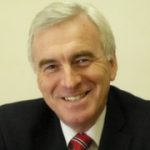
  • Luke Pollard – 2022 Comments on the Woodhouse Colliery in Cumbria Planning Decision

    Luke Pollard – 2022 Comments on the Woodhouse Colliery in Cumbria Planning Decision

    The comments made by Luke Pollard, the Labour MP for Plymouth Sutton and Devonport, in the House of Commons on 8 December 2022.

    Luke Pollard (Plymouth, Sutton and Devonport) (Lab/Co-op)

    The world is currently meeting in Montreal for COP15 to deal with the pressing climate and nature crisis that we are facing. A common message from there is that coal should be kept in the ground. It will be incredibly difficult for the Government to convince the public at home and abroad that opening a new coalmine is dealing with that urgent climate crisis in a progressive way. His colleague, the former COP26 President, described this decision as an “own goal”, so may I ask the Secretary of State whether he thinks approving a new coalmine in the middle of a climate crisis will enhance or damage Britain’s reputation as a global green leader?

    Michael Gove

    Again, I stress the importance of looking at what the inspector says. The hon. Gentleman quite rightly points out that international partners are meeting in Montreal, alongside the UK, in order to uphold the importance of biodiversity and to help protect species. I should point out that in paragraph 21.163 of the inspector’s report the inspector specifically addresses the question of biodiversity and says that he

    “is satisfied that the Supplemental Undertaking”—

    given by the applicant—

    “would ensure that the proposed development would provide for a minimum net gain”—

    in biodiversity—

    “of 10% prior to the commencement of production and further net gain to be achieved on restoration.”

    The inspector took account of biodiversity in coming to his judgment, and so have I.

  • Katherine Fletcher – 2022 Comments on the Woodhouse Colliery in Cumbria Planning Decision

    Katherine Fletcher – 2022 Comments on the Woodhouse Colliery in Cumbria Planning Decision

    The comments made by Katherine Fletcher, the Conservative MP for South Ribble, in the House of Commons on 8 December 2022.

    Madam Deputy Speaker, you know me to be a biologist and an environmentalist—I should confess to the House that I also get called a tree hugger by certain hon. Members of this House—but does my right hon. Friend agree that it is the “net” in net zero that is the crucial thing here? We have heard today from the Opposition that this development is not green, but they are wrong. It is better to do this mining on our shores and in a responsible way. Does he agree that the north-west of England has the pride, the heritage, the skills and the future to deliver not only this coking coalmine, but the future industries of 4.0?

    Michael Gove

    I am tempted to say that any tree that is hugged by my hon. Friend is a very lucky tree.

    On the substance of the very important point that my hon. Friend makes, yes, in order to ensure that we have a transition to net zero we do need to reduce our reliance on a variety of different materials. However, as the inspector makes clear, and as my hon. Friend quite rightly points out, the economic benefits that this development brings to the north-west are also entirely consistent with our broader environmental ambitions.